
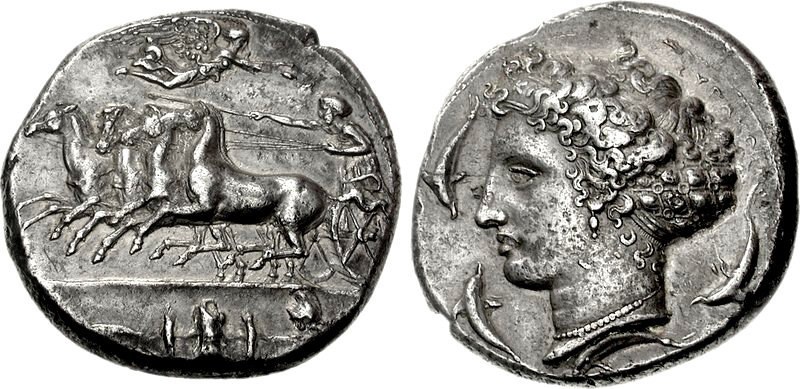
Syracuse Dekadrachm
Large silver dekadrachm of Syracuse, c. 405-380 BC, showing a racing quadriga crowned by Victory and a head of the nymph Arethusa with flowing hair.
- Country
- Ancient Sicily
- Denomination
- Dekadrachm
- Metal
- Silver
Got a coin like this?
Identify any coin from a photo, free.
Overview
This is a Syracuse dekadrachm, one of the largest and most celebrated silver coins of the ancient Greek world. Struck in Sicily during the Classical period, it carries a four-horse racing chariot (quadriga) with a charioteer and a flying figure of Victory on one side, and a profile head of the water nymph Arethusa with elaborately arranged hair on the other. As a ten-drachm piece it is a heavy, broad coin of high-grade silver, far bigger than the everyday tetradrachm.
The example shown belongs to the famous series produced at Syracuse around the turn of the fourth century BC, the issues most closely associated with the master engravers Kimon and Euainetos. These coins are prized both as historical objects and as high points of Greek die-engraving, where the naturalistic horses and the finely modeled portrait of Arethusa show ancient art at its most confident.
The coin is identified by its combination of the galloping quadriga with a Victory crowning the driver, the head of Arethusa surrounded by dolphins, and the great size and weight of the dekadrachm denomination. It is one of the most recognizable and most imitated designs from ancient Sicily.
History & Background
Syracuse was the dominant Greek city of Sicily, and its mint produced some of the finest coinage of the ancient Mediterranean. The dekadrachm was a special, high-value issue rather than everyday small change, and the great series was struck around the end of the fifth and start of the fourth century BC, a period traditionally linked to the city's victory over an Athenian invasion and to the rule of Dionysios I.
The coins are famous partly because several dies are signed by their engravers, notably Kimon and Euainetos, whose names appear in tiny letters within the design. This makes the Syracuse dekadrachms among the earliest coins where individual artists can be identified, and their work was admired and copied for centuries. The Euainetos type in particular became a model imitated by other Greek mints and, much later, by Carthaginian and even modern issues.
The quadriga design reflects the prestige of chariot racing and athletic and military victory, themes central to Greek civic pride, while Arethusa was the local nymph of the freshwater spring on the island of Ortygia at the heart of Syracuse. Together the two sides advertise both the city's identity and its triumphs. Because of their beauty and scarcity, original dekadrachms were treasured in antiquity and remain landmark rarities today.
How to Identify
One side shows a fast quadriga, a chariot drawn by four horses shown in spirited motion, driven by a charioteer holding the reins and goad. Above, a small winged figure of Victory (Nike) flies to crown the driver. Below the ground line there is usually an exergue containing a suit of military arms (a helmet, cuirass, shield, and greaves), sometimes with an inscription beneath.
The other side carries the head of the nymph Arethusa in profile, wearing a wreath of grain or reeds, with hair rendered in loose, flowing locks or gathered in a net. Around the head swim four dolphins, and the city name in Greek letters typically appears in the field. The modeling of the hair and face is exceptionally fine on the best dies, and engravers' signatures may hide in tiny letters near the neck truncation or on the dolphins.
In hand this is a large, heavy silver coin, on the order of roughly 40 to 44 grams and about 34 to 37 mm across, much broader and thicker than a tetradrachm. It is struck by hand, so the flan is somewhat irregular and centering varies, and genuine silver usually shows old grey or iridescent toning. The combination of the Nike-crowned quadriga, the dolphin-ringed head of Arethusa, and the great dekadrachm size and weight is the definitive identifier.
Value & Collectibility
Genuine Syracuse dekadrachms are major rarities and among the most valuable of all ancient Greek coins. Even worn or damaged authentic examples command high four-figure to five-figure sums, and choice, well-centered pieces with sharp portraits and strong style regularly reach into the six figures at specialist auction. These are trophy coins that appear on the market only occasionally.
Value is driven by the die style and engraver, the strength and centering of the strike, the preservation of Arethusa's hair and the horses' detail, the surfaces and toning, and above all documented provenance. Because the type is so famous, the market places a heavy premium on secure authenticity and a clean ownership history reaching back before modern export restrictions.
The ranges here are broad context, not appraisals. Any individual coin's price depends heavily on condition, style, authenticity, and provenance, and coins of this caliber are almost always sold with specialist cataloguing and third-party authentication. Modern copies and cast reproductions of the type are common and have no numismatic value as ancient coins.
Frequently asked questions
Who is the woman on the Syracuse dekadrachm?
She is Arethusa, the nymph of the freshwater spring on the island of Ortygia in Syracuse. She is shown in profile with flowing hair and a wreath, surrounded by four dolphins that evoke the sea around the city.
What does the chariot side represent?
It shows a four-horse racing chariot, or quadriga, with a charioteer, crowned by a flying figure of Victory. The design celebrates athletic and military triumph, and an exergue beneath often displays a set of captured or prize armor.
Why are these coins so famous?
The Syracuse dekadrachms are considered high points of Greek die-engraving, and several dies are signed by the artists Kimon and Euainetos. Their beauty, large size, and rarity have made them among the most admired ancient coins for centuries.
How big is a dekadrachm compared with a tetradrachm?
A dekadrachm is worth ten drachms and is much larger than a four-drachm tetradrachm. It weighs on the order of roughly 40 to 44 grams and is about 34 to 37 mm across, making it a notably heavy and broad silver coin.
Are most Syracuse dekadrachms on the market genuine?
No. Because the type is so celebrated, modern copies, electrotypes, and cast reproductions are very common. Genuine examples are rare and valuable, so any coin of this type should be authenticated by a specialist before purchase.
Syracuse Dekadrachm guides
In-depth guides for identifying, valuing, and collecting Syracuse Dekadrachm.
Other coins you may enjoy
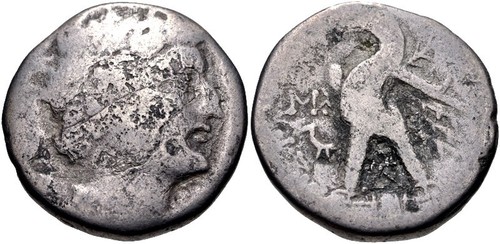
Tetradrachm of Ptolemy XII
80-51 BC
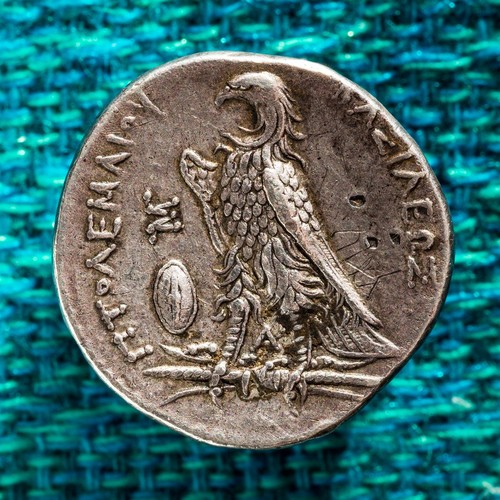
Tetradrachm of Ptolemy I
305-283 BC
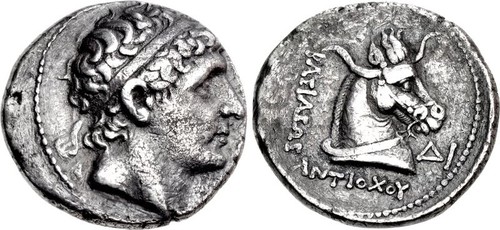
Tetradrachm of Antiochos I Soter
281-261 BC
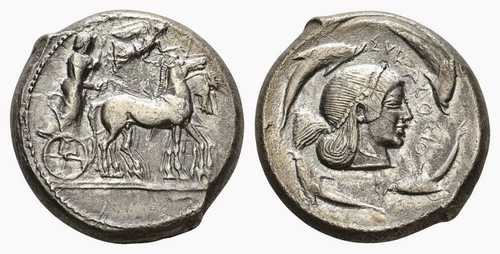
Syracuse Tetradrachm
c. 5th-4th century BC (Classical period)
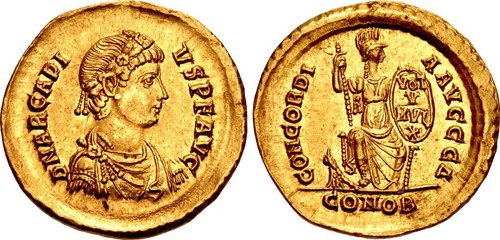
Solidus of Arcadius
AD 395-402
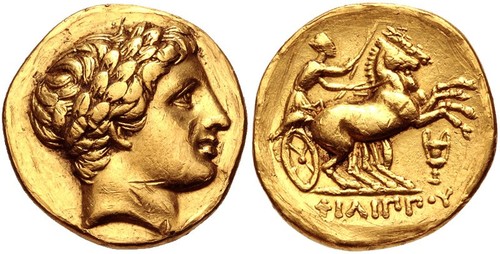
Philip III Gold Stater
323-317 BC
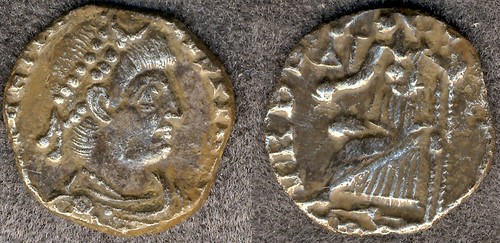
Siliqua of Gratian
AD 367-383
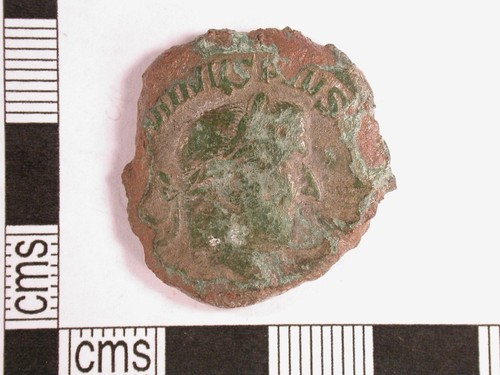
Sestertius of Maximinus Thrax
235-238 AD
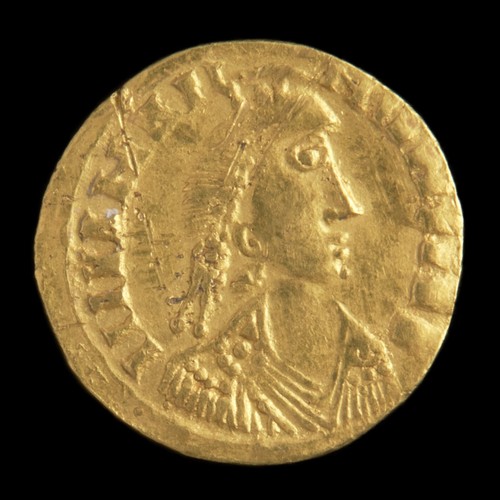
Solidus of Valentinian III
AD 425-455
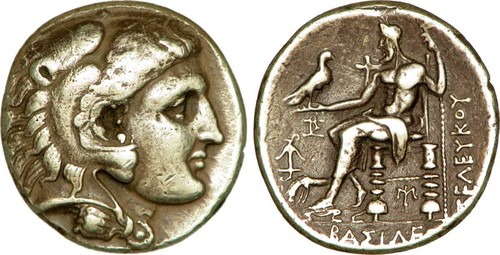
Seleucus I Nicator Tetradrachm
Late 4th-3rd century BC
Nummus of Magnentius
AD 350-353
Follis of Galerius
AD 308-310