
Coin Encyclopedia
Search and identify coins from around the world — with country, denomination, metal, mint, history, and how to tell them apart.
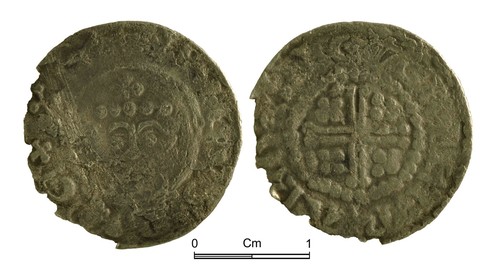
Short Cross Penny
Hammered silver penny of Henry II showing a crowned facing-left royal portrait and a cross-crosslet (cross-and-crosslets) reverse.
Medieval Coins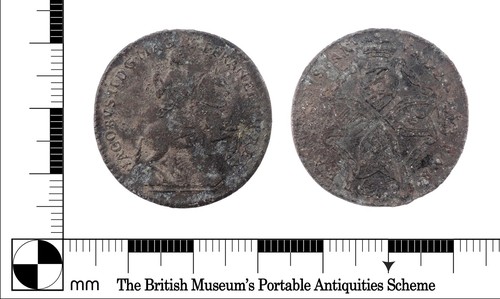
American Plantations Token
A 1688 tin token struck under James II for England's American colonies, valued at 1/24 of a Spanish real — the first regal-authorized coinage for British America.
Colonial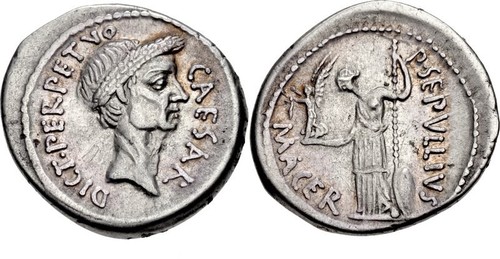
Julius Caesar Denarius
Silver Roman denarius of 44 BC bearing the bareheaded portrait of Julius Caesar, among the first Roman coins to show a living statesman's likeness.
Ancient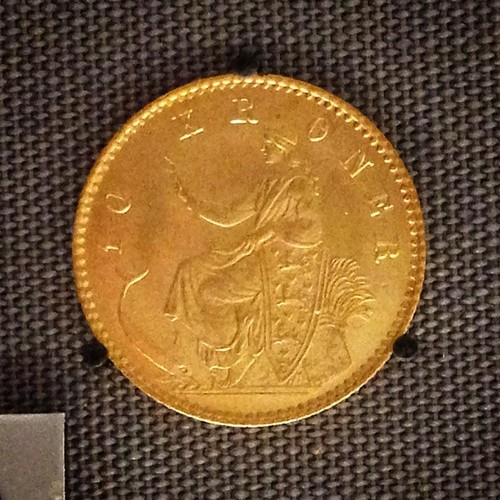
10 Kroner
A small Danish gold 10 kroner dated 1873, the first year of the type, with the bearded profile of King Christian IX and a seated allegorical figure of Denmark on the reverse.
Modern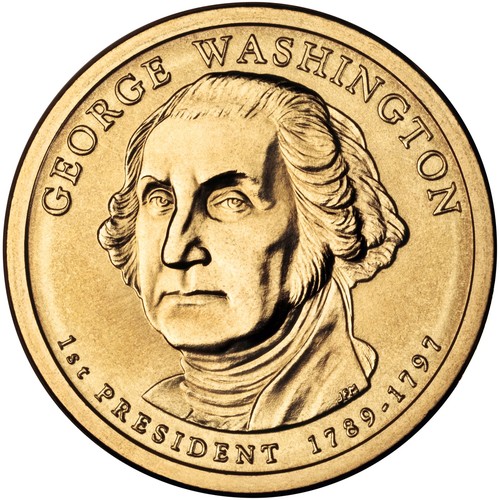
George Washington Presidential Dollar
The 2007 golden dollar honoring George Washington, first coin in the U.S. Presidential $1 series, with a left-facing portrait and Statue of Liberty reverse.
Dollar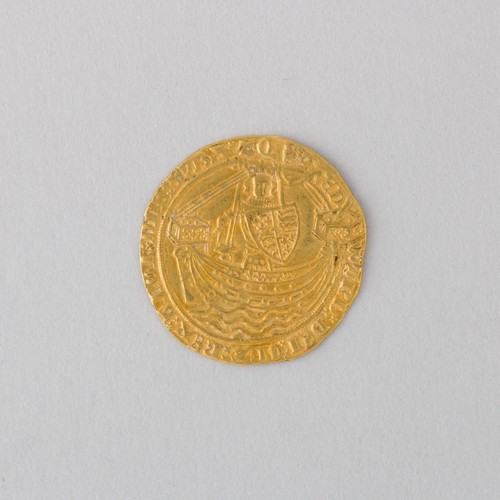
Edward III Noble
Large medieval English gold coin of King Edward III, showing the crowned king standing in a ship and an ornate floral cross on the reverse.
Medieval Coins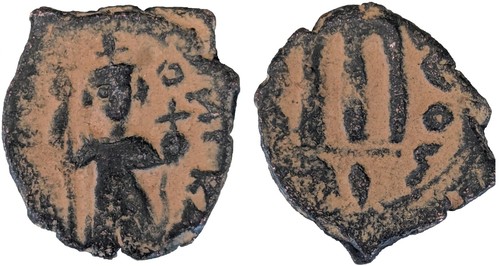
Byzantine Follis
Large bronze follis of the Byzantine Empire, this example under Constans II (from 641 AD), with an imperial portrait and a big M value mark topped by a cross.
Medieval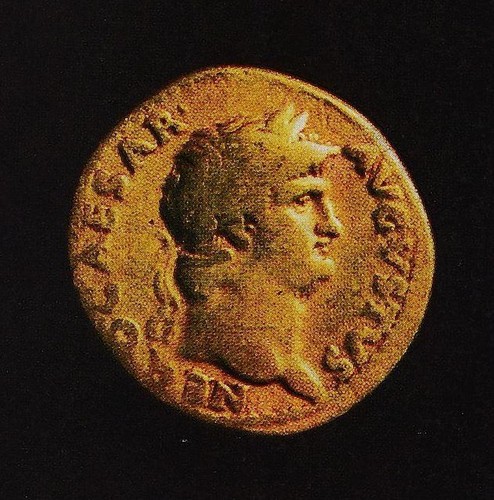
Aureus of Nero
Roman imperial gold aureus of Emperor Nero (54-68 AD), showing his curly-haired portrait facing right with a Latin imperial legend.
Ancient Coins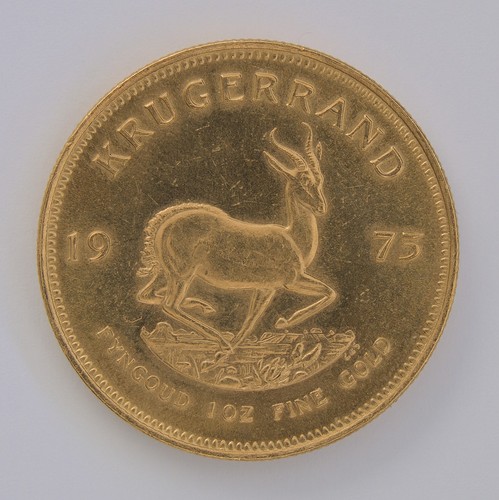
Krugerrand
South Africa's 1 oz gold bullion coin, with Paul Kruger's portrait on the obverse and a leaping springbok on the reverse; this piece is dated 1975.
Bullion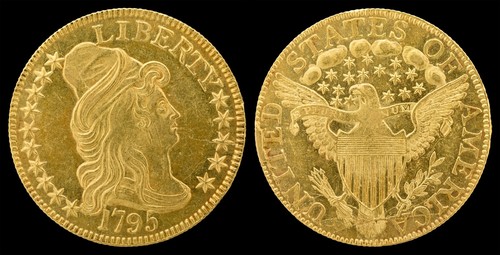
Turban Head Half Eagle
First U.S. gold $5 coin, 1795: Liberty in a soft cap facing right, with a heraldic shield-breasted eagle reverse struck in 22-karat gold.
Half Eagle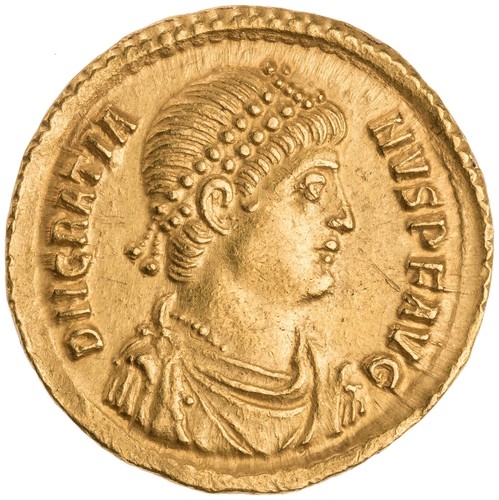
Solidus of Gratian
Late Roman gold solidus of Emperor Gratian (r. 367–383 CE), showing his curly-haired, diademed, draped and cuirassed portrait.
Ancient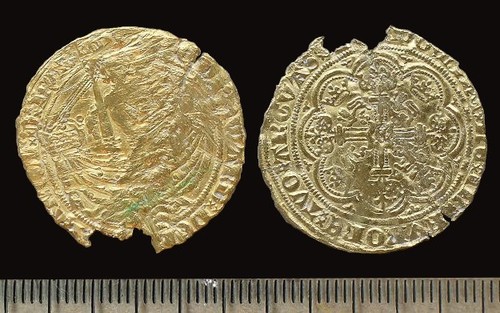
Edward III Half Noble
Medieval English gold coin worth half a noble, this example showing King Edward III crowned with heraldic devices and a shielded, ornamented reverse.
Medieval Coins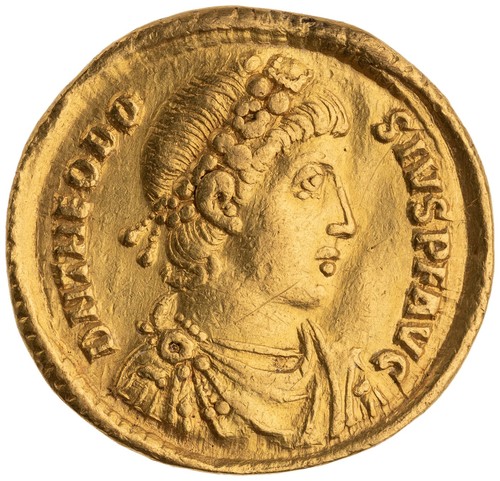
Solidus of Theodosius I
A late Roman gold solidus struck for the emperor Theodosius I (AD 379-395), showing his diademed portrait and the legend D N THEODOSIVS AVG.
Ancient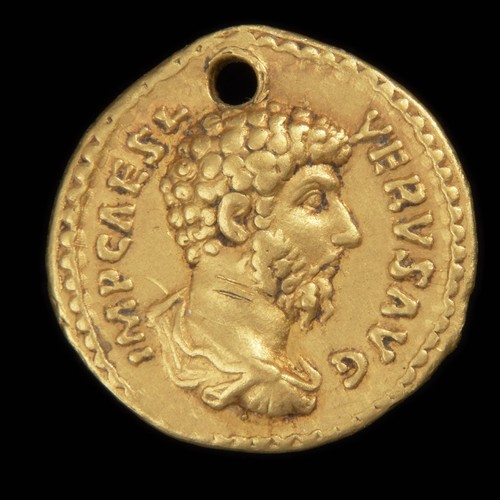
Aureus of Marcus Aurelius
Small Roman gold coin of the reign of Marcus Aurelius; this piece shows a diademed portrait and a standing deity or personification, dated to 163 AD.
Ancient Coins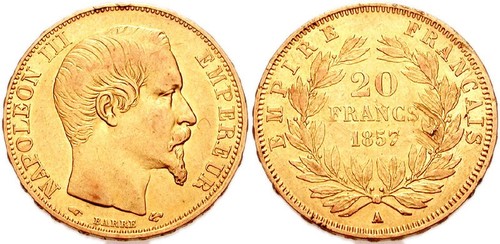
Napoleon III 20 Francs
French gold 20 francs of Emperor Napoleon III, showing his bare head facing right and a wreathed value on the reverse; example dated 1857.
World Coins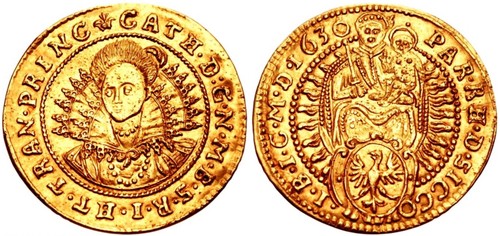
Transylvanian Ducat of Catherine of Brandenburg
Gold ducat dated 1630 of Catherine of Brandenburg, ruling Princess of Transylvania, with her portrait and a double-headed eagle and shield reverse.
Medieval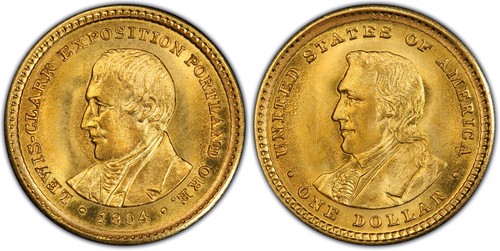
Lewis and Clark Exposition Dollar
A small U.S. gold dollar for the 1905 Portland exposition — unusual for carrying an explorer portrait on each side, Meriwether Lewis and William Clark.
Classic Commemorative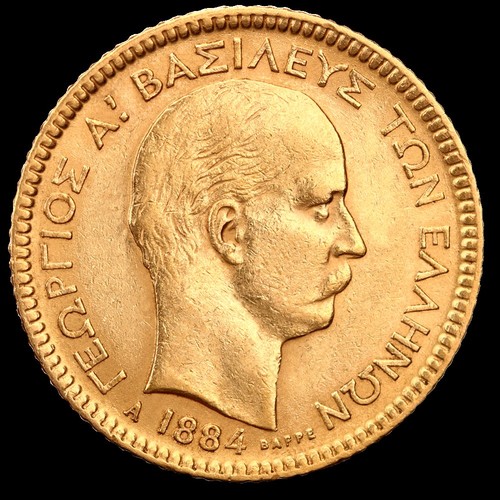
20 Drachmai
Greece's 1884 gold 20 Drachmai of King George I: a small Latin Monetary Union gold coin with the king's portrait and the crowned royal arms.
Modern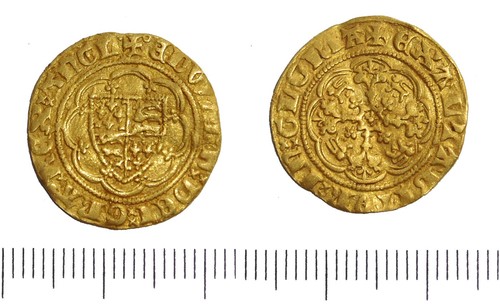
Edward III Quarter Noble
Small medieval English gold coin of Edward III, showing a crowned shield of arms on the obverse and an ornate floral cross design on the reverse.
Medieval Coins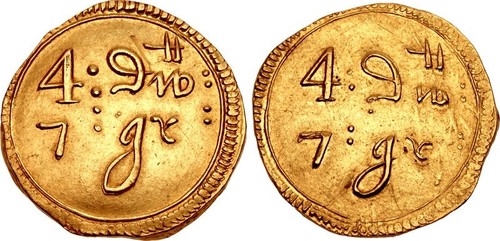
Irish Pistole
A rare hammered gold emergency coin of 1640s Ireland, marked with its weight in pennyweights and grains rather than a portrait, and rated as a pistole.
Hammered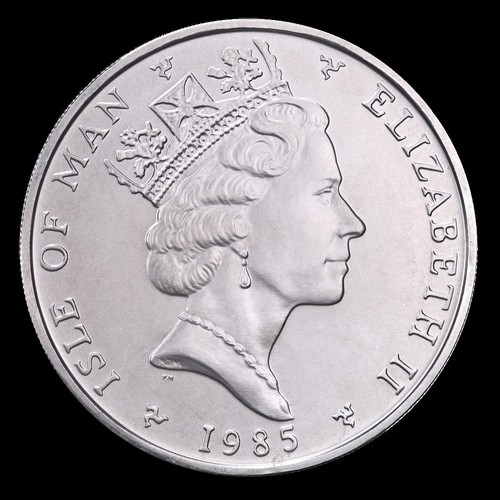
Isle of Man Noble
The Isle of Man Noble: the world's first platinum bullion coin, pairing a crowned Queen Elizabeth II with a Viking longship reverse.
Bullion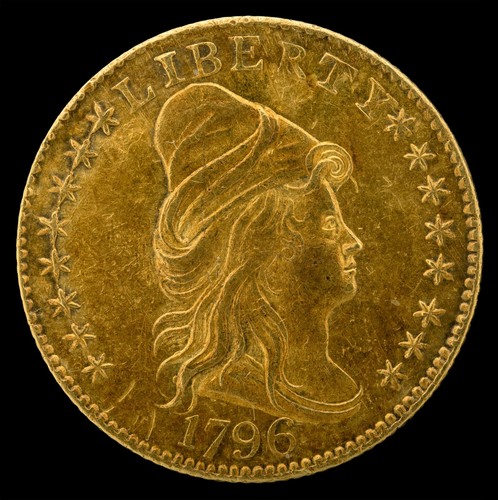
Turban Head Quarter Eagle
First U.S. $2.50 gold coin (1796), designed by Robert Scot; Liberty in a soft cap facing right with a heraldic eagle reverse. Extremely rare.
United States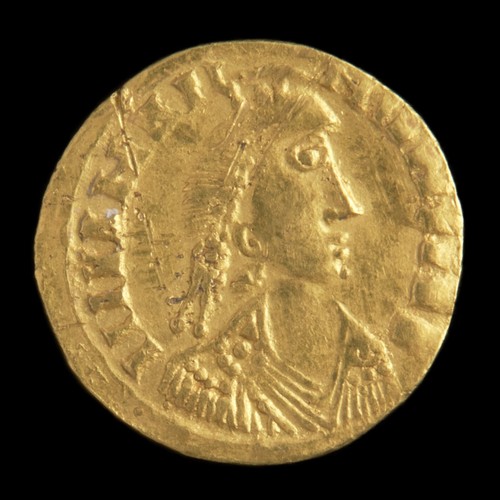
Solidus of Valentinian III
A gold solidus of the Western Roman emperor Valentinian III (AD 425-455), with his diademed profile and an imperial or military reverse.
Ancient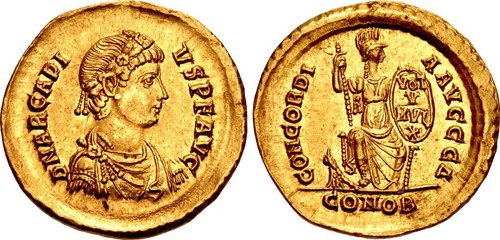
Solidus of Arcadius
A late Roman gold solidus struck for Arcadius, first emperor of the East after AD 395, showing his diademed profile facing right.
Ancient