
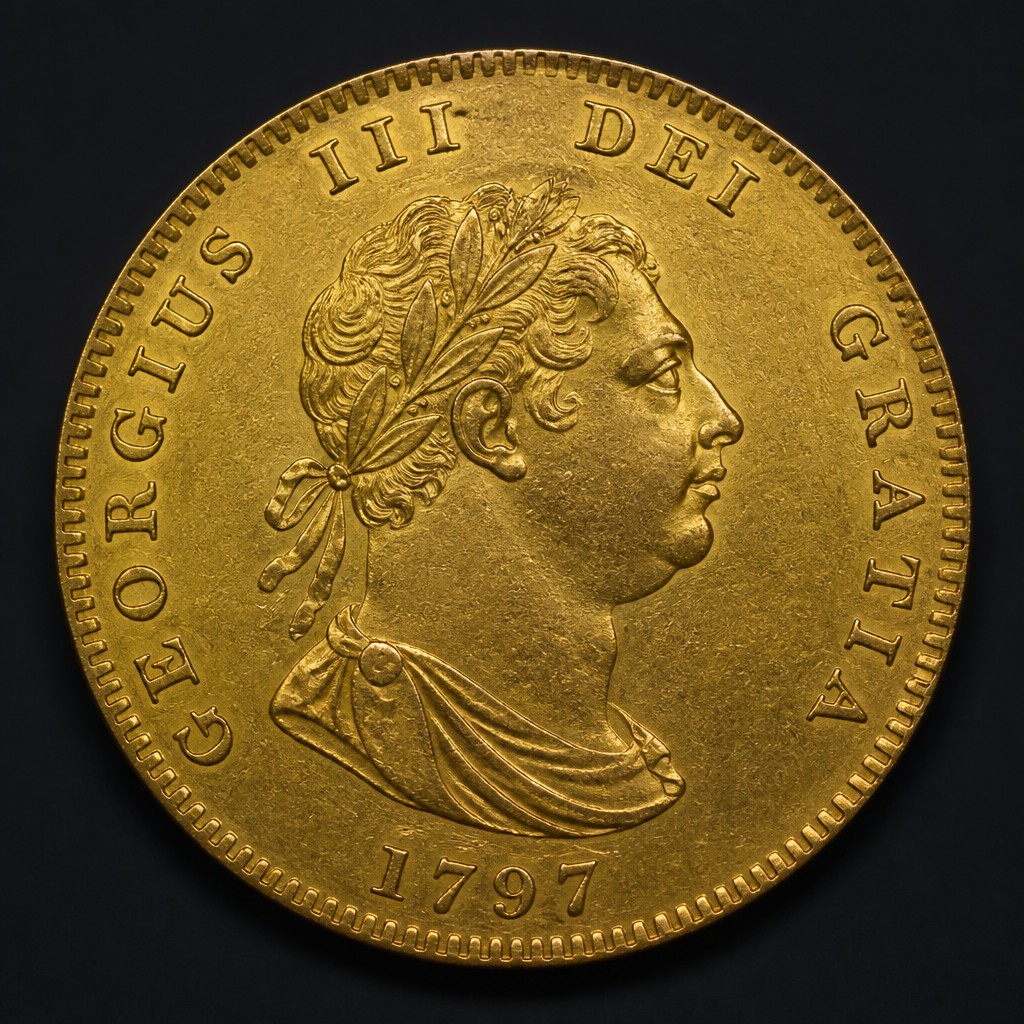
Third Guinea
A small gold coin worth one-third of a guinea, or seven shillings, struck under George III in the years leading up to the introduction of the modern sovereign.
- Country
- Great Britain
- Denomination
- Third Guinea (7 Shillings)
- Metal
- Gold (.917)
Got a coin like this?
Identify any coin from a photo, free.
Overview
The Third Guinea is a small gold denomination introduced late in George III's reign, valued at exactly one-third of a guinea, or seven shillings. It was one of several fractional guinea denominations minted to provide smaller gold coins for commerce alongside the standard guinea and half guinea.
Because of its small size and modest gold weight, the Third Guinea was a practical coin for transactions that did not require a full guinea, and it circulated during a turbulent period marked by the Napoleonic Wars and significant instability in Britain's gold and silver coinage supply.
Collectors value the Third Guinea both as an affordable example of George III gold coinage and as part of a complete set of guinea-fraction denominations alongside the half guinea and quarter guinea.
History & Background
The Third Guinea was introduced in 1797, a year of considerable monetary strain for Britain as the Bank of England suspended cash payments and gold coinage grew scarce due to wartime demands and hoarding. Smaller gold denominations like the Third Guinea helped provide more flexible gold coinage for trade during this period of uncertainty.
It continued to be struck intermittently through the early 1800s until 1813, shortly before the guinea system as a whole was abolished in favor of the sovereign following the Great Recoinage of 1816, which replaced the fluctuating twenty-one-shilling guinea with a fixed twenty-shilling gold pound.
As one of the last gold denominations issued under the old guinea system, the Third Guinea represents a transitional chapter in British coinage just before the modern decimal-friendly pound and shilling gold structure took hold.
How to Identify
The obverse displays a laureate portrait of George III with the standard Latin royal legend. The reverse typically shows a crowned shield of arms with the denomination indicated by the coin's size and weight rather than a printed numeral, following the convention of other guinea-fraction coins of the period.
The coin is quite small and thin for a gold issue, weighing under 3 grams and measuring only about 15 to 17 millimeters in diameter, noticeably smaller than the standard guinea or half guinea. Its diminutive size compared to other gold coins of the period is the clearest identifying feature, and the date range of 1797 to 1813 helps confirm it against similarly small gold fractions from earlier reigns.
Value & Collectibility
Third Guineas are less commonly encountered than the full guinea or half guinea, and their small size means fewer have survived undamaged, so prices for problem-free examples tend to sit at a solid premium over simple gold melt value. Circulated common-date examples are reasonably obtainable for collectors of British gold, while choice uncirculated pieces or scarcer individual dates command considerably more.
Because the coin is thin and prone to wear, bending, and edge damage, well-preserved surfaces significantly increase value, and buyers should expect meaningful price differences between average circulated pieces and sharp, original examples.
Frequently asked questions
How much was a Third Guinea worth?
It was valued at seven shillings, exactly one-third of a full twenty-one shilling guinea.
Why was it introduced?
It helped supply smaller gold coinage during a period of wartime monetary strain in the late 1790s and early 1800s.
How does it compare in size to a guinea?
It is considerably smaller and lighter, since it represents only a third of the gold value of a full guinea.
When did production stop?
Production ended in 1813, a few years before the entire guinea system was replaced by the sovereign in 1816.
Other coins you may enjoy
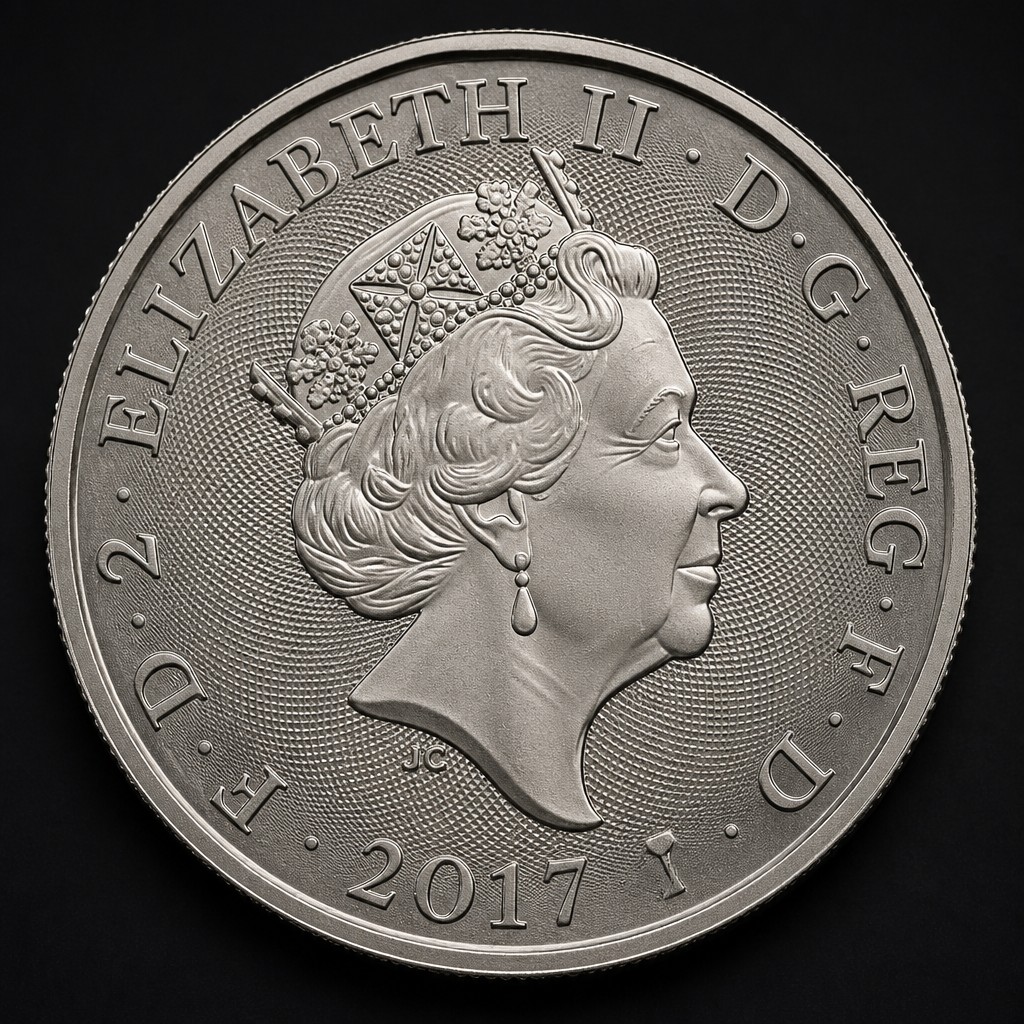
British Queen's Beasts Silver Series
2016-2021
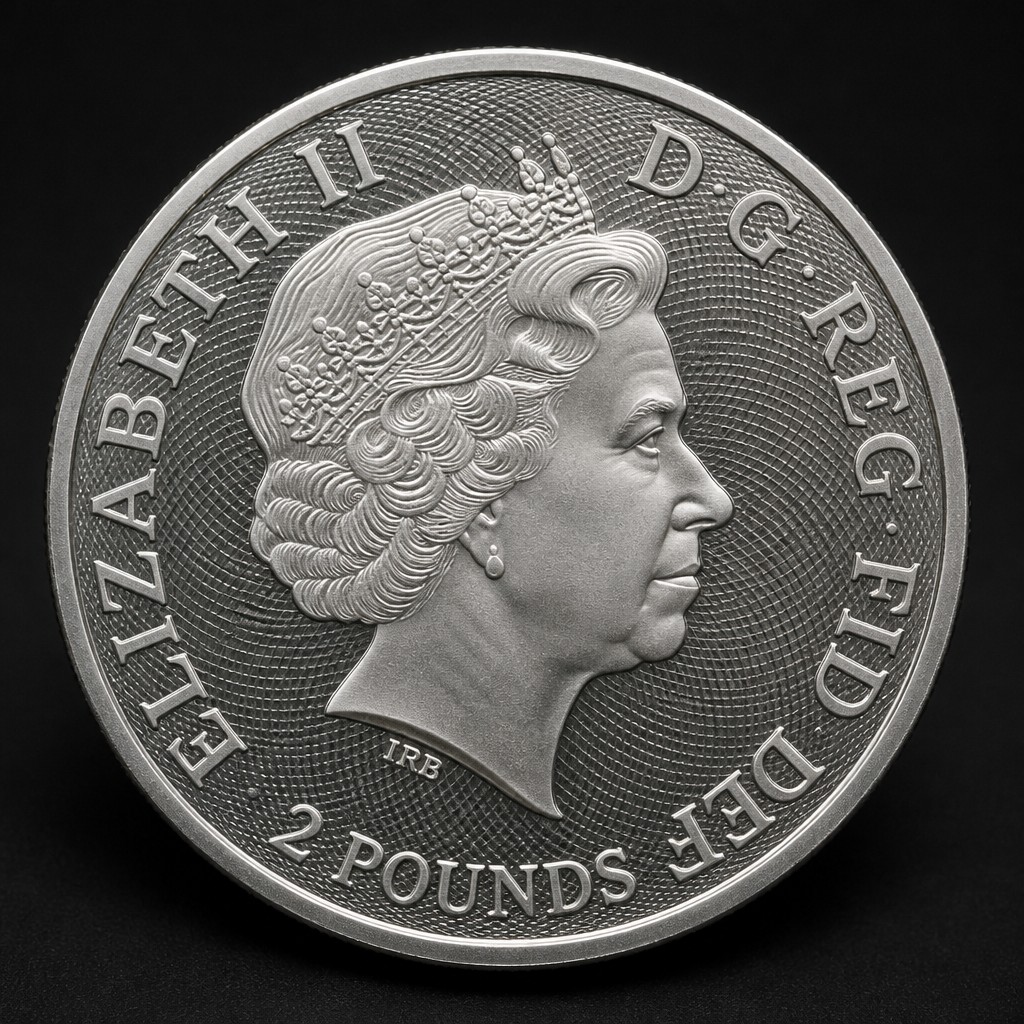
British Silver Lunar Series
2014-present
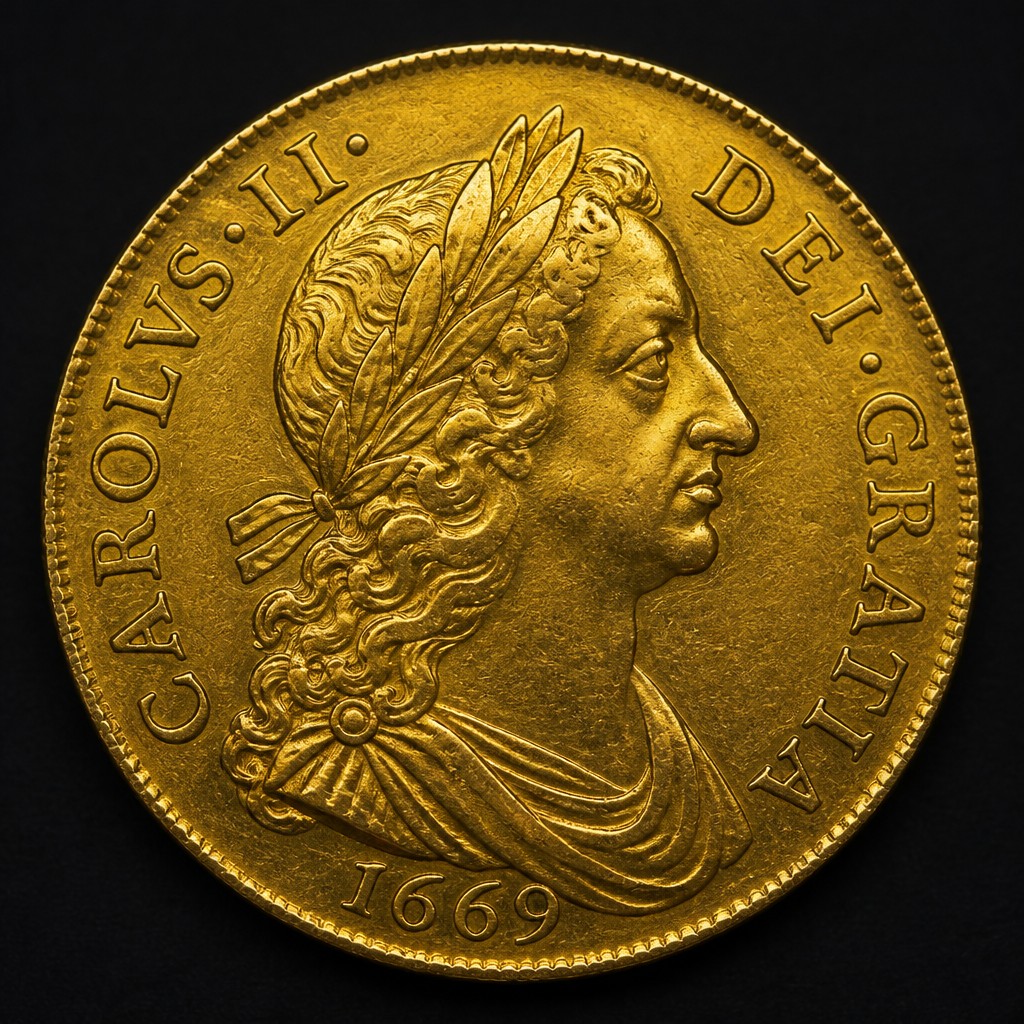
Half Guinea
1669–1813
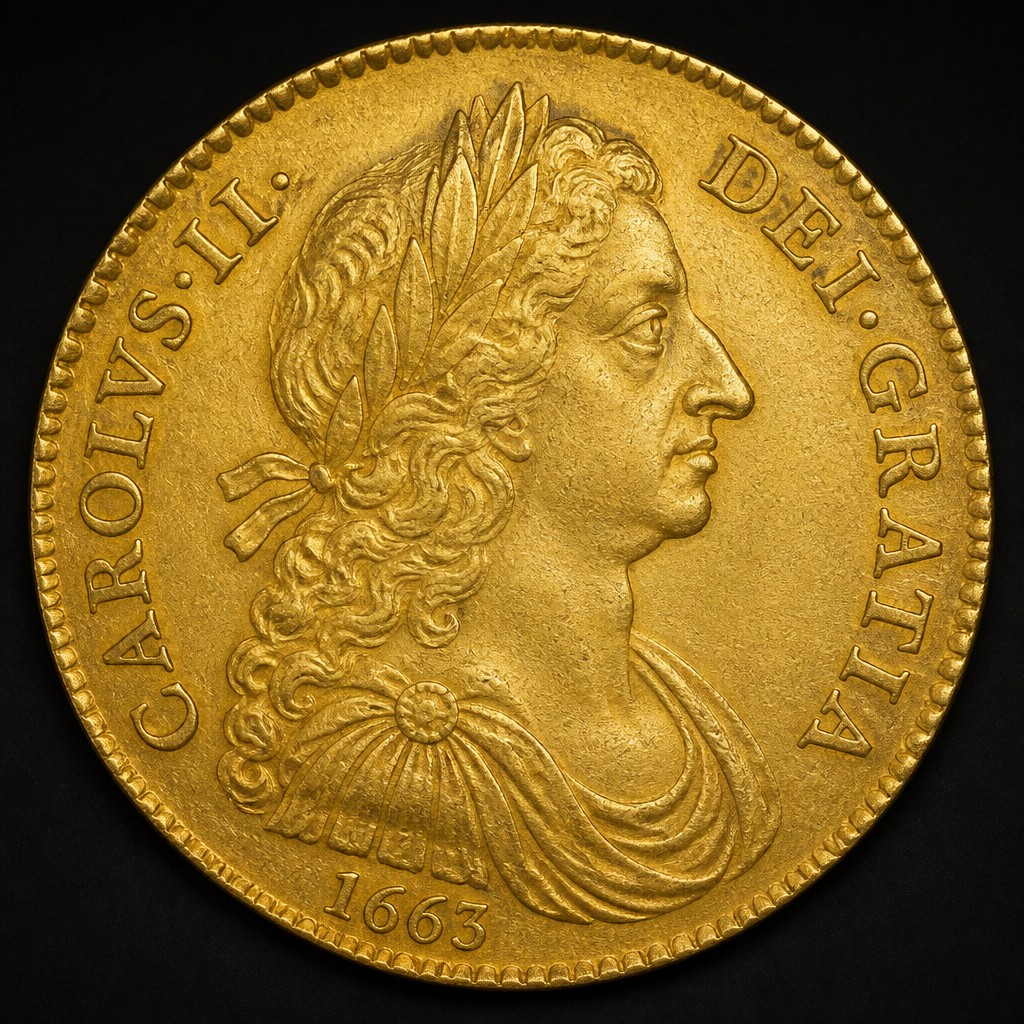
Guinea
1663–1813
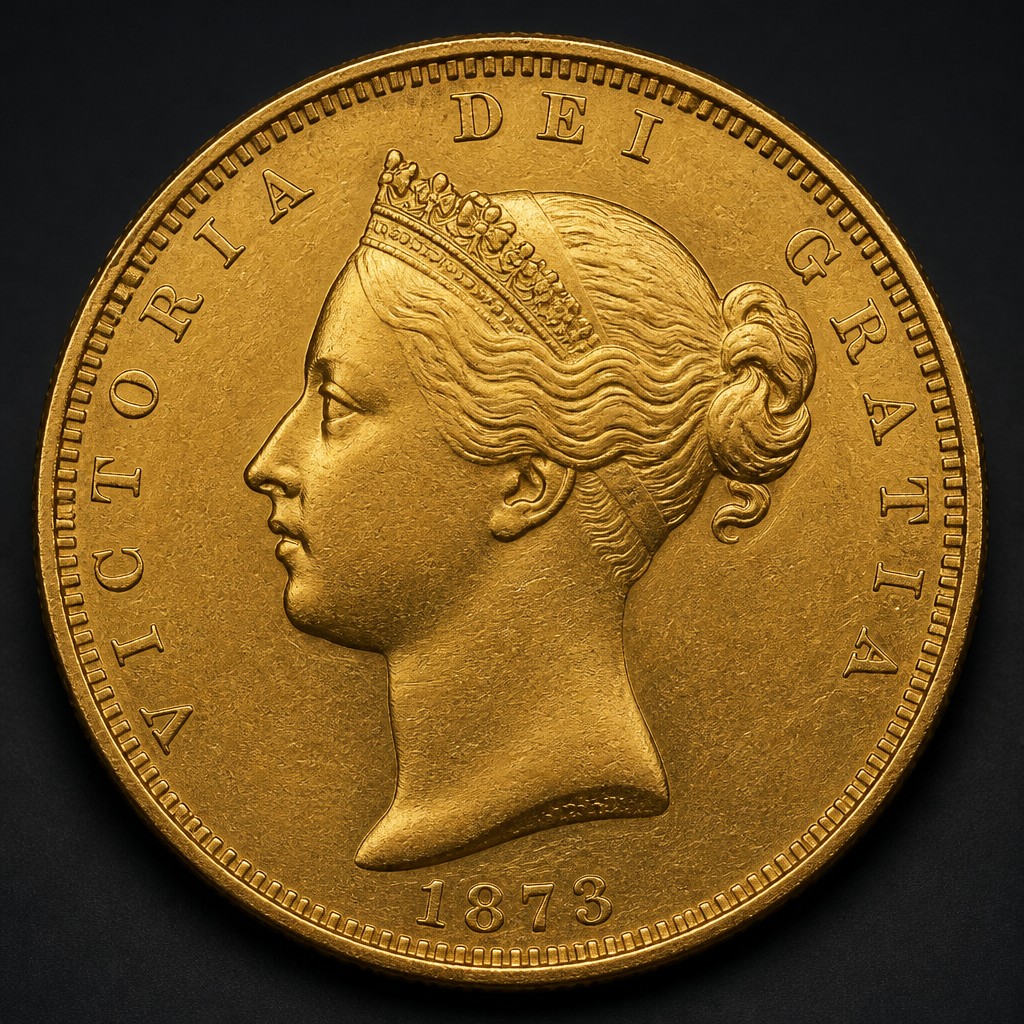
Gold Sovereign
1489–1604 (Tudor); 1817–present (modern)
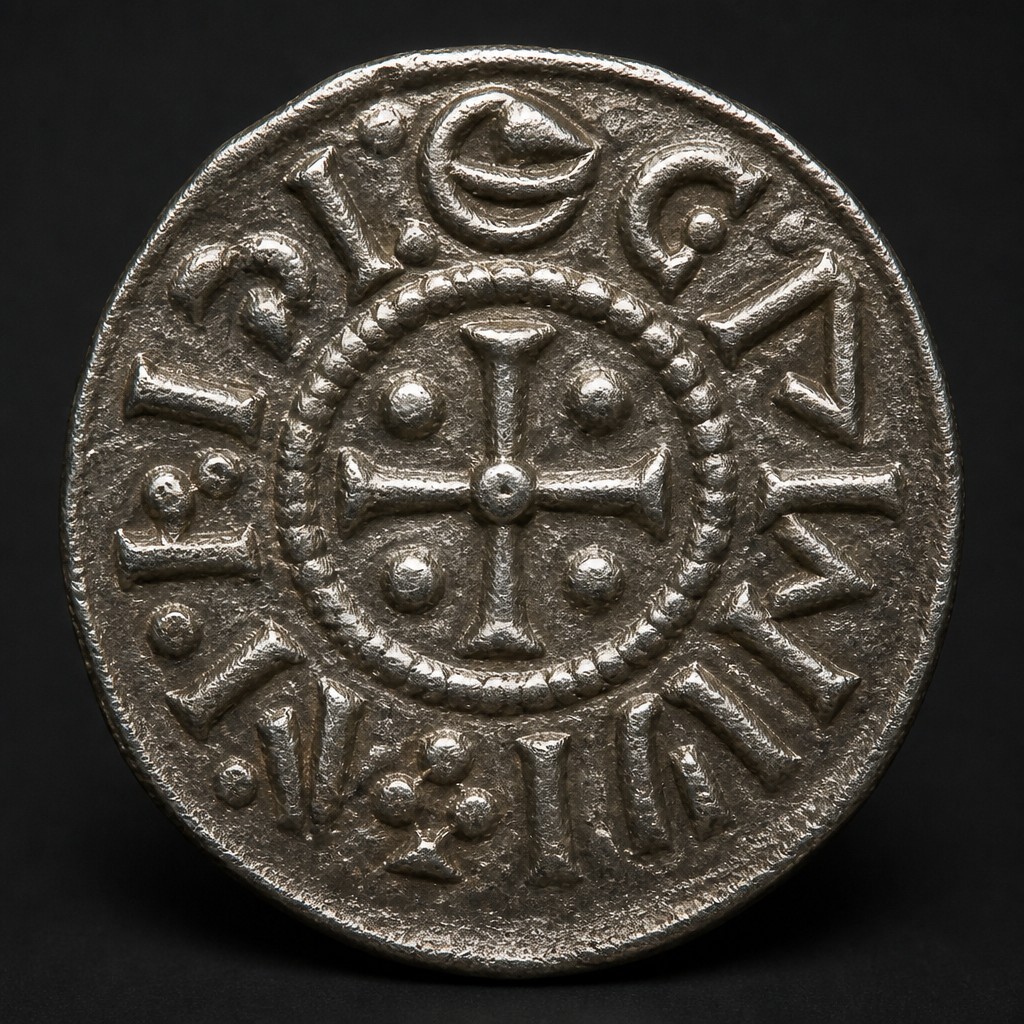
Anglo-Saxon Silver Sceat
c. 680–750 AD
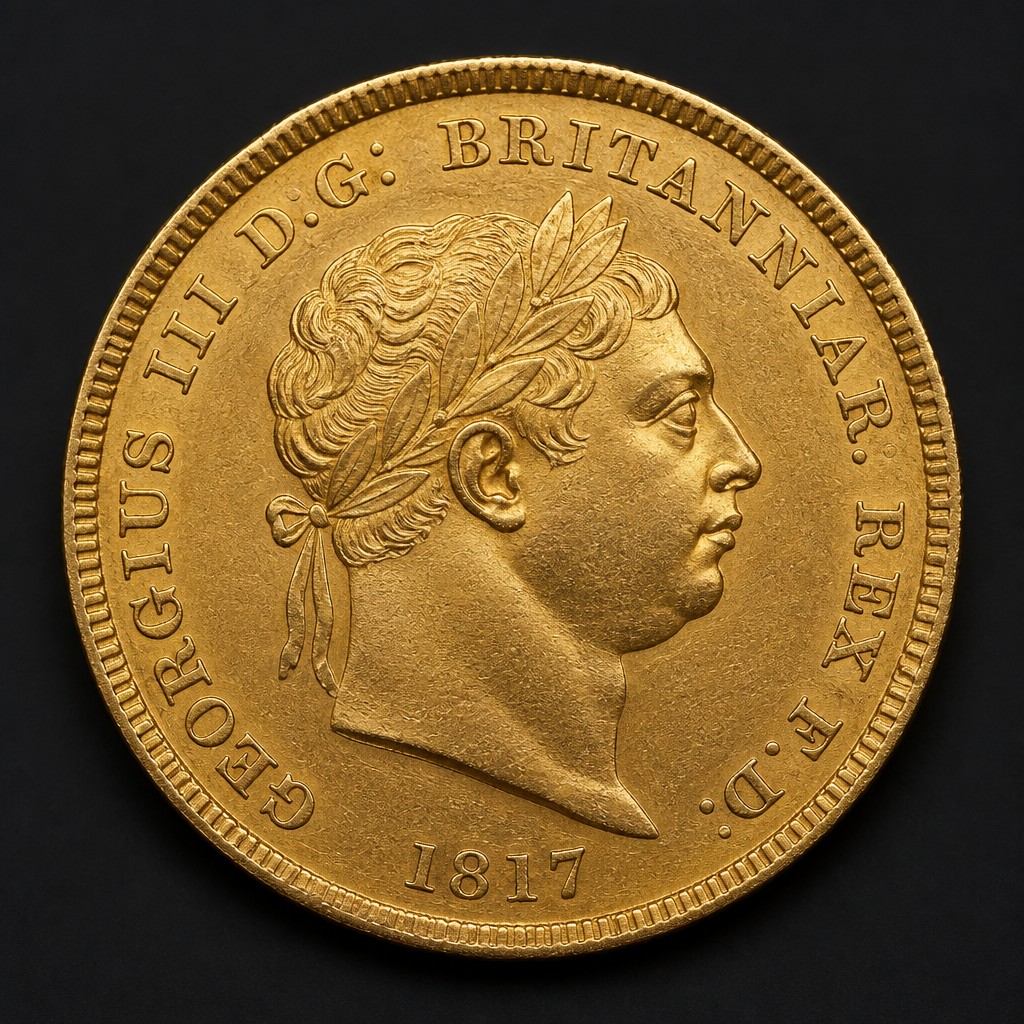
Gold Half Sovereign
1544–1553 (Tudor); 1817–present (modern)
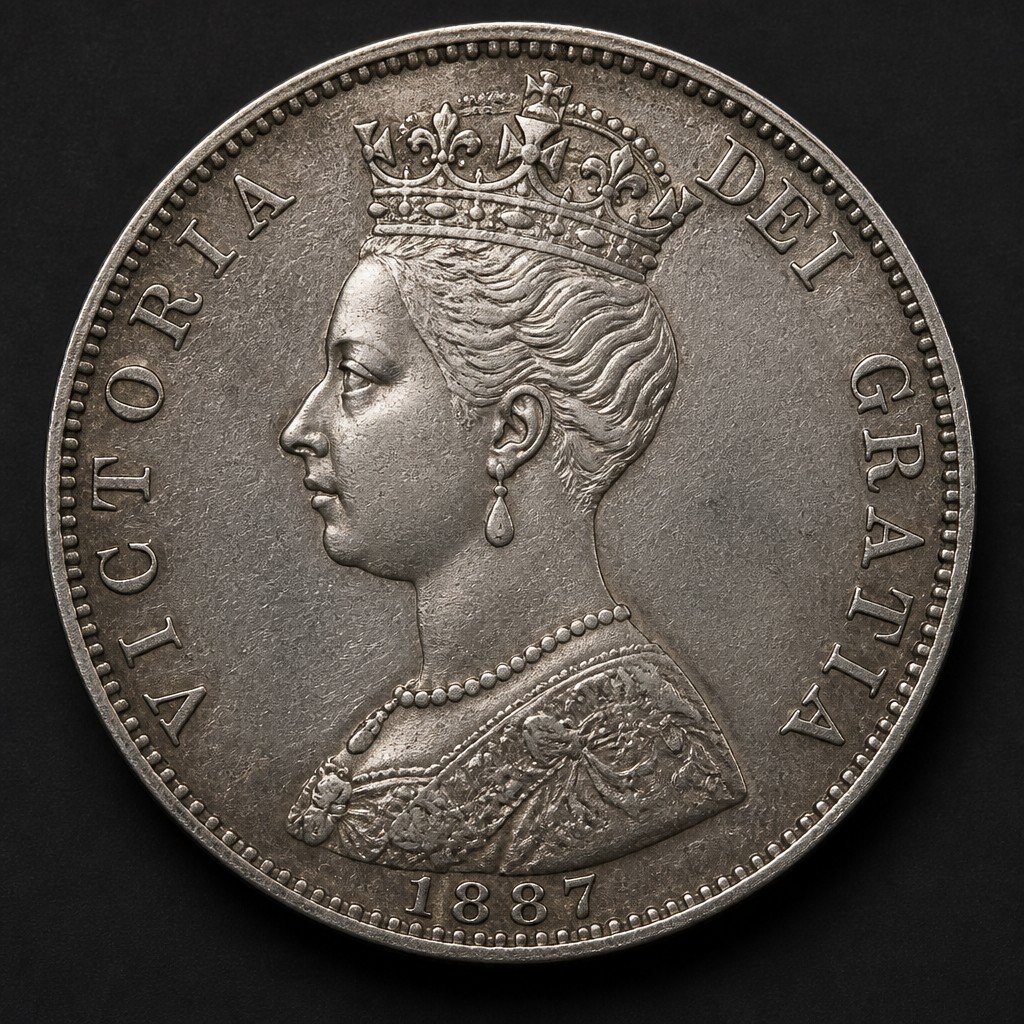
Crown
1551–present
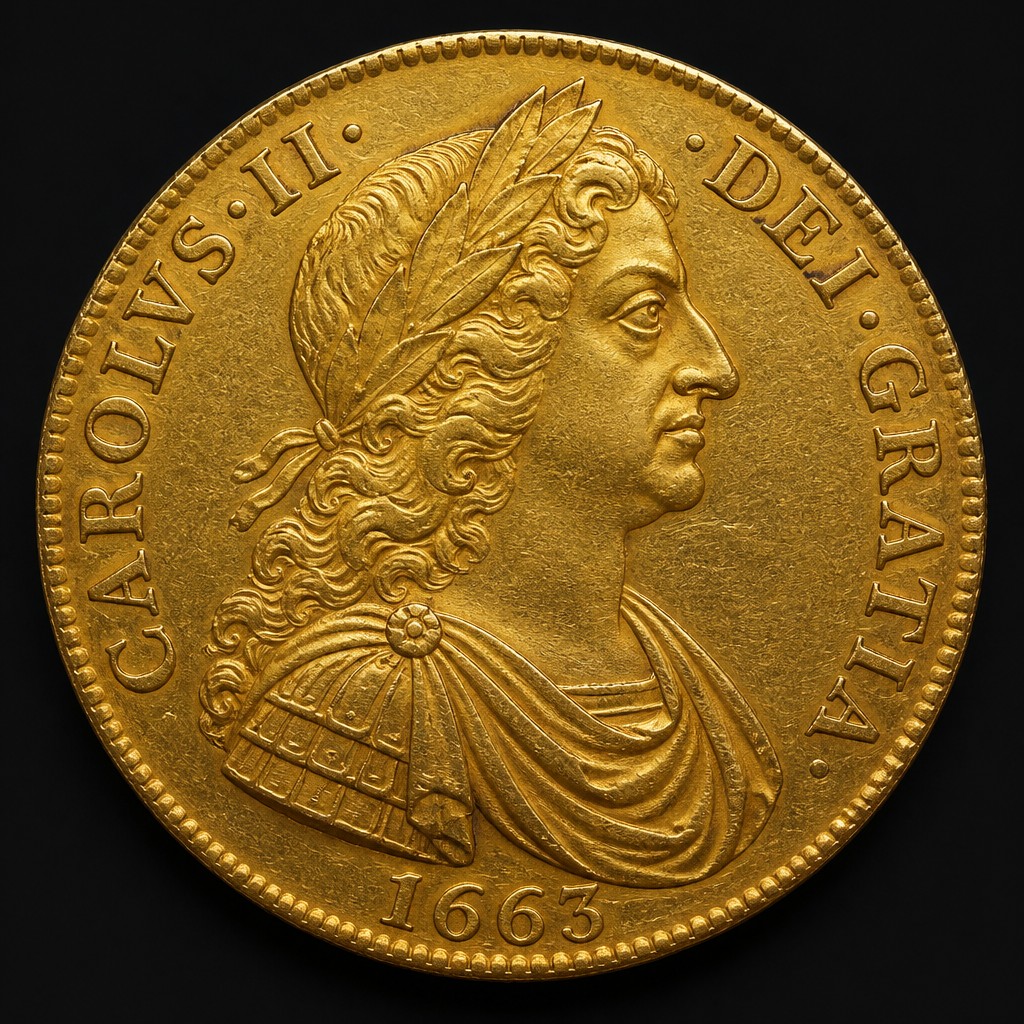
British Guinea
1663–1814
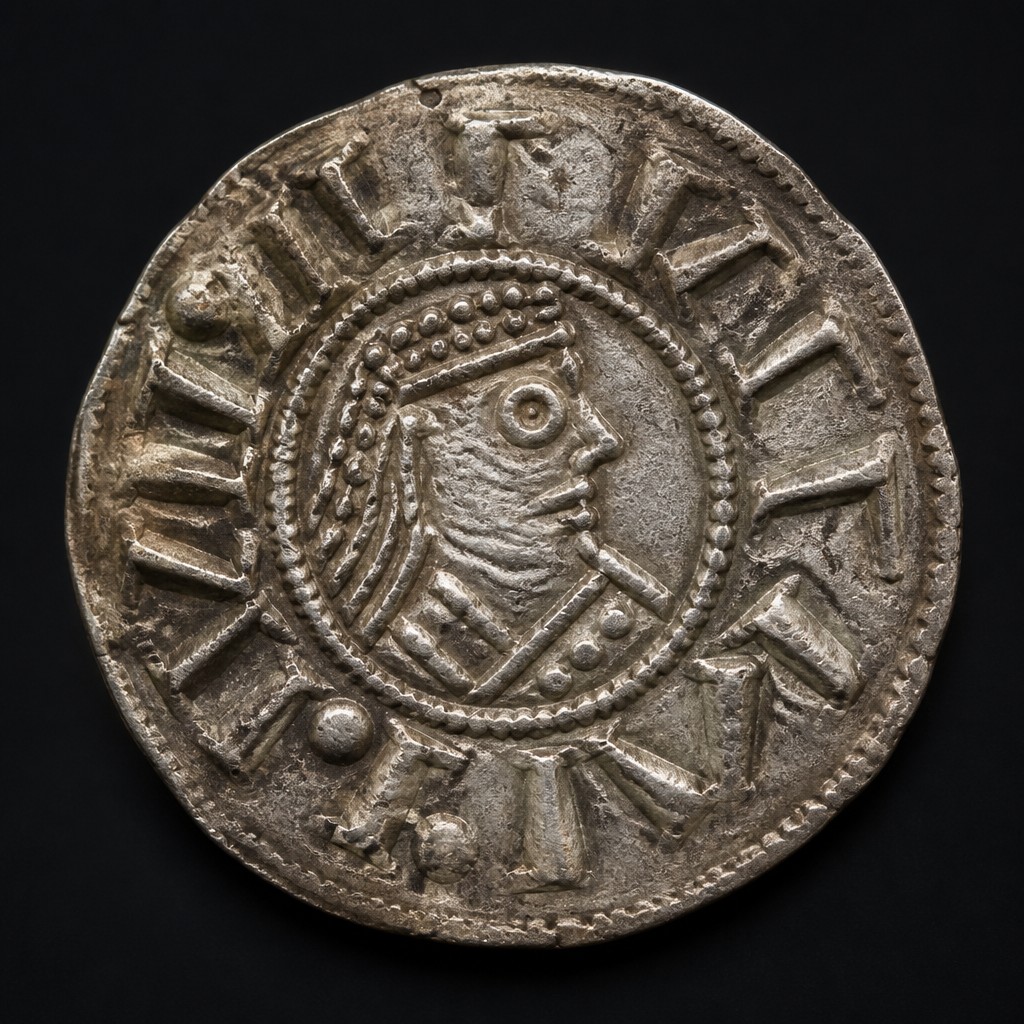
Viking Silver Penny of York
c. 895–954 AD
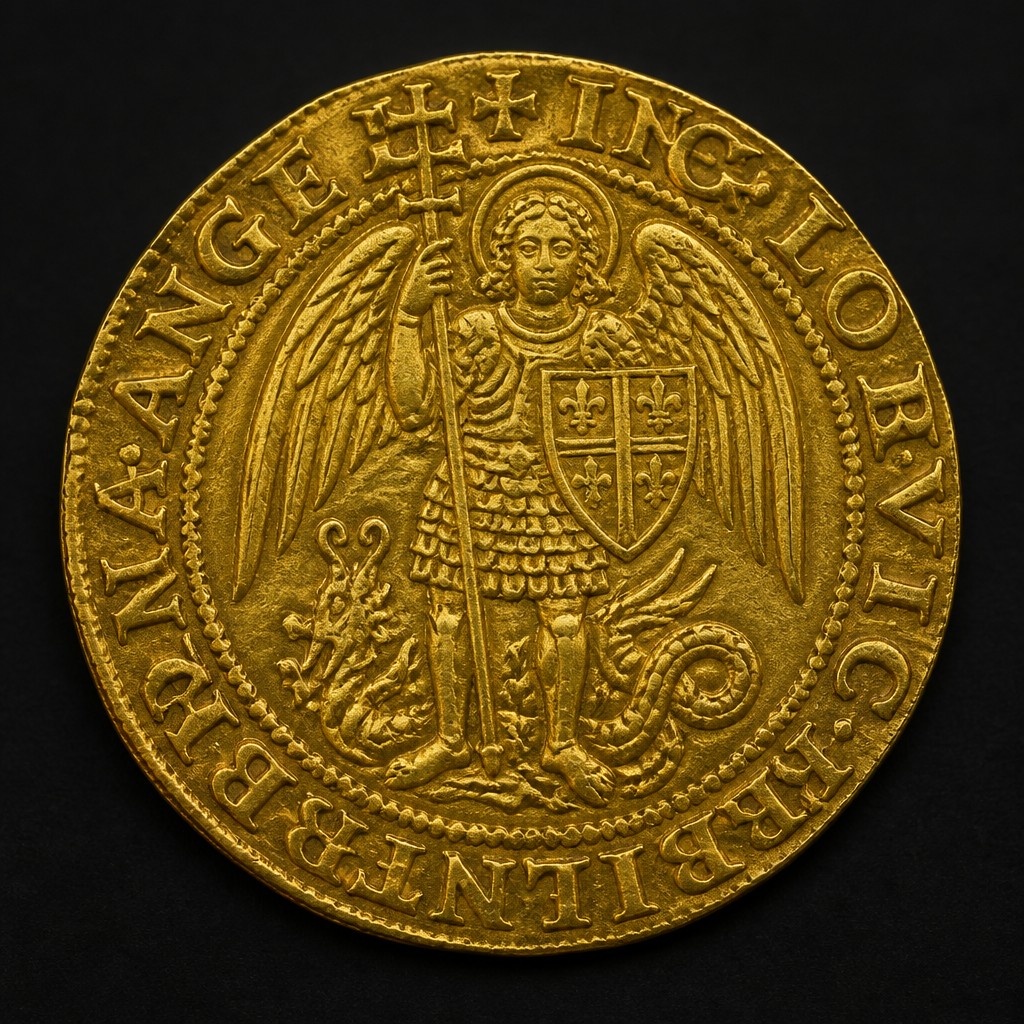
English Angel
1465–1642
English Sovereign of Henry VII
1489–1509