
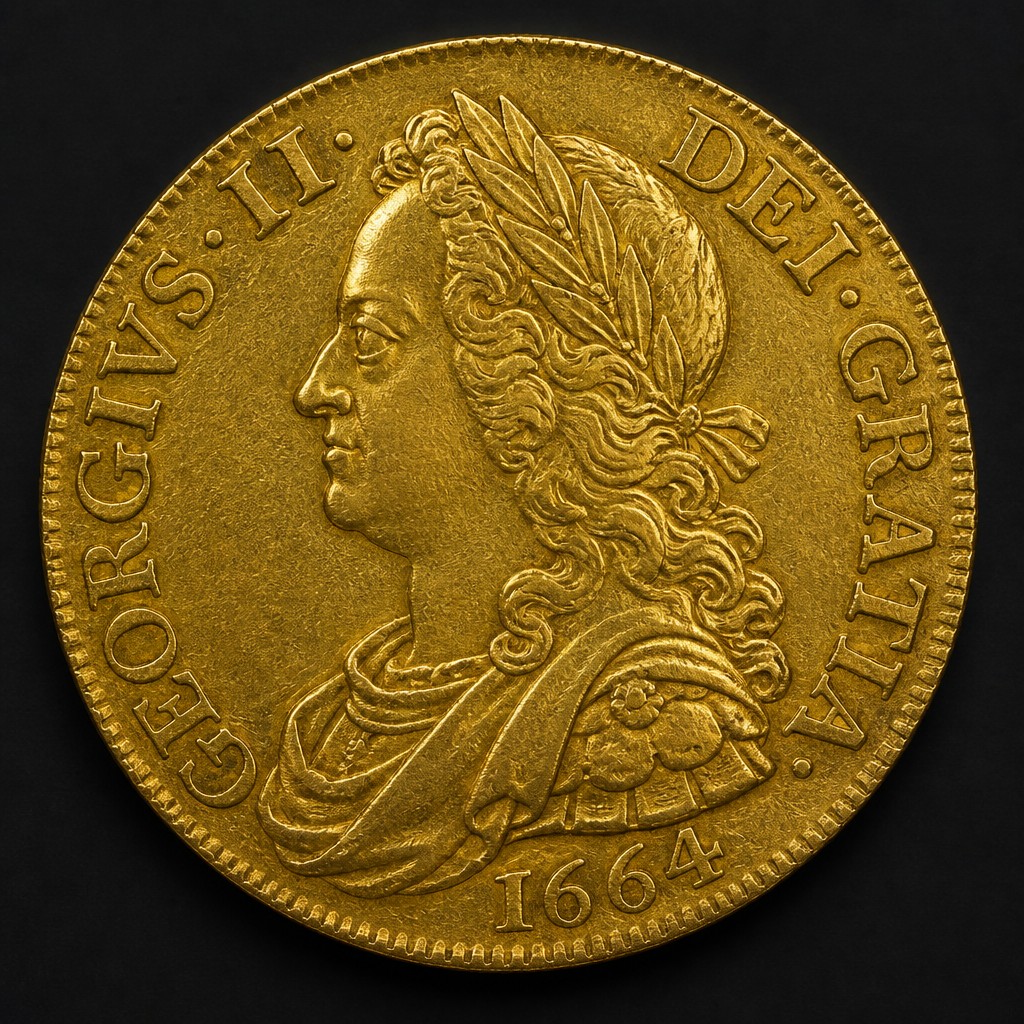
Two Guinea (Double Guinea)
A substantial gold coin worth two guineas, struck intermittently from the reign of Charles II through George II as part of England and Great Britain's early guinea coinage system.
- Country
- Great Britain
- Denomination
- Two Guineas (42 Shillings)
- Metal
- Gold (.917)
Got a coin like this?
Identify any coin from a photo, free.
Overview
The Two Guinea, or Double Guinea, is a larger gold denomination worth twice the standard guinea, issued intermittently from the introduction of guinea coinage under Charles II in the 1660s through the reign of George II in the mid-eighteenth century. It represents one of the higher-value gold pieces available for larger transactions before the sovereign system replaced the guinea.
Because of its substantial gold content and long production span across multiple reigns, the Double Guinea is a favorite among collectors seeking a single denomination that can be pursued across several different kings, from the Restoration period through the mid-Georgian era.
Its relative scarcity compared to the standard guinea, combined with the historical importance of the reigns it spans, makes it a notable piece for anyone assembling a collection of British pre-sovereign gold coinage.
History & Background
The guinea, named for the West African region that supplied much of the gold used to strike it, was introduced in 1663 under Charles II as England's first machine-struck gold coinage, with the larger Two Guinea denomination following shortly after. Production continued, with interruptions, through the reigns of James II, William and Mary, William III, Anne, George I, and George II.
Because the guinea's value in shillings fluctuated with the relative market price of gold and silver over this long span, the Two Guinea's practical worth in shillings varied somewhat across different periods, though it was always fixed at exactly double whatever the standard guinea was worth at the time.
Production of the Two Guinea effectively ended in 1753 under George II, after which larger gold transactions were increasingly handled through other denominations, and the coin was not revived before the entire guinea system gave way to the sovereign in the early nineteenth century.
How to Identify
Obverse designs vary by reign but consistently show the laureate or draped bust of the issuing monarch with a Latin legend, while reverses typically display a crowned cruciform shield of arms, sometimes with sceptres in the angles depending on the specific reign and date.
The coin is notably heavy and large for gold coinage of its era, generally weighing around 16.8 grams and measuring roughly 30 millimeters in diameter, distinctly larger than the standard guinea. Collectors distinguish specific issues by monarch, bust style, and minor reverse variations, with reference to standard British numismatic catalogs recommended for precise attribution given the coin's long multi-reign history.
Value & Collectibility
Two Guinea pieces are considerably scarcer and more valuable than standard guineas from the same reigns, reflecting both their larger gold content and lower original mintages. Even well-worn examples from common reigns typically command a solid premium over simple gold melt value, while sharp, high-grade examples or scarce reign-specific varieties can bring prices well into the thousands of dollars.
Condition, strike quality, and the specific monarch all significantly influence price, with earlier Restoration-era pieces and certain scarce George II varieties often standing out as particularly desirable to specialists in pre-sovereign British gold.
Frequently asked questions
Why is it called a guinea?
The name refers to the Guinea region of West Africa, a major source of the gold used in the coin's original production.
How does the Two Guinea compare in value to a standard guinea?
It was always worth exactly double the value of the standard guinea coin issued at the same time.
Which monarchs issued the Two Guinea?
It was struck across multiple reigns from Charles II through George II, spanning roughly 1664 to 1753.
Is the Two Guinea rare?
It is scarcer than the standard guinea across nearly all reigns, with certain dates and varieties considered quite rare.
Other coins you may enjoy
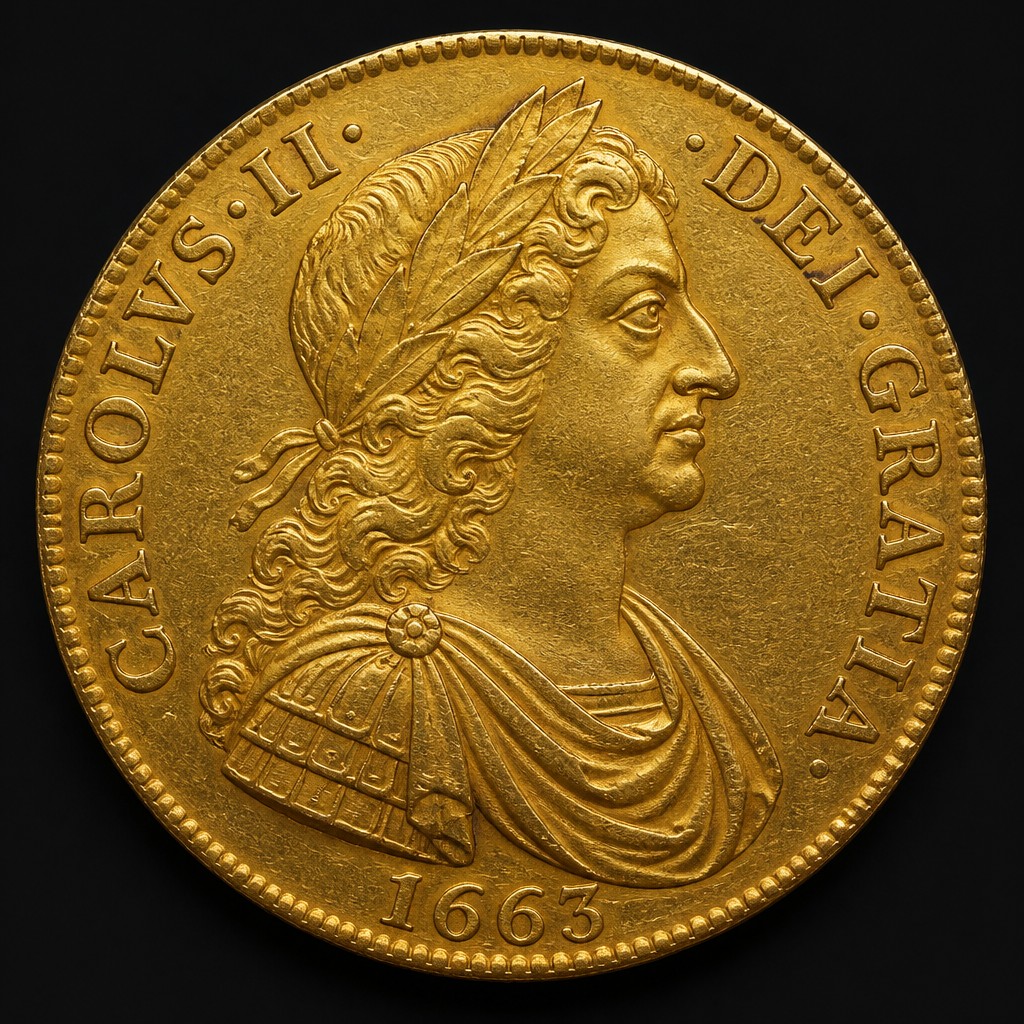
British Guinea
1663–1814
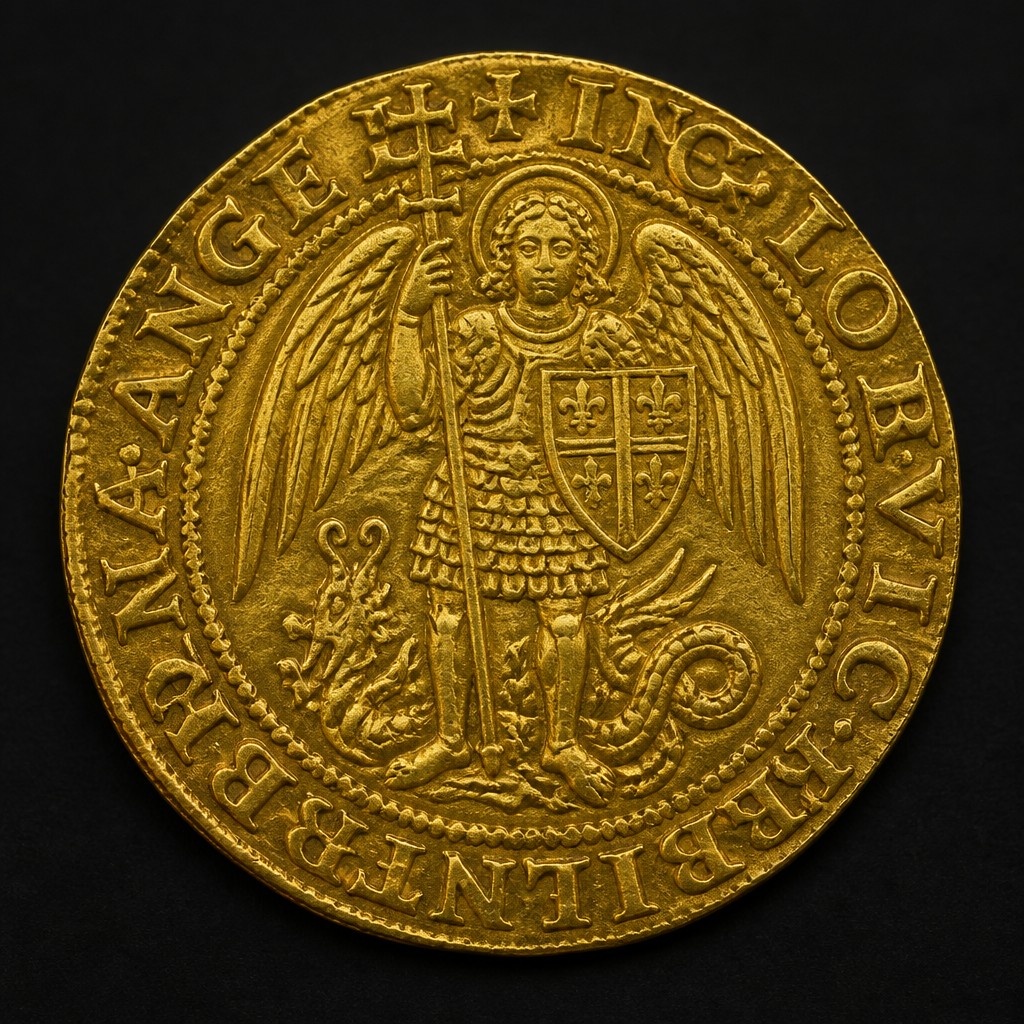
English Angel
1465–1642
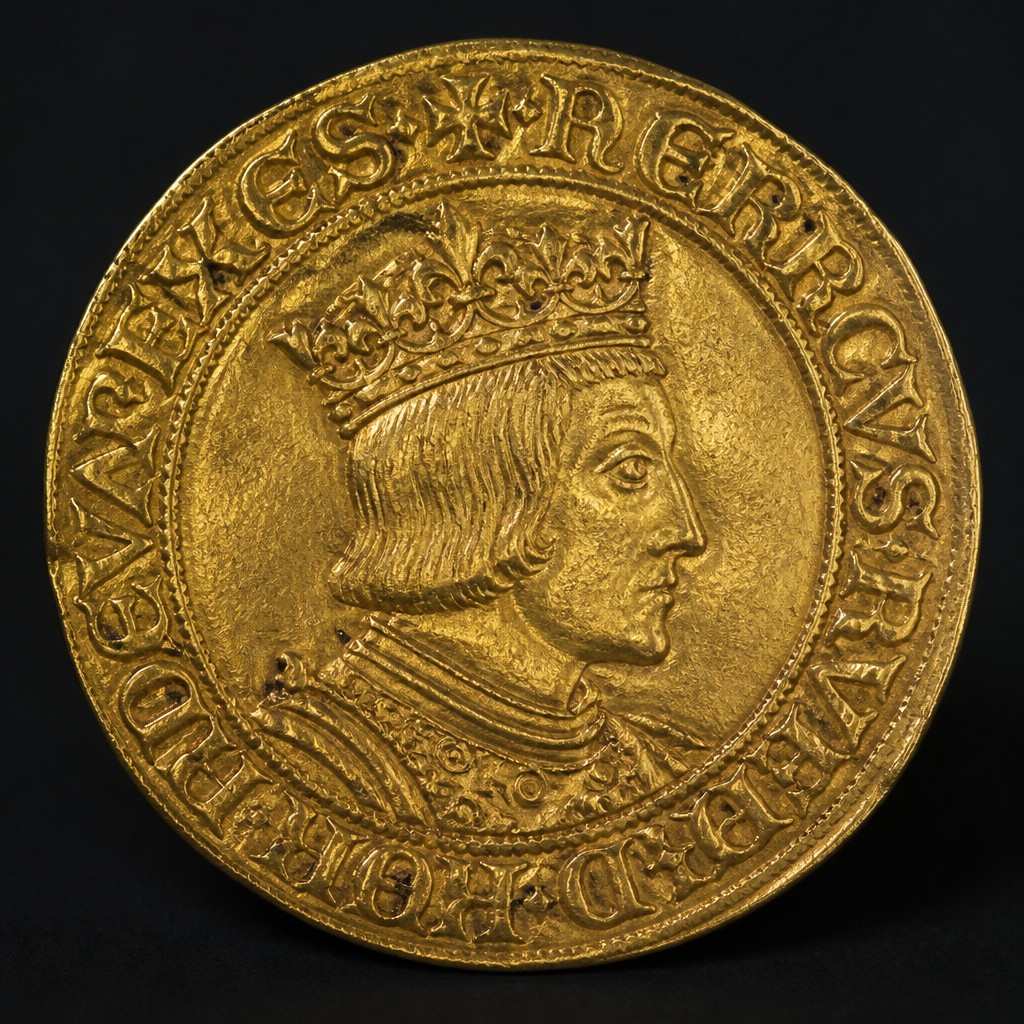
English Sovereign of Henry VII
1489–1509
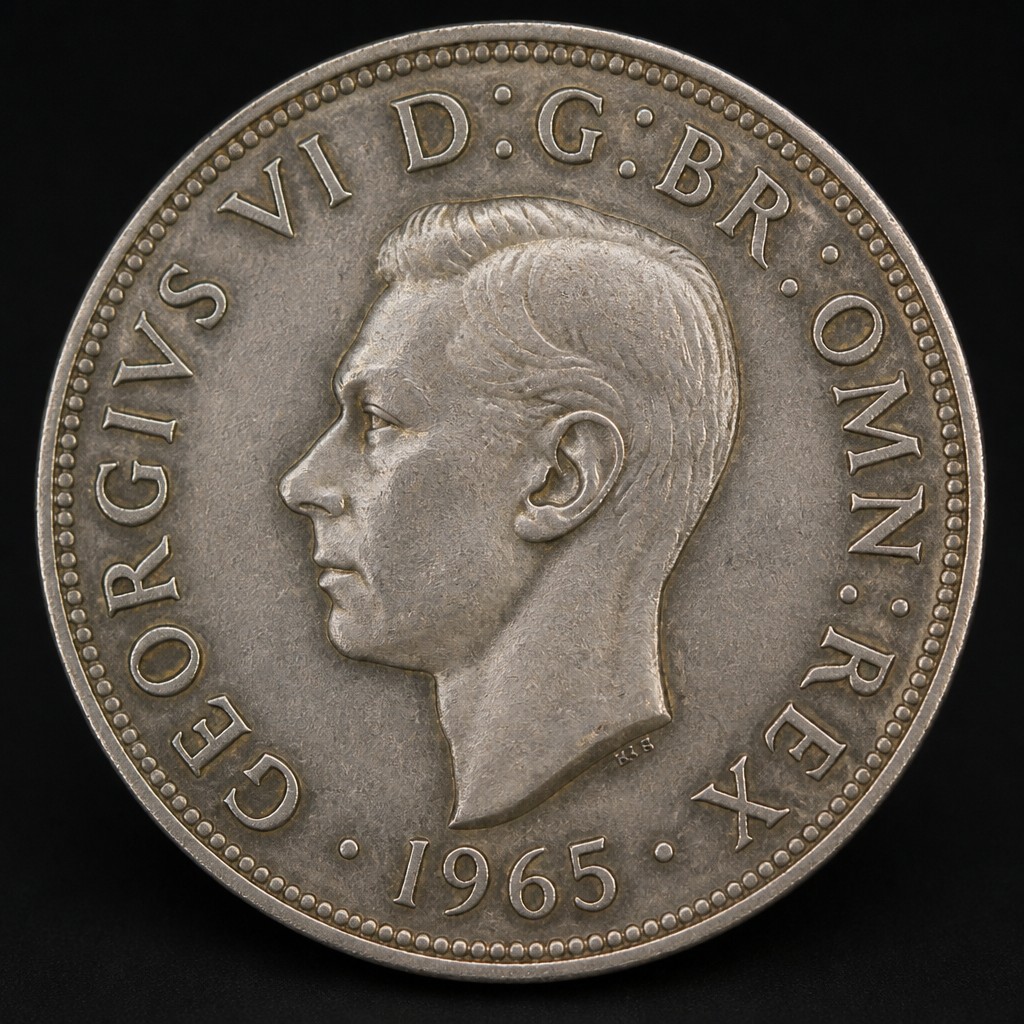
English Crown
1526–1965 (pre-decimal; commemorative crown-sized coins continue as five pound coins)
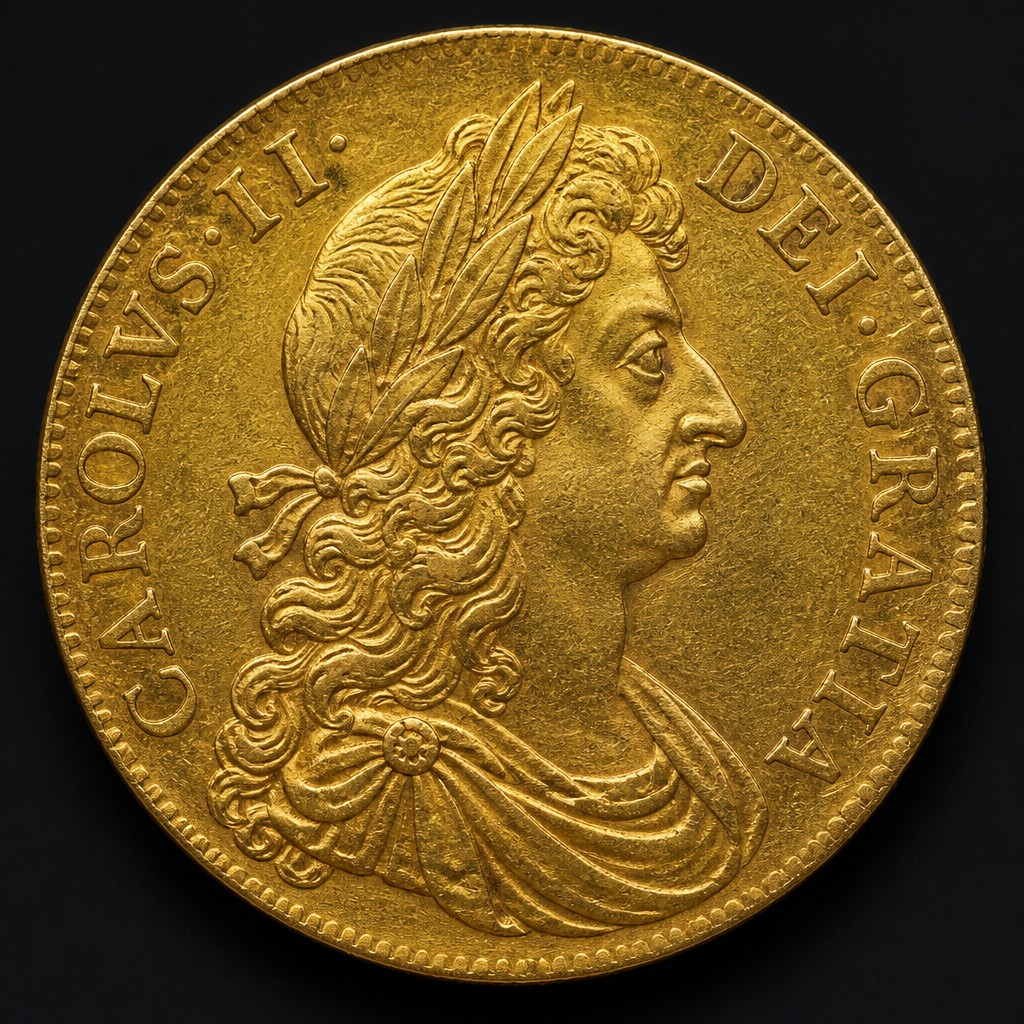
British Gold Guinea
1663–1814
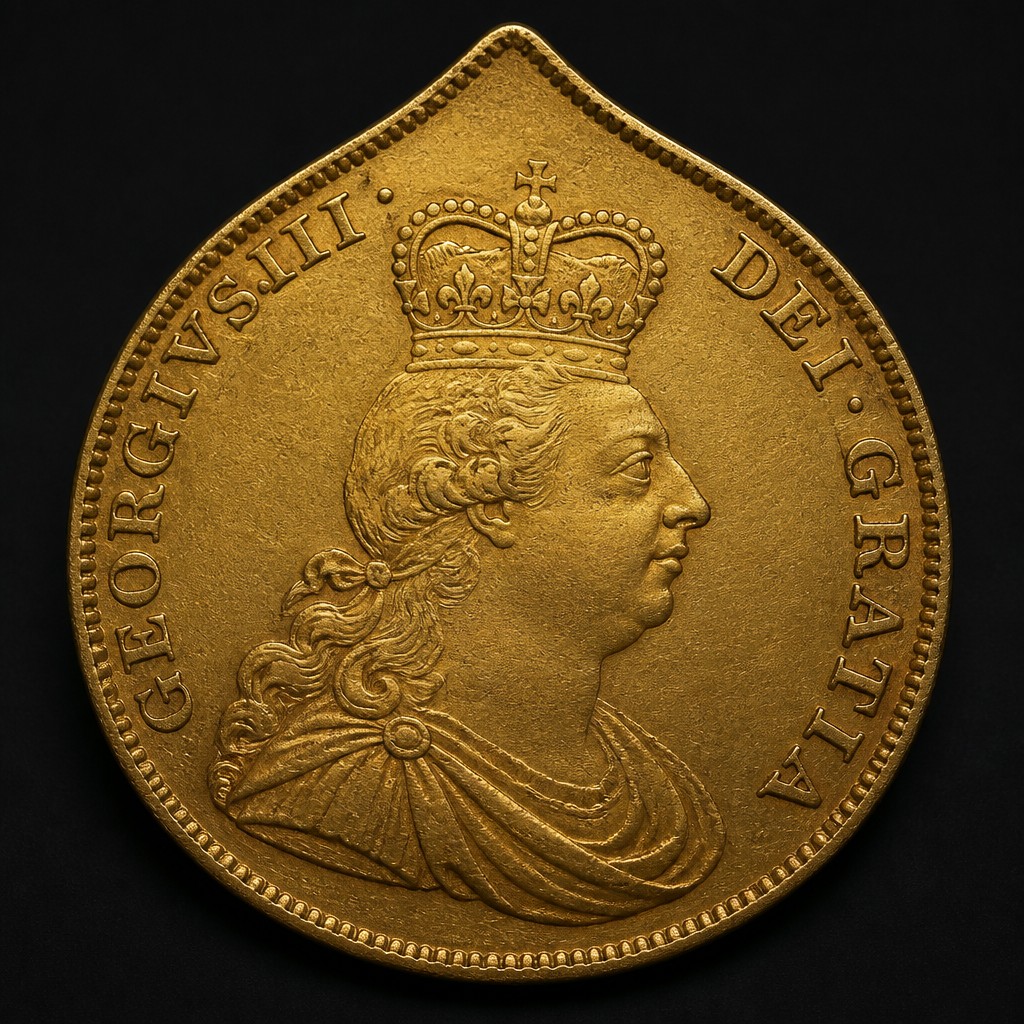
Spade Guinea
1787–1799
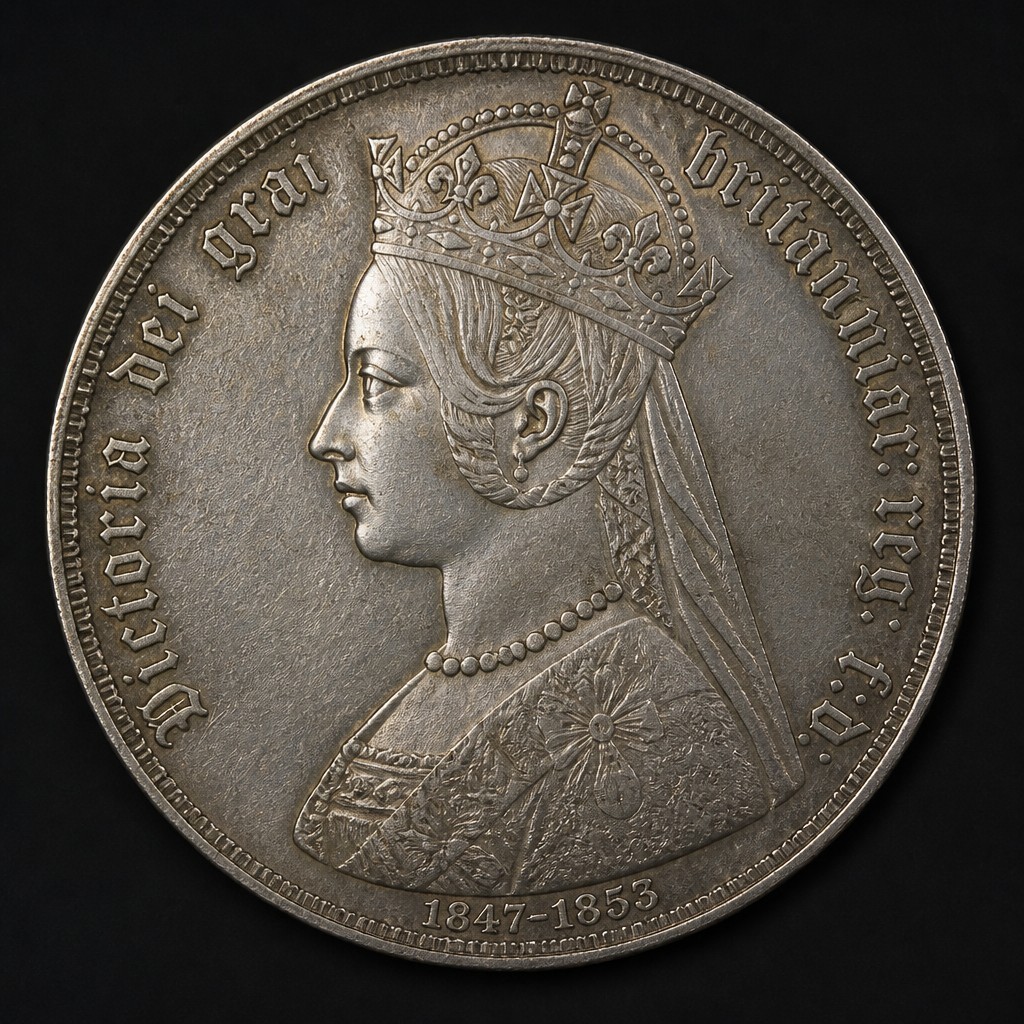
Gothic Crown
1847–1853
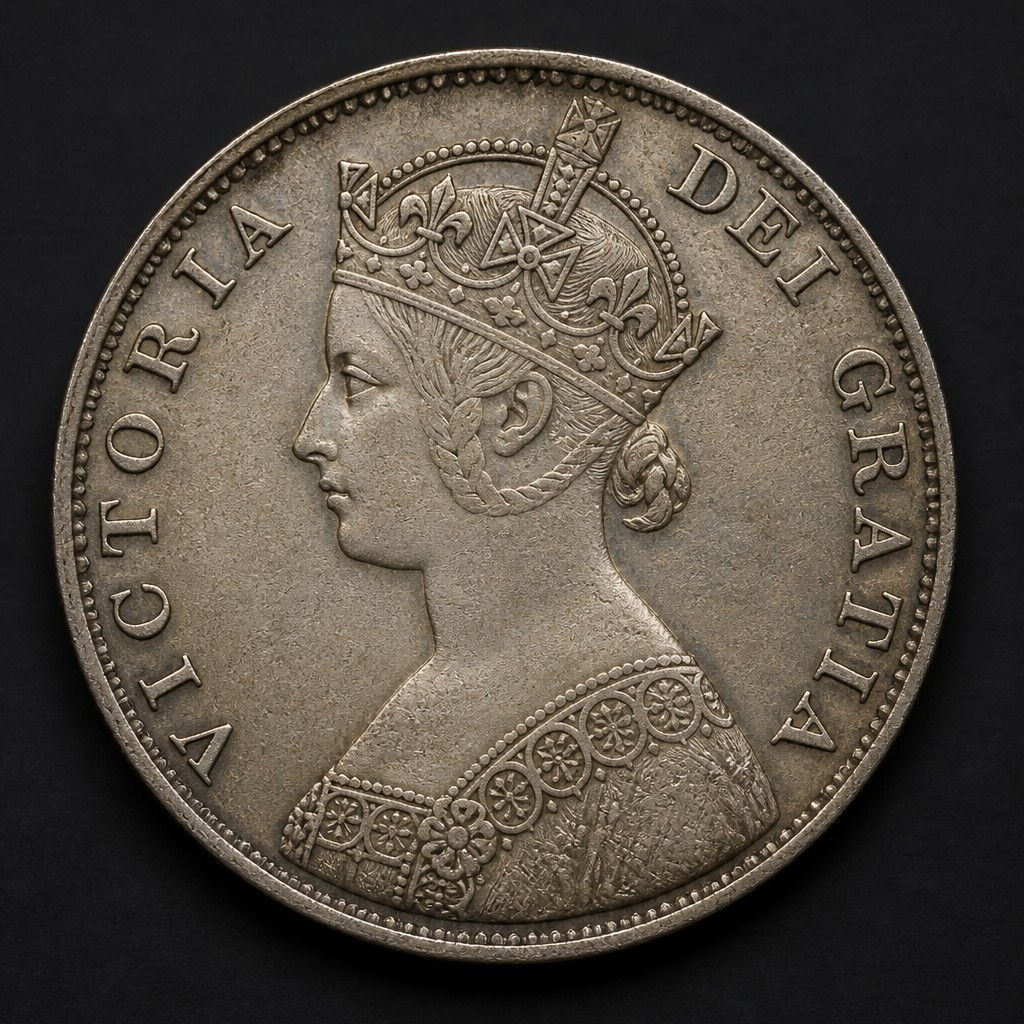
Groat (Fourpence)
1279–1888 (various revivals)
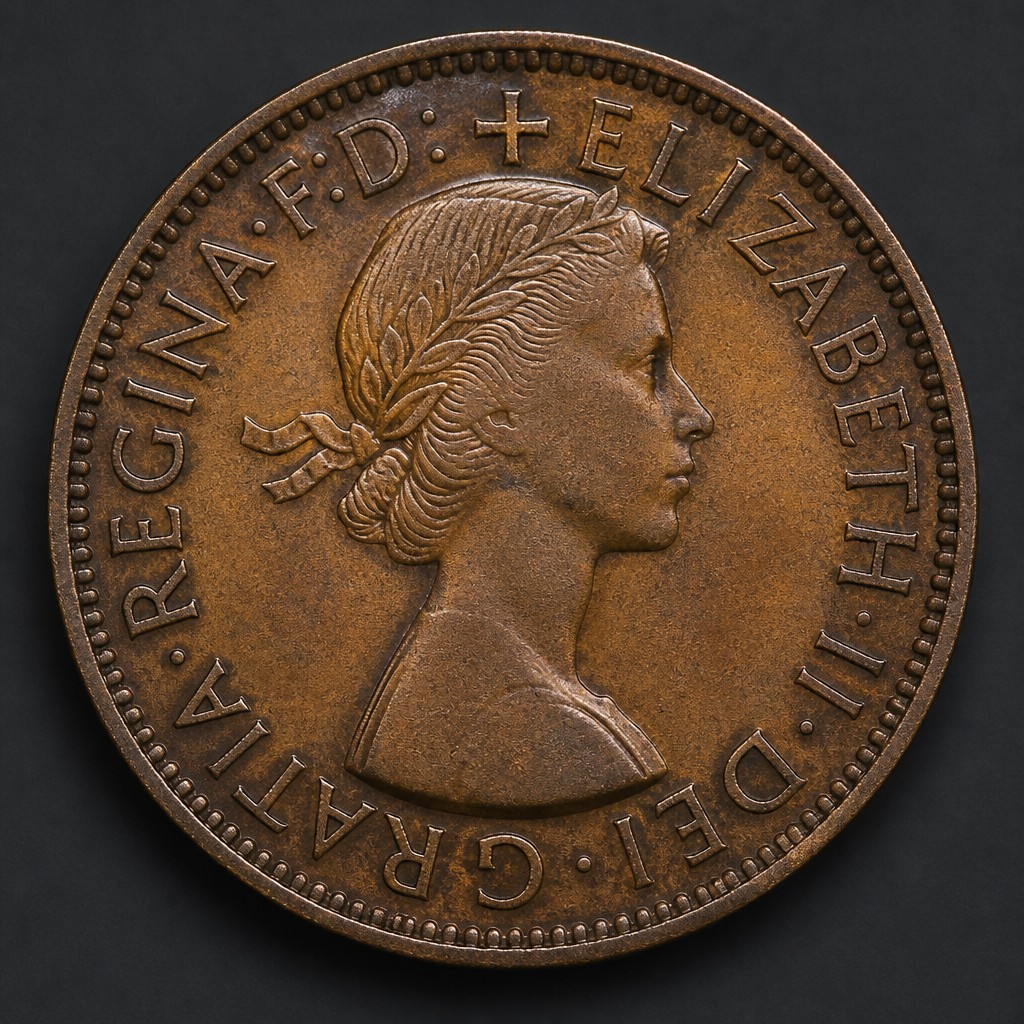
Farthing
13th century–1956
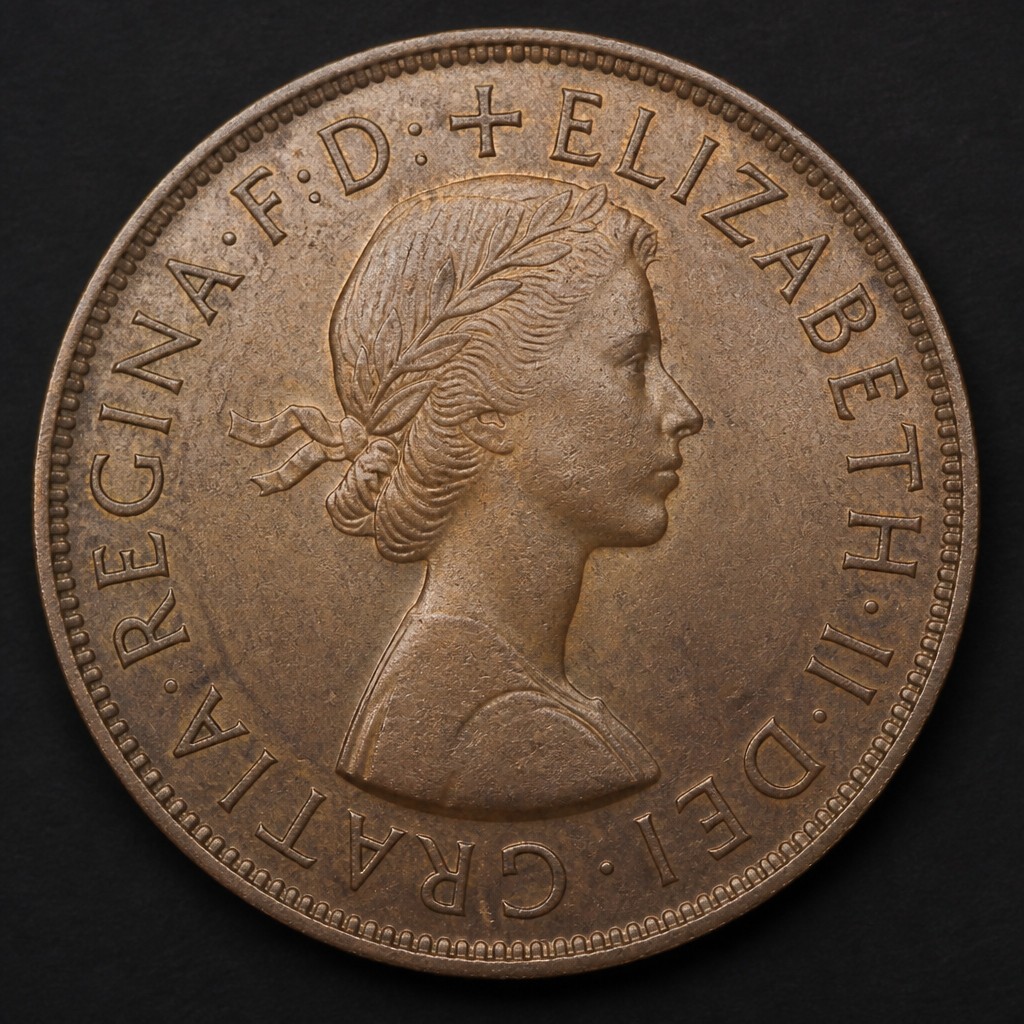
Halfpenny
c. 800s–1969
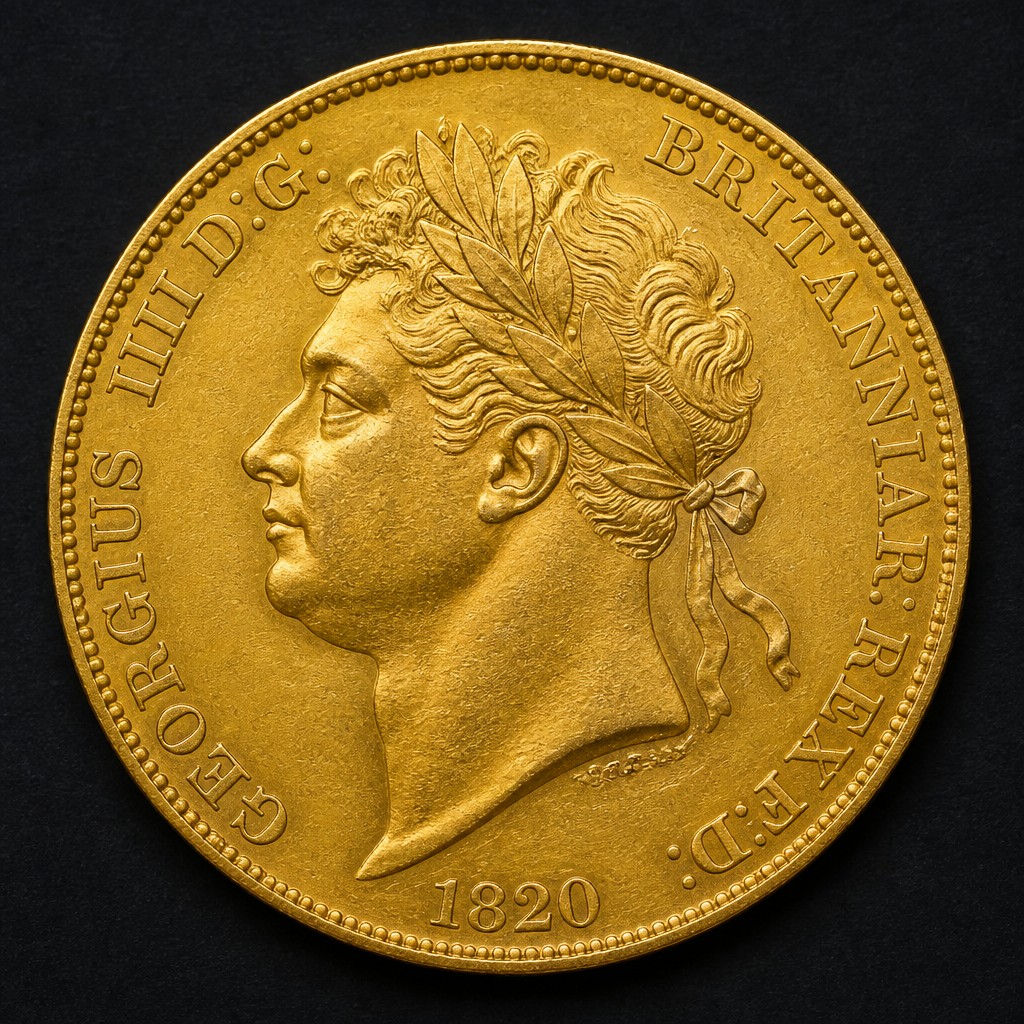
Five Pound Gold (Quintuple Sovereign)
1820–present (intermittent)
Threepence
1547–1970