
Coin Encyclopedia
Search and identify coins from around the world — with country, denomination, metal, mint, history, and how to tell them apart.
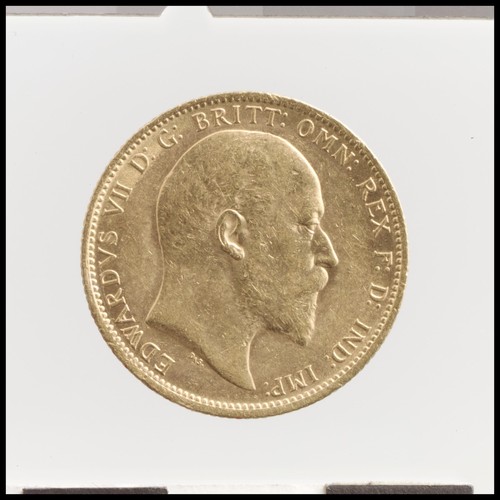
Gold Sovereign
The British gold sovereign: a one-pound gold coin. This 1817 George III example shows a laureate bust and a crowned heraldic shield of the royal arms.
World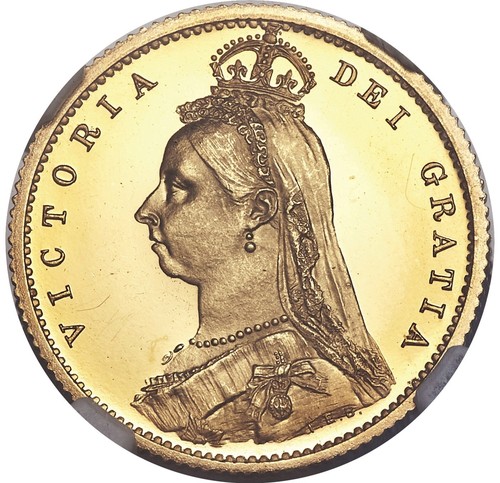
Half Sovereign
A small British 22-carat gold coin worth ten shillings; this example shows Queen Victoria's veiled, crowned Jubilee Head portrait and is dated 1887.
World Coins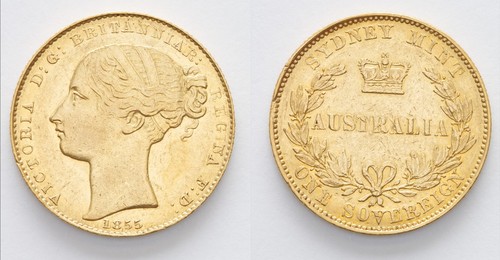
Australian Sovereign
22-carat gold sovereign struck at Australian branch mints; the 1855 Sydney Mint issue was the country's first gold coin.
Australian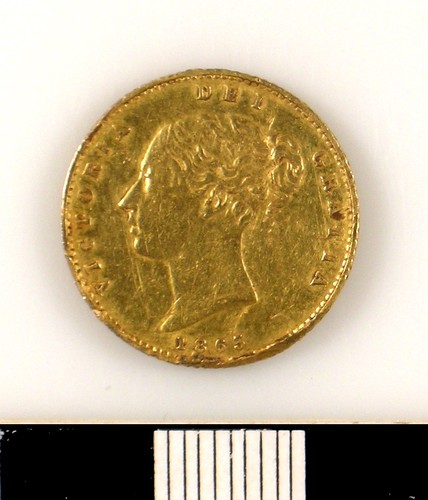
British Half Sovereign
A small 22-carat British gold coin worth ten shillings; the pictured example shows Queen Victoria's left-facing Young Head portrait, dated 1863.
British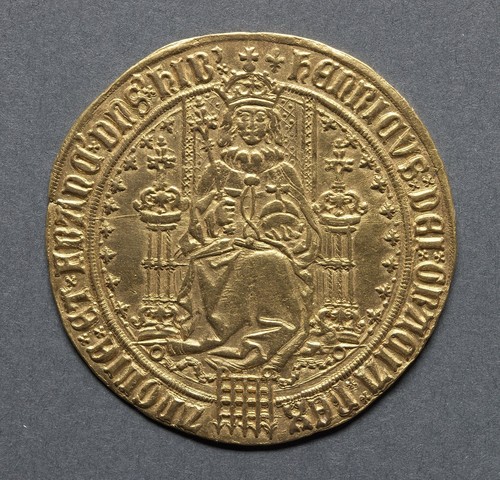
Henry VII Sovereign
The first English gold sovereign, struck under Henry VII, showing the crowned king enthroned in majesty on an elaborate Gothic throne.
Medieval Coins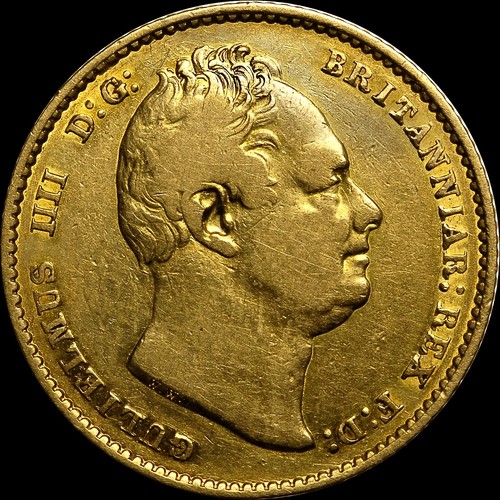
Sovereign of William IV
A 22-carat gold sovereign of William IV, with the king's bare head facing right and a crowned royal shield of arms on the reverse.
Milled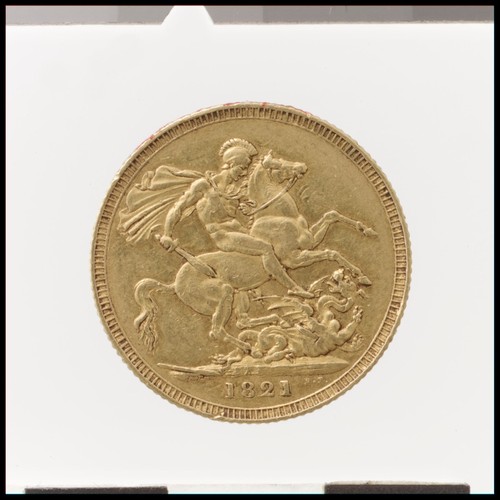
Sovereign of George IV
A milled gold sovereign of Great Britain struck under George IV, with the king's laureate head and Pistrucci's St George slaying the dragon reverse, dated 1821.
Milled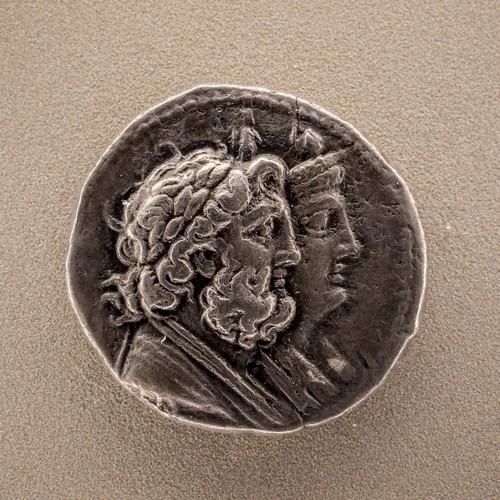
Gold Tetradrachm of Ptolemy II and Arsinoe II
Ptolemaic gold of Egypt, c. 260-240 BC, with paired busts of Ptolemy II and Arsinoe II on one side and Ptolemy I and Berenike I on the other.
Ancient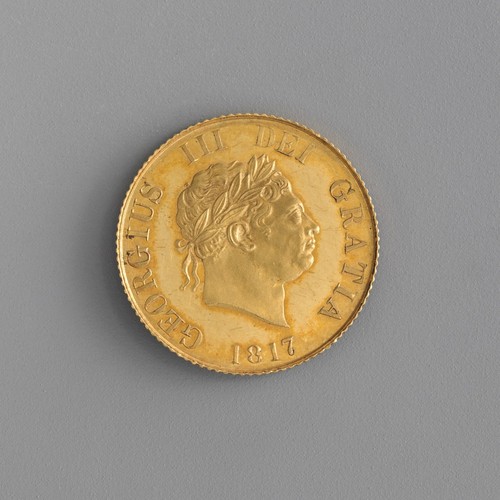
Half Sovereign of George III
British 22-carat gold half sovereign of George III, introduced in 1817 with a laureate bust and a crowned shield of arms; face value ten shillings.
Milled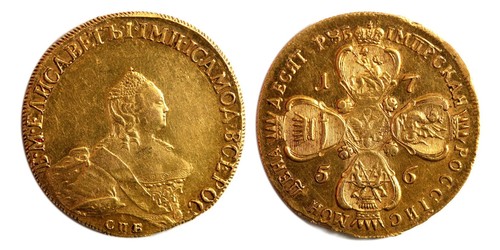
10 Roubles (Elizabeth)
An Imperial Russian gold 10 Roubles of Empress Elizabeth, showing her crowned portrait and the double-headed eagle with orb and scepter, dated 1756.
Early Modern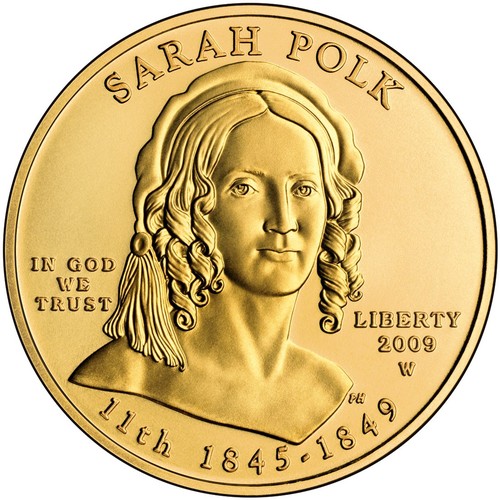
First Spouse Gold Coin (Alice Paul)
A 2012 half-ounce 24-karat gold coin from the U.S. Mint's First Spouse series honoring suffragist Alice Paul and the woman-suffrage movement.
Commemorative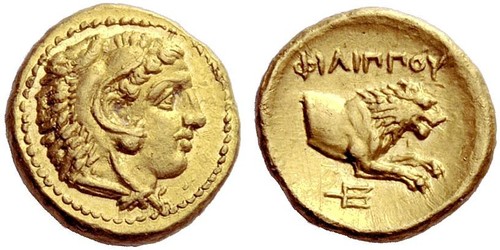
Philip II Gold Half Stater
Gold half stater of Philip II of Macedon, c. 359-336 BC, showing the head of Heracles and an eagle perched on a thunderbolt.
Ancient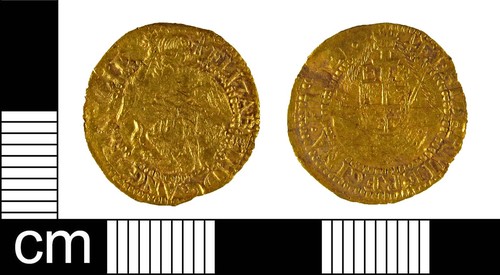
Quarter Angel of Elizabeth I
A small Elizabethan gold coin of the early 1580s showing a crowned portrait of the queen and a cross set with heraldic shields.
Hammered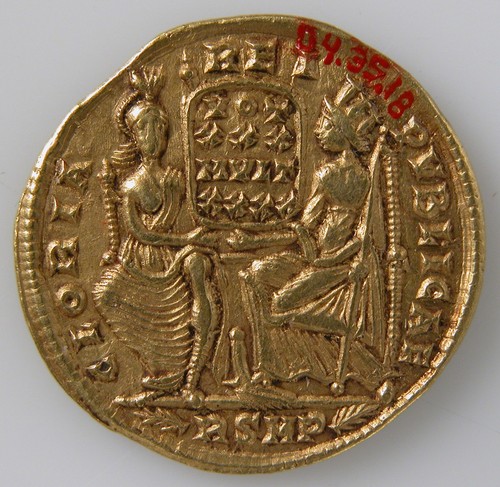
Solidus of Constantine II
Late Roman gold solidus of Constantine II, showing his ornately crowned bust and a seated figural reverse type.
Ancient Coins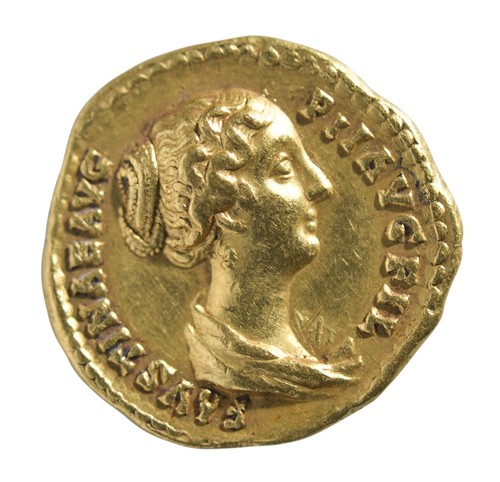
Aureus of Faustina II
Roman imperial gold coin with the draped bust of Faustina II, daughter of Antoninus Pius and wife of Marcus Aurelius, struck around 147-150 AD.
Ancient Coins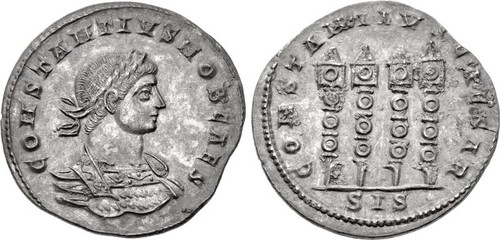
Miliarensis of Constantius II
A late Roman silver miliarensis of Emperor Constantius II (AD 327–361), showing his diademed portrait and a standing reverse figure.
Ancient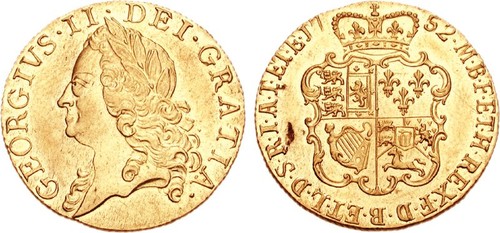
Guinea of George II
A milled gold guinea of Great Britain struck during the reign of George II, with a left-facing royal bust and a crowned heraldic shield reverse.
Milled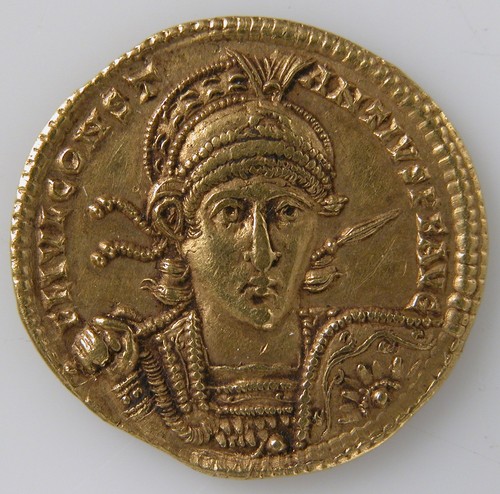
Solidus of Constantius II
Late Roman gold solidus of Emperor Constantius II (337-361 AD), showing his diademed bust facing right paired with a seated-figure reverse.
Ancient Coins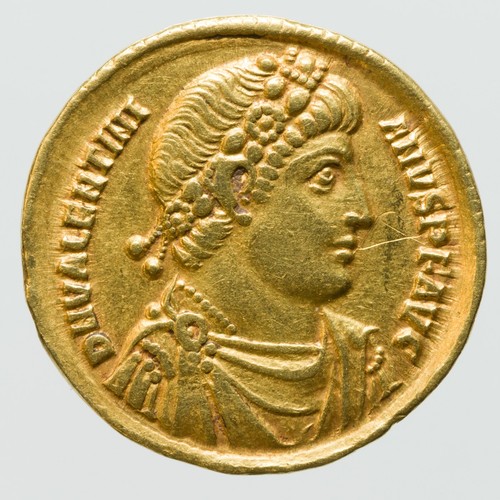
Solidus of Valentinian II
A late Roman gold solidus struck for Valentinian II, showing his diademed profile with the obverse legend D N VALENTINIANVS, from the 380s AD.
Ancient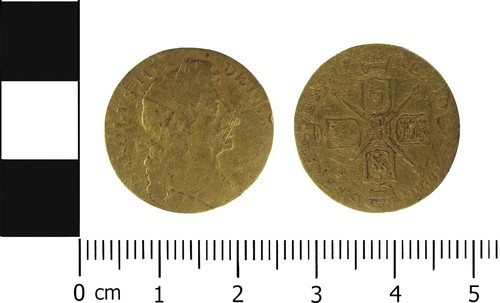
Charles II Half Guinea
A small milled gold coin of Charles II showing the king's laureate profile and a cruciform arrangement of crowned shields on the reverse.
Milled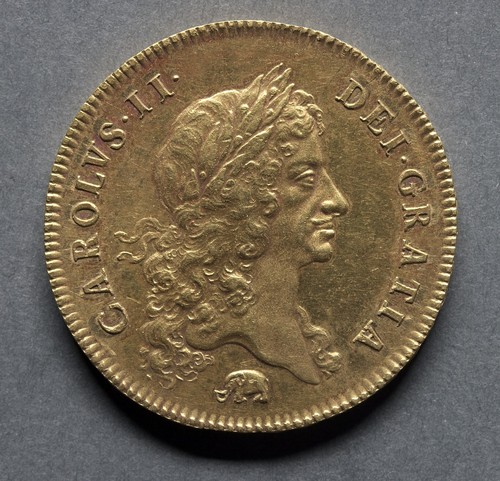
Charles II Five Guineas
The largest English gold coin of Charles II's reign, showing his laureate profile and a cruciform arrangement of crowned shields on the reverse.
Milled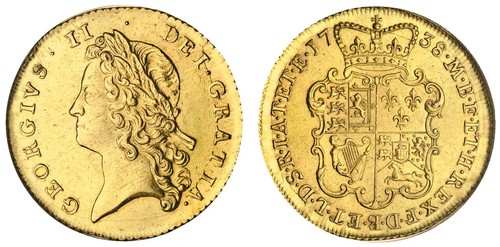
Two Guineas of George II
A large milled gold two-guinea piece of George II, with his left-facing laureate head and a crowned garnished shield of the royal arms; the pictured coin is dated 1738.
Milled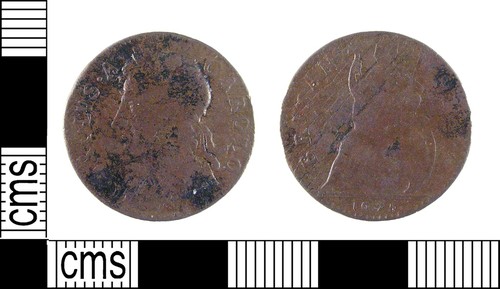
Charles II Halfpenny
A milled copper halfpenny of Charles II showing his laureate bust and a seated Britannia, part of the first regal copper coinage of England, dated 1675.
Milled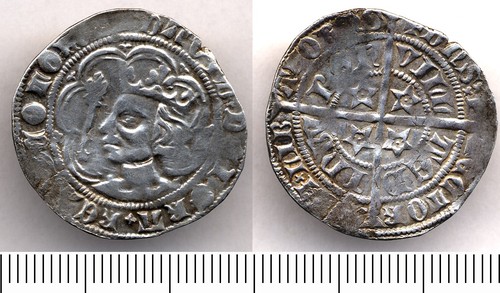
David II Groat
A hammered silver groat of David II of Scotland, showing his crowned portrait on the obverse and a Scottish shield with long-cross reverse.
Hammered