
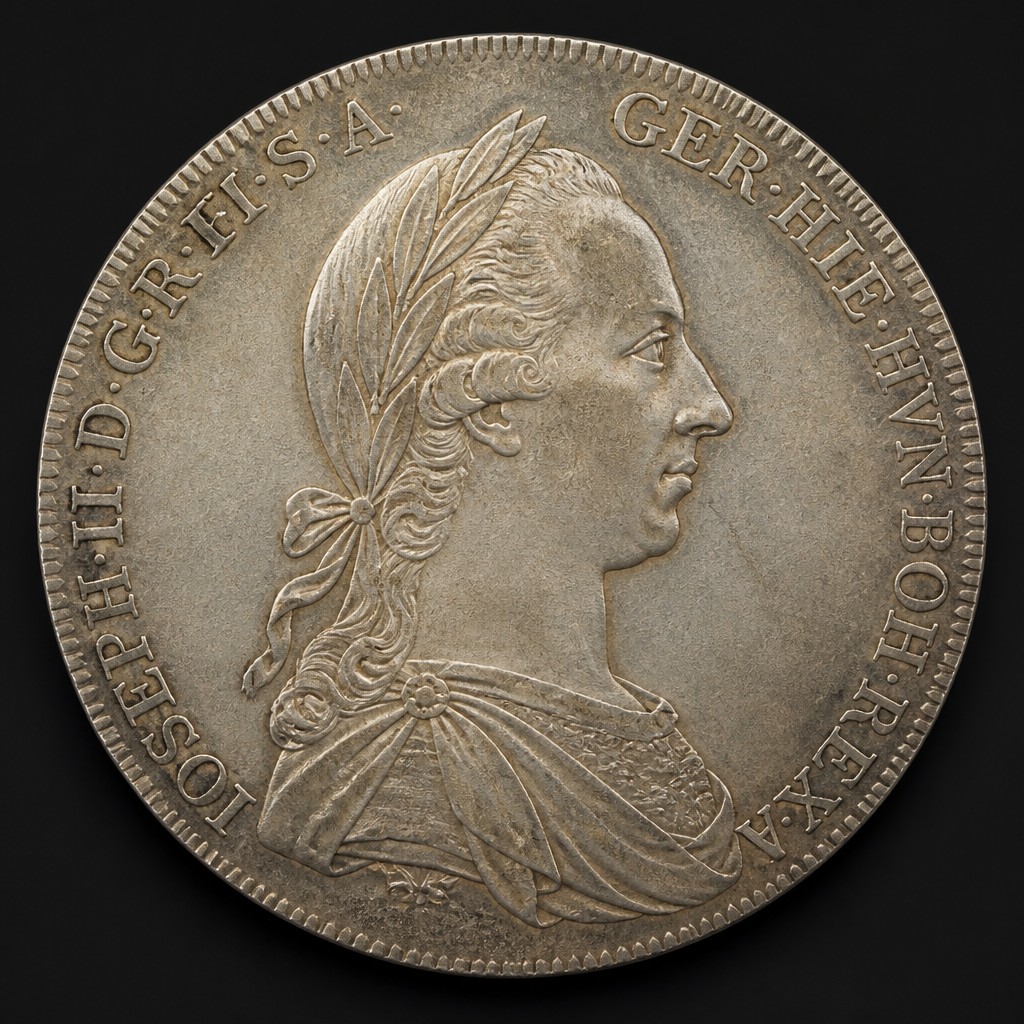
Austrian Thaler (Joseph II)
A silver thaler bearing the portrait of Holy Roman Emperor Joseph II, struck in the late 18th century and, like the more famous Maria Theresa thaler, later restruck for use in Levant and African trade.
- Country
- Austria (Habsburg Monarchy)
- Denomination
- Thaler (Taler)
- Metal
- Silver (approx. .833–.900 fine)
Got a coin like this?
Identify any coin from a photo, free.
Overview
The Joseph II thaler is a large silver coin issued under the co-regency and sole rule of Emperor Joseph II of the Habsburg Monarchy. It belongs to the same family of Central European Conventionsthaler coinage that produced the far more famous Maria Theresa thaler, and shares some of that coin's later history as a trusted trade silver piece.
While never as ubiquitous as the Maria Theresa thaler, the Joseph II thaler is collected both as an 18th-century Habsburg silver crown and as a historical trade coin.
History & Background
Joseph II, who ruled the Habsburg lands as co-regent from 1765 and as sole monarch from 1780 until his death in 1790, issued silver thalers under the shared Conventionsthaler standard used across many German-speaking states. His reforms as an "enlightened despot" extended to coinage as well as administration.
Following the pattern set by his mother Maria Theresa's famous perpetually-dated 1780 thaler, some Joseph II and related Habsburg trade thalers were restruck long after the emperor's death to supply silver coinage trusted in Middle Eastern, Red Sea, and East African trade, though never on the same enormous scale as the Maria Theresa piece.
How to Identify
The obverse shows a laureate, right-facing bust of Joseph II with a Latin legend giving his name and imperial titles. The reverse bears the crowned Habsburg double-headed eagle with orb and scepter, or the Austrian arms, along with the date and mint mark.
The coin is a large silver piece comparable in size and weight to a standard 18th-century Conventionsthaler, with a lettered or decorated edge. Collectors distinguish original period strikes from later trade restrikes mainly through die details and strike characteristics, which is best assessed by an experienced dealer.
Value & Collectibility
Because genuine Joseph II thalers are far less commonly encountered than Maria Theresa thalers, authentic original strikes in decent condition can be modestly to moderately valuable to specialist collectors of Habsburg coinage.
Later trade restrikes are more common and are generally valued closer to their silver content plus a small premium. As with all historic trade thalers, careful attention to authenticity is important given the long restriking history of this coin type.
Frequently asked questions
Is the Joseph II thaler the same as the Maria Theresa thaler?
No, they are related Habsburg thalers from the same era and family of coinage, but they carry different portraits and were issued under different rulers.
Why were these thalers restruck long after Joseph II's death?
Trusted Habsburg silver thalers, following the model of the Maria Theresa thaler, were restruck for use as trade currency in Middle Eastern and African markets long after their original issue dates.
How can I tell an original strike from a restrike?
Die details, strike sharpness, and edge characteristics differ between periods; an experienced numismatist can usually distinguish them.
What metal is it made of?
It is a silver coin struck to the Conventionsthaler standard common in 18th-century Central Europe.
Other coins you may enjoy
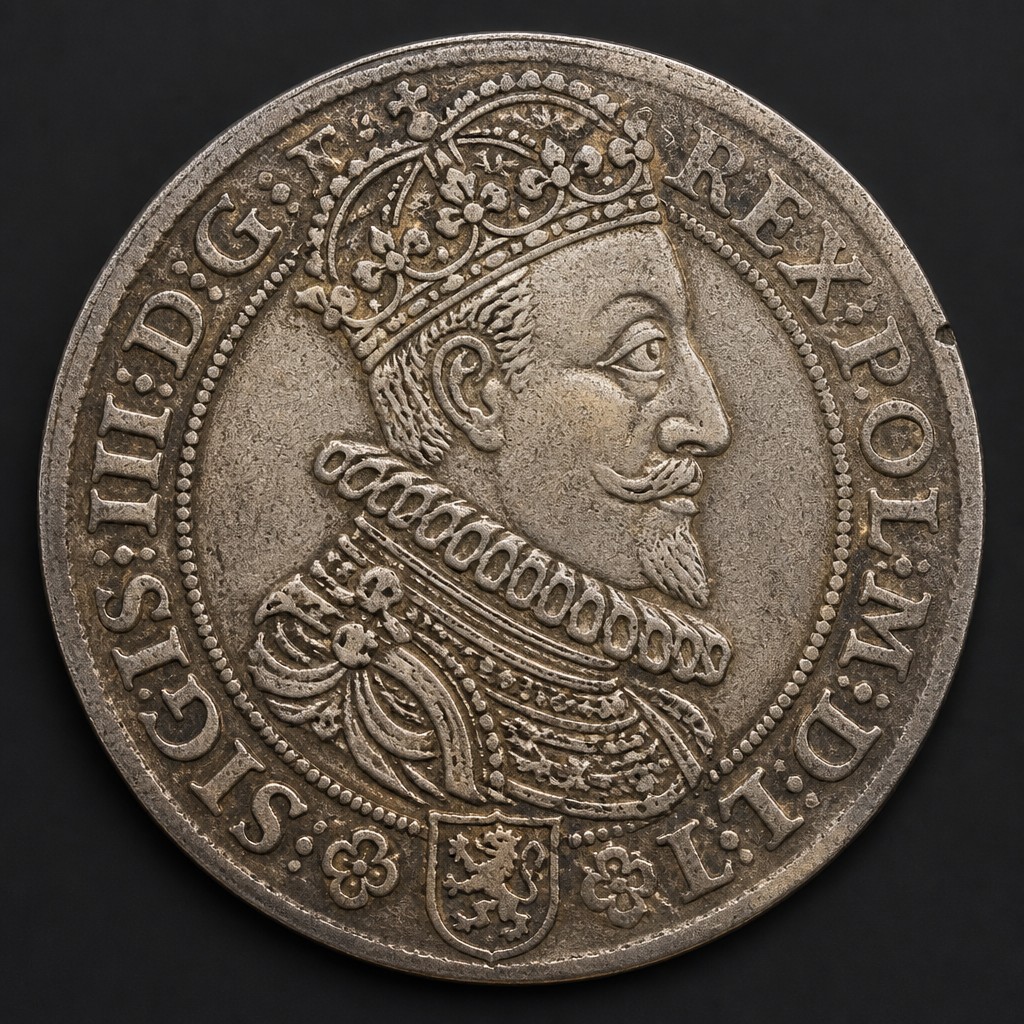
Polish-Lithuanian Thaler
circa 16th–18th century
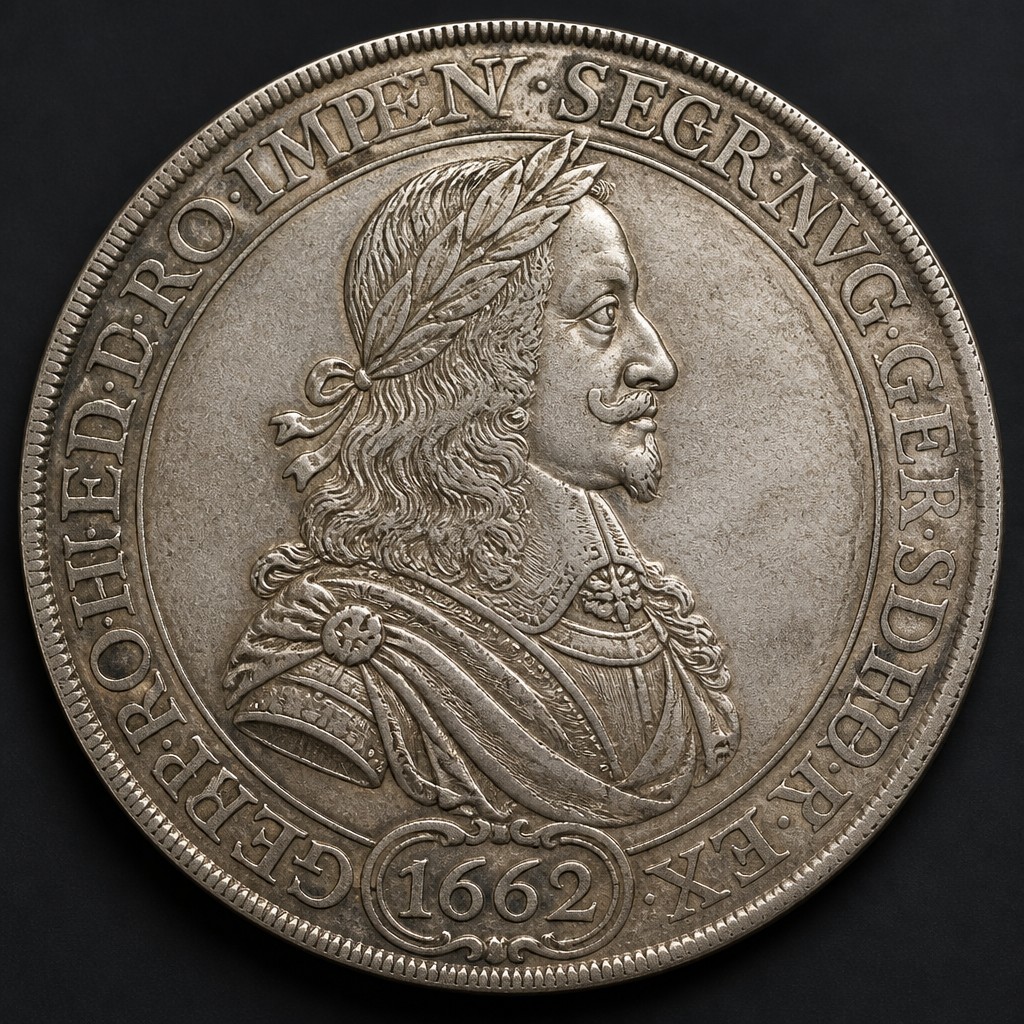
Reichsthaler
circa 1566–early 19th century
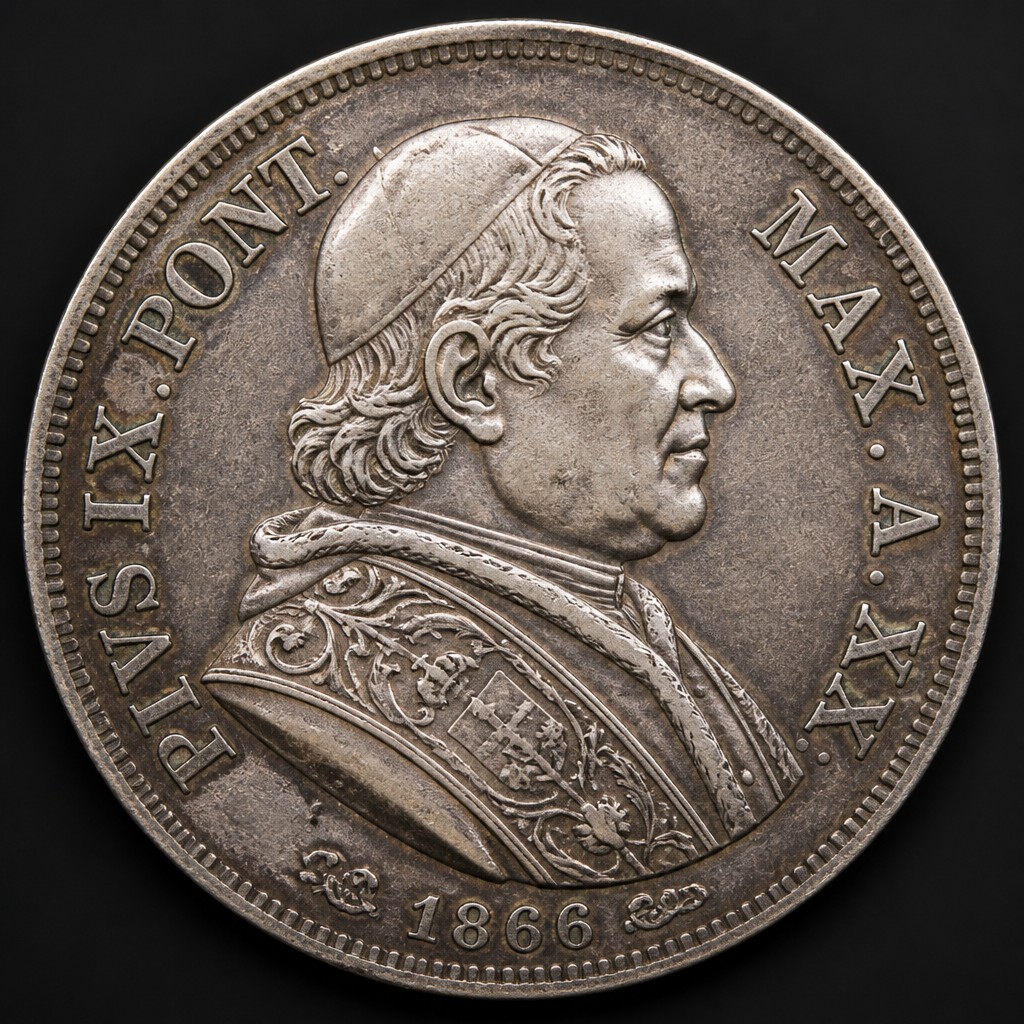
Papal States Scudo
16th century–1866
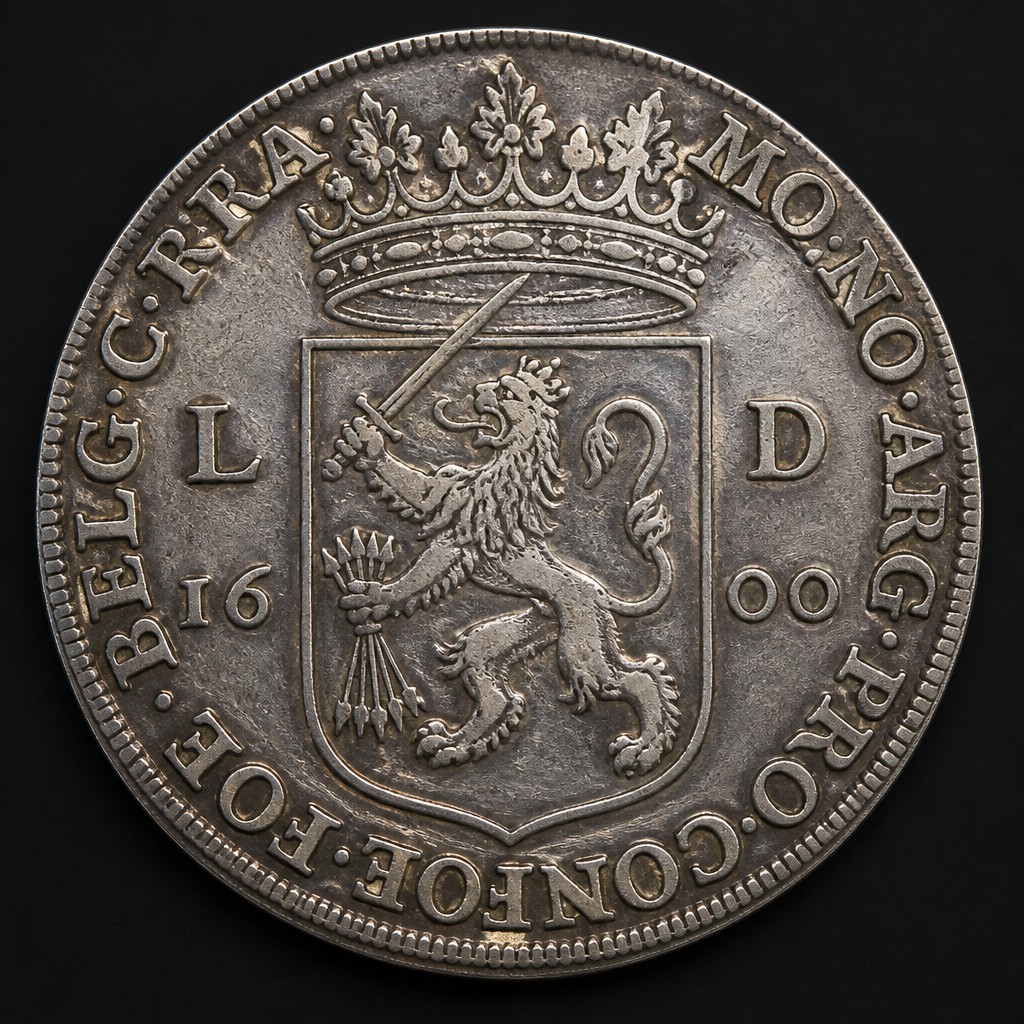
Netherlands Lion Daalder (Leeuwendaalder)
1575–1713
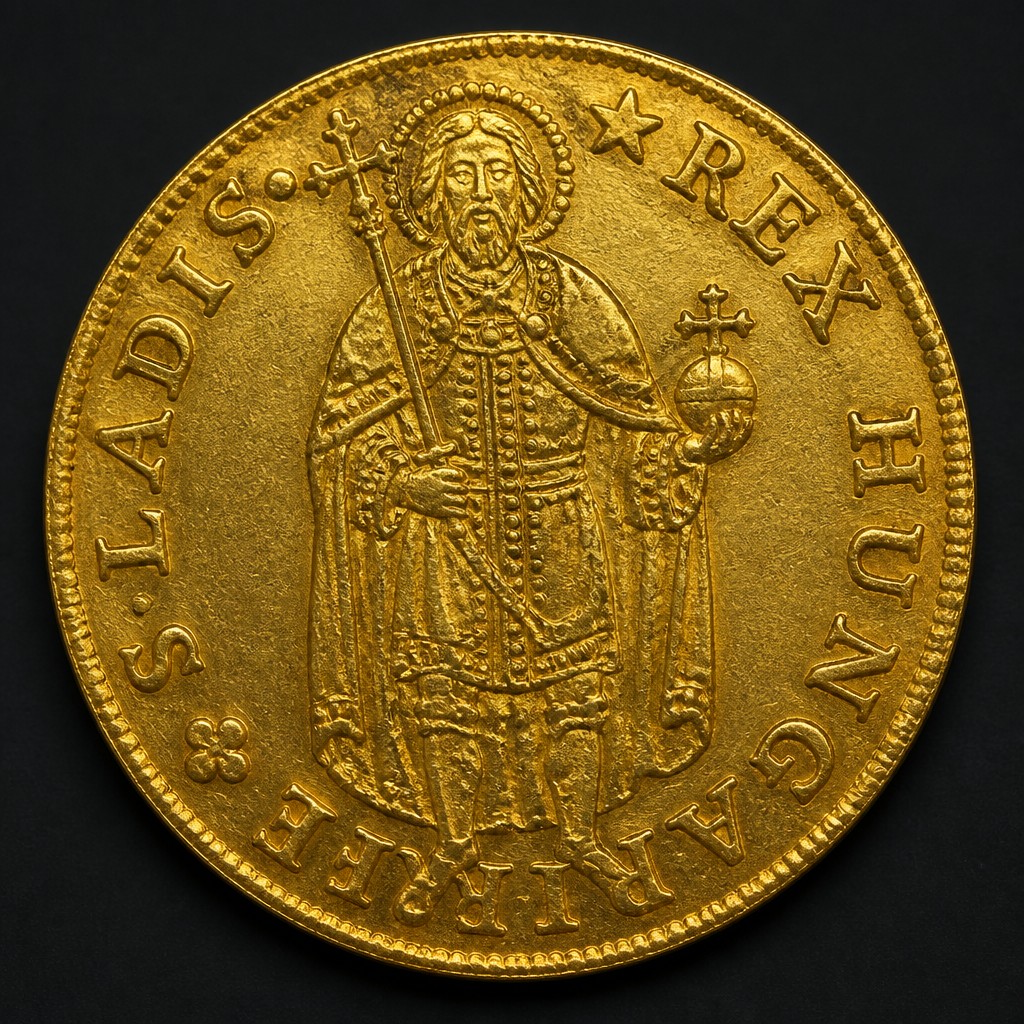
Hungarian Ducat
c. 1325–1918
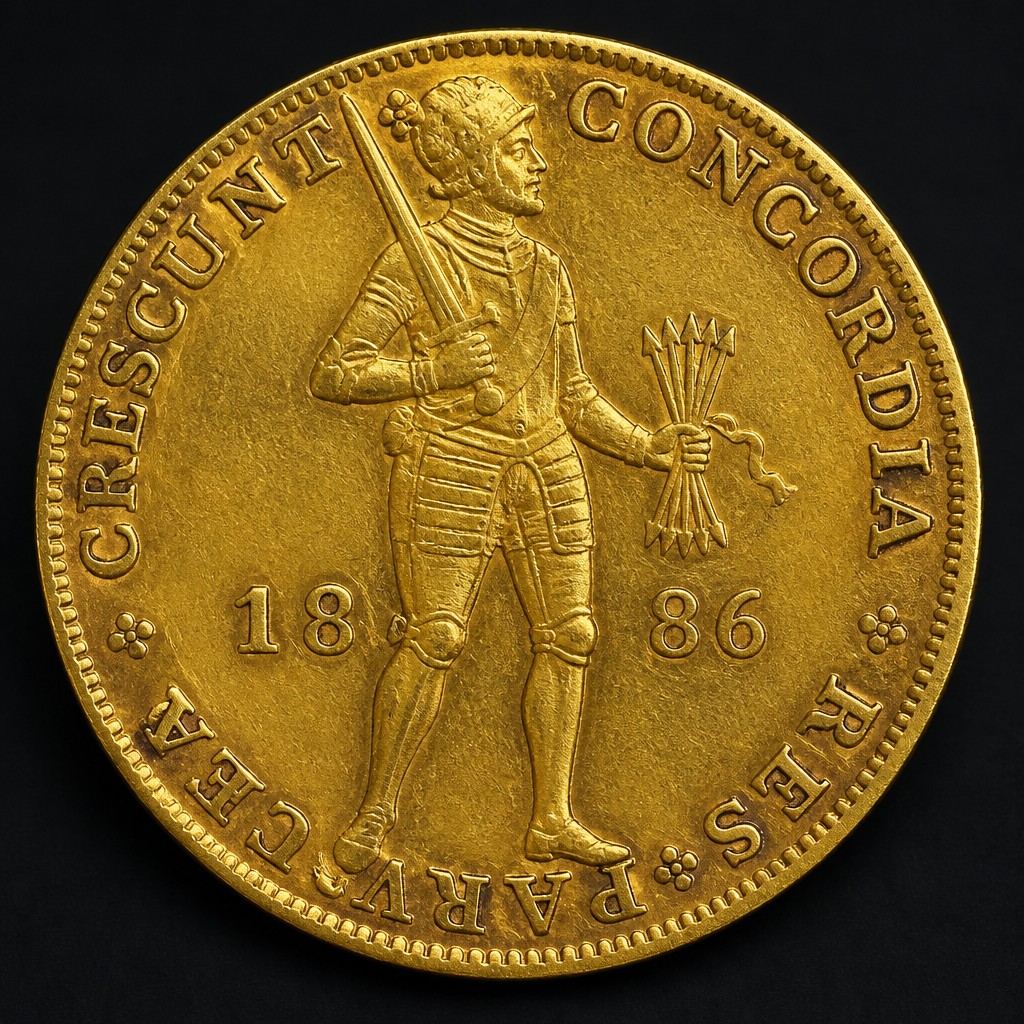
Dutch Ducat
c. 1586–present (classic type standardized after 1817)
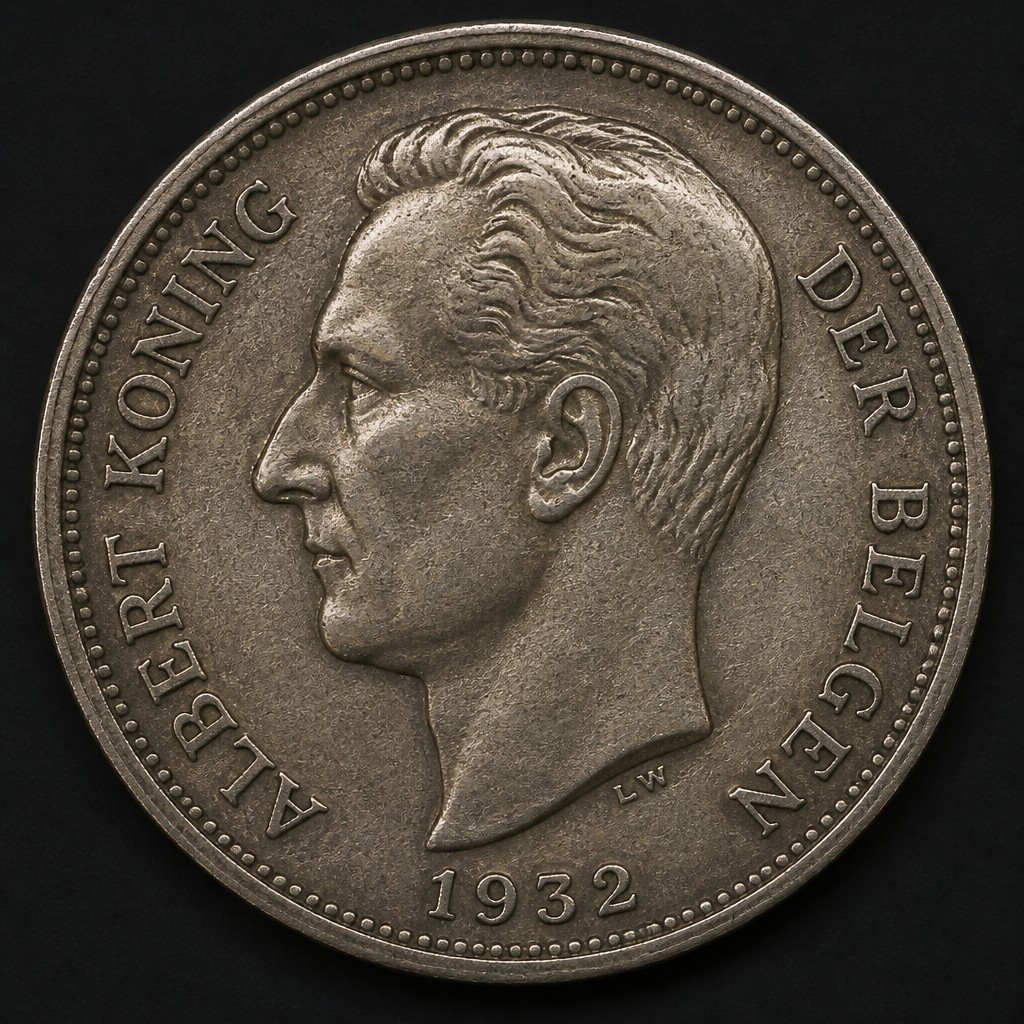
Belgian Franc
1832–2002
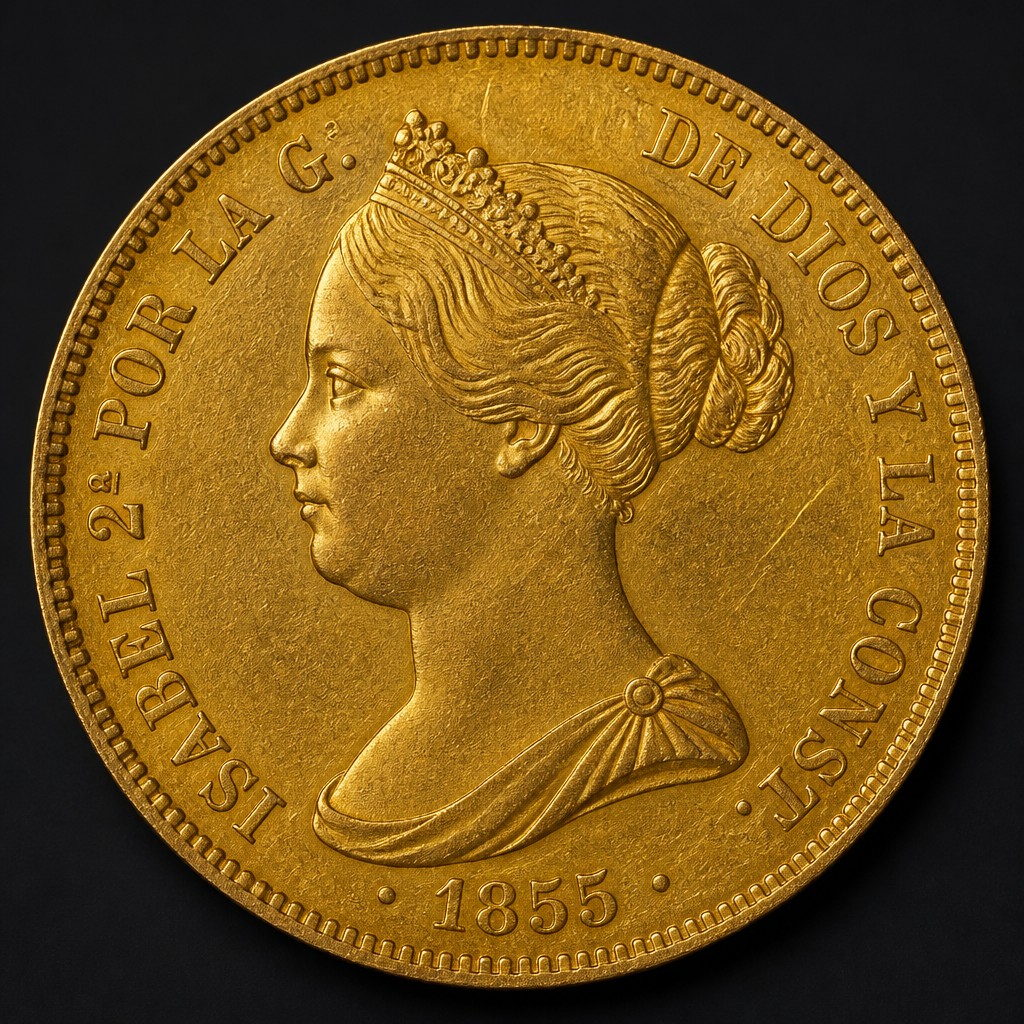
Spanish 100 Reales Gold (Isabel II)
1850s–1868
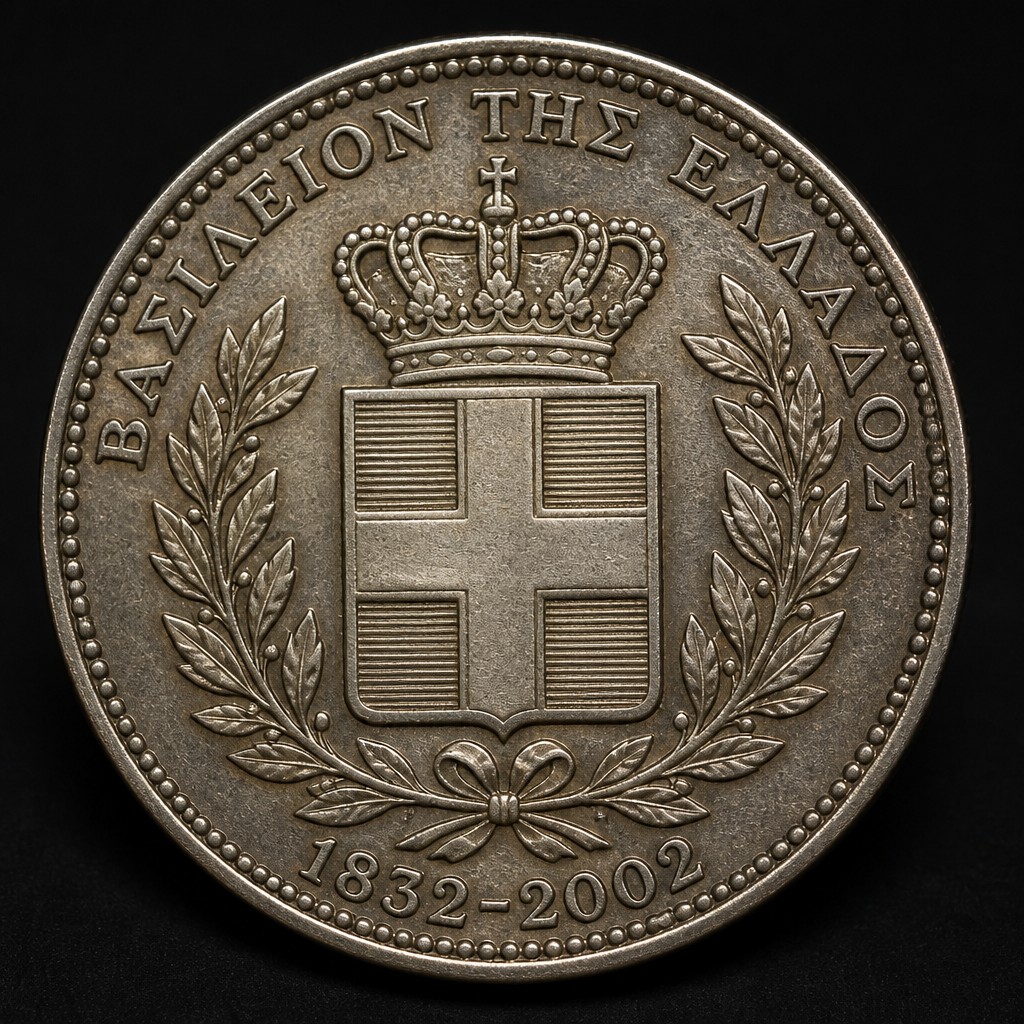
Greek Drachma
1832–2002
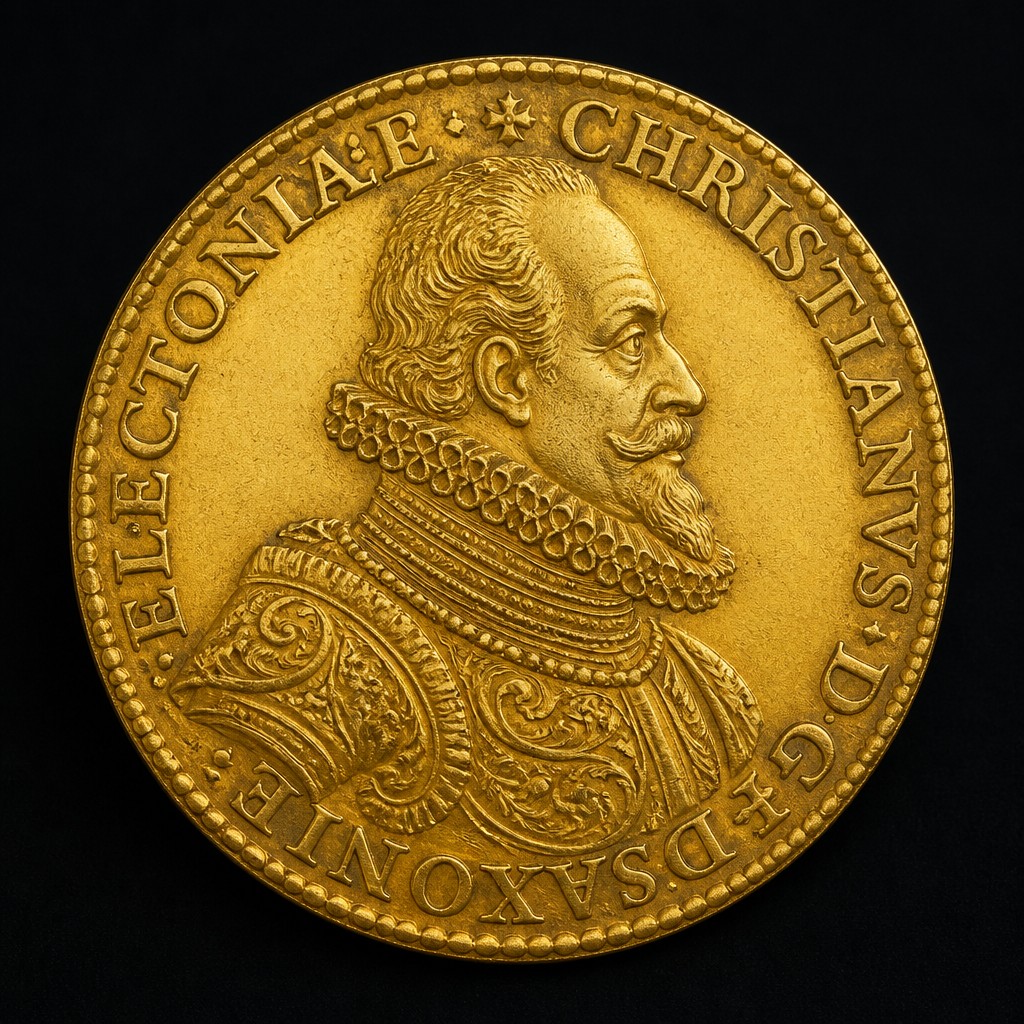
German Saxony Ducat
16th century–19th century
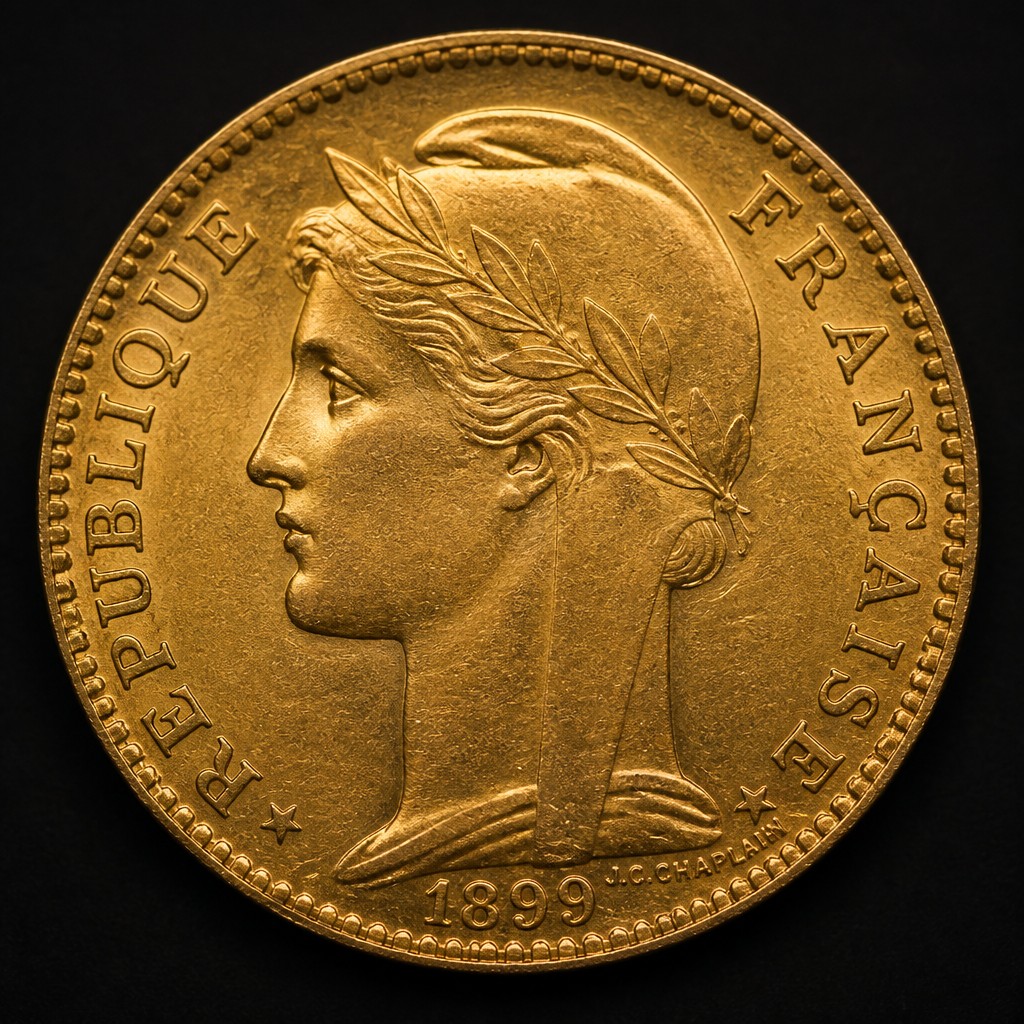
French 10 Francs Gold (Napoleon Rooster)
1899–1914
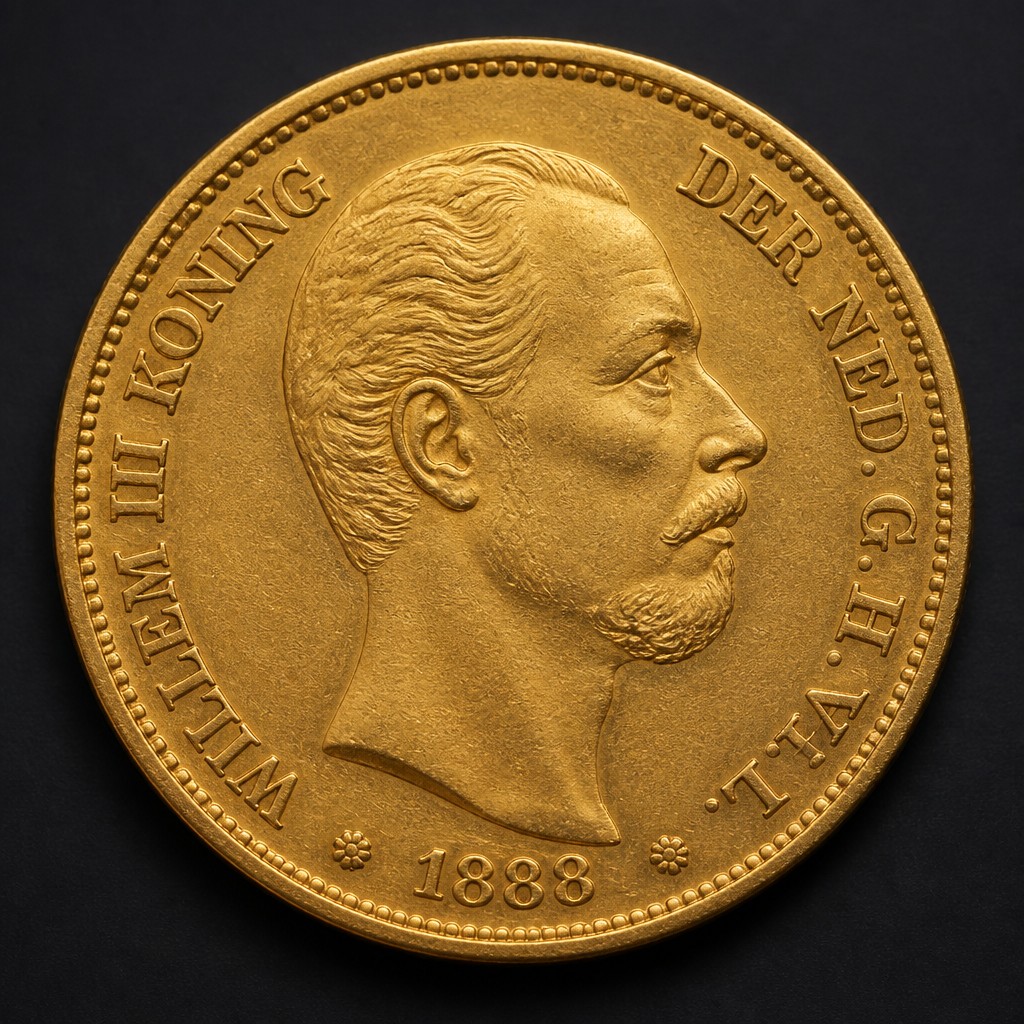
Netherlands 5 Gulden Gold
1826–1912 (intermittent)