
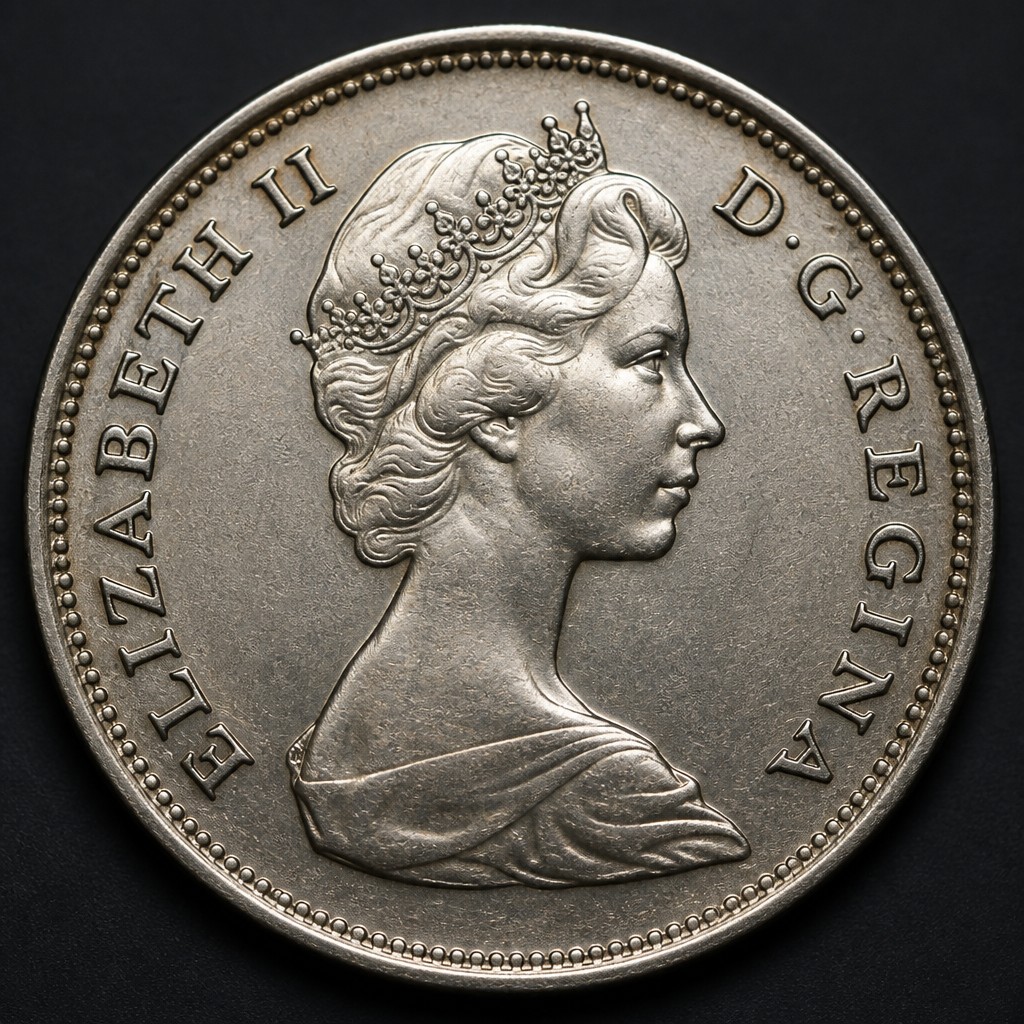
Beaver Five Cents (Elizabeth II)
The long-running Canadian five-cent coin under Queen Elizabeth II, continuing the classic beaver-on-a-rock design first introduced in 1922 across changing metal compositions.
- Country
- Canada
- Denomination
- Five Cents
- Metal
- Nickel; Cupronickel; Nickel-plated Steel (varies by era)
Got a coin like this?
Identify any coin from a photo, free.
Overview
The Elizabeth II beaver five-cent coin extends one of Canada's most enduring coin designs into the second half of the 20th century and beyond, carrying forward the beaver image introduced under George V in 1922. Its long production run, spanning multiple portrait changes of the Queen and several changes in metal composition, makes it a rich subject for date and variety collectors.
While individual dates are generally common, the series as a whole illustrates decades of change in Canadian coinage, from nickel and cupronickel to modern nickel-plated steel, all wrapped around the same familiar beaver reverse.
History & Background
When Elizabeth II acceded to the throne in 1952, Canadian coinage began transitioning to her portrait starting with coins dated 1953, including the five-cent piece, which retained the beaver reverse largely unchanged from its 1922 introduction. Over the following decades, the coin's obverse portrait was updated periodically to reflect the Queen's aging likeness, producing several recognizable portrait varieties collectors track by date range.
The coin's metal composition also shifted over time in response to metal costs and global supply conditions: pure nickel gave way to a nickel-copper alloy in the early 1980s, and by 2000 the coin was struck on a steel core plated with nickel, a composition still used for circulating five-cent coins today.
In 2005, the beaver design itself was subtly refreshed with sharper details as part of a broader modernization of Canadian coin engraving, though the overall composition of the image remained faithful to the original 1922 concept.
How to Identify
The obverse carries a portrait of Queen Elizabeth II, with several distinct portrait styles used across the decades from young laureate images in the 1950s to older, mature portraits used from the 1990s onward. The reverse consistently shows a beaver on a rock beside a log or mound, with CANADA, the date, and the denomination arranged around it.
The coin's exact color and weight vary depending on era: earlier issues in nickel or cupronickel have a fuller, warmer gray tone, while modern nickel-plated steel issues are noticeably attracted to a magnet due to their steel core, a simple way to distinguish recent coins from earlier all-nickel or cupronickel pieces.
Mint marks are generally absent, as production has been centralized at the Royal Canadian Mint's facilities, though collectors track variety by date, portrait style, and known die varieties rather than mint marks.
Value & Collectibility
The vast majority of Elizabeth II beaver five-cent coins are common, worth face value or a small premium in circulated condition, reflecting their status as a long-running circulating coin rather than a limited issue. A handful of specific dates and varieties, including certain low-mintage years and minor die varieties, attract stronger collector interest and premiums.
Uncirculated rolls and specially packaged mint-set examples from various decades are popular with collectors assembling a complete type or date set, though such sets are valued mainly for completeness and condition rather than rarity.
Frequently asked questions
How can I tell what metal my Elizabeth II five-cent coin is made of?
A simple magnet test helps: coins struck since 2000 have a steel core and are magnetic, while earlier nickel and cupronickel issues generally are not.
Has the beaver design ever changed?
The overall design has remained consistent since 1922, though it received a subtle detail refresh in 2005.
Are Elizabeth II beaver nickels valuable?
Most are common and worth little above face value, though a few specific dates and varieties carry collector premiums.
Why do the portraits of the Queen look different across years?
The Royal Canadian Mint periodically updated the obverse portrait to reflect the Queen's changing appearance over her long reign.
Where were these coins minted?
They were produced at the Royal Canadian Mint's facilities in Ottawa and, for circulating coinage, later Winnipeg.
Other coins you may enjoy
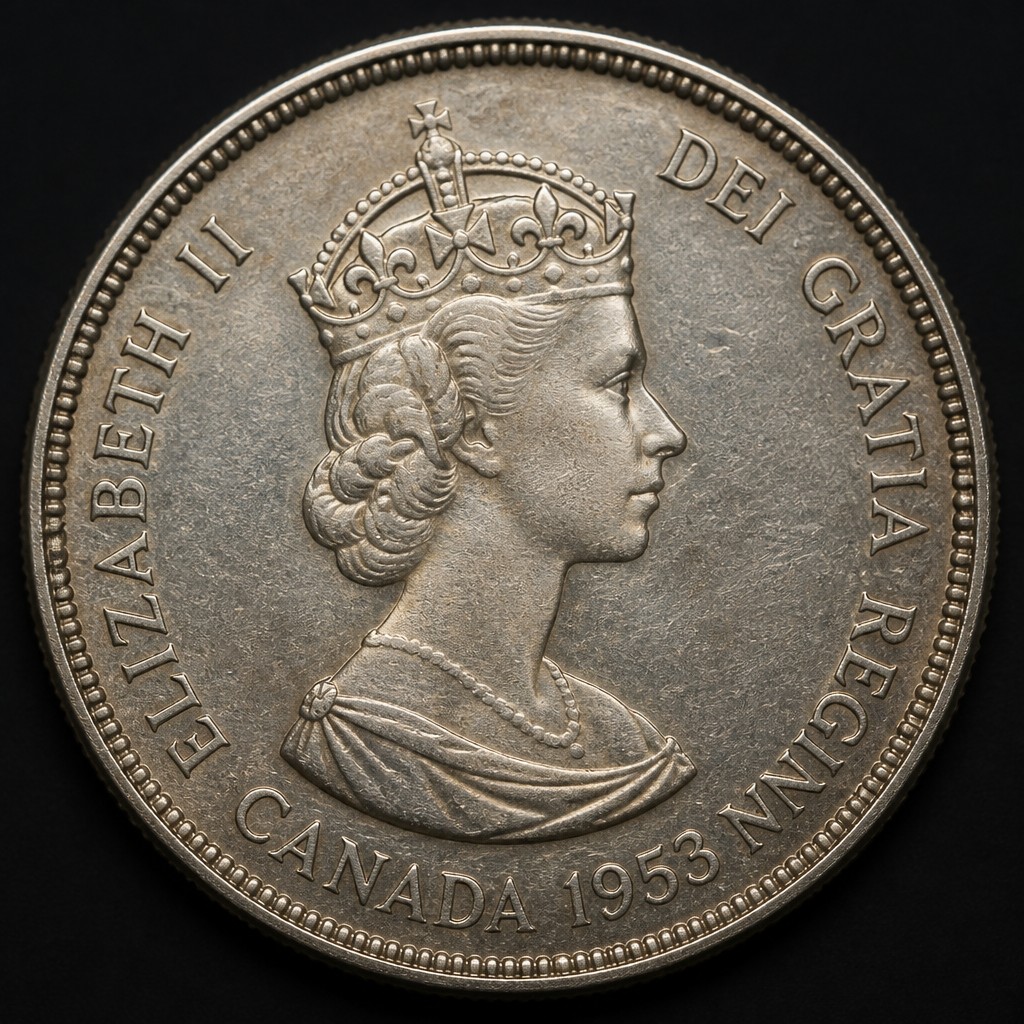
1953 Coronation Voyageur Dollar
1953
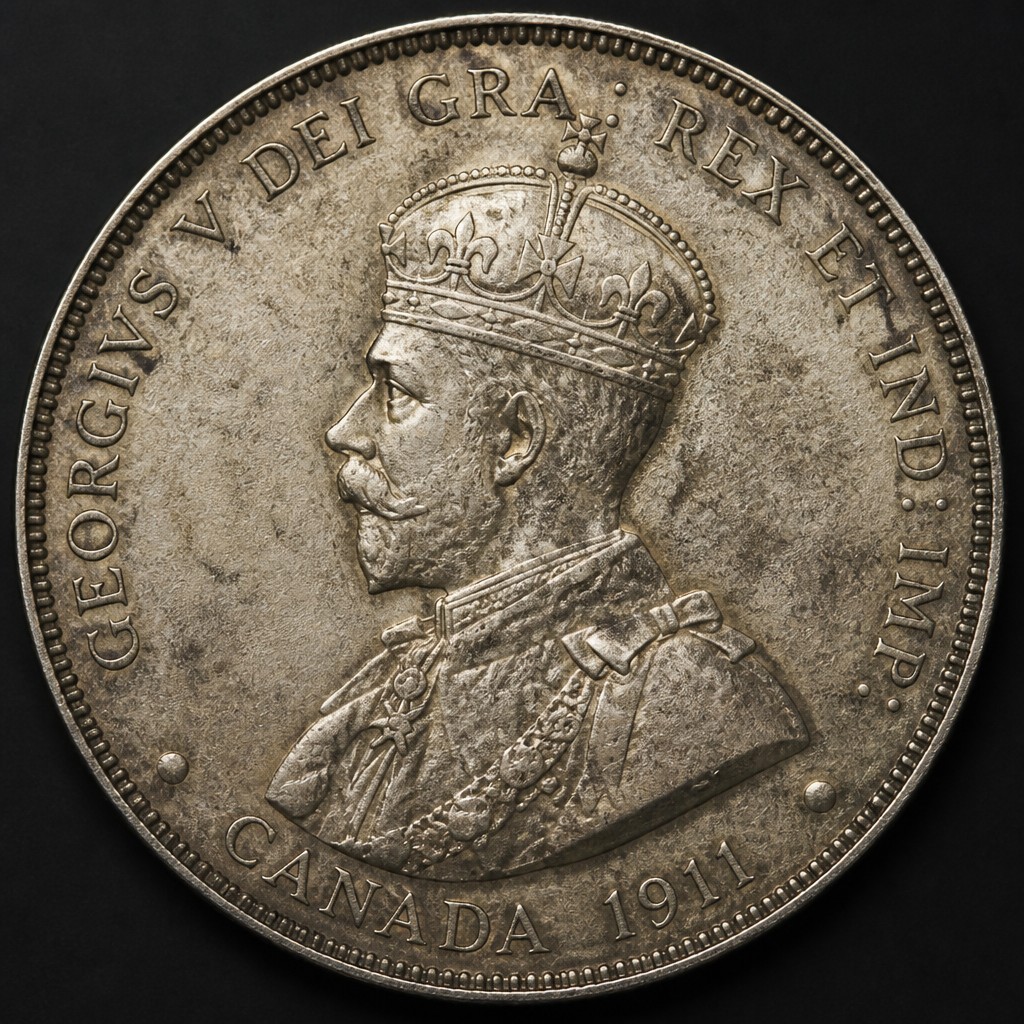
1911 Canadian Silver Dollar (Pattern)
1911
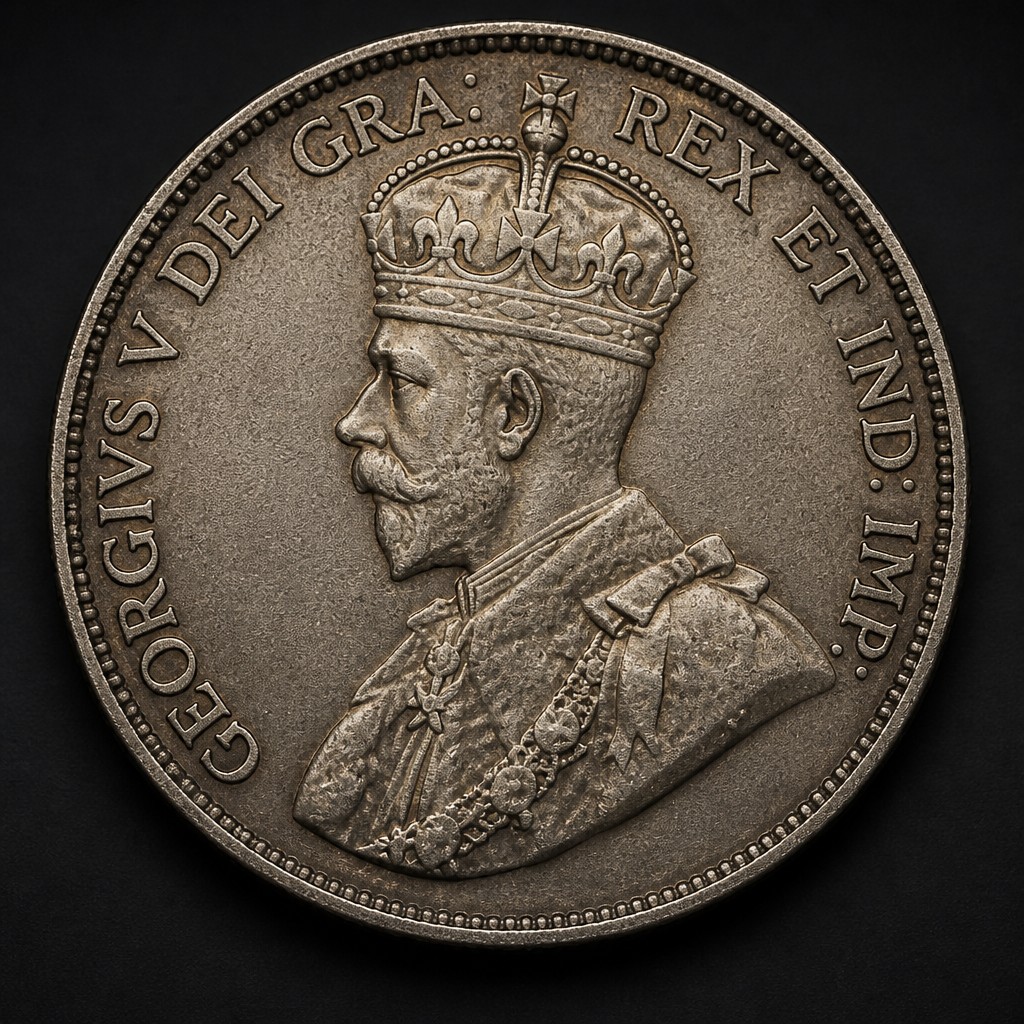
George V Twenty-Five Cents (silver)
1911–1936
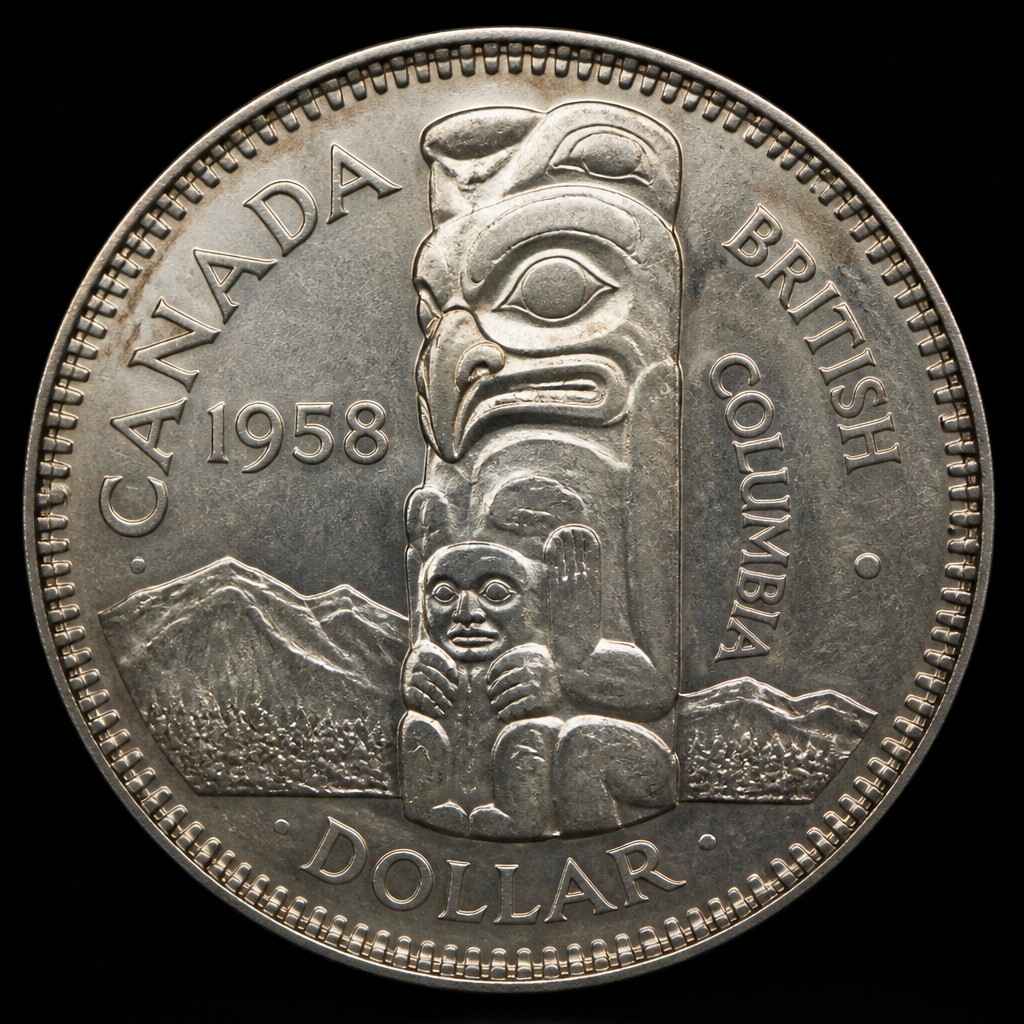
1958 British Columbia Totem Pole Dollar
1958
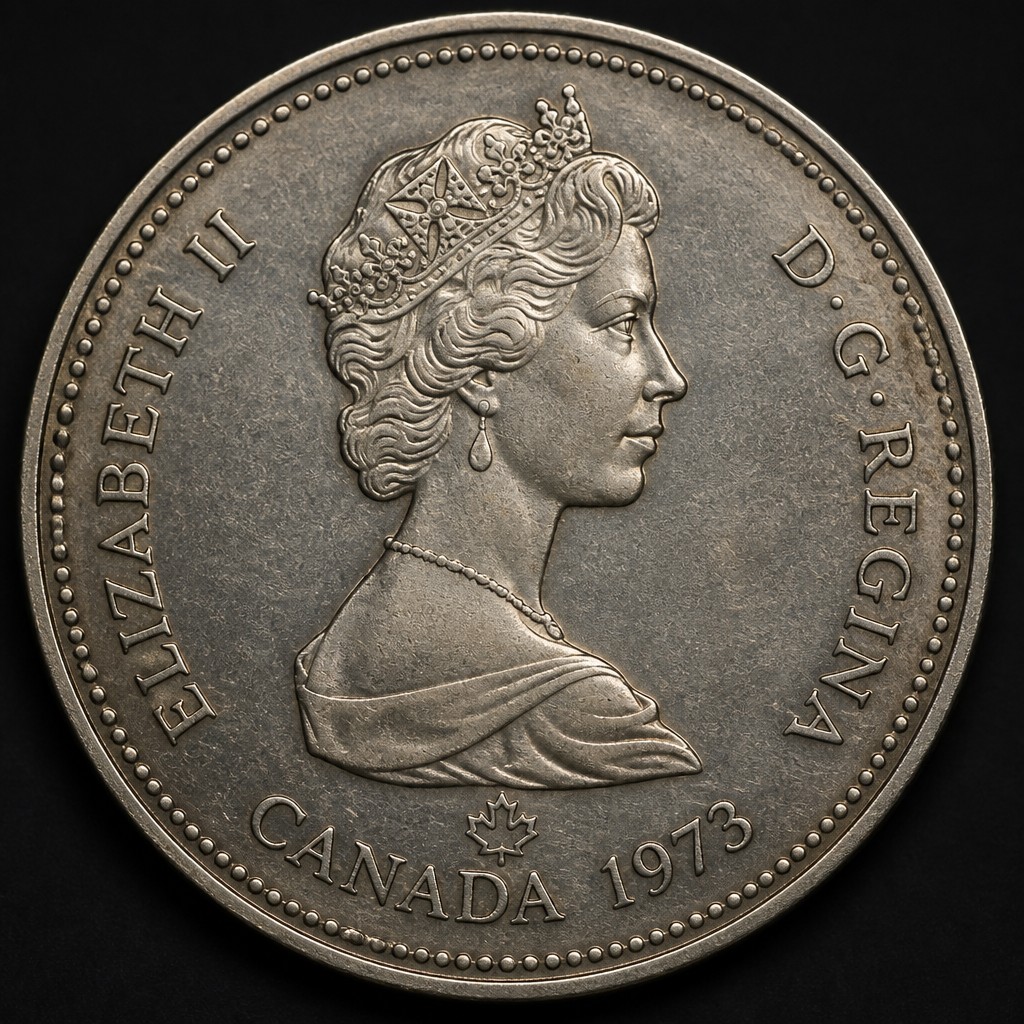
1973 RCMP Centennial Dollar
1973
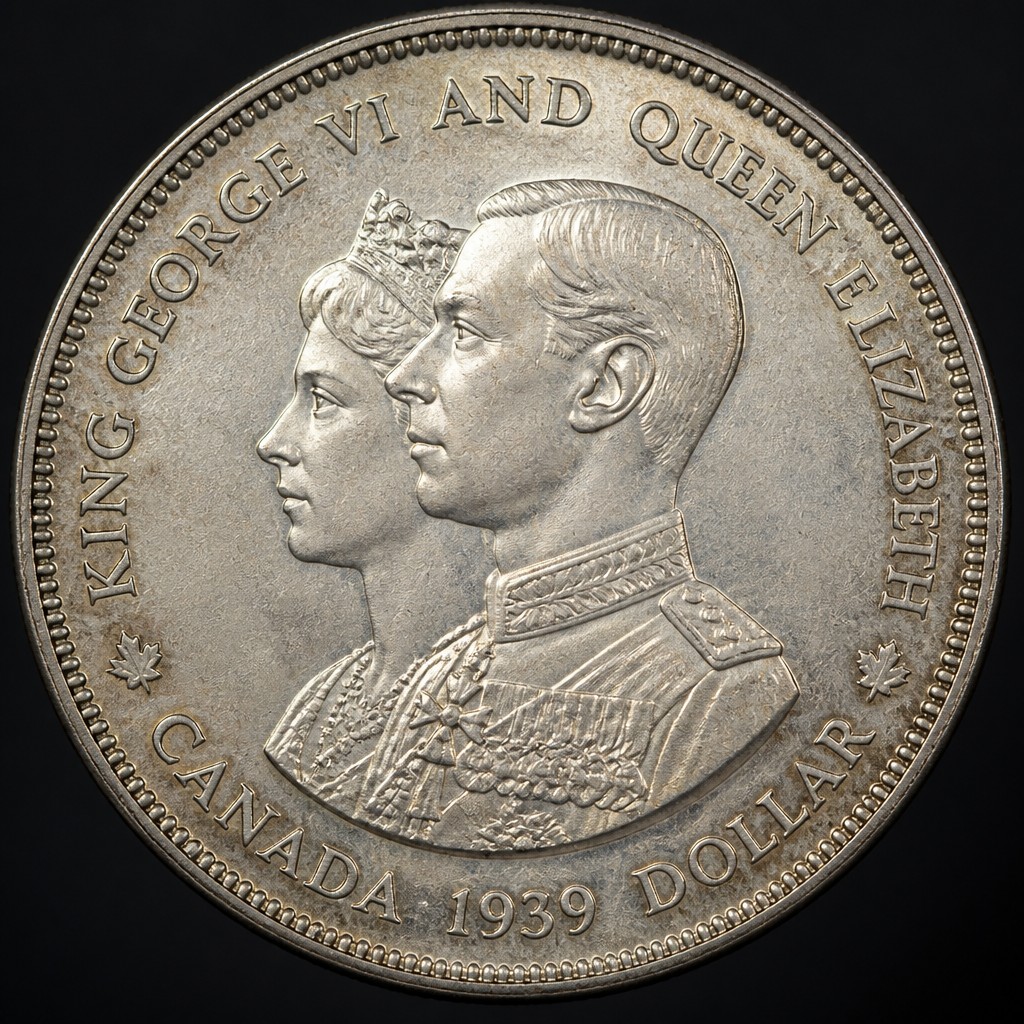
1939 Royal Visit Silver Dollar (Parliament)
1939
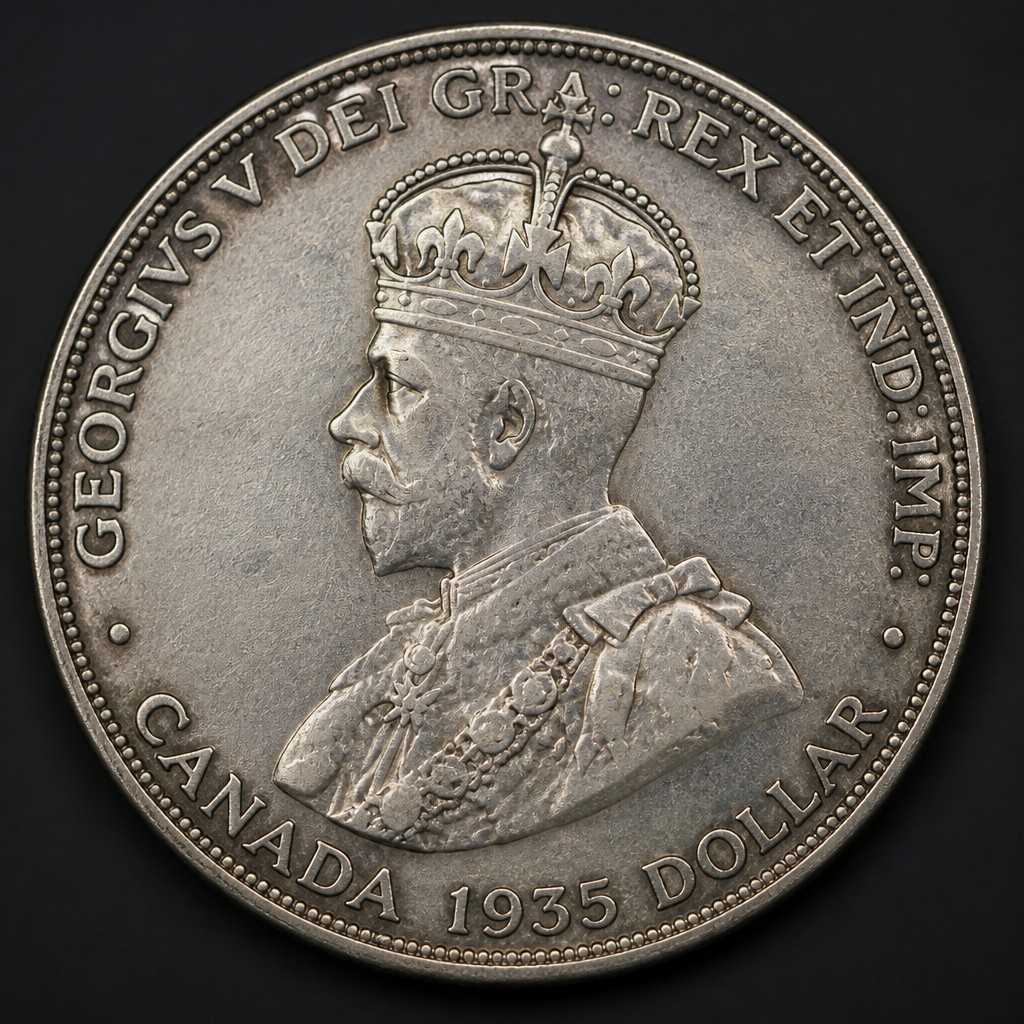
1935 George V Silver Jubilee Dollar (Voyageur)
1935
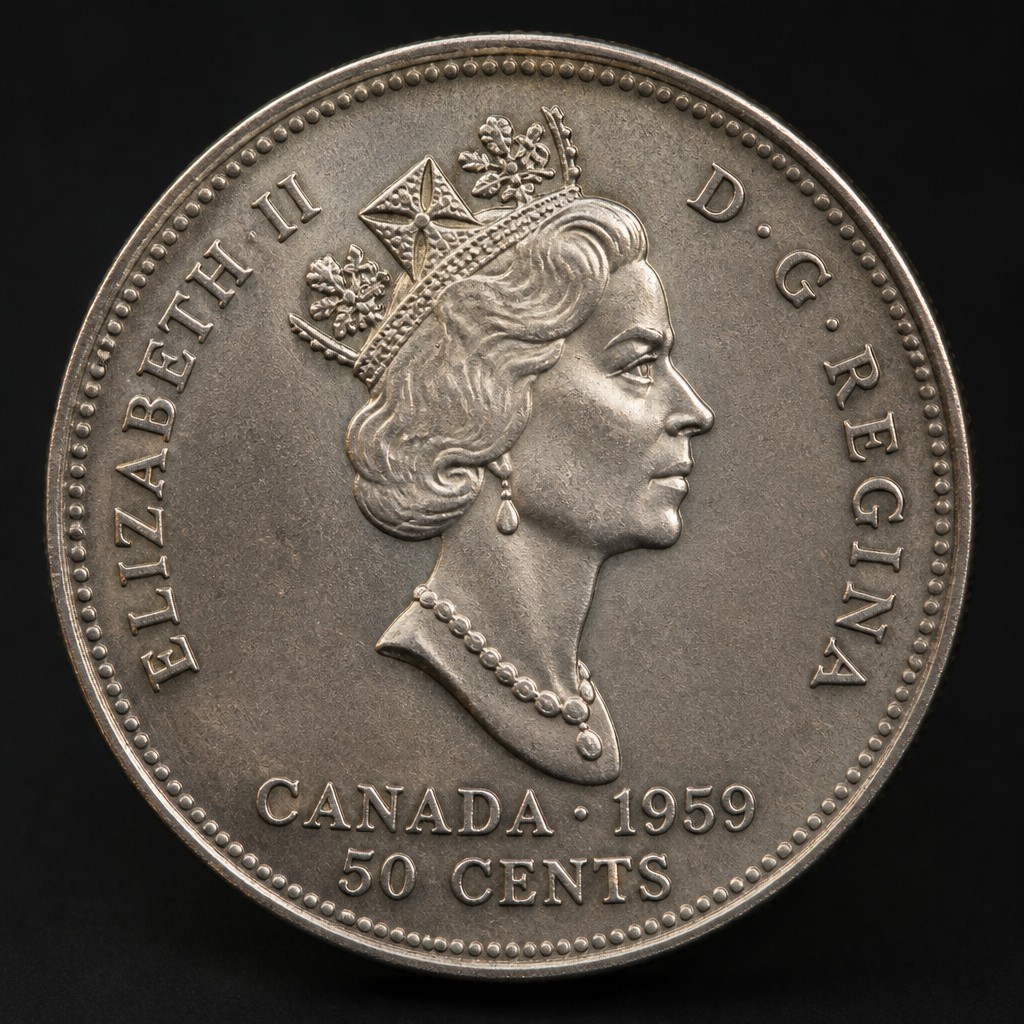
Coat of Arms Fifty Cents (Elizabeth II)
1959–present
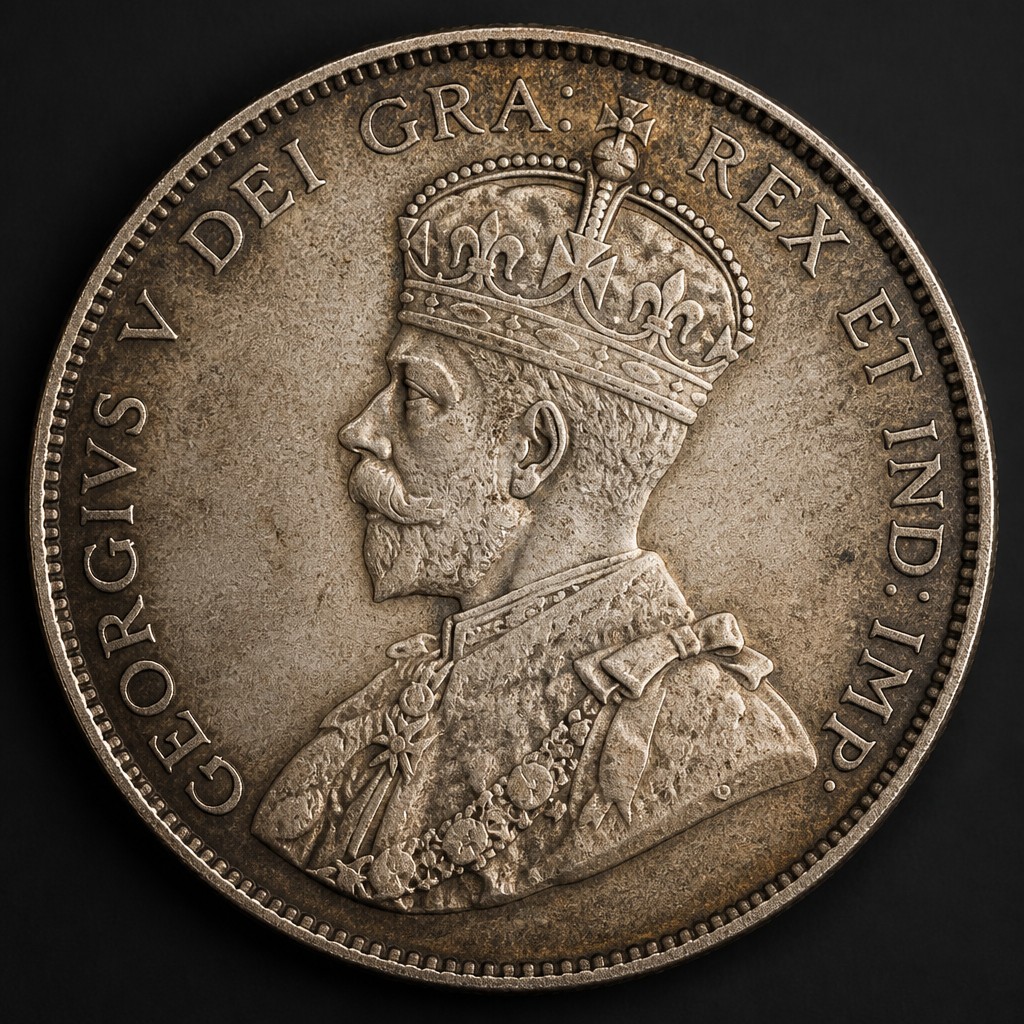
1921 Fifty Cents (King of Canadian Coins)
1921
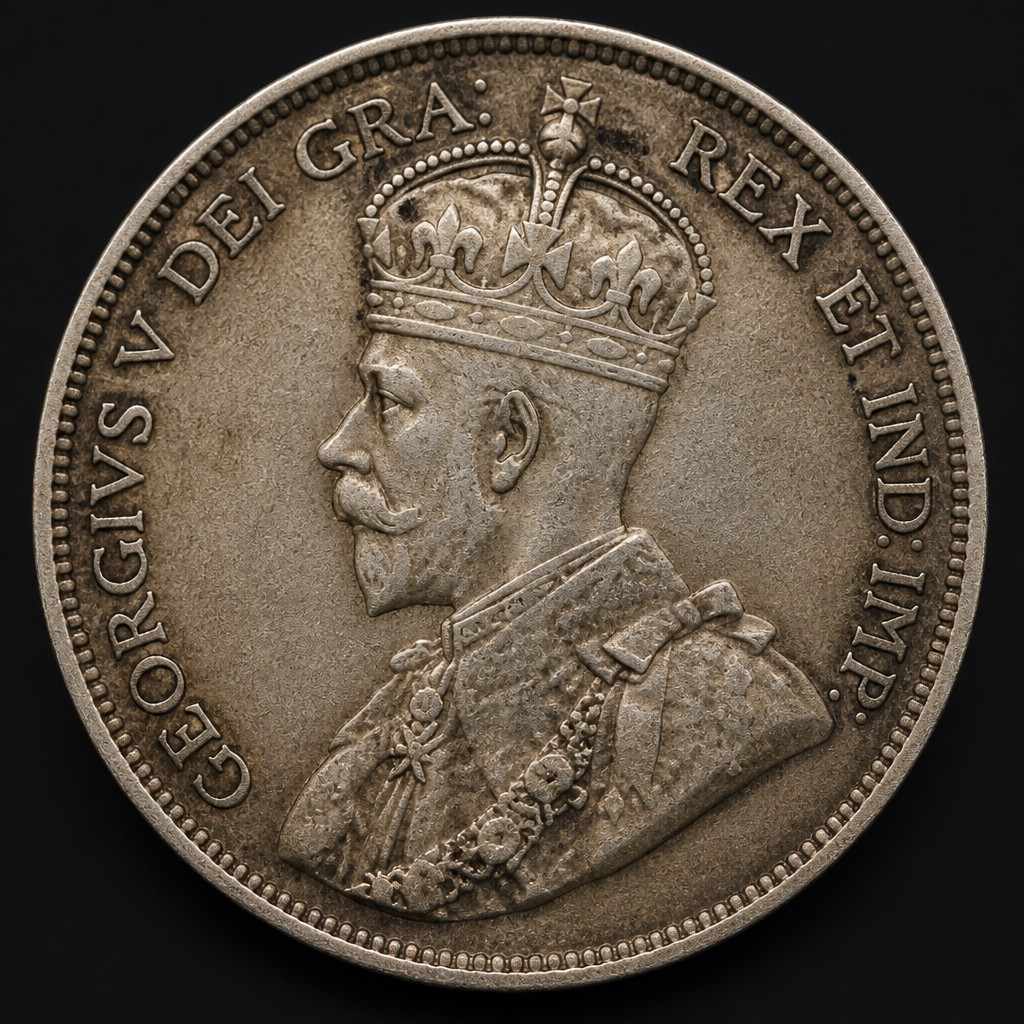
George V Fifty Cents
1911–1936
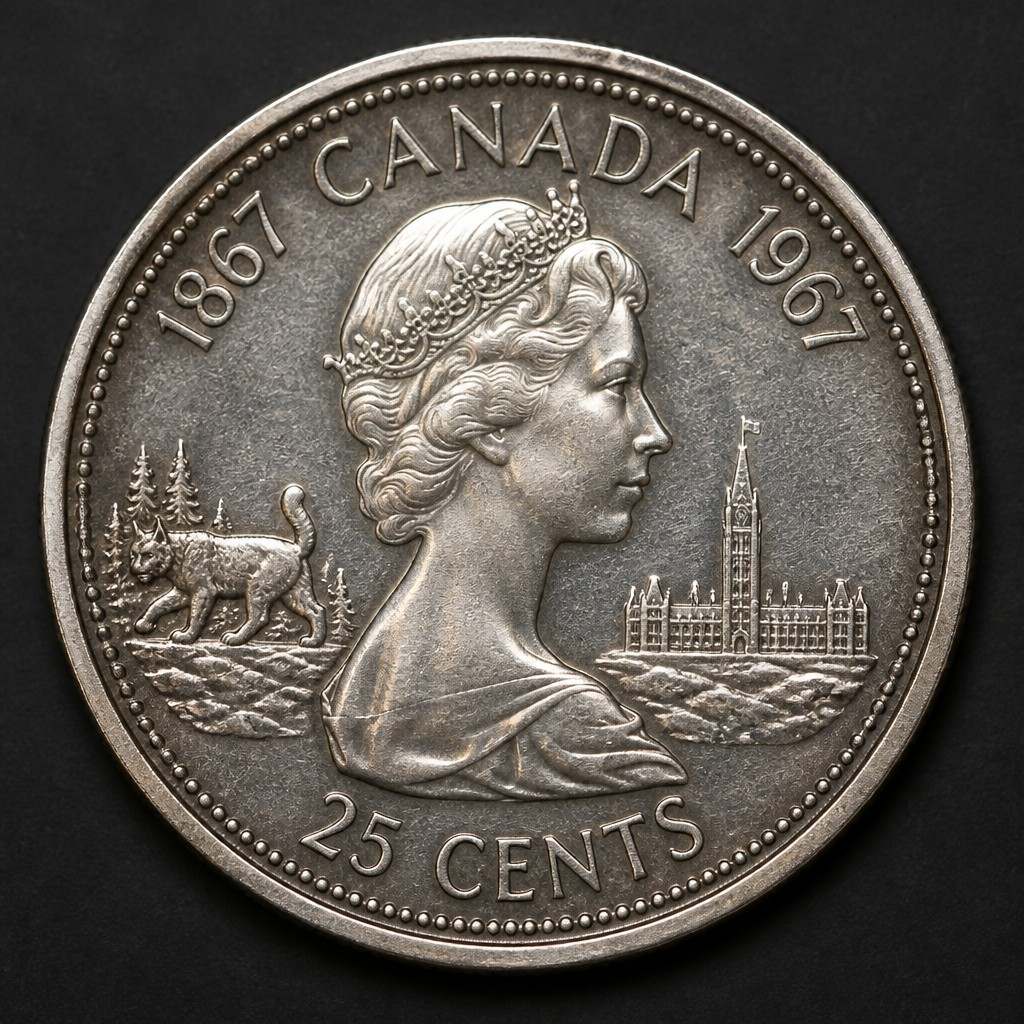
1967 Bobcat Centennial Quarter
1967
Caribou Twenty-Five Cents (quarter)
1937–present