
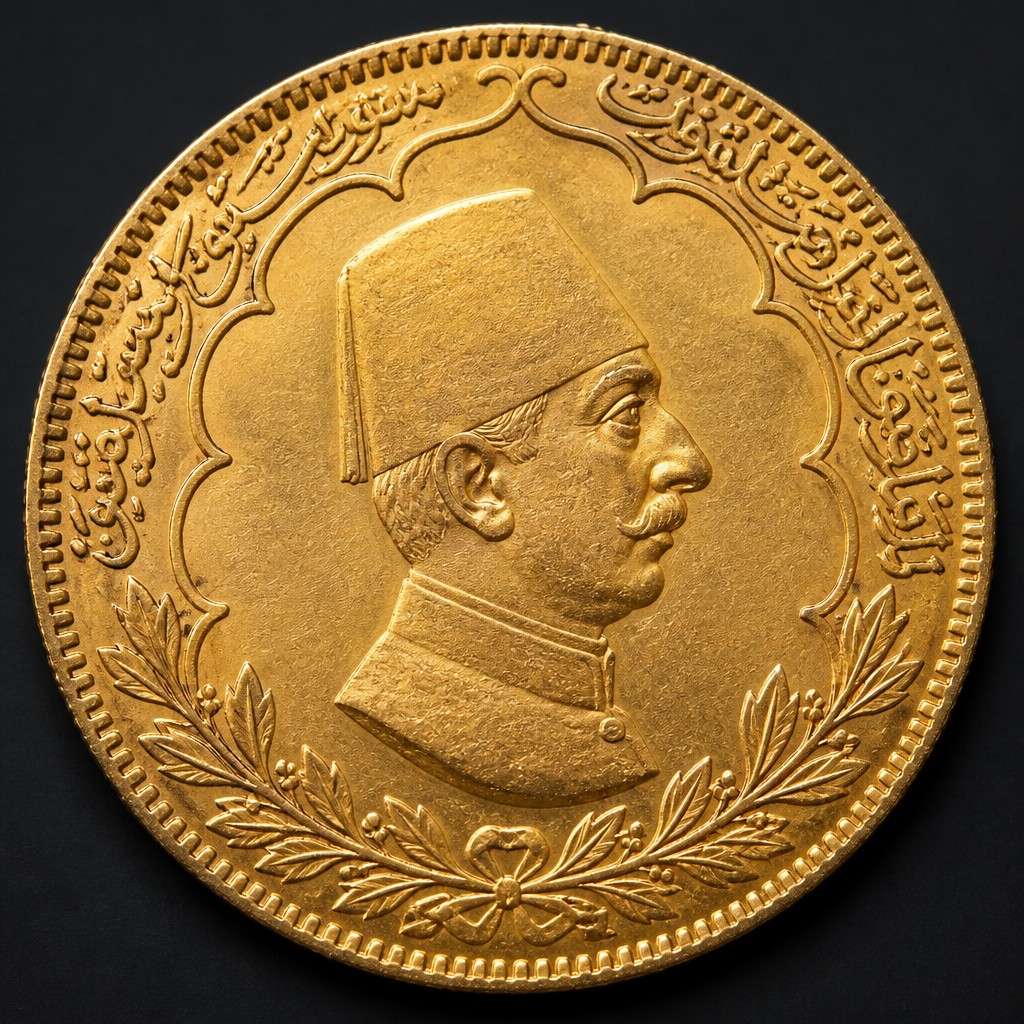
Ottoman Gold 500 Kurus (Abdulhamid II)
A substantial gold coin struck under Sultan Abdulhamid II, equal to five Ottoman lira, bearing his tughra and used both for circulation and as a store of wealth.
- Country
- Ottoman Empire
- Denomination
- 500 Kurus (5 Ottoman Lira)
- Metal
- Gold (approximately .917 fine)
Got a coin like this?
Identify any coin from a photo, free.
Overview
This gold coin, denominated 500 kurus or equivalently five Ottoman lira, was one of the higher-value gold pieces struck during the long reign of Sultan Abdulhamid II from 1876 to 1909. It belongs to the post-1844 reformed Ottoman monetary system in which the gold lira was divided into 100 kurus, making the 500-kurus piece a five-lira gold coin.
Coins of this size and value were commonly used for savings, dowries, and larger transactions rather than everyday small purchases, and gold pieces of this type remain popular in the Middle East and Balkans today as heirloom and gift coins, sometimes even mounted in jewelry. Because Abdulhamid II reigned for over three decades, coins bearing his tughra were struck across many regnal years, offering collectors a long run of dates to pursue.
As with other high-denomination Ottoman gold, genuine antique pieces coexist in the market with later commemorative-style restrikes, so care in verifying authenticity is important.
History & Background
Sultan Abdulhamid II ascended to the Ottoman throne in 1876 and ruled during a turbulent period marked by the loss of Balkan territories, financial pressure from foreign debt, and later a shift toward more autocratic rule. Ottoman gold coinage of his reign, including this 500-kurus (5 lira) denomination, was struck at the Constantinople mint according to the standards set by the 1844 currency reform under his predecessors.
Gold coins of this era carried significant real value and were widely used across the empire's diverse regions, from Anatolia to the Balkans and the Arab provinces, for savings and large transactions, and often traveled well beyond Ottoman borders through trade. Because Abdulhamid II's reign lasted over 30 years, the mint issued this denomination across many recorded regnal years, all dated from his 1876 accession (1293 AH) plus the regnal year count.
Gold coinage bearing Abdulhamid II's tughra remained in use and continued to be struck, in some cases even restruck in later years for gifting or dowry purposes given the enduring cultural preference in parts of the former Ottoman lands for gold coins as savings and ceremonial gifts.
How to Identify
The obverse displays the ornate tughra (calligraphic monogram) of Sultan Abdulhamid II along with decorative elements, while the reverse states the denomination and mint name in Ottoman Turkish (Arabic script), together with the accession year 1293 (corresponding to 1876) and a regnal year number indicating the specific year of striking within the reign.
As a five-lira gold piece, the coin is notably larger and heavier than the common one-lira gold coin, with a correspondingly higher gold content, and it typically has a reeded or decorated edge. Collectors should weigh and measure the coin carefully, since 500-kurus pieces are sometimes confused with, or misrepresented as, other multiples of the lira (such as the 250 or 100 kurus) that share a similar overall design template but differ in size and weight.
Because later commemorative and jewelry-trade restrikes of Ottoman gold exist, checking weight, fineness, and strike characteristics against known genuine specifications, ideally with an experienced dealer, is recommended before assuming a coin is an original 19th-century strike.
Value & Collectibility
Value is driven primarily by gold weight, with numismatic premium layered on for scarcer regnal years, exceptional condition, or documented rarity. As a substantial gold coin, it generally trades well above small silver or base-metal Ottoman coins, tracking the price of gold closely with a premium for collector demand.
Common-date examples in typical circulated condition are usually valued close to their gold content plus a modest premium, while choice examples or unusual dates can bring more. Buyers should verify authenticity carefully given the coin's high gold value and the existence of later restrikes in the market.
Frequently asked questions
How much gold does the 500 kurus coin contain?
As a five-lira gold piece under the post-1844 Ottoman standard, it contains substantially more gold than the common one-lira coin, making its value closely tied to the current gold price.
Who was Sultan Abdulhamid II?
Abdulhamid II ruled the Ottoman Empire from 1876 to 1909, a period of significant territorial loss and political change, and his tughra appears on coinage struck throughout his long reign.
How do I read the date on this coin?
The coin shows the accession year 1293 AH (1876) plus a separate regnal year number showing how many years into the reign it was struck; both figures are needed to determine the exact minting year.
Are all Ottoman gold coins from this era genuine antiques?
Not necessarily; gold coins of this type were sometimes restruck later for jewelry or gifting purposes, so verifying weight, fineness, and strike quality against reference standards is important.
Ottoman Gold 500 Kurus (Abdulhamid II) identified by the community
Real coins identified with Coin Identifier.
Other coins you may enjoy
Ottoman Para
17th century–early 20th century
Ottoman Kurus (Piastre)
18th century–1923
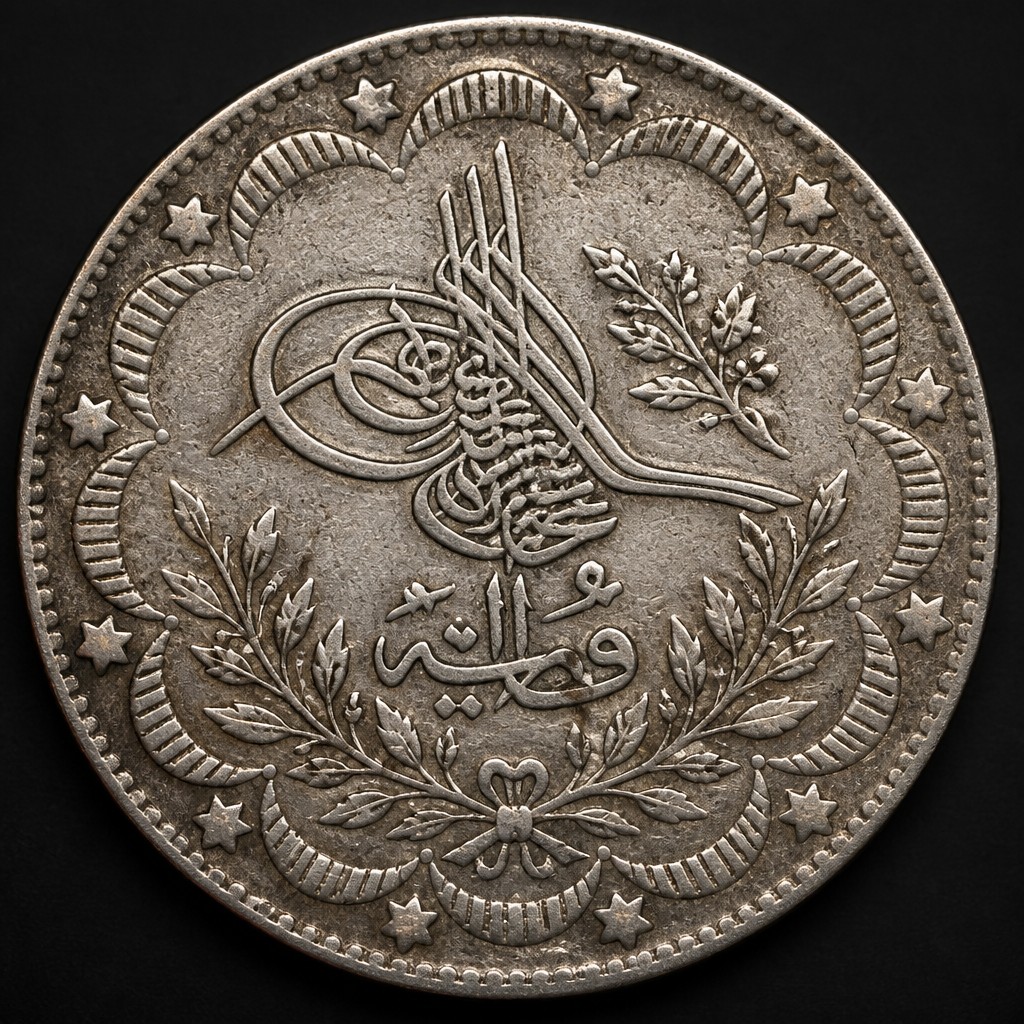
Ottoman Rashidi Kurus
19th century (exact range uncertain)
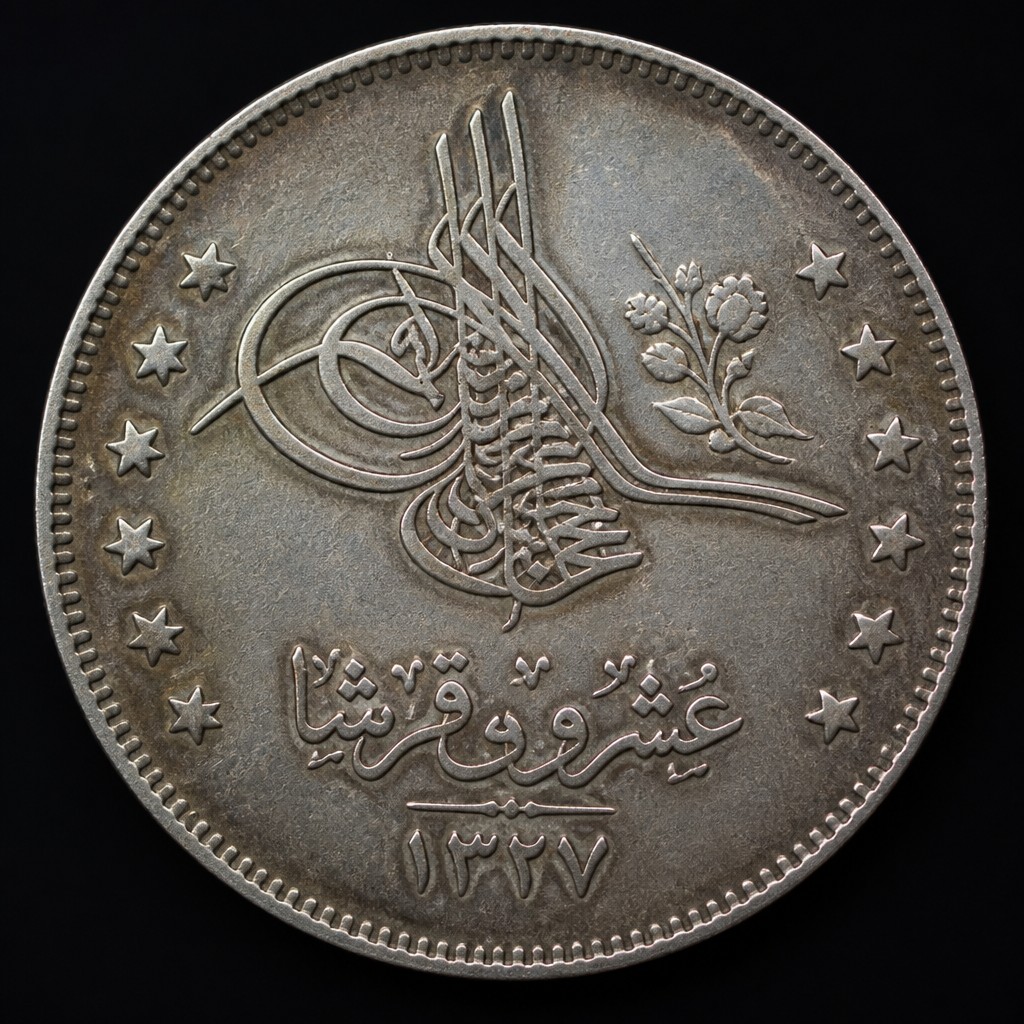
Ottoman 20 Kurus
19th century through early 20th century
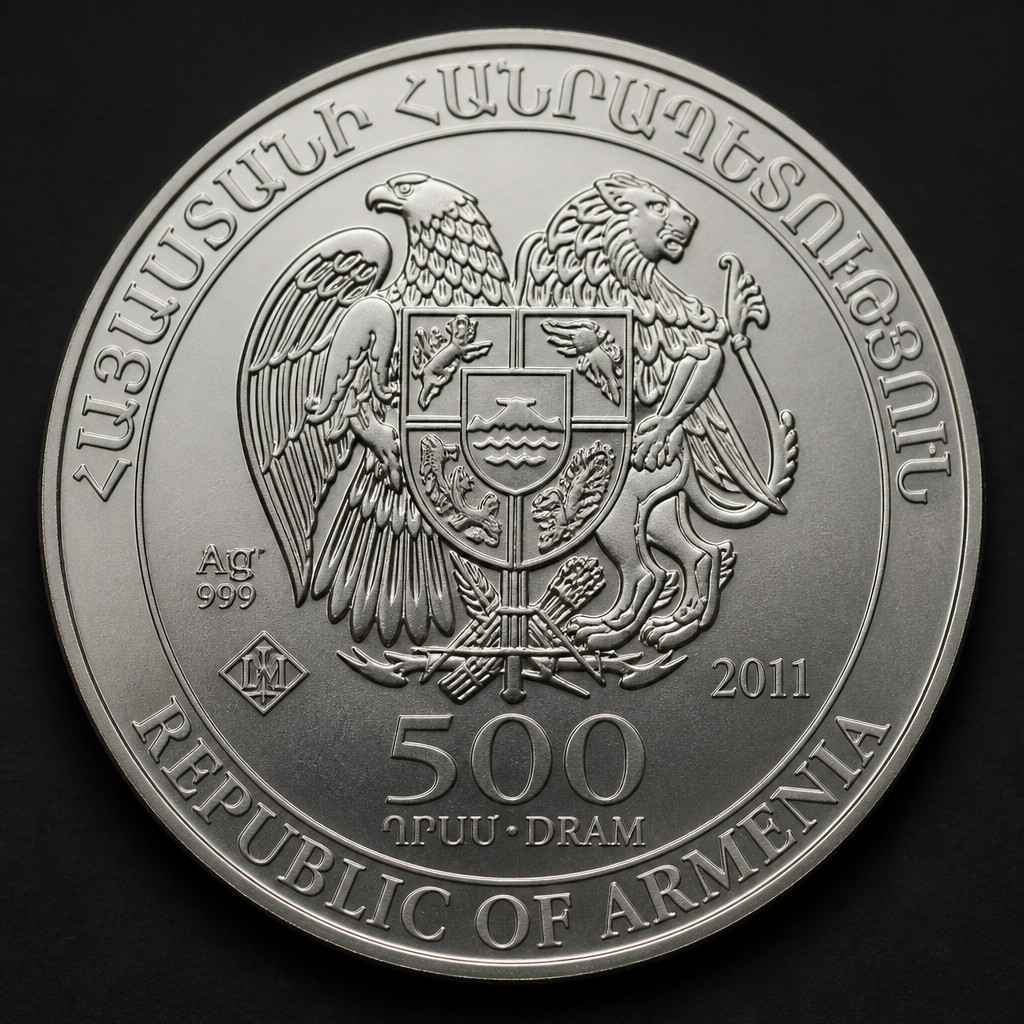
Armenian Silver Noah's Ark
2011-present
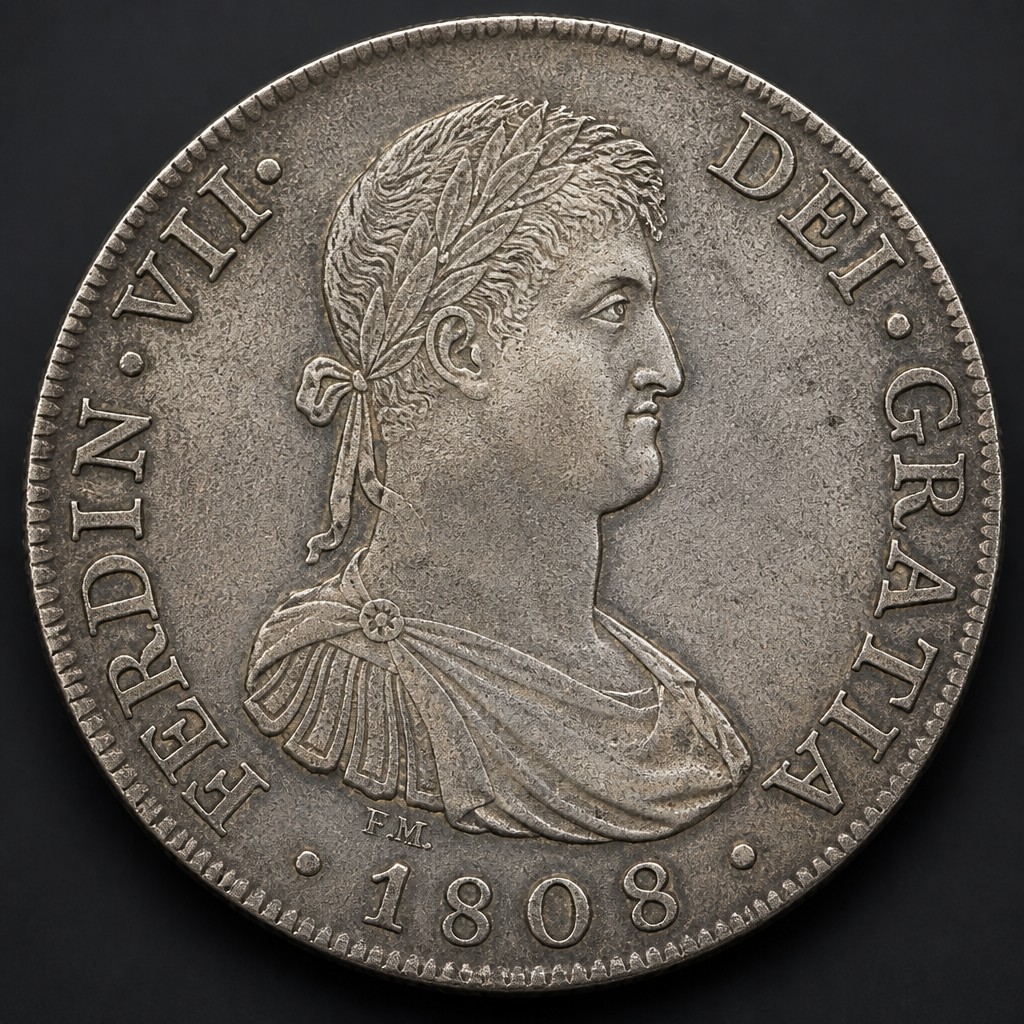
Spanish Colonial 8 Reales Ferdinand VII
1808–1825
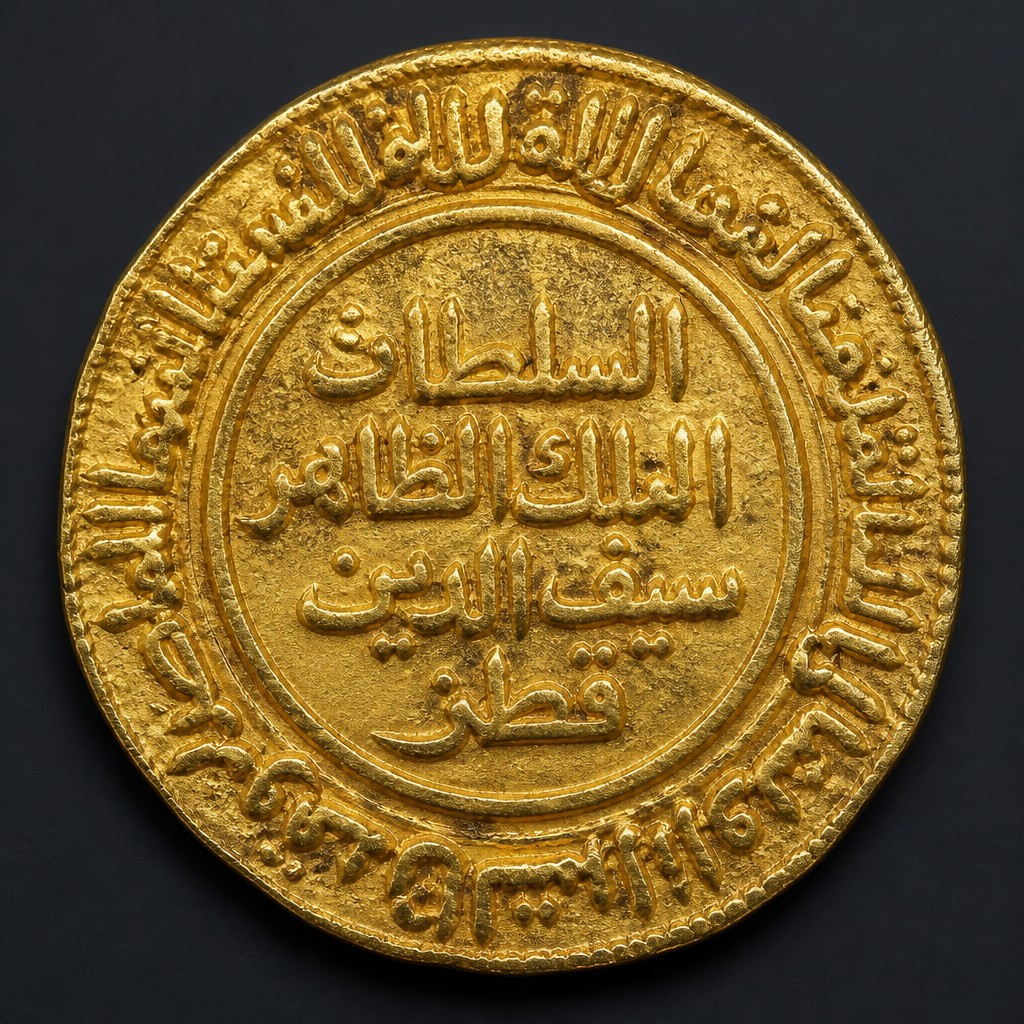
Mamluk Gold Dinar
c. 1250–1517 AD
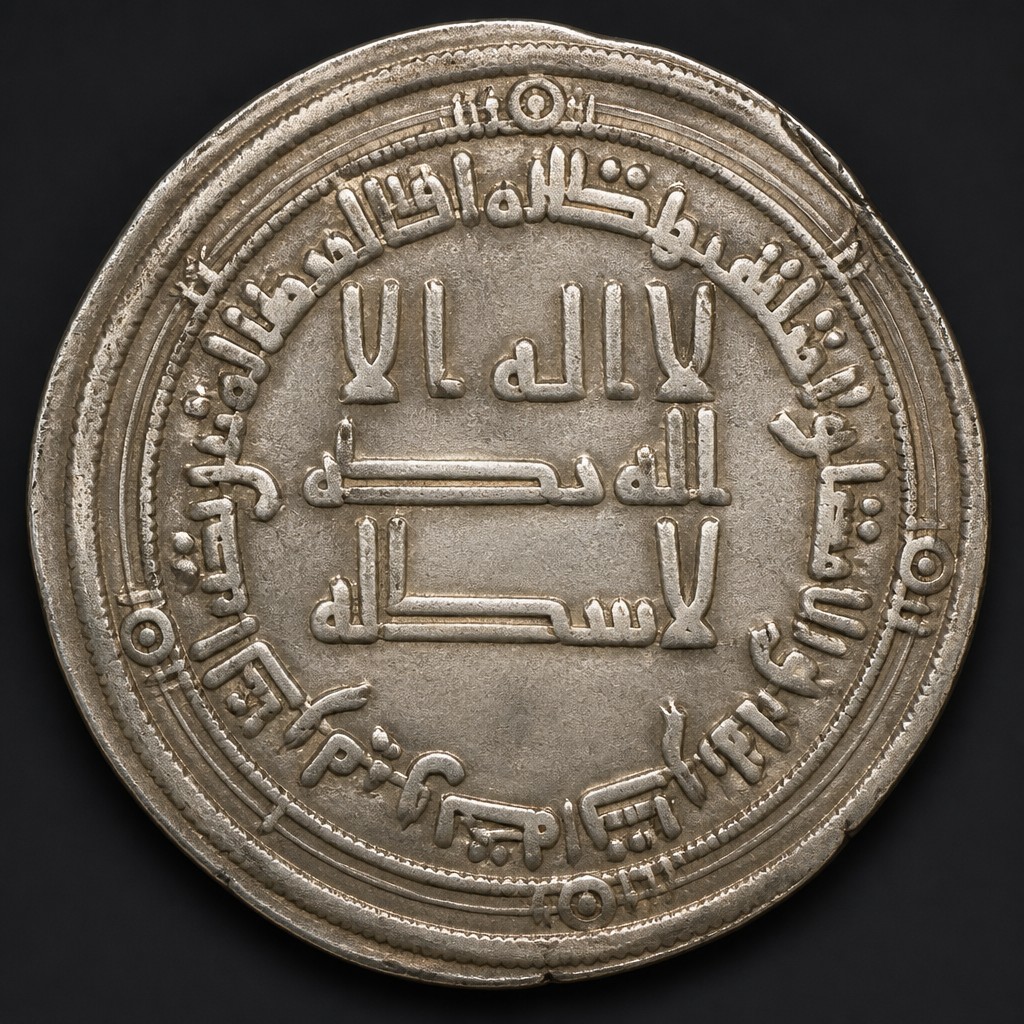
Umayyad Silver Dirham
c. 696–750 AD (post-reform issues)
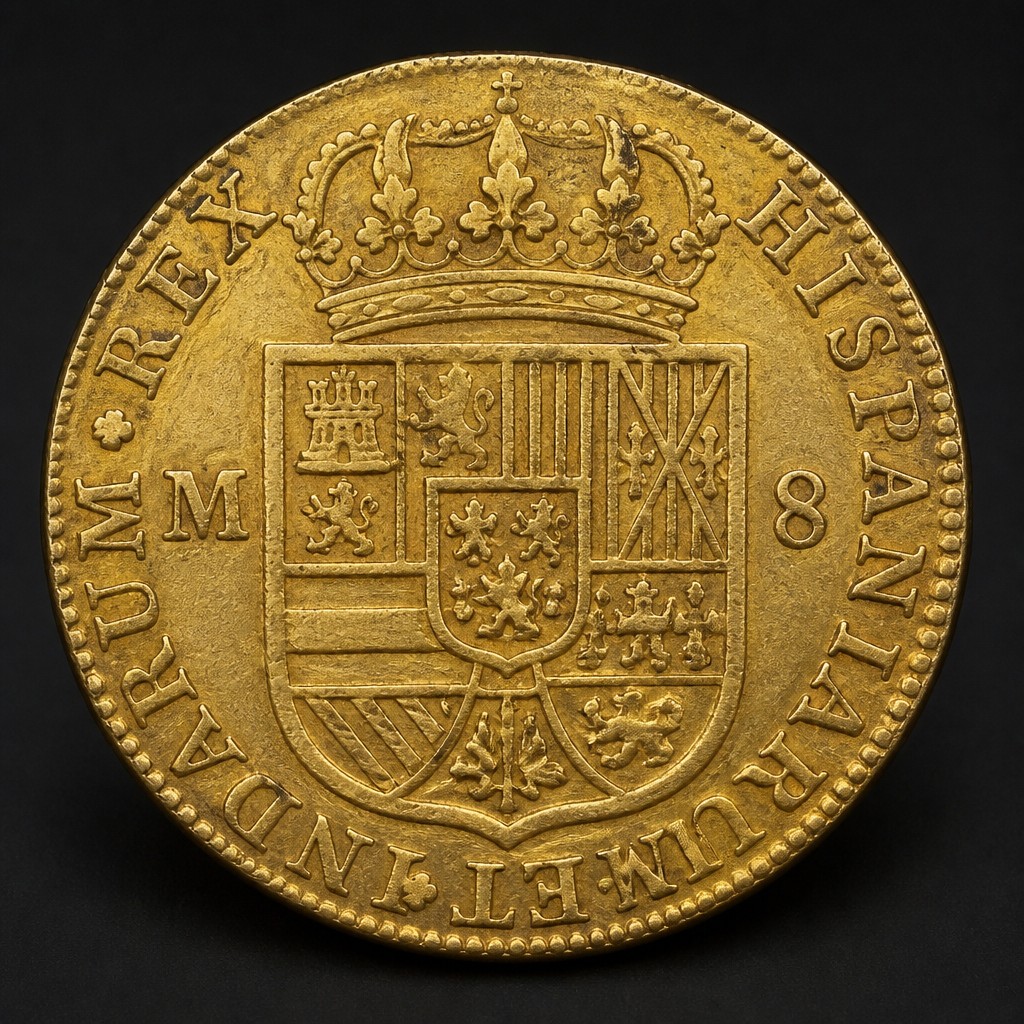
Spanish Gold Doubloon
c. 1537–1800s
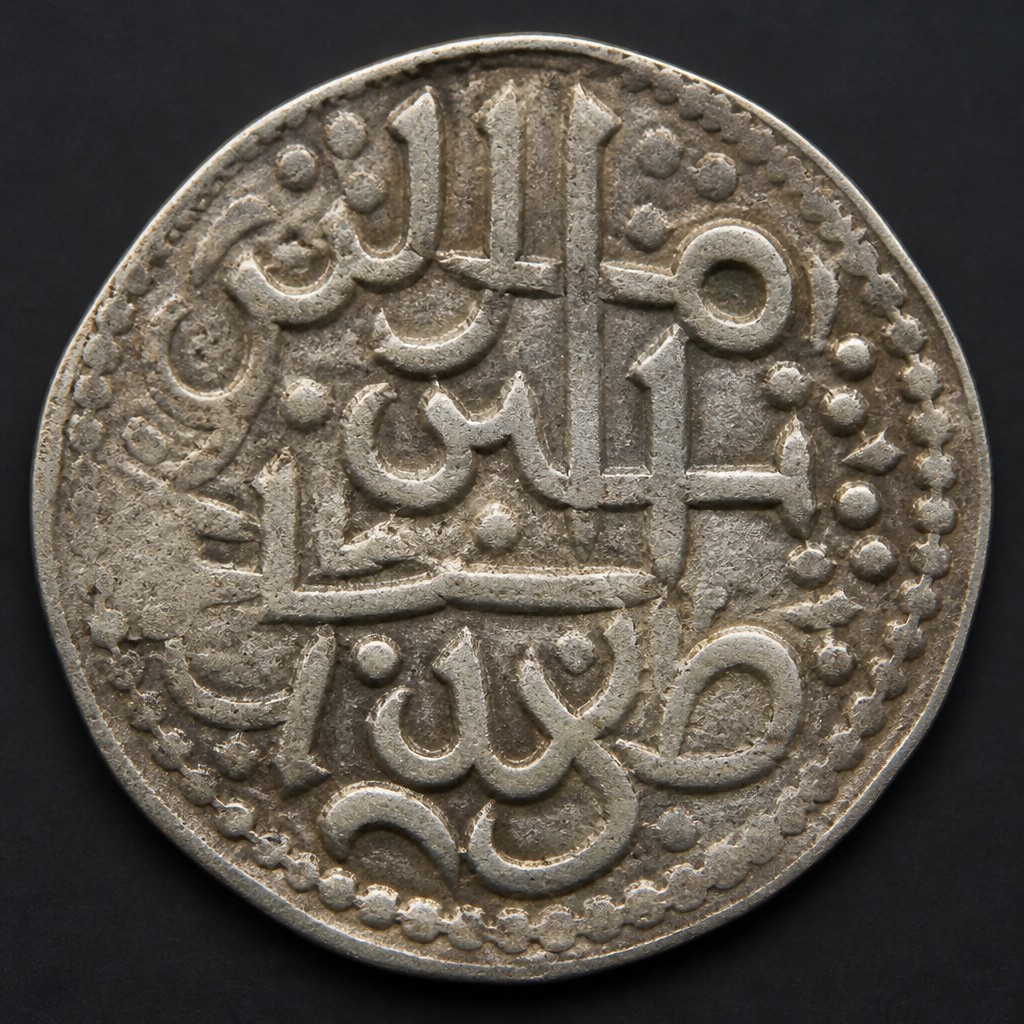
Ottoman Silver Akce
c. 14th–18th century
Ayyubid Dinar of Saladin
c. 1174–1193 AD (Saladin's reign); Ayyubid dynasty to c. 1250
Ottoman Gold Sultani
c. 1478–17th century