
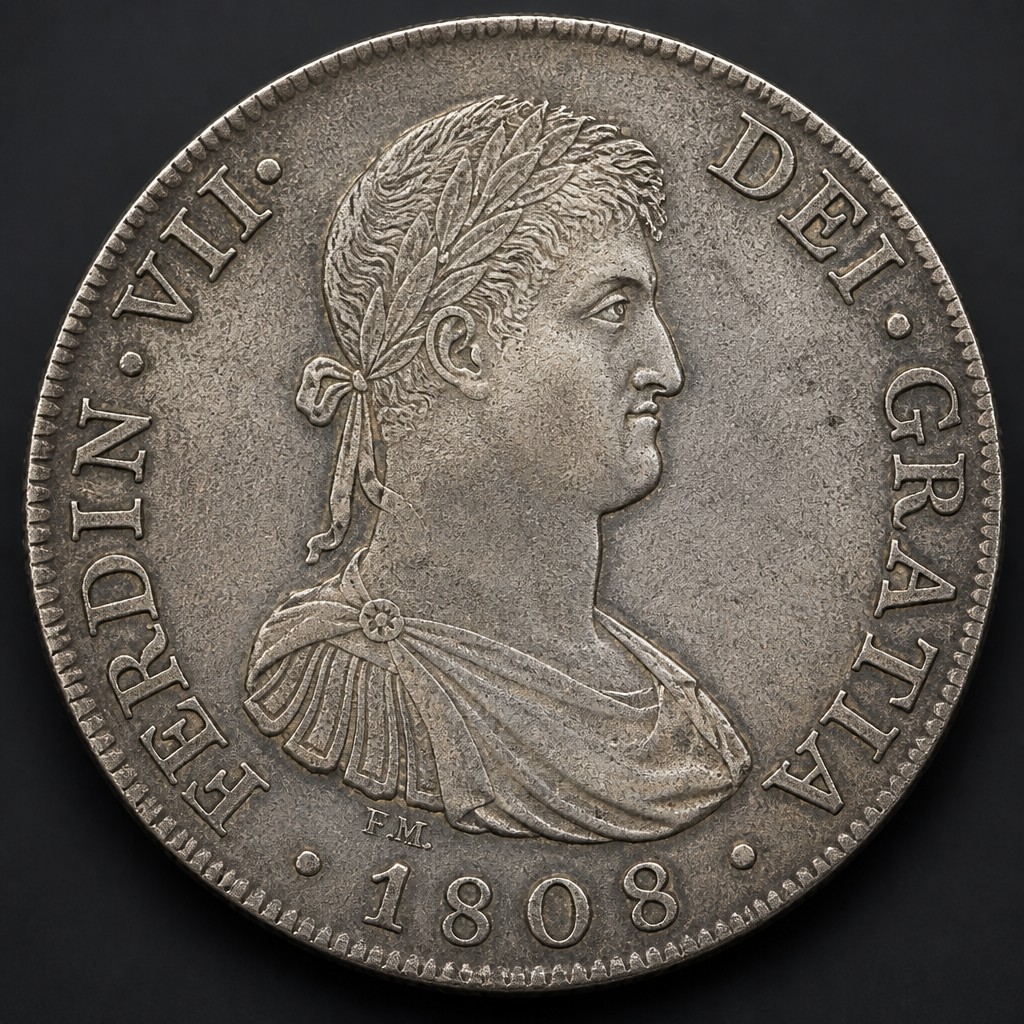
Spanish Colonial 8 Reales Ferdinand VII
A large silver 8 reales coin struck across Spain's American colonies bearing the portrait of King Ferdinand VII, widely circulated internationally and historically linked to the origin of the US dollar sign.
- Country
- Spain (colonial mints in the Americas)
- Denomination
- 8 Reales
- Metal
- .896–.903 fine silver (varies by mint)
Got a coin like this?
Identify any coin from a photo, free.
Overview
The 8 reales coin struck in the name of King Ferdinand VII represents the final major chapter of Spanish colonial silver coinage in the Americas, produced at numerous mints across Spain's overseas empire during a turbulent period that included the Napoleonic occupation of Spain and the beginning of Latin American independence movements. These large silver coins, sometimes called 'Spanish dollars' or 'pieces of eight,' were a dominant trade currency across much of the world in the early nineteenth century.
Because Ferdinand VII was held captive in France for part of his reign while Napoleon installed his own brother on the Spanish throne, colonial mints in the Americas continued striking coins in Ferdinand's name and likeness even during years when he did not actually govern, reflecting the loyalist sentiment of colonial administrations.
These coins are historically significant beyond Spain and its colonies, having circulated widely in the early United States and having influenced the design and value basis of the US silver dollar.
History & Background
Ferdinand VII became King of Spain in 1808 but was almost immediately forced to abdicate under pressure during the Napoleonic invasion of Spain, spending years in French captivity while Napoleon's brother Joseph Bonaparte was installed as a puppet king. Despite this, Spanish colonial mints throughout the Americas continued to strike silver 8 reales coins bearing Ferdinand's portrait and name, as colonial administrations remained loyal to the deposed king.
Production continued at major mints including Mexico City, Lima, Potosi, Santiago, Guatemala City, and Bogota throughout the 1810s and into the mid-1820s, even as many of these regions were simultaneously fighting wars of independence against Spanish rule. This makes the Ferdinand VII 8 reales series a fascinating numismatic record of a colonial system in its final years.
As each colony achieved independence, it eventually replaced Spanish colonial coinage with its own national currency, but not before millions of these silver dollars had circulated internationally, including extensively in the early United States, where they served as a recognized standard of value and directly influenced the design and value concept behind the US silver dollar.
How to Identify
The obverse features a bust of King Ferdinand VII in profile, generally in armor or with a laureate portrait, with the legend FERDIN. VII DEI GRATIA (or similar abbreviation) and the date.
The reverse displays the crowned Spanish coat of arms flanked by the twin Pillars of Hercules, each wrapped with a banner reading PLUS ULTRA, and the legend HISPAN ET IND REX along with the mintmark and assayer initials.
The coin is a large silver crown, roughly 39 mm in diameter, with a reeded or lettered edge depending on mint and date. The specific mint of origin can be identified by the mintmark located near the base of the reverse design (for example, Mo for Mexico City, Lima for Lima, PTS for Potosi), which collectors use to distinguish coins from different colonial mints that otherwise share a broadly similar design.
Value & Collectibility
Common dates and mints of the Ferdinand VII 8 reales in well-worn condition are widely available and generally affordable, often trading in the range of the coin's silver content plus a modest premium for its historical significance.
Certain mints, dates, and assayer combinations are considerably scarcer than others, and coins in higher circulated or mint state grades command significant premiums; some rare mint and date combinations can be quite valuable to specialists.
Because the series spans many mints and years with widely varying rarity, collectors should reference specialized guides for Spanish colonial coinage to assess a specific example, and always have significant purchases evaluated by a knowledgeable dealer or grading service.
Frequently asked questions
Why does the coin show a king who was imprisoned?
Spanish colonial mints in the Americas remained loyal to Ferdinand VII and continued striking coins in his name even while he was held captive in France during the Napoleonic Wars.
How can I tell which mint struck my coin?
Look for a small mintmark near the base of the reverse design, such as Mo for Mexico City or PTS for Potosi, along with assayer initials.
Why is this coin linked to the US dollar?
Spanish 8 reales coins, sometimes called 'pieces of eight,' circulated widely in early America and directly influenced the value and design concept of the US silver dollar.
Are all dates and mints equally valuable?
No, rarity varies significantly by mint, date, and assayer combination, so specific examples should be researched individually.
Spanish Colonial 8 Reales Ferdinand VII identified by the community
Real coins identified with Coin Identifier.
Other coins you may enjoy
Ottoman Para
17th century–early 20th century
Ottoman Kurus (Piastre)
18th century–1923
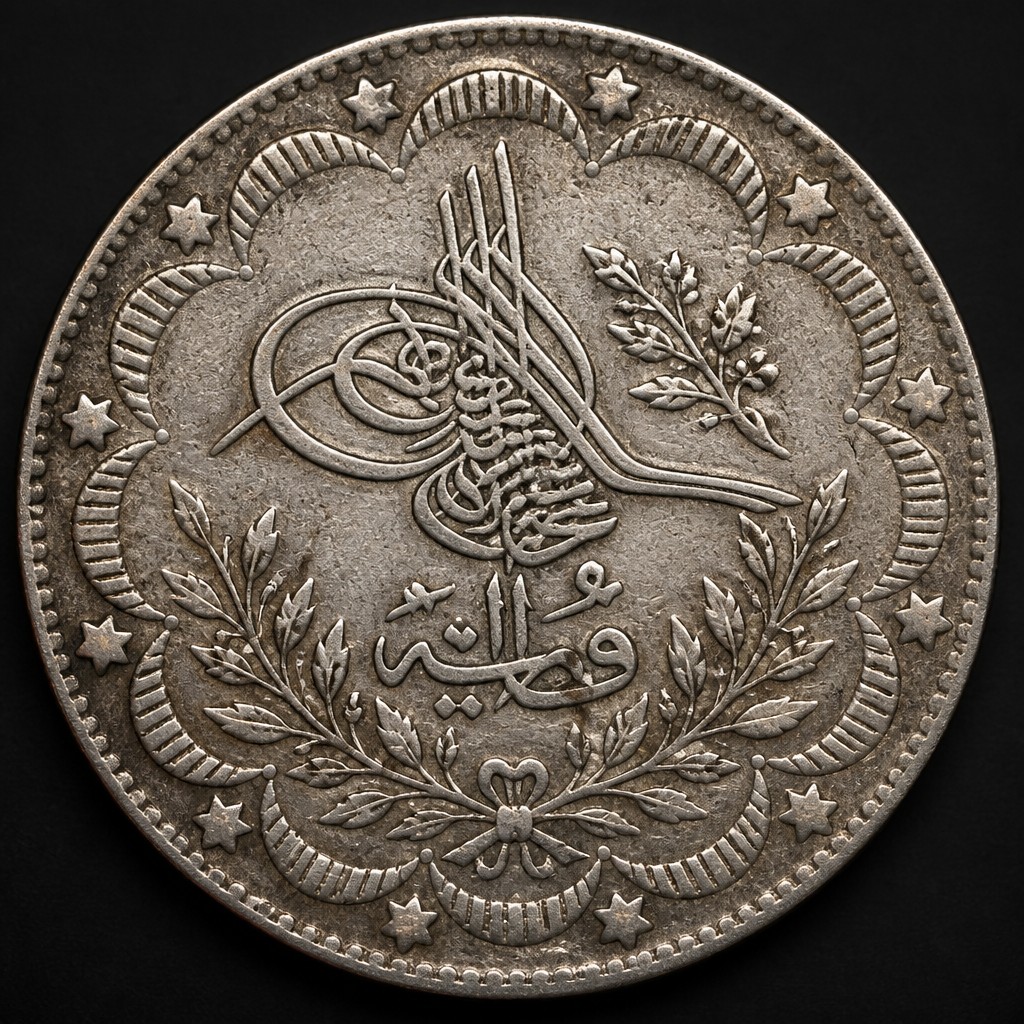
Ottoman Rashidi Kurus
19th century (exact range uncertain)
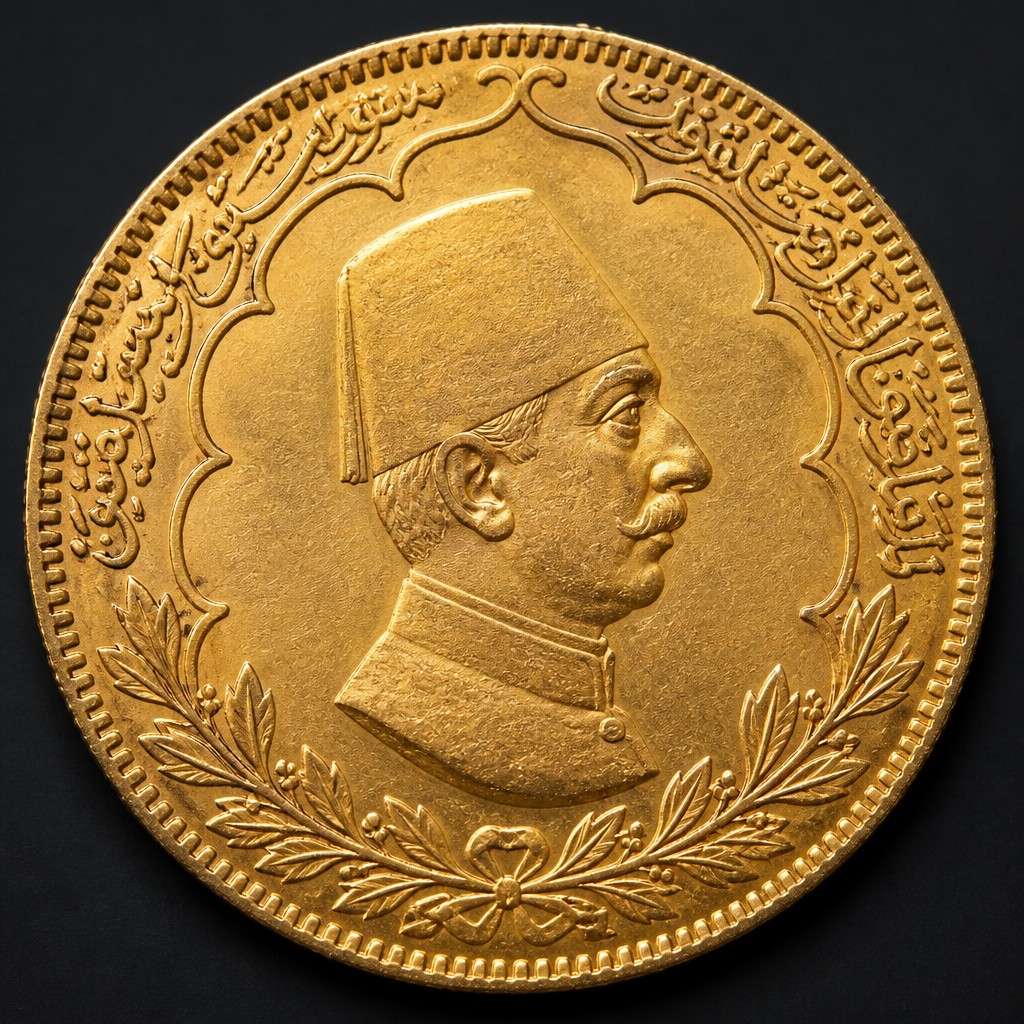
Ottoman Gold 500 Kurus (Abdulhamid II)
1876–1909 (accession year 1293 AH, various regnal years)
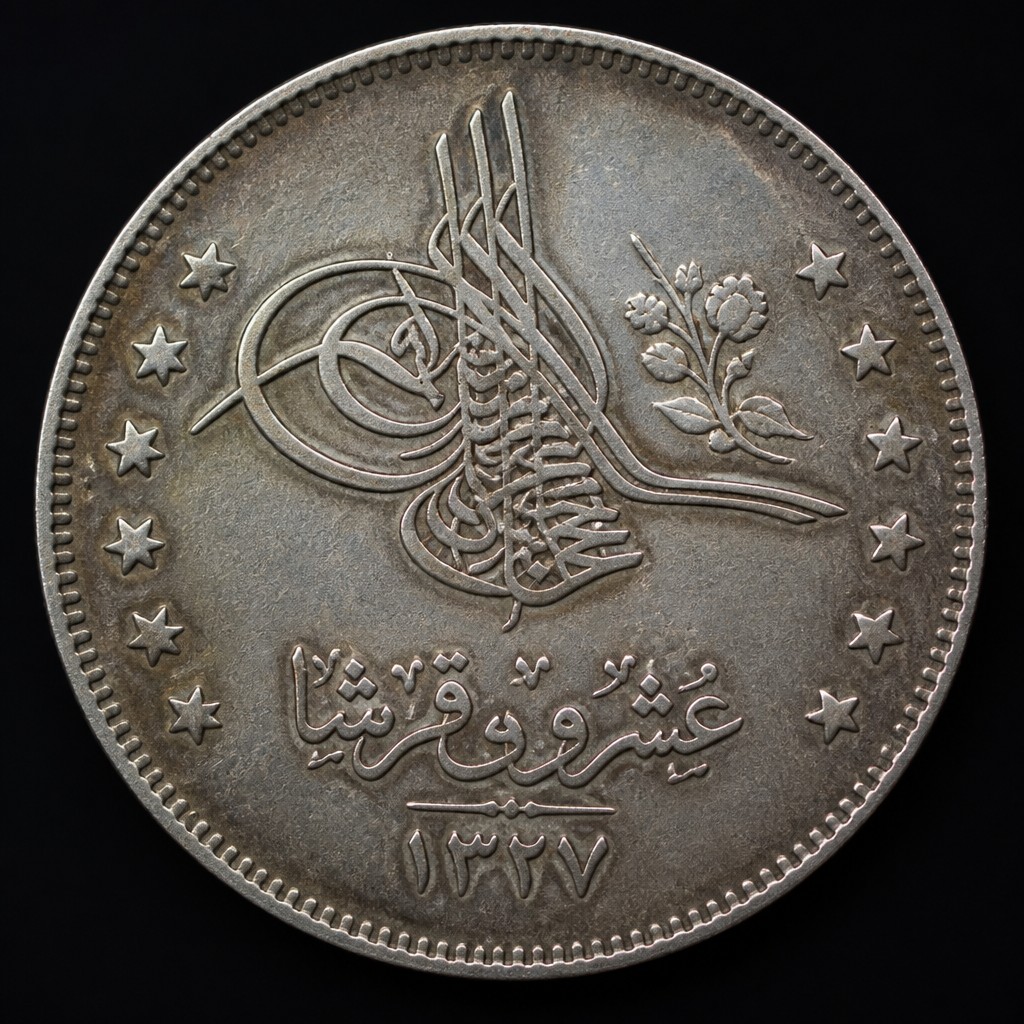
Ottoman 20 Kurus
19th century through early 20th century
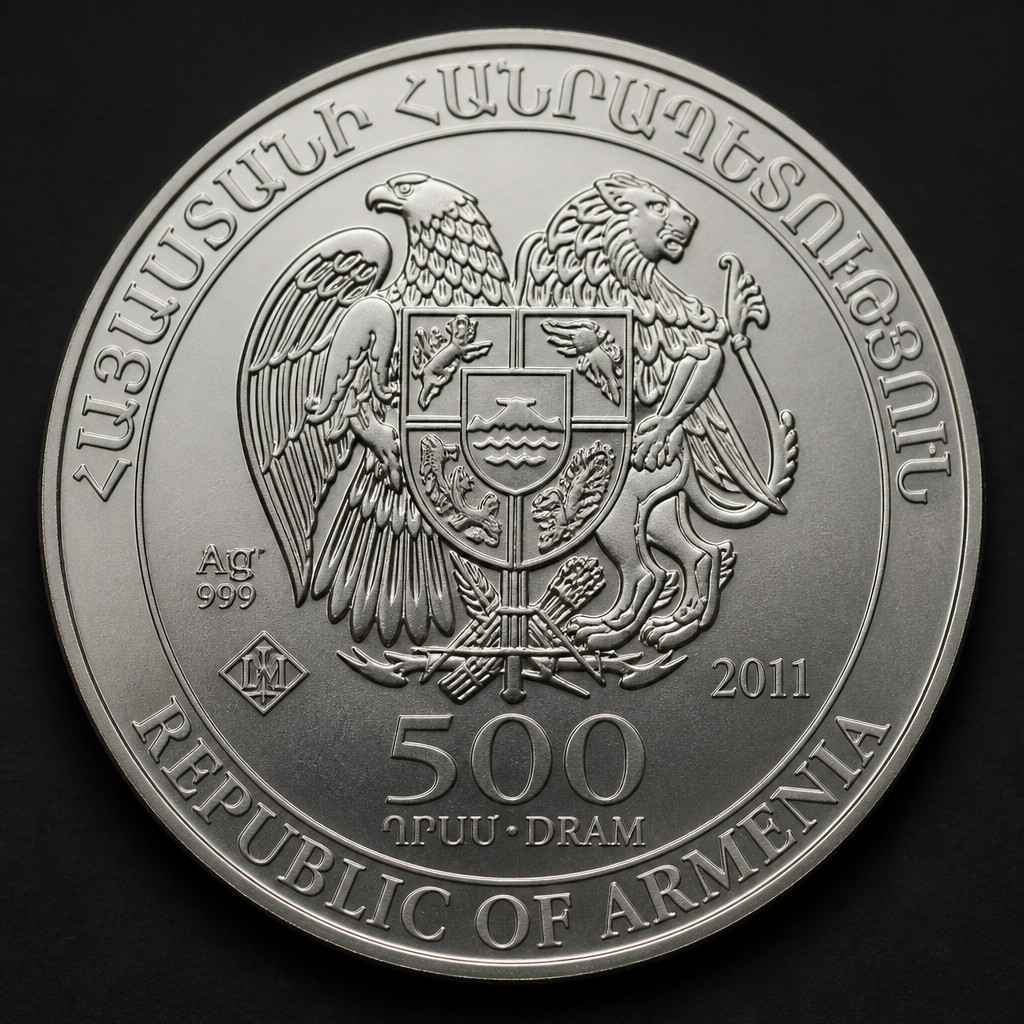
Armenian Silver Noah's Ark
2011-present
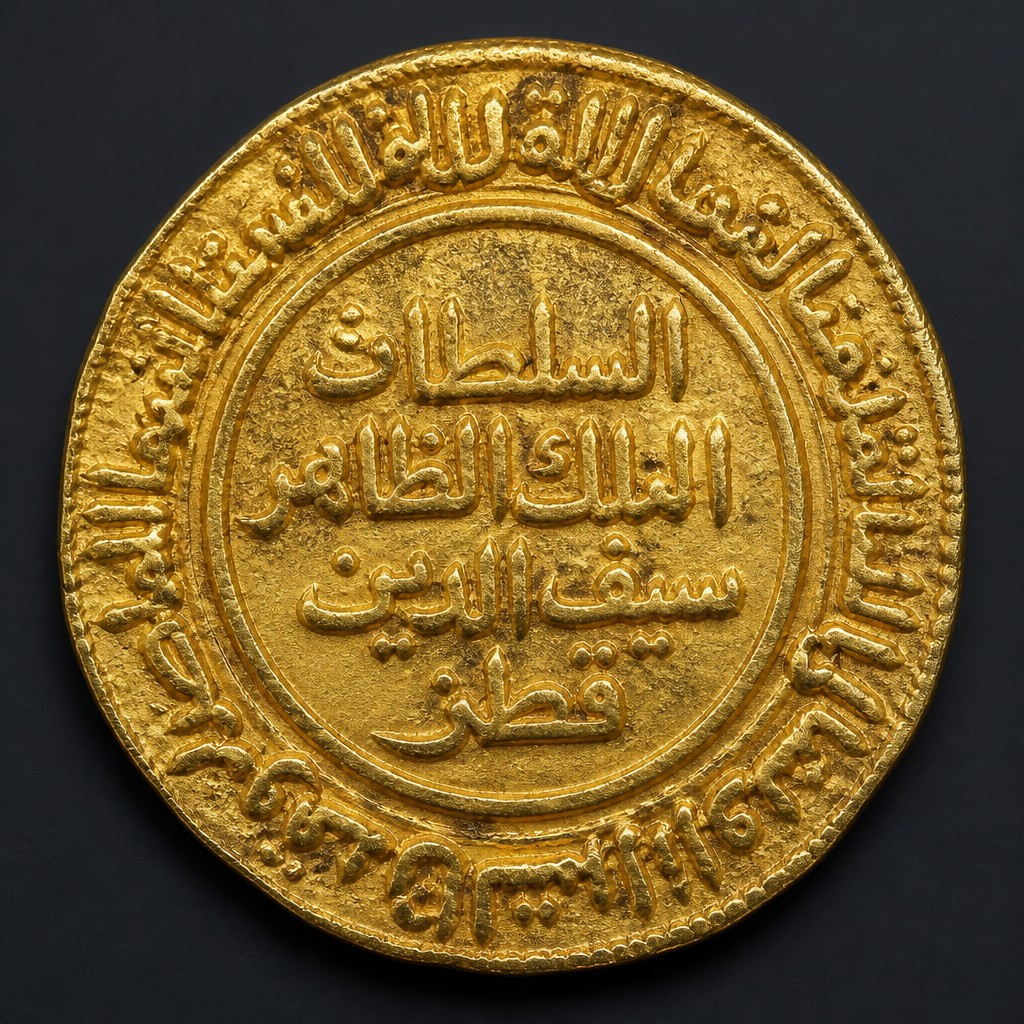
Mamluk Gold Dinar
c. 1250–1517 AD
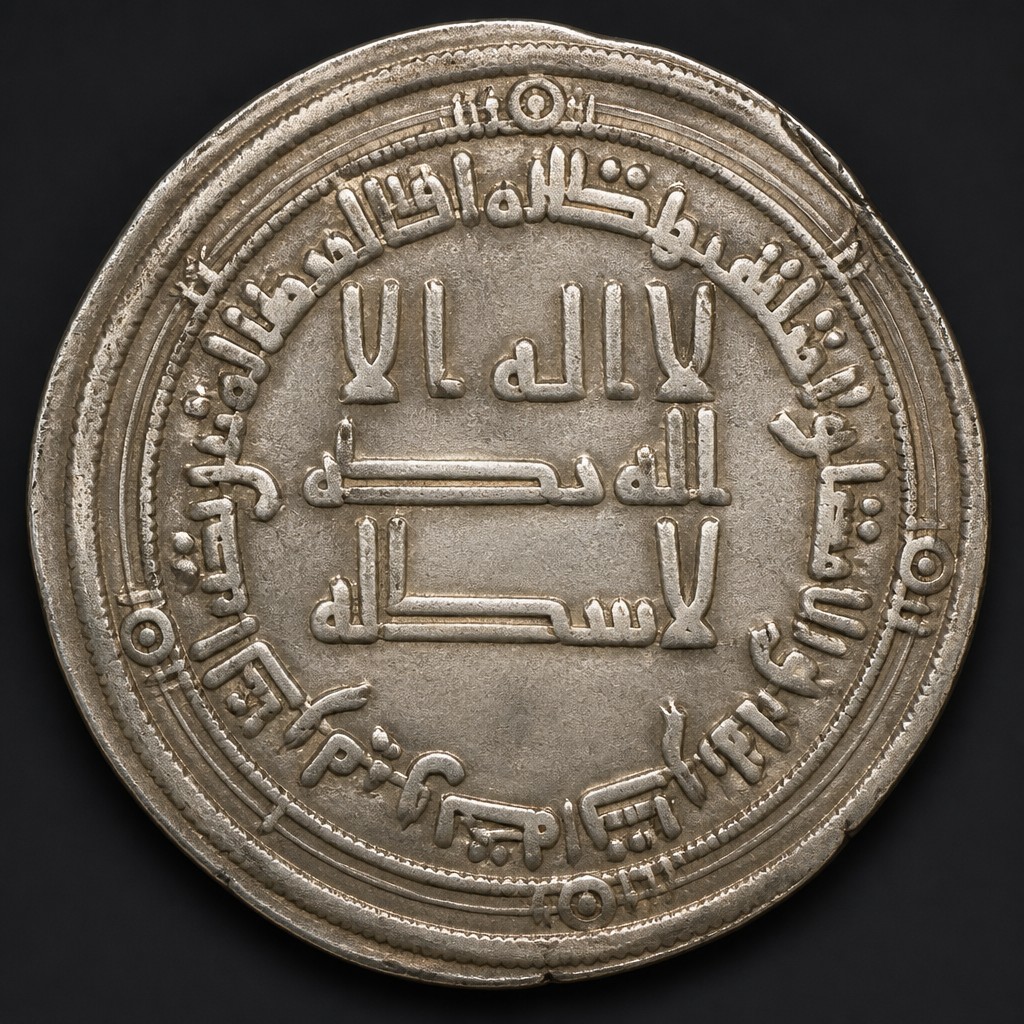
Umayyad Silver Dirham
c. 696–750 AD (post-reform issues)
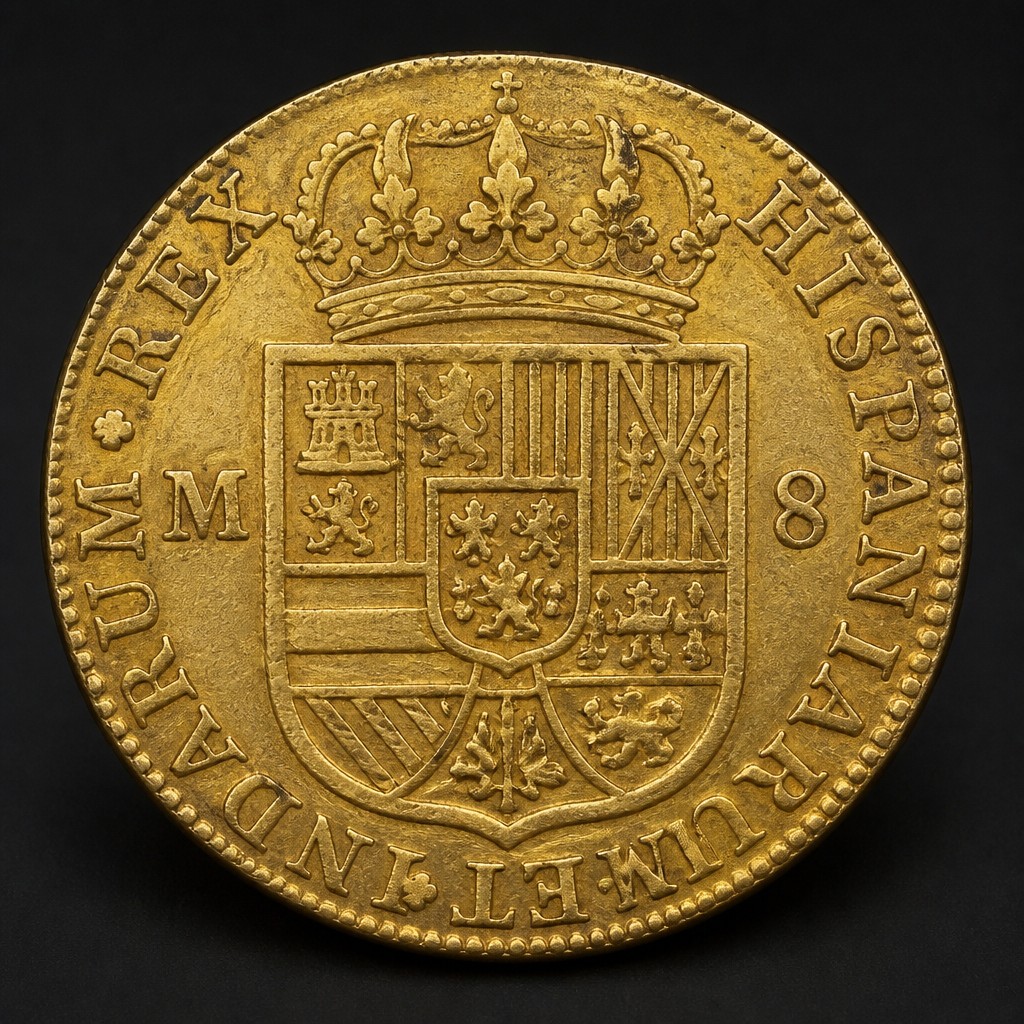
Spanish Gold Doubloon
c. 1537–1800s
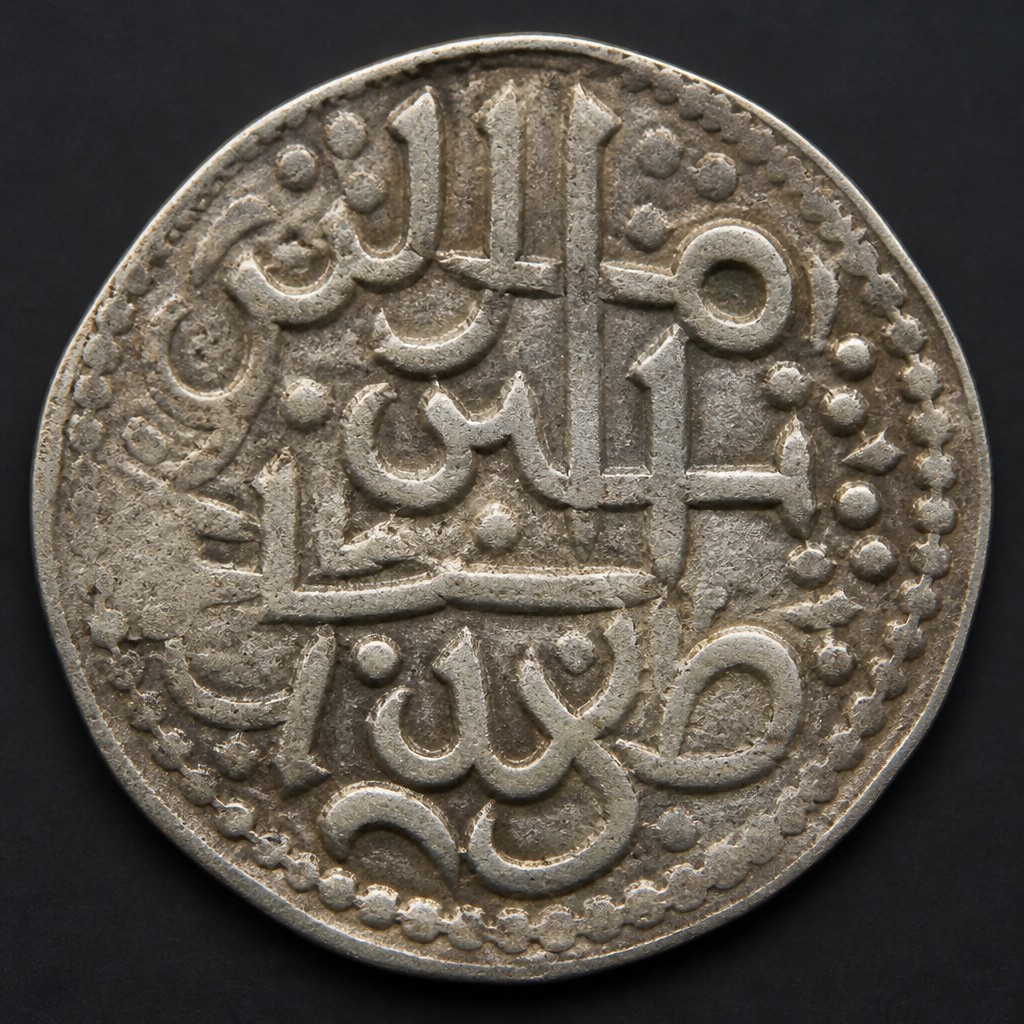
Ottoman Silver Akce
c. 14th–18th century
Ayyubid Dinar of Saladin
c. 1174–1193 AD (Saladin's reign); Ayyubid dynasty to c. 1250
Ottoman Gold Sultani
c. 1478–17th century