
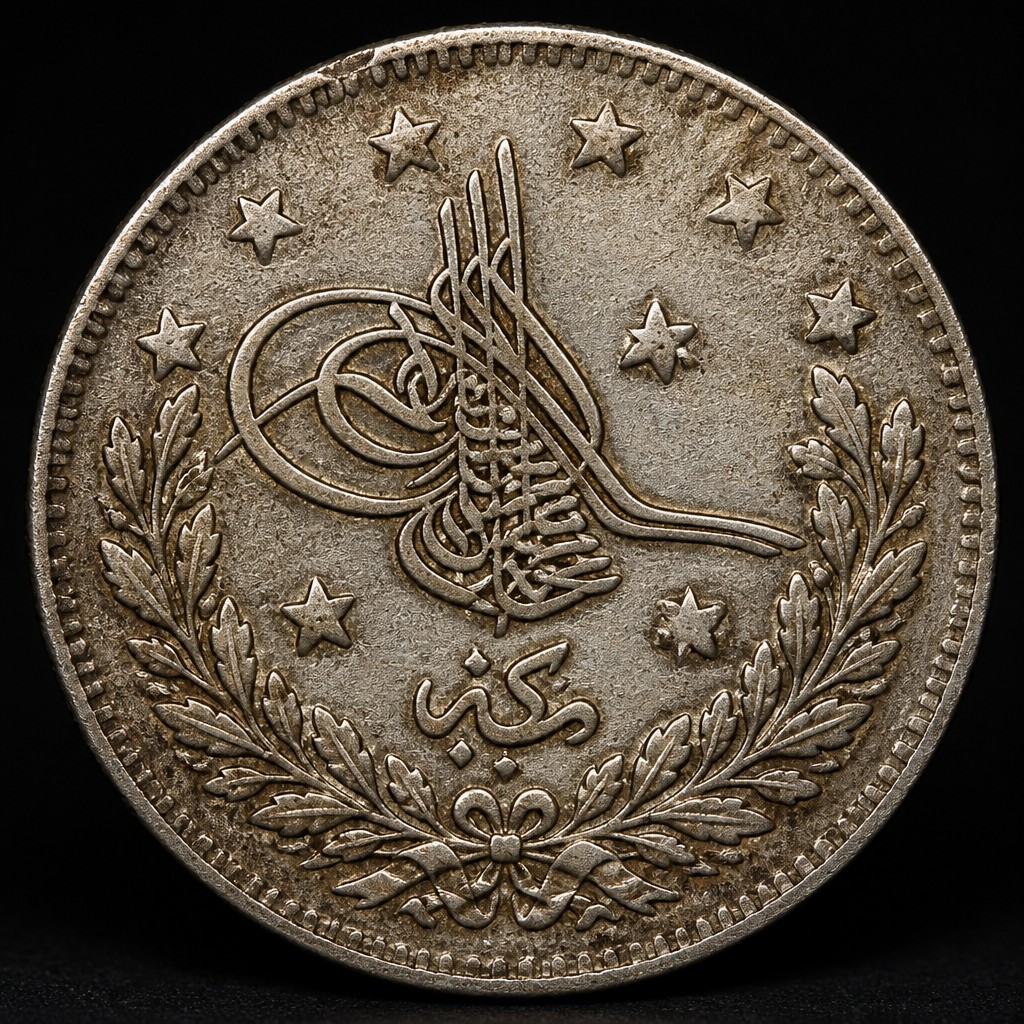
Ottoman Para
A small fractional Ottoman coin, historically 1/40 of a kurus, struck for centuries in varying metals as the empire's lowest everyday denomination.
- Country
- Ottoman Empire
- Denomination
- 1 Para (1/40 Kurus)
- Metal
- Copper, billon, or silver depending on period
Got a coin like this?
Identify any coin from a photo, free.
Overview
The para was the smallest regularly circulating denomination in much of Ottoman monetary history, used for the tiniest everyday transactions across the empire's vast territory. Its value and metal content shifted considerably over the centuries as the empire's finances and silver supply fluctuated, moving from silver and billon in earlier periods toward copper and other base metals in later times.
Because it was a low-value, high-mintage coin meant purely for small change, the para was produced in enormous numbers across many reigns, mints, and metal types, making it one of the more affordable and abundant entry points into Ottoman numismatics today.
Under the post-1844 reformed system, the para was fixed as 1/40 of a kurus (and by extension a very small fraction of the gold lira), giving structure to what had previously been a more loosely defined small-change unit.
History & Background
The para has roots stretching back centuries within Ottoman monetary practice, originally functioning as a small silver or billon coin used alongside the older akce as everyday small change across the empire's territories in Europe, Anatolia, and the Arab provinces. Over time, as inflation and debasement eroded the value of Ottoman small change, the para's metal content and physical size shrank considerably.
Following the major currency reform of 1844 under Sultan Abdulmejid I, the Ottoman monetary system was reorganized around the gold lira and its subdivisions, with the para formally set at 1/40 of a kurus. This gave the denomination a fixed, predictable place within the broader decimal-like structure even though earlier para issues had varied widely in value.
Para coins continued to be struck into the late Ottoman period under sultans such as Abdulhamid II and Mehmed V, typically in copper or bronze given their low face value, before eventually falling out of active use as inflation made such small denominations increasingly impractical, especially amid the financial strains of the empire's final years.
How to Identify
Like other Ottoman coinage, the para typically bears the reigning sultan's tughra on the obverse rather than a portrait, with the reverse showing the denomination, mint name, and the sultan's accession year alongside a regnal year figure. Because paras were struck over such a long period, styles vary enormously, from small, crude, thin silver or billon flans in earlier centuries to more standardized, thicker copper or bronze pieces in the 19th and early 20th centuries.
Size and weight are the primary clues to distinguishing paras from related small multiples (5, 10, 20, or 40 para coins, the last of which equals one kurus), since the overall design template is often shared across this fractional series. Collectors should also pay attention to the specific mint name inscribed in Arabic script, as provincial mints sometimes produced distinct varieties.
Given the coin's low original value and utilitarian purpose, most surviving examples show significant wear, and well-struck, high-grade paras are less common than their original mintages might suggest.
Value & Collectibility
As the lowest-value Ottoman denomination, most para coins are inexpensive today and widely available to collectors, particularly common 19th-century copper issues. Prices rise for earlier, scarcer silver or billon paras, for unusual provincial mints, and for coins in exceptional, well-struck condition.
Because of their low face value and mass production, paras are a popular and affordable way to build a broad type set of Ottoman sultans and mints without significant financial outlay, though truly rare early types or pristine examples can still command meaningful premiums among specialists.
Frequently asked questions
How many paras made up a kurus?
Under the reformed Ottoman system after 1844, forty paras equaled one kurus (piastre).
What metal is the Ottoman para made of?
Composition varies by period, ranging from silver and billon in earlier centuries to copper and bronze in the 19th and early 20th centuries as the coin's value was reduced.
Why do para coins often look worn?
As the smallest circulating Ottoman denomination, paras were used constantly for minor transactions, so most surviving examples show significant handling wear.
Is the para a good starting point for collecting Ottoman coins?
Yes, common 19th-century para issues are generally inexpensive and plentiful, making them an accessible way to start exploring Ottoman coinage before pursuing scarcer or higher-value types.
Other coins you may enjoy
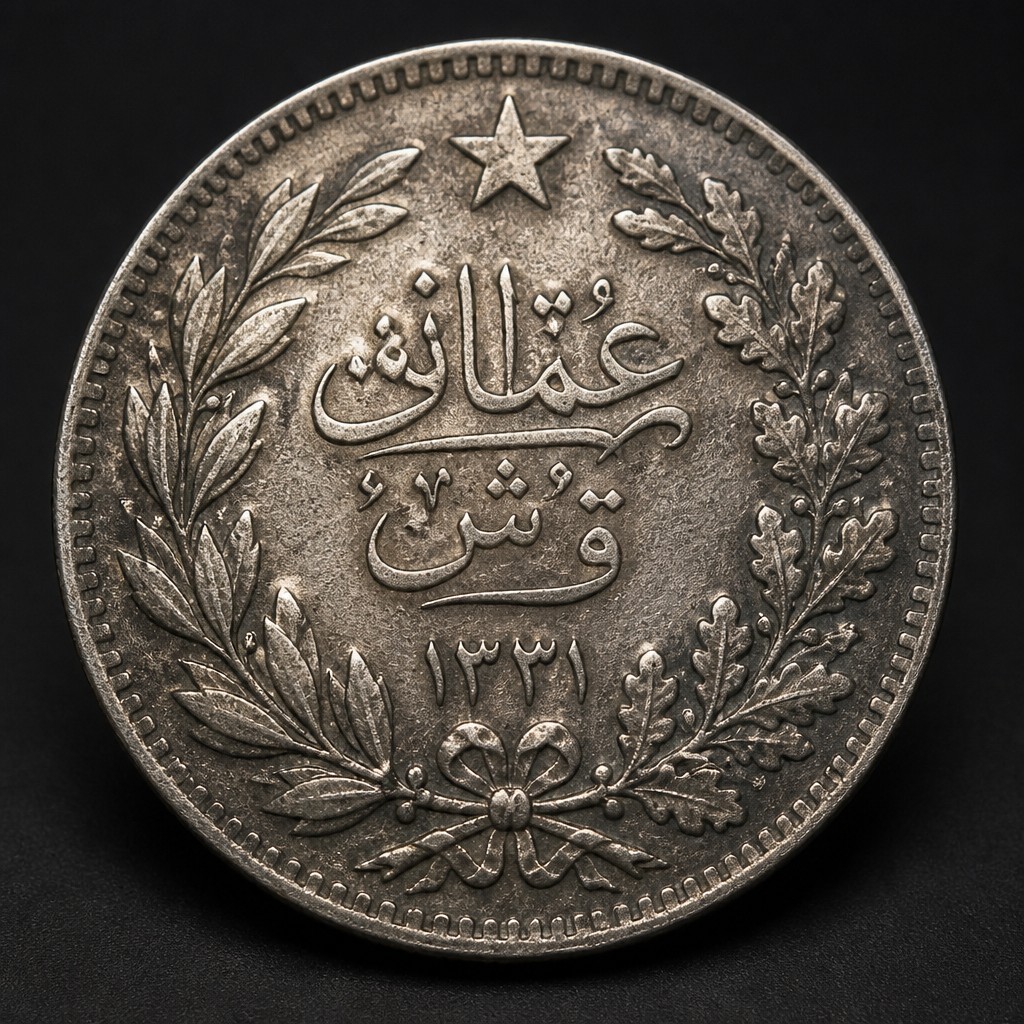
Ottoman Kurus (Piastre)
18th century–1923
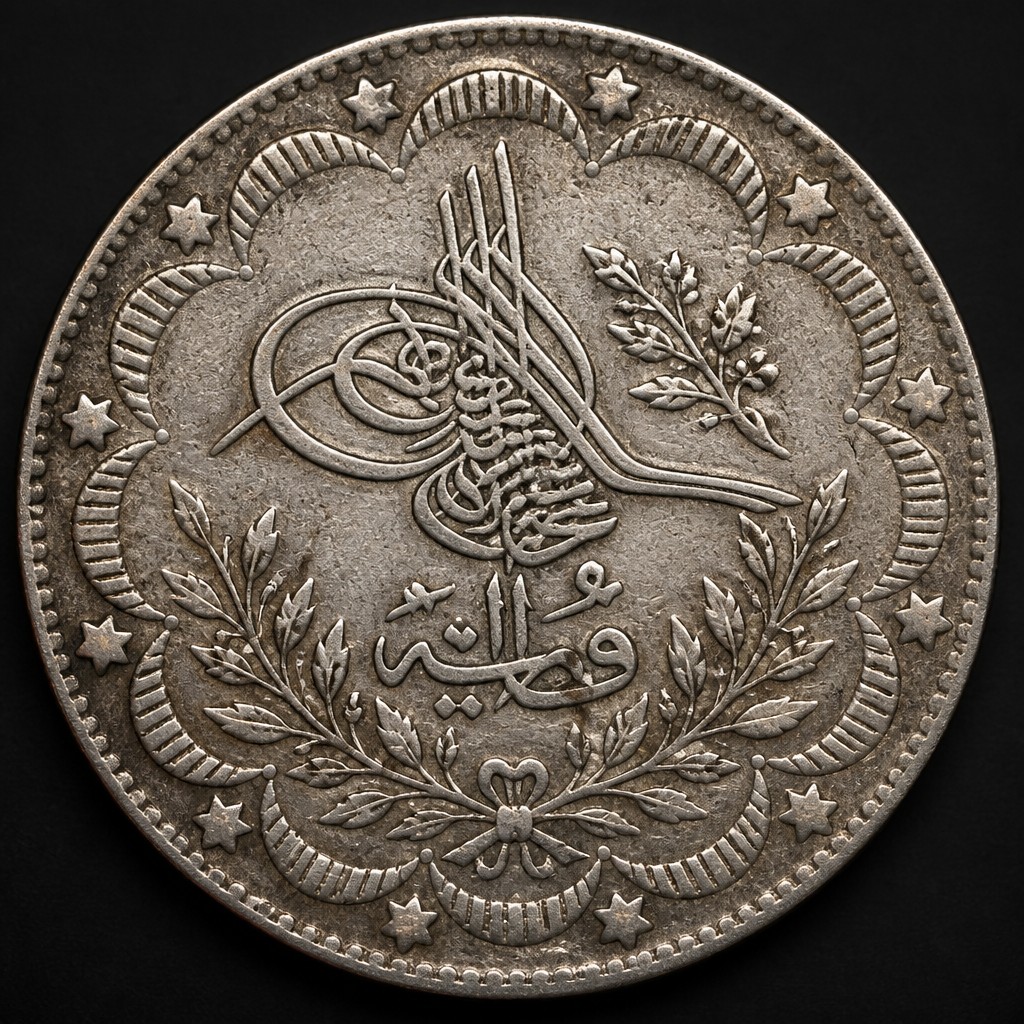
Ottoman Rashidi Kurus
19th century (exact range uncertain)
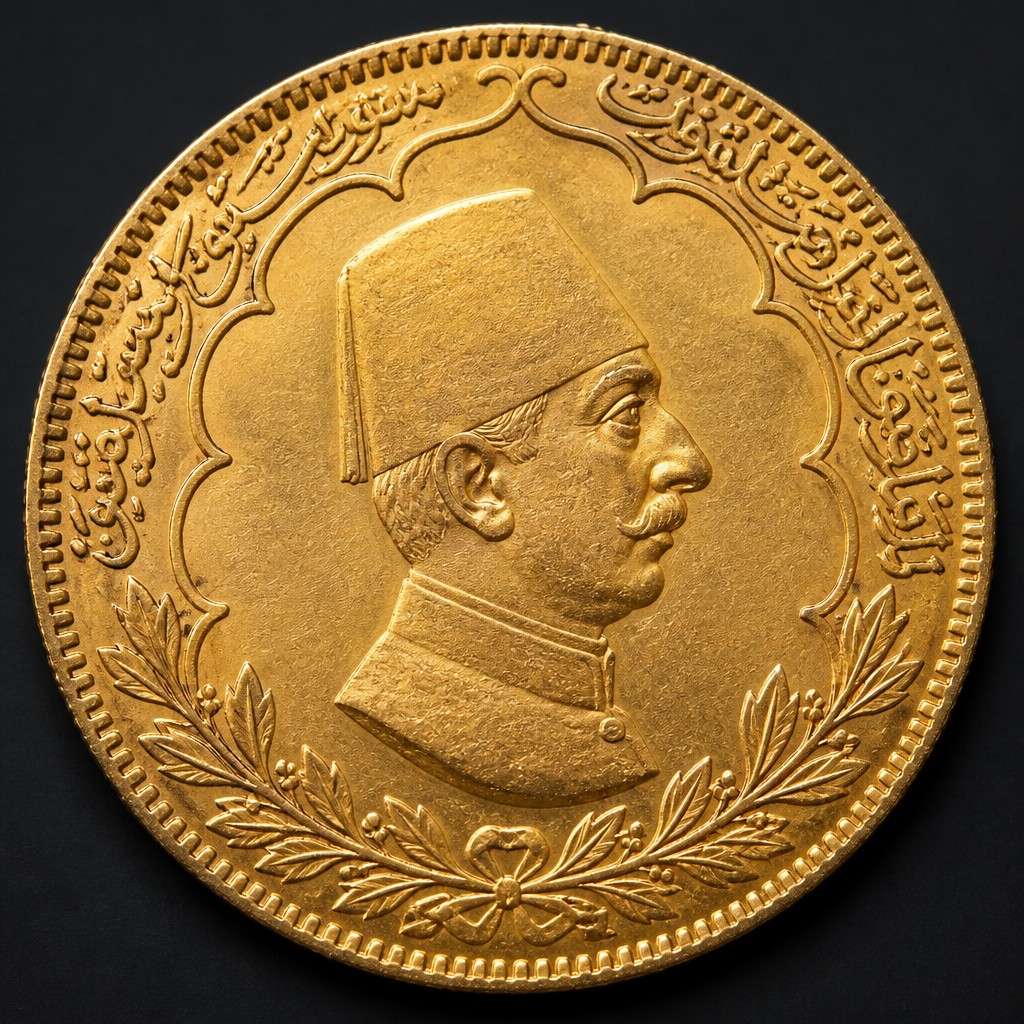
Ottoman Gold 500 Kurus (Abdulhamid II)
1876–1909 (accession year 1293 AH, various regnal years)
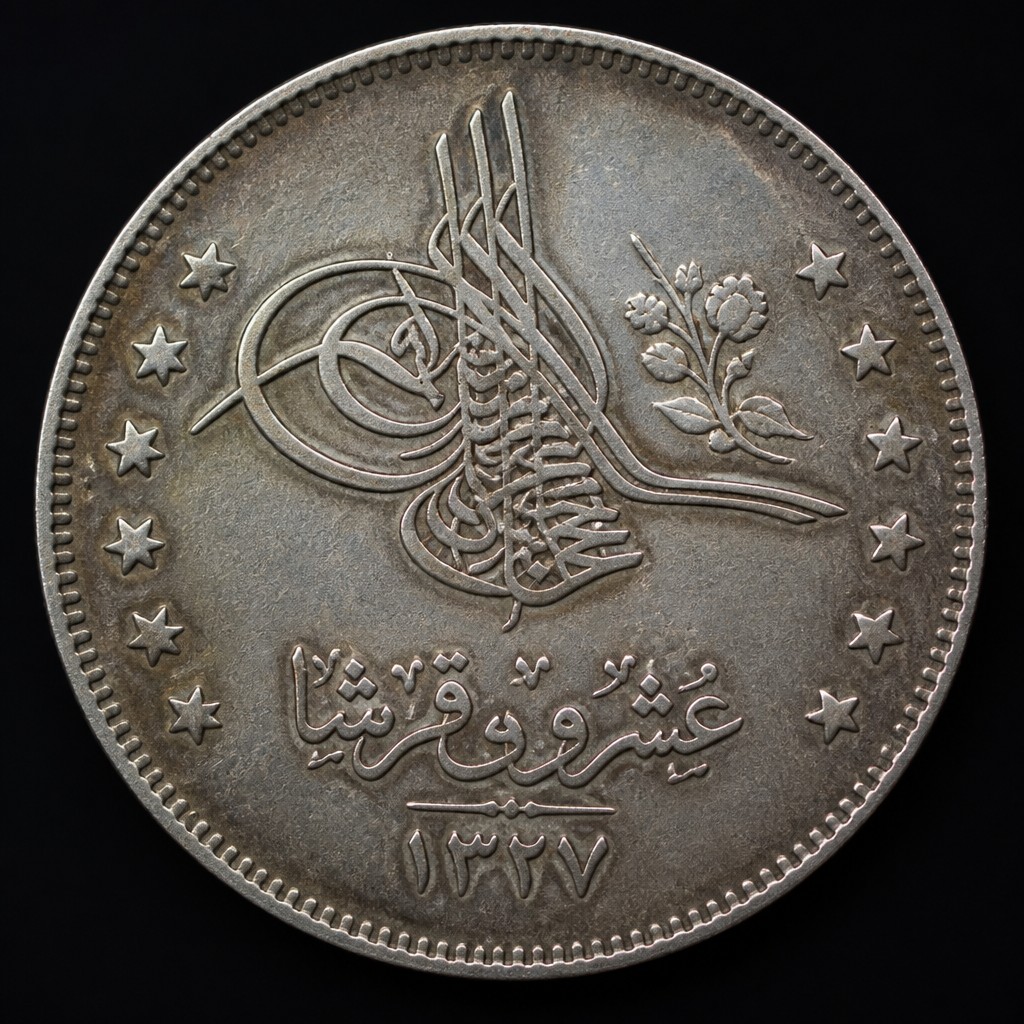
Ottoman 20 Kurus
19th century through early 20th century
Armenian Silver Noah's Ark
2011-present
Spanish Colonial 8 Reales Ferdinand VII
1808–1825
Mamluk Gold Dinar
c. 1250–1517 AD
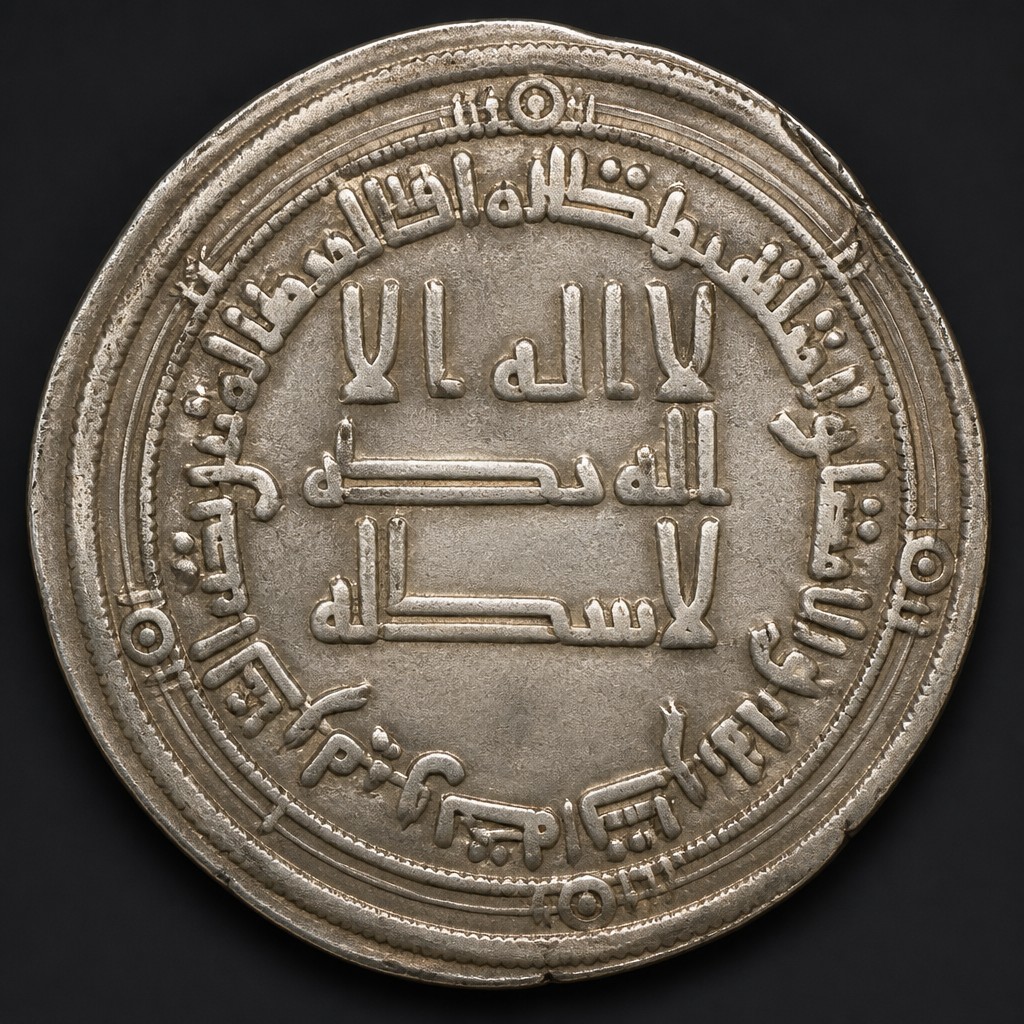
Umayyad Silver Dirham
c. 696–750 AD (post-reform issues)
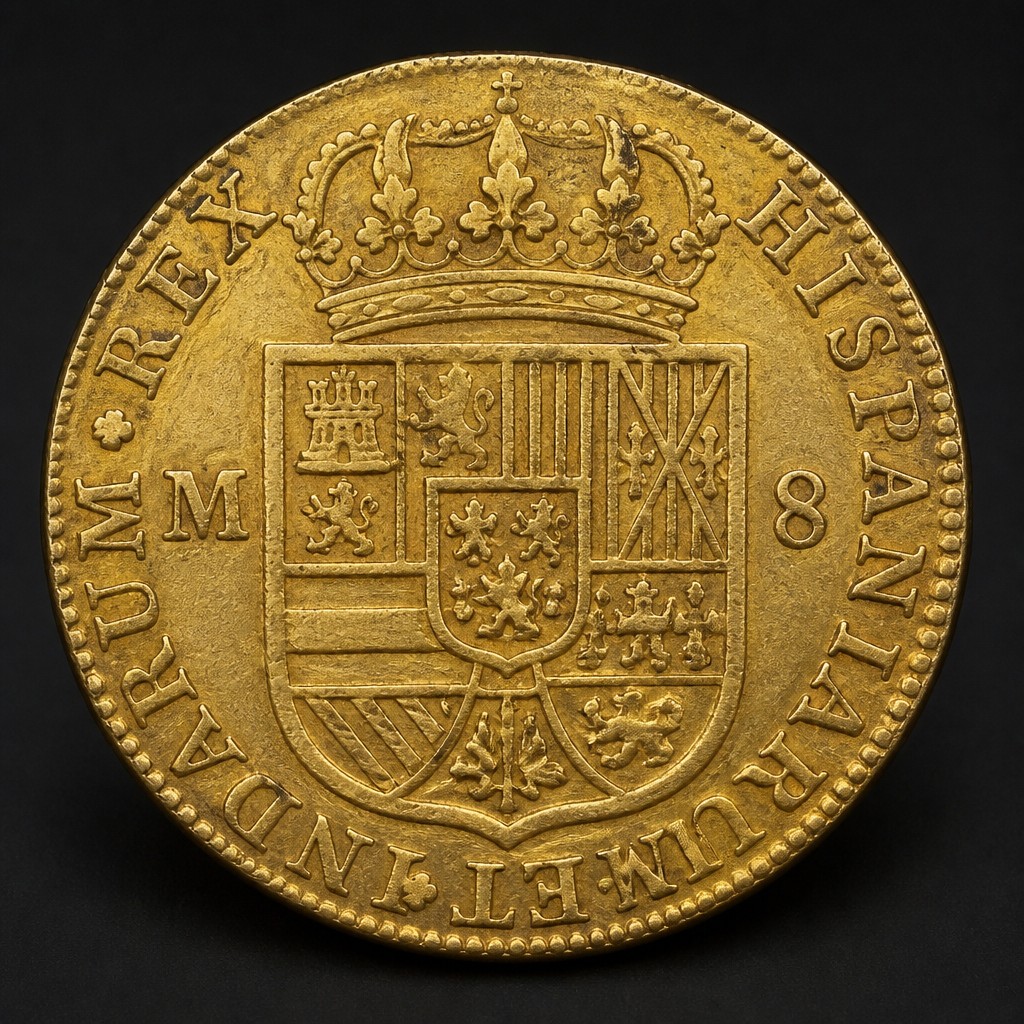
Spanish Gold Doubloon
c. 1537–1800s
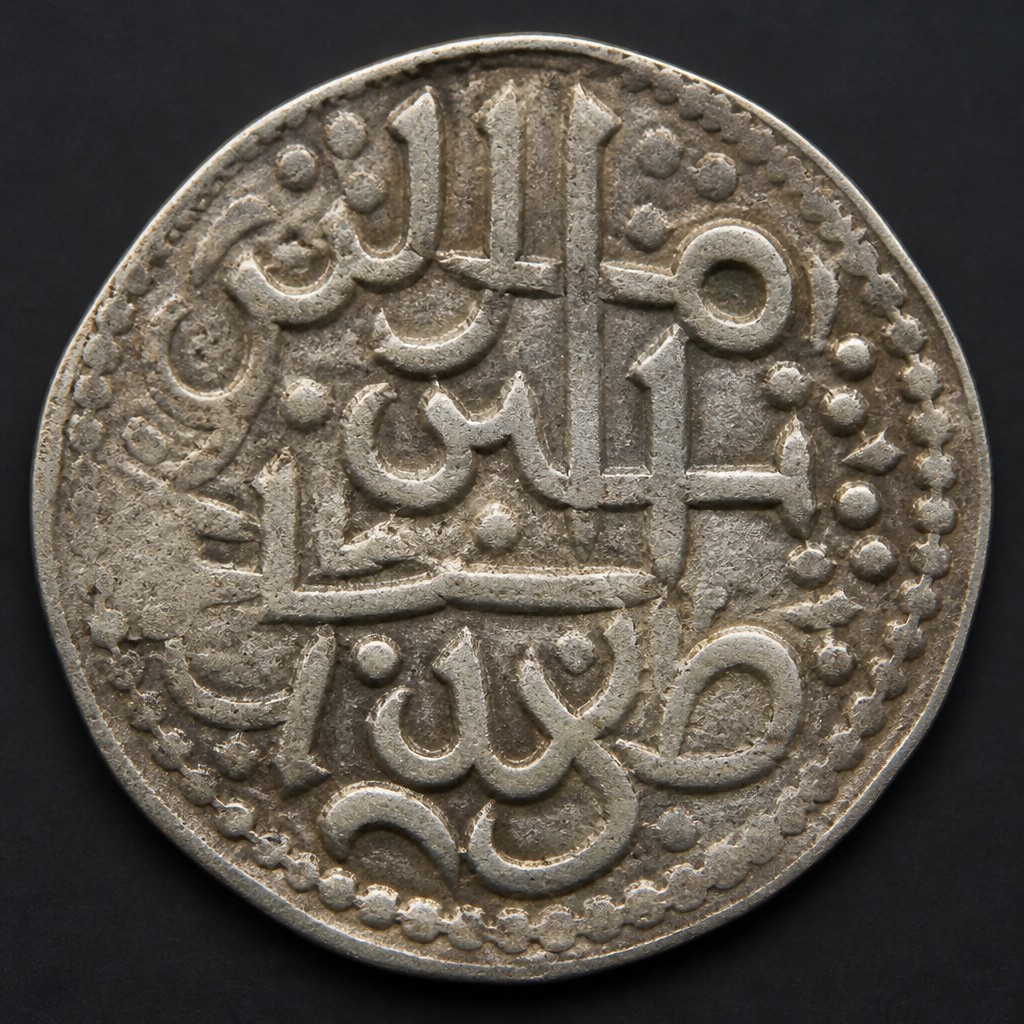
Ottoman Silver Akce
c. 14th–18th century
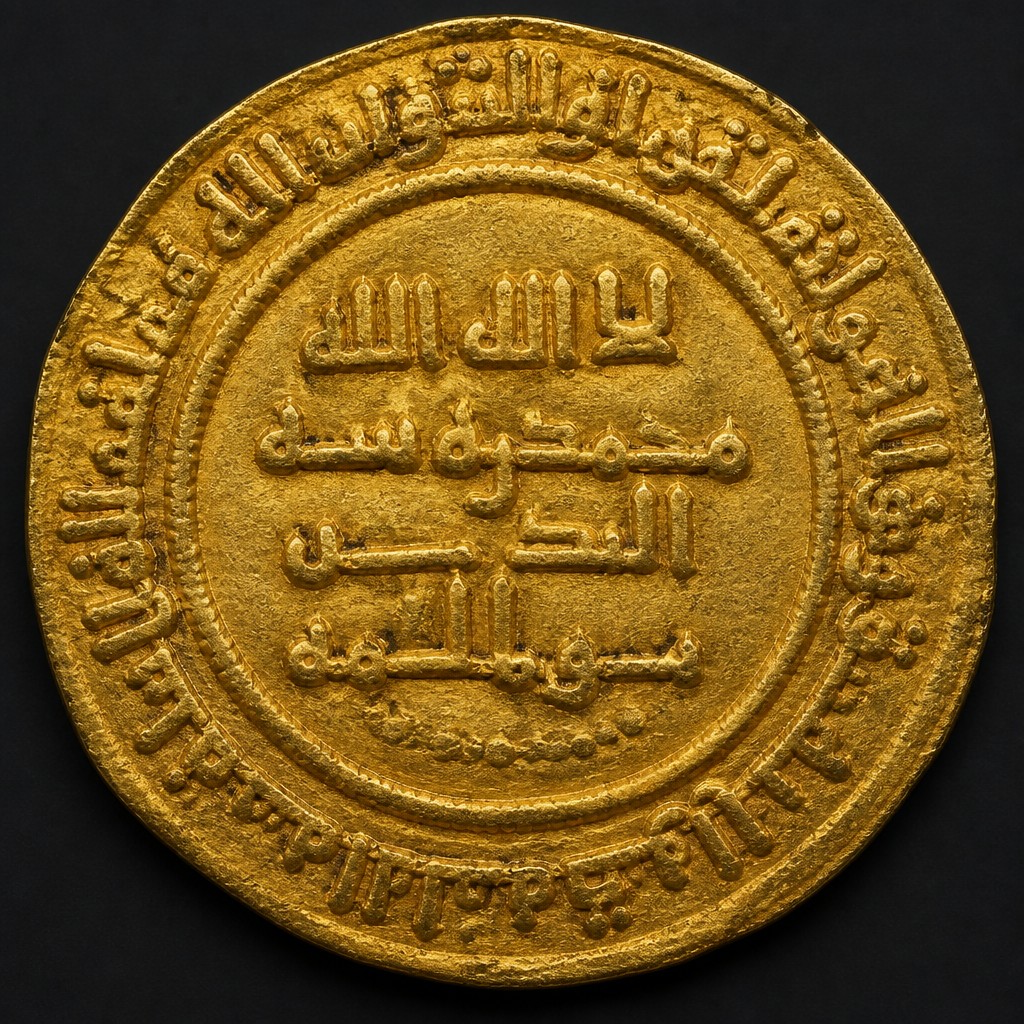
Ayyubid Dinar of Saladin
c. 1174–1193 AD (Saladin's reign); Ayyubid dynasty to c. 1250
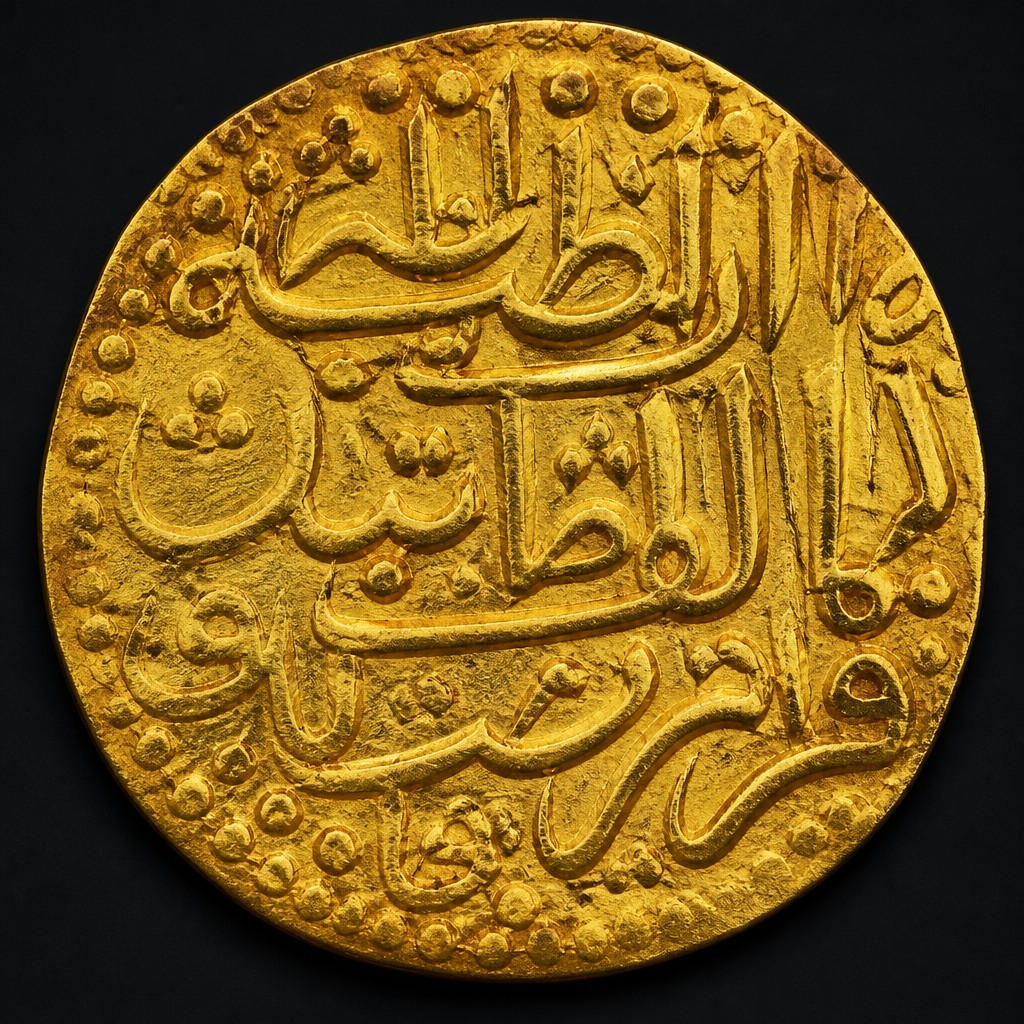
Ottoman Gold Sultani
c. 1478–17th century