
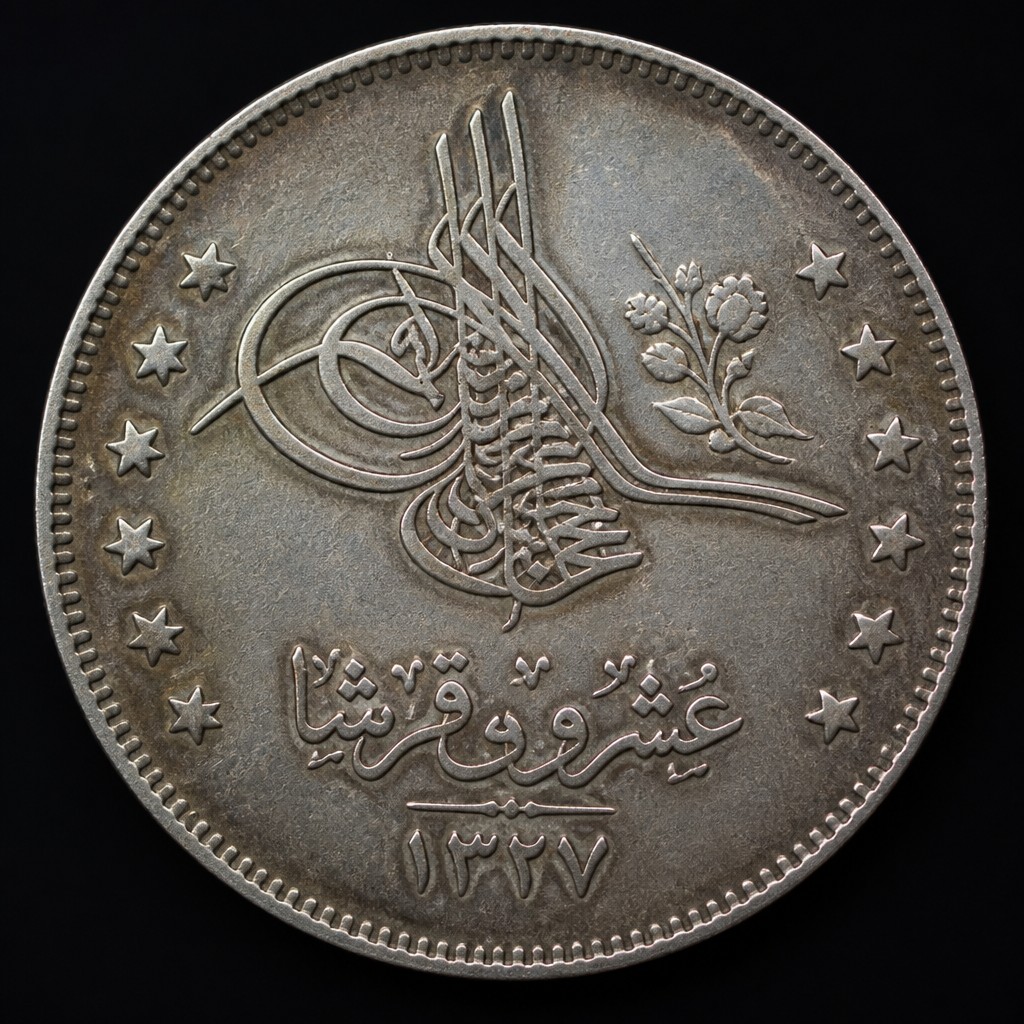
Ottoman 20 Kurus
Ottoman silver coin denominated in kuruş, bearing the sultan's ornate calligraphic tughra rather than a portrait, in keeping with Islamic artistic tradition.
- Country
- Ottoman Empire
- Denomination
- 20 Kuruş
- Metal
- Silver (fineness varied by reign and era)
Got a coin like this?
Identify any coin from a photo, free.
Overview
The 20 kuruş piece was a mid-value silver denomination within the Ottoman Empire's kuruş and para monetary system, used across the empire's vast territories spanning parts of Europe, Asia, and North Africa. Rather than a ruler's portrait, its design centers on the sultan's tughra, an elaborate calligraphic signature unique to each monarch.
History & Background
The Ottoman Empire's coinage evolved considerably through the 19th century as sultans pursued currency reforms to modernize the economy and align more closely with European monetary standards. Denominations like the 20 kuruş were struck under a succession of sultans including Mahmud II, Abdulmejid I, Abdulaziz, Abdul Hamid II, and Mehmed V, each issuing coinage bearing their own tughra and regnal dating.
Ottoman coins are traditionally dated by the sultan's accession year (the year they took the throne) combined with the regnal year of striking, a dual-dating system rooted in Islamic tradition rather than a simple single calendar year as used in Western coinage. Production of Ottoman silver coinage continued until the empire's dissolution after World War I.
How to Identify
The obverse displays the sultan's tughra, an ornate calligraphic monogram incorporating his name and titles, often surrounded by decorative floral or scroll motifs; no human figures appear, consistent with Islamic aniconic tradition. The reverse typically shows the denomination, mint name (usually Constantinople), and the dual dating of accession year and regnal year in Ottoman Turkish (Arabic script).
Size and silver fineness varied somewhat across the 19th century as monetary reforms adjusted specifications, so collectors should weigh and measure coins carefully and compare them to reign-specific references rather than assuming a single fixed standard applies to all 20 kuruş issues. Distinguishing between different sultans' issues requires reading and comparing the tughra design and the accession year inscribed on the coin.
Value & Collectibility
Common 19th-century Ottoman 20 kuruş coins from long-reigning sultans like Abdul Hamid II are generally affordable and available in a range of conditions, while earlier or scarcer reigns and specific regnal-year varieties can be considerably harder to find. Well-struck, lustrous silver examples command a premium over worn or cleaned pieces.
As Ottoman coinage spans a large and complex system of reforms, dates, and mints, value is heavily influenced by correct attribution of sultan, accession year, and regnal year, and collectors should consult specialized Ottoman numismatic references before assuming rarity or value.
Frequently asked questions
Why is there no portrait on Ottoman coins?
Islamic artistic tradition generally avoided depicting human figures on coinage, so Ottoman coins instead feature the sultan's ornate calligraphic tughra.
What is a tughra?
A tughra is an elaborate calligraphic monogram incorporating a sultan's name and titles, used as a unique royal signature on coins, documents, and decrees.
How are Ottoman coins dated?
They typically use a dual date: the year the sultan acceded to the throne, plus the regnal year in which that particular coin was struck.
Which sultans issued 20 kuruş coins?
Several 19th and early 20th century sultans issued this denomination, including Mahmud II, Abdulmejid I, Abdulaziz, Abdul Hamid II, and Mehmed V.
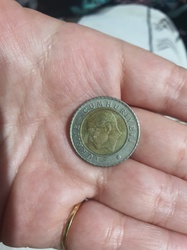
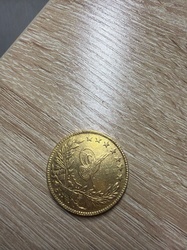
Ottoman 20 Kurus identified by the community
Real coins identified with Coin Identifier.
Other coins you may enjoy
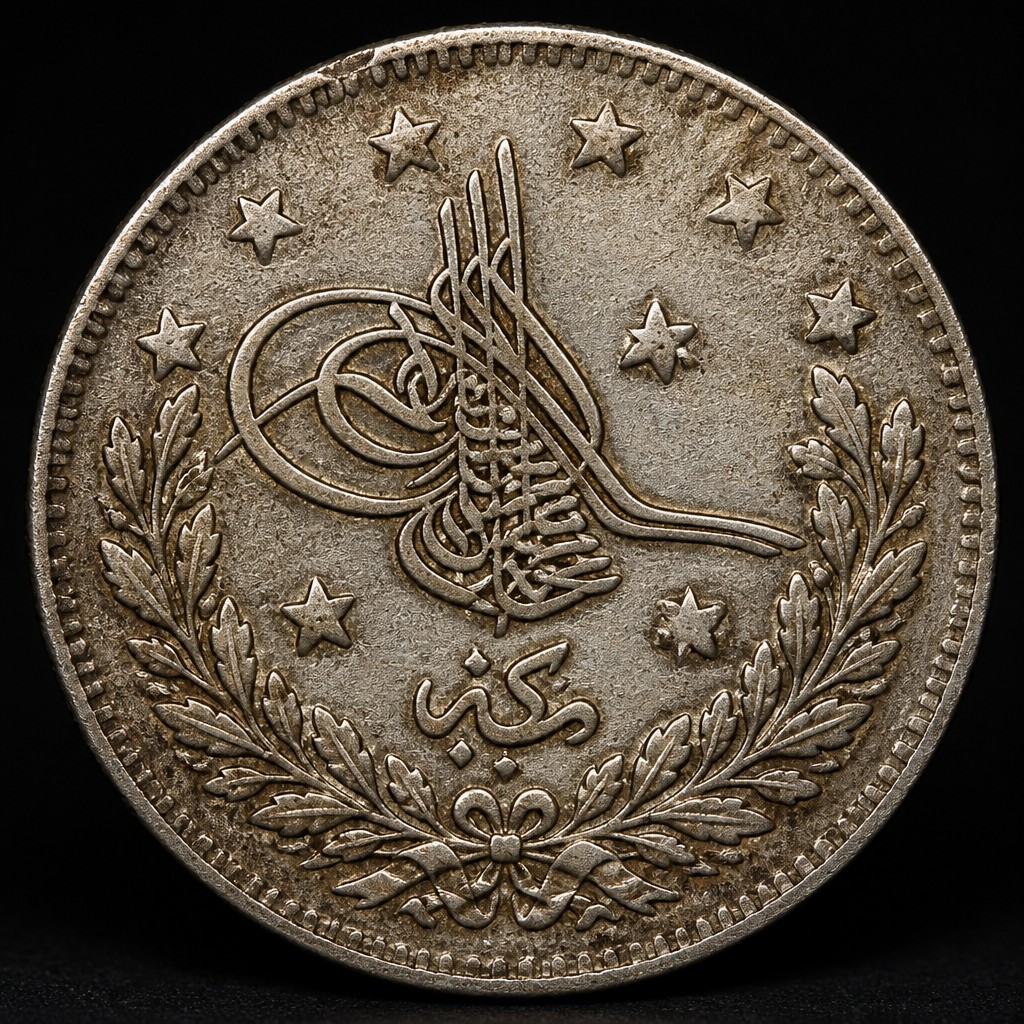
Ottoman Para
17th century–early 20th century
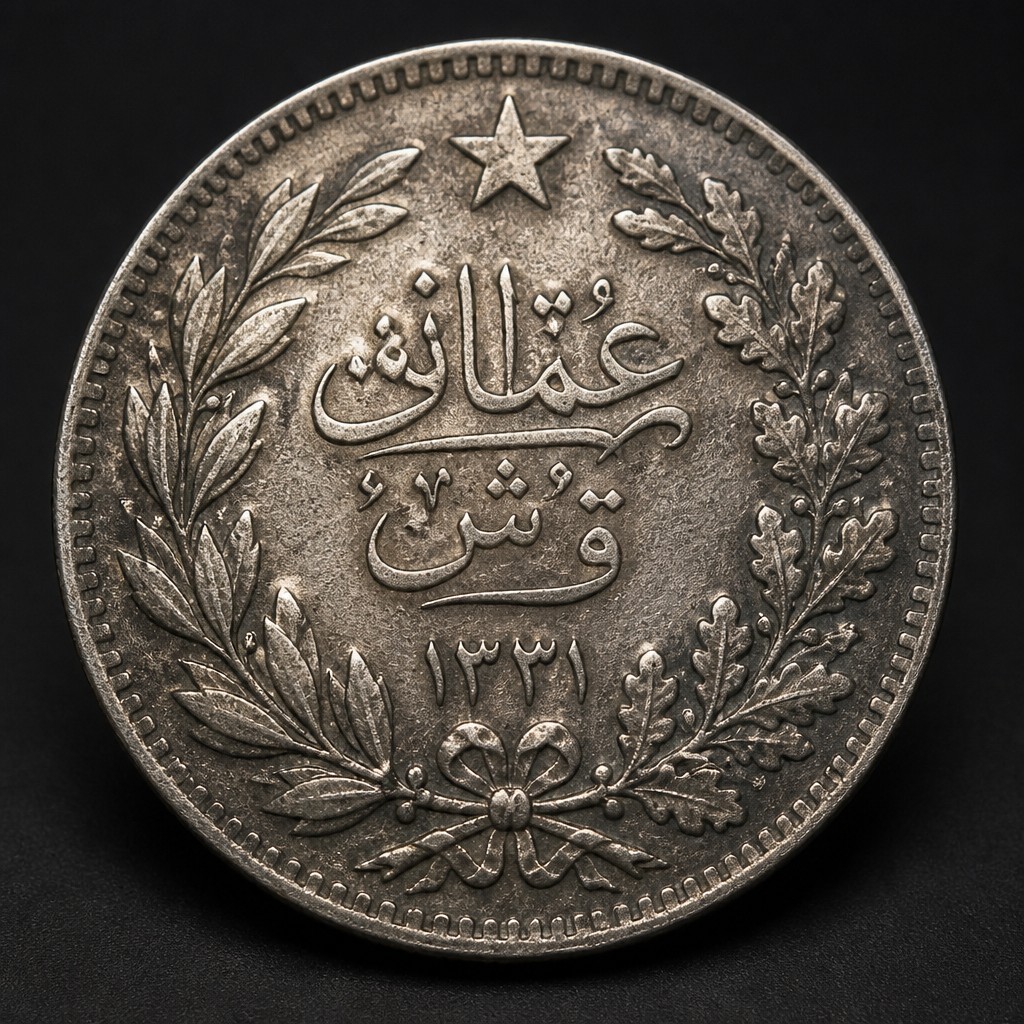
Ottoman Kurus (Piastre)
18th century–1923
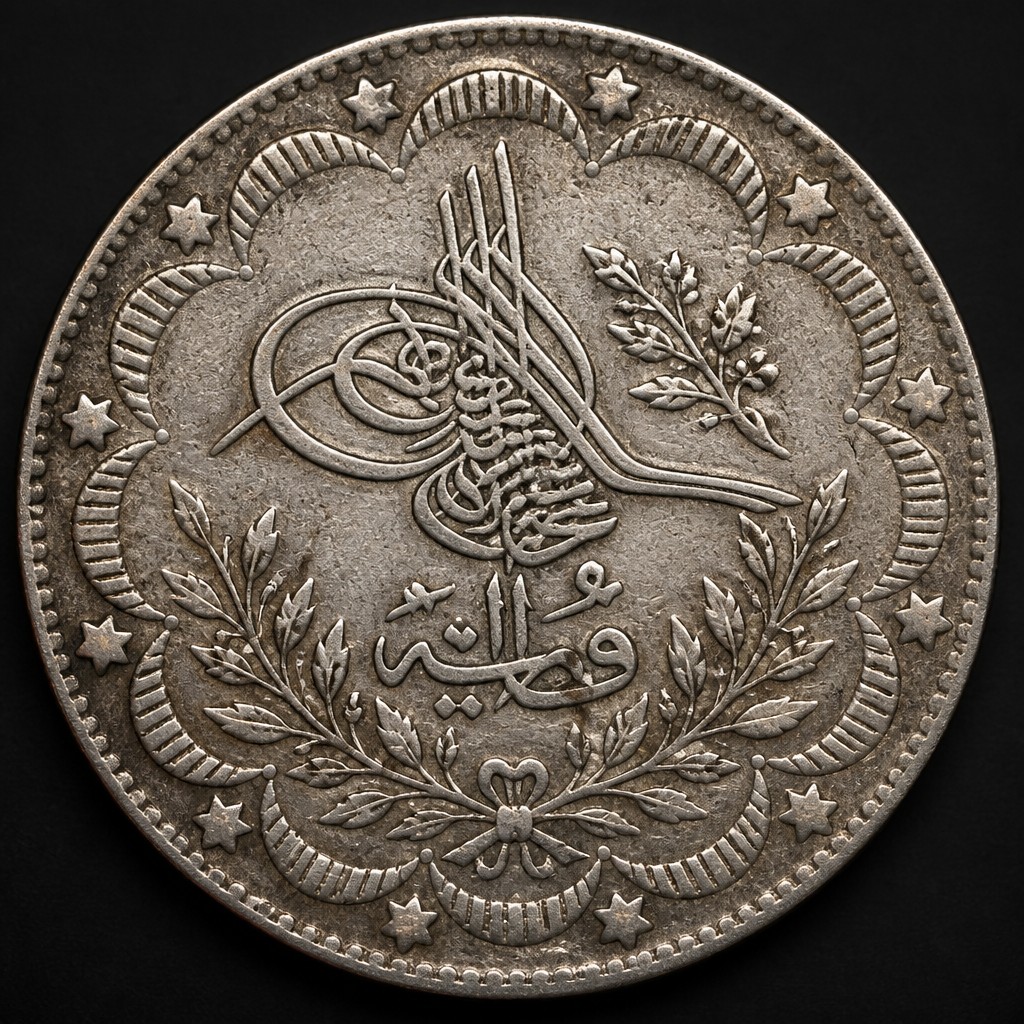
Ottoman Rashidi Kurus
19th century (exact range uncertain)
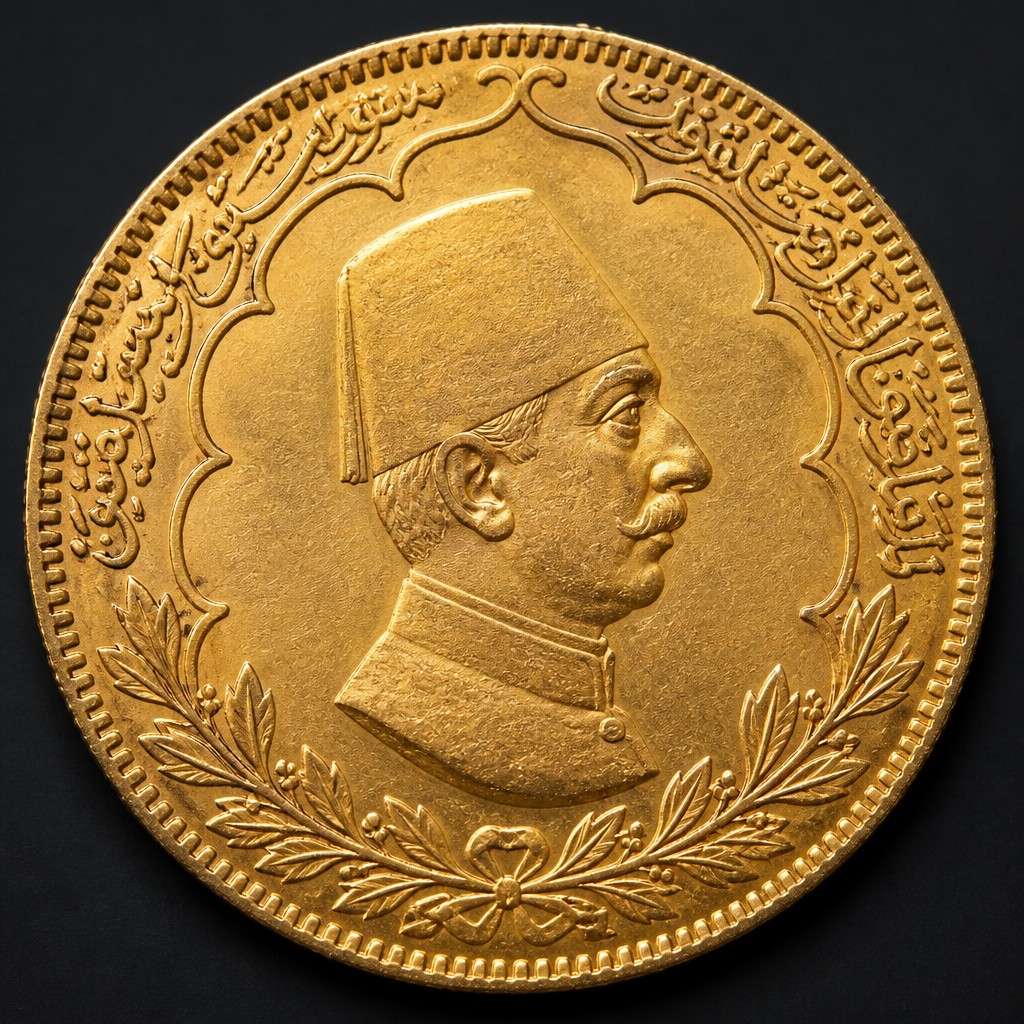
Ottoman Gold 500 Kurus (Abdulhamid II)
1876–1909 (accession year 1293 AH, various regnal years)
Armenian Silver Noah's Ark
2011-present
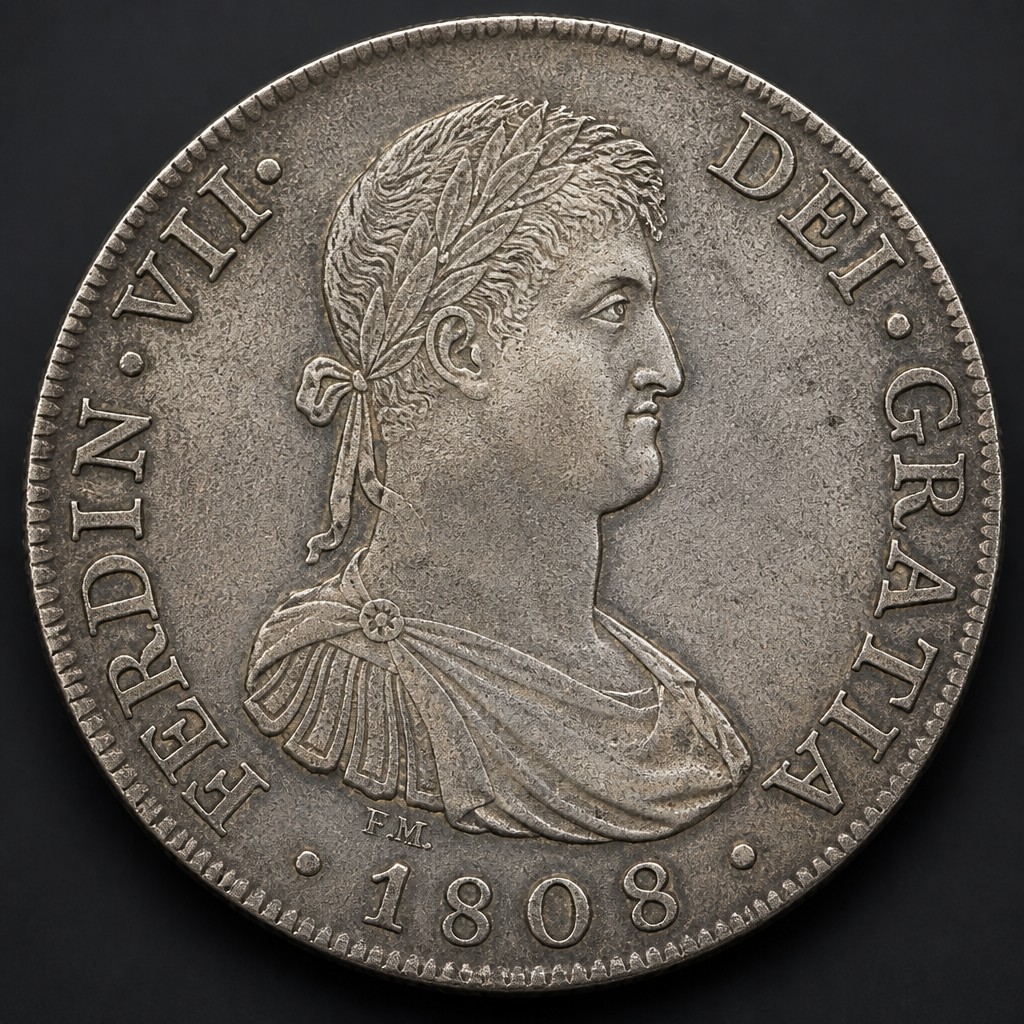
Spanish Colonial 8 Reales Ferdinand VII
1808–1825
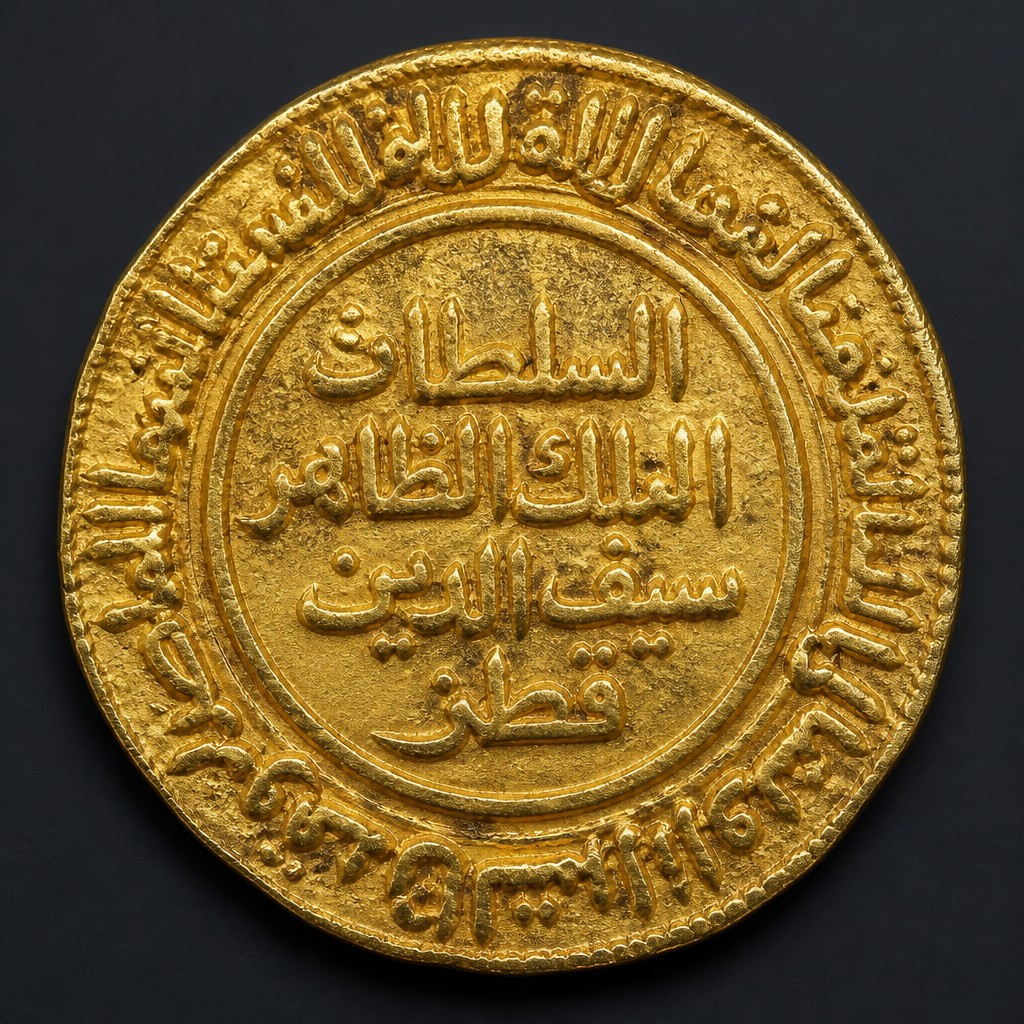
Mamluk Gold Dinar
c. 1250–1517 AD
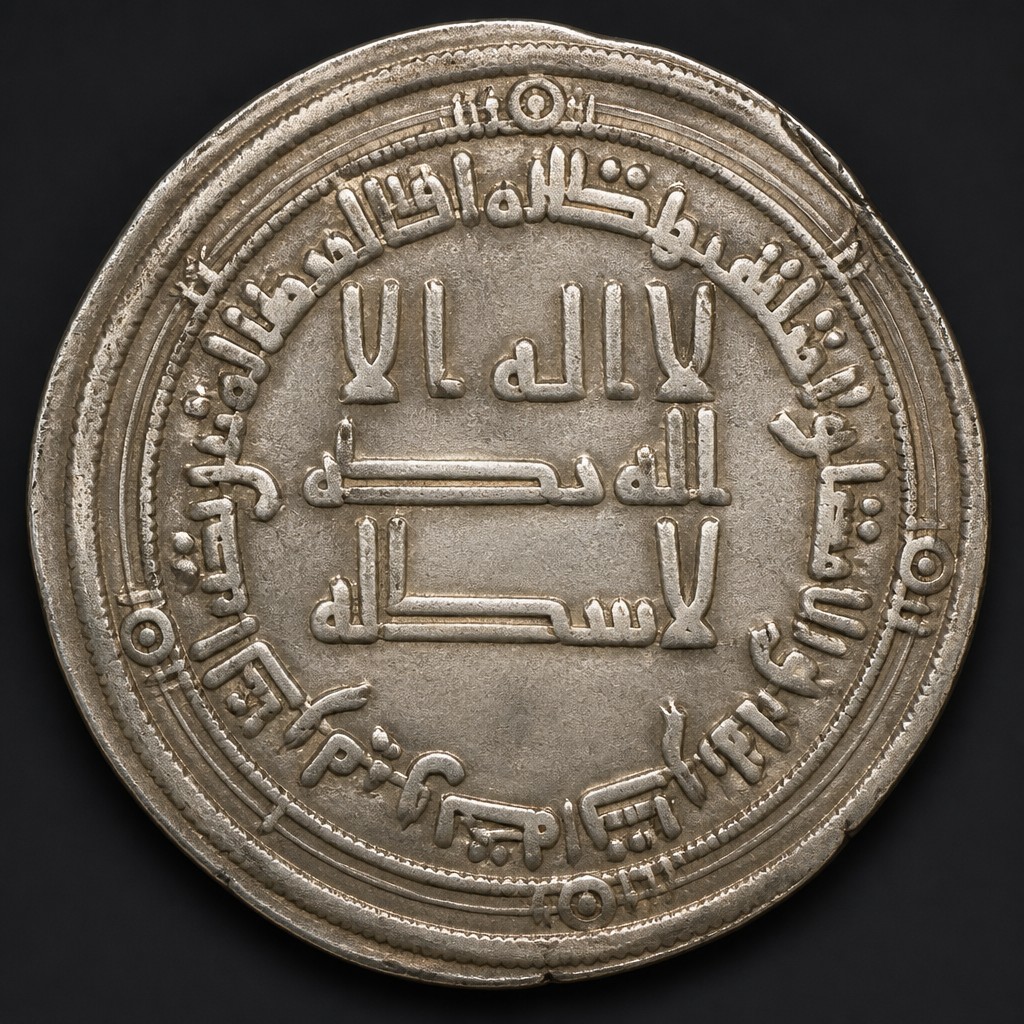
Umayyad Silver Dirham
c. 696–750 AD (post-reform issues)
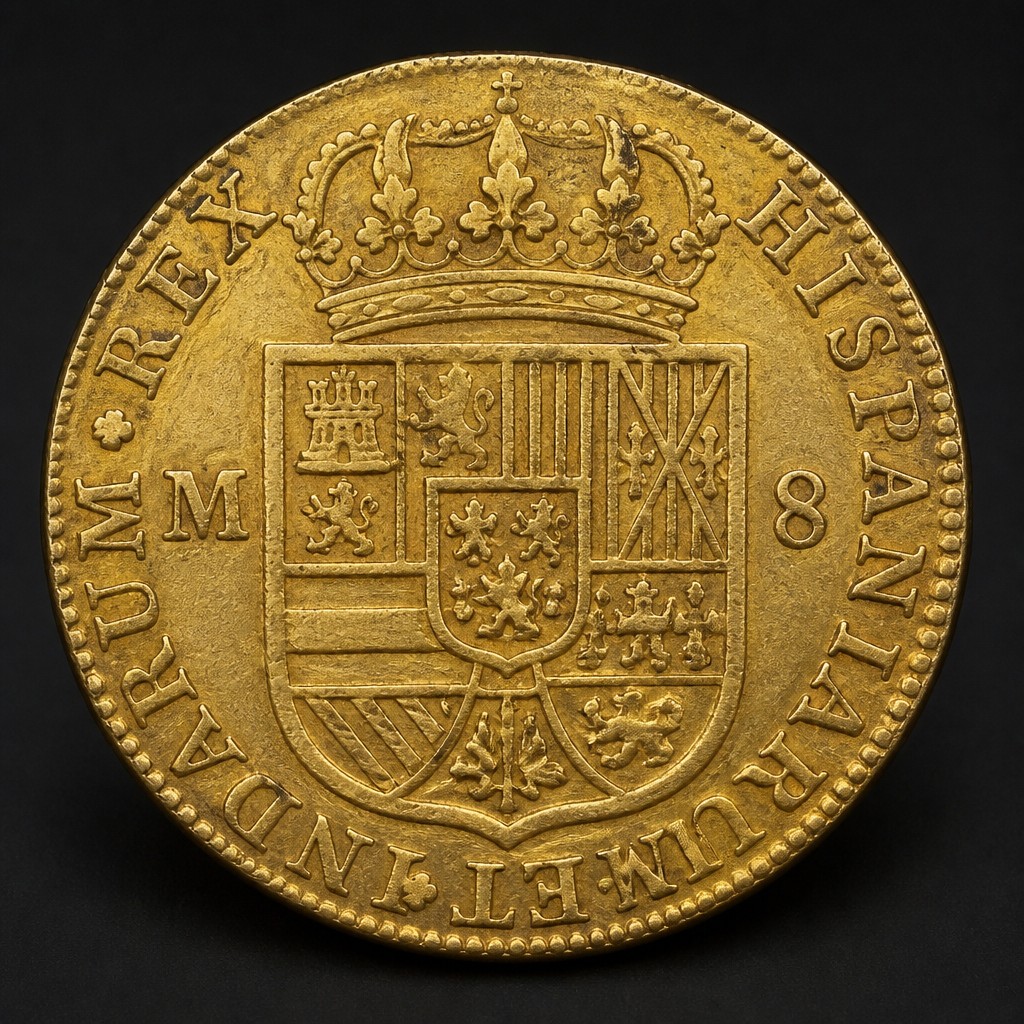
Spanish Gold Doubloon
c. 1537–1800s
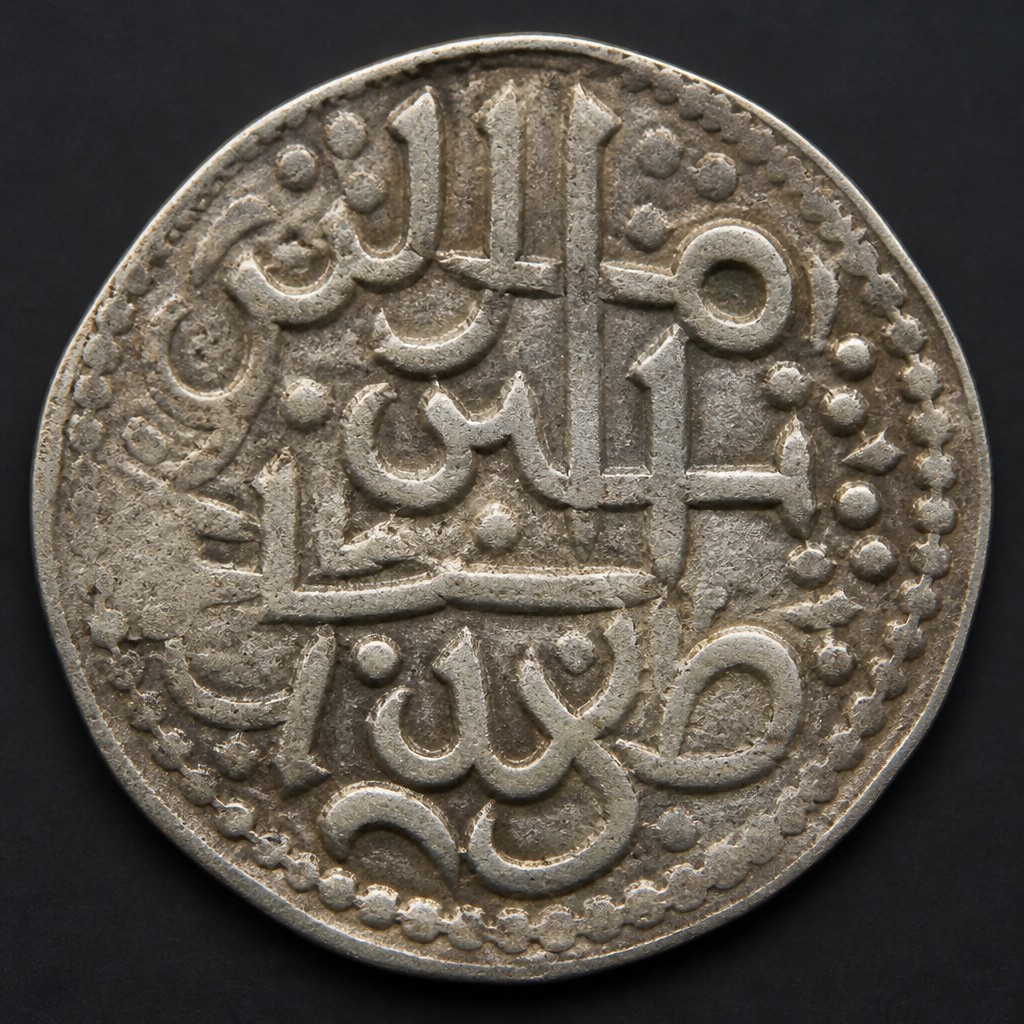
Ottoman Silver Akce
c. 14th–18th century
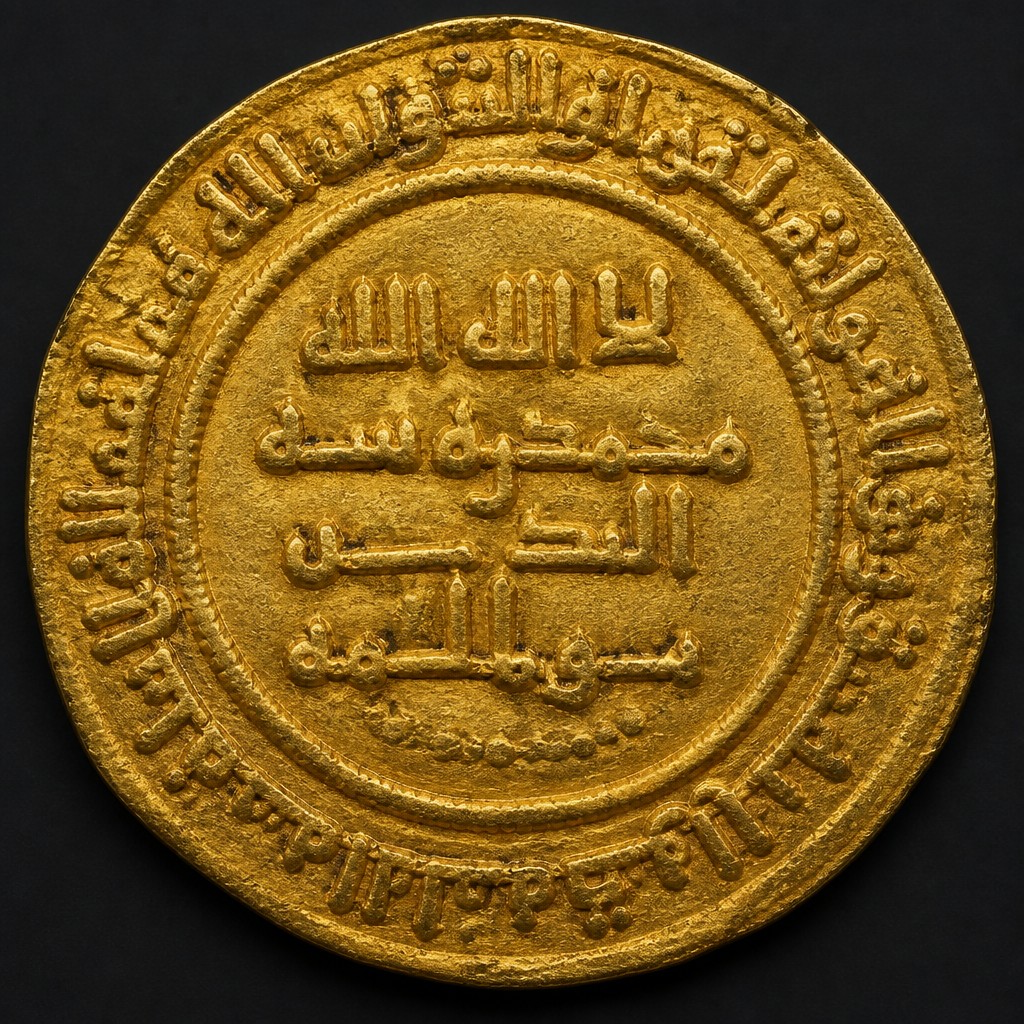
Ayyubid Dinar of Saladin
c. 1174–1193 AD (Saladin's reign); Ayyubid dynasty to c. 1250
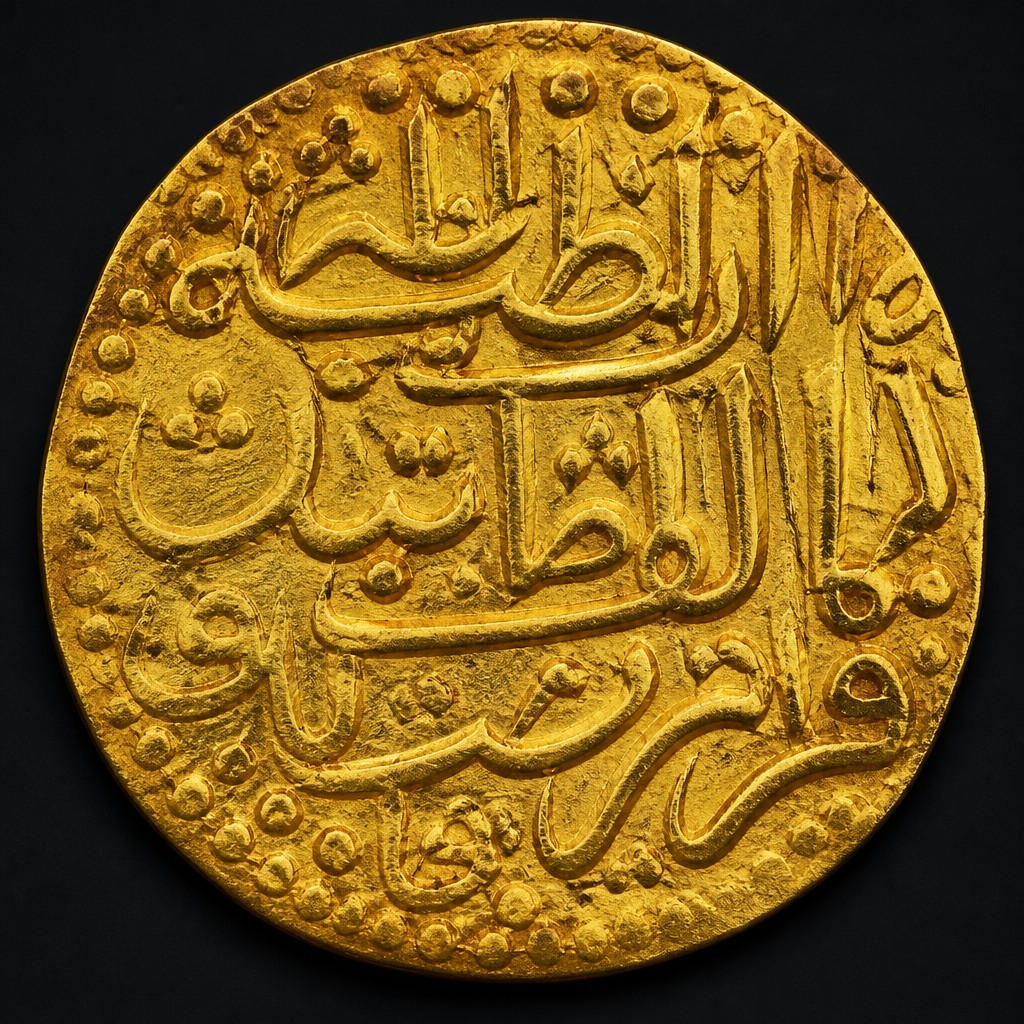
Ottoman Gold Sultani
c. 1478–17th century