
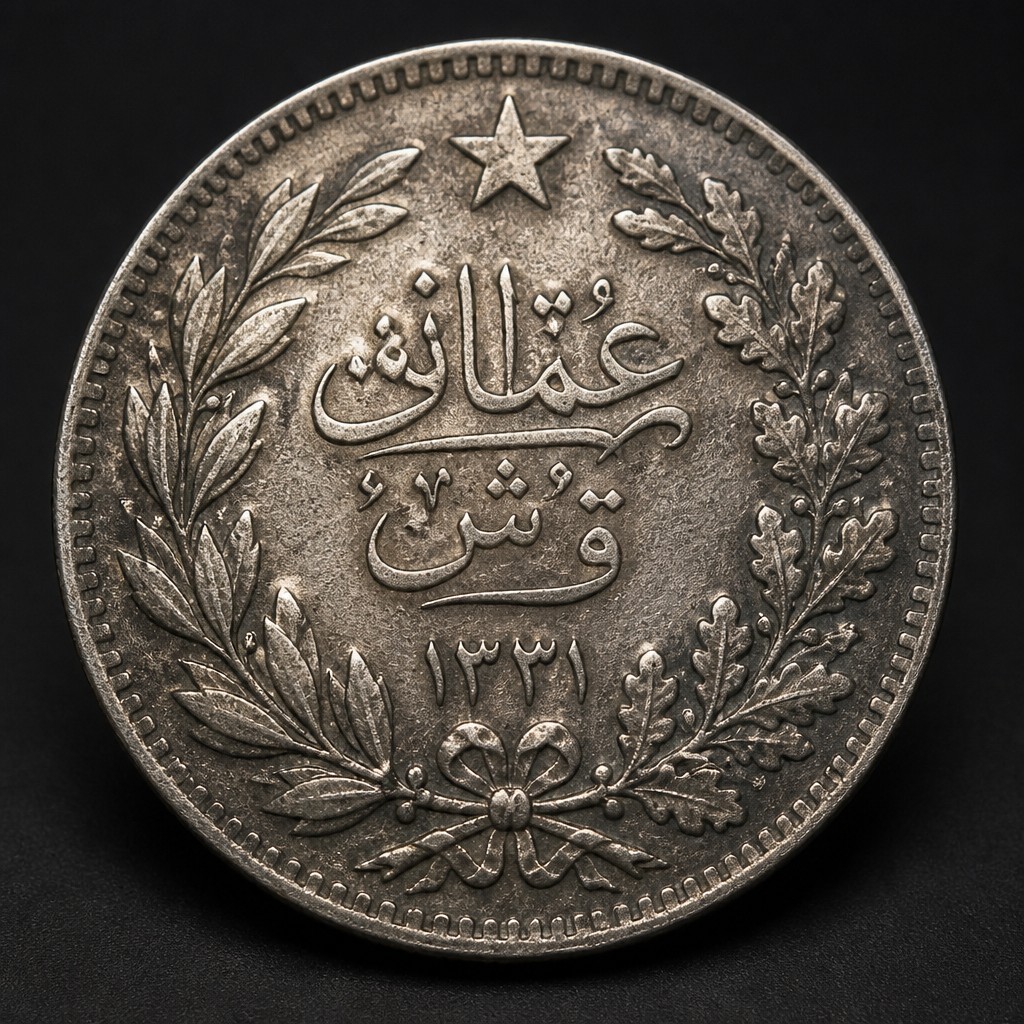
Ottoman Kurus (Piastre)
The standard Ottoman monetary unit for centuries, struck in silver or base metal bearing the sultan's tughra, later becoming a subunit of the Ottoman lira after 1844.
- Country
- Ottoman Empire
- Denomination
- 1 Kurus (Piastre)
- Metal
- Silver, billon, or base metal depending on era
Got a coin like this?
Identify any coin from a photo, free.
Overview
The kurus, commonly rendered in English as piastre, was one of the longest-running denominations of the Ottoman Empire, used from the 17th and 18th centuries onward as a principal unit of account and coinage. Its silver content and purchasing power fluctuated considerably over the centuries due to repeated debasements, wars, and financial crises within the empire.
After the 1844 currency reform, the kurus was redefined as 1/100 of the new gold Ottoman lira, giving it a more stable role as a subsidiary silver and later base-metal coin within a bimetallic system modeled loosely on Western monetary standards. Kurus coins continued to be struck under a long line of sultans right up to the end of the empire in the early 1920s.
Because the series spans such a long period and many rulers, collectors often specialize by sultan, mint, or specific reform period rather than attempting to collect the type as a single unified series.
History & Background
The kurus entered Ottoman coinage as an adaptation of European-style large silver coins (related in origin to coins like the Dutch leeuwendaalder and other trade talers circulating in the eastern Mediterranean), gradually becoming the empire's standard silver unit through the 18th century. Repeated debasement of its silver content during periods of war and fiscal stress made the kurus a byword for currency instability in parts of the 18th and early 19th centuries.
Sultan Abdulmejid I's currency reform of 1844 tied the kurus firmly to the new gold-based Ottoman lira at a fixed rate of 100 kurus per lira, part of broader Tanzimat-era modernization efforts to stabilize Ottoman finances along more Western lines. From that point, the kurus functioned as the empire's standard subsidiary coin, struck in silver and, in smaller denominations, in nickel or bronze.
Kurus coinage continued under Sultans Abdulaziz, Abdulhamid II, Mehmed V, and Mehmed VI, right through the empire's collapse after World War I, with the last Ottoman coinage giving way to the currency of the new Republic of Turkey established in 1923.
How to Identify
The obverse of Ottoman kurus coins almost universally features the sultan's tughra, an elaborate calligraphic monogram unique to each ruler, rather than a portrait, consistent with Islamic artistic tradition of the period. The reverse typically bears the Hijri accession year of the sultan's reign along with a regnal year number indicating how many years into that reign the coin was struck, plus the mint name in Arabic script.
Size, metal, and design details vary enormously by period: earlier 18th and early 19th century kurus tend to be broad, thin, and heavily debased silver, while post-1844 issues are more standardized in weight and fineness, and the smallest fractional denominations were struck in base metal. There is no Western-style portrait on the coin, so identification relies on correctly reading the tughra style, which changed with every new sultan, and the Arabic numerals for the accession and regnal years.
Because the same basic tughra-and-date format was used for many related fractional and multiple denominations (5, 10, 20, 40 para, and multiple kurus pieces), diameter and weight are essential for correctly identifying the exact denomination of a given coin.
Value & Collectibility
Value depends heavily on sultan, date, mint, metal, and condition, with vast differences between common late-Ottoman base-metal kurus coins and scarcer 18th-century silver issues from a specific sultan or mint. Common, well-worn 19th and early 20th century kurus coins are generally inexpensive and readily available to collectors.
Scarcer sultans, unusual mint names, presentation or pattern pieces, and coins in higher uncirculated grades command significant premiums. As with most Ottoman coinage, correctly reading the tughra and regnal date is essential before assessing value, since visually similar coins from different sultans or years can have very different rarity and demand.
Frequently asked questions
What does 'kurus' mean and how does it relate to 'piastre'?
Kurus is the Ottoman Turkish name for the coin that Western sources commonly call the piastre; the two terms refer to the same denomination.
Why is there no portrait on Ottoman kurus coins?
Ottoman coinage followed the broader Islamic tradition of avoiding rulers' portraits, instead using the sultan's tughra, an ornate calligraphic signature, as the main obverse design.
How is the date read on an Ottoman coin?
Dates combine the Hijri year the sultan came to the throne with a separate regnal year number showing how many years into that reign the coin was struck, both usually in Arabic numerals.
How many kurus made up an Ottoman lira?
After the 1844 reform, 100 kurus equaled one Ottoman gold lira, establishing the kurus as the empire's standard subsidiary coin.
Other coins you may enjoy
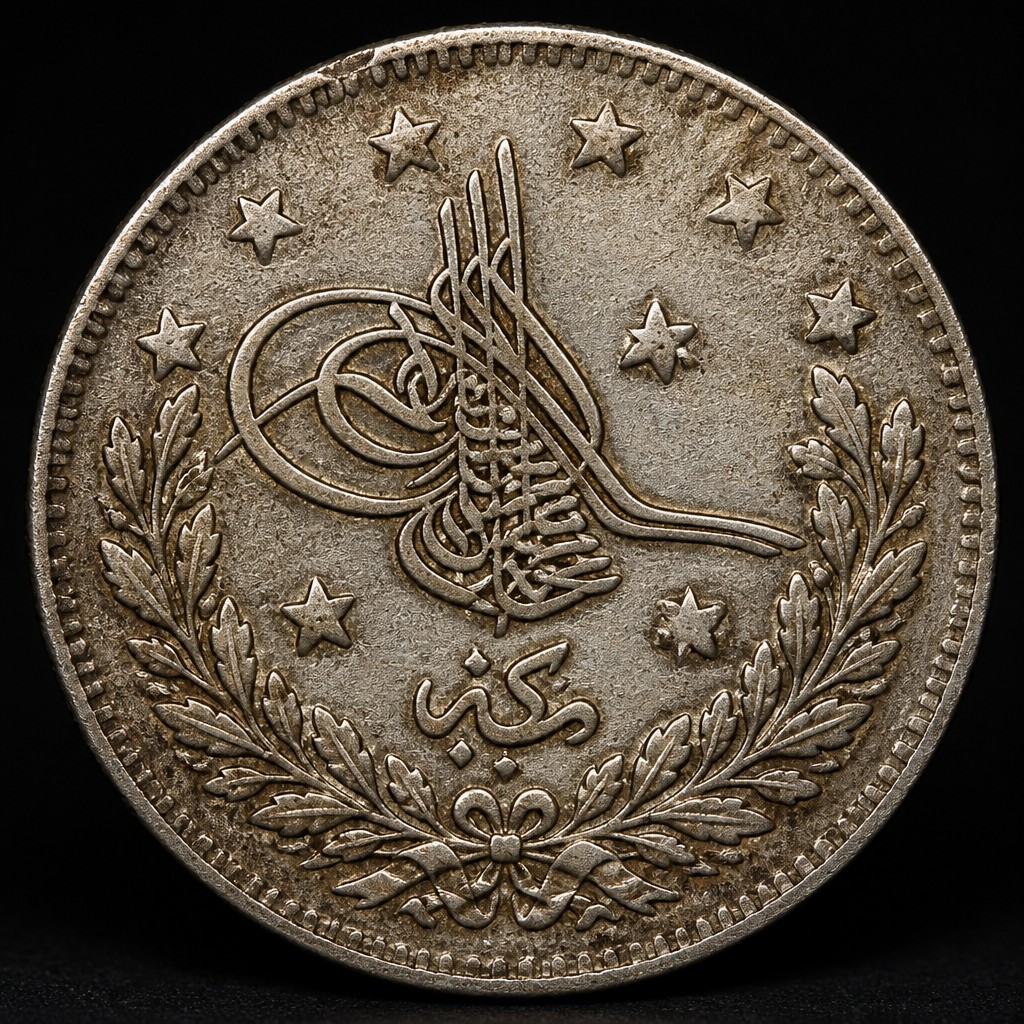
Ottoman Para
17th century–early 20th century
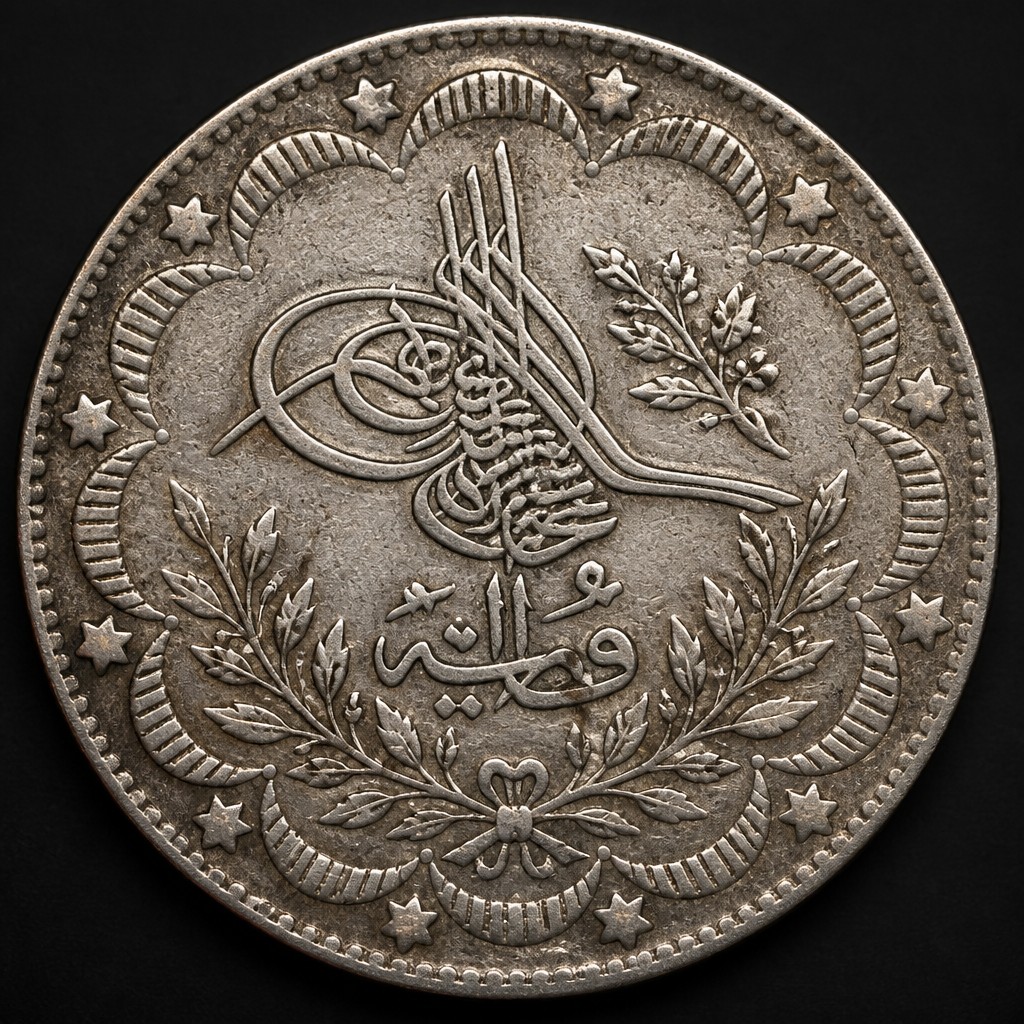
Ottoman Rashidi Kurus
19th century (exact range uncertain)
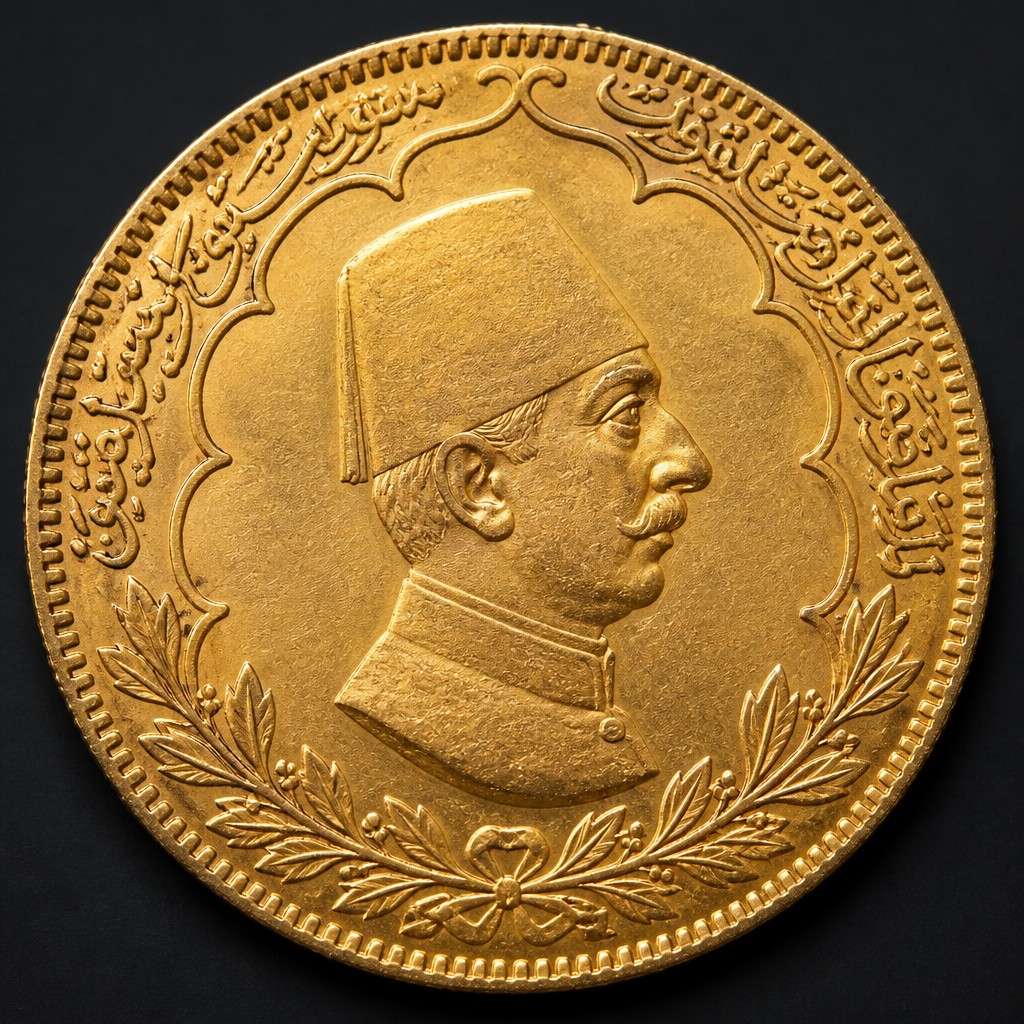
Ottoman Gold 500 Kurus (Abdulhamid II)
1876–1909 (accession year 1293 AH, various regnal years)
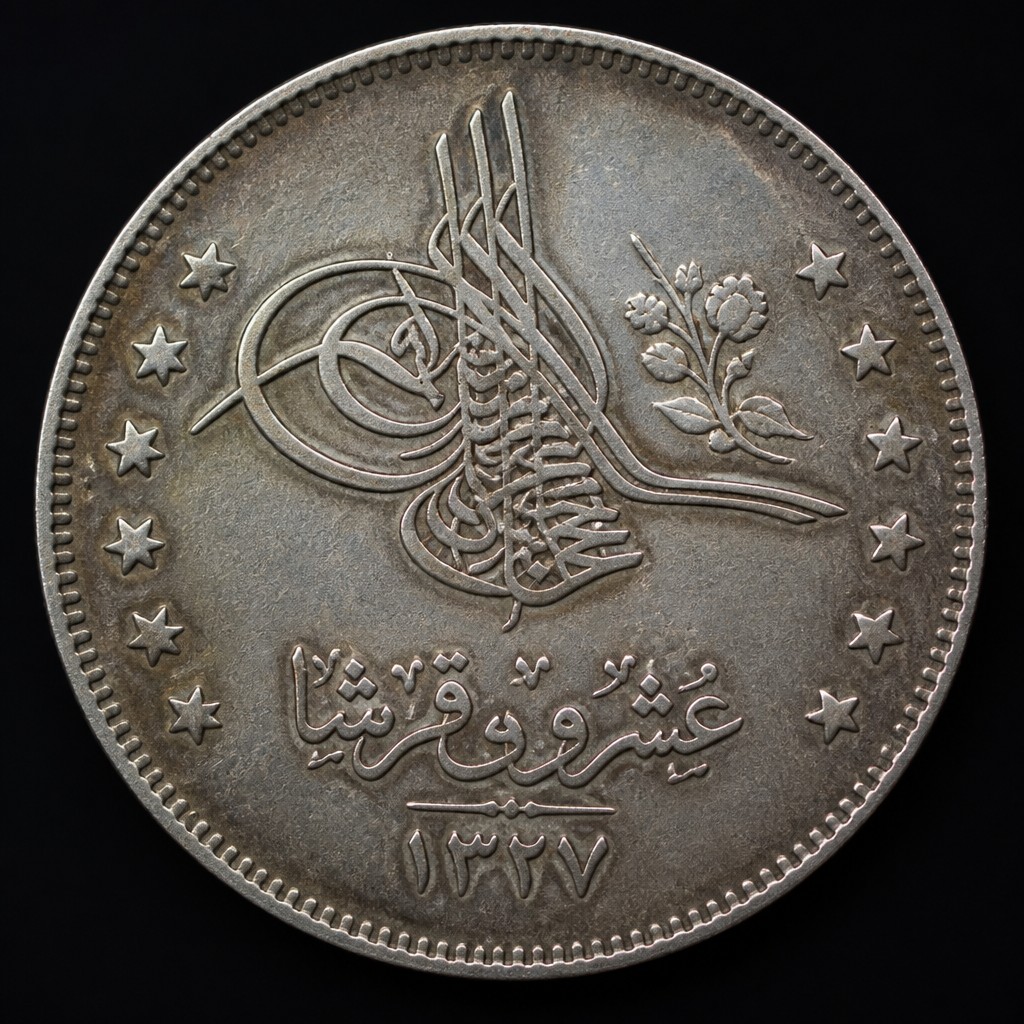
Ottoman 20 Kurus
19th century through early 20th century
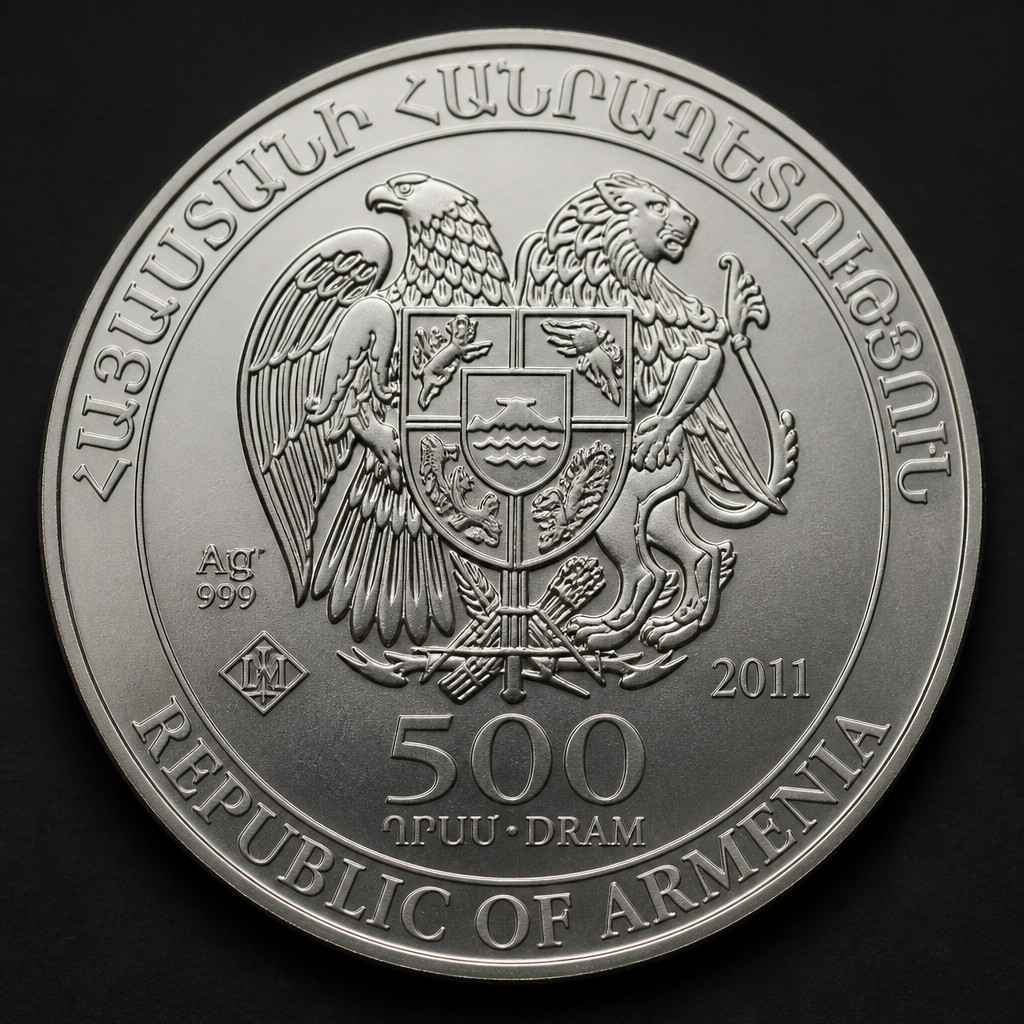
Armenian Silver Noah's Ark
2011-present
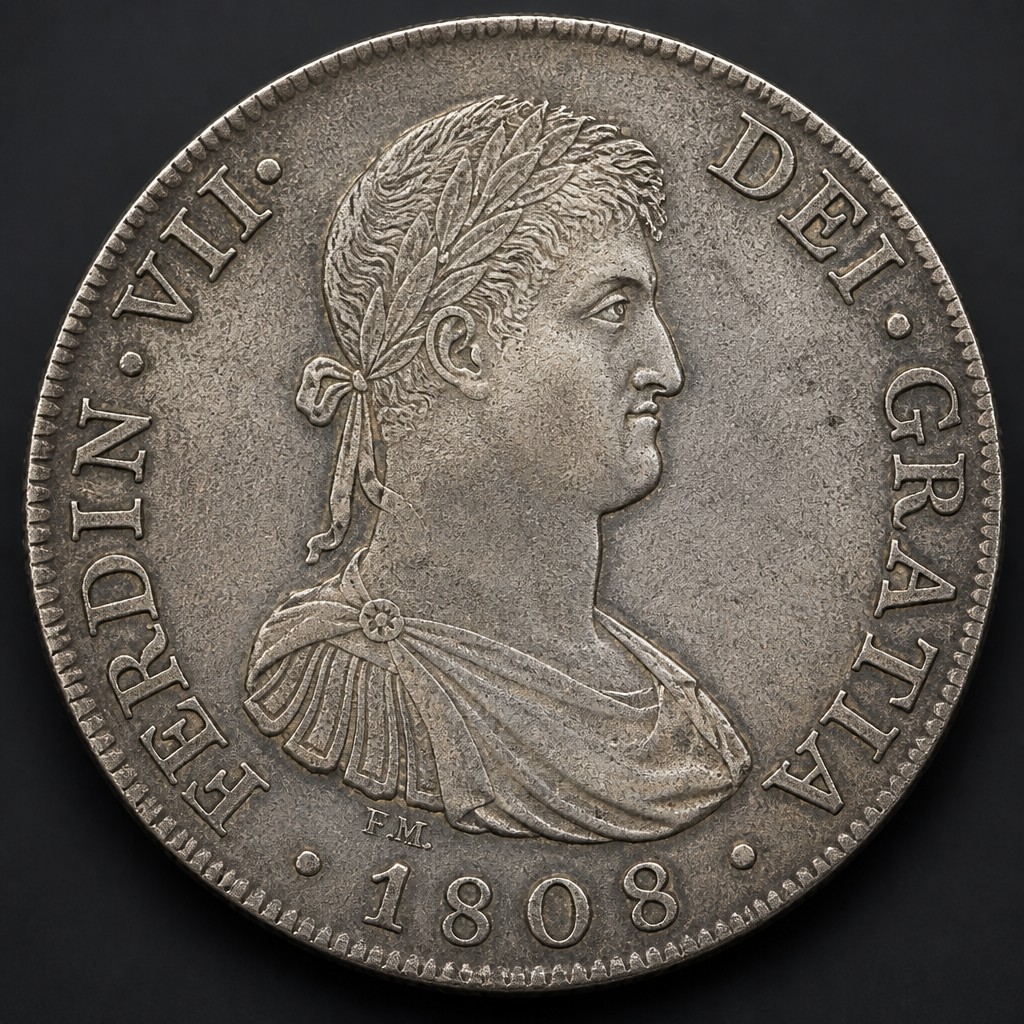
Spanish Colonial 8 Reales Ferdinand VII
1808–1825
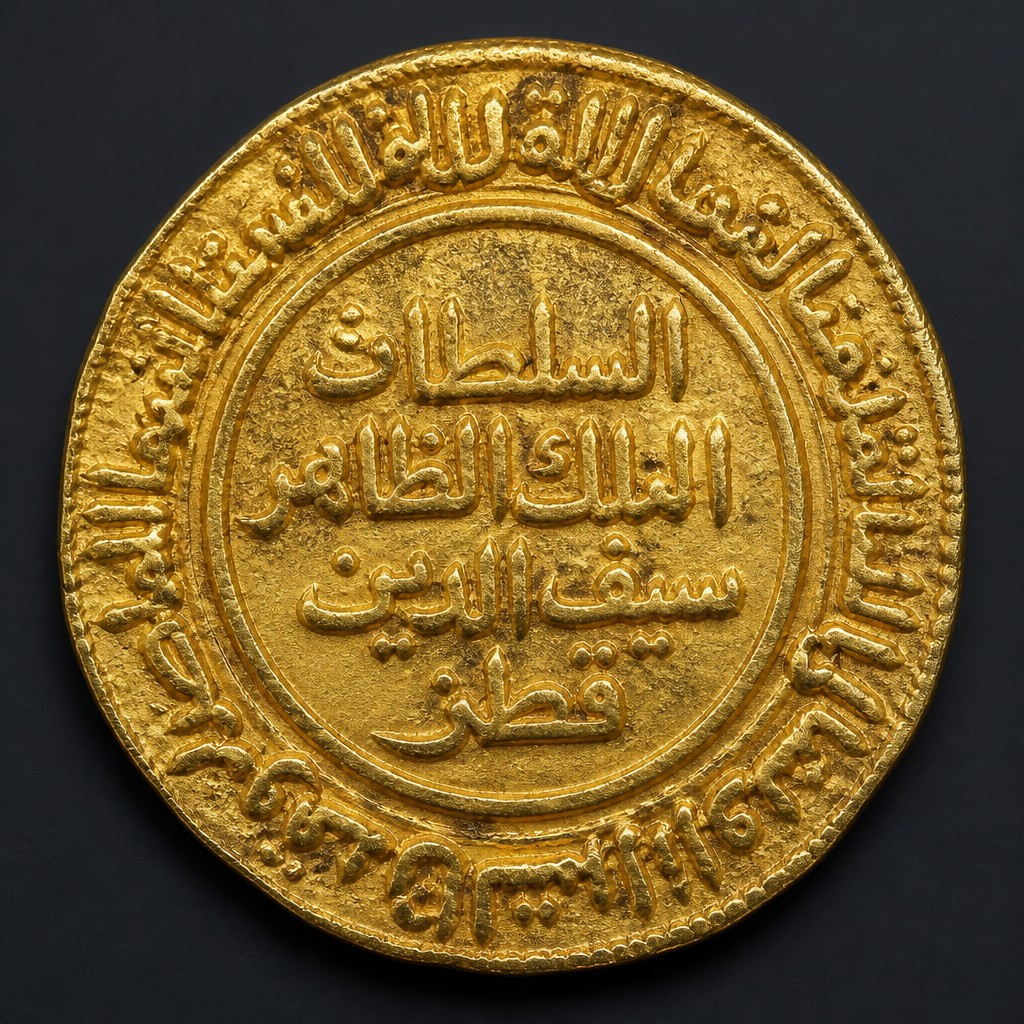
Mamluk Gold Dinar
c. 1250–1517 AD
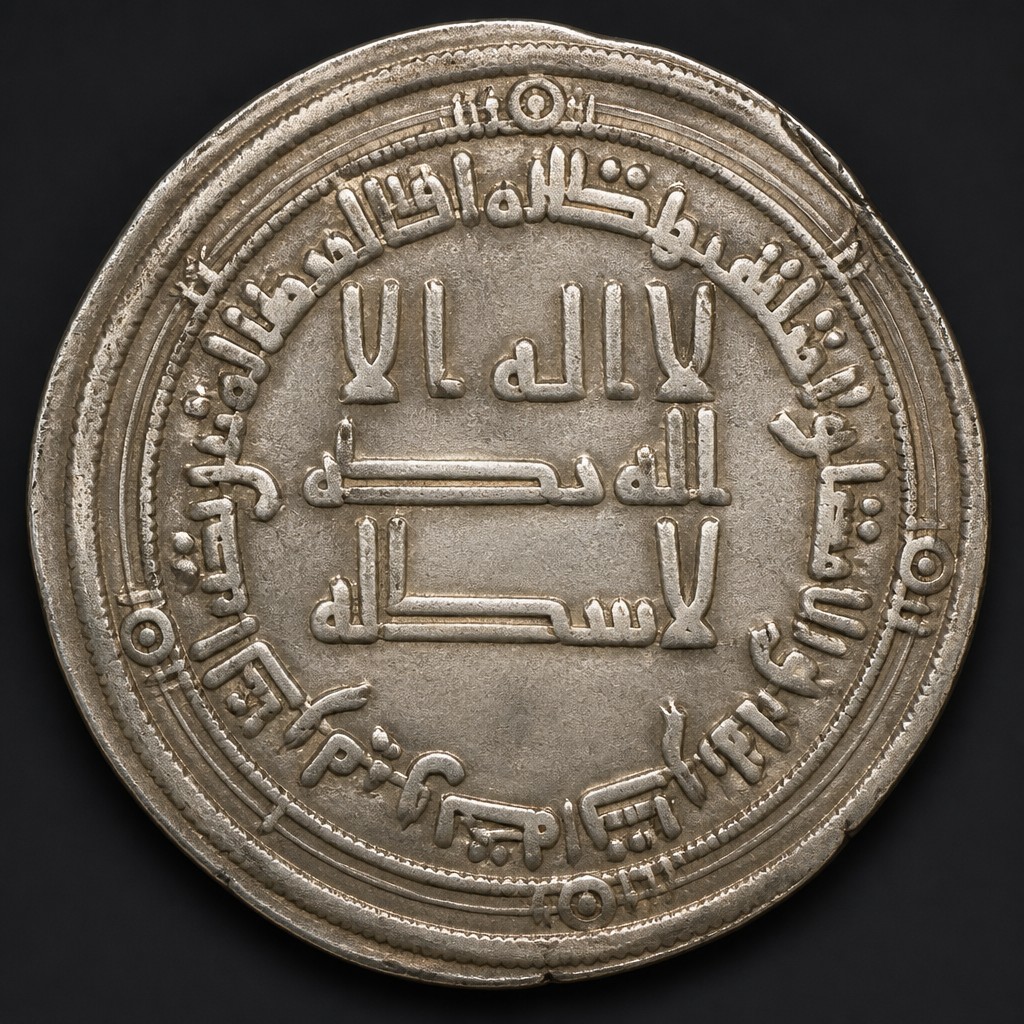
Umayyad Silver Dirham
c. 696–750 AD (post-reform issues)
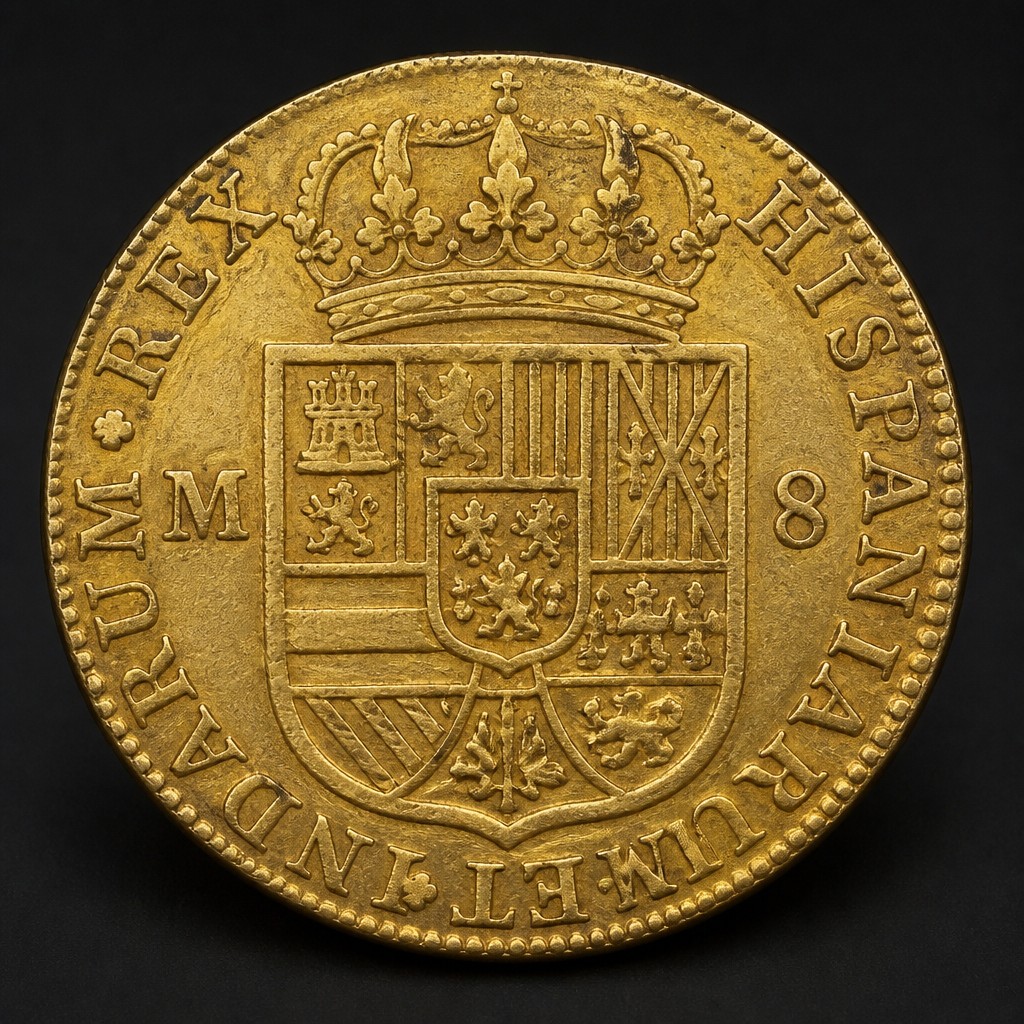
Spanish Gold Doubloon
c. 1537–1800s
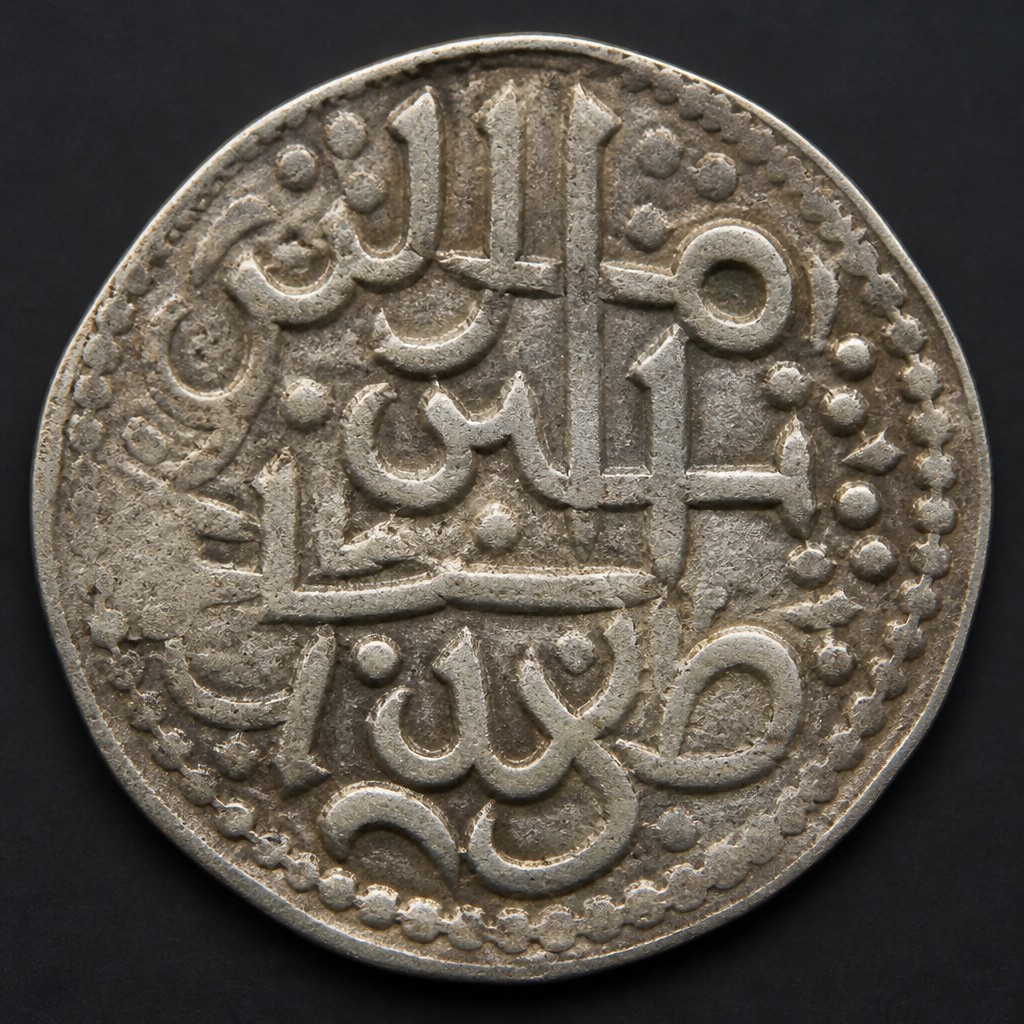
Ottoman Silver Akce
c. 14th–18th century
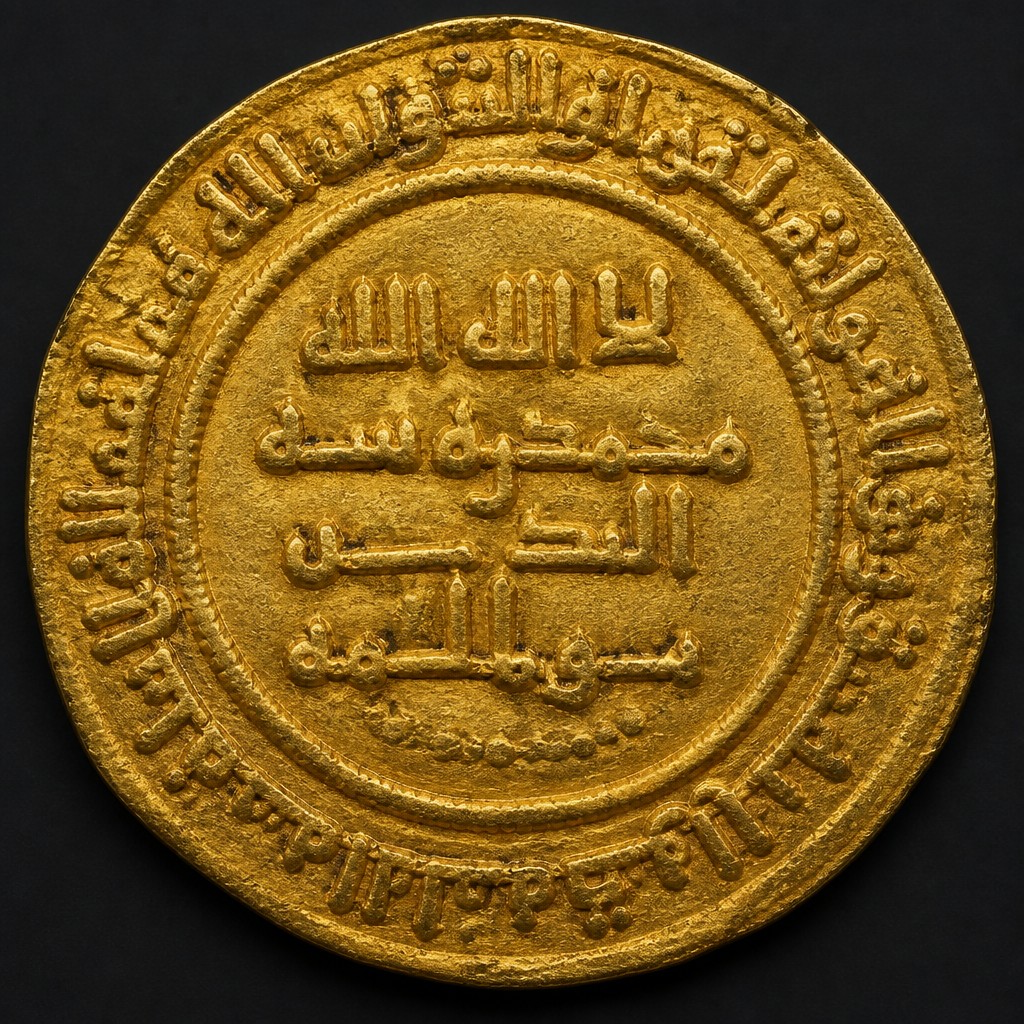
Ayyubid Dinar of Saladin
c. 1174–1193 AD (Saladin's reign); Ayyubid dynasty to c. 1250
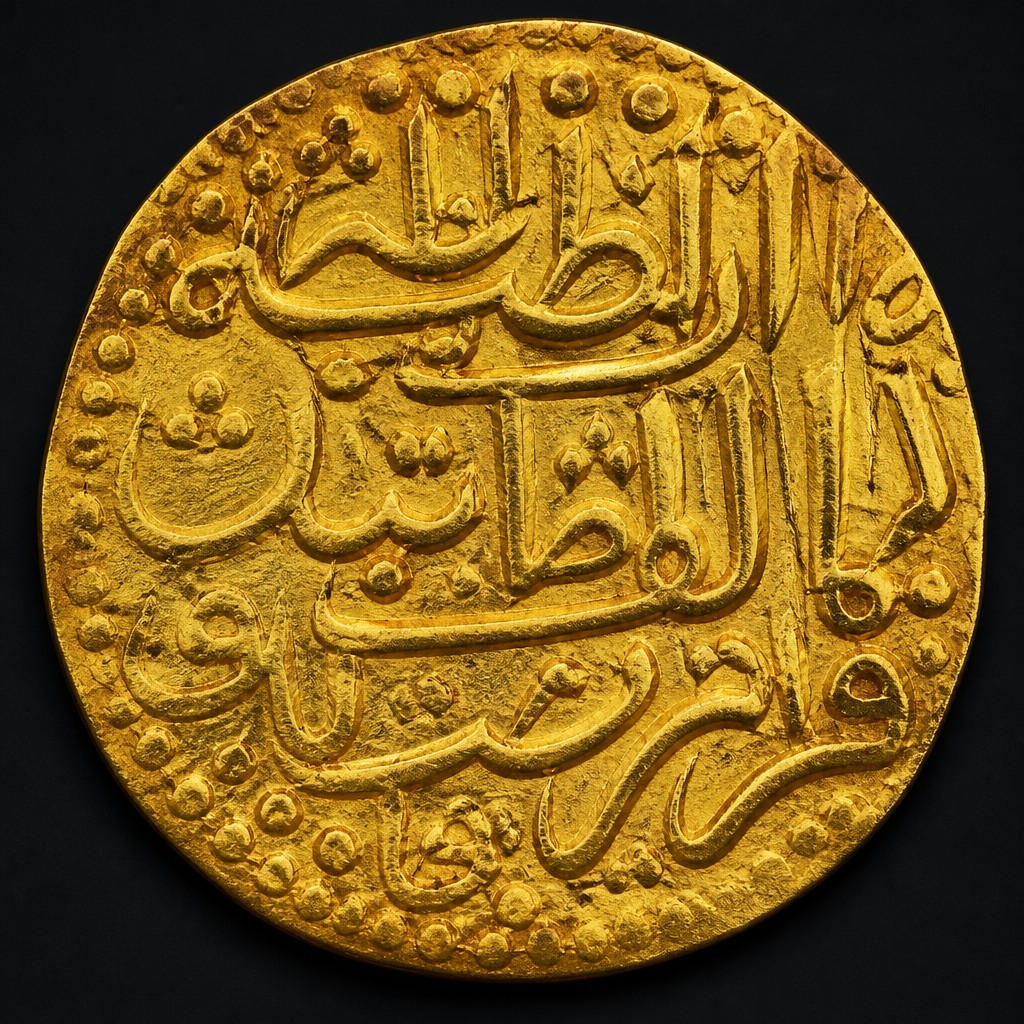
Ottoman Gold Sultani
c. 1478–17th century