
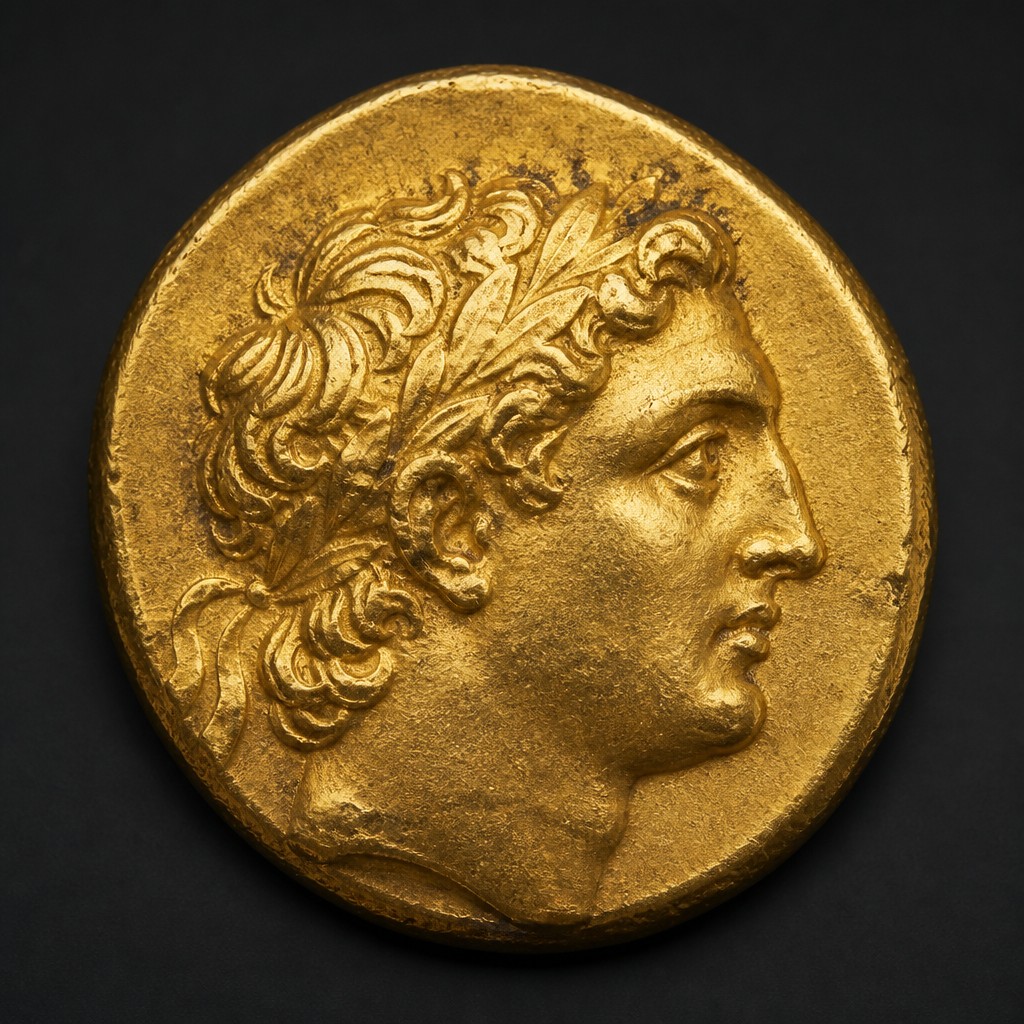
Philip II of Macedon Gold Stater
A gold stater struck under Philip II of Macedon, father of Alexander the Great, widely circulated and imitated across the ancient Mediterranean and beyond.
- Country
- Ancient Macedon
- Denomination
- Stater
- Metal
- Gold
Got a coin like this?
Identify any coin from a photo, free.
Overview
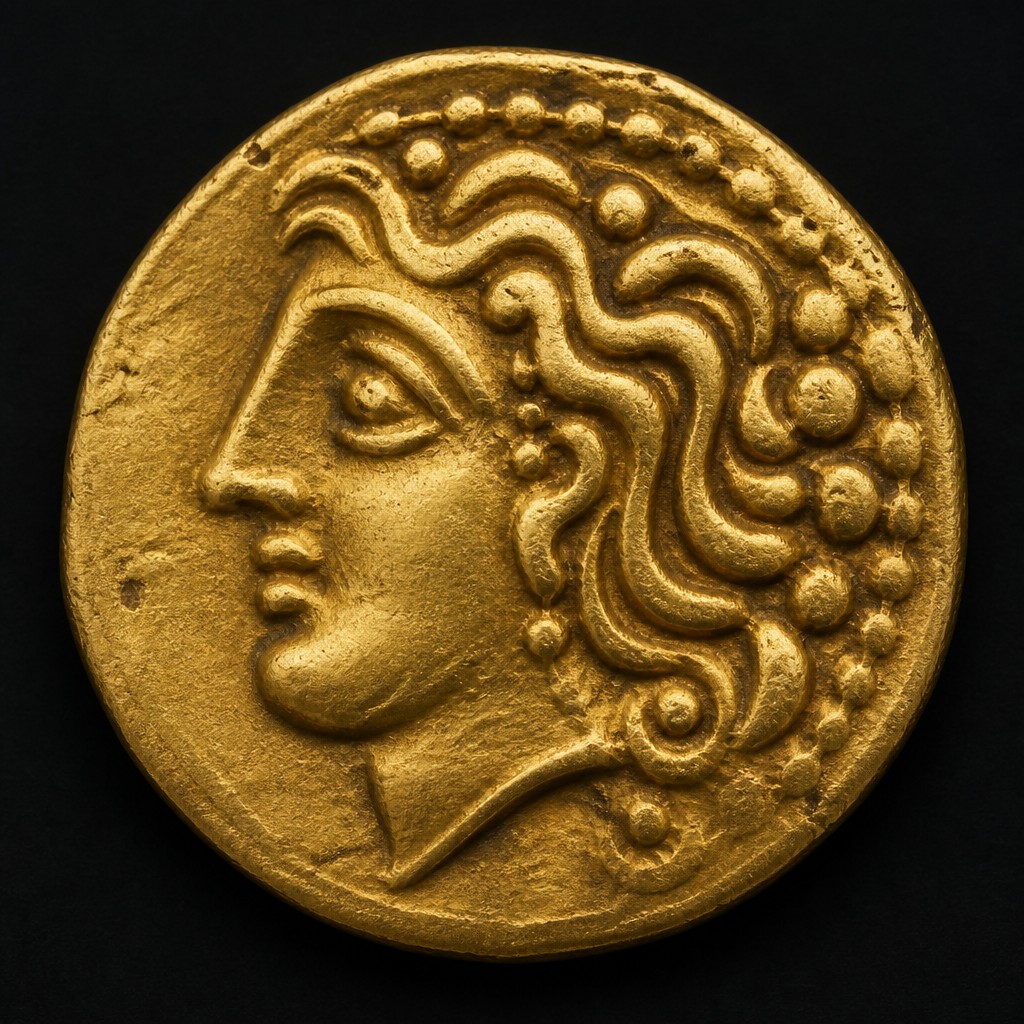
The gold stater of Philip II is one of the most historically influential ancient coin types, produced in enormous quantities thanks to the rich gold mines Philip controlled in Macedon and Thrace. Its wide circulation made it a de facto international trade coin of its time, and its design was so widely admired and trusted that other peoples, including Celtic tribes far from Greece, created their own imitations.
For collectors, the coin offers an accessible connection to one of antiquity's most consequential rulers, whose military and political reforms laid the groundwork for his son Alexander the Great's later conquests.
History & Background
Philip II ruled Macedon from 359 to 336 BC, transforming it from a relatively minor kingdom into the dominant power of the Greek world through military reform and shrewd diplomacy. His control of the gold-rich region around Mount Pangaion, including the mines near the city he renamed Philippi, gave him the resources to fund an extensive gold coinage on a scale not previously seen in the Greek world.
These staters, sometimes referred to by the Greek term "philippeioi," financed Philip's professional army and extensive diplomatic activities, and they continued to be struck posthumously for years after his death in 336 BC as their type remained trusted and useful in trade.
The coin's reach extended well beyond Macedon: Celtic peoples in Gaul, Britain, and Central Europe encountered Philip's staters through trade and mercenary service, and began producing their own increasingly stylized imitations, giving rise to entire families of Celtic gold coinage inspired directly by this Macedonian original.
How to Identify
The obverse depicts the laureate head of the god Apollo facing right, rendered with classical Greek artistic style typical of the mid-4th century BC. The reverse shows a biga, a two-horse chariot, driven by a charioteer, with the legend ΦΙΛΙΠΠΟΥ ("of Philip") below or around the scene.
The coin is struck in gold, with a weight and diameter consistent with the Attic-weight stater standard used widely in the Greek world at the time. Distinguishing genuine Macedonian issues from later Celtic imitations relies on stylistic quality and adherence to Greek artistic conventions; Celtic copies typically show progressively abstracted, less naturalistic renderings of the same basic Apollo-head-and-chariot theme as the design was copied and recopied over generations.
Value & Collectibility
Genuine gold staters of Philip II are reasonably well represented in the market compared to many other ancient gold coins, given the type's large original production, with prices for typical, well-struck examples commonly ranging from the low thousands to several thousand dollars depending on condition, centering, and die quality. Exceptional strikes or coins with strong provenance can bring notably more.
Condition, strike sharpness, and the overall aesthetic appeal of the Apollo portrait have the biggest influence on price within this widely collected type, and because posthumous issues continued for years, precise dating of an individual coin can also affect collector interest and value.
Frequently asked questions
Who was Philip II of Macedon?
He was the king of Macedon from 359 to 336 BC and the father of Alexander the Great, credited with building the military and political foundation for later Macedonian conquests.
Why did Philip's gold staters circulate so widely?
Rich Macedonian gold mines allowed large-scale production, and the coin's consistent design and gold content made it trusted for trade far beyond Macedon's borders.
Why did Celtic peoples imitate this coin?
Celtic tribes encountered Philip's staters through trade and mercenary service and began striking their own increasingly stylized versions, forming distinct families of Celtic gold coinage.
What is shown on the coin?
The obverse shows the laureate head of Apollo, and the reverse shows a two-horse chariot (biga) with a charioteer, along with Philip's name in Greek.
Were these coins struck only during Philip's lifetime?
No, the type continued to be struck for a period after his death in 336 BC because it remained a trusted and widely used trade coin.
Other coins you may enjoy
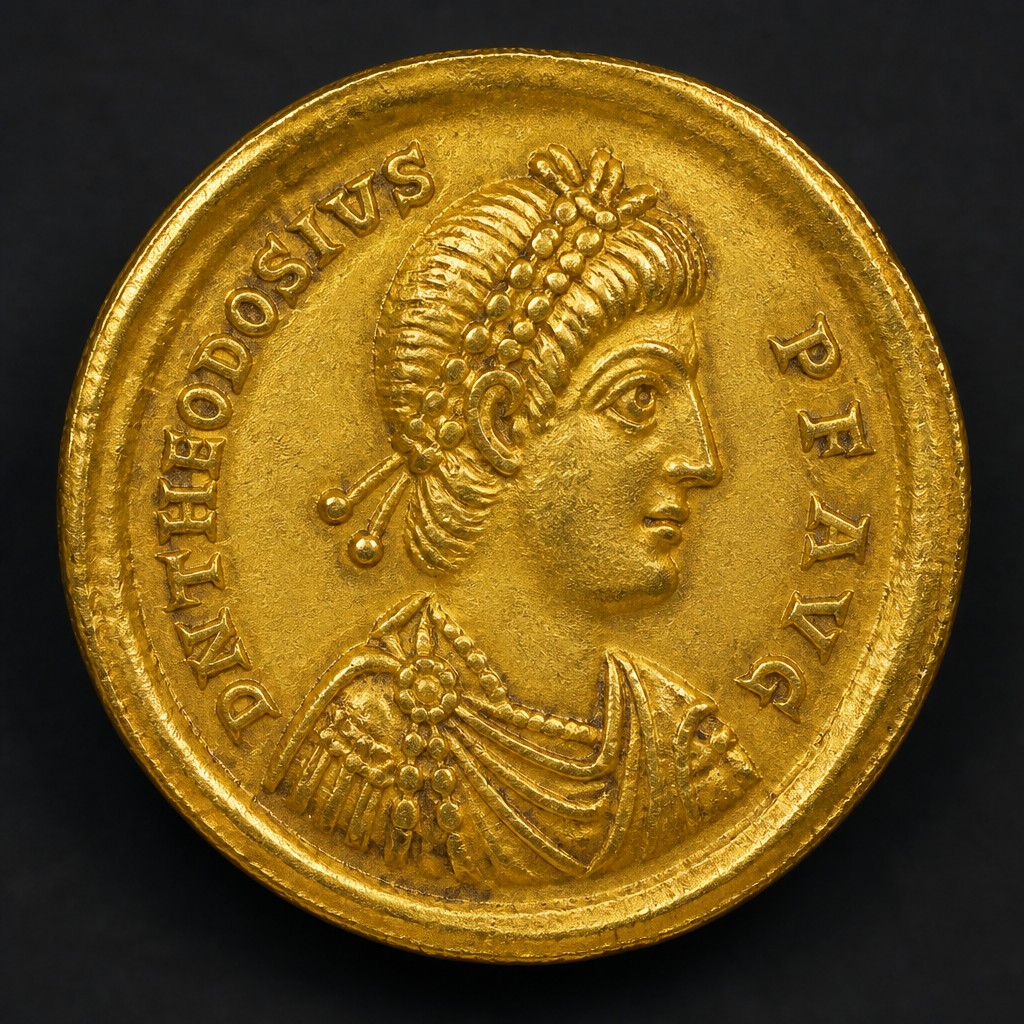
Theodosius I Solidus
379–395 AD
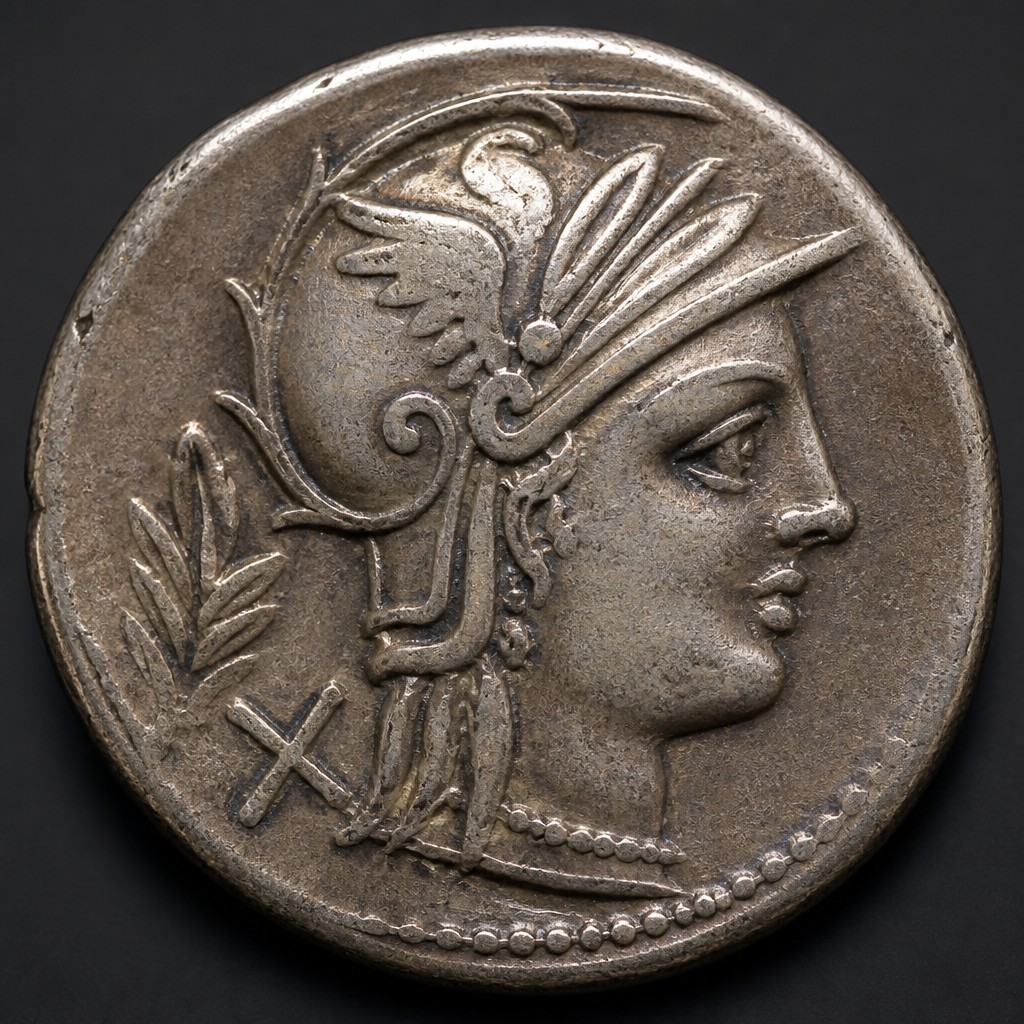
Republican Victoriatus
c. 211–170 BC
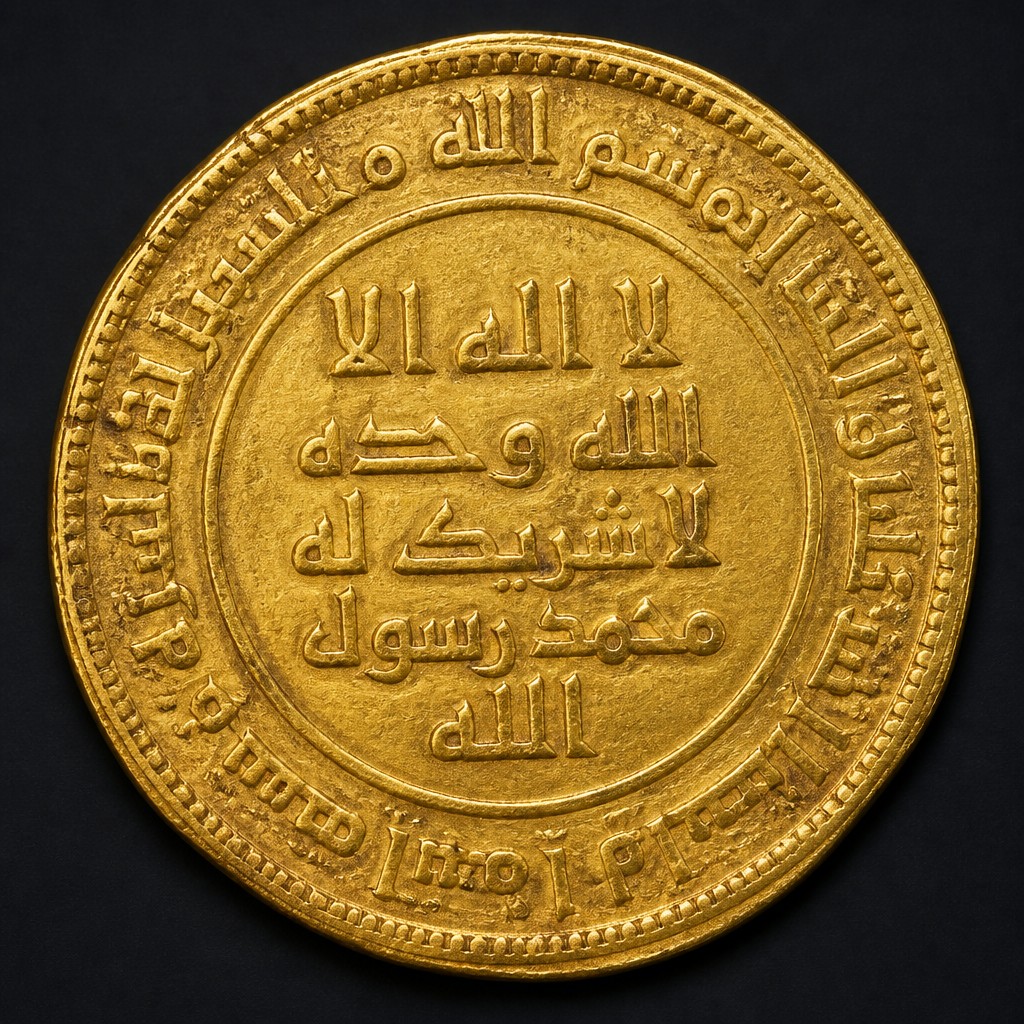
Islamic Gold Dinar (Umayyad)
c. 696–750 AD
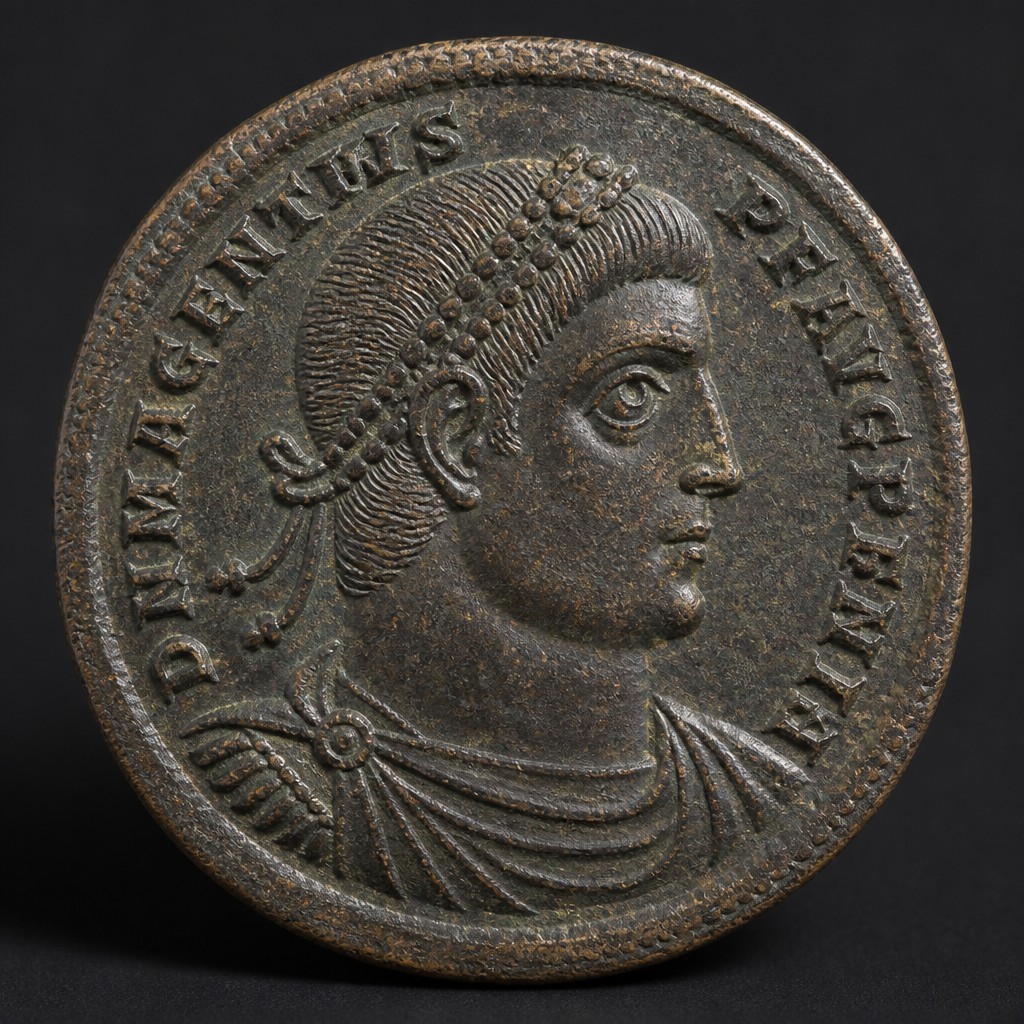
Magnentius Double Centenionalis
350–353 AD
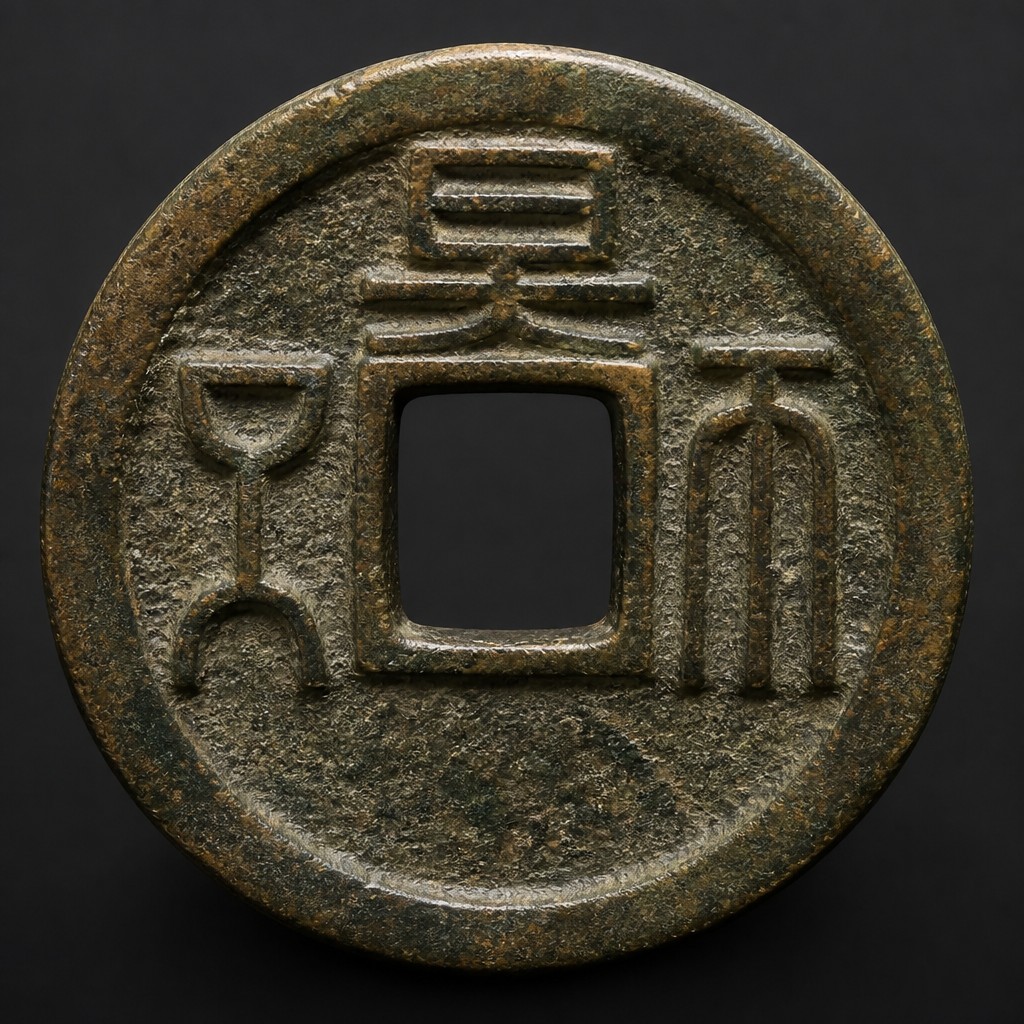
Chinese Wu Zhu Cash
118 BC – 618 AD
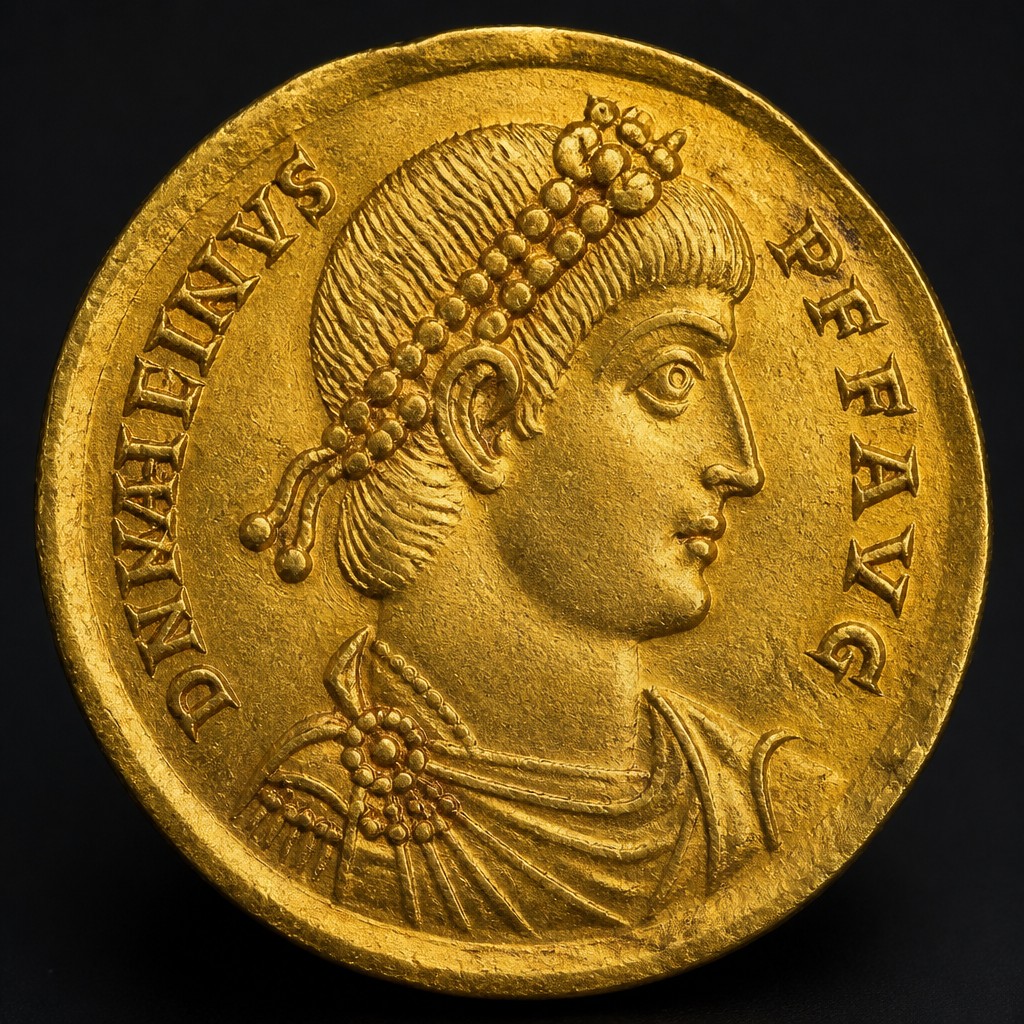
Valentinian I Solidus
364–375 AD
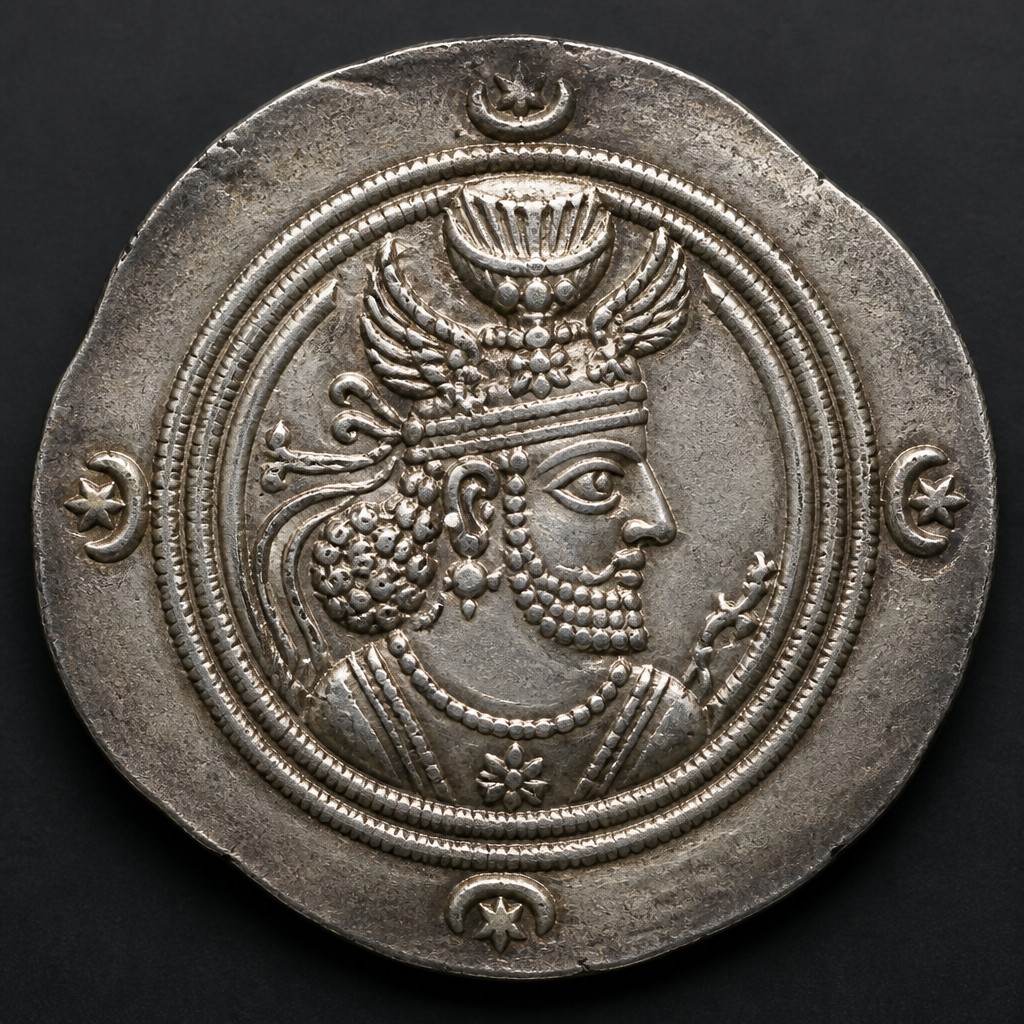
Sassanian Silver Drachm
c. 224–651 AD
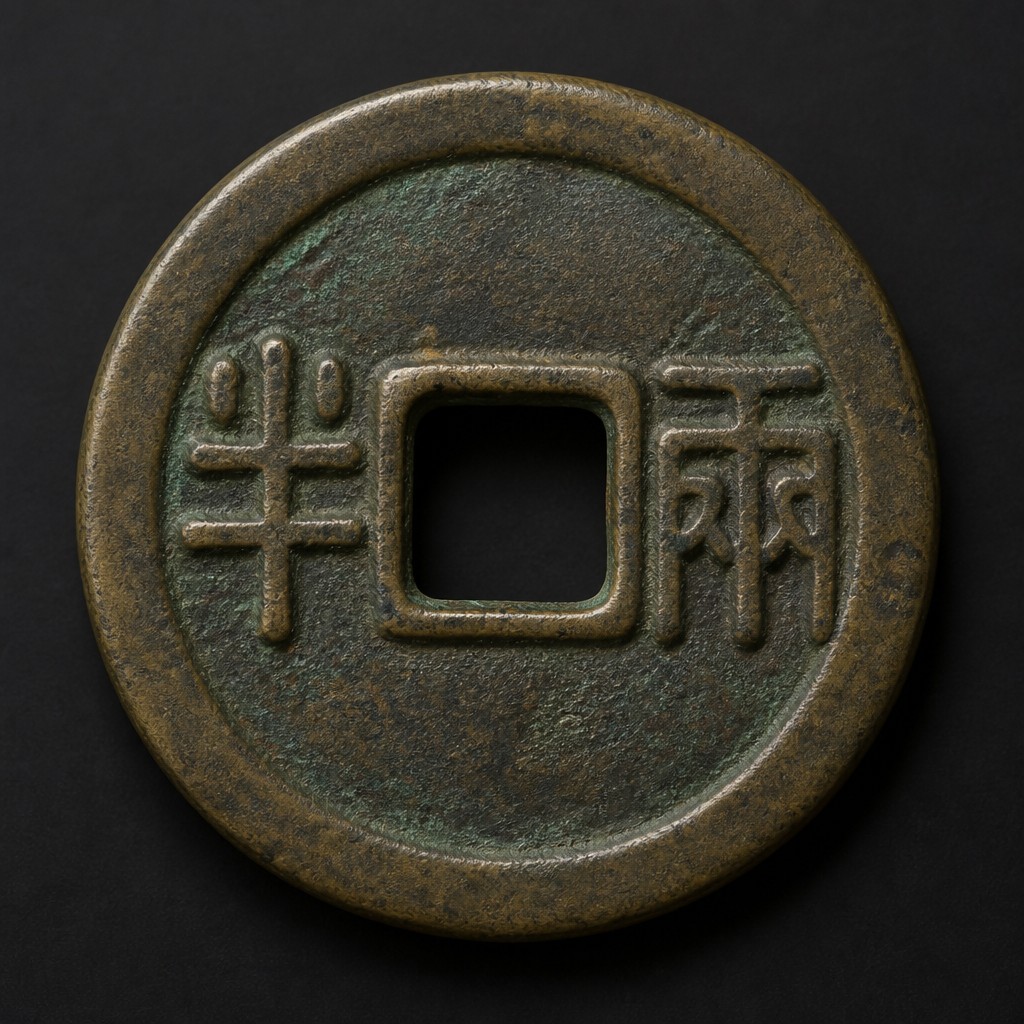
Chinese Ban Liang Cash
c. 221–118 BC
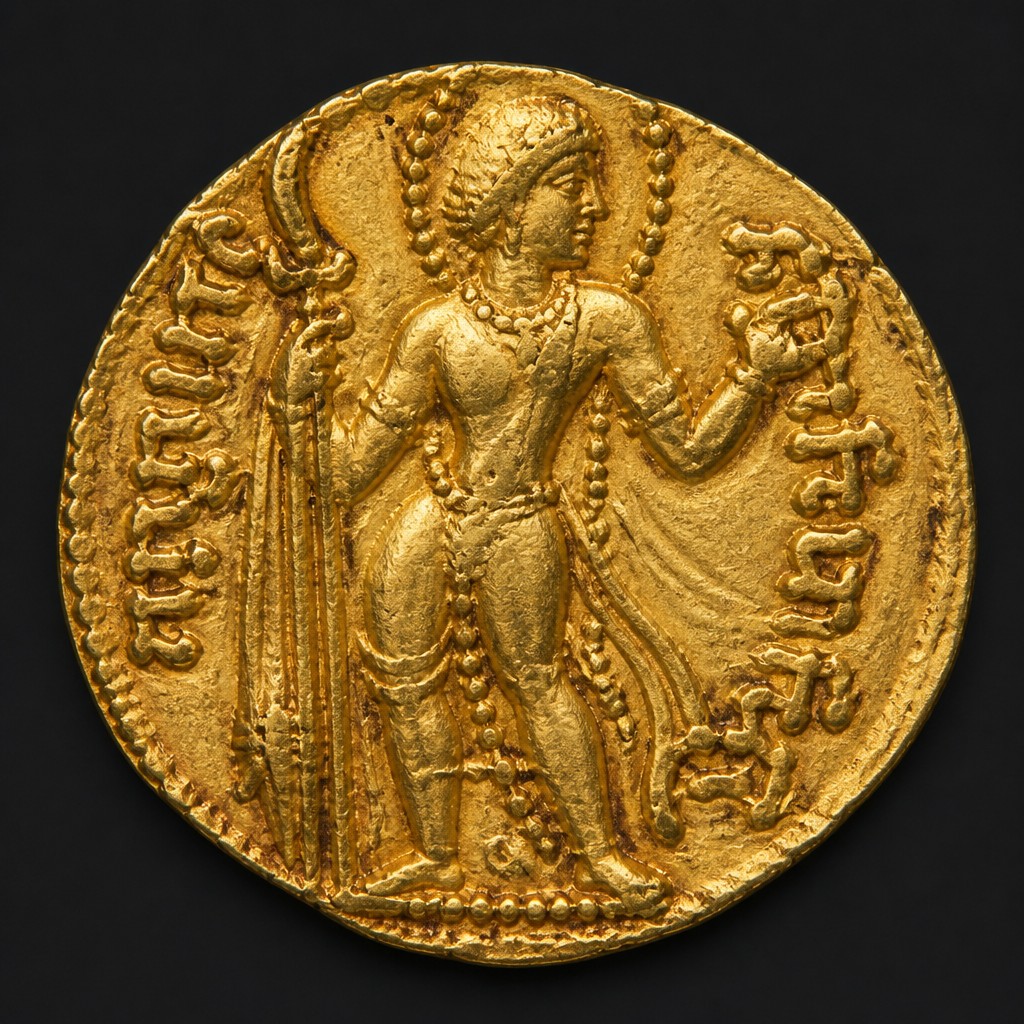
Gupta Empire Gold Dinar
c. 320–550 AD
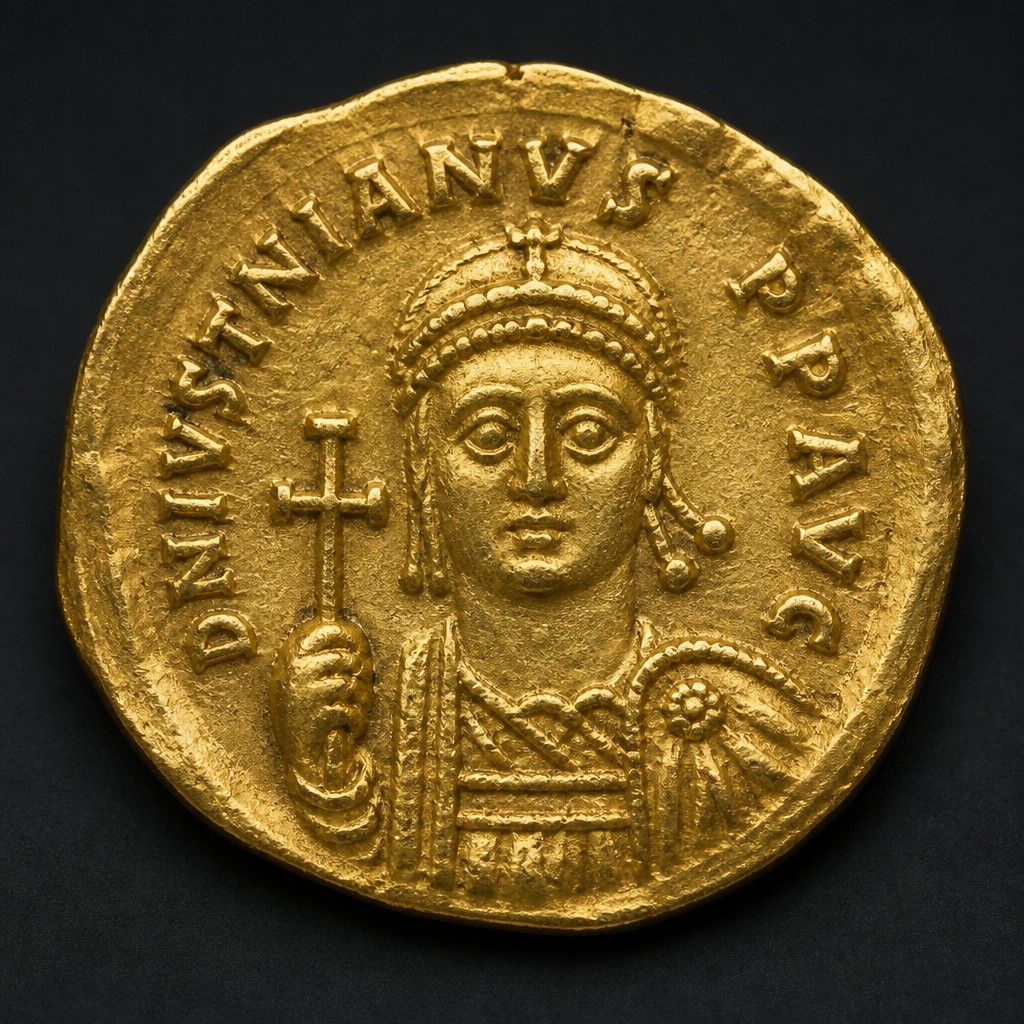
Byzantine Gold Tremissis
c. 4th–7th century AD
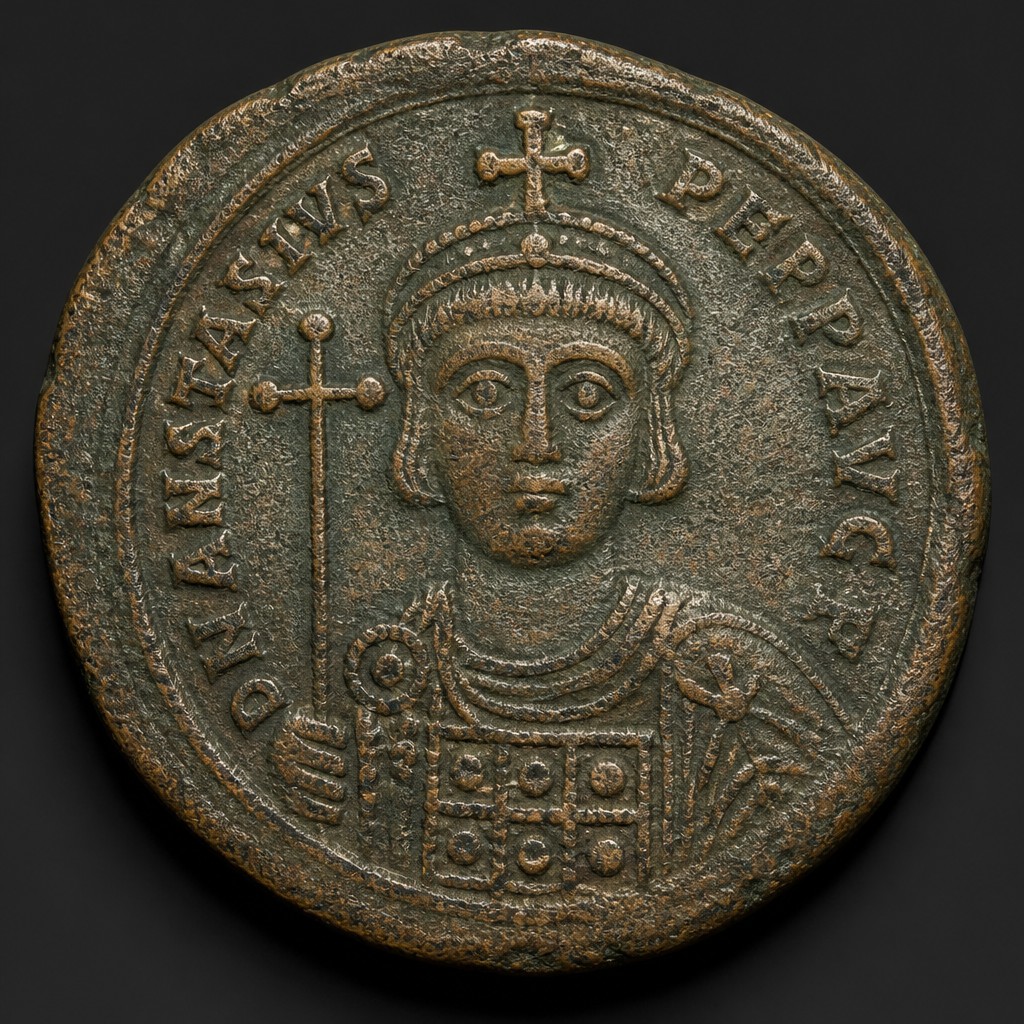
Byzantine Follis
498–c. 11th century AD
Celtic Gold Stater
c. 3rd century BC – 1st century AD