
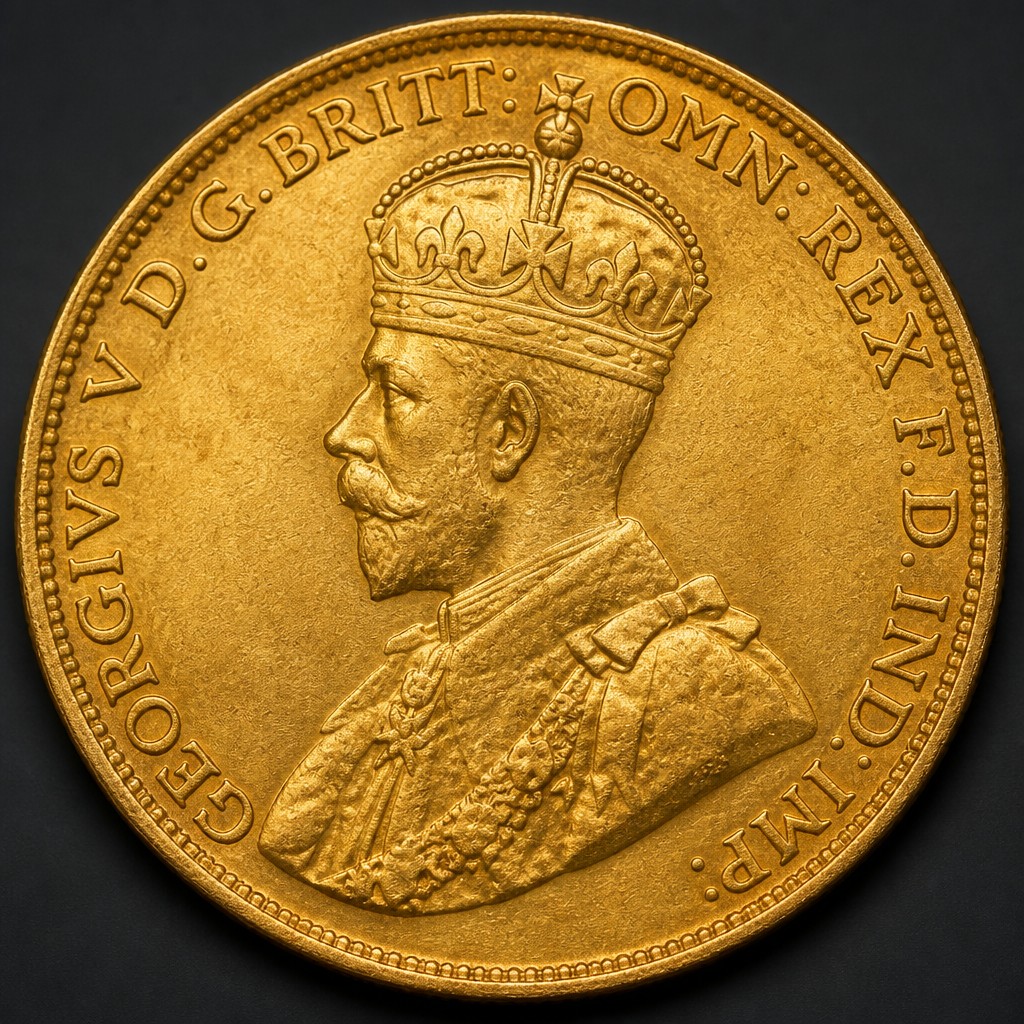
Australian Gold Sovereign (Sydney Mint)
Gold sovereign struck at the Sydney Mint, Australia's first branch mint, opened to coin gold from the New South Wales gold rushes into imperial currency.
- Country
- Australia (British colony/Commonwealth)
- Denomination
- One Sovereign (1 Pound)
- Metal
- 22 karat gold (91.7% gold, 8.3% copper)
Got a coin like this?
Identify any coin from a photo, free.
Overview
The Sydney Mint sovereign was Australia's earliest official gold coinage, struck to convert locally mined gold into a currency that circulated on par with British sovereigns throughout the Empire. It weighs just under 8 grams and is struck in 22 karat gold, matching the imperial standard used across Britain and its colonial mints.
Early Sydney sovereigns (1855-1870), often called the 'Sydney Mint type,' carry a distinctive reverse reading AUSTRALIA within a wreath rather than the familiar St George and dragon design. From 1871 the mint adopted the standard Pistrucci St George reverse used by London, distinguished only by a small S mint mark above the date.
Because it was produced far from London under a colonial mandate, the Sydney sovereign is prized by collectors both as an Australian numismatic icon and as a piece of the wider British sovereign series.
History & Background
Gold discoveries in New South Wales and Victoria in the early 1850s created a flood of raw gold with no local means of coining it, forcing prospectors to rely on private assayers or ship bullion to London. In response, the British government authorized a branch of the Royal Mint at Sydney, which opened in 1855 as the first mint established outside the United Kingdom.
The Sydney Mint initially struck a unique 'Sydney Mint type' sovereign and half sovereign with a colonial reverse design before switching to the standard British sovereign design in 1871 to improve acceptance in international trade. The mint operated continuously until 1926, alongside sister branch mints later opened in Melbourne (1872) and Perth (1899).
Production at Sydney ended in the 1920s as the branch mint system was consolidated, with Melbourne and Perth continuing sovereign and later other coinage into the 20th century.
How to Identify
Obverse: a portrait of the reigning British monarch (Victoria, Edward VII, or George V) with the standard Latin titles. Reverse on early issues (1855-1870) reads AUSTRALIA within a wreath enclosing the date; from 1871 onward the reverse switches to Benedetto Pistrucci's St George slaying the dragon design used on London sovereigns.
The coin is 22.05mm in diameter and weighs 7.9881 grams in 22 karat gold. The mint mark 'S' appears on the ground line beneath the horse's hooves on later designs, or in the field on the early colonial type, distinguishing it from London (no mark), Melbourne (M), and Perth (P) sovereigns of the same date.
Collectors should check the mint mark carefully, as sovereigns from all Empire branch mints share the same basic design after 1871 and are differentiated only by this small letter.
Value & Collectibility
Values depend heavily on date, mint mark rarity, and condition, with the early 'Sydney Mint type' colonial reverse coins (1855-1870) generally commanding a premium over the later standard-design sovereigns due to their unique design and shorter production run. Common dates in circulated grades trade close to their gold bullion value, while well-preserved or scarcer dates can bring notable numismatic premiums.
Key factors driving value include original mint luster, strike quality, and any documented rarity for a specific year. Because sovereigns were also widely used in trade and often cleaned or lightly worn, problem-free examples in higher grades are disproportionately valuable.
Buyers should always confirm authenticity and weight against known standards, as sovereigns have been targeted by counterfeiters due to their gold content and worldwide recognition.
Frequently asked questions
What made the Sydney Mint significant?
It was the first mint the British government established outside the United Kingdom, created to coin locally mined Australian gold.
How do I know a sovereign is from Sydney and not London?
Look for a small 'S' mint mark on the reverse; London sovereigns of the same era carry no mint mark.
Is the early Sydney sovereign design different from a regular sovereign?
Yes, sovereigns struck from 1855-1870 have a unique reverse reading AUSTRALIA in a wreath rather than the St George design.
Are Sydney sovereigns worth more than their gold content?
Common later dates often trade near bullion value, but early colonial-type issues and higher grades can carry meaningful numismatic premiums.
Other coins you may enjoy
Egyptian Qirsh (Muhammad Ali Era)
Early-to-mid 19th century (c. 1805–1848)
Moroccan Rial (Alawi Dynasty Coinage)
18th–19th century (pre-protectorate era)
South African Sixpence (Union)
1923-1960
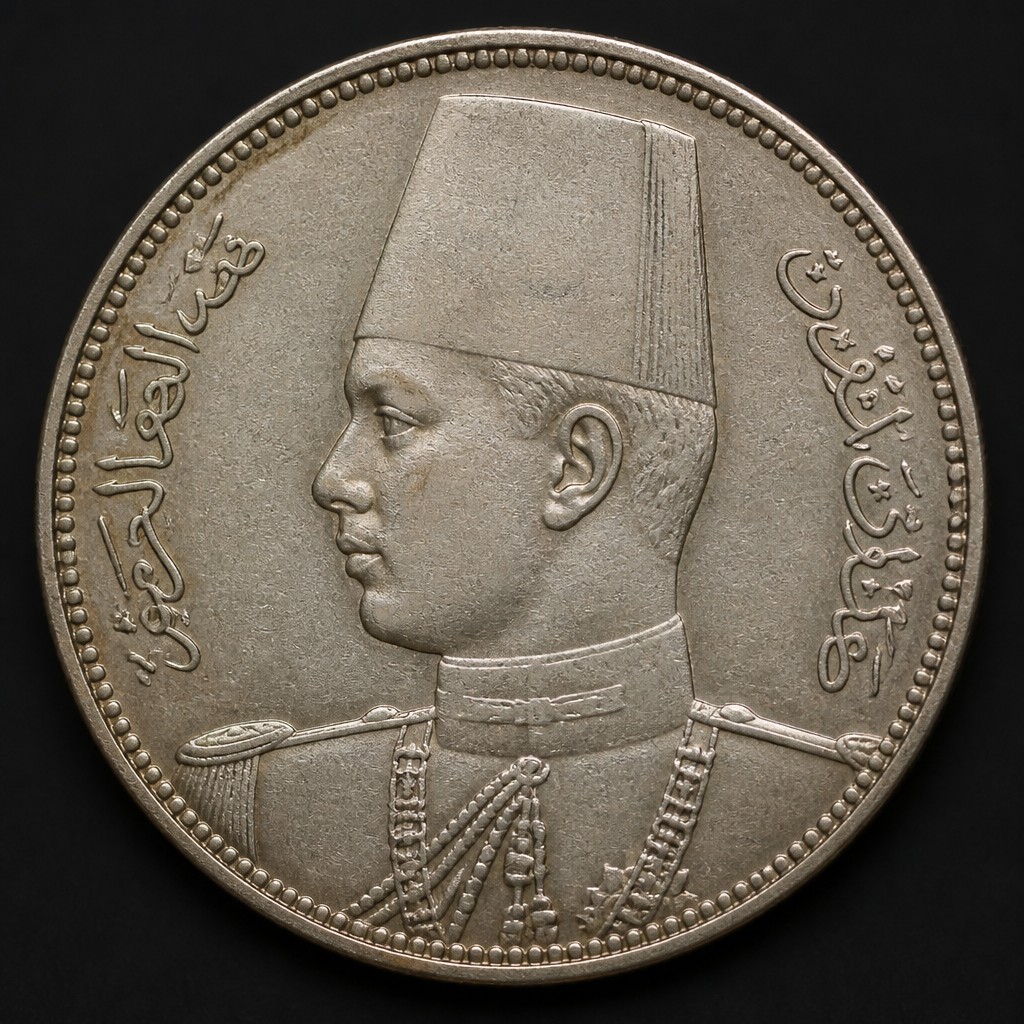
Egyptian Farouk 5 Piastres
1937-1952
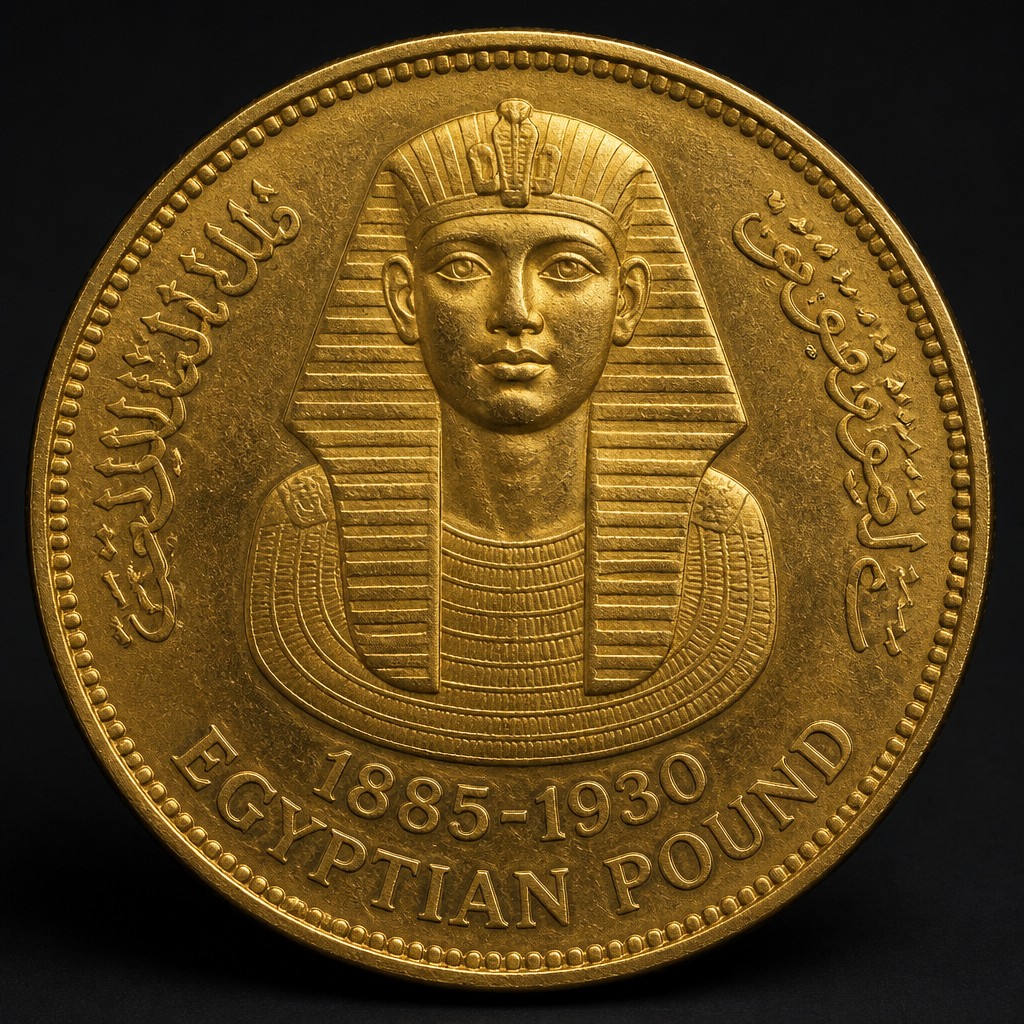
Egyptian Pound (gold)
1885–1930
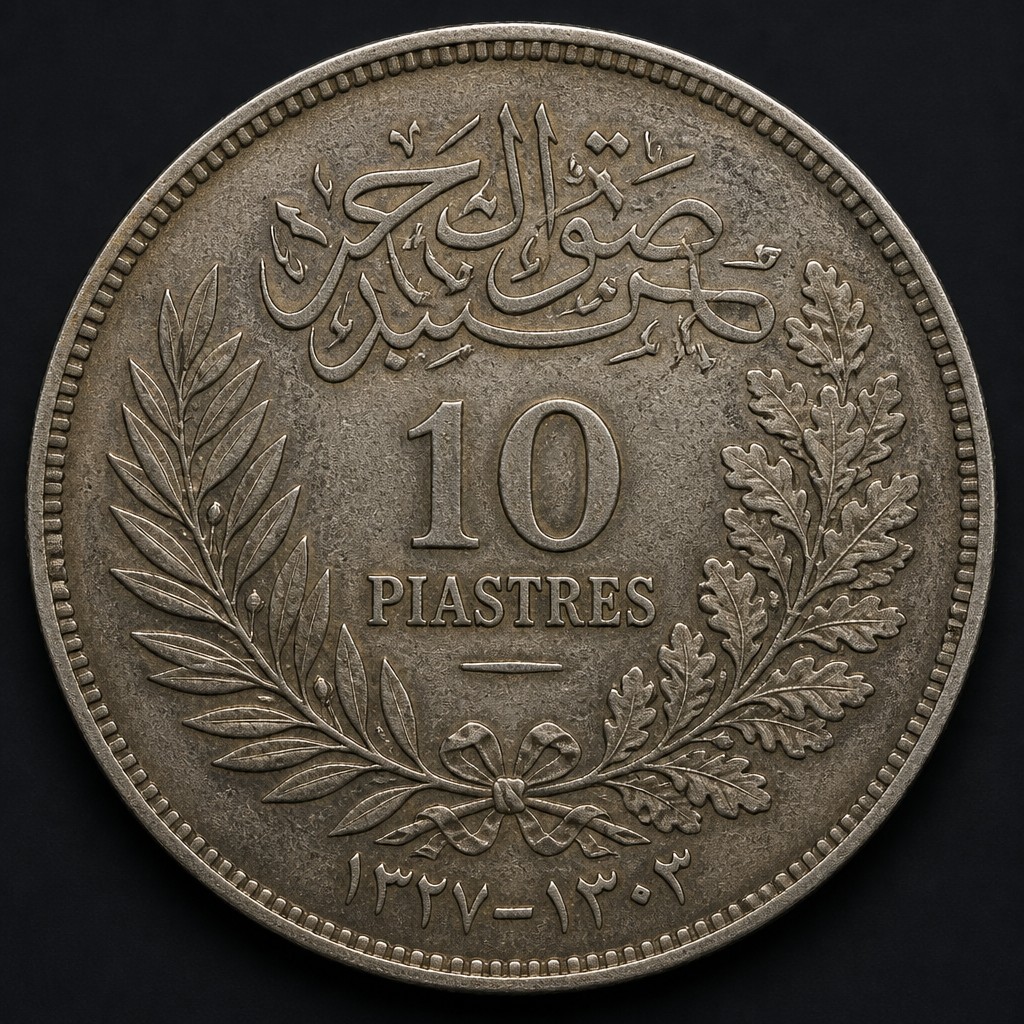
Egyptian 10 Piastres (silver)
1885–1939
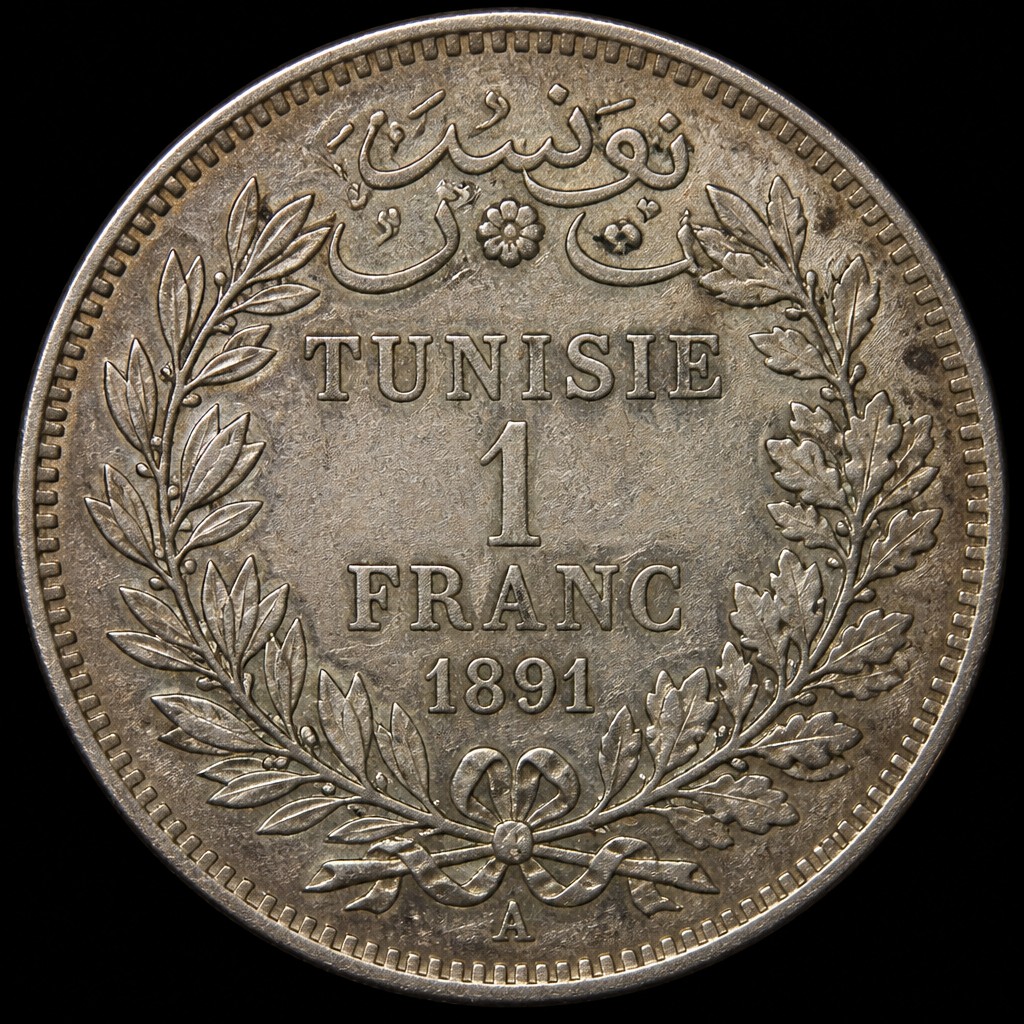
Tunisian Franc (Beylik Era)
Late 19th–early 20th century (c. 1891–1957 transition)
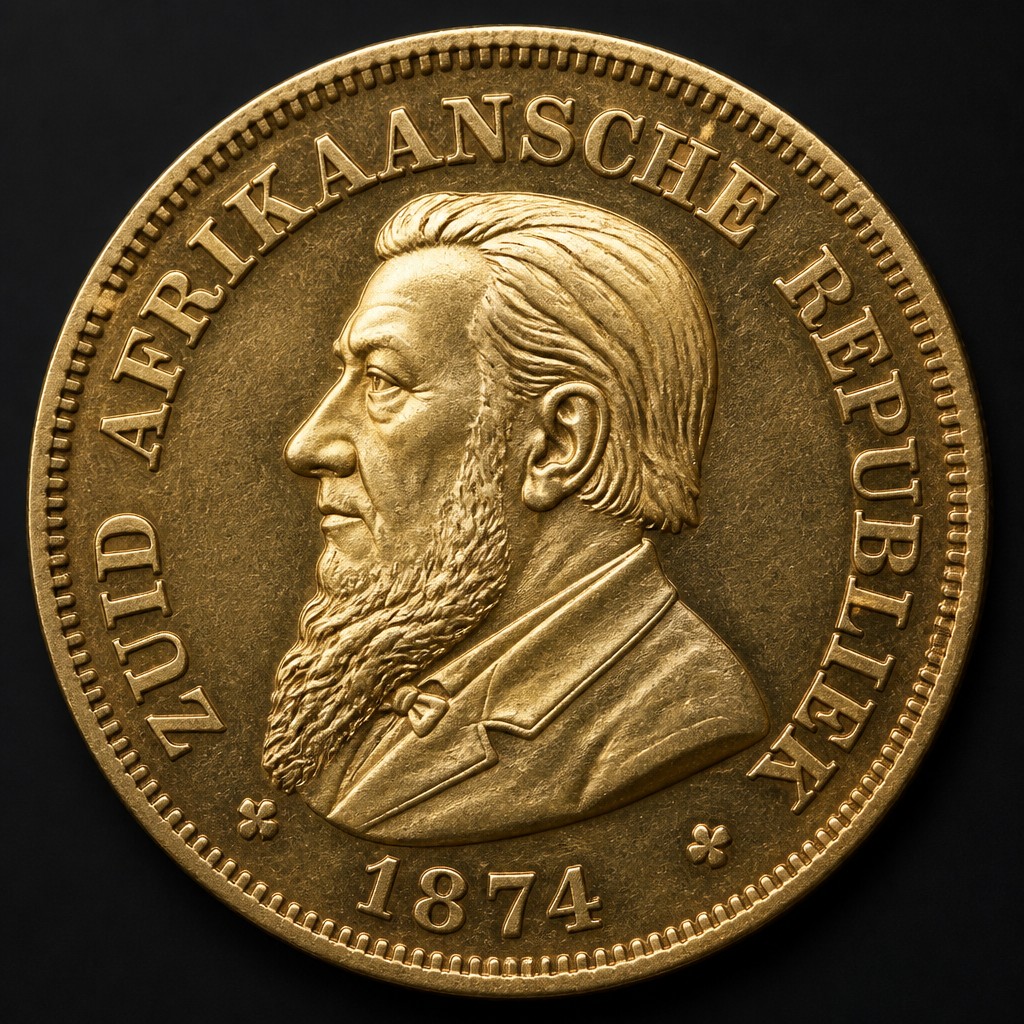
South African Republic Burgers Pond
1874
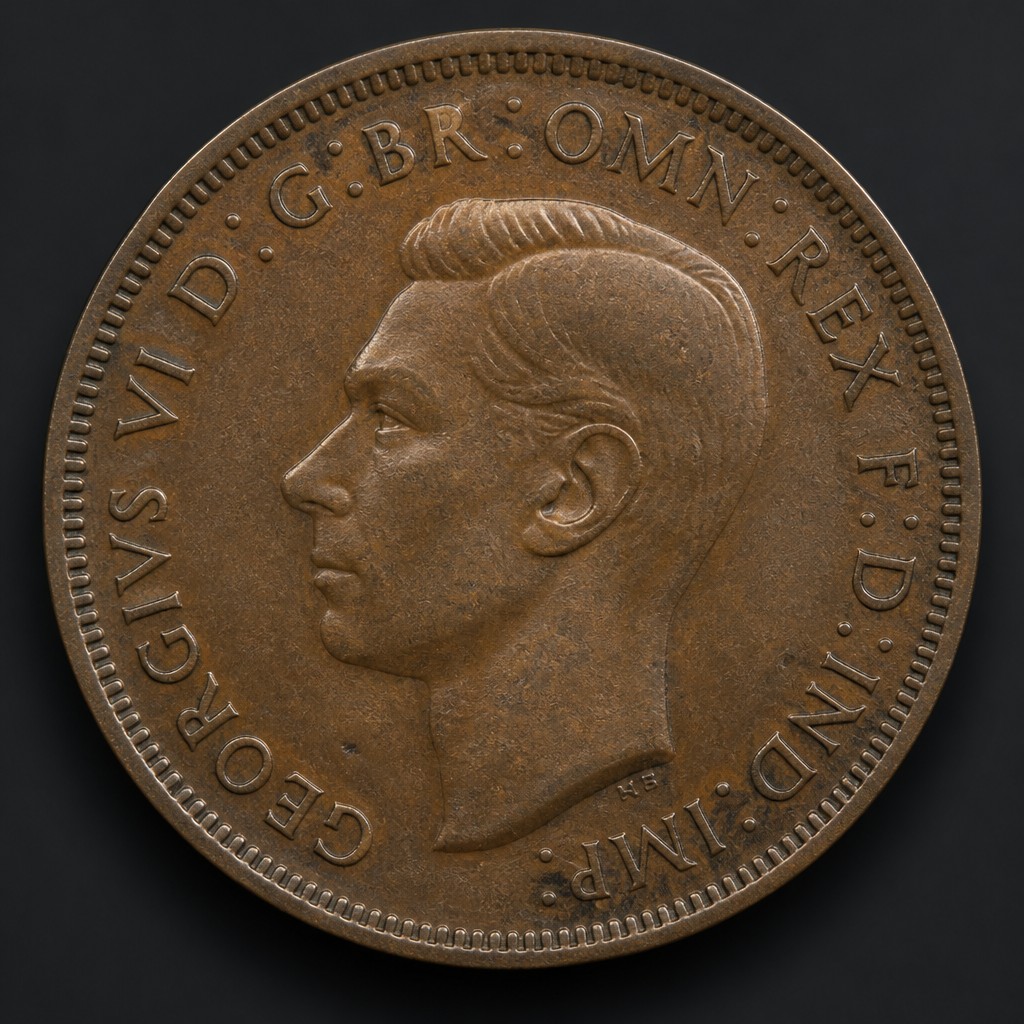
New Zealand Penny (KGVI)
1937-1952
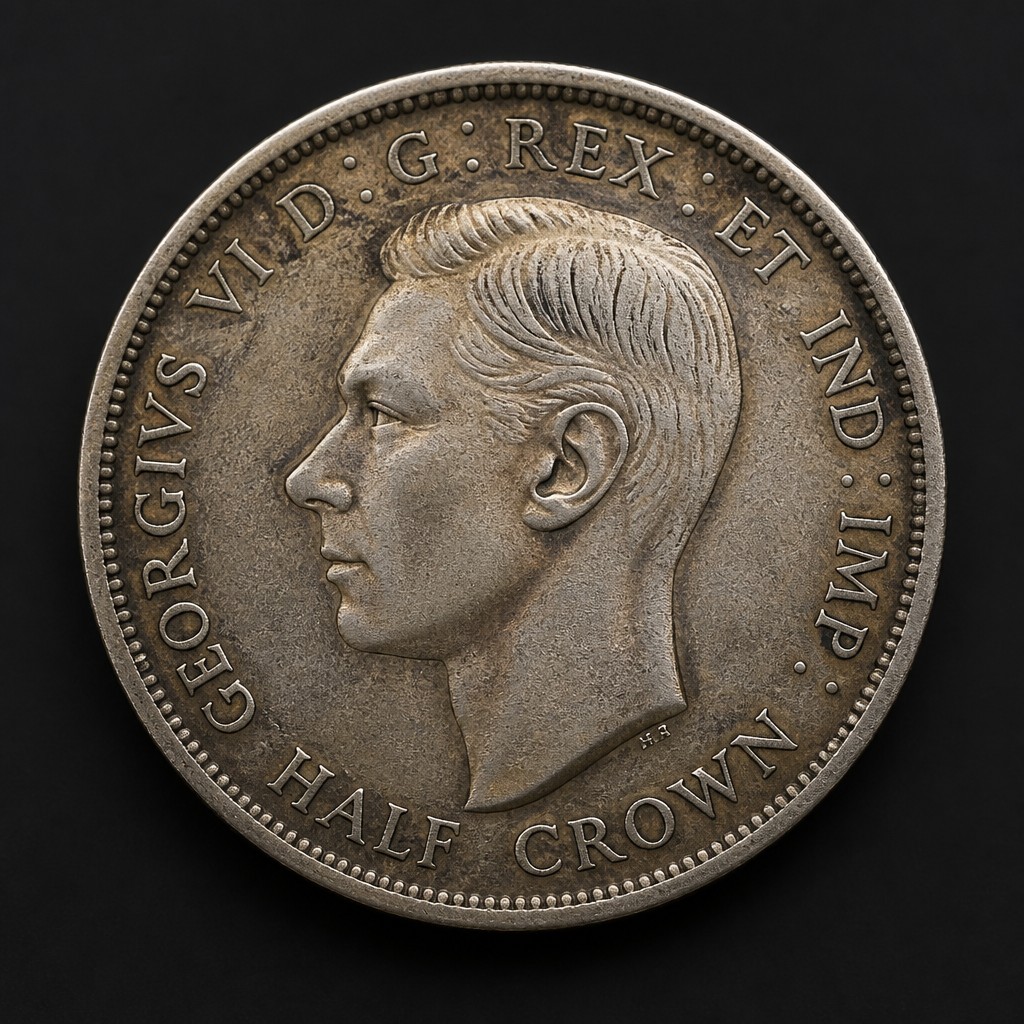
New Zealand Half Crown (pre-decimal)
1933-1965
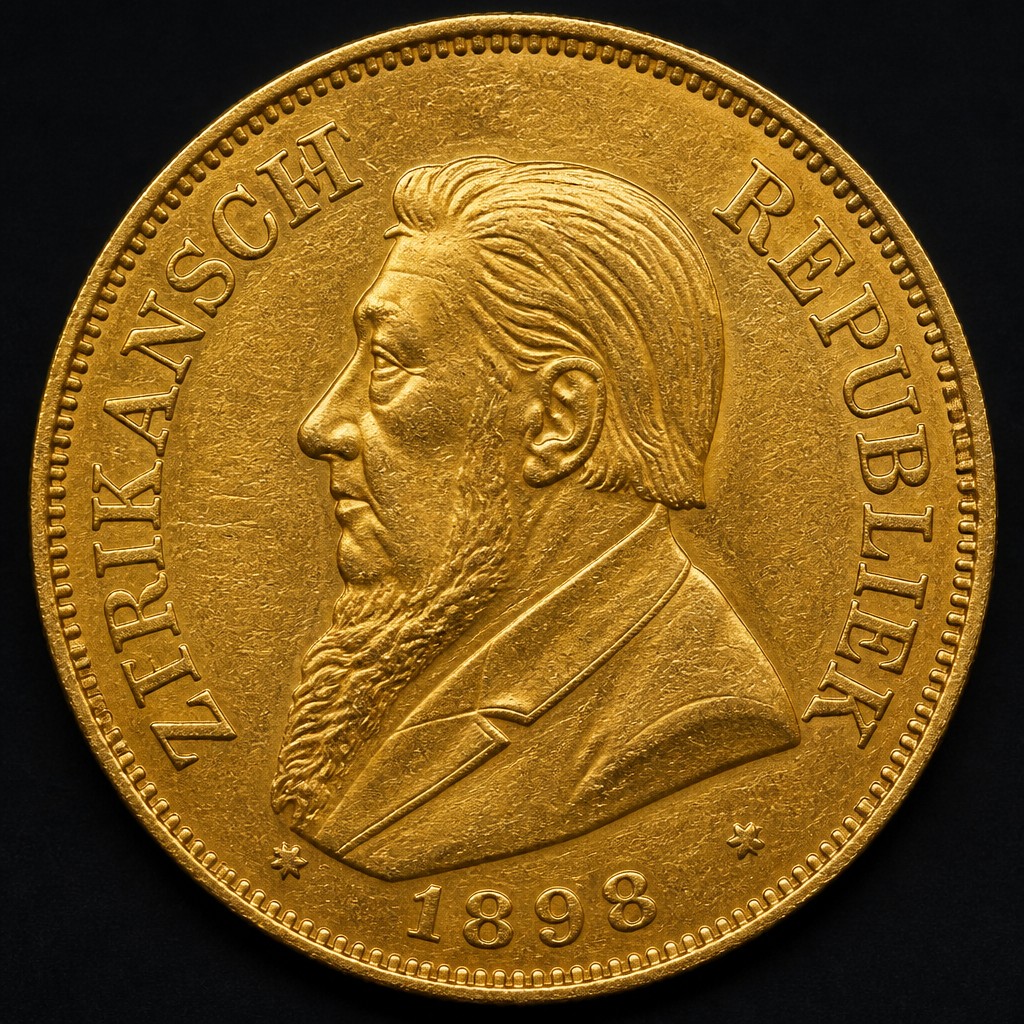
South African ZAR Kruger Pond
1892-1900
Australian Holey Dollar and Dump
1813