
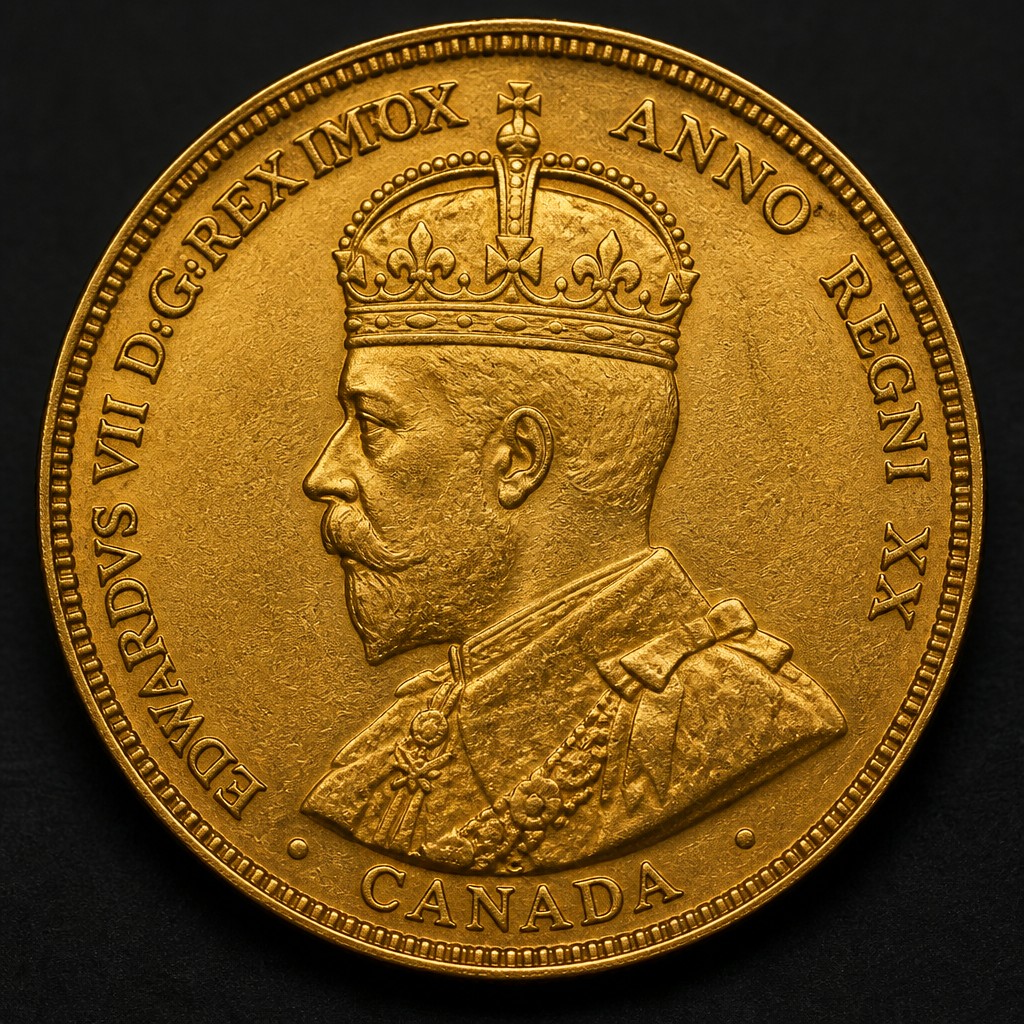
Sovereign (Ottawa Mint, C Mintmark)
British gold sovereigns struck at the Ottawa branch of the Royal Mint between 1908 and 1919, marked with a small "C," making Canada part of the empire's global sovereign network.
- Country
- Canada (British Empire)
- Denomination
- One Sovereign
- Metal
- Gold (.9167 fine, 22-karat)
Got a coin like this?
Identify any coin from a photo, free.
Overview
The Ottawa Mint sovereign is a British gold sovereign struck in Canada rather than London, part of a network of empire branch mints that also included Australia, India, and South Africa. Bearing the tiny "C" mintmark, these coins represent a distinctive chapter where standard British gold coinage was produced on Canadian soil.
Collectors of both Canadian and British coinage seek these pieces because they combine the familiar sovereign design with genuine Canadian mint history, and because certain low-mintage years are true rarities.
History & Background
The Ottawa Mint opened in 1908 initially as a branch of Britain's Royal Mint, one of several established across the empire to strike gold sovereigns from locally mined gold and reduce the need to ship bullion to London. Ottawa struck sovereigns intermittently from 1908 through 1919, identifiable by a small "C" mintmark on the reverse.
Production reflected fluctuating demand and available gold supply, with some years seeing only small numbers of pieces struck for circulation or reserves. The branch later evolved into the Royal Canadian Mint, an independent institution, and sovereign production ceased entirely after 1919 as gold coinage fell out of general circulation following the First World War.
How to Identify
The obverse carries the reigning British monarch's portrait: King Edward VII for the earliest issues and King George V for most of the run from 1911 onward. The reverse uses the classic Benedetto Pistrucci design of St. George slaying the dragon, standard across all sovereigns from any mint in the empire.
The distinguishing feature of Ottawa sovereigns is the small "C" mintmark positioned above the date on the reverse, distinguishing them from London (no mintmark), Sydney (S), Melbourne (M), Perth (P), Bombay (I), and Pretoria (SA) issues. The coin measures about 22mm in diameter and weighs 7.98 grams of 22-karat gold, identical in specification to all other sovereigns regardless of mint.
Value & Collectibility
Ottawa Mint sovereigns are generally scarcer than their London counterparts due to much lower mintages, and certain years are landmark rarities in Canadian numismatics; the 1916 sovereign in particular is exceptionally rare and highly sought after, with very few confirmed surviving examples. Common date Ottawa sovereigns in average circulated condition trade at a premium over simple gold bullion value due to their branch-mint status, while key dates can reach substantial sums at auction.
Condition, authenticity of the mintmark, and specific date all heavily influence value, and collectors should be especially cautious with the rarest dates given their high value relative to common-date sovereigns.
Frequently asked questions
What does the "C" mintmark mean on a sovereign?
It indicates the coin was struck at the Ottawa branch of the Royal Mint in Canada, rather than London or another empire branch mint.
What years were Ottawa sovereigns produced?
Ottawa struck sovereigns intermittently between 1908 and 1919.
Which Ottawa sovereign is the rarest?
The 1916 Ottawa sovereign is widely regarded as the key rarity of the series, with very few known surviving examples.
What is the gold content of a sovereign?
A sovereign contains 7.98 grams of 22-karat (.9167 fine) gold, the same specification used across all British Empire branch mints.
Other coins you may enjoy
1953 Coronation Voyageur Dollar
1953
1911 Canadian Silver Dollar (Pattern)
1911
George V Twenty-Five Cents (silver)
1911–1936
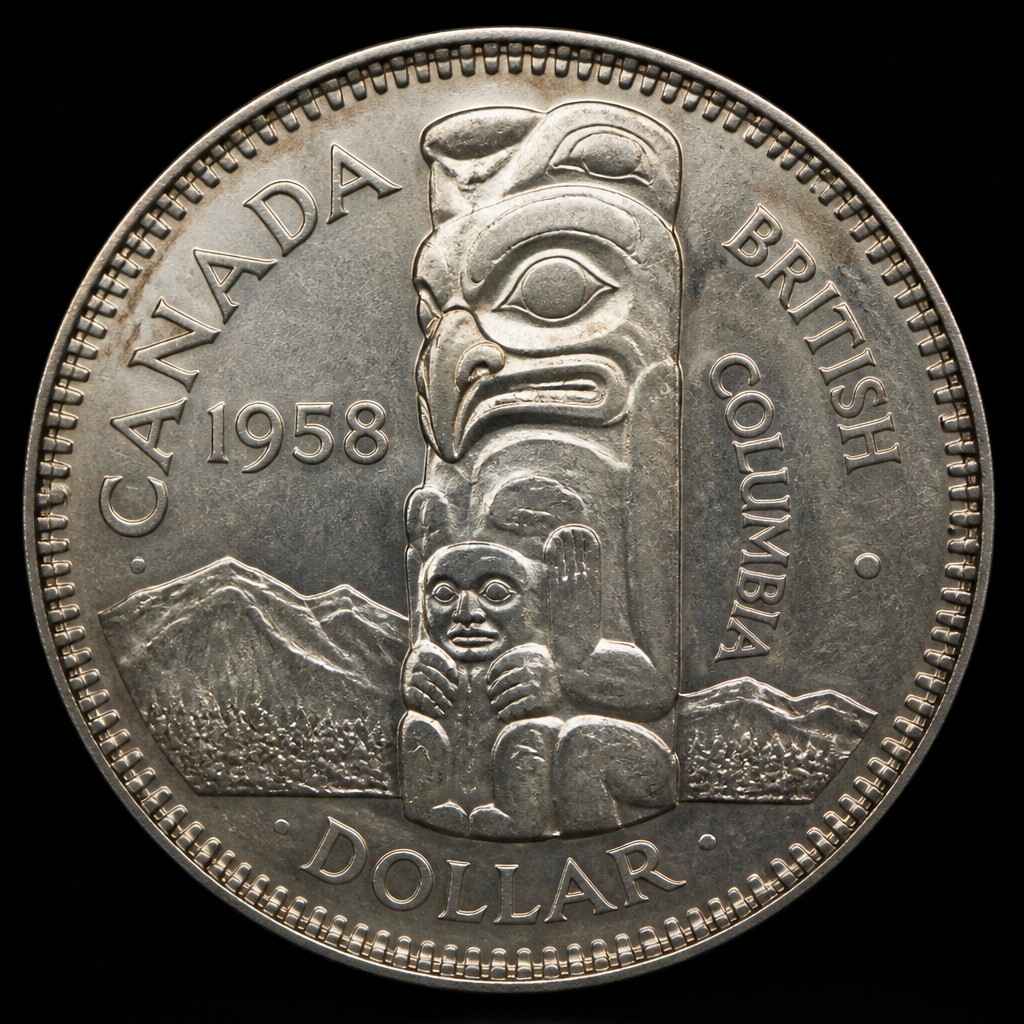
1958 British Columbia Totem Pole Dollar
1958
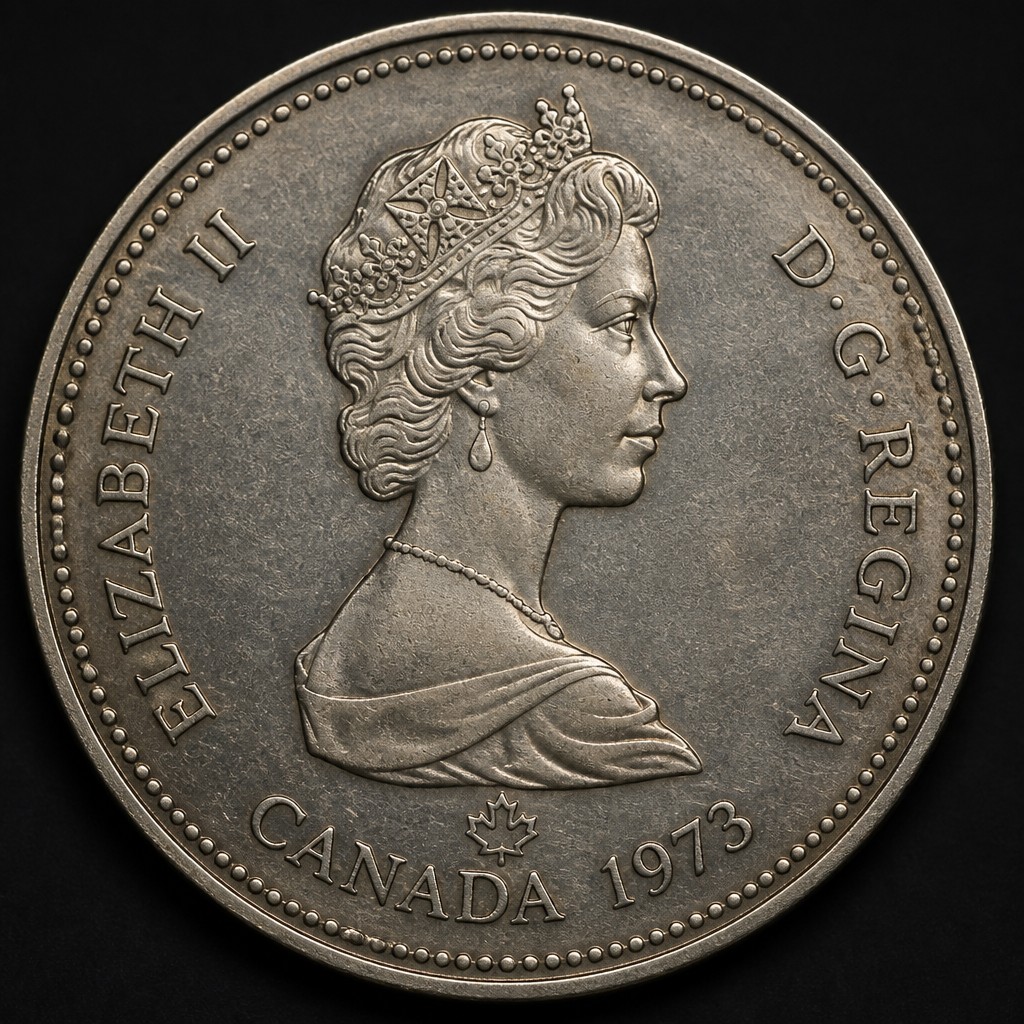
1973 RCMP Centennial Dollar
1973
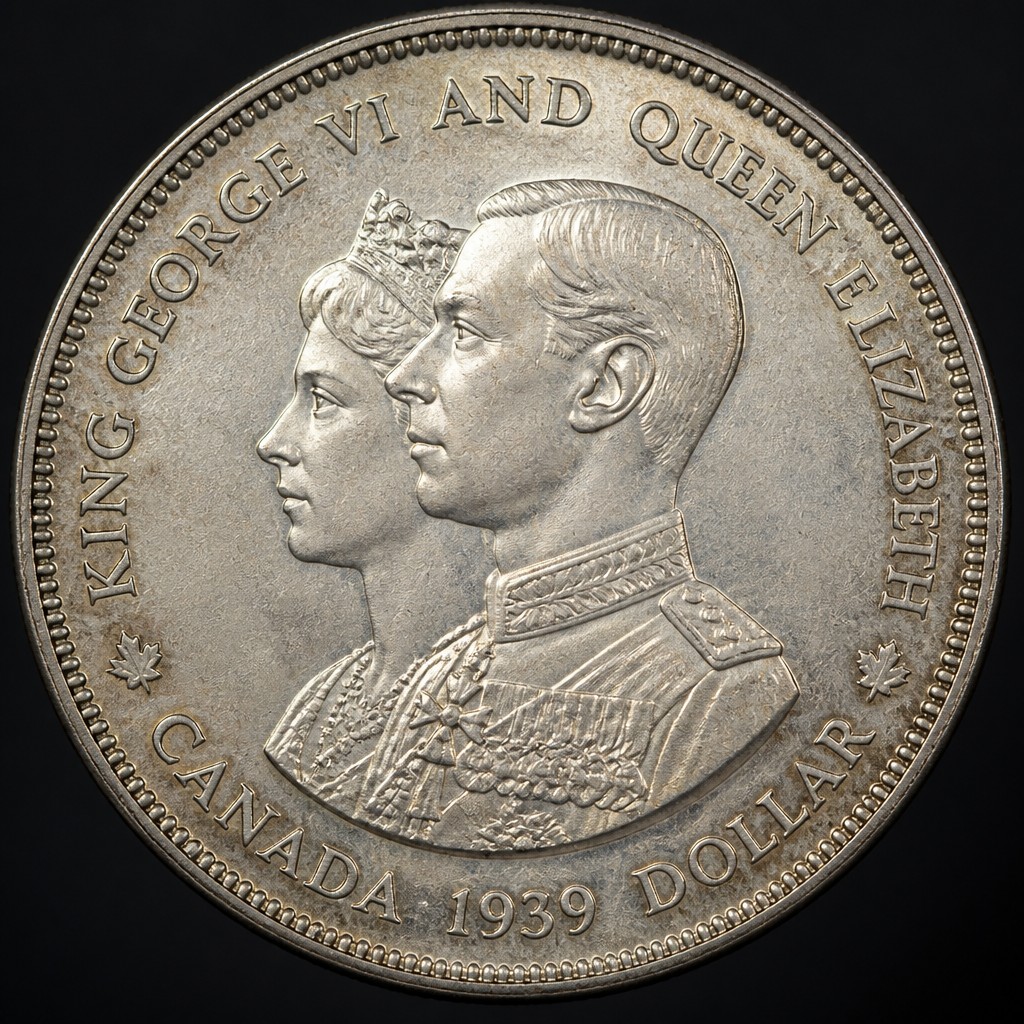
1939 Royal Visit Silver Dollar (Parliament)
1939
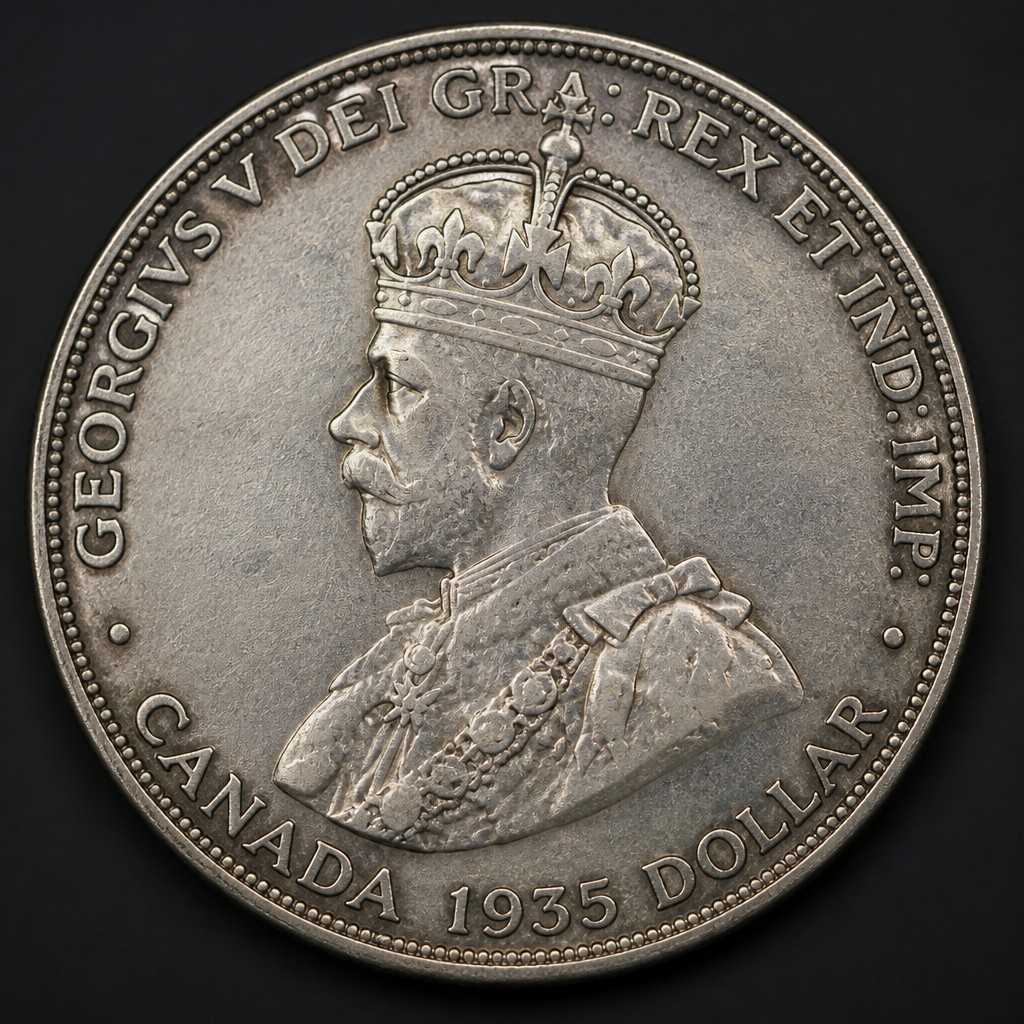
1935 George V Silver Jubilee Dollar (Voyageur)
1935
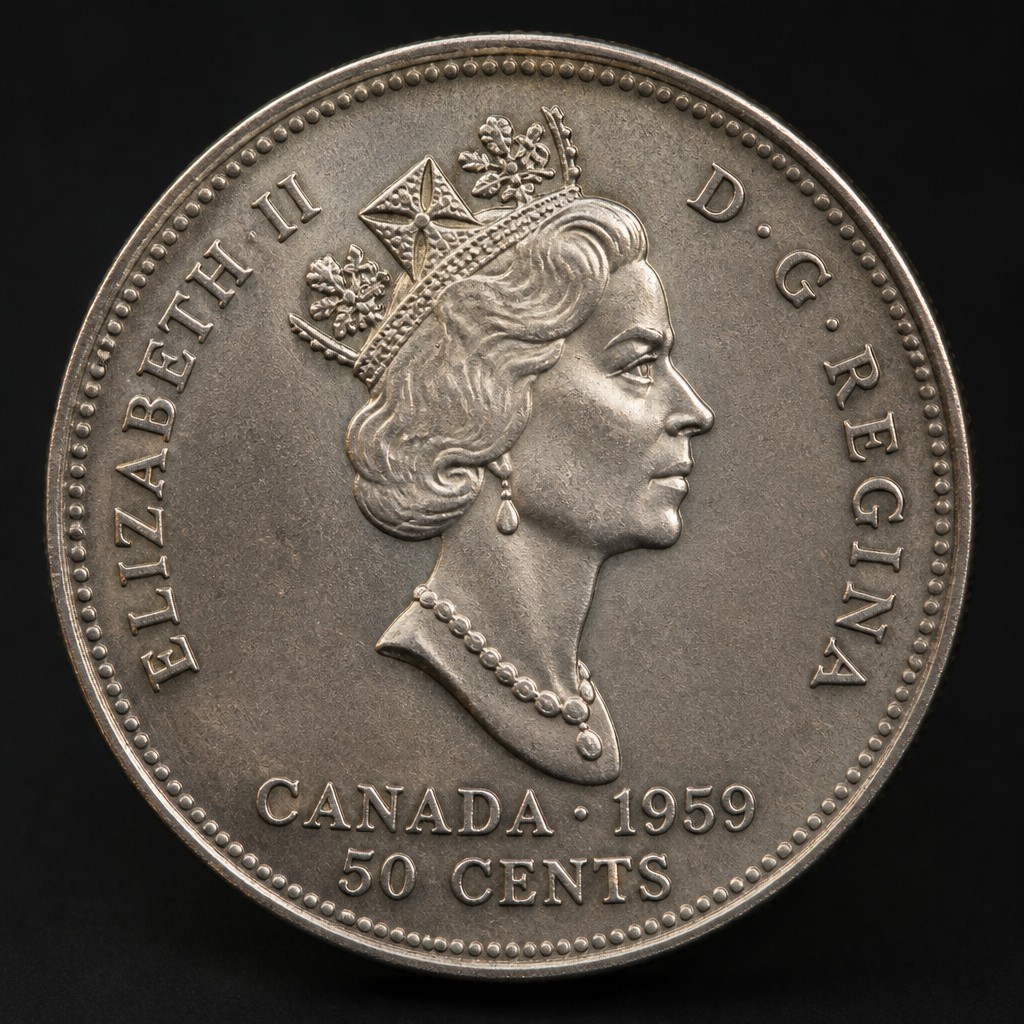
Coat of Arms Fifty Cents (Elizabeth II)
1959–present
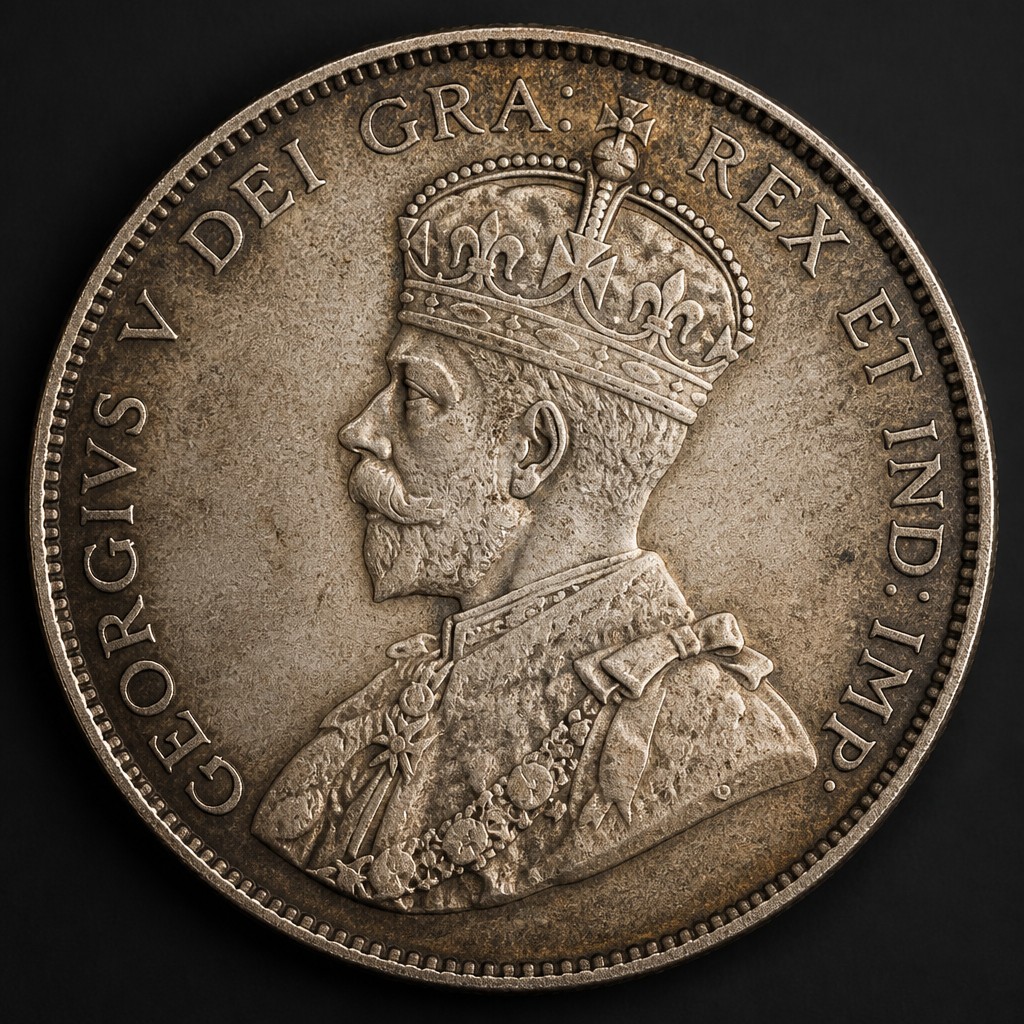
1921 Fifty Cents (King of Canadian Coins)
1921
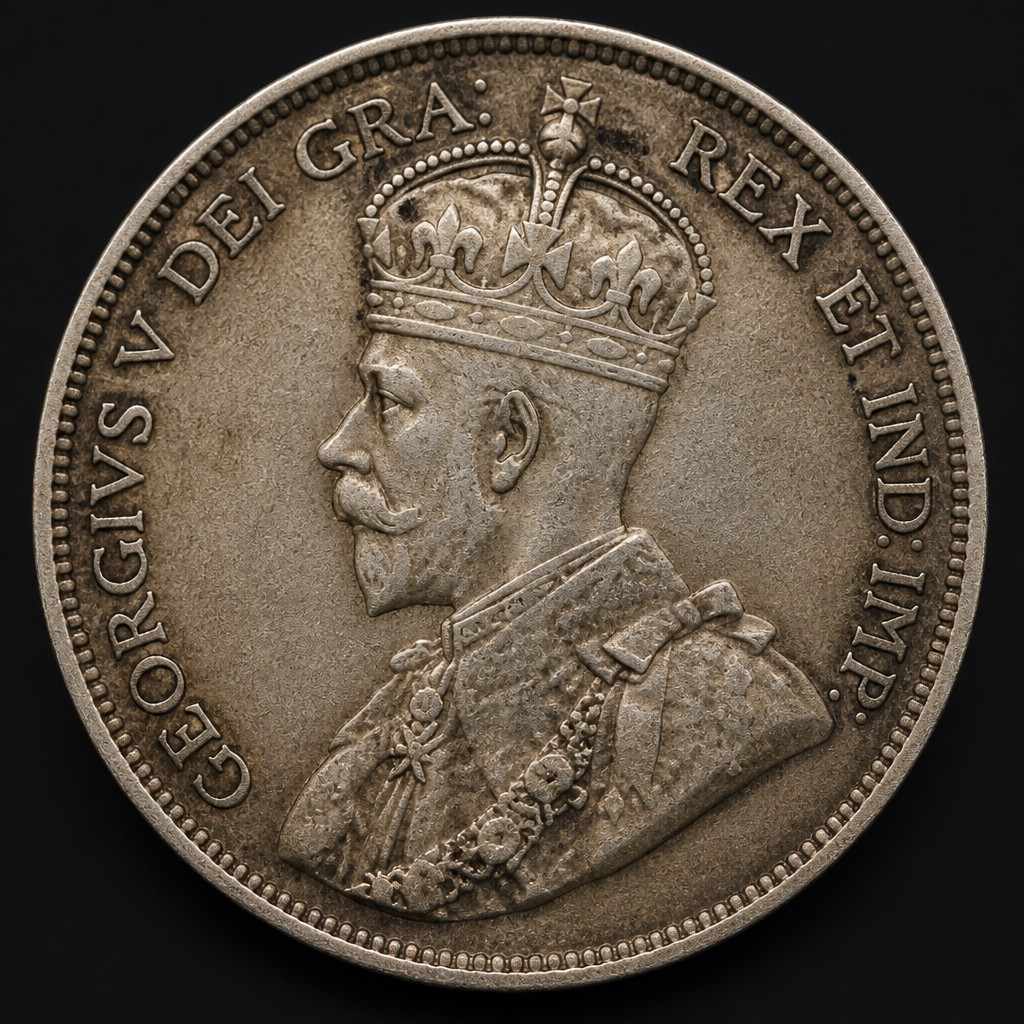
George V Fifty Cents
1911–1936
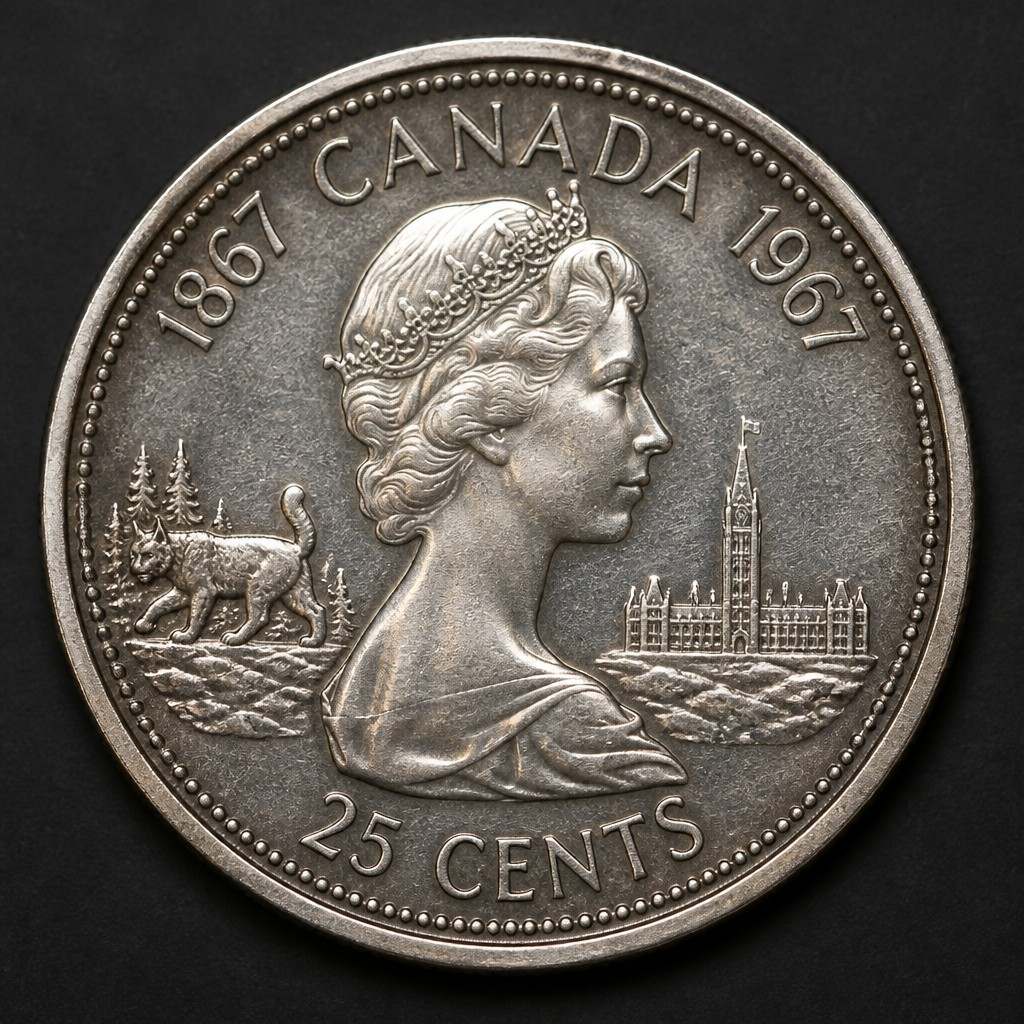
1967 Bobcat Centennial Quarter
1967
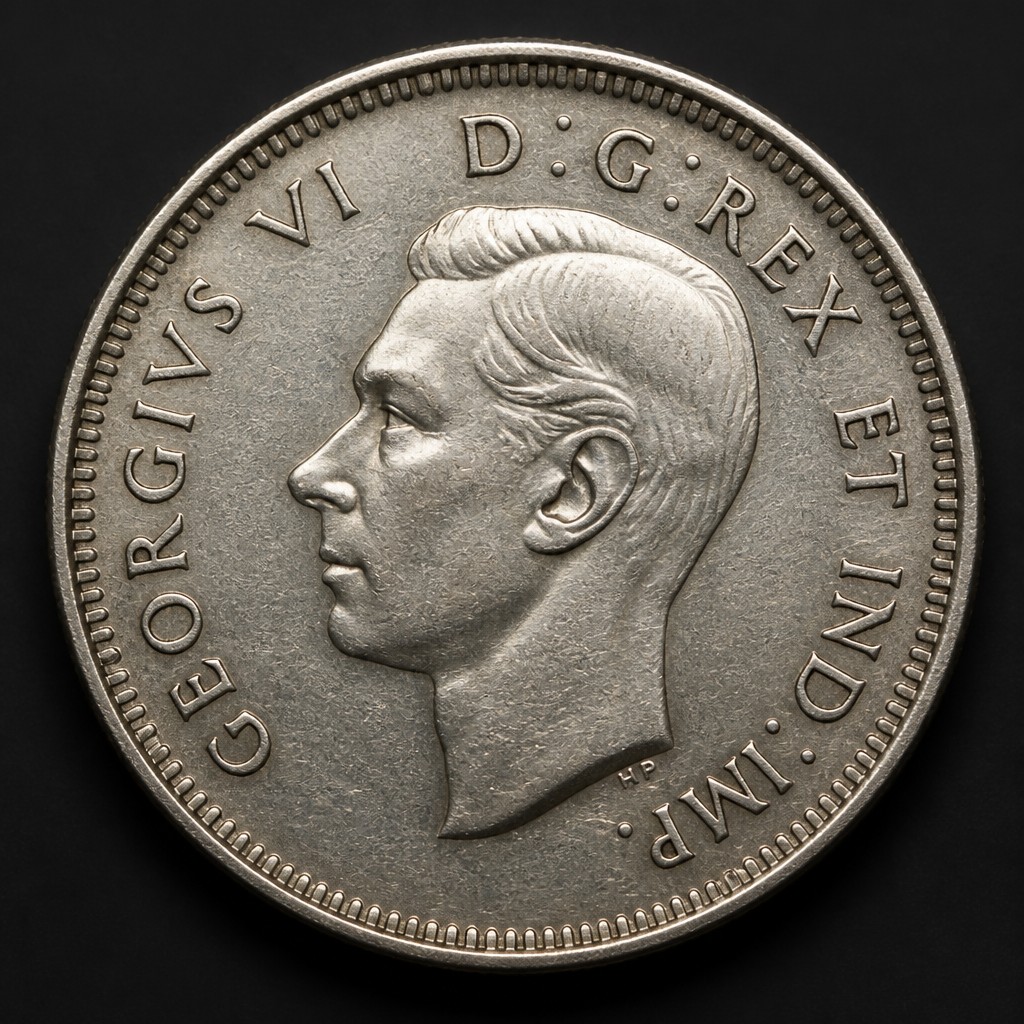
Caribou Twenty-Five Cents (quarter)
1937–present