
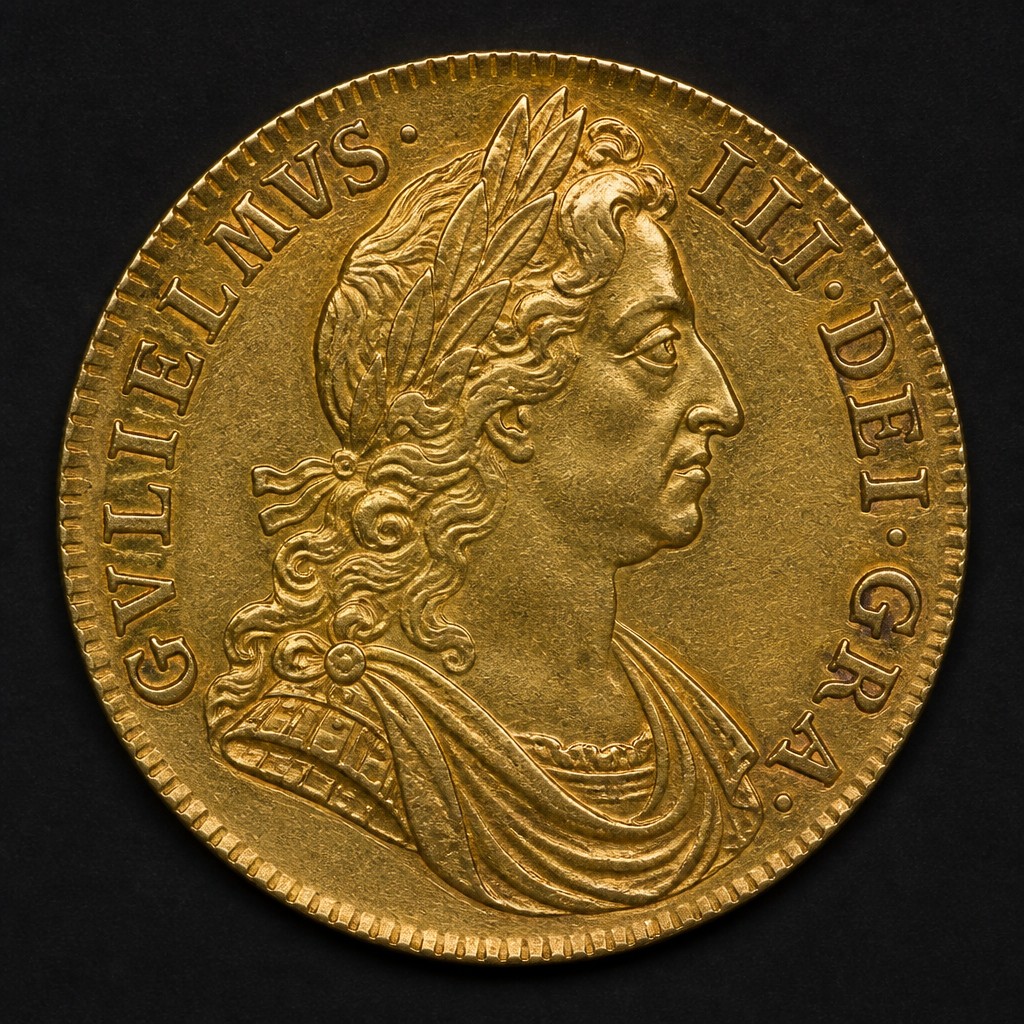
Five Guinea
The largest regularly issued gold denomination of the guinea coinage system, worth five guineas, struck from the reign of Charles II through George II for major transactions and presentation purposes.
- Country
- Great Britain
- Denomination
- Five Guineas (105 Shillings)
- Metal
- Gold (.917)
Got a coin like this?
Identify any coin from a photo, free.
Overview
The Five Guinea piece was the largest standard gold denomination struck under Britain's guinea coinage system, worth five times a normal guinea. Issued from the reign of Charles II in the 1660s through George II in the mid-eighteenth century, it represented the top tier of everyday gold coinage, used for substantial transactions and often for presentation or ceremonial purposes.
Its impressive size and weight, combined with elaborate portraiture of successive monarchs, have made the Five Guinea one of the most admired denominations of pre-sovereign British gold coinage among advanced collectors.
Because of its high face value, the Five Guinea was never struck in large numbers relative to smaller denominations, and surviving examples in good condition are relatively scarce and highly sought after.
History & Background
The Five Guinea denomination was introduced not long after the guinea itself in the 1660s under Charles II, providing a large-denomination gold coin suited to significant commercial and ceremonial transactions in Restoration-era England. It continued to be struck, with interruptions, through the reigns of James II, William and Mary, William III, Anne, George I, and George II.
Because the coin's substantial gold content made it impractical for everyday small purchases, it functioned more as a store of value and a prestige item, often given as gifts or used in large financial dealings, including some famous examples struck with an elephant and castle mark indicating gold supplied by the Royal African Company.
Production ceased in 1753 under George II, after which the denomination was never revived, making the roughly nine decades from 1668 to 1753 the complete span of this historic gold piece before the guinea system itself was eventually replaced by the sovereign.
How to Identify
The obverse carries a laureate or draped portrait bust of the reigning monarch with the customary Latin royal legend, while the reverse displays a crowned cruciform arrangement of shields bearing the royal arms, with sceptres in the angles on many issues. Some examples, particularly from the reigns of Charles II and William III, bear a small elephant, or elephant and castle, symbol below the bust, indicating the gold was supplied via the Royal African Company.
The coin is large and heavy for gold coinage of its period, weighing around 41.5 grams and measuring roughly 37 to 38 millimeters in diameter, making it immediately distinguishable by sheer size from smaller guinea denominations. Precise attribution by monarch, bust variety, and mint mark typically requires reference to specialist British numismatic catalogs given the long span of reigns involved.
Value & Collectibility
As the largest denomination in the guinea system, Five Guinea pieces are scarce and valuable across nearly all reigns and dates, with even relatively common circulated examples commanding significant prices well above simple gold melt value due to their historical importance and limited surviving population. High-grade or particularly rare reign-specific examples, including certain elephant and castle varieties, can reach prices in the tens of thousands of dollars or more at major auctions.
Given the coin's rarity and desirability, careful attention to authenticity, surface preservation, and any historical provenance is especially important, as this denomination attracts serious collectors and specialists willing to pay substantial premiums for choice examples.
Frequently asked questions
How much was a Five Guinea coin worth?
It was worth five times the value of a standard guinea, or 105 shillings in the currency of its time.
What does the elephant and castle mark mean?
It indicates the gold used to strike the coin was supplied through the Royal African Company, a detail found on some Charles II and William III era pieces.
When was the Five Guinea last struck?
Production ended in 1753 under George II, and the denomination was never revived afterward.
Why is the Five Guinea so valuable to collectors?
Its large size, historical significance, and relatively low surviving population across all reigns make it one of the most desirable pre-sovereign British gold coins.
Other coins you may enjoy
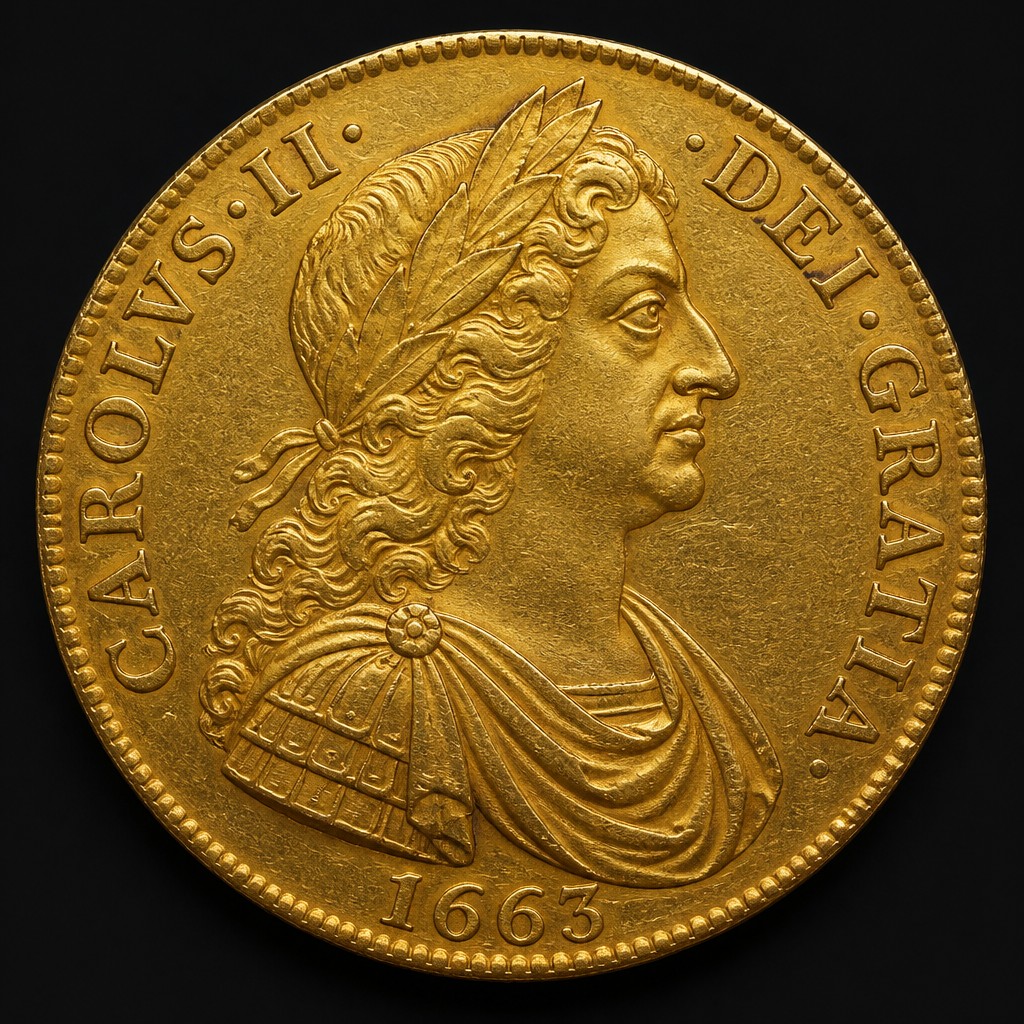
British Guinea
1663–1814
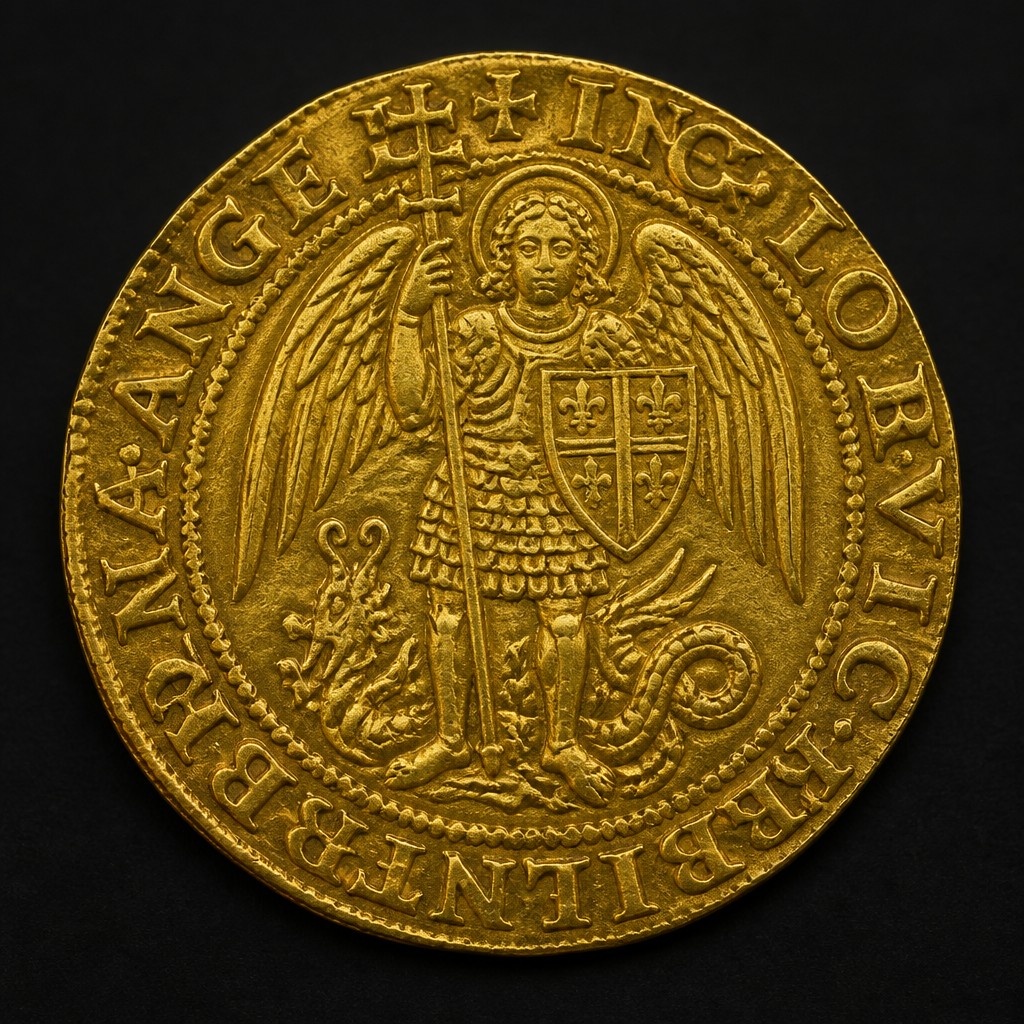
English Angel
1465–1642
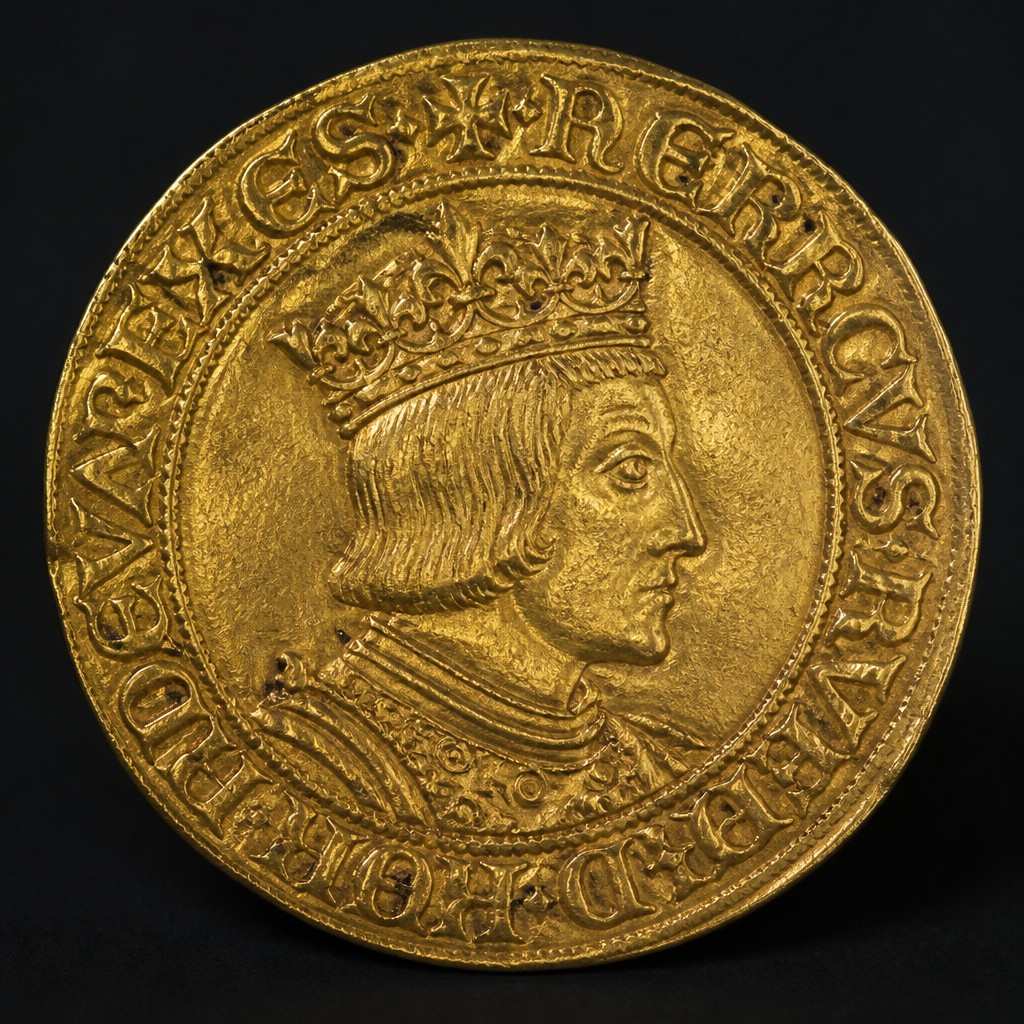
English Sovereign of Henry VII
1489–1509
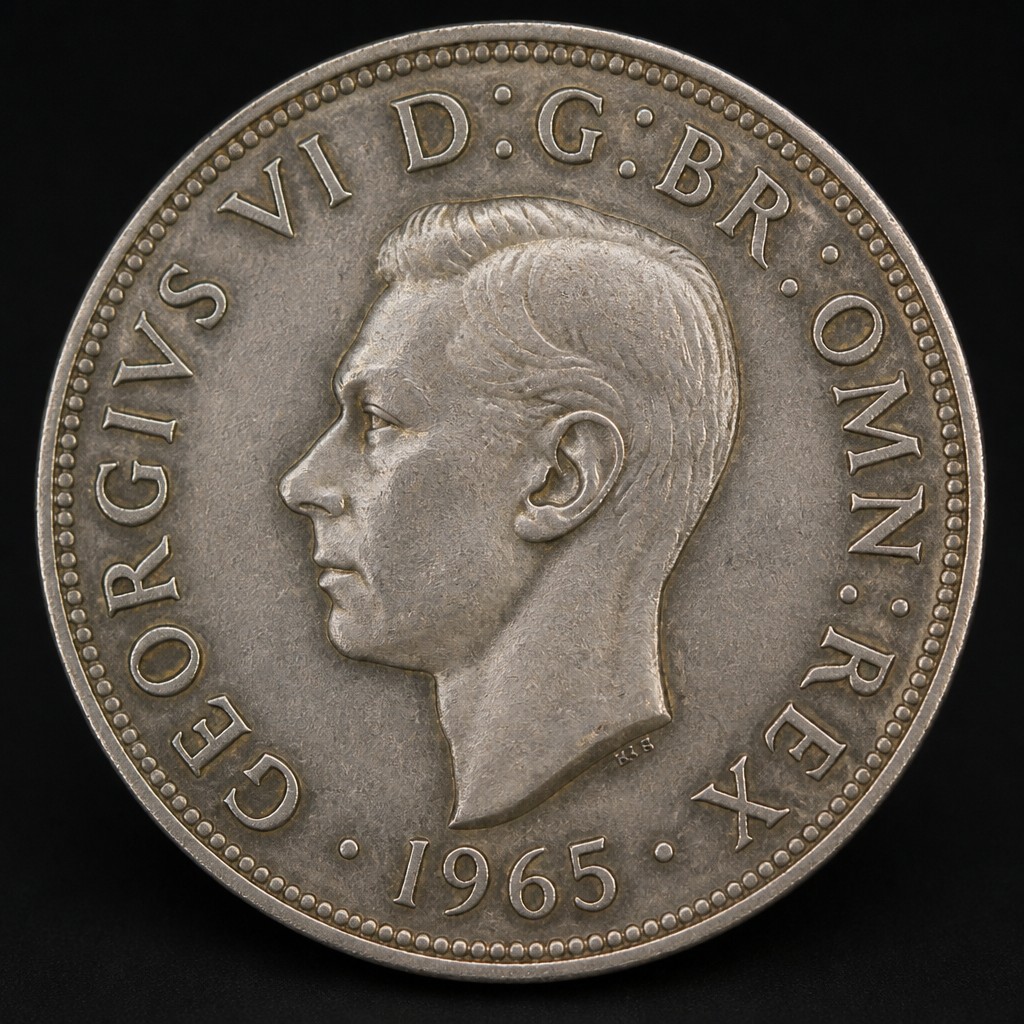
English Crown
1526–1965 (pre-decimal; commemorative crown-sized coins continue as five pound coins)
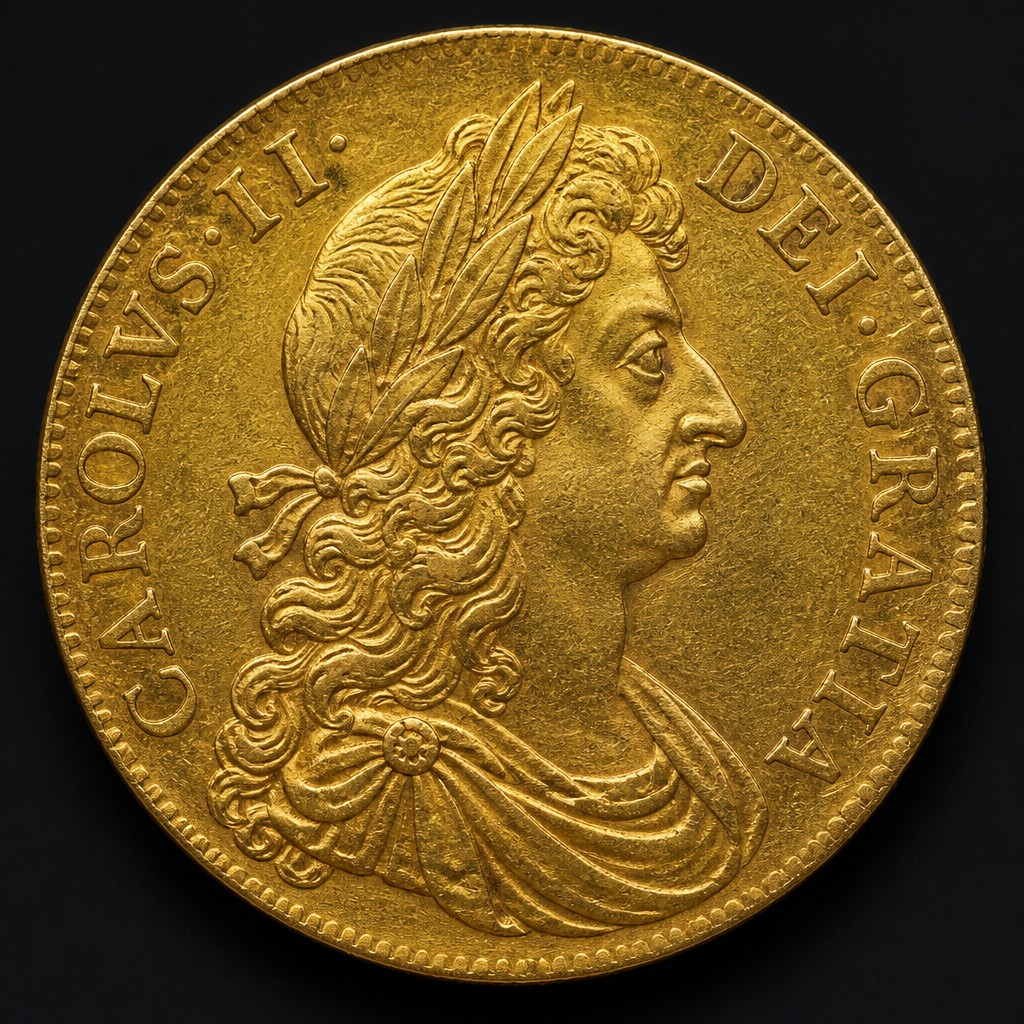
British Gold Guinea
1663–1814
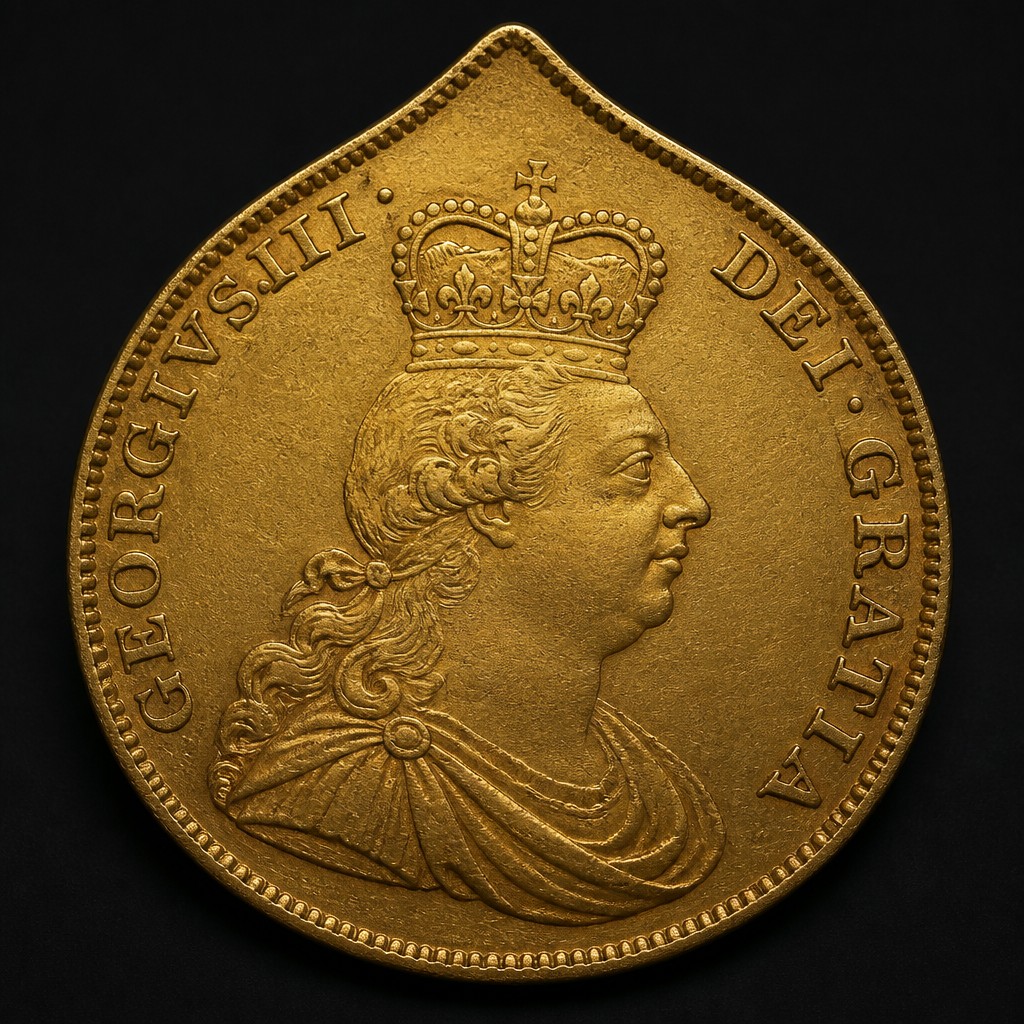
Spade Guinea
1787–1799
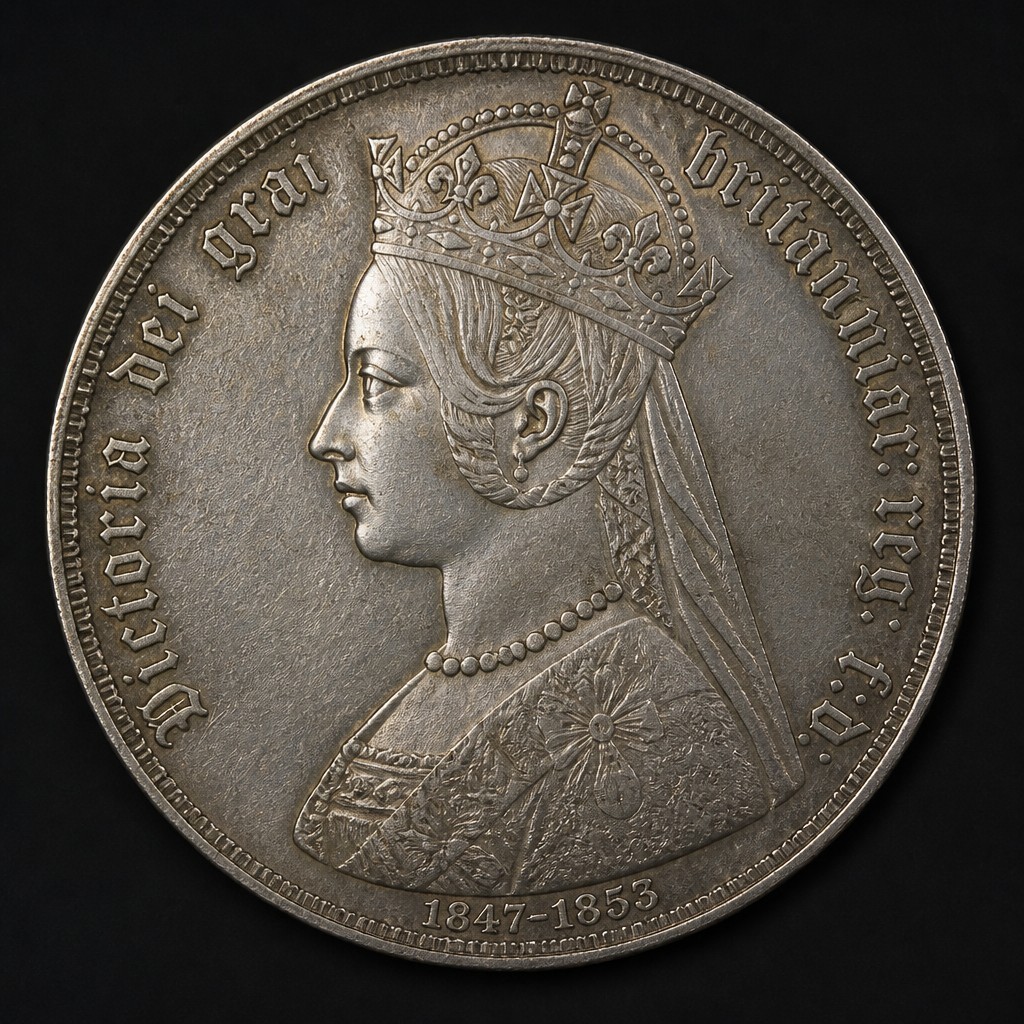
Gothic Crown
1847–1853
Groat (Fourpence)
1279–1888 (various revivals)
Farthing
13th century–1956
Halfpenny
c. 800s–1969
Five Pound Gold (Quintuple Sovereign)
1820–present (intermittent)
Threepence
1547–1970