
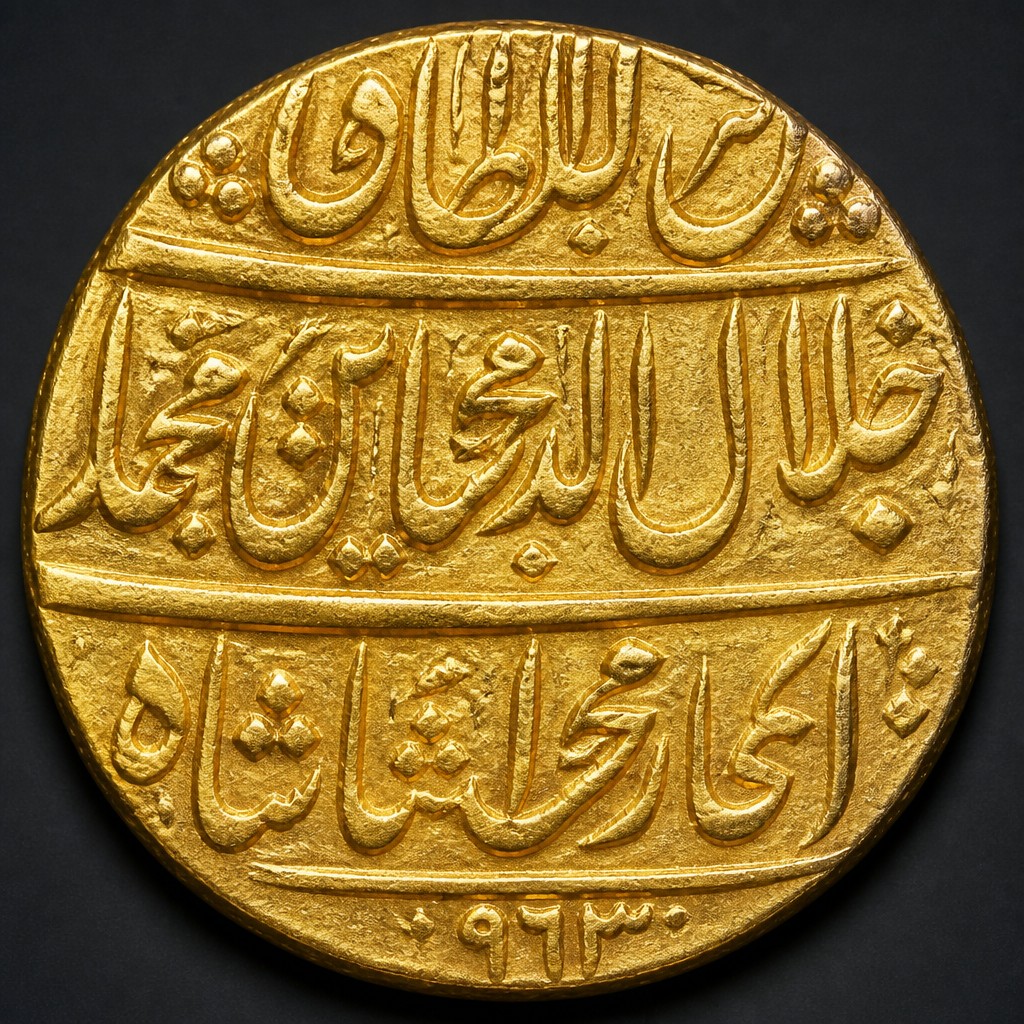
Mughal Gold Mohur
The premier gold coin of the Mughal Empire, prized for its bold Persian calligraphy, occasional portraiture, and the wealth and artistry of Mughal court culture.
- Country
- Mughal Empire (India)
- Denomination
- Mohur
- Metal
- Gold
Got a coin like this?
Identify any coin from a photo, free.
Overview
The gold mohur was the flagship denomination of the Mughal Empire, serving as the high-value coinage for major transactions, court expenditure, and ceremonial gifts across more than three centuries of Mughal rule in India. Its combination of fine calligraphy, generous gold content, and occasional imperial portraiture makes it one of the most admired series in Islamic and South Asian numismatics.
Collectors are especially drawn to mohurs bearing the names of famous emperors such as Akbar, Jahangir, and Shah Jahan, as well as unusual commemorative or portrait types that reflect the artistic sophistication of the Mughal court.
History & Background
The Mughal Empire, founded by Babur in 1526 and consolidated by his successors, developed a highly organized coinage system under Emperor Akbar (r. 1556–1605), who standardized weights and introduced elegant calligraphic designs across gold, silver, and copper denominations. The gold mohur became the empire's principal high-value coin, typically weighing around 11 grams, roughly matching the silver rupee in physical format but struck in gold.
Mughal emperors used mohurs for court ceremony, diplomatic gifts, and to display imperial authority through inscriptions praising the ruler and, on many issues, citing the Islamic profession of faith or the ruler's regnal titles. Jahangir (r. 1605–1627) notably issued unusual mohurs featuring his own portrait and signs of the zodiac, a striking departure from the aniconic tradition typical of Islamic coinage, reflecting his personal interest in art and Persian court culture.
Mohur production continued through the reigns of Shah Jahan, Aurangzeb, and later, weaker Mughal emperors, gradually declining in artistic quality and imperial authority as the empire fragmented in the 18th century, though nominal Mughal coinage continued even under British colonial administration until the empire's formal end in 1857.
How to Identify
A typical Mughal gold mohur is a broad, thin, round gold coin bearing elegant Persian (and sometimes Arabic) calligraphy on both sides, generally including the ruling emperor's name and titles, the mint name, and the year of issue, often expressed in the regnal year system used by the Mughals. Standard issues have no pictorial imagery, consistent with mainstream Islamic numismatic tradition.
Certain exceptional issues break from this pattern: Jahangir's famous portrait mohurs show his bust in profile, sometimes holding a wine cup, while his zodiac series depicts the twelve signs of the zodiac in place of calligraphy on the reverse. These types are exceptionally rare and highly sought after when genuine examples surface.
Mint names and dates are essential for precise attribution, since mohurs were struck at many cities across the empire, and specialists rely on detailed catalogs to match specific calligraphic styles, mint names, and regnal years to known rulers and issues. Weight and gold fineness also help confirm a coin's authenticity and category within the broader mohur series.
Value & Collectibility
Standard Mughal gold mohurs from well-documented emperors and common mints are collected steadily and priced according to their gold content plus a premium reflecting rarity, condition, and historical interest, generally placing typical examples in a solidly collectible but not extreme price range. Values rise substantially for mohurs from shorter-reigned or historically significant emperors, unusual mints, or particularly fine calligraphic execution.
The rare portrait and zodiac mohurs of Jahangir are exceptional rarities that can command very high prices when genuine examples appear at auction, reflecting both their scarcity and their status as some of the most celebrated coins in all of Islamic numismatics. Given the value and desirability of Mughal gold, careful verification of authenticity through an experienced dealer or auction house is strongly advisable.
Frequently asked questions
What is a mohur?
The mohur was the standard gold coin denomination of the Mughal Empire, used for high-value transactions and ceremonial purposes for over three centuries.
Why did Jahangir put his portrait on coins?
Emperor Jahangir had a strong personal interest in art and Persian court culture, and he broke with typical Islamic aniconic tradition by issuing rare portrait and zodiac-themed mohurs.
How can I tell which emperor issued a mohur?
The calligraphic inscriptions typically name the ruling emperor and give a mint name and regnal year, which specialists use to attribute the coin precisely.
Are Mughal mohurs valuable?
Common examples are valued mainly for their gold content plus a collector premium, while rare rulers, mints, or the famous Jahangir portrait and zodiac types can be extremely valuable.
Other coins you may enjoy
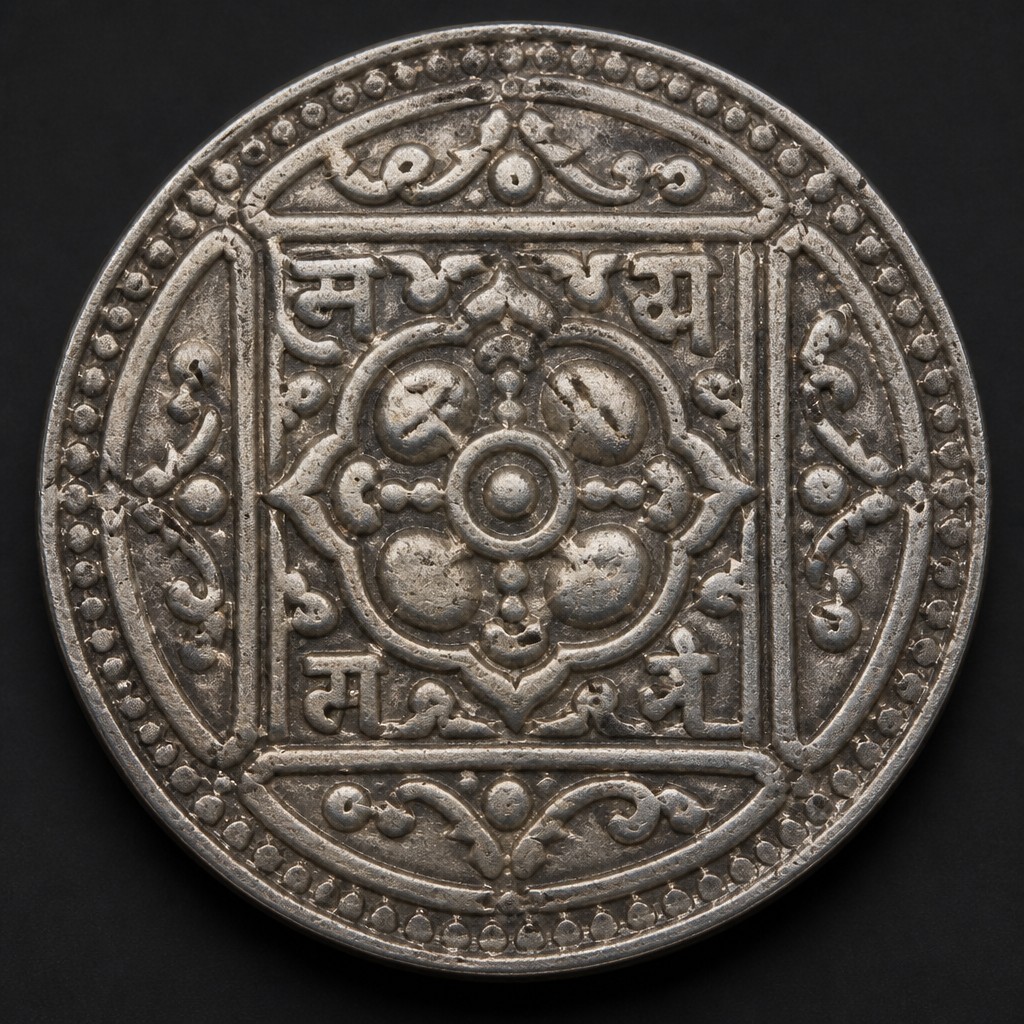
Nepal Silver Mohar
c. 16th–19th century
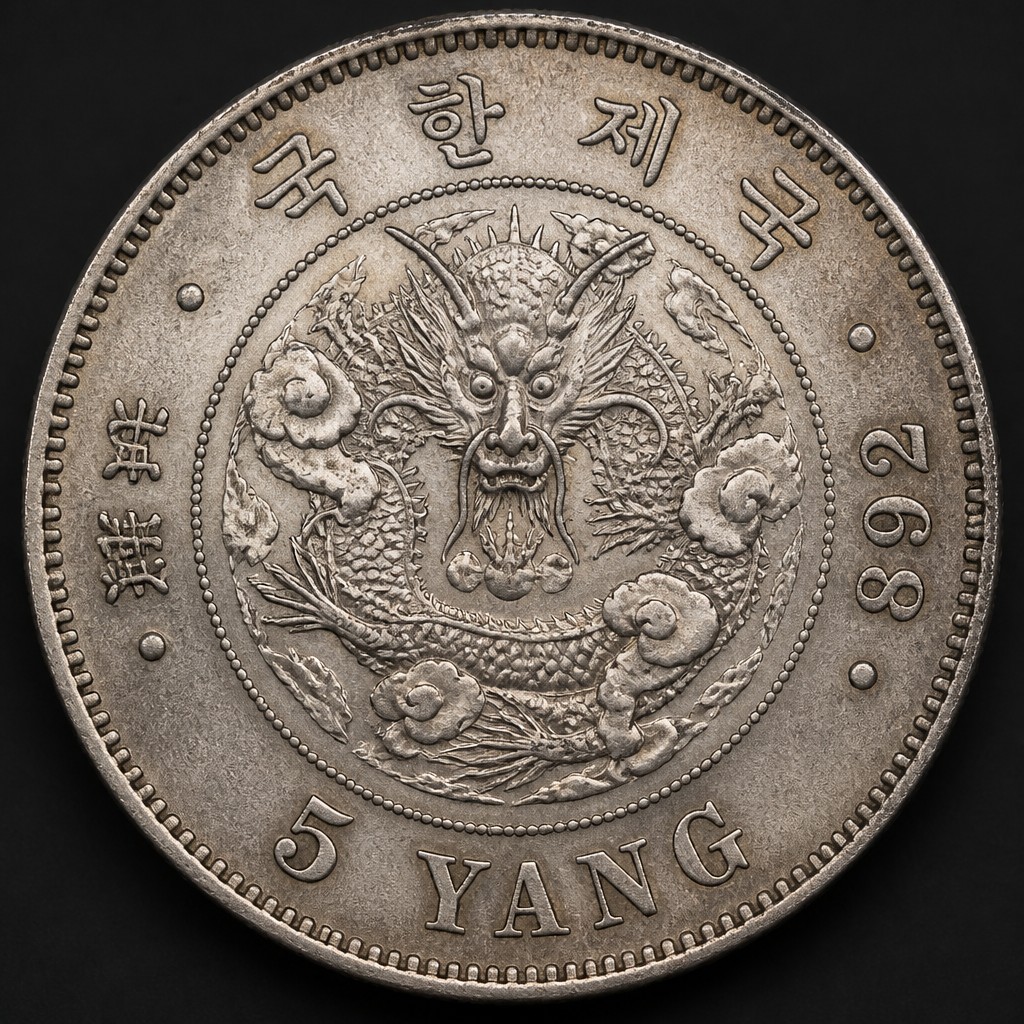
Korean 5 Yang Silver Dollar (1892)
1892
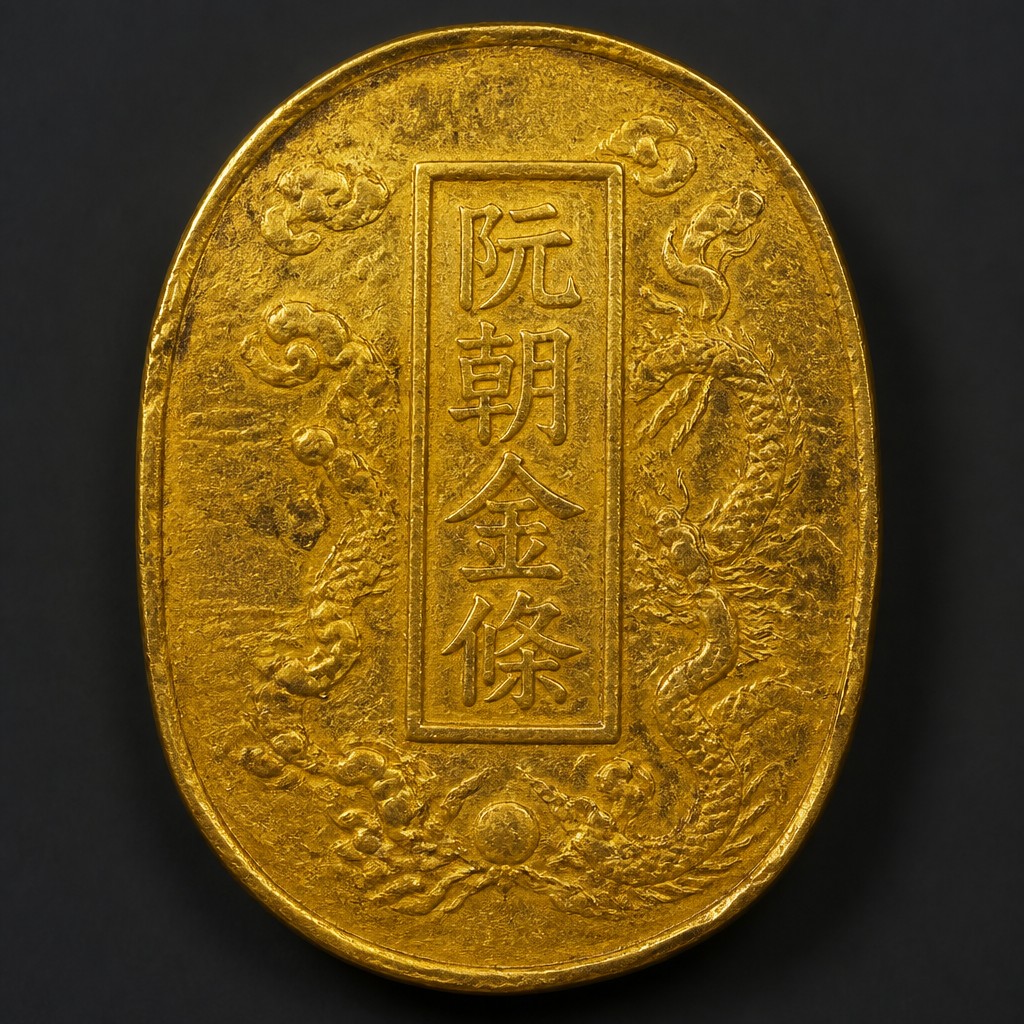
Nguyen Dynasty Gold Bar (Vietnam)
19th century
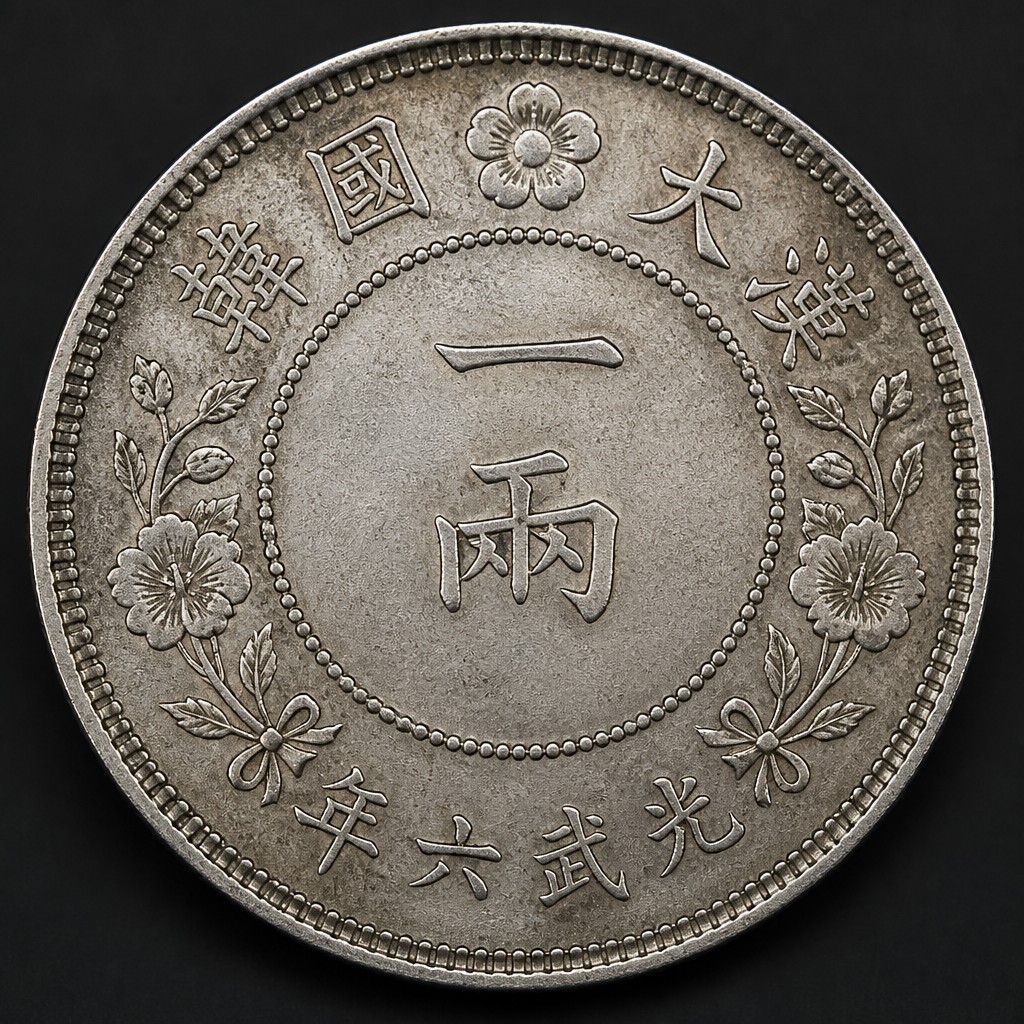
Korean 1 Yang Silver (Joseon/Great Han Empire)
1892–1902
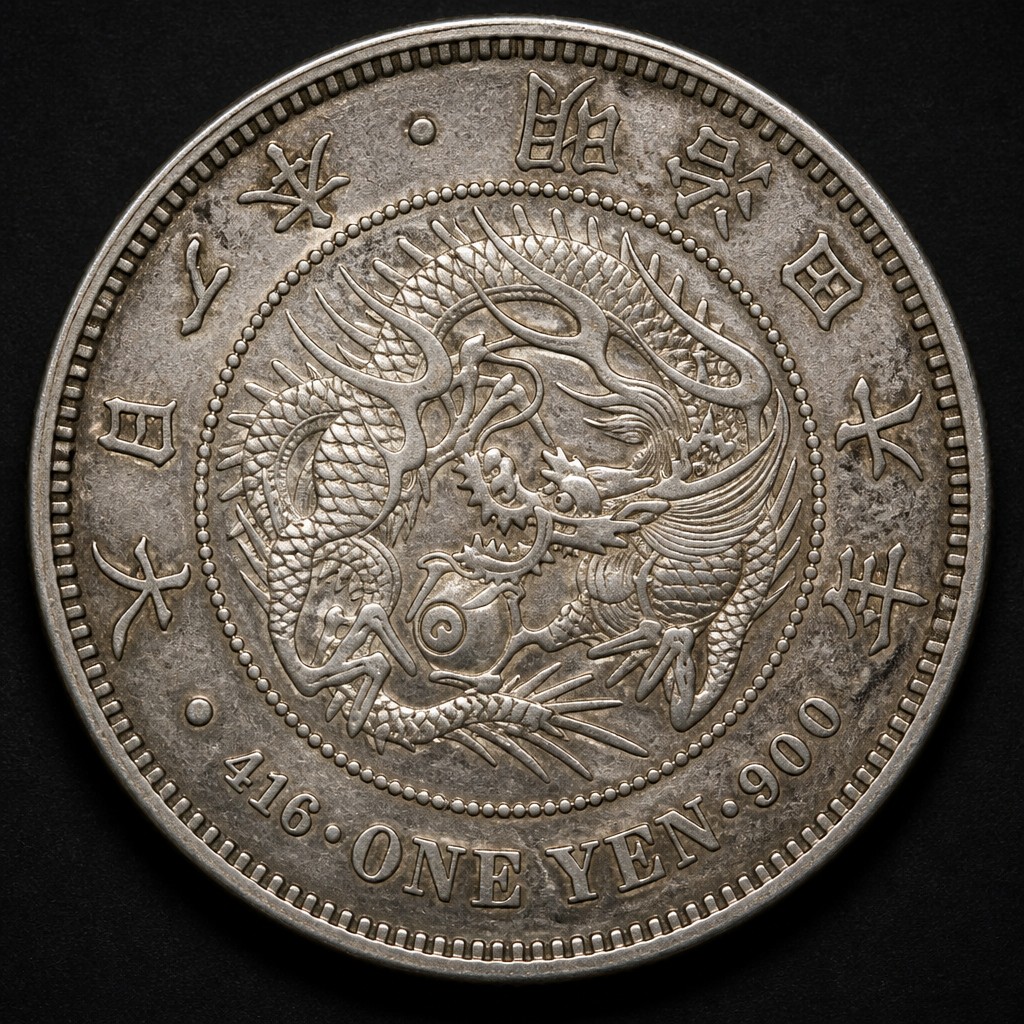
Japanese 1 Yen Silver 'Dragon' Trade Dollar
1870–1914 (trade dollar variant 1875–1877)
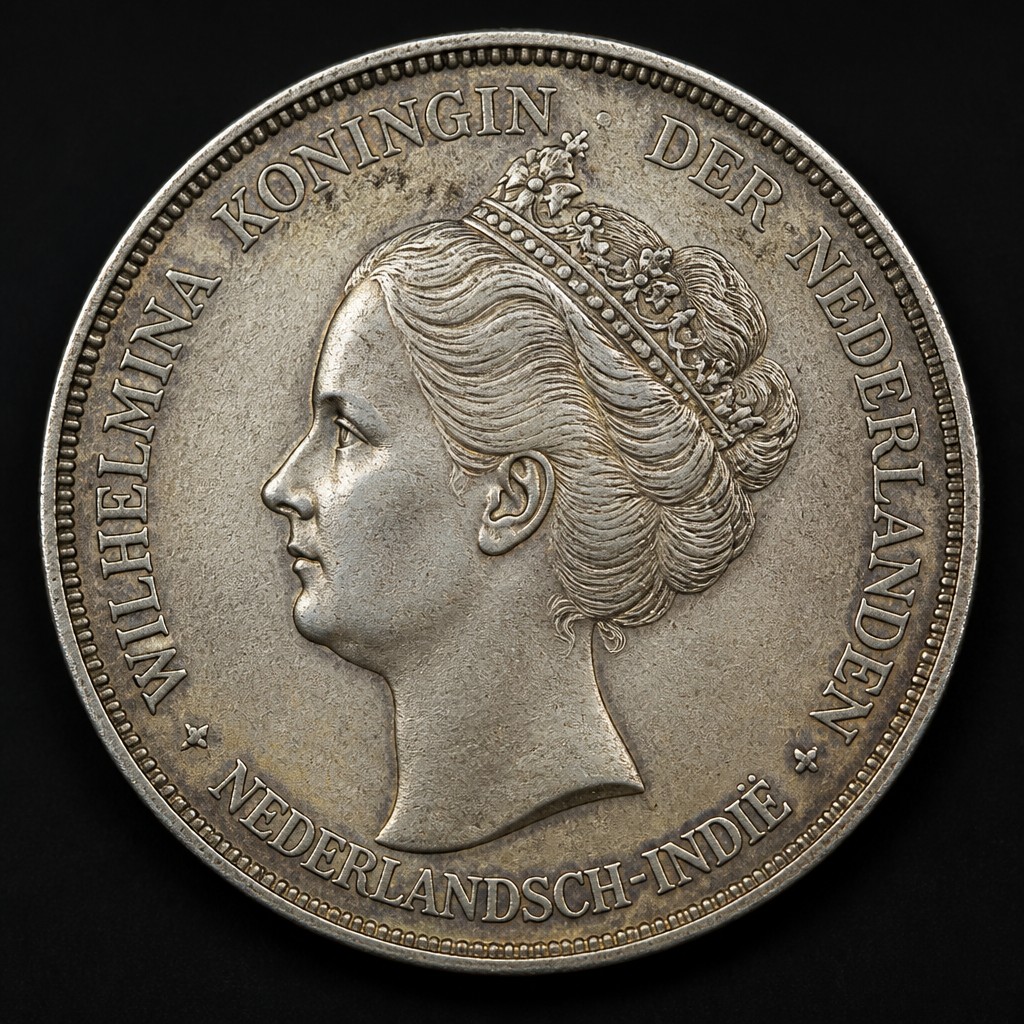
Netherlands East Indies Gulden (Wilhelmina)
1897–1945
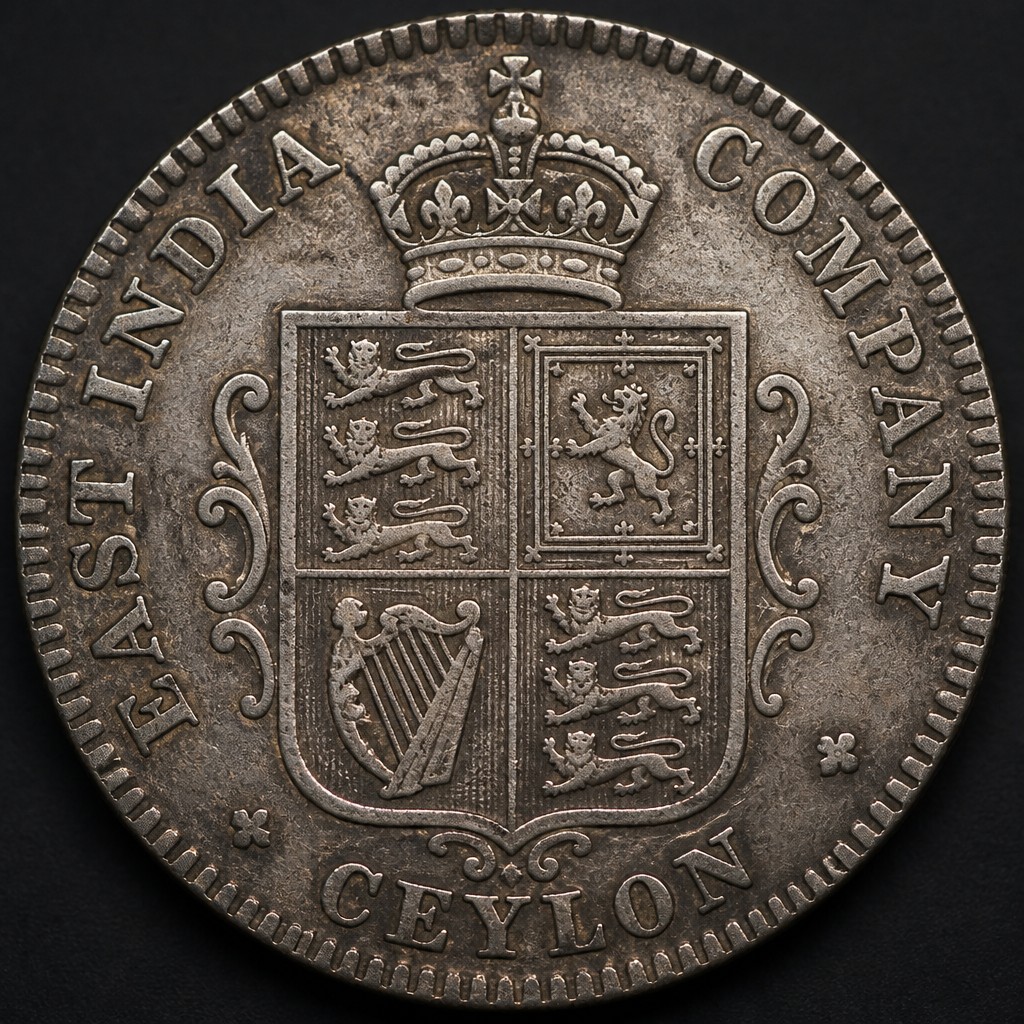
Ceylon (Sri Lanka) EIC Rixdollar
c. 1802–1821
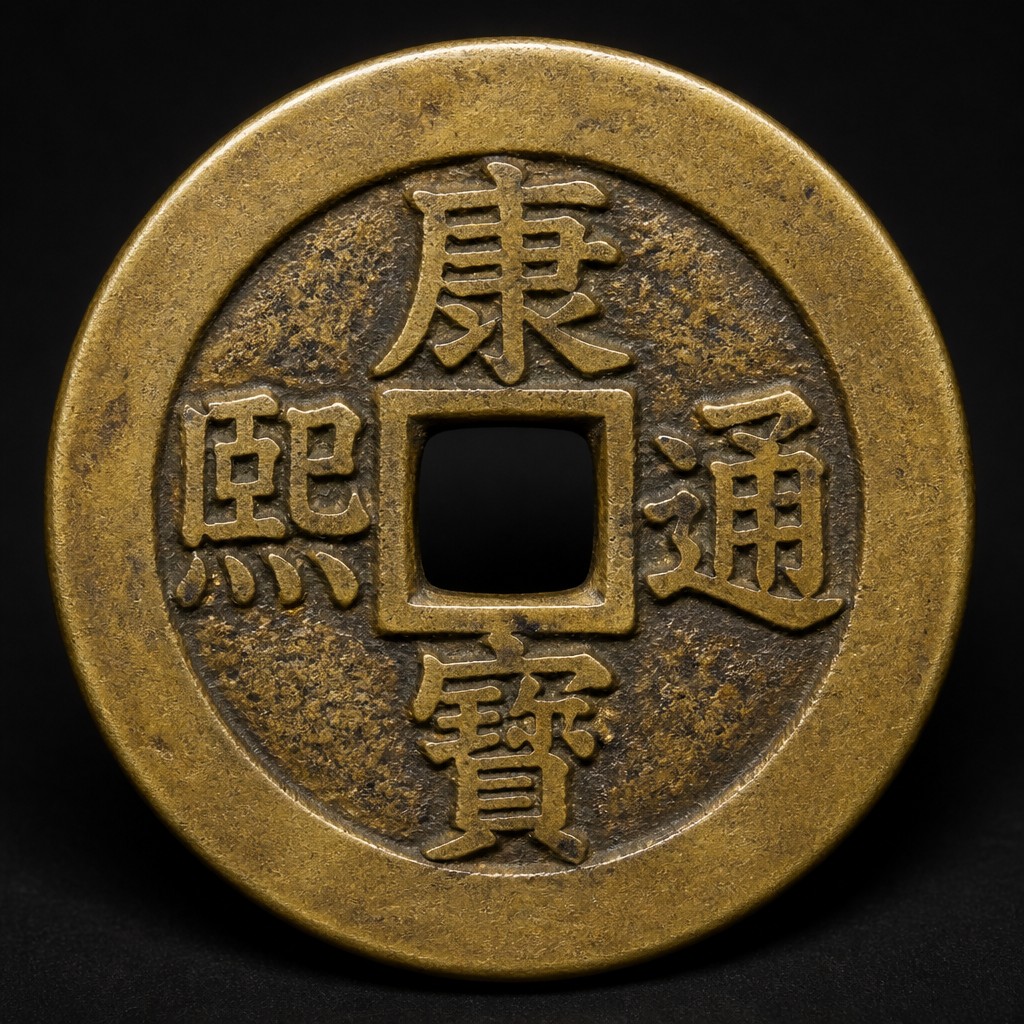
Chinese Cash Coin (Qing Dynasty 'Kangxi Tongbao')
1662–1722
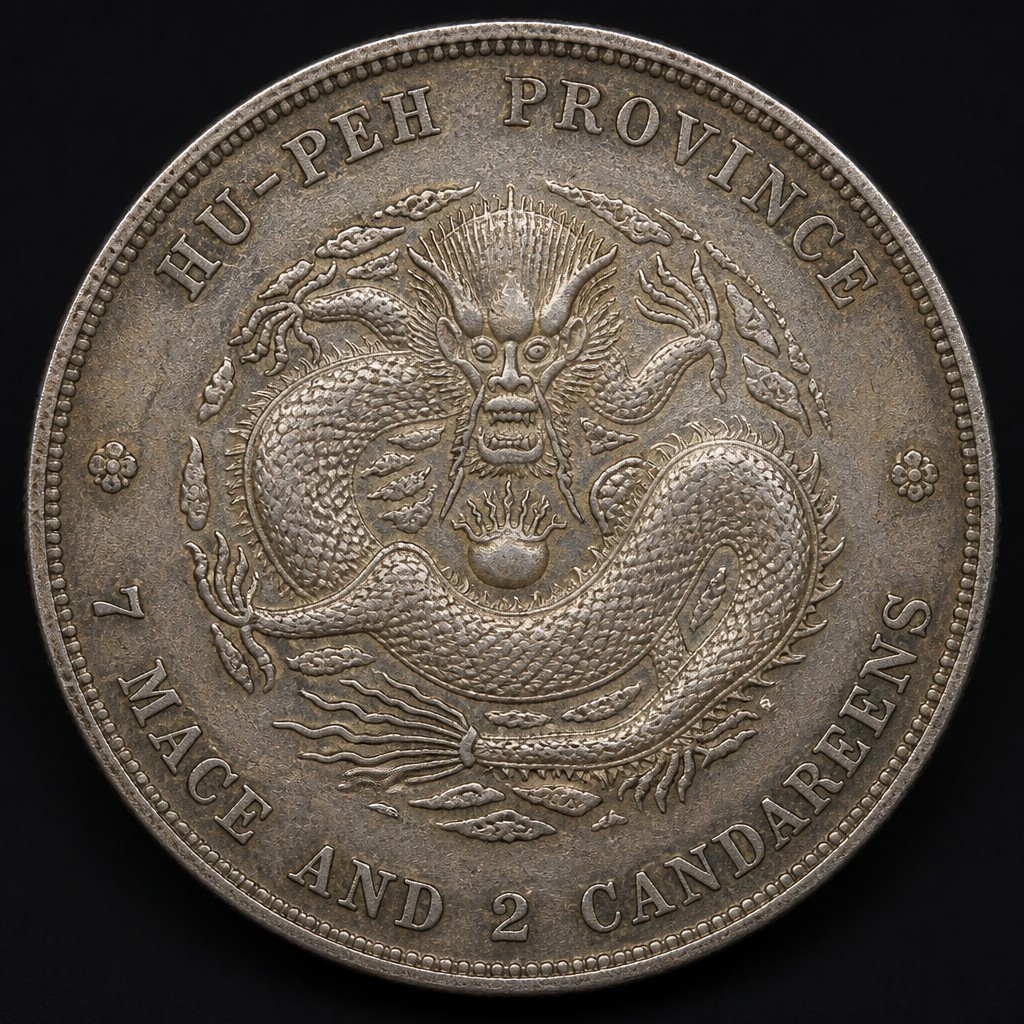
Chinese Hupeh Province Dragon Dollar
c. 1895–1909
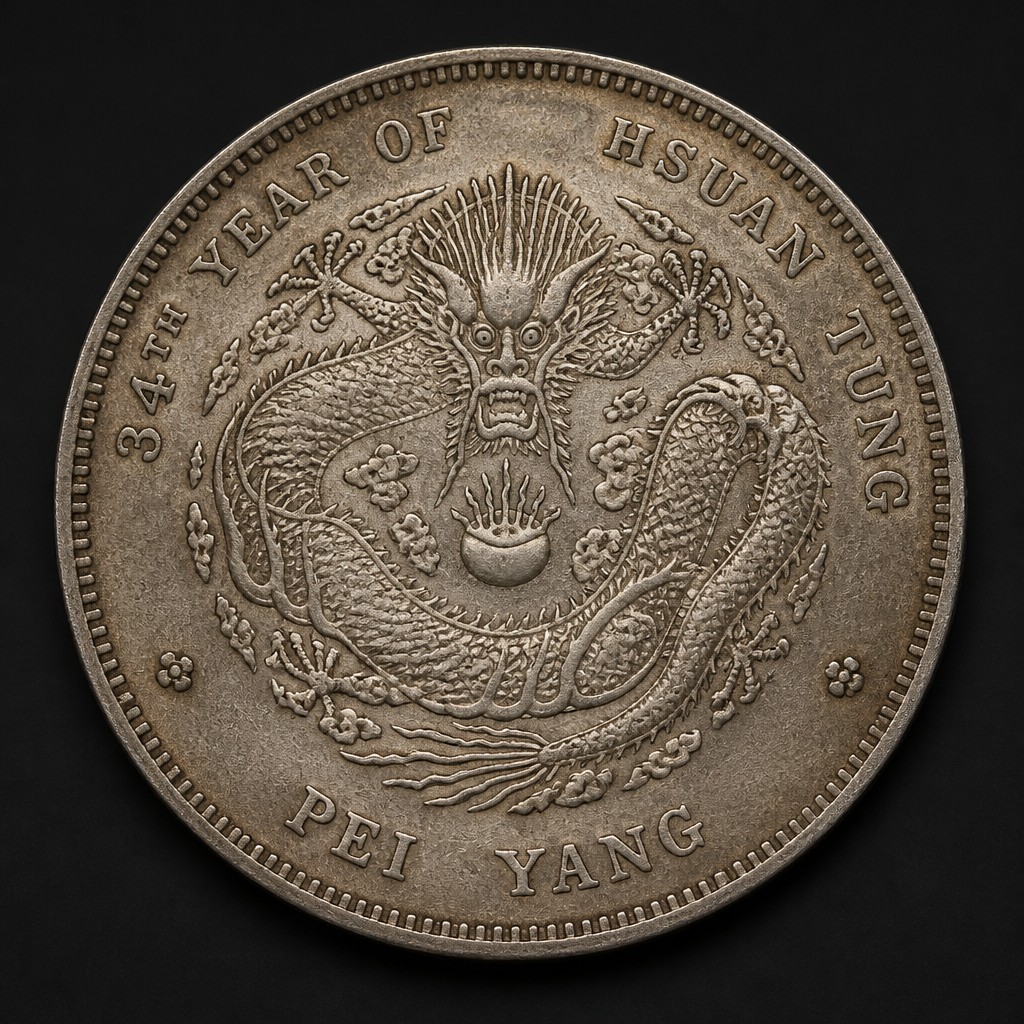
Chinese Empire Silver Dollar (Hsuan Tung Dragon)
1909–1911
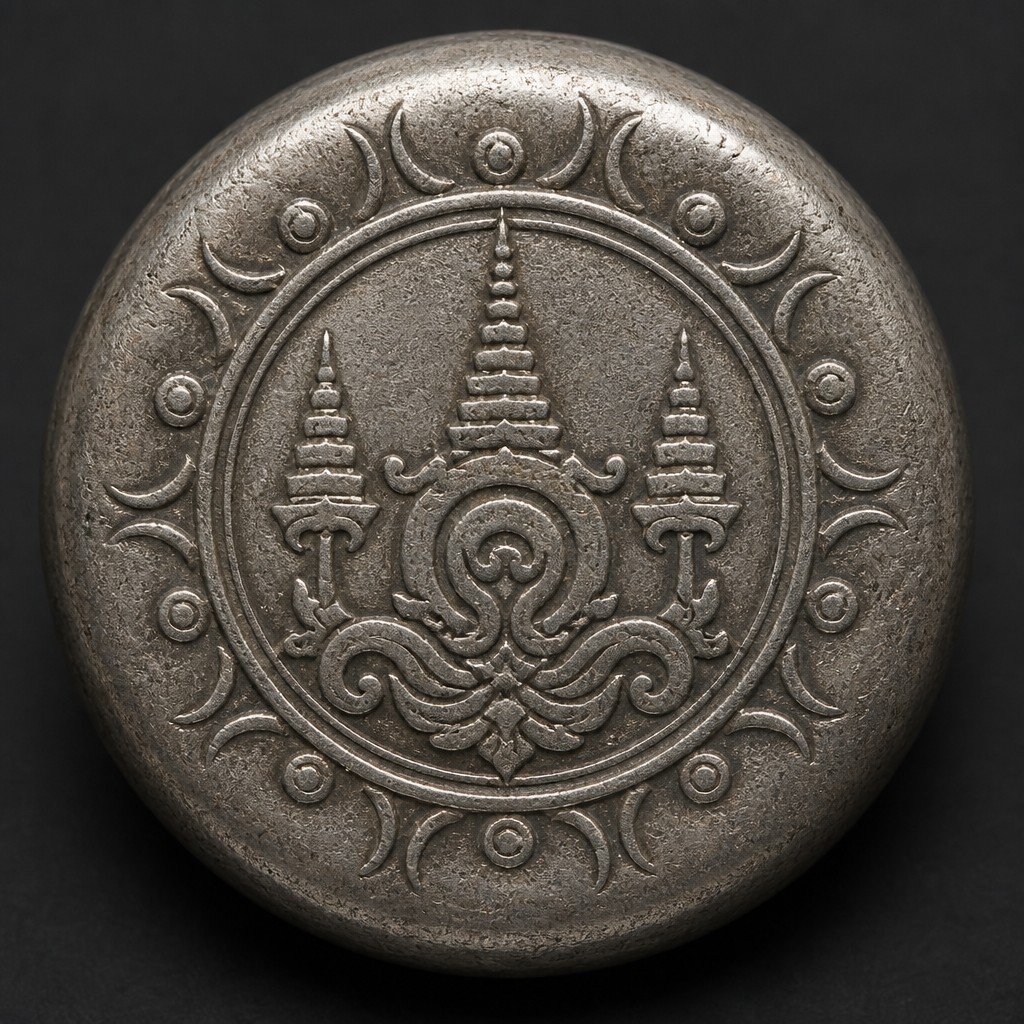
Thailand (Siam) Silver Baht 'Bullet Money' (Pod Duang)
c. 13th century – late 19th century
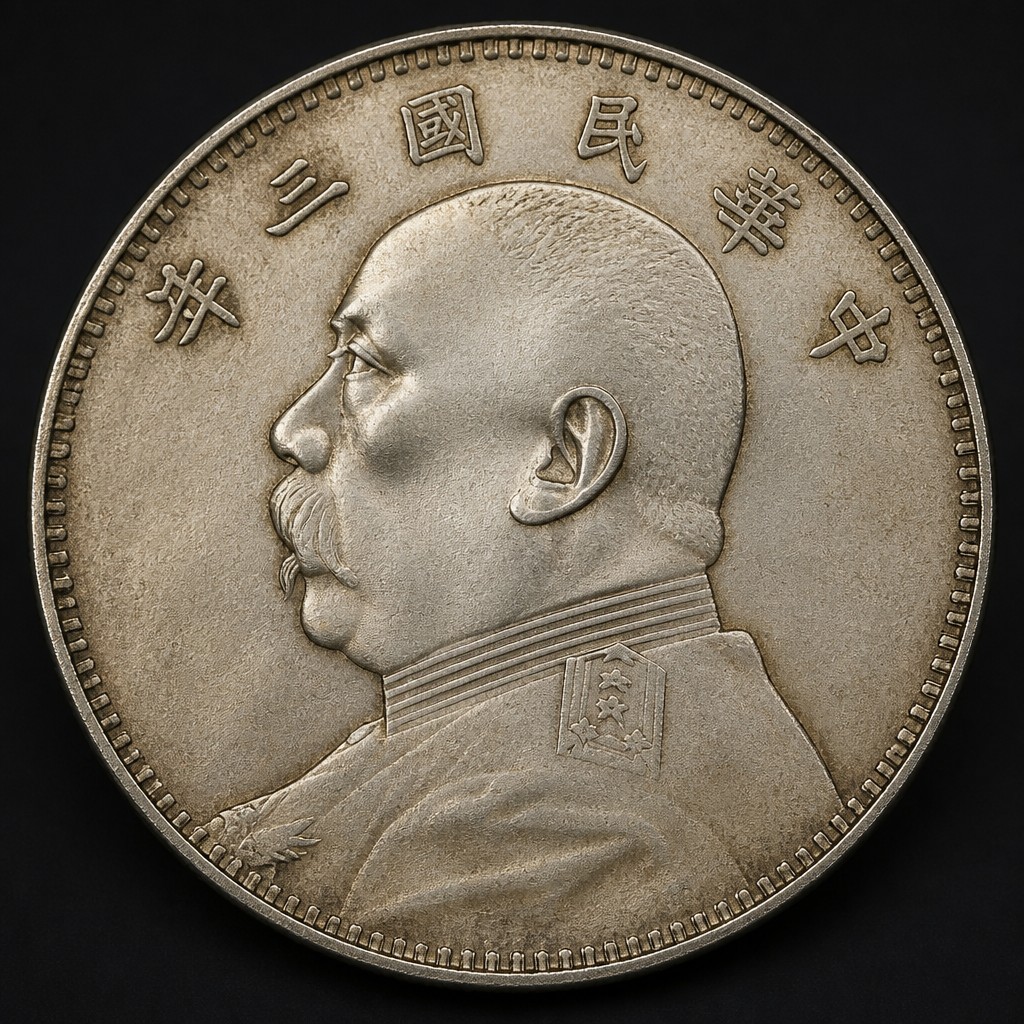
Yuan Shikai 'Fatman' Dollar (1914)
Dated 1914, struck into the early 1920s