
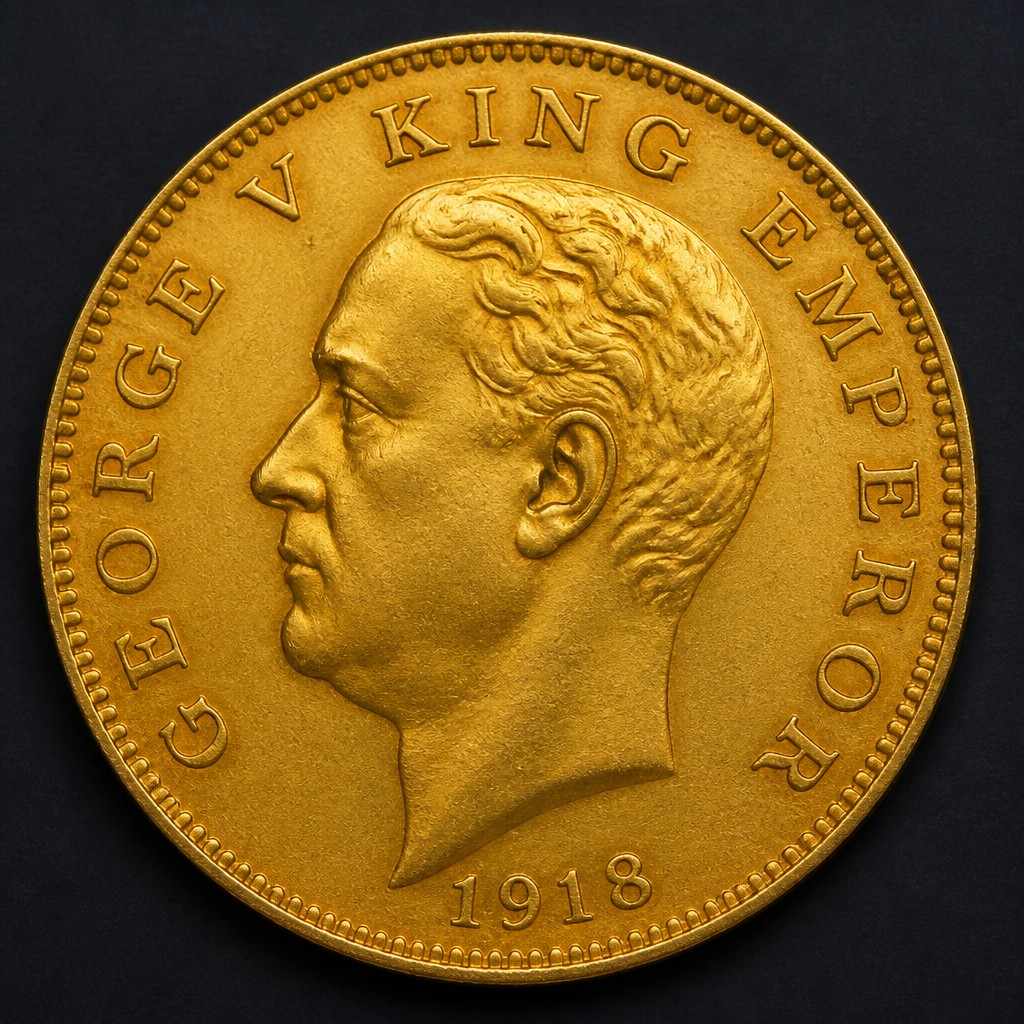
British India Gold Mohur (East India Company)
High-value gold coin issued by the East India Company and later the British Crown in India, used for major transactions and prized today for its gold content and classic portraiture.
- Country
- British India
- Denomination
- 1 Mohur (approx. 15 Rupees)
- Metal
- Gold
Got a coin like this?
Identify any coin from a photo, free.
Overview
The Gold Mohur was the principal high-value gold coin of British India, issued first under the authority of the East India Company and later continued under direct Crown rule following the transfer of governance in 1858. It represented a substantial sum in everyday terms, generally valued at around fifteen silver rupees, and was used mainly for large transactions, reserves, and ceremonial purposes rather than everyday commerce.
Over the course of British involvement in India, several distinct types of mohur were struck bearing the portraits of British monarchs or, in earlier East India Company issues, various regional and Company-era designs, reflecting the political evolution from Company rule to the British Raj.
Today, the Gold Mohur is highly regarded among collectors of British Commonwealth and Indian coinage both for its substantial gold content and for its historical connection to one of the most significant colonial economic institutions in world history.
History & Background
The East India Company, which gradually expanded from a trading enterprise into the dominant political power across much of the Indian subcontinent, issued gold mohurs at several of its presidency mints, including Calcutta, Bombay, and Madras, adapting earlier Mughal-influenced denominations to Company administration. Early Company mohurs often carried inscriptions in Persian or featured designs tied to the nominal authority of Mughal emperors, reflecting the Company's initial position as a tribute-paying and licensed trading power rather than an outright sovereign.
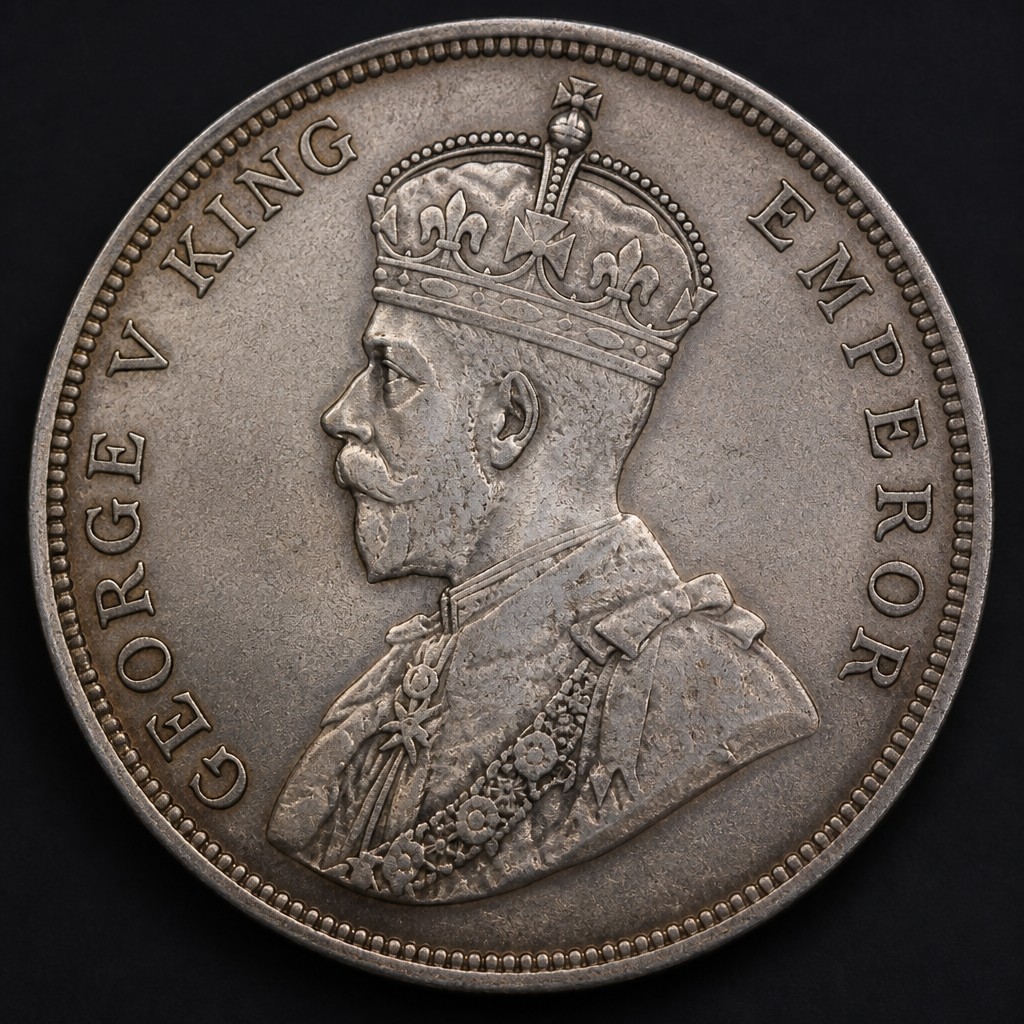
As Company rule consolidated and eventually gave way to direct British Crown administration after the Indian Rebellion of 1857, mohurs began to carry the portrait of the reigning British monarch, most famously Queen Victoria, whose 1841 "young head" gold mohur is considered one of the most beautiful coins of the British colonial era. The Crown continued limited mohur issues into the early twentieth century, primarily as commemorative, presentation, or reserve pieces rather than as coinage in everyday circulation.
By the time of the last British India mohurs struck around World War I, the coin had become largely ceremonial, its role in commerce long since eclipsed by paper currency and smaller-denomination coinage, though it remained a recognized store of value and prestige piece.
How to Identify
Obverse designs vary by period: earlier East India Company mohurs often carry Persian or Perso-Arabic script referencing the nominal Mughal authority, while later Company and Crown-era mohurs display a portrait of the reigning British monarch, such as the youthful profile of Queen Victoria, with a Latin legend naming her titles. Reverse designs typically show either a denomination and date within an ornamental border, or, in the case of Victoria's famous "young head" mohur, a seated figure of Britannia-like allegory or a detailed heraldic design, depending on the specific issue.
The coin is struck in gold, generally with a diameter and weight standardized across most issues to allow consistent valuation against the silver rupee, and it typically has a plain or reeded edge depending on the type and mint. Mint marks or small identifying letters may appear on certain issues to indicate whether the coin was struck at Calcutta, Bombay, or Madras.
Collectors distinguish mohurs primarily by monarch and specific design type, since the coin's overall form remained fairly consistent gold-crown sized currency throughout its history; date, mint, and minor design variations account for the different recognized types and their differing rarity.
Value & Collectibility
Because gold mohurs were struck in relatively limited numbers compared to the more commonly circulated silver rupee, they are generally scarce and valuable, with prices closely tied to both gold content and numismatic rarity. Common Victoria-era types in worn condition may trade at a moderate premium over bullion value, while rare early East India Company types or exceptionally preserved specimens of famous issues like the 1841 young head mohur can command prices well into the thousands of dollars or more.
Key factors driving value include the specific ruler and design type, mint of origin, overall preservation, and rarity of the particular date or variety, with certified, high-grade examples of celebrated designs consistently achieving the strongest prices at auction.
Frequently asked questions
How much was a gold mohur worth compared to a rupee?
A gold mohur was generally valued at around fifteen silver rupees, though the exact exchange rate varied somewhat over time and by region.
Who issued the earliest gold mohurs in British India?
The East India Company issued early mohurs at its presidency mints, often with designs referencing the nominal authority of the Mughal emperor before Company and later Crown sovereignty became explicit.
Is the 1841 Victoria mohur especially valuable?
Yes, the 1841 young head Victoria gold mohur is widely regarded as one of the most beautiful and desirable coins of British India and commands strong collector interest.
Was the gold mohur used in daily transactions?
It was mainly used for large-value transactions, reserves, and ceremonial purposes rather than everyday commerce, which relied primarily on silver rupee coinage.
Other coins you may enjoy
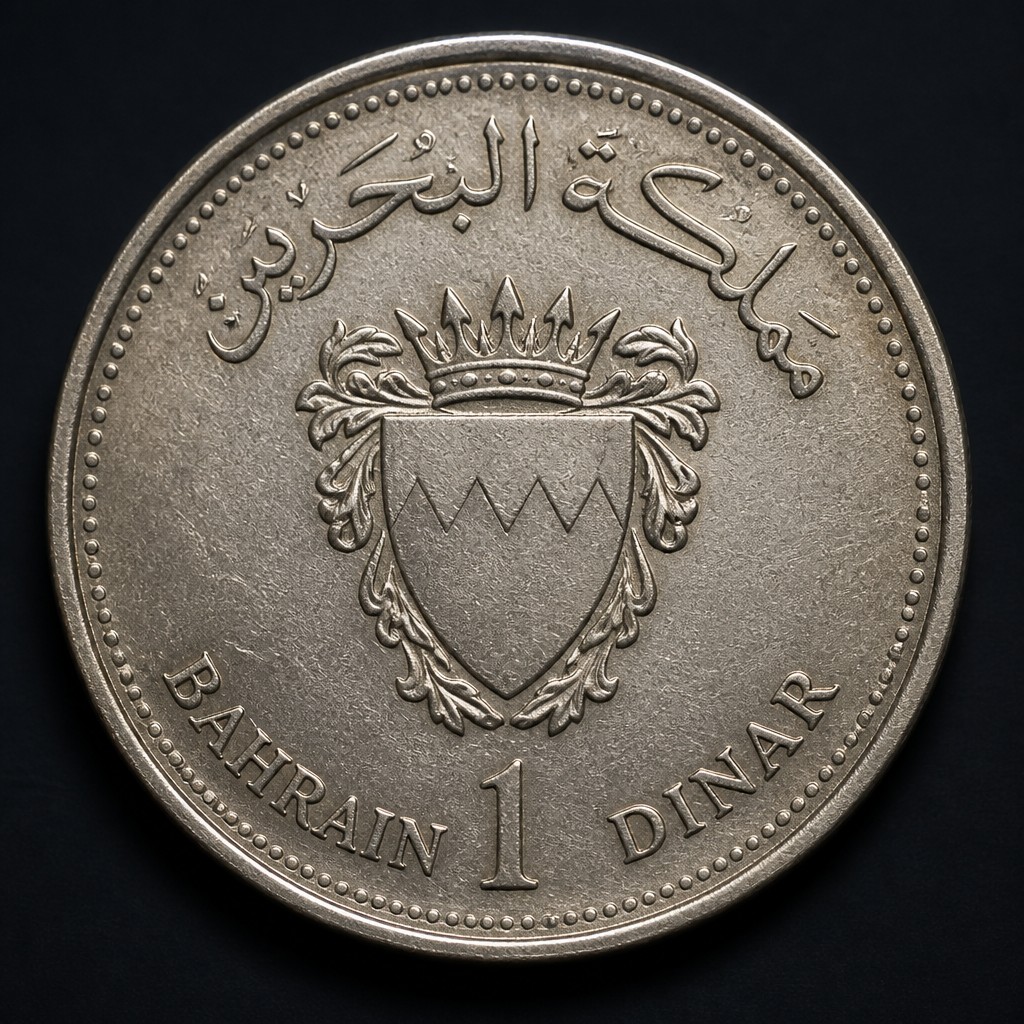
Bahraini Dinar
1965–present
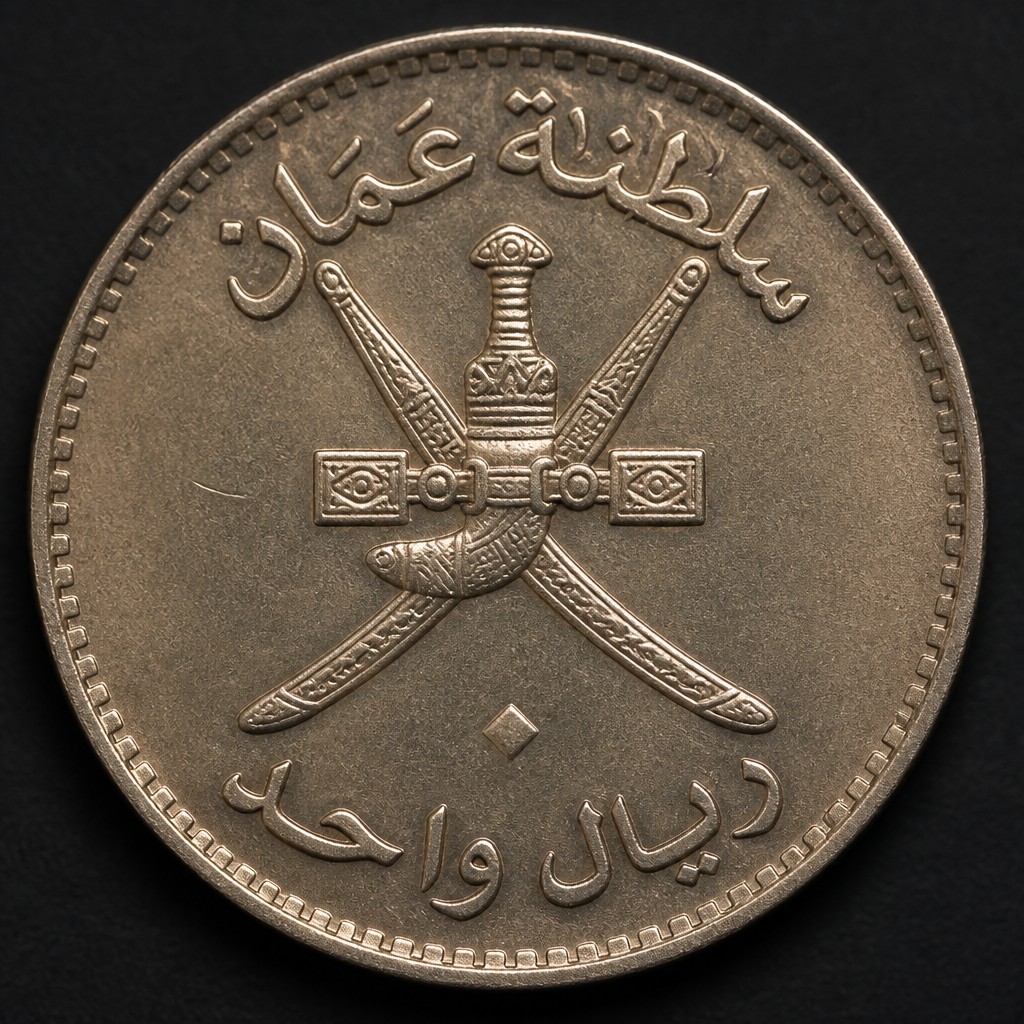
Omani Rial (Baisa Coinage)
1970–present
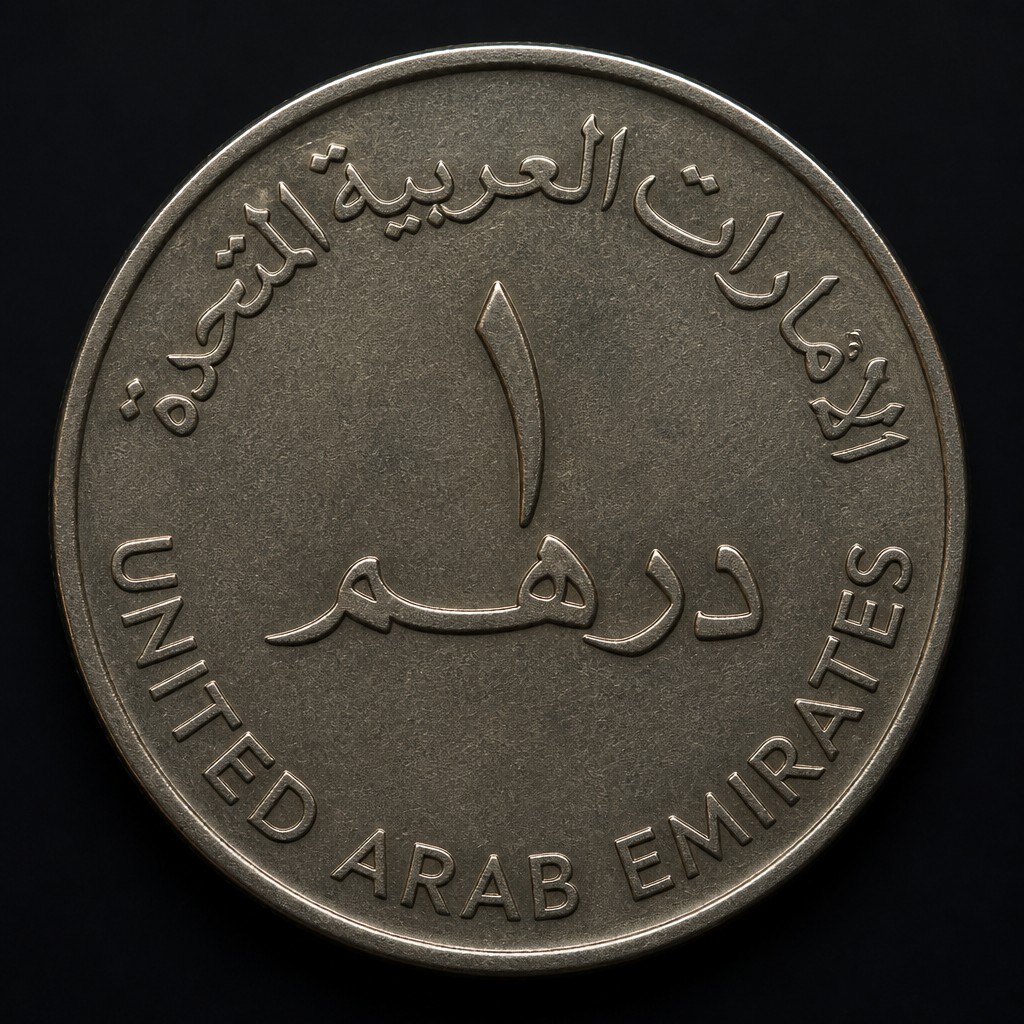
United Arab Emirates Dirham
1973–present
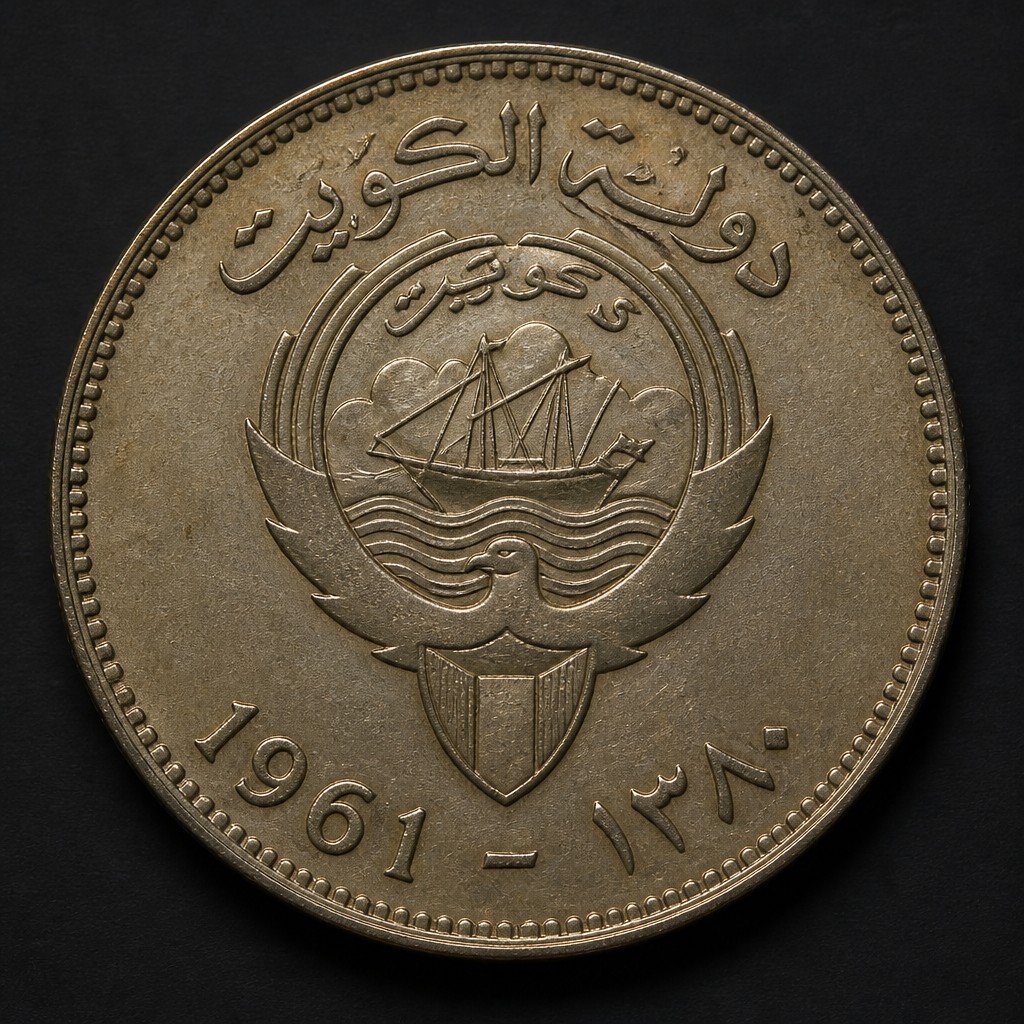
Kuwaiti Fils
1961–present
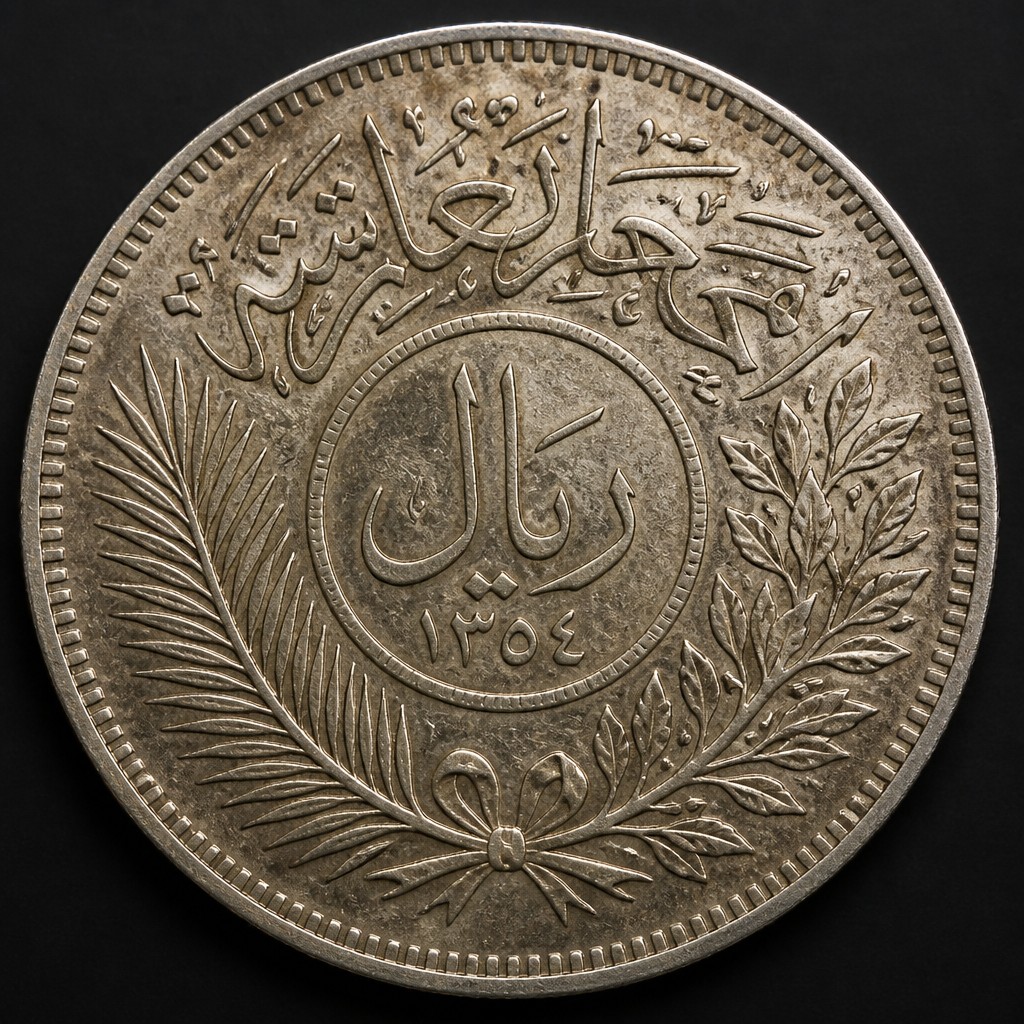
Saudi Arabian Riyal (silver)
1935 (Kingdom-wide standardization) and related issues
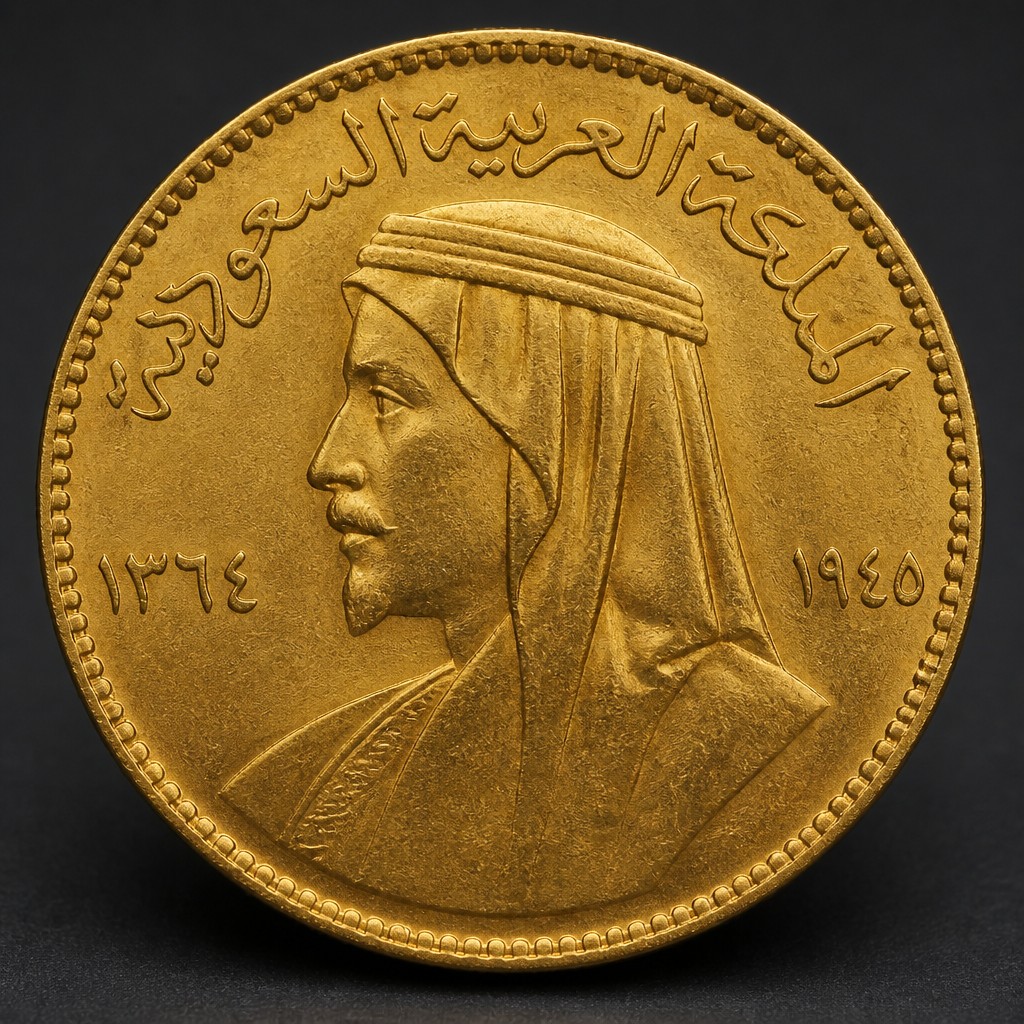
Saudi Arabian Gold Guinea (Sovereign)
1945 and later issues
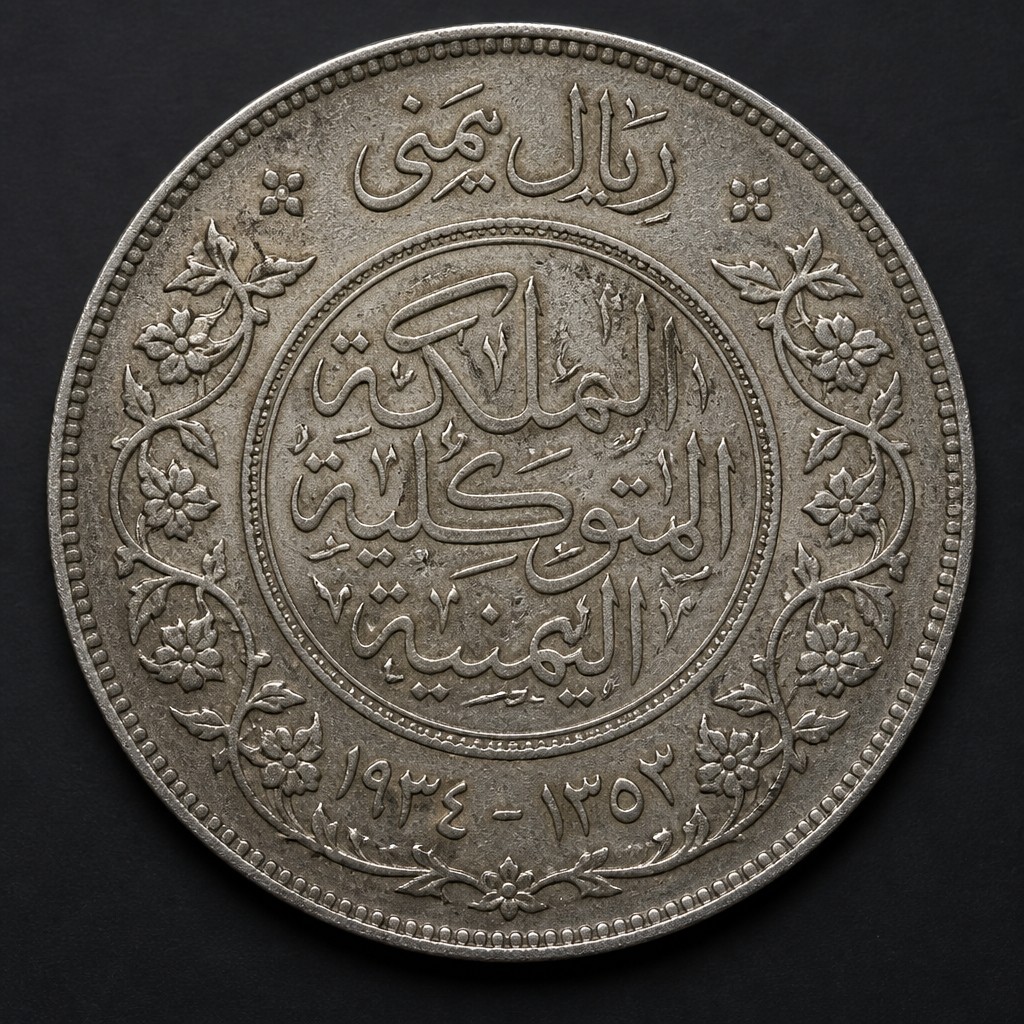
Yemeni Riyal (Ahmadi/Imadi Kingdom Coinage)
Early-to-mid 20th century
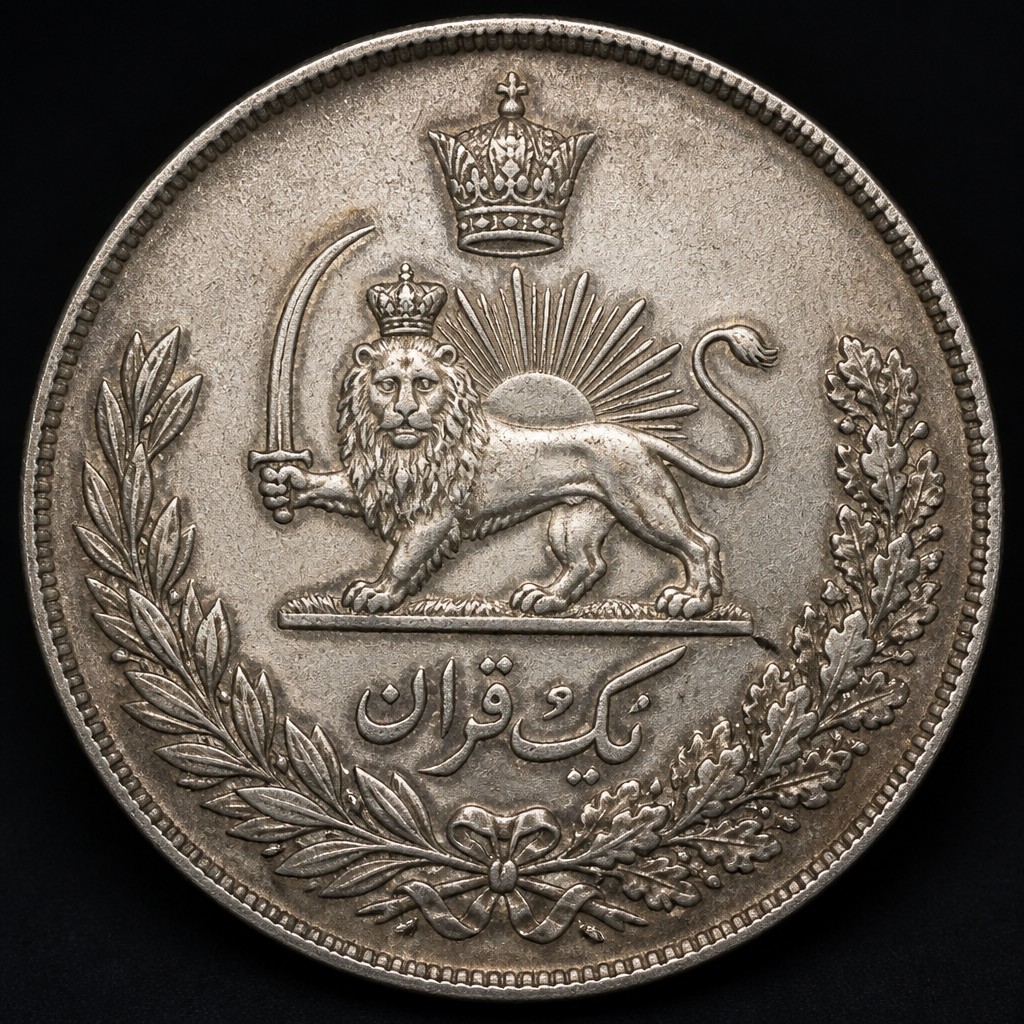
Persian Kran (Qajar silver)
Mid-19th century–1925
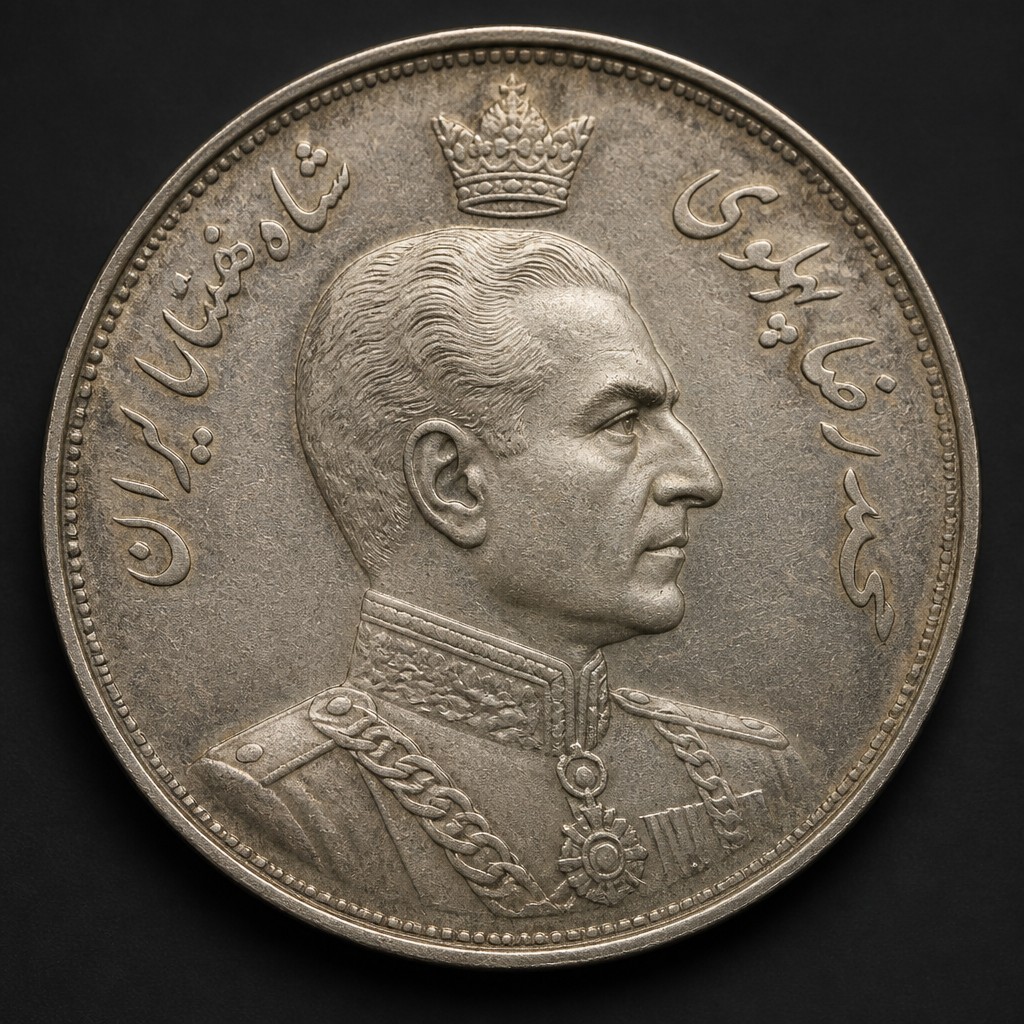
Iranian Rial
1932–present
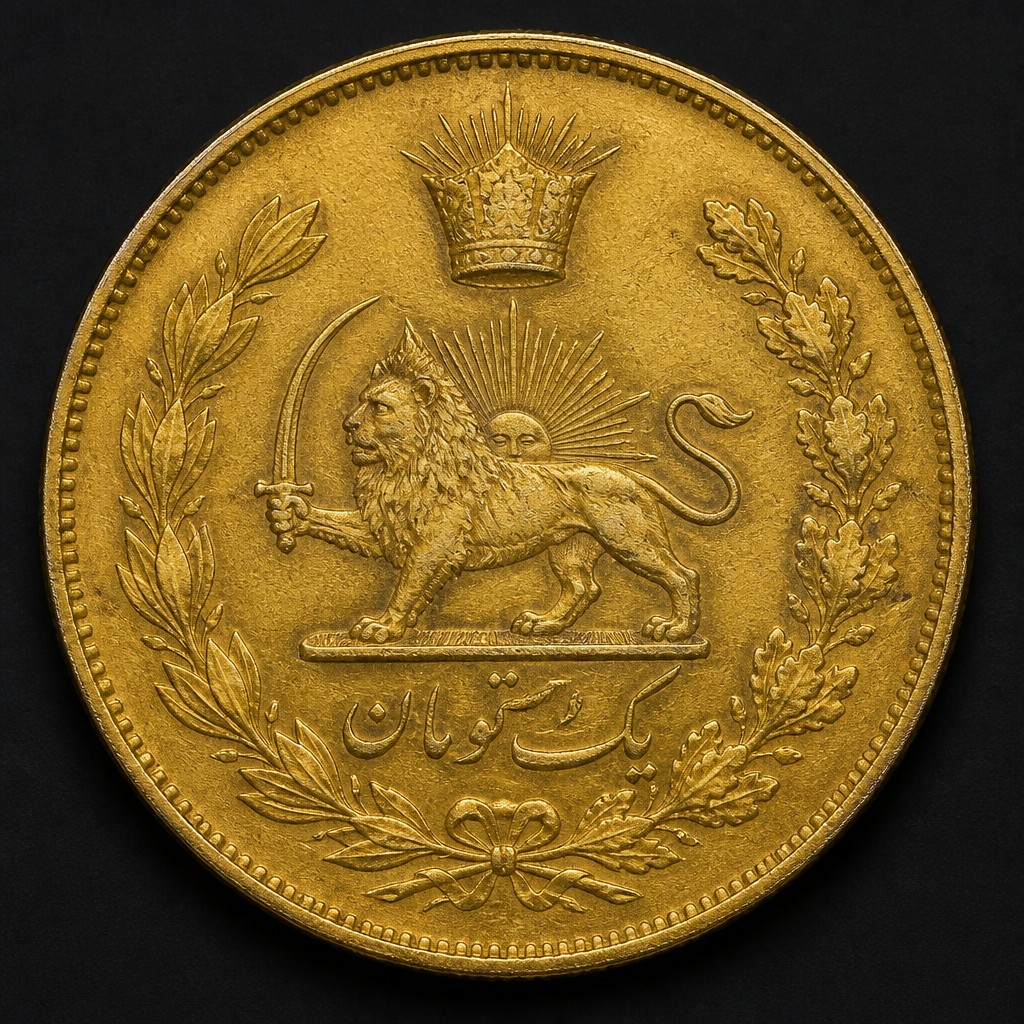
Persian Gold Toman (Qajar)
1796–1925
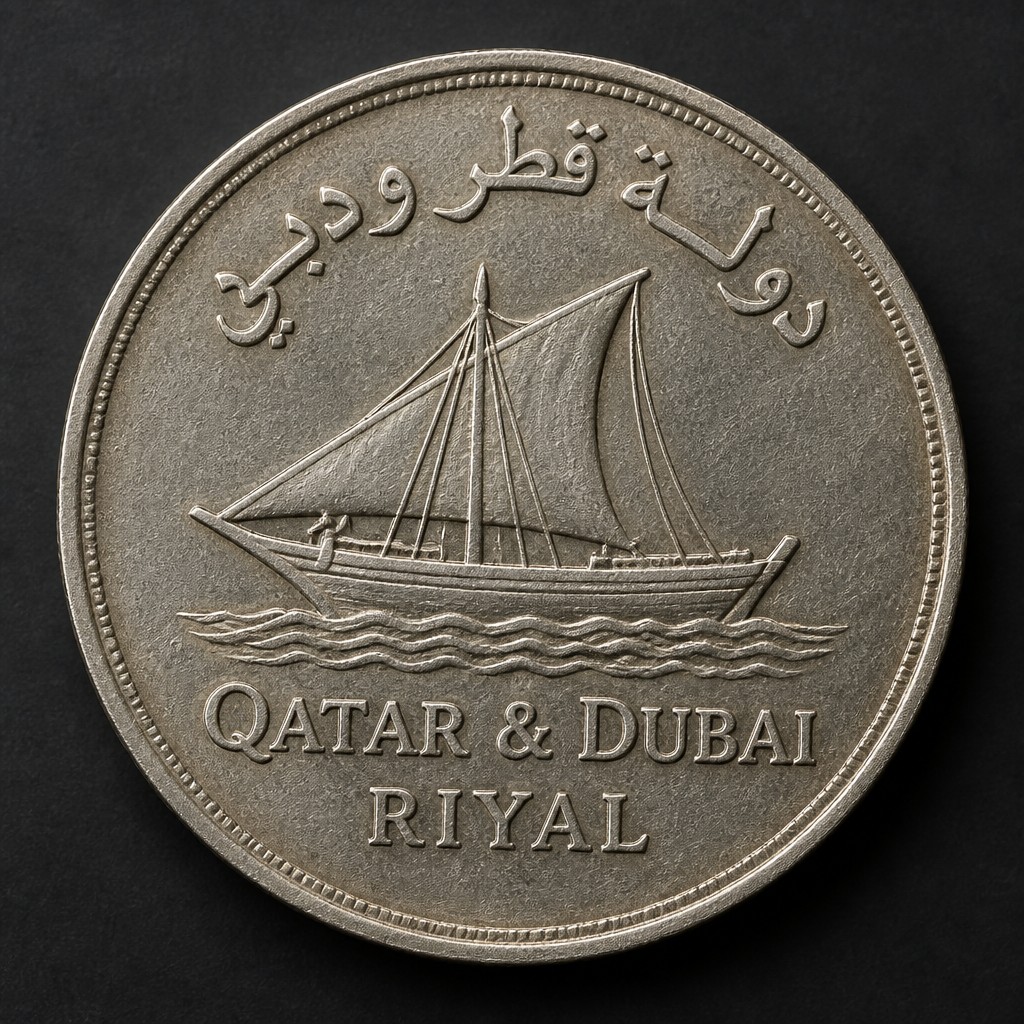
Qatar and Dubai Riyal
1966–1973
British India Rupee (Silver)
1835–1947