
Coin Encyclopedia
Search and identify coins from around the world — with country, denomination, metal, mint, history, and how to tell them apart.
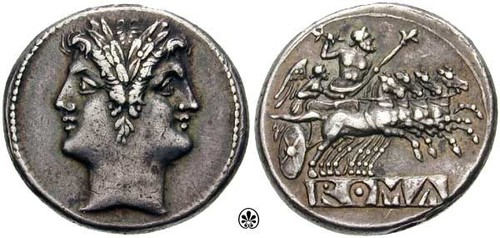
Roman As/Dupondius (Uncertain)
An uncertain Roman bronze As or Dupondius: a double-faced Janus head on one side and a ship (galley/prow) with ROMA below on the other.
Ancient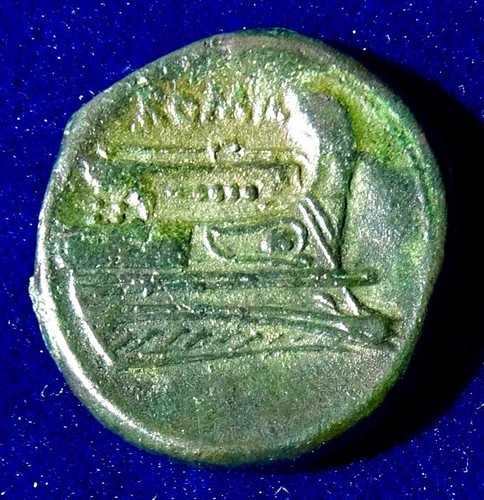
Roman Republic Semuncia
Smallest Roman Republican bronze denomination, worth half an uncia, struck around 217-215 BC with a Mercury head and a galley prow.
Ancient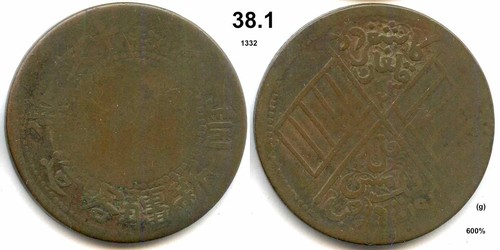
10 Cash (Republic)
A Republic of China bronze 10 Cash: a round machine-struck copper piece with a central ornament and characters on one face and a decorative inscribed reverse.
Cash Coin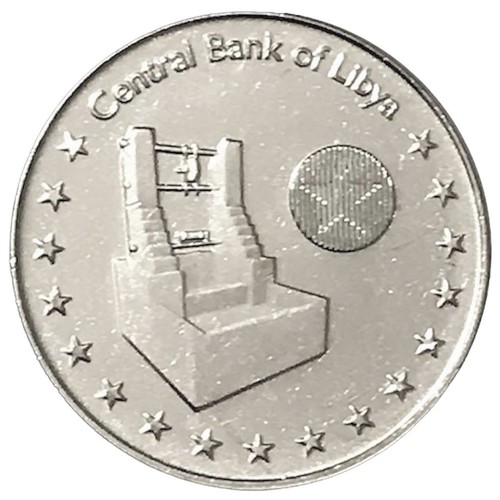
Libya 1 Dinar (Counterfeit)
A brass coin imitating Libyan 1 Dinar coinage, carrying Arabic legends and geometric ornament but identified as a counterfeit or non-official replica.
World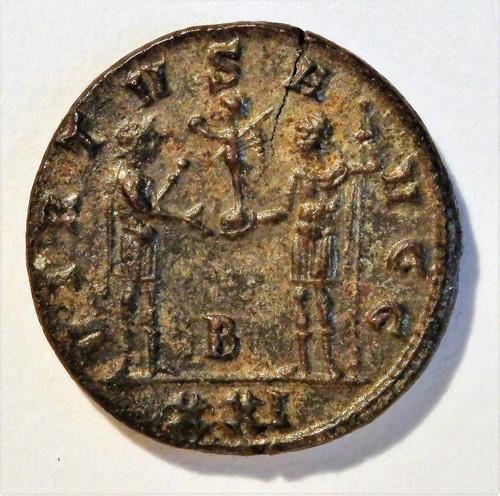
Antoninianus of Carinus
Bronze radiate coin of the emperor Carinus (283-285 AD), recognizable by his spiked crown and a standing or seated deity on the reverse.
Ancient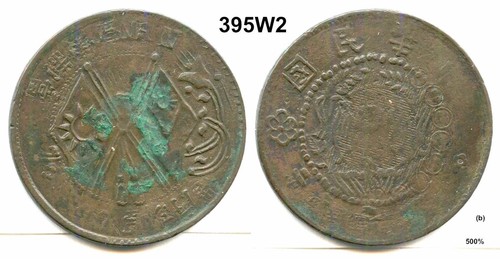
Ho-Nan 100 Cash
A large struck bronze 100-cash coin of Henan Province from Republican China, with ornate Chinese characters on one face and a decorative pattern on the other.
Cash Coin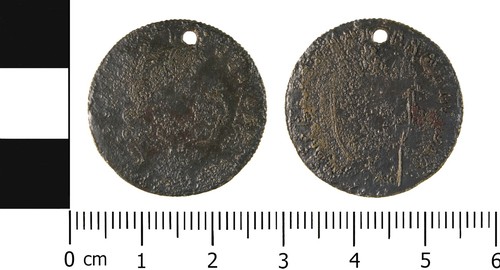
Imitation Guinea Gaming Piece
A brass or bronze token imitating a George III spade guinea, made for card games and gaming tables rather than as legal-tender money.
British Isles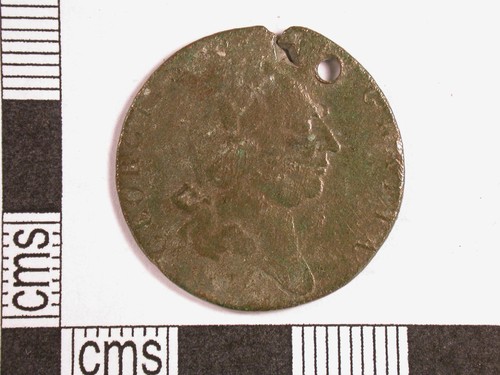
Guinea Counter (Imitation)
A brass or bronze gaming counter made to imitate a George III guinea, showing a faint male profile and a shield reverse; a token, not money.
Token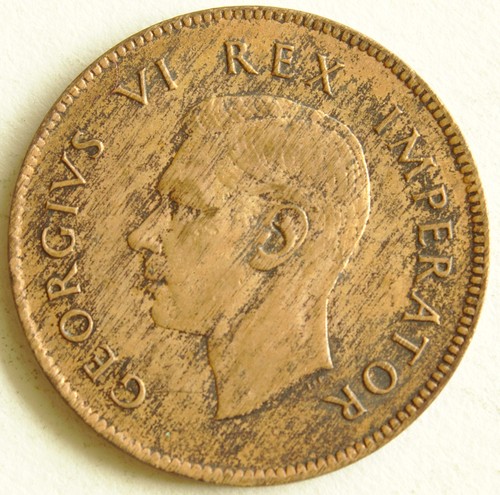
South Africa Farthing
The smallest bronze coin of the Union of South Africa, a quarter-penny with a crowned royal portrait and a South African bird reverse.
World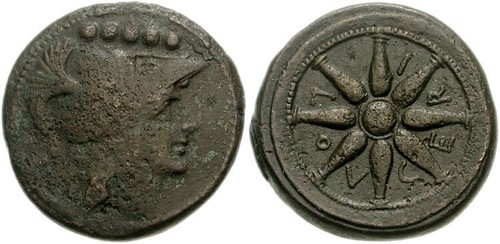
Quincunx of Luceria
A cast bronze quincunx of Luceria in Apulia (3rd century BC), showing a female head and a five-point floral or star device marking five unciae.
Ancient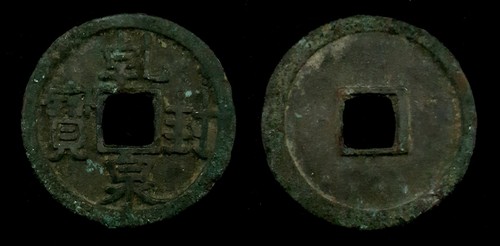
Qian Feng Quan Bao
A round bronze Tang cash coin with a square center hole, cast under Emperor Gaozong in the short-lived Qianfeng era and worth ten ordinary cash.
Cash Coin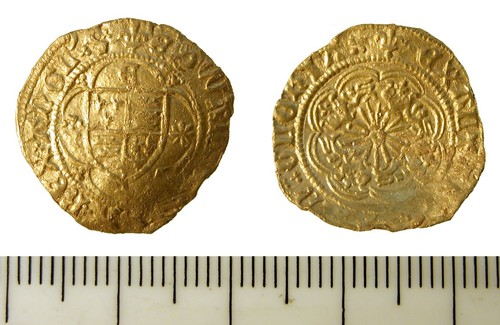
Edward IV Quarter Ryal
Small English medieval gold coin of Edward IV, bearing the crowned royal arms and an ornate radiate cross with a rose-on-sun at its center.
Medieval Coins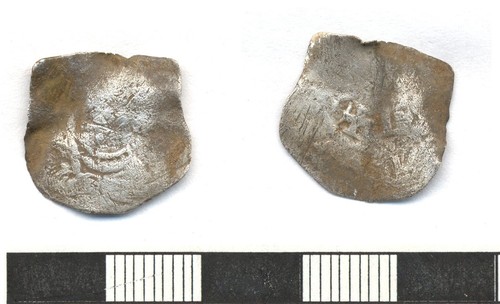
Tealby Penny
Silver penny of Henry II, the Tealby or Cross-and-Crosslets type, with a crowned royal bust and a voided cross bearing small crosslets in its angles.
Medieval Coins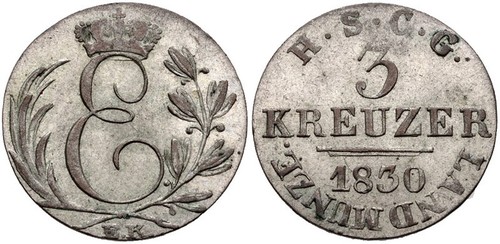
Gotha 3 Kreuzer
A small silver 3 Kreuzer of the German state of Gotha, dated 1830, with an ornate armorial obverse and a laurel-wreath value reverse.
German States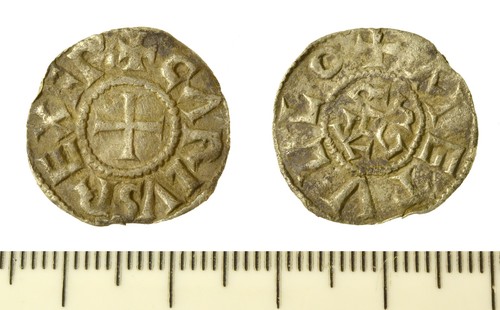
Denier of Charles the Bald
A small hammered silver denier of the Carolingian king Charles the Bald (r. 840–877), pairing a cross or monogram design with a ruler's profile.
Medieval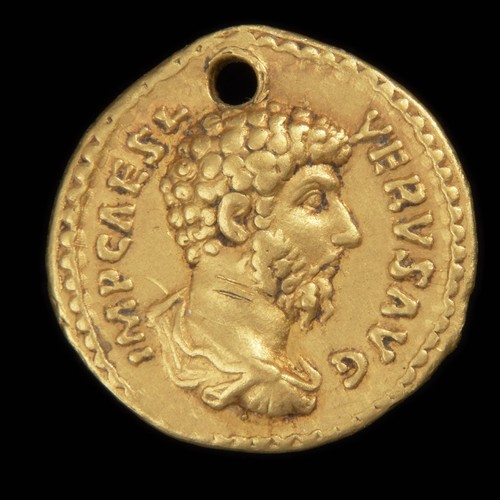
Aureus of Marcus Aurelius
Small Roman gold coin of the reign of Marcus Aurelius; this piece shows a diademed portrait and a standing deity or personification, dated to 163 AD.
Ancient Coins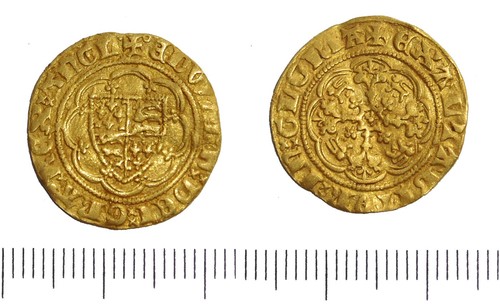
Edward III Quarter Noble
Small medieval English gold coin of Edward III, showing a crowned shield of arms on the obverse and an ornate floral cross design on the reverse.
Medieval Coins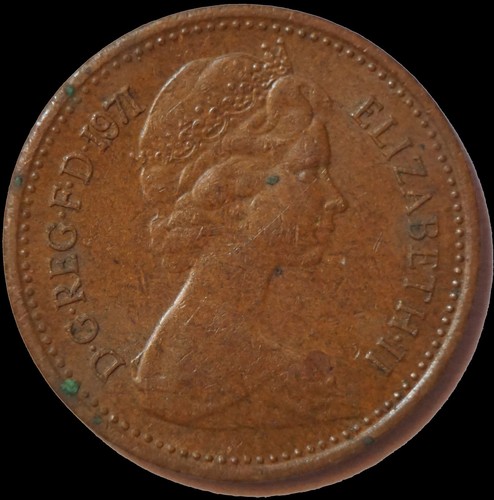
British Decimal Half Penny
The smallest UK decimal coin, a tiny bronze half-penny introduced with decimalisation in 1971, bearing a crown reverse and the Machin portrait of Elizabeth II.
British Isles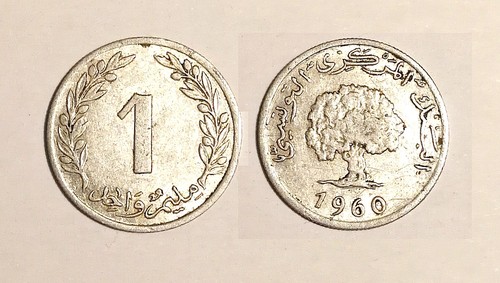
Tunisia 1 Millime
Tunisia's smallest post-independence coin, a tiny aluminum-bronze 1 millime of 1960 showing the value 1 framed by laurel and a numeral in profile.
World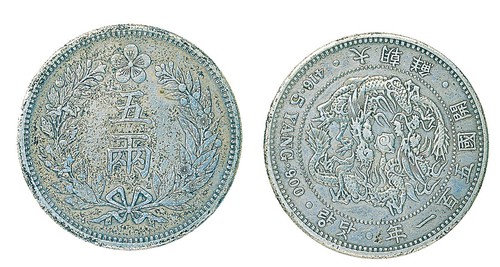
5 Yang
A late-Joseon Korean 5 Yang in bronze: a floral, chrysanthemum-and-taegeuk obverse paired with a coiled dragon and ornamental characters on the reverse.
Historic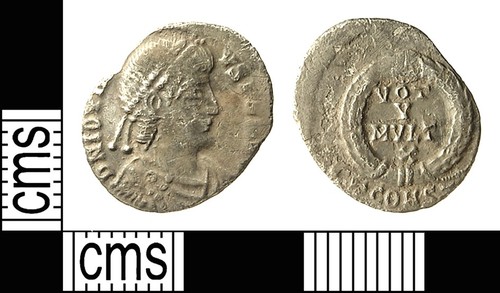
Siliqua of Jovian
Small late-Roman silver siliqua of Emperor Jovian (AD 363–364), with his right-facing portrait and a Victory or standing deity reverse.
Ancient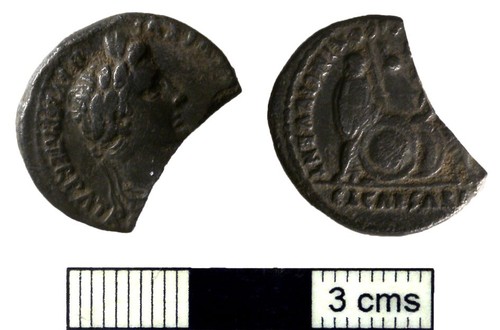
Roman Denarius
A small hammered silver coin of ancient Rome, showing an emperor's portrait and abbreviated Latin titles on one side and a deity or figure on the other.
Ancient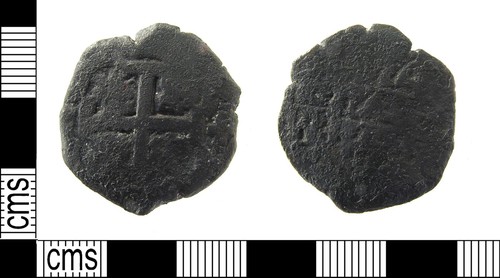
Spanish Colonial 1 Real (Bourbon)
A small silver coin of Spain's American colonies from the early Bourbon era, showing a cross with ornaments on one side and the crowned royal arms on the other.
Colonial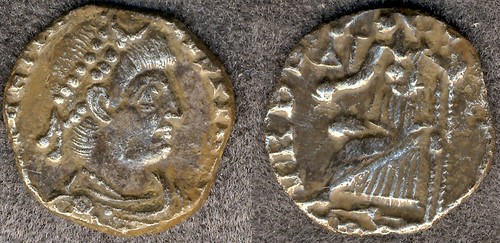
Siliqua of Gratian
A small late Roman silver siliqua of the emperor Gratian (AD 367-383), with his diademed bust on the obverse and a standing figure or personification on the reverse.
Ancient