
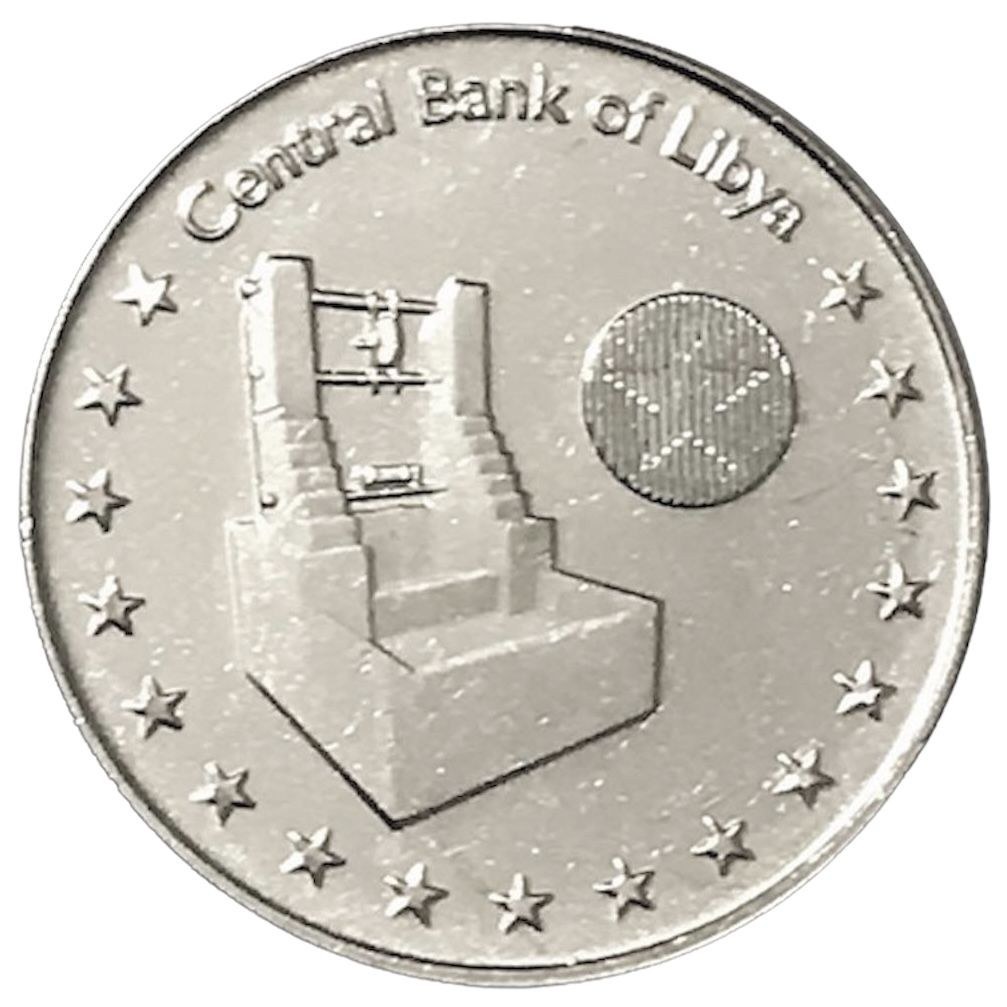
Libya 1 Dinar (Counterfeit)
A brass coin imitating Libyan 1 Dinar coinage, carrying Arabic legends and geometric ornament but identified as a counterfeit or non-official replica.
- Country
- Libya
- Denomination
- 1 Dinar
- Metal
- Brass
Got a coin like this?
Identify any coin from a photo, free.
Overview
This piece is a brass coin made to resemble a Libyan 1 Dinar, and it has been identified as a counterfeit or unofficial replica rather than a genuine Central Bank of Libya issue. The obverse shown carries Arabic text and an ornamental geometric design with the denomination numeral '1' at the center, while the reverse bears Arabic inscriptions arranged around a central motif.
Genuine Libyan coinage is struck by the state monetary authority to fixed standards of metal, size, and design. A brass coin presented as a 1 Dinar that does not match those official standards falls into the category of counterfeit or fantasy pieces: coins produced outside any national mint that copy or evoke real currency without being legal tender.
Coins like this are best understood as curiosities or specimens of forgery rather than as circulating money. They hold interest for collectors who study counterfeits and imitations, but they carry no official monetary value and should not be treated as authentic Libyan currency.
History & Background
Libya's modern currency is the dinar, divided into subunits historically called dirham, and its official coins are issued by the country's central monetary authority. Over the decades Libyan coinage has changed with the nation's political history, and Arabic legends together with geometric and calligraphic ornament are characteristic of the region's designs.
Counterfeit and replica coins imitating North African and Middle Eastern currency appear on the collector market and through informal channels. Some are deliberate forgeries meant to deceive, while others are souvenir, novelty, or 'fantasy' pieces that borrow the look of real money without matching any genuine issue. Brass is a common choice for such imitations because it is inexpensive and takes a gold-like tone.
Because this coin has been flagged as a counterfeit, its exact origin, date, and maker are unverified. It should not be attributed to any specific official Libyan series, and any year or mint suggested by its design cannot be taken at face value.
How to Identify
On the coin shown, the obverse combines Arabic script with an ornamental geometric pattern and a central numeral '1' marking the denomination; the reverse carries Arabic inscriptions surrounding a central design. These are the same broad elements a genuine Libyan dinar coin might use, which is why the piece is convincing at a glance.
The key identifier here is the metal and overall quality. The coin is brass, giving it a yellowish, gold-like color rather than the appearance of an official base-metal or bimetallic Libyan strike. Counterfeit indicators to look for include soft or mushy lettering, uneven or off-center designs, incorrect weight and diameter, casting seams or file marks on the edge, and Arabic text that is malformed or does not read correctly.
Because it is a counterfeit, this coin will not consistently match the published specifications of any authentic Libyan 1 Dinar. Comparing weight, diameter, edge, and lettering against verified reference images of genuine Central Bank of Libya coinage is the most reliable way to confirm that it is an imitation rather than an official issue.
Value & Collectibility
As a counterfeit or replica, this coin has no official monetary value and is not legal tender. It cannot be spent or exchanged as genuine Libyan currency, and it carries none of the backing that a real central-bank issue would have.
On the collector side, counterfeits and fantasy pieces generally trade for small sums as curiosities, study pieces, or novelties. Value, where any exists, comes from interest in forgeries and imitations rather than from metal content or numismatic rarity, and brass carries no bullion premium.
Anyone offered this coin as an authentic or 'rare' Libyan dinar should treat the claim with caution. Because it is an imitation, it should never be purchased at prices implying it is genuine or precious-metal currency; when authenticity matters, compare against verified references or consult a specialist before assigning any value.
Frequently asked questions
Is this a real Libyan 1 Dinar coin?
No. It has been identified as a counterfeit or unofficial replica. Although it imitates the Arabic legends and geometric ornament of Libyan coinage and shows a '1' denomination, it does not match a genuine Central Bank of Libya issue.
What is it made of?
It is struck or cast in brass, an inexpensive copper-zinc alloy with a yellowish, gold-like color. Brass is commonly used for imitation and novelty coins, and it carries no precious-metal value.
Does it have any value?
It has no official monetary value and is not legal tender. As a counterfeit it may have minor curiosity value to collectors who study forgeries, but it should never be bought or sold as a genuine or precious-metal coin.
How can I tell it is counterfeit?
Look for brass color instead of an official finish, soft or malformed Arabic lettering, uneven or off-center designs, wrong weight or diameter, and casting seams on the edge. Comparing to verified images of genuine Libyan coinage usually settles it.
Why do counterfeit coins like this exist?
Some are deliberate forgeries meant to deceive, while others are souvenir, novelty, or fantasy pieces that borrow the look of real currency. Brass imitations of North African and Middle Eastern coins turn up on informal markets and among collectors.
Libya 1 Dinar (Counterfeit) guides
In-depth guides for identifying, valuing, and collecting Libya 1 Dinar (Counterfeit).
Other coins you may enjoy
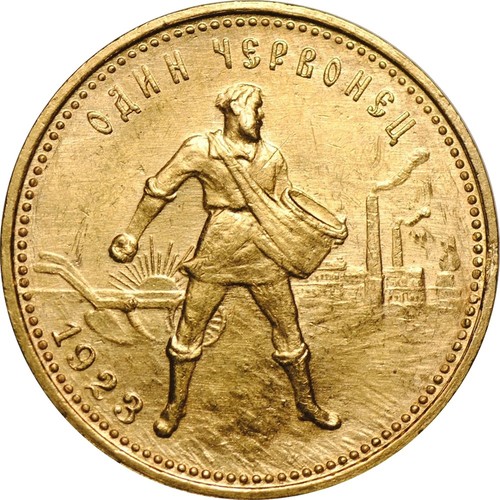
Gold Chervonets
1923
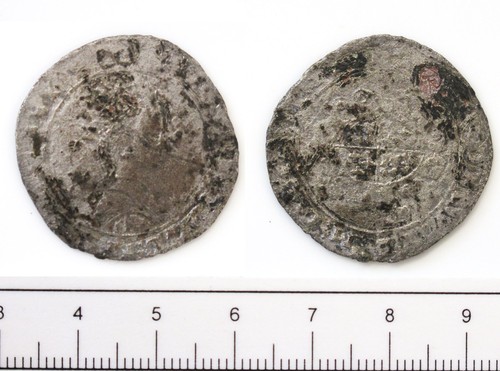
Shilling of Edward VI
1547–1553 (reign of Edward VI)
French Silver Franc
c. 1871–1920 (example dated 1899)
Ghana 20 Pesewas
1967
200 CFA Francs
2003–present
Tunisia 100 Millimes
1983–2005 (this brass type)
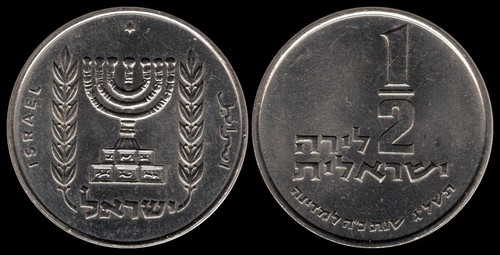
Israel Half Lira (25th Anniversary)
1973 (5733)
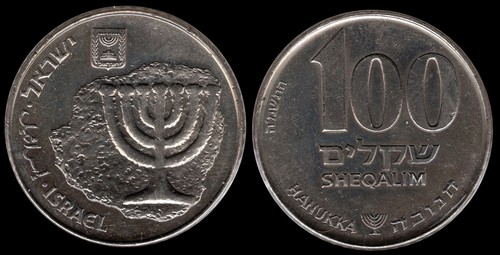
Israel 100 Sheqalim Hanukka Commemorative
1985
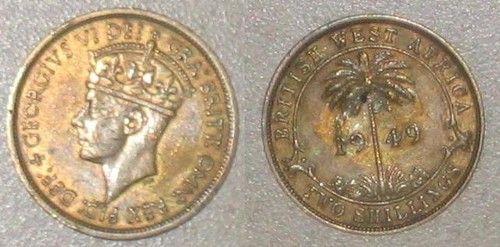
British West Africa 2 Shillings
1936–1952 (George VI type)
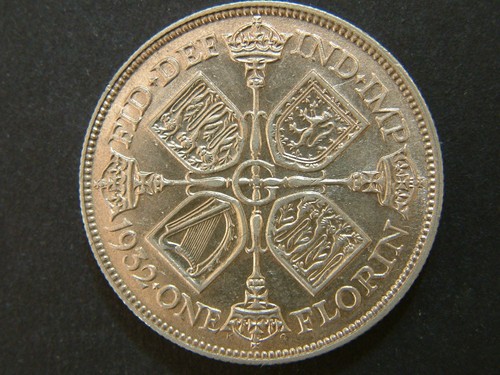
British Florin
Victorian issues c. 1849–1901 (example dated 1890)
Swiss 5 Francs
1888–1916 (this design)
North Yemen 1 Rial
1963 (AH 1382)