
Coin Encyclopedia
Search and identify coins from around the world — with country, denomination, metal, mint, history, and how to tell them apart.
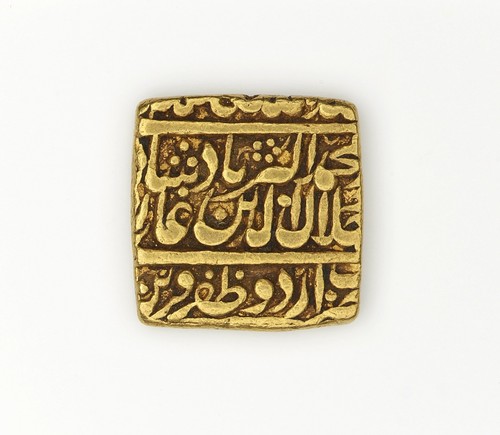
Gold Mohur of Akbar
Aniconic gold coin of Mughal emperor Akbar (1556-1605), struck in Persian calligraphy in the Ilahi coinage style.
Mughal India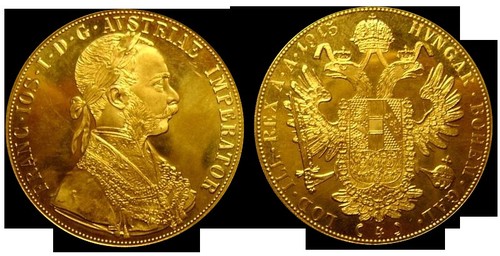
Austrian Gold Ducat
A high-purity Austrian gold ducat of the Habsburg monarchy, showing a crowned ruler in military dress on the obverse and the double-headed imperial eagle on the reverse.
Bullion/gold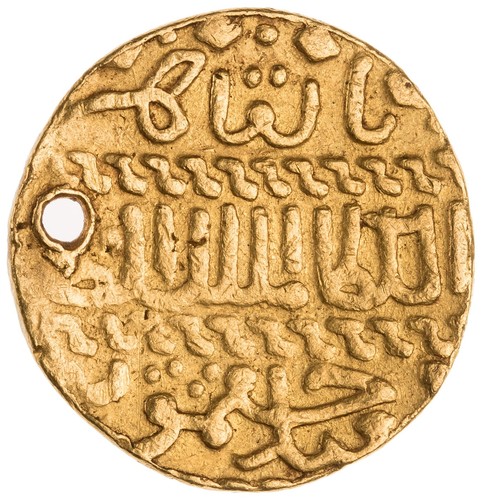
Gold Dinar of Jaqmaq
A hand-struck Mamluk gold dinar of Sultan al-Zahir Jaqmaq (r. 1438-1453 CE), covered in Arabic calligraphy with no figural imagery; this example is pierced.
Islamic (Medieval)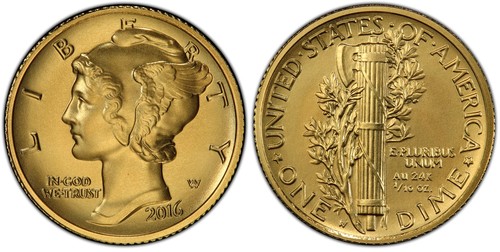
Mercury Dime Centennial Gold
A 2016-W gold collector coin marking the centennial of the 1916 Mercury dime, struck in 1/10 oz of 24-karat gold at West Point.
Dime
Vienna Philharmonic (Gold)
Austria's flagship gold bullion coin, struck in 99.99% fine gold by the Austrian Mint and themed around the Vienna Philharmonic orchestra.
Bullion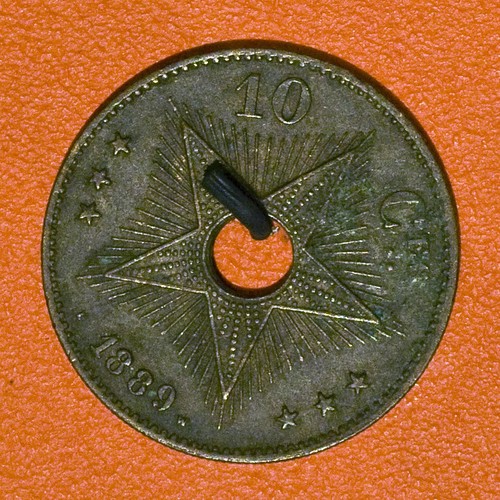
Congolese Commemorative Coin
An 1889 holed copper 10-centime coin of the Congo Free State, with a radiant five-pointed star, the value 10 C, and a ring of small stars.
World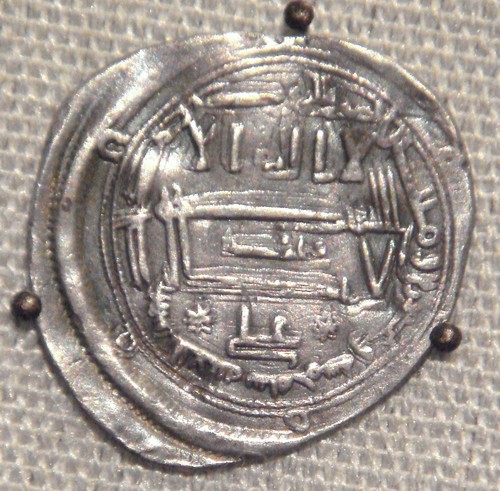
Idrisid Gold Dinar
Gold dinar of Morocco's Idrisid dynasty: a purely epigraphic Islamic coin bearing Kufic Arabic religious legends, no images.
Medieval Islamic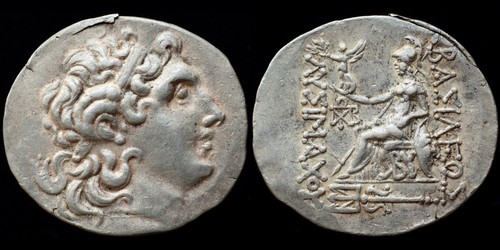
Lysimachos Gold Stater
Gold stater of Lysimachos, king in Thrace and Macedon c. 305-281 BC, with a deified head of Alexander the Great and an enthroned Athena reverse.
Ancient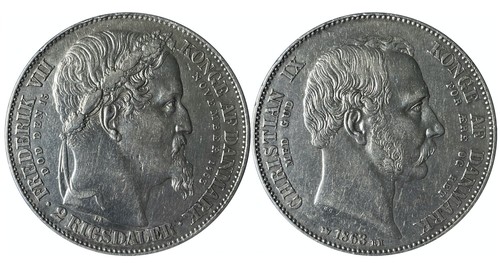
2 Rigsdaler (Gold)
A gold striking of Denmark's 1863 2 rigsdaler, with the right-facing bust of Christian IX and the crowned royal arms — a rare early piece of his reign.
European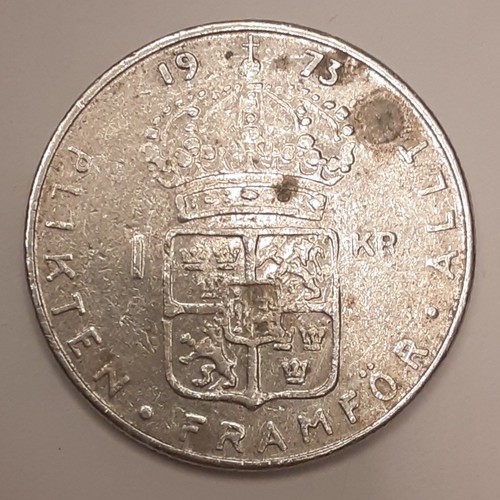
1 Krona (Gold)
A gold 1 krona of Sweden dated 1906, bearing the left-facing portrait of King Oscar II and the Swedish royal coat of arms with lions and three crowns.
Modern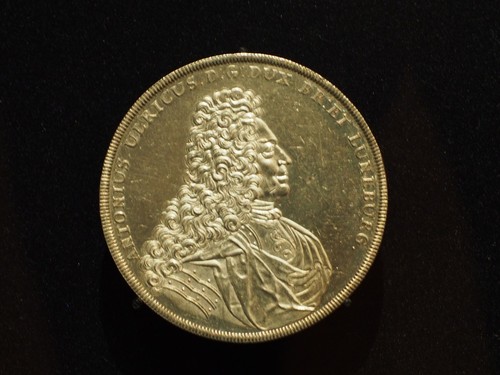
Schaummünze Gold Thaler
A 17th-century German gold Schaummünze in thaler form, its obverse showing a bearded profile portrait of Anton Ulrich flanked by two standing figures.
Medal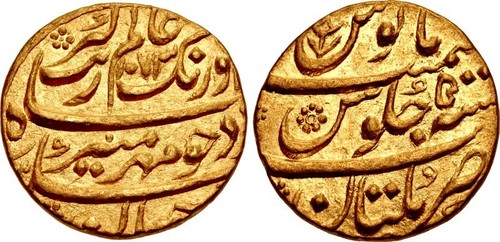
Gold Mohur of Aurangzeb
A hand-struck gold mohur of Mughal emperor Aurangzeb Alamgir, bearing Persian couplets and a mint name such as Multan.
Mughal India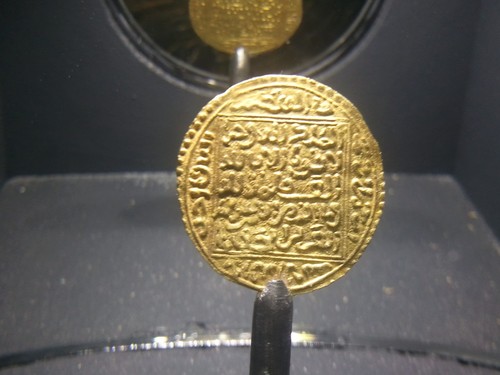
Marinid Gold Dinar
Aniconic Islamic gold dinar of the Marinid dynasty of Morocco, its faces filled with Arabic religious inscriptions framed by geometric border bands.
Medieval Islamic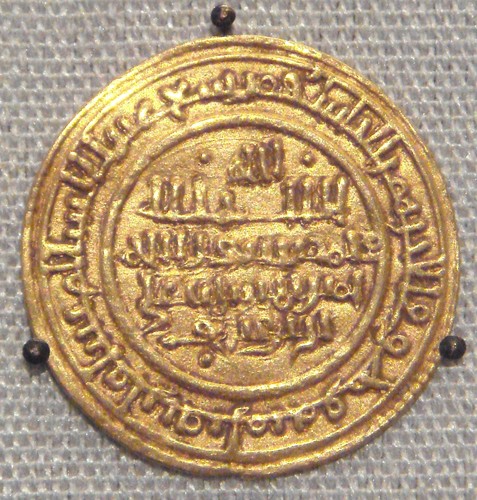
Almoravid Gold Dinar
Pure-gold dinar of the Almoravid dynasty, struck in Islamic Spain and North Africa with concentric Arabic legends; this piece is dated 1116 CE.
Medieval Islamic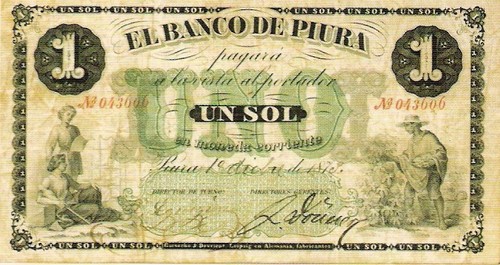
1 Sol (Gold)
A 19th-century Peruvian 1 Sol note from El Banco de Piura, with a seated torch-bearer and a standing laborer flanking a bold UN SOL.
Circulation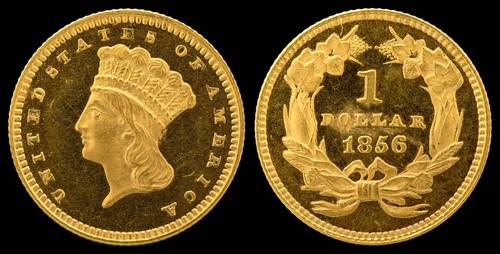
Indian Head Gold Dollar
Tiny U.S. one-dollar gold coin (1854–1889) with an Indian-princess Liberty in a feathered headdress and a denomination-and-date wreath reverse.
Gold Dollar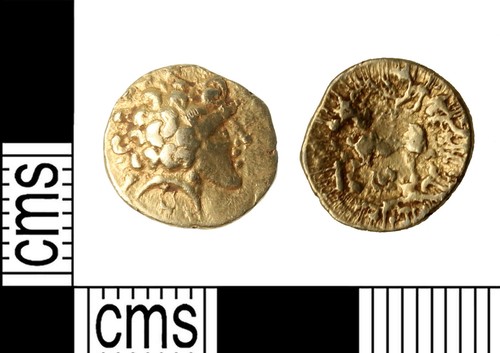
Celtic Gold Quarter Stater
A small Iron Age gold coin struck by the Celtic peoples of ancient Britain, valued at one-quarter of a full stater and marked by abstract, geometric designs.
Ancient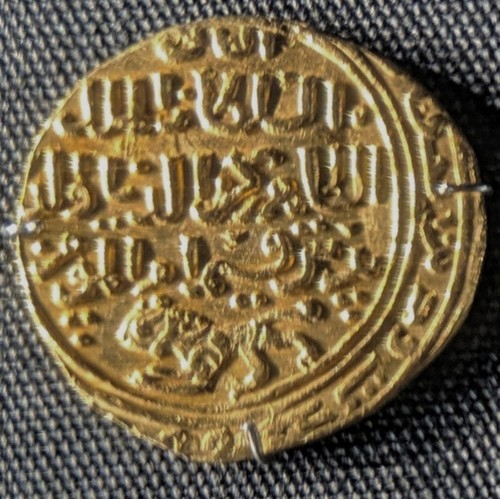
Gold Dinar of Baybars I
A hand-struck gold coin of the Mamluk sultan Baybars I, covered on both faces with Arabic calligraphy naming the ruler and struck in Egypt between 1260 and 1277 CE.
Islamic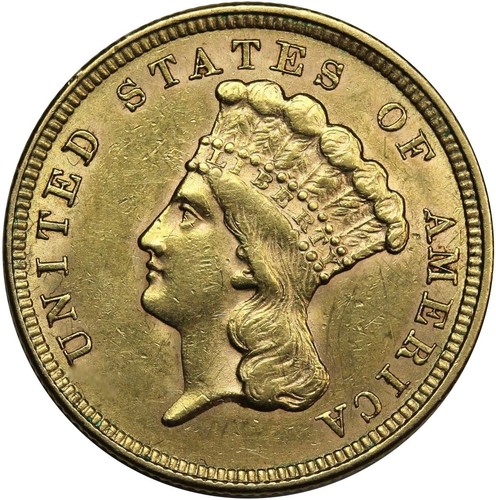
Three-Dollar Gold Piece
An unusual U.S. gold coin of the $3 denomination struck 1854–1889, showing a Liberty head in a feathered Indian-style headdress. The photo shows the 1854 first year.
Gold Type Coin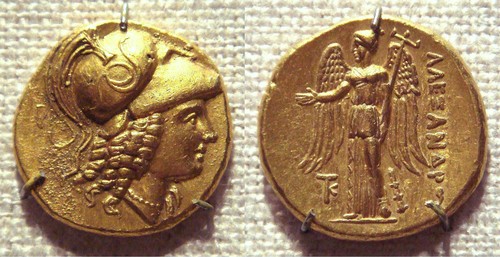
Alexander the Great Gold Stater
Gold stater struck in the name of Alexander the Great, with a helmeted Athena obverse and Nike holding a wreath on the reverse; this example c. 323-315 BC.
Ancient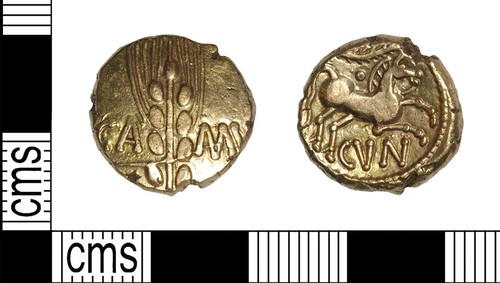
Gold Stater of the Catuvellauni and Trinovantes
An Iron Age British gold stater of the Catuvellauni and Trinovantes, showing stylized wheat/barley ears on one face and a dynamic horse on the other.
Ancient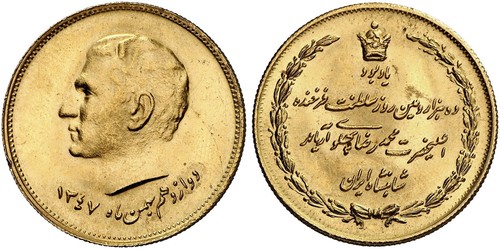
Pahlavi Reign Gold Medal
A gold medal of Pahlavi-era Iran, its obverse a left-facing royal portrait and its reverse the Lion and Sun beneath a crown, dated 1971.
Persia / Iran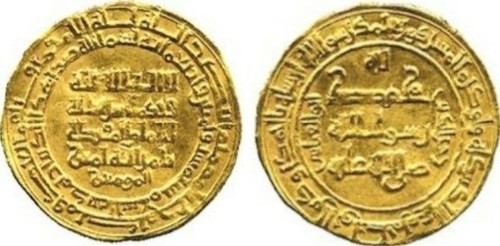
Gold Dinar of al-Muqtadi
An aniconic Abbasid gold dinar of Caliph al-Muqtadi, covered on both faces with Arabic calligraphy and ornamental borders, struck in the later 11th century.
Islamic (Medieval)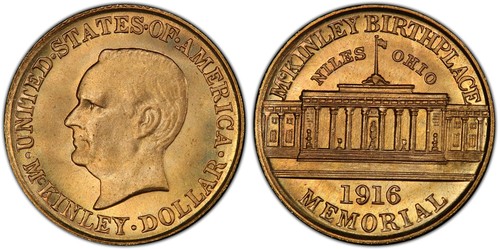
McKinley Memorial Gold Dollar
A small U.S. gold commemorative dollar honoring President William McKinley, sold to fund the memorial at his Niles, Ohio birthplace.
Classic Commemorative