
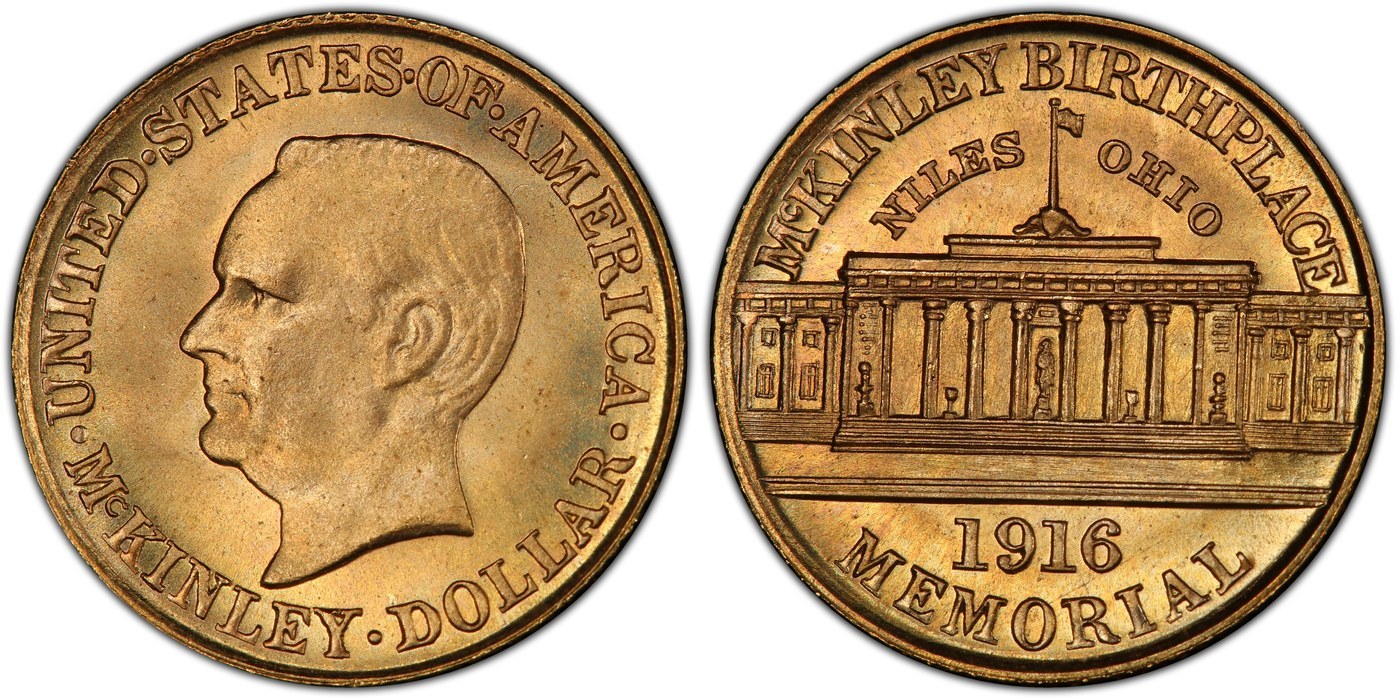
McKinley Memorial Gold Dollar
A small U.S. gold commemorative dollar honoring President William McKinley, sold to fund the memorial at his Niles, Ohio birthplace.
- Country
- United States
- Denomination
- $1
- Metal
- Gold
Got a coin like this?
Identify any coin from a photo, free.
Overview
The McKinley Memorial Gold Dollar is a United States classic commemorative coin struck in gold with a face value of one dollar. Its obverse carries a left-facing profile of President William McKinley with UNITED STATES OF AMERICA and MCKINLEY DOLLAR, while the reverse shows the McKinley Birthplace Memorial building, the inscriptions MCKINLEY BIRTHPLACE MEMORIAL and NILES O. OHIO, and the date. The photographed example is dated 1916.
Like other gold dollar commemoratives of the era, it is a small coin — the same tiny format used for the regular U.S. gold dollar of the 1800s. It was not made for circulation. Instead, it was sold at a premium above face value to raise money for a specific cause, in this case a memorial dedicated to the assassinated 25th president at his hometown of Niles, Ohio.
Today the McKinley dollar is collected as part of the classic U.S. commemorative gold series, a compact group of gold dollars and larger pieces issued between 1903 and 1926.
History & Background
William McKinley, the 25th President of the United States, was assassinated in 1901. In the years that followed, supporters raised funds to build a memorial to him, and a gold dollar commemorative was authorized to help finance the McKinley Birthplace Memorial in Niles, Ohio, the town where he was born.
The coins were issued in 1916 and again in 1917, making it a two-year commemorative gold dollar type. The 1916 obverse portrait of McKinley was prepared by Charles E. Barber, and the memorial-building reverse is credited to George T. Morgan — two of the Mint's most prominent engravers of the period. The 1916 coin photographed here represents the first year of issue.
The McKinley dollar belongs to the small family of U.S. commemorative gold dollars struck in the early twentieth century, a group that also includes the Lewis and Clark and Louisiana Purchase (Jefferson/McKinley) issues. These coins were sold to the public, often through commissions, with proceeds directed to the commemorated project rather than entering everyday commerce.
How to Identify
The quickest confirmation is the pairing of text and imagery. The obverse must show a bare-headed McKinley bust facing left, encircled by UNITED STATES OF AMERICA and the words MCKINLEY DOLLAR. The reverse must show a low, columned memorial building with MCKINLEY BIRTHPLACE MEMORIAL and the place name NILES O. OHIO, plus the date (1916 on this coin). If either side differs, it is a different type.
This is a physically tiny gold coin. Genuine U.S. gold dollars of this format are about 15 mm in diameter — roughly the size of the old circulating gold dollar — and are struck in .900 fine gold, giving a warm yellow tone. The small size and light weight are important identity clues and distinguish it from larger gold commemoratives.
Because the type was issued in both 1916 and 1917, the date is the main variable to read. There is no separate mint mark to look for on these Philadelphia-struck pieces; the distinguishing legends are the McKinley portrait and the Niles, Ohio memorial reverse.
Value & Collectibility
The McKinley Memorial Gold Dollar carries value well above its one-dollar face, both for its small gold content and for its status as a collectible classic commemorative. As a rule these gold dollars trade for far more than melt, with price driven mainly by grade, eye appeal, and originality rather than by bullion weight.
Circulated or lightly handled examples generally sell in the low-to-mid hundreds of dollars, while sharp, problem-free uncirculated and high-certified pieces command higher premiums. The 1916 and 1917 dates are both collectible; condition and certification typically matter more than the specific year for common grades.
Because values shift with the coin market and with each coin's grade, any specific figure should be confirmed against current dealer listings, auction results, or a recent price guide. Cleaned, damaged, or repaired coins sell for less than original examples in the same grade.
Frequently asked questions
Is the McKinley dollar really made of gold?
Yes. It is a genuine U.S. gold commemorative dollar struck in .900 fine gold. It is very small, so it contains only a modest amount of gold, but it is solid gold rather than gold-plated.
Why does it say NILES, OHIO on the back?
Niles, Ohio was President William McKinley's birthplace. The coin was sold to raise money for the McKinley Birthplace Memorial there, which is why the reverse shows the memorial building and names the town.
What years was it made?
The McKinley Memorial Gold Dollar was issued in 1916 and 1917, making it a two-year commemorative type. The photographed coin is dated 1916, the first year of issue.
Was this coin ever used as money?
No. Despite the $1 denomination, it was a commemorative sold at a premium to fund the memorial, not a circulating coin. Surviving pieces are collected rather than spent.
Is my McKinley dollar valuable?
It is worth far more than one dollar. Most examples sell in the hundreds of dollars depending on condition, with pristine certified coins bringing more. A dealer or price guide can give a current figure for your specific coin.
McKinley Memorial Gold Dollar guides
In-depth guides for identifying, valuing, and collecting McKinley Memorial Gold Dollar.
Other coins you may enjoy
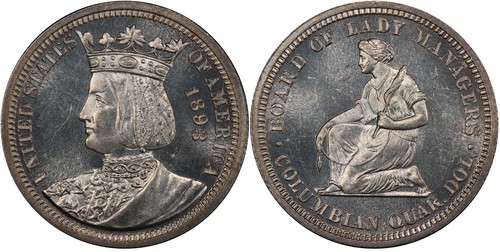
Isabella Quarter
1893
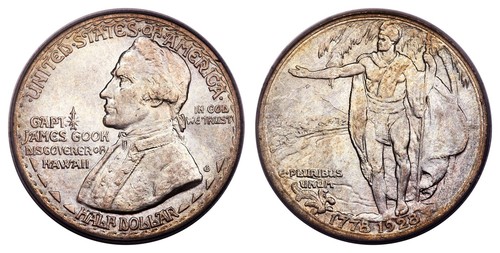
Hawaiian Sesquicentennial Half Dollar
1928
Long Island Tercentenary Half Dollar
1936
Lexington-Concord Sesquicentennial Half Dollar
1925
Louisiana Purchase Exposition Dollar (Jefferson)
1903
Daniel Boone Bicentennial Half Dollar
1934–1938
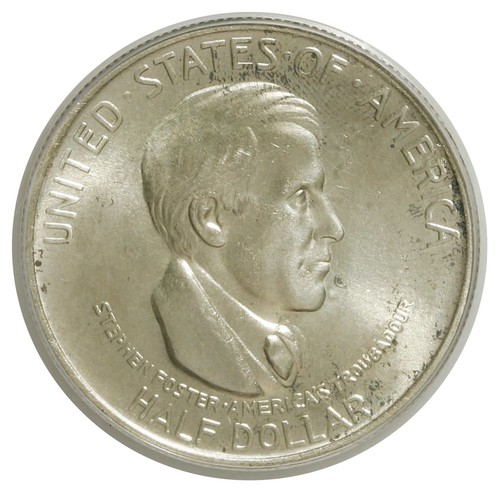
Cincinnati Music Center Half Dollar
1936
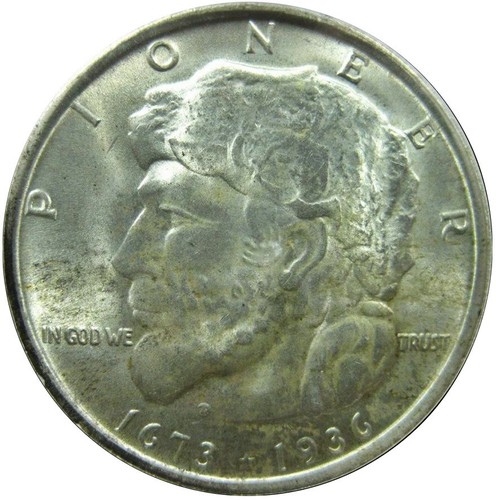
Elgin Illinois Centennial Half Dollar
1936
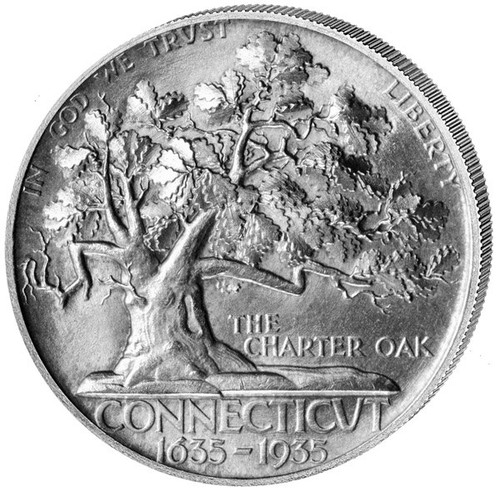
Connecticut Tercentennial Half Dollar
1935
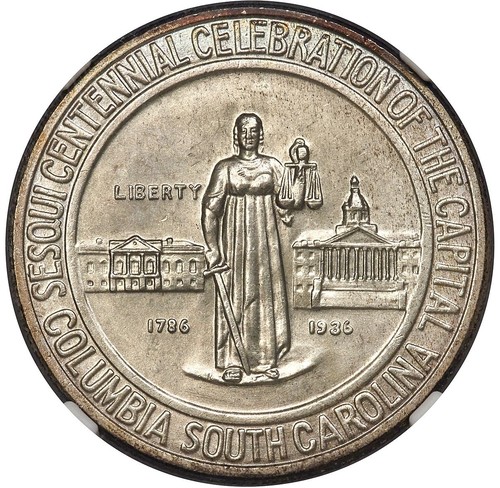
Columbia South Carolina Sesquicentennial Half Dollar
1936
Sesquicentennial of American Independence Quarter Eagle
1926
Pilgrim Tercentenary Half Dollar
1920-1921