
Hawaiian Sesquicentennial Half Dollar
A scarce 1928 U.S. silver commemorative half dollar marking 150 years since Captain James Cook's arrival in the Hawaiian Islands.
- Country
- United States
- Denomination
- 50¢
- Metal
- Silver
Got a coin like this?
Identify any coin from a photo, free.
Overview
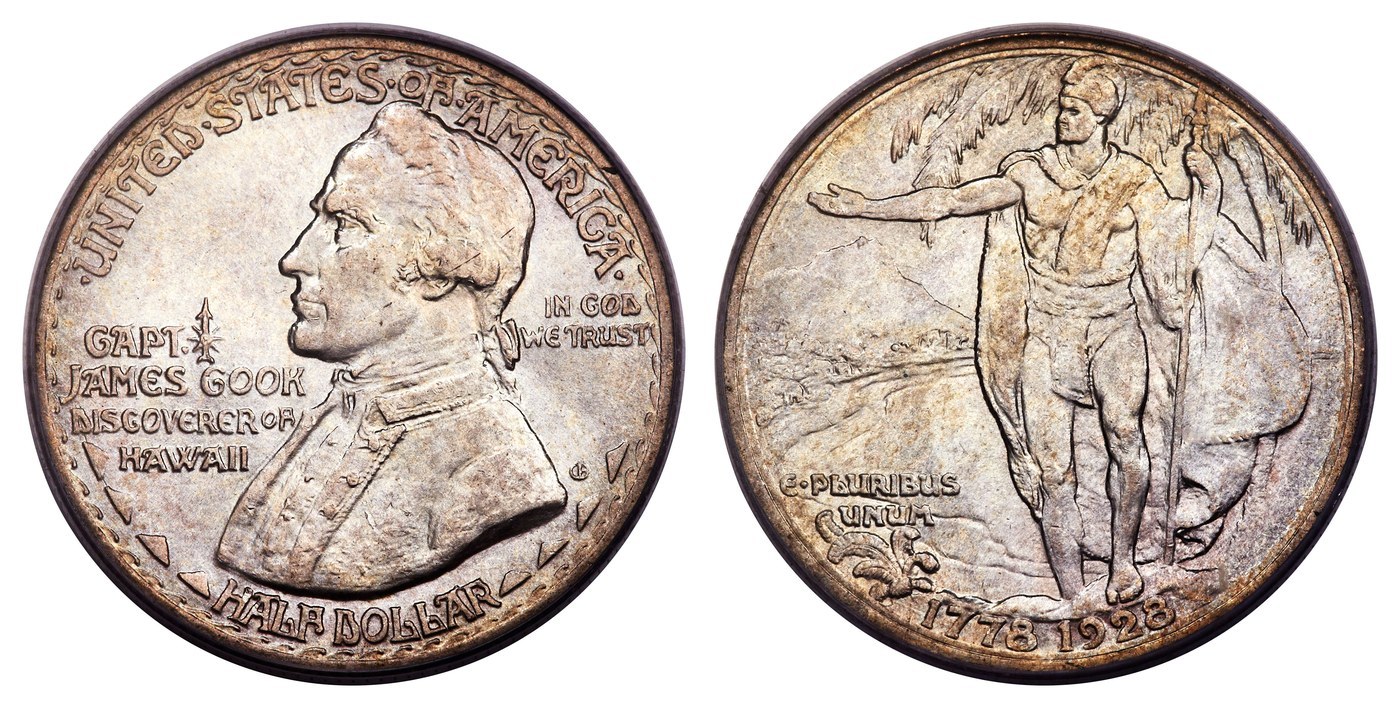
The Hawaiian Sesquicentennial Half Dollar is a classic U.S. silver commemorative fifty-cent piece struck in 1928. It was issued to mark the 150th anniversary of Captain James Cook's 1778 arrival in the Hawaiian Islands. The obverse shows a profile portrait of Cook with the inscription "CAPT. JAMES COOK DISCOVERER OF HAWAII," while the reverse depicts a standing Hawaiian chieftain figure holding a spear, with the national motto "E PLURIBUS UNUM."
Despite being a normal 90% silver half dollar in size and metal, the Hawaiian is one of the most sought-after issues in the entire classic commemorative series. It was produced in very small numbers for a single year, and demand from collectors of both U.S. coins and Hawaiiana has kept it among the key pieces of the 1892–1954 commemorative era.
Because of its rarity and popularity, the Hawaiian half dollar trades for far more than its silver content, and it is one of the most frequently counterfeited classic commemoratives — factors that make correct identification and authentication especially important.
History & Background
The coin was authorized by Congress and struck at the Philadelphia Mint in 1928 to commemorate the sesquicentennial — 150th anniversary — of Captain Cook's landfall in Hawaii in 1778. The design work is credited to Juliette May Fraser, with the models prepared by sculptor Chester Beach.
Production was tiny by commemorative standards: only around ten thousand coins were released to the public, along with a small number of specially prepared presentation pieces (the so-called "sandblast" proofs) distributed to dignitaries. Coins were sold at a premium above face value to help fund celebrations in the islands, and they sold out quickly.
The combination of a one-year-only issue, a very low surviving population, and strong crossover appeal to collectors of Hawaiian history has made the coin a long-standing key of the classic commemorative half dollar set. Its status as a prized rarity dates back nearly to the time of issue.
How to Identify
Identify the type by its inscriptions and imagery. The obverse carries a bust of Captain James Cook in profile with the legend "CAPT. JAMES COOK DISCOVERER OF HAWAII" and the date 1928. The reverse shows a standing native Hawaiian chieftain in a feathered cloak and helmet, holding a spear with an outstretched arm, above a view of land, together with the motto "E PLURIBUS UNUM" and the denomination "HALF DOLLAR."
Physically it matches a standard U.S. half dollar of the era: struck in .900 fine silver (90% silver, 10% copper), about 30.6 mm in diameter, roughly 12.5 grams, with a reeded edge. It was struck only at Philadelphia and therefore carries no mint mark.
Because genuine examples are scarce and valuable, careful authentication is essential. Weight, diameter, and reeded edge should all match specifications, and the sharp, detailed relief of Cook's portrait and the standing figure should be crisp. Given the high number of fakes and altered pieces, any candidate coin is best confirmed by a reputable dealer or third-party grading service.
Value & Collectibility
The Hawaiian half dollar is a genuine key issue and sells for far above its silver value. Even in well-worn condition it typically brings a strong four-figure sum, and problem-free circulated and Mint State examples command higher prices still, rising substantially with grade.
The rare presentation "sandblast" proofs, of which only a few dozen were made, are extraordinary rarities that trade in the tens of thousands of dollars or more when they appear. Because values are high and depend heavily on grade, originality, and authenticity, they should be checked against recent auction results and current dealer listings rather than a fixed figure.
Given its price level and its reputation as one of the most counterfeited classic commemoratives, this is a coin where third-party authentication and grading (such as PCGS or NGC) materially affect both value and buyer confidence.
Frequently asked questions
What does the Hawaiian Sesquicentennial Half Dollar commemorate?
It marks the 150th anniversary of Captain James Cook's 1778 arrival in the Hawaiian Islands. The coin was struck in 1928 and sold at a premium to help fund anniversary celebrations.
Who is on the coin?
The obverse shows Captain James Cook in profile, labeled "CAPT. JAMES COOK DISCOVERER OF HAWAII." The reverse depicts a standing Hawaiian chieftain holding a spear, with the motto "E PLURIBUS UNUM."
Is it made of silver?
Yes. It is a standard-size U.S. half dollar struck in .900 fine silver (90% silver), about 30.6 mm across and roughly 12.5 grams, with a reeded edge.
Why is it so valuable?
Only about ten thousand coins were released in 1928, making it one of the scarcest classic commemorative half dollars. Strong collector demand keeps prices well into four figures and higher by grade.
Does it have a mint mark?
No. The coin was struck only at the Philadelphia Mint in 1928, so it carries no mint mark. There are no branch-mint versions of this issue.
Hawaiian Sesquicentennial Half Dollar guides
In-depth guides for identifying, valuing, and collecting Hawaiian Sesquicentennial Half Dollar.
Other coins you may enjoy
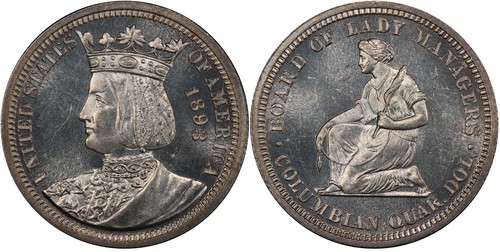
Isabella Quarter
1893
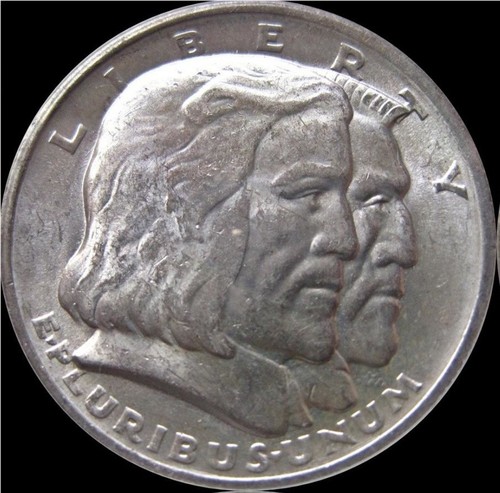
Long Island Tercentenary Half Dollar
1936
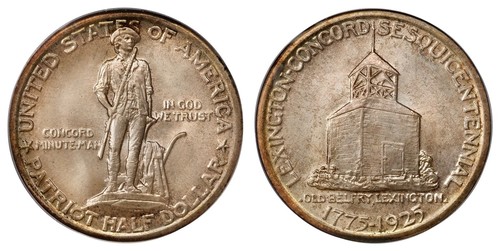
Lexington-Concord Sesquicentennial Half Dollar
1925
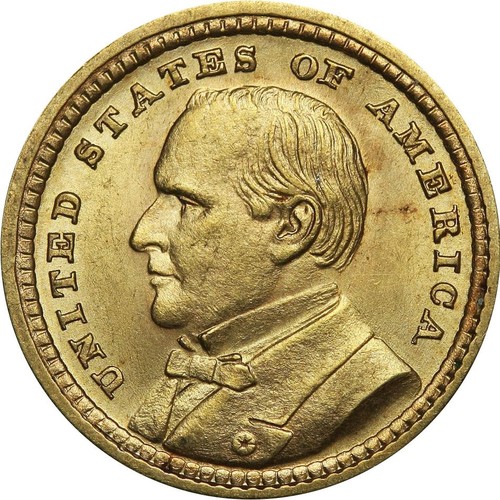
Louisiana Purchase Exposition Dollar (Jefferson)
1903
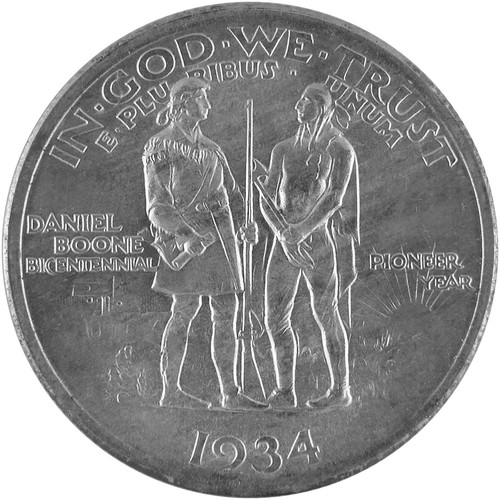
Daniel Boone Bicentennial Half Dollar
1934–1938
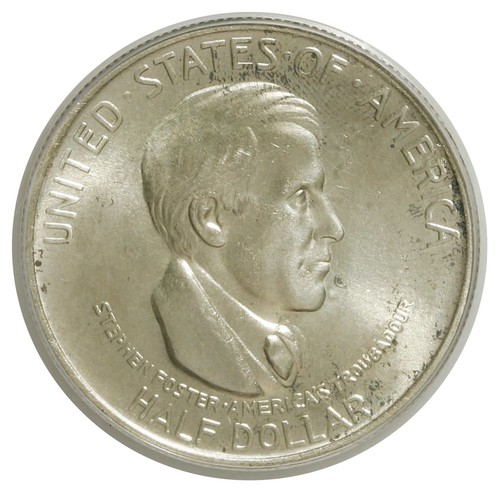
Cincinnati Music Center Half Dollar
1936
Elgin Illinois Centennial Half Dollar
1936
Connecticut Tercentennial Half Dollar
1935
Columbia South Carolina Sesquicentennial Half Dollar
1936
Sesquicentennial of American Independence Quarter Eagle
1926
Pilgrim Tercentenary Half Dollar
1920-1921
Alabama Centennial Half Dollar
1921