
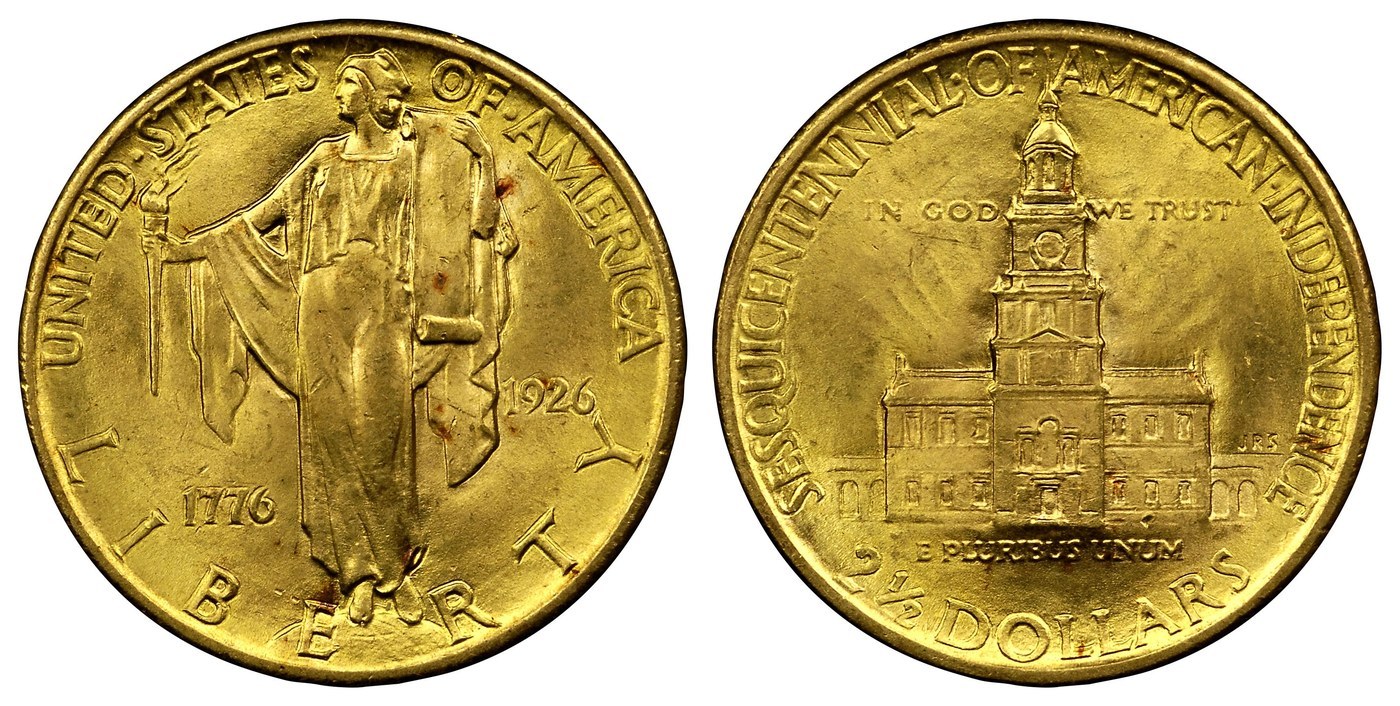
Sesquicentennial of American Independence Quarter Eagle
A 1926 U.S. commemorative $2.50 gold coin marking 150 years of American independence, with Liberty holding a torch and scroll and Independence Hall on the reverse.
- Country
- United States
- Denomination
- $2.50
- Metal
- Gold
Got a coin like this?
Identify any coin from a photo, free.
Overview
The Sesquicentennial of American Independence Quarter Eagle is a United States classic commemorative gold coin struck in 1926 to mark the 150th anniversary of the Declaration of Independence. It carries a $2.50 face value — the quarter eagle denomination — and was issued in connection with the Sesquicentennial Exposition held in Philadelphia that year.
The obverse shows a standing figure of Liberty holding a torch in one hand and a scroll or document in the other, flanked by the dual dates 1776–1926 that anchor the coin to the anniversary. The reverse depicts Independence Hall in Philadelphia, the building where independence was declared, accompanied by the mottoes IN GOD WE TRUST and E PLURIBUS UNUM.
Along with the 1926 Sesquicentennial half dollar, this quarter eagle is one of only two commemorative coins issued for the celebration, and it is one of just a handful of gold commemoratives in the entire U.S. classic commemorative series.
History & Background
The coin was authorized to help fund and publicize the Sesquicentennial International Exposition, a world's fair staged in Philadelphia in 1926 to celebrate 150 years since the signing of the Declaration of Independence. Commemorative coins of the era were sold to the public at a premium above face value, with proceeds intended to support the sponsoring event.
The quarter eagle was struck only at the Philadelphia Mint and only in 1926, so it carries the dual anniversary dates 1776–1926 rather than a single mint year. A large number were produced, but sales fell well short of expectations and a substantial portion of the mintage was returned to the Mint and melted, leaving a net distributed quantity far smaller than the coins originally struck.
The design is often criticized for its very shallow relief, which contributed to a flat appearance and made the coins prone to showing wear and handling marks quickly. This coin holds a special place in the series as the last gold coin struck for circulation-era commemorative purposes and, for decades, one of the final U.S. gold coins of the classic era before gold coinage was withdrawn in the 1930s.
How to Identify
Identify the type by its imagery and inscriptions. The obverse shows a full standing figure of Liberty holding a torch aloft in one hand and a scroll or document in the other, with the dual dates 1776–1926 present — a combination unique to this issue among gold quarter eagles. The reverse shows Independence Hall in Philadelphia as the central device, with IN GOD WE TRUST and E PLURIBUS UNUM among the inscriptions and the $2.50 denomination.
The coin is a small gold piece: the quarter eagle format is about 18 mm in diameter, struck in the traditional U.S. gold alloy of 90% gold and 10% copper, giving it a warm yellow-gold color. Its small size and low, flat relief are characteristic and help distinguish it from larger commemorative half dollars of the same celebration.
All examples were struck at Philadelphia and carry no mint mark, so the absence of a mint mark is normal for this issue. The dual date 1776–1926 appears on the design and should not be mistaken for the coin's actual year of issue, which is 1926.
Value & Collectibility
This is a scarce classic gold commemorative, and its value rests on both its collector demand and its gold content. Even well-worn examples carry a meaningful premium over the small amount of gold they contain, and prices rise substantially with grade and eye appeal.
Because the design was struck in shallow relief, high-grade, fully lustrous examples with clean surfaces are relatively harder to find and command strong premiums, while circulated or heavily marked pieces sit at the lower end of the range. Professionally graded coins from services such as PCGS or NGC generally bring more confident pricing than raw examples.
Actual figures move with the collector market and the gold price, so any specific coin should be checked against recent auction records and current dealer listings for its grade. As with all valuable gold commemoratives, authentication before purchase is strongly advised.
Frequently asked questions
What anniversary does this coin celebrate?
It marks the sesquicentennial — the 150th anniversary — of American independence, tied to the 1926 Sesquicentennial Exposition in Philadelphia. The dual dates 1776–1926 on the coin reference that span.
Why does the coin say 1776–1926?
The dual date honors 150 years from the 1776 Declaration of Independence to the 1926 celebration. The coin itself was struck only in 1926, so 1926 is its true year of issue.
What is on the reverse?
The reverse depicts Independence Hall in Philadelphia, where independence was declared, along with the mottoes IN GOD WE TRUST and E PLURIBUS UNUM and the $2.50 denomination.
Is it made of gold?
Yes. It is a $2.50 quarter eagle struck in the standard U.S. gold alloy of 90% gold and 10% copper, giving it a warm yellow-gold color and a small diameter of about 18 mm.
Does it have a mint mark?
No. The Sesquicentennial quarter eagle was struck only at the Philadelphia Mint, which used no mint mark on this issue, so a genuine example carries none.
Sesquicentennial of American Independence Quarter Eagle guides
In-depth guides for identifying, valuing, and collecting Sesquicentennial of American Independence Quarter Eagle.
Other coins you may enjoy
Isabella Quarter
1893
Hawaiian Sesquicentennial Half Dollar
1928
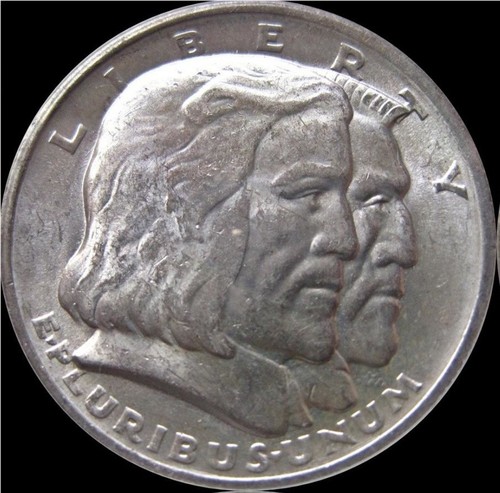
Long Island Tercentenary Half Dollar
1936
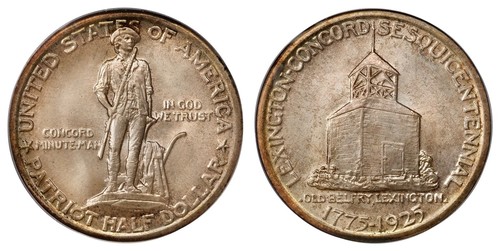
Lexington-Concord Sesquicentennial Half Dollar
1925
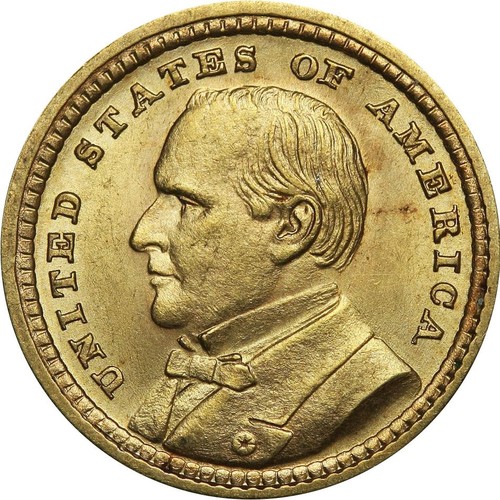
Louisiana Purchase Exposition Dollar (Jefferson)
1903
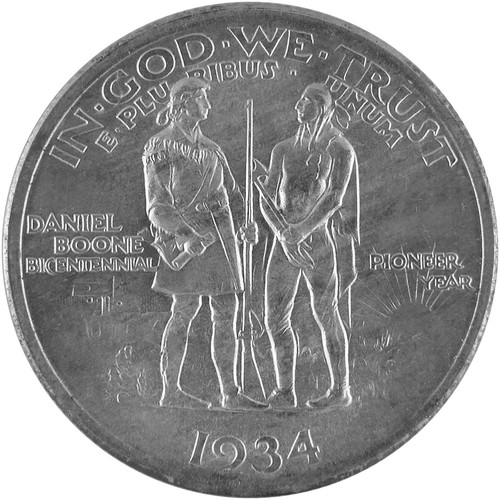
Daniel Boone Bicentennial Half Dollar
1934–1938
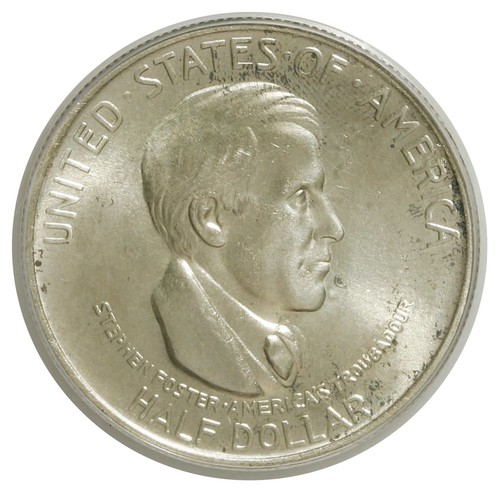
Cincinnati Music Center Half Dollar
1936
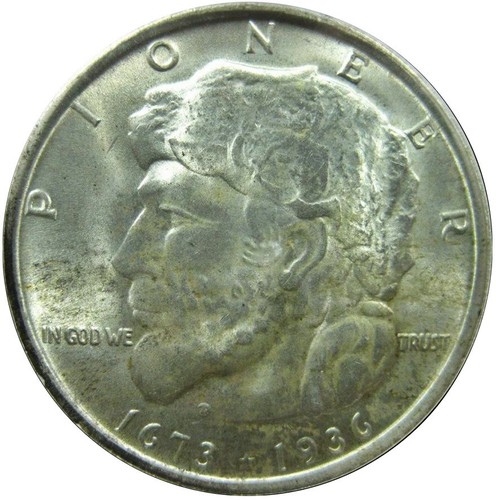
Elgin Illinois Centennial Half Dollar
1936
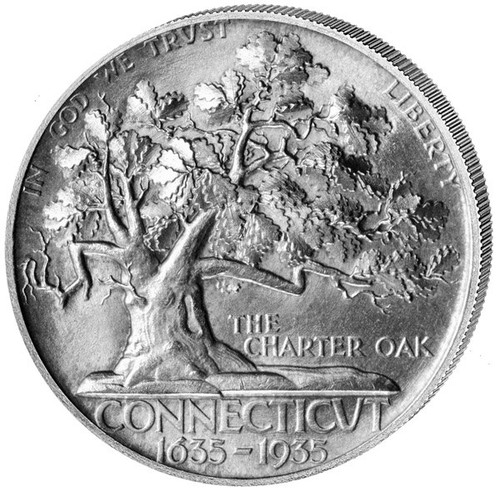
Connecticut Tercentennial Half Dollar
1935
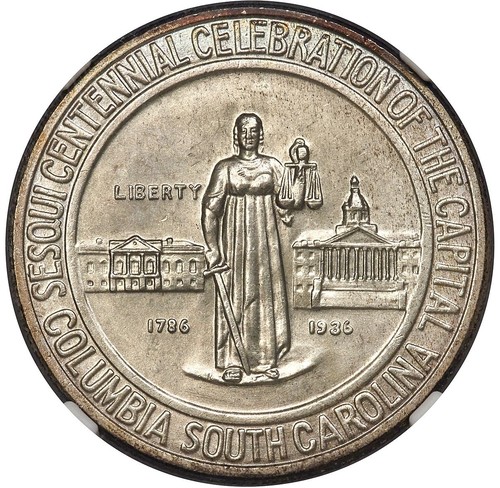
Columbia South Carolina Sesquicentennial Half Dollar
1936
Pilgrim Tercentenary Half Dollar
1920-1921
Alabama Centennial Half Dollar
1921