
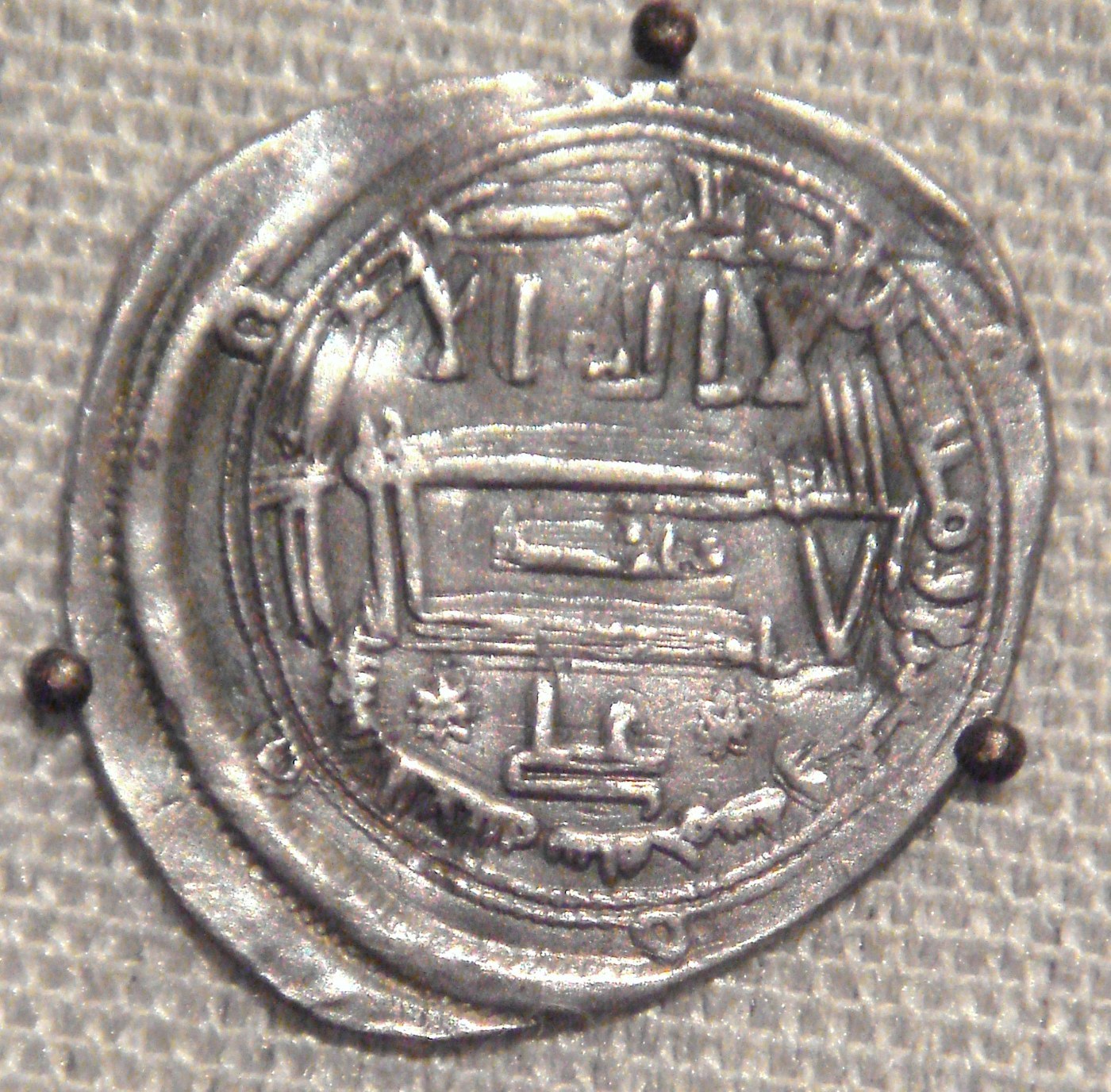
Idrisid Gold Dinar
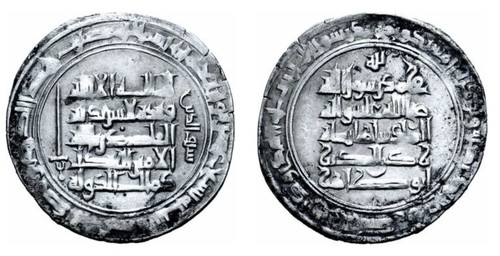
Gold dinar of Morocco's Idrisid dynasty: a purely epigraphic Islamic coin bearing Kufic Arabic religious legends, no images.
- Country
- Morocco
- Denomination
- Dinar
- Metal
- Gold
Got a coin like this?
Identify any coin from a photo, free.
Overview
The Idrisid gold dinar is a medieval Islamic coin struck by the Idrisid dynasty, the Alid-Sharifian rulers who governed much of what is now Morocco from the late 8th to the late 10th century CE. Like other early Islamic gold, it carries no portrait or figural imagery. Both faces are covered entirely by Arabic calligraphic text arranged in a central field with a surrounding marginal legend.
The example described here is dated to 840 CE, placing it in the dynasty's post-foundational period. Its inscriptions are religious and administrative in character: declarations of faith, Qur'anic phrases, and the mint-and-date formula that Islamic authorities used in place of pictures. The design reflects the broader Abbasid-era coinage tradition adapted to a far-western North African kingdom.
Gold dinars of the Idrisids are considerably scarcer than their silver dirhams, and surviving specimens are prized by collectors of Islamic and North African numismatics.
History & Background
The Idrisid dynasty was founded around 789 CE by Idris ibn Abdallah (Idris I), a descendant of the Prophet Muhammad through his grandson Hasan, who fled the Abbasid east and established Alid rule in the far Maghreb. Under his son Idris II and later successors the state centered on Fez and issued coinage in its own name, asserting political and religious independence from the Abbasid caliphate in Baghdad.
Coinage of this period is overwhelmingly epigraphic, following the reformed Islamic standard in which images were replaced by inscribed testaments of faith and Qur'anic text. A dinar dated to 840 CE falls in the era following Idris II, when authority was divided among his heirs and mints operated at several centers across northern Morocco. Gold striking was intermittent and limited, which is why gold Idrisid pieces are far rarer than the dynasty's silver.
The dynasty fragmented over the 9th and 10th centuries and was ultimately absorbed amid the rivalry of the Umayyads of Cordoba and the Fatimids, ending Idrisid rule by the late 10th century. Their coins remain important documents of the earliest independent Moroccan statehood.
How to Identify
Identify an Idrisid gold dinar first by what is absent: there are no human or animal figures, no monarch's portrait, and no coat of arms. Both sides present Arabic Kufic calligraphy only. The specimen photographed shows this text arranged in a square-framed field on each face, with a central legend enclosed by a marginal inscription.
The central legends typically state the Islamic declaration of faith (the kalima) and affirmations of God's oneness, while the margin carries the mint formula and date, often opening with a phrase indicating "in the name of God this dinar was struck" followed by place and year. The reverse commonly bears continuation of the religious text and, in Idrisid issues, references tied to the ruling house.
As a gold denomination, the metal is warm yellow and does not tarnish like silver; a dinar-weight coin of this era is small, typically in the range of roughly 2 to 4 grams and around 18 to 22 mm across, with hand-struck lettering that varies slightly in centering and depth. Kufic script style, angular and without vowel marks, is a key period indicator.
Value & Collectibility
Idrisid gold dinars are rare and command strong premiums relative to their small gold content, since scarcity and historical importance drive their value well beyond bullion. Prices depend heavily on legibility of the mint-and-date legend, completeness of the flan, and confident attribution, and can range from the high hundreds to several thousand dollars or more for well-documented specimens at specialist auctions.
Because the market is small and expert-driven, values are best established through recent auction results from dealers who handle Islamic and North African coins rather than generic price guides. A clearly readable mint and date, and a clean provenance chain, add substantial value.
Given the rarity and the frequency of imitations, an unattributed or uncertified piece should be treated cautiously until examined by a specialist; provenance and expert opinion matter more here than for common world gold.
Frequently asked questions
Why does the Idrisid dinar have no picture of a ruler?
Early Islamic coinage followed a reformed, aniconic standard that replaced portraits and figures with Arabic religious inscriptions. Idrisid dinars therefore carry only calligraphic text stating faith formulas and the mint and date.
Where were Idrisid dinars minted?
They were struck at mints in the far Maghreb, in and around what is now northern Morocco, associated with the Idrisid centers such as Fez and other regional mints. The specific mint name appears in the coin's marginal legend.
Are Idrisid gold dinars rare?
Yes. The Idrisids struck far more silver dirhams than gold, so surviving gold dinars are genuinely scarce and are sought after by collectors of Islamic and North African numismatics.
What does the 840 CE date signify?
It places the coin in the period following the dynasty's founders, when Idrisid authority was spread among Idris II's heirs. The date would have been recorded in the coin's Arabic marginal legend using the Islamic (Hijri) calendar.
Idrisid Gold Dinar guides
In-depth guides for identifying, valuing, and collecting Idrisid Gold Dinar.
Other coins you may enjoy
Buyid Silver Dirham
10th century CE (Buyid rule c. 934-1062)
Marinid Gold Dinar
c. 1244–1465 (13th–15th century)
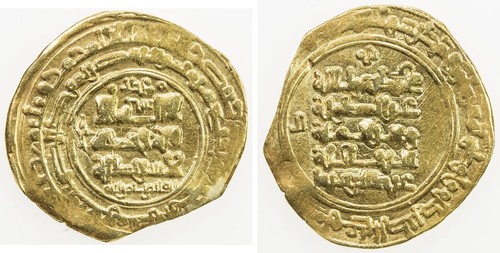
Ghaznavid Dinar
10th–11th century CE
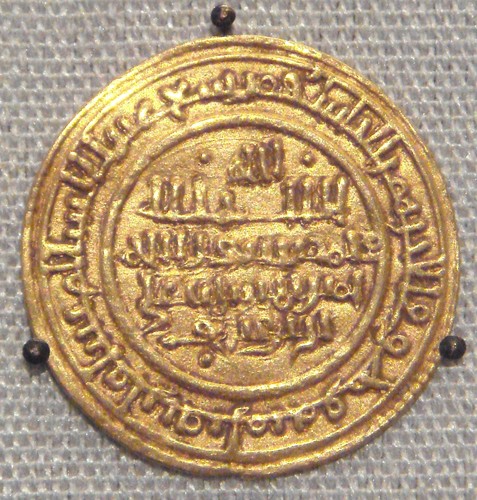
Almoravid Gold Dinar
c. 1087–1147 CE (this type dated AH 510 / 1116 CE)
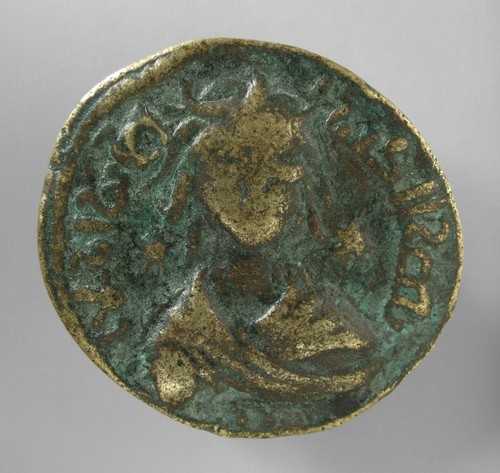
Artuqid Bronze Dirham
12th century (c. 1100s CE)
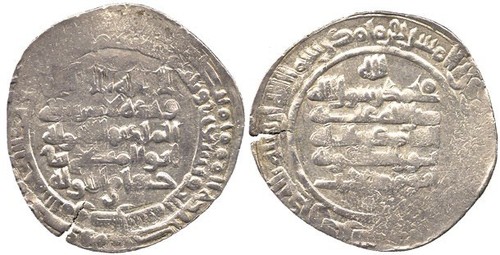
Dirham of Qirwash ibn al-Muqallad
393 AH (1003 CE)
Dirham of Kamal al-Dawla Gharib
10th century (300s AH)