
How to Identify the Idrisid Gold Dinar
A collector's checklist for recognizing an Idrisid gold dinar by its epigraphic design, script, weight, and mint legend.
Read the full Idrisid Gold Dinar encyclopedia entry →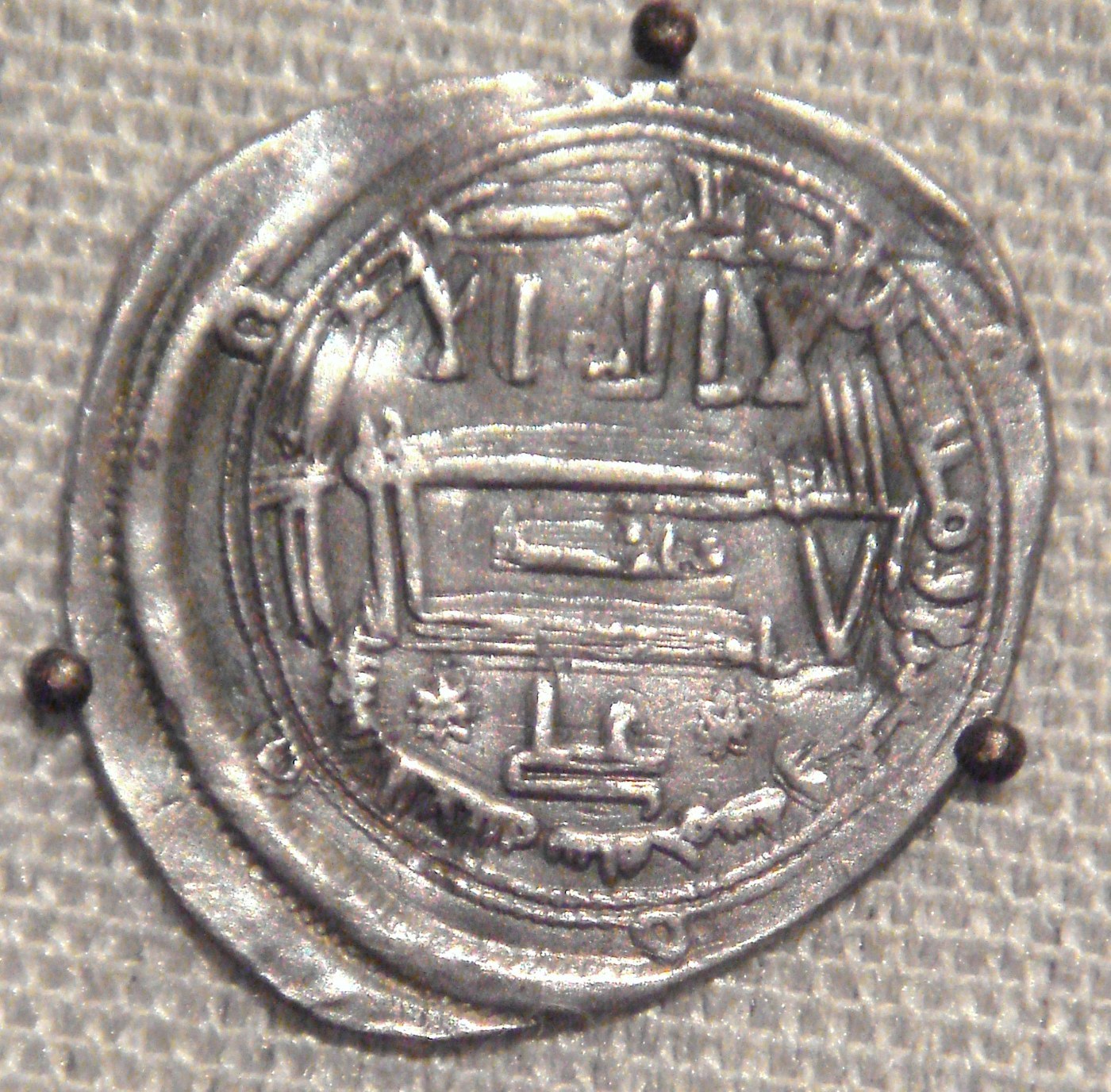
Start with the fundamentals: an Idrisid gold dinar is a small, hand-struck gold coin with no imagery of any kind. If you see a portrait, animal, building, or heraldry, it is not an Idrisid dinar. Both faces should be filled edge to edge with Arabic Kufic calligraphy, arranged as a central legend within a framed field and a surrounding marginal inscription. The photographed example shows this text laid out in a square field on each side.
Read the layout rather than the individual words. The central area typically carries the Islamic declaration of faith and statements of God's oneness; the margin carries the mint-and-date formula. Locating a legible mint name and a Hijri date in the margin is the single most valuable diagnostic, because it anchors both attribution and authenticity. Kufic script here is angular, unpointed, and without vowel marks, consistent with 9th-10th century issues.
Check the physical metrics. As gold, the coin is a warm, non-tarnishing yellow. A dinar-weight piece of this period is small and light, commonly on the order of 2 to 4 grams and roughly 18 to 22 mm in diameter, with slightly irregular, off-center striking typical of hand production. Uniform machine-perfect edges, seams, or a suspiciously heavy modern weight are warning signs.
Beware of look-alikes and fakes. Other North African and Islamic epigraphic gold, including later Moroccan and neighboring dynastic dinars, can appear similar at a glance; only the legends distinguish them, so attribution rests on reading the mint and dynastic references, not the general look. Idrisid gold is rare enough that unattributed pieces, modern souvenir strikes, and cast copies circulate freely.
Because of that rarity, treat any unverified specimen with caution. A cast surface, mushy or blundered lettering that does not form coherent Arabic, file marks, or the absence of a coherent mint-date legend all point to a reproduction. For a coin of this value class, confirmation by a specialist in Islamic numismatics and a documented provenance are worth more than any single visual cue.
Frequently asked questions
How can I tell an Idrisid dinar from another Islamic gold dinar?
They look broadly similar because all are aniconic and text-only. The difference is in the legends: the mint name, the date, and the dynastic phrasing in the margins and center identify an Idrisid issue, so accurate reading of the Arabic is essential.
What weight and size should a genuine piece be?
Expect a small, light gold coin, roughly 2 to 4 grams and about 18 to 22 mm across, with hand-struck, slightly uneven lettering. A modern-feeling weight or perfectly regular machined edge is a red flag.
Is the script really Kufic, and does that matter?
Yes. The angular, unpointed Kufic style without vowel marks is consistent with the period. Fluid cursive script or added diacritics can indicate a later imitation or fantasy piece.
Should I get it authenticated?
For a rare, high-value coin like this, yes. Imitations and cast copies are common, so a specialist opinion and clear provenance are strongly recommended before purchase or sale.