
Coin Encyclopedia
Search and identify coins from around the world — with country, denomination, metal, mint, history, and how to tell them apart.
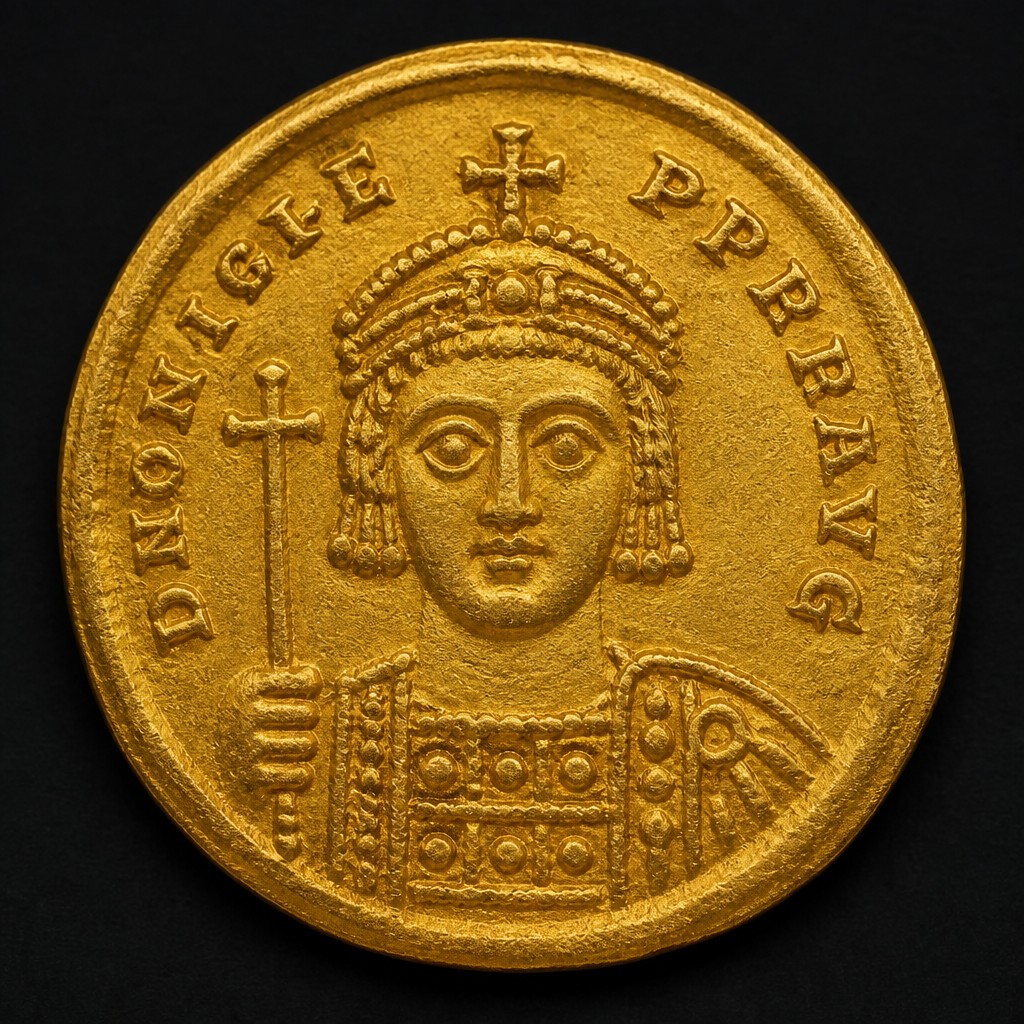
Byzantine Solidus
The gold standard coin of the Byzantine Empire for over 700 years, the solidus funded an empire, financed trade across three continents, and remained one of history's most stable currencies.
Ancient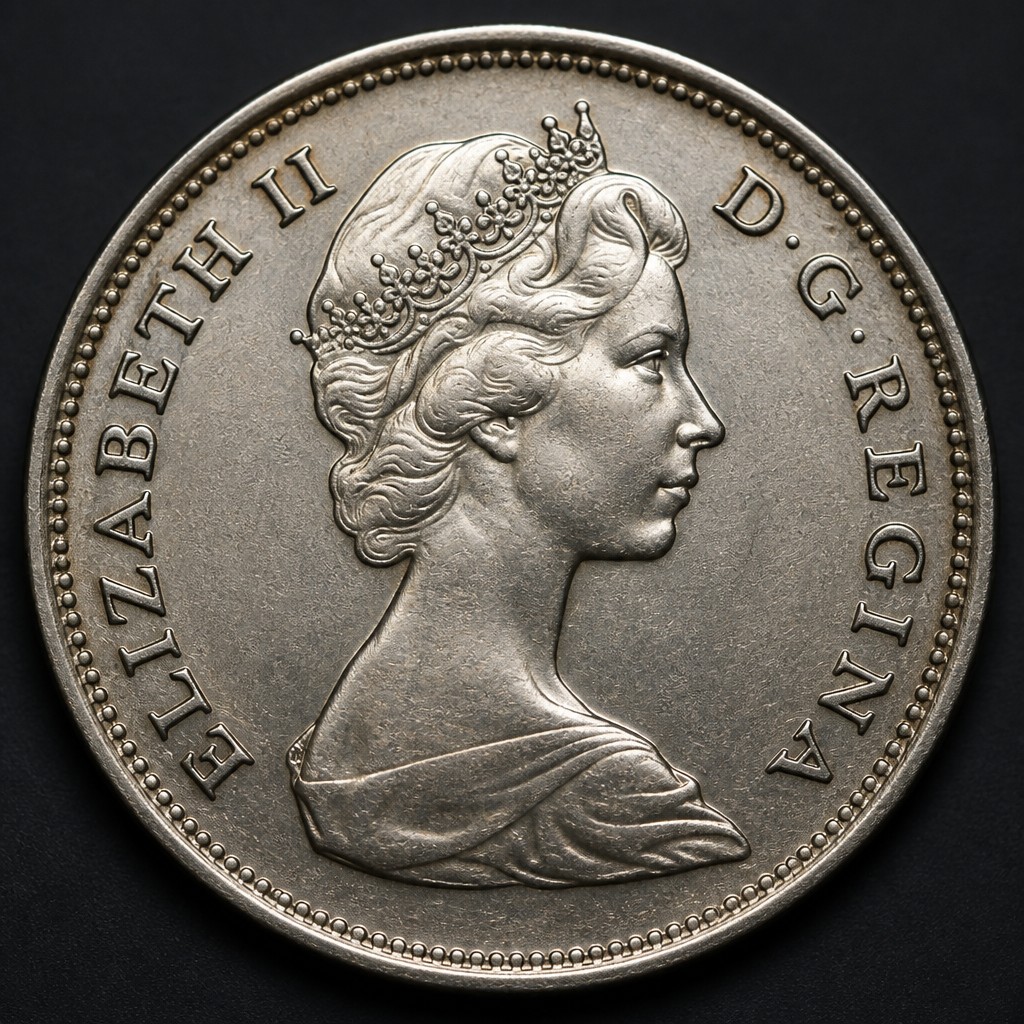
Beaver Five Cents (Elizabeth II)
The long-running Canadian five-cent coin under Queen Elizabeth II, continuing the classic beaver-on-a-rock design first introduced in 1922 across changing metal compositions.
Canadian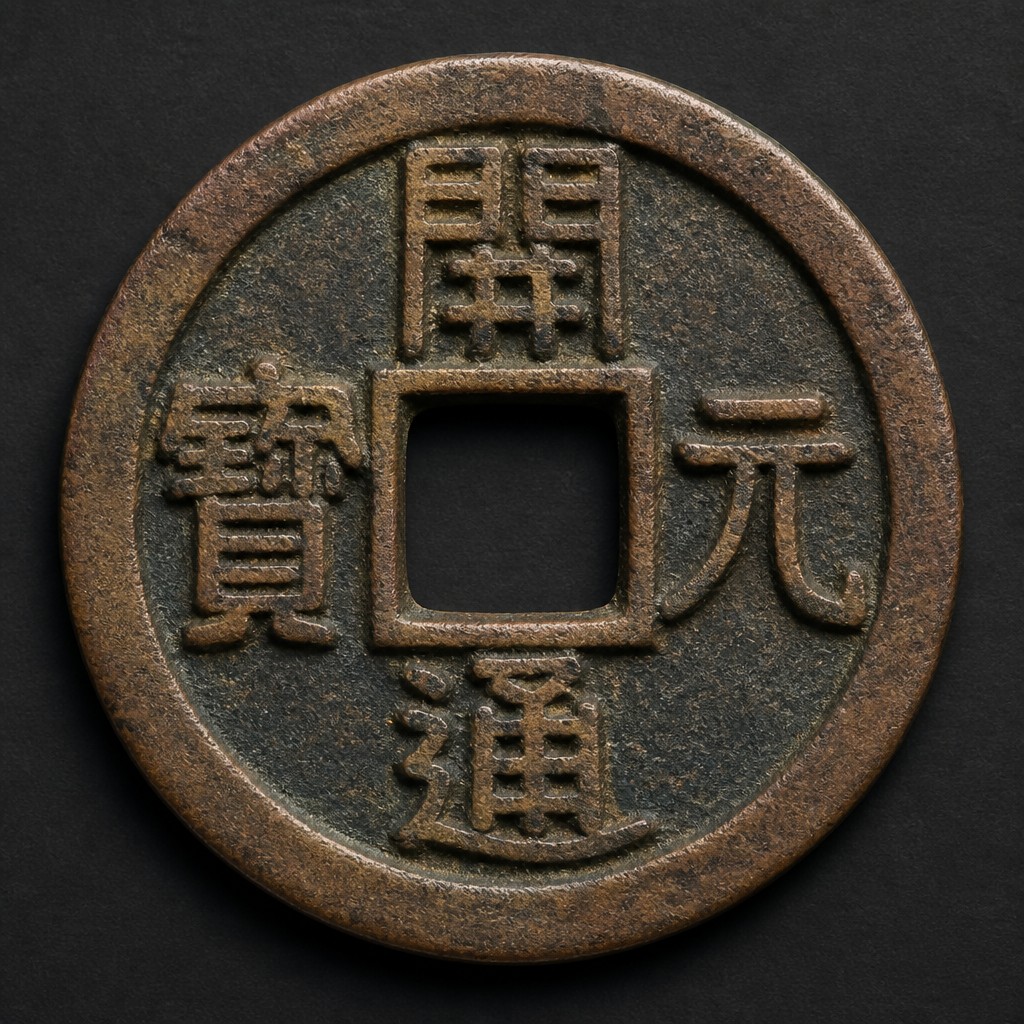
Kai Yuan Tong Bao Cash
A landmark Tang dynasty cash coin whose four-character reign-title inscription became the standard template for Chinese, and much of East Asian, coinage for the next 1,300 years.
Ancient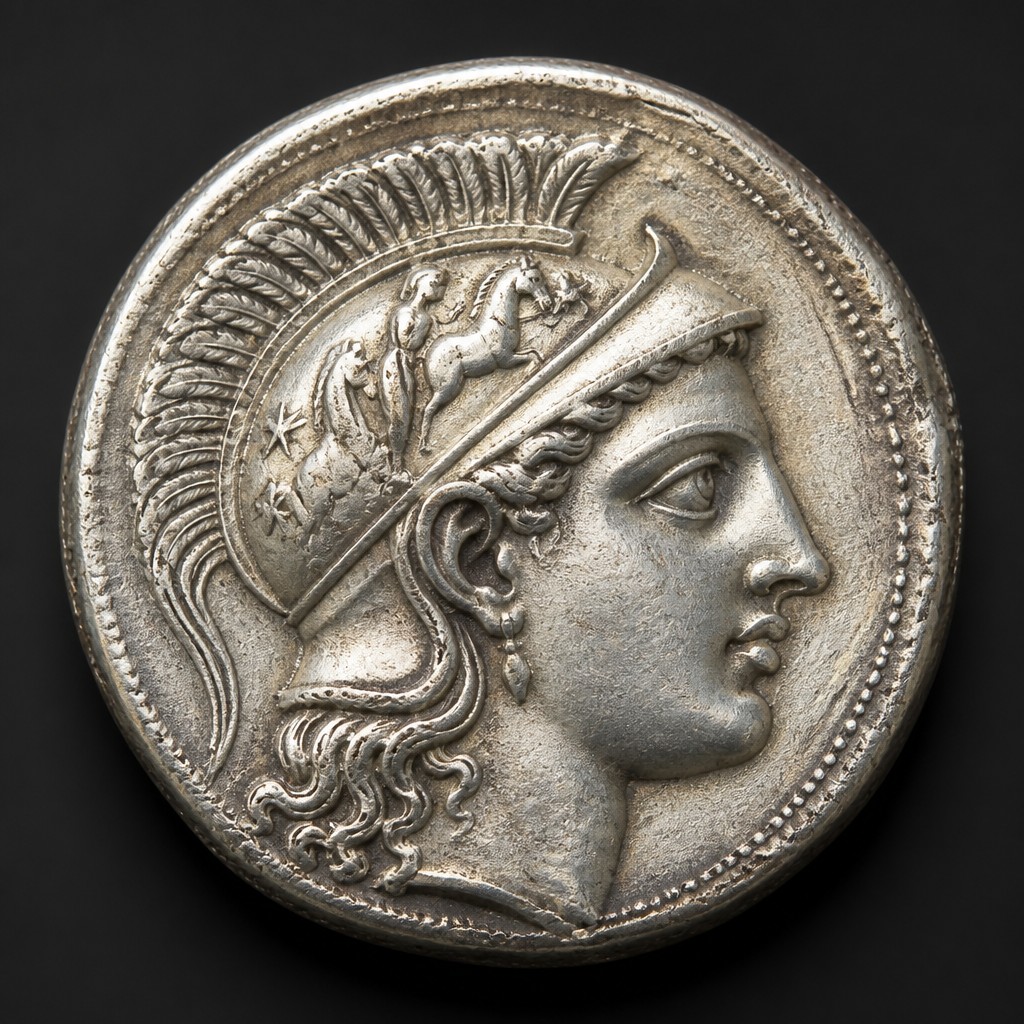
Syracuse Decadrachm
A large, exquisitely engraved silver coin from the Greek city of Syracuse, celebrated as one of the finest achievements of ancient Greek numismatic art, featuring the nymph Arethusa and a victorious chariot.
Ancient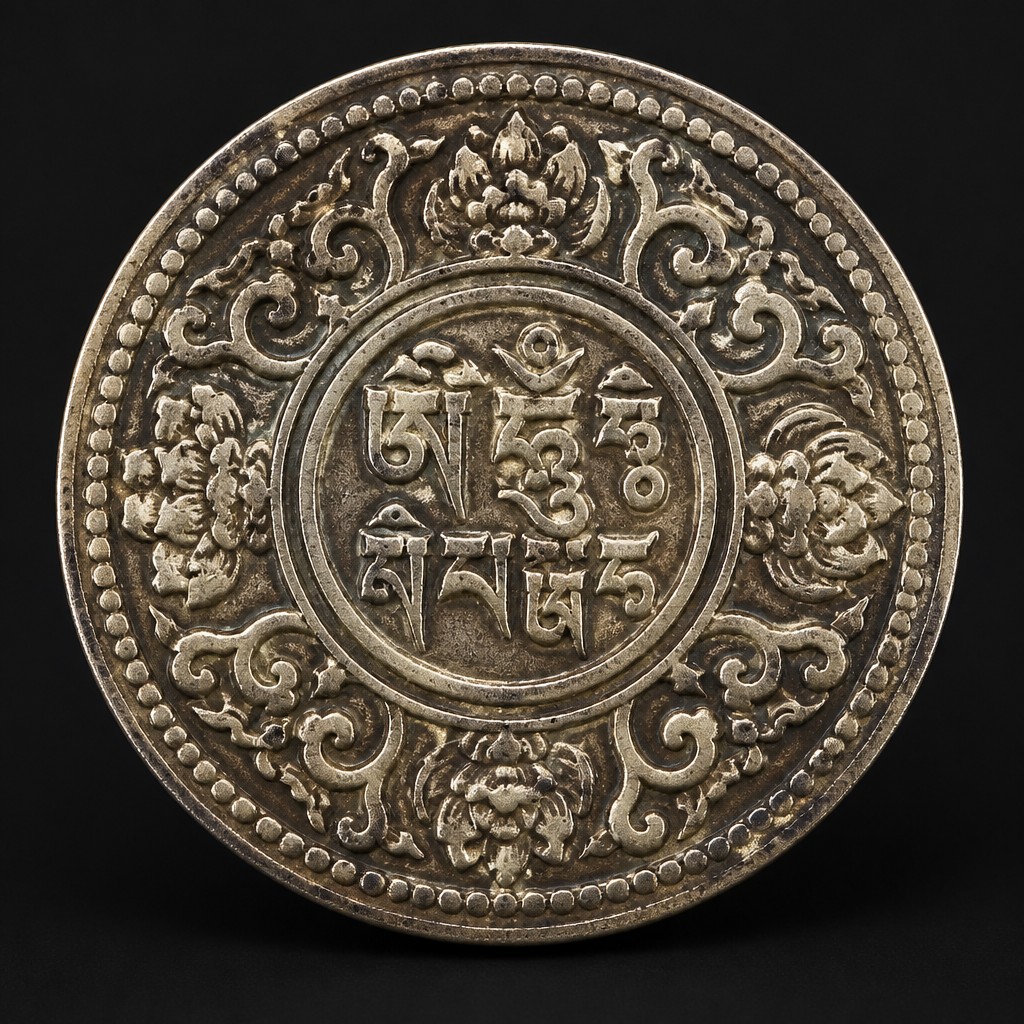
Tibetan Silver Tangka
The traditional silver coin denomination of Tibet, issued in many distinct types over roughly three centuries, from early Nepalese-struck coinage to native Tibetan and Sino-Tibetan issues.
Asian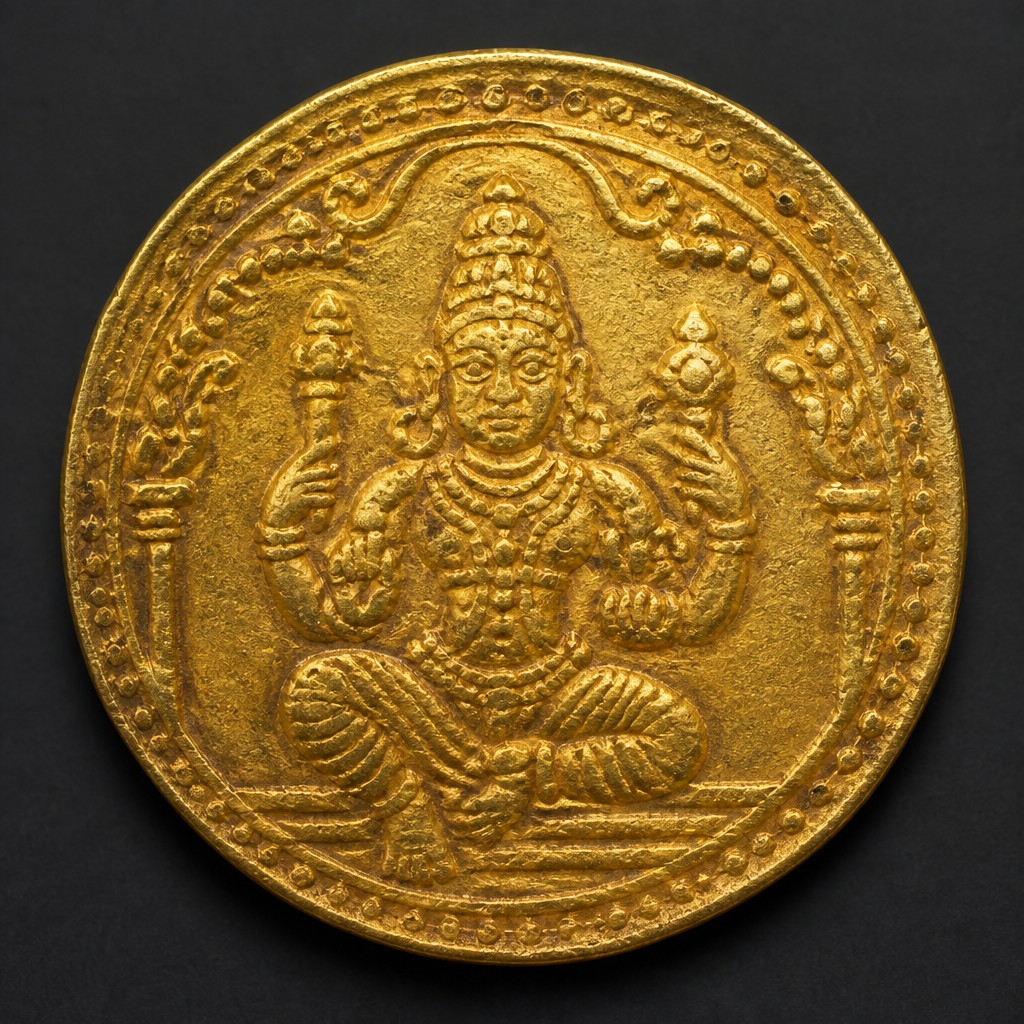
India Gold Pagoda (Madras Presidency)
Small gold coin traditionally used across South India, later adopted and standardized by the East India Company's Madras Presidency before being phased out for rupee-based currency.
Asian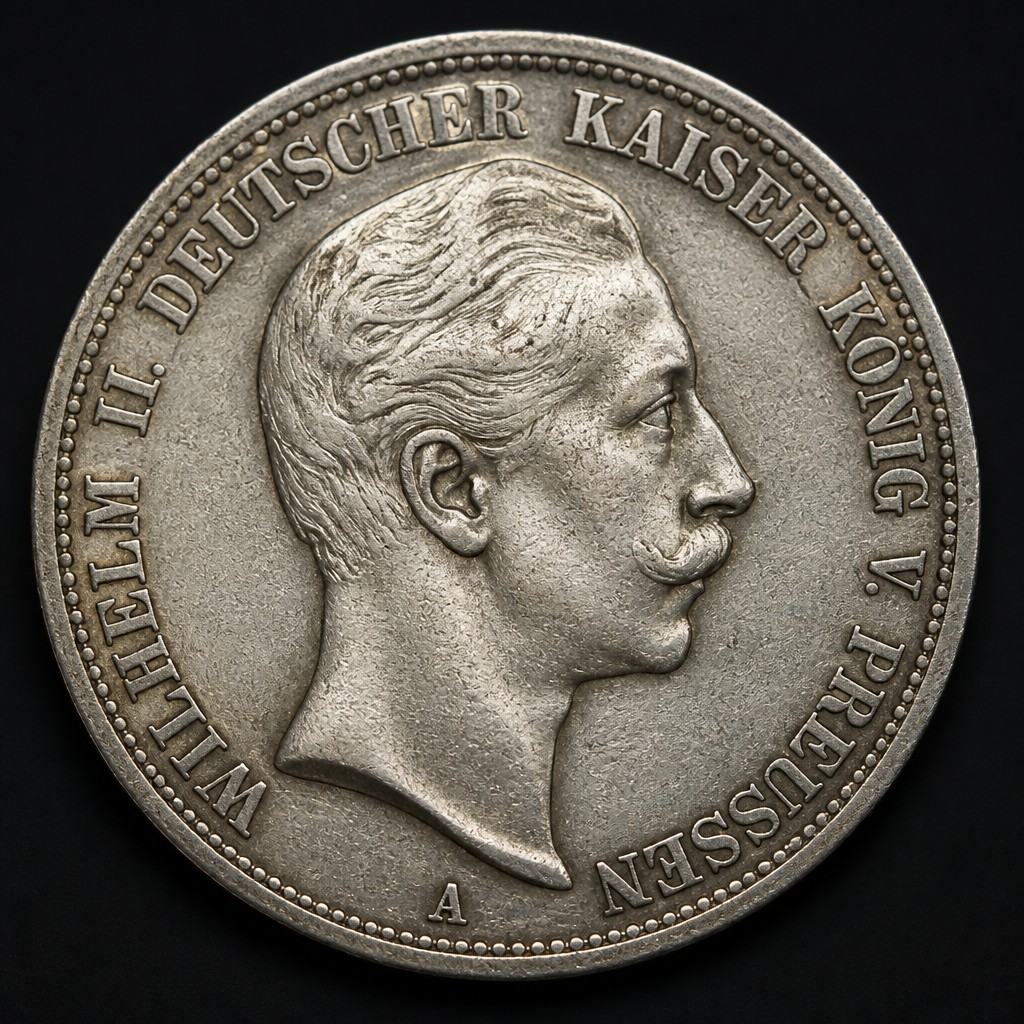
German 5 Mark Silver (Kaiserreich)
The 5 Mark was the largest circulating silver coin of the German Empire, issued by numerous constituent states and free cities, each with its own portrait or design under a common imperial system.
European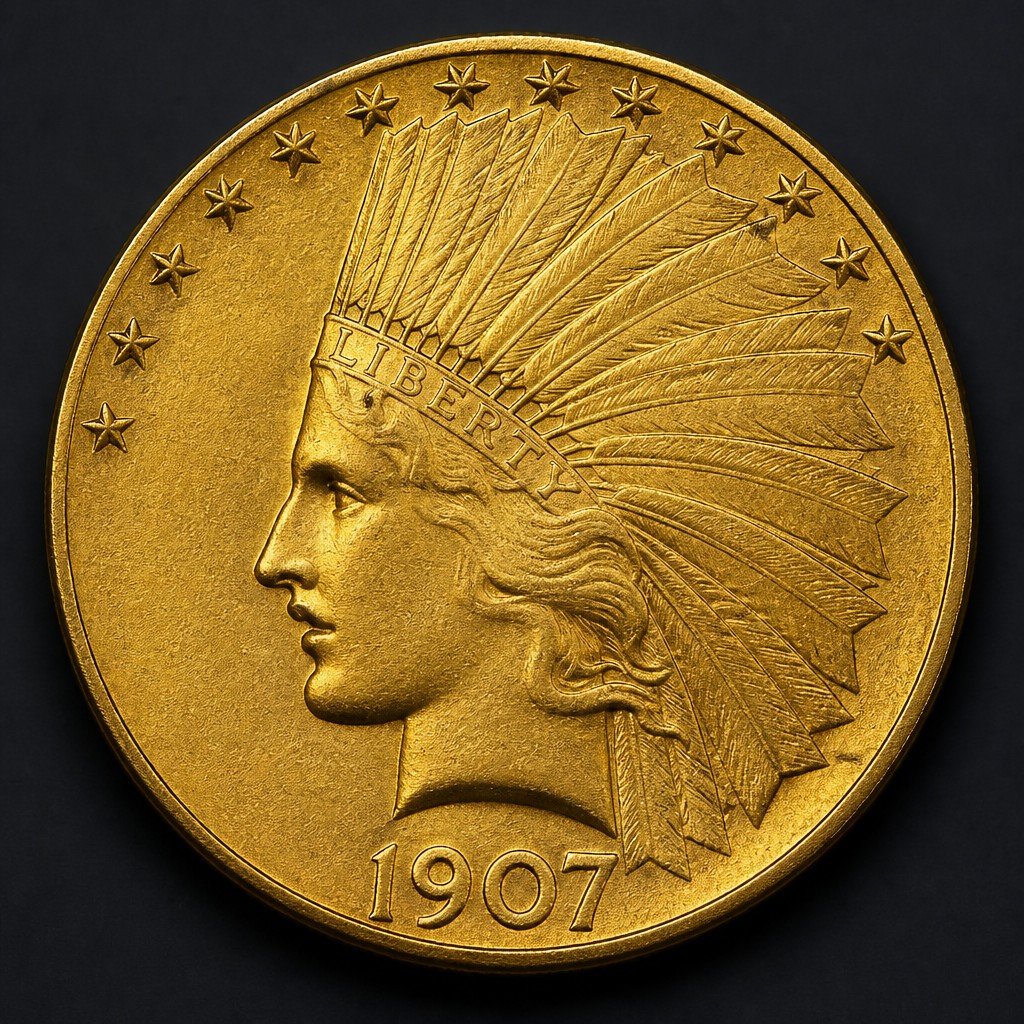
Indian Head Gold Eagle ($10)
A striking early 20th-century $10 gold coin designed under President Theodore Roosevelt's coinage renaissance, featuring an incuse (recessed) design and a Native American-style Liberty portrait.
United States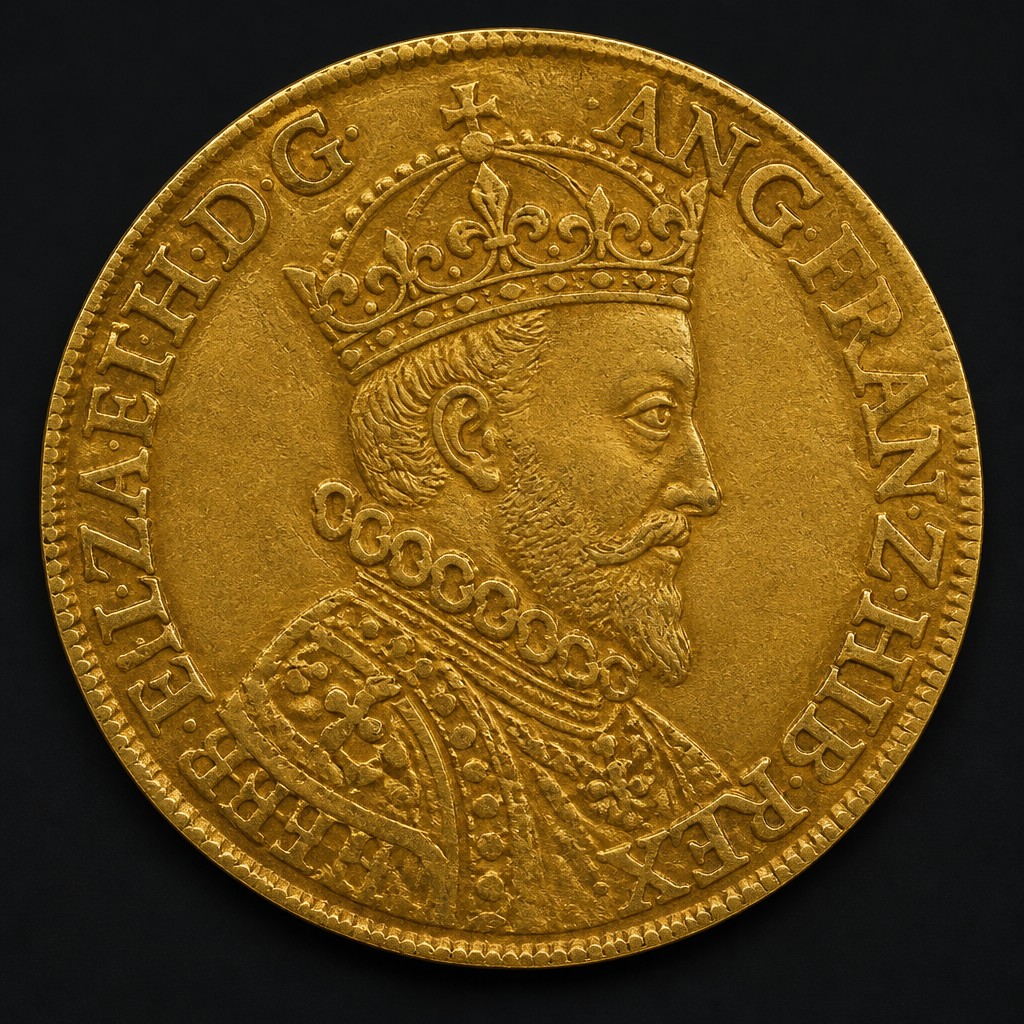
Touchstone Sovereign (Fine Sovereign)
A large, high-value English gold coin struck in especially pure 'fine gold,' valued at thirty shillings and distinguished from the more common crown-gold Sovereign of the same era.
British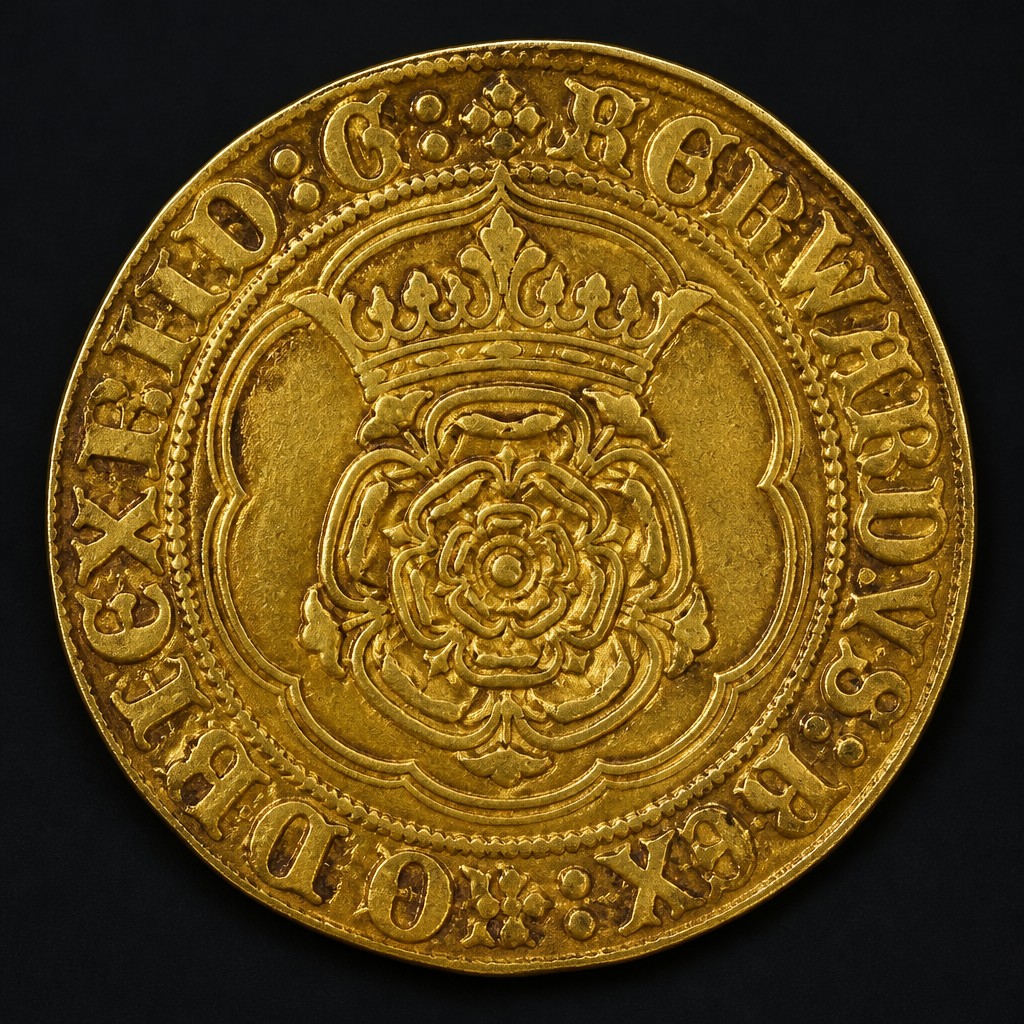
Rose Noble (Ryal)
A large English gold coin first struck under Edward IV in 1465, showing the king standing in a ship, and later revived in the Tudor era as a heavier, higher-value gold piece.
British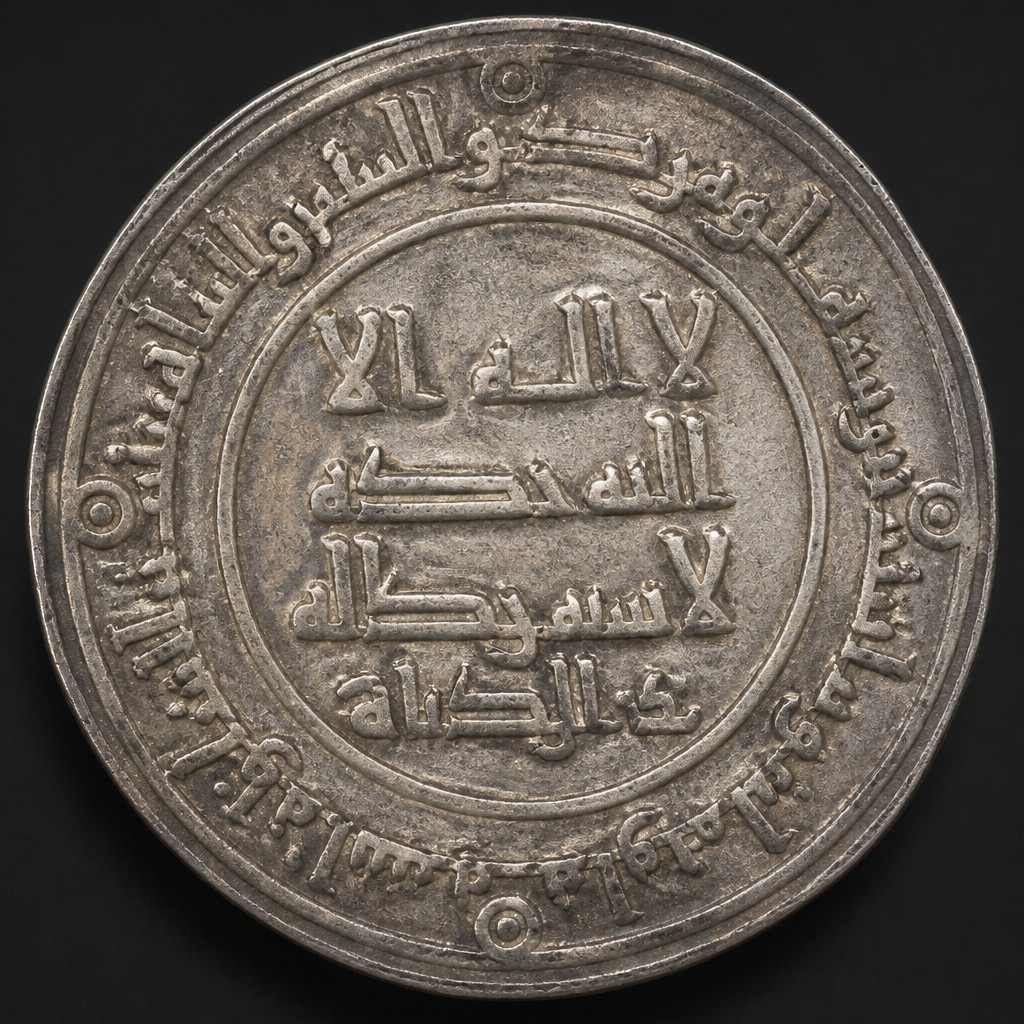
Islamic Silver Dirham (Abbasid)
The standard silver coin of the Abbasid Caliphate, continuing the text-only Kufic script tradition and widely used across a vast medieval trade network stretching from Europe to Central Asia.
Ancient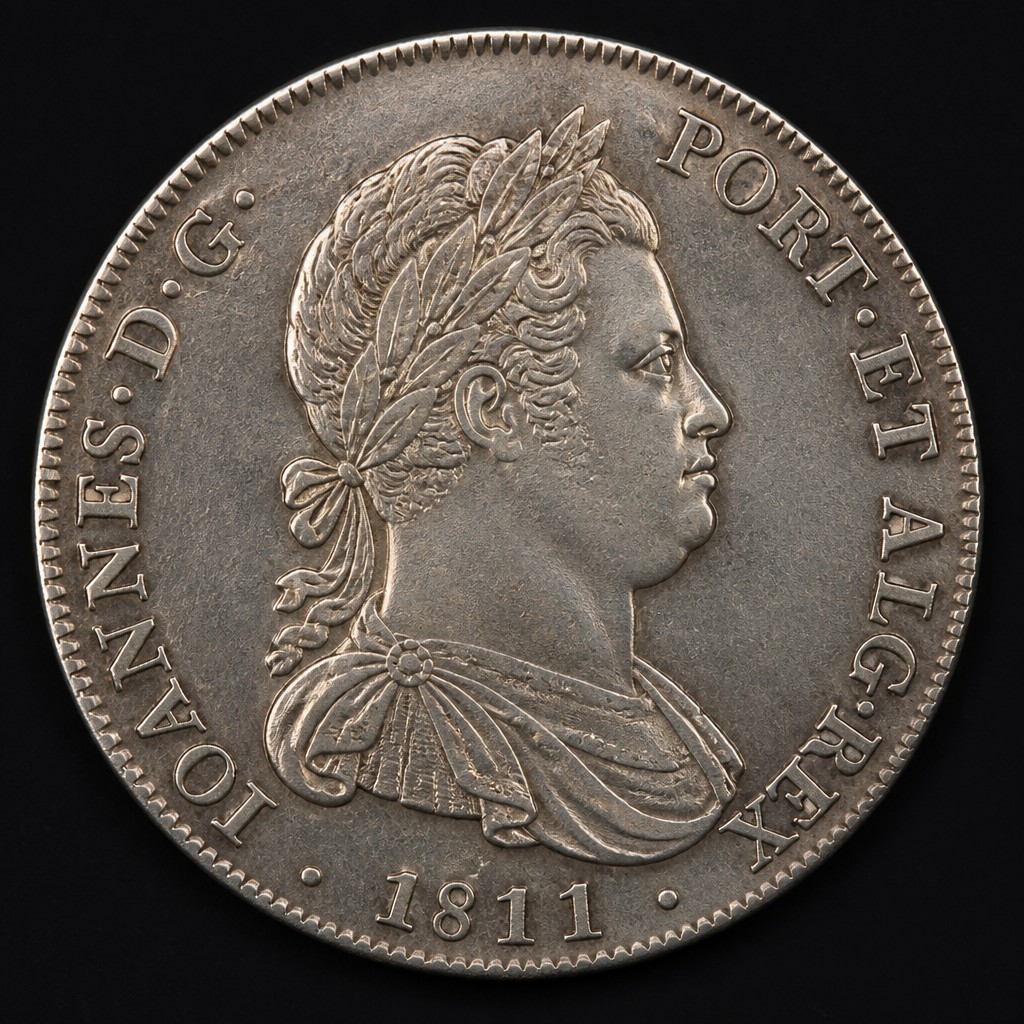
Brazilian 960 Reis Silver
A silver crown-sized coin struck in Brazil under Prince Regent João and later Pedro I, famous for often being overstruck directly on circulating Spanish colonial 8-reales pieces.
Latin American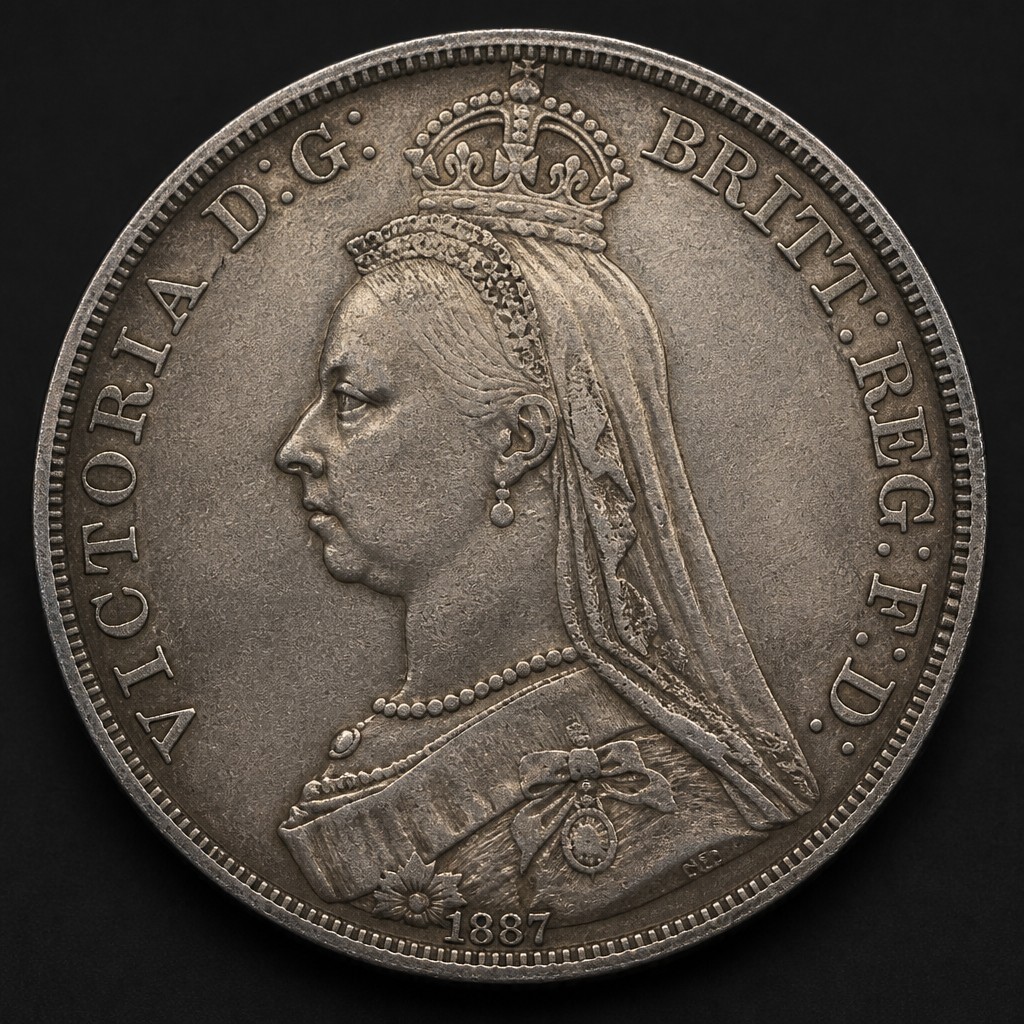
Double Florin
A large Victorian silver coin worth four shillings, struck for only four years; its close resemblance in size to the crown and half-crown caused everyday confusion and gave it a lasting nickname.
British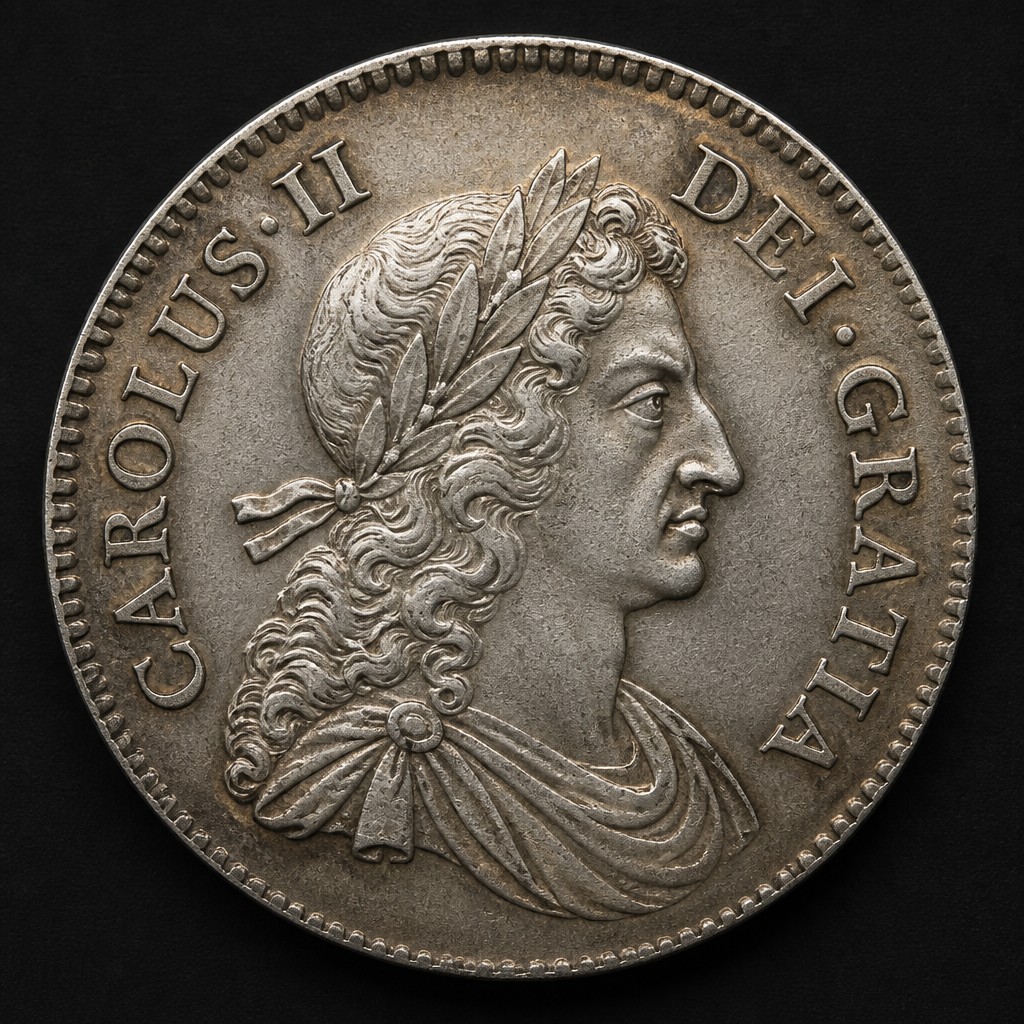
Maundy Penny
The smallest coin of the four-piece Royal Maundy set, a tiny silver penny given by the British monarch in an ancient Holy Thursday alms ceremony, minted every year in very limited numbers.
British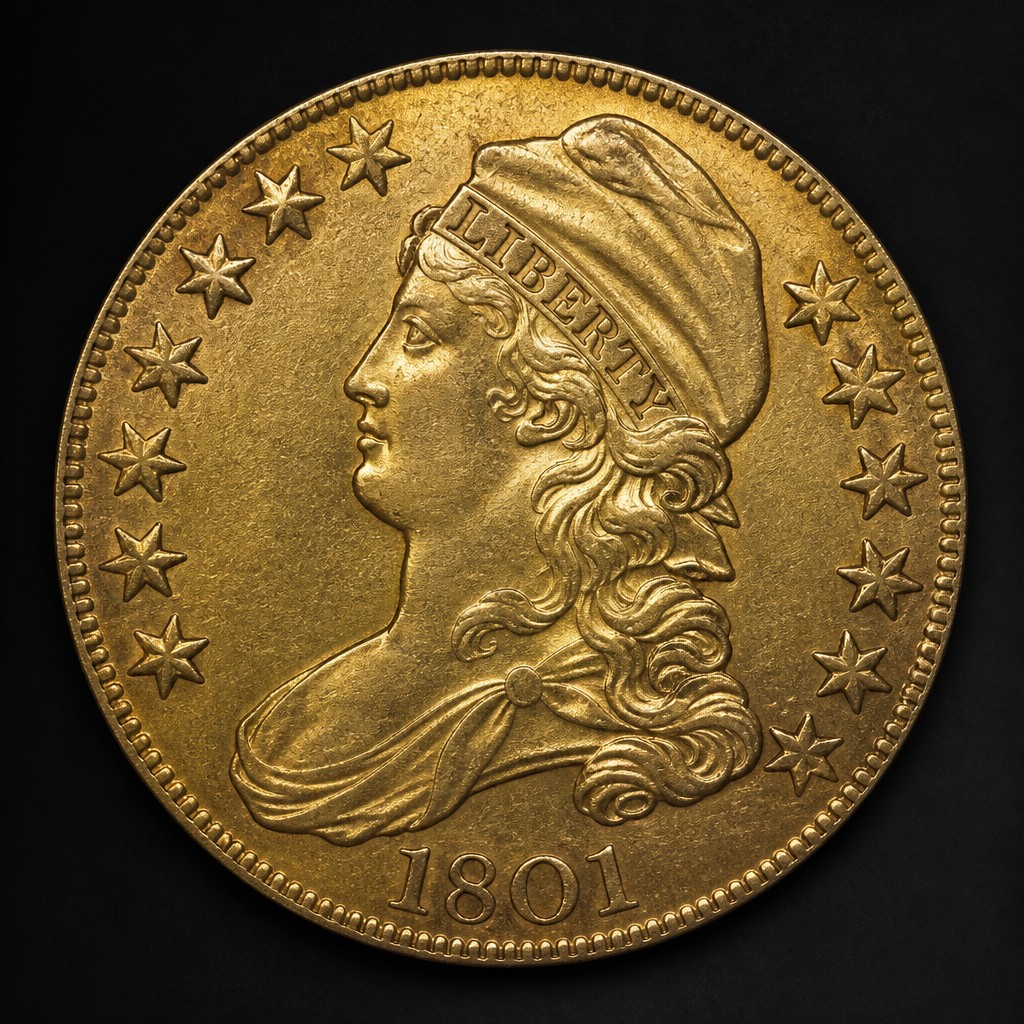
Turban Head Eagle
The first U.S. $10 gold coin, struck 1795-1804 and nicknamed 'Turban Head' for Liberty's cap-like headdress; the earliest examples pair her portrait with a small, spread-winged eagle.
United States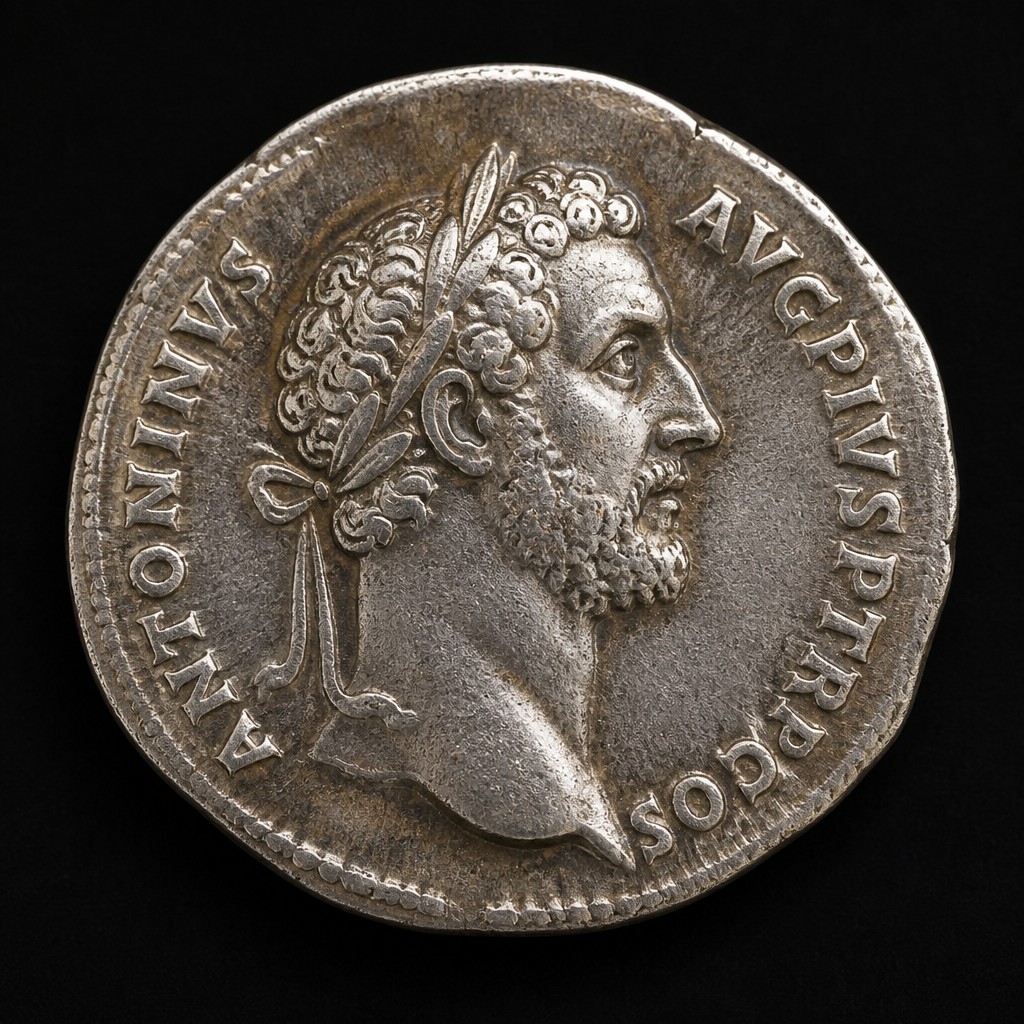
Antoninus Pius Denarius
Silver denarius of Antoninus Pius, whose long, peaceful reign is remembered for stability and prosperity, including coins marking Rome's 900th anniversary.
Ancient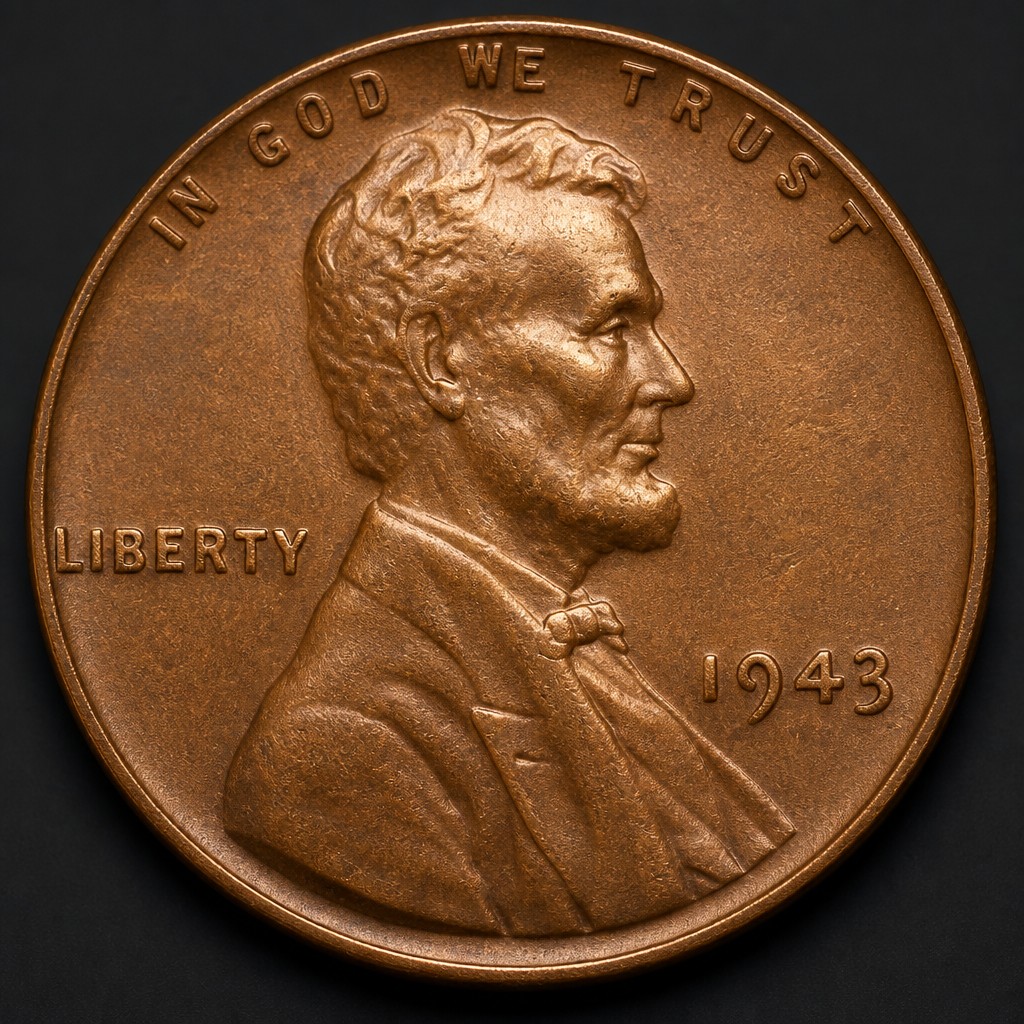
1943 Copper Lincoln Cent
An extremely rare mint error where a handful of 1943 cents were struck on leftover bronze planchets instead of the wartime steel used that year, making it one of the most famous US coin errors.
Errors & Varieties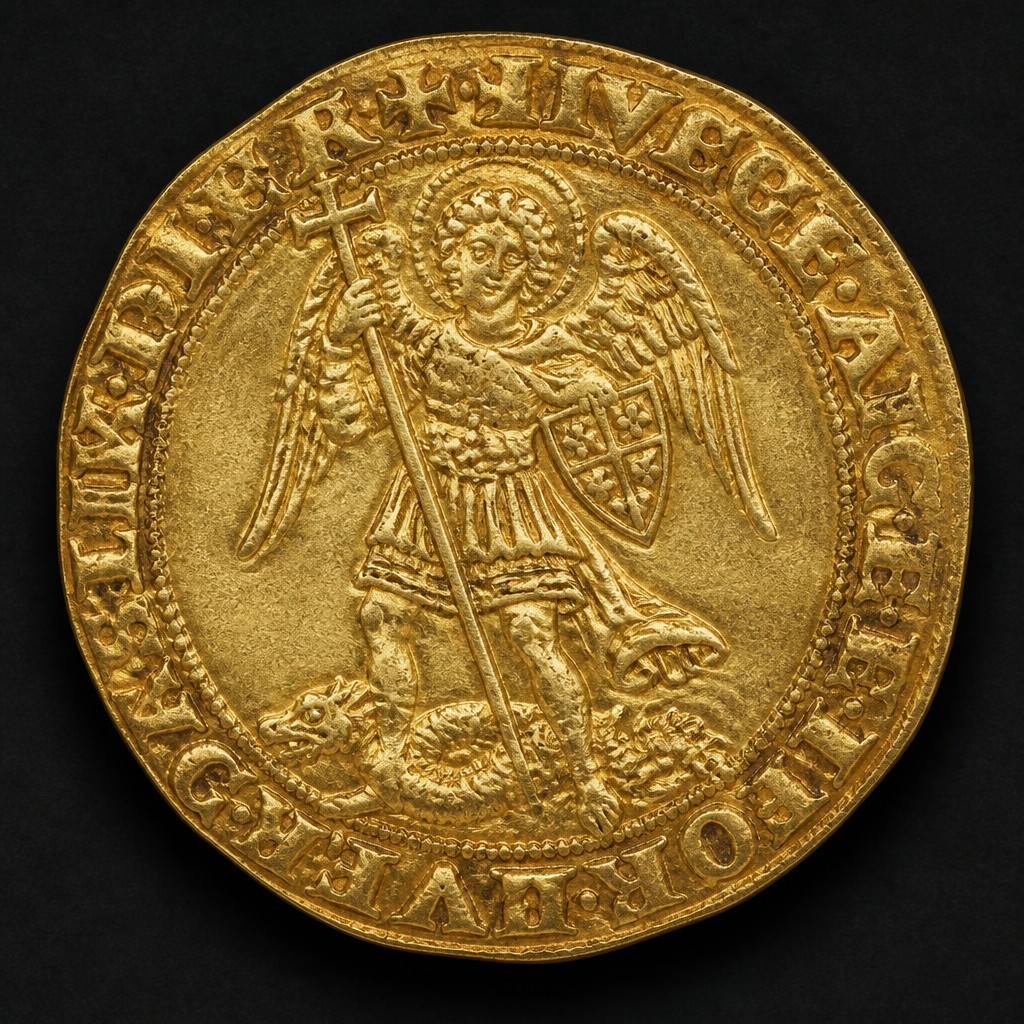
Half Angel (Angelet)
A small English gold coin worth half the value of the Angel, sharing its famous design of the Archangel Michael slaying a dragon, issued across several reigns from Edward IV to James I.
British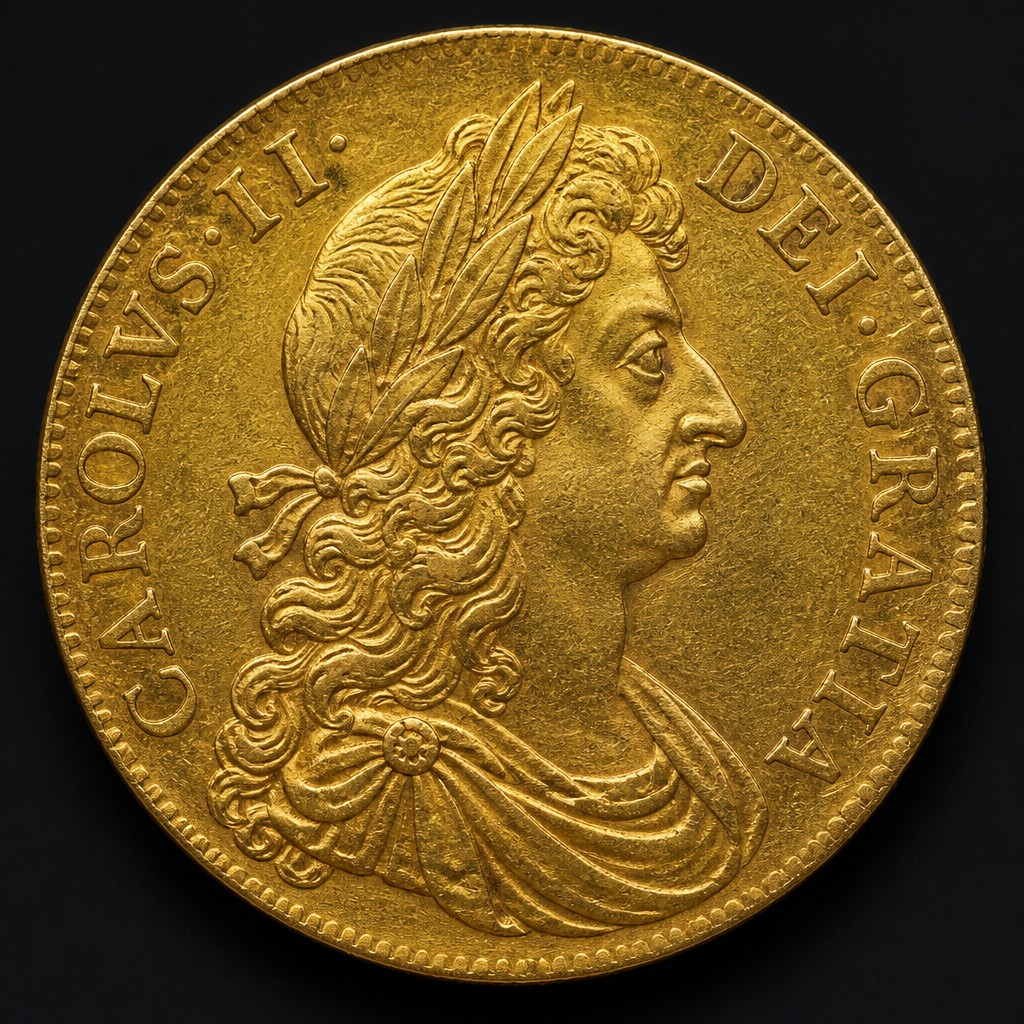
British Gold Guinea
Struck from 1663 to 1814 and named for the West African gold used in its earliest issues, the guinea was Britain's leading gold coin and gave its name to a unit of value still referenced today.
British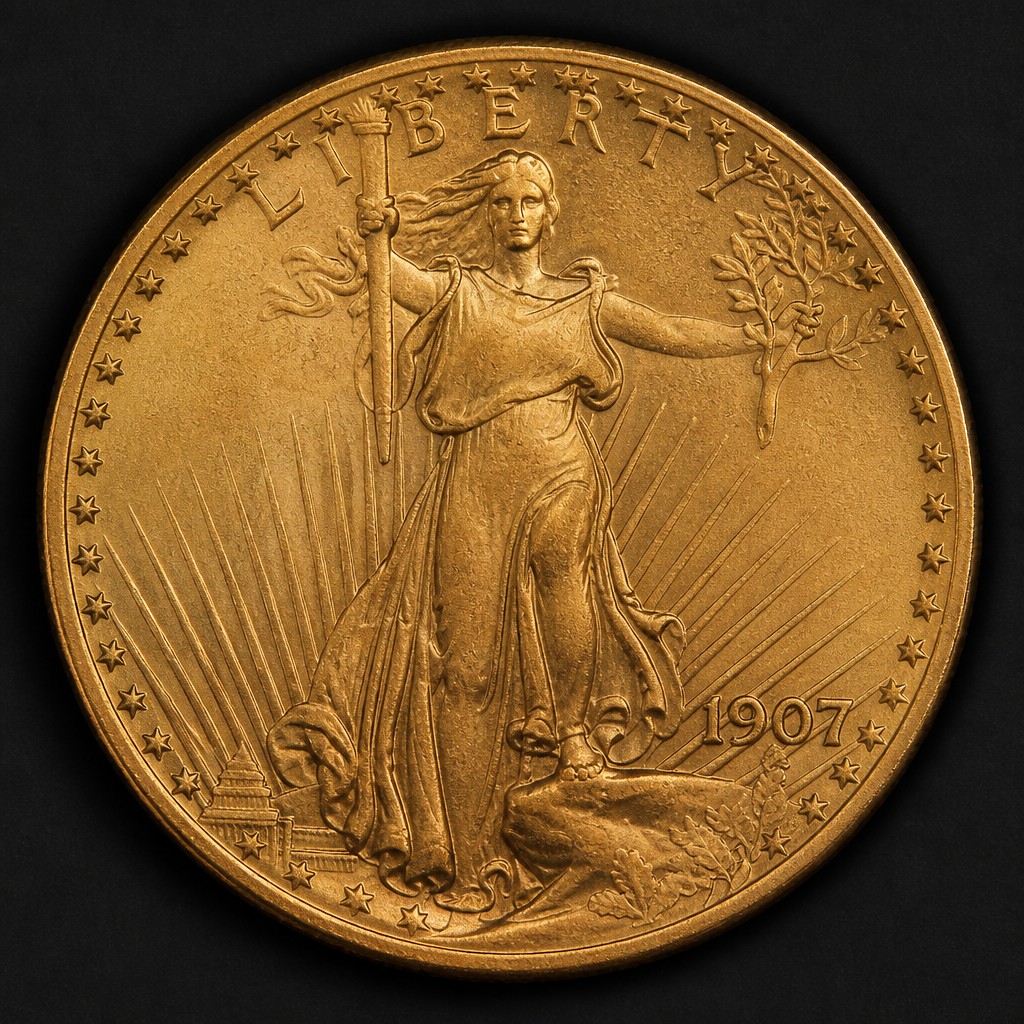
Saint-Gaudens Double Eagle
Widely regarded as one of the most beautiful U.S. coins ever produced, designed by sculptor Augustus Saint-Gaudens at the urging of President Theodore Roosevelt.
United States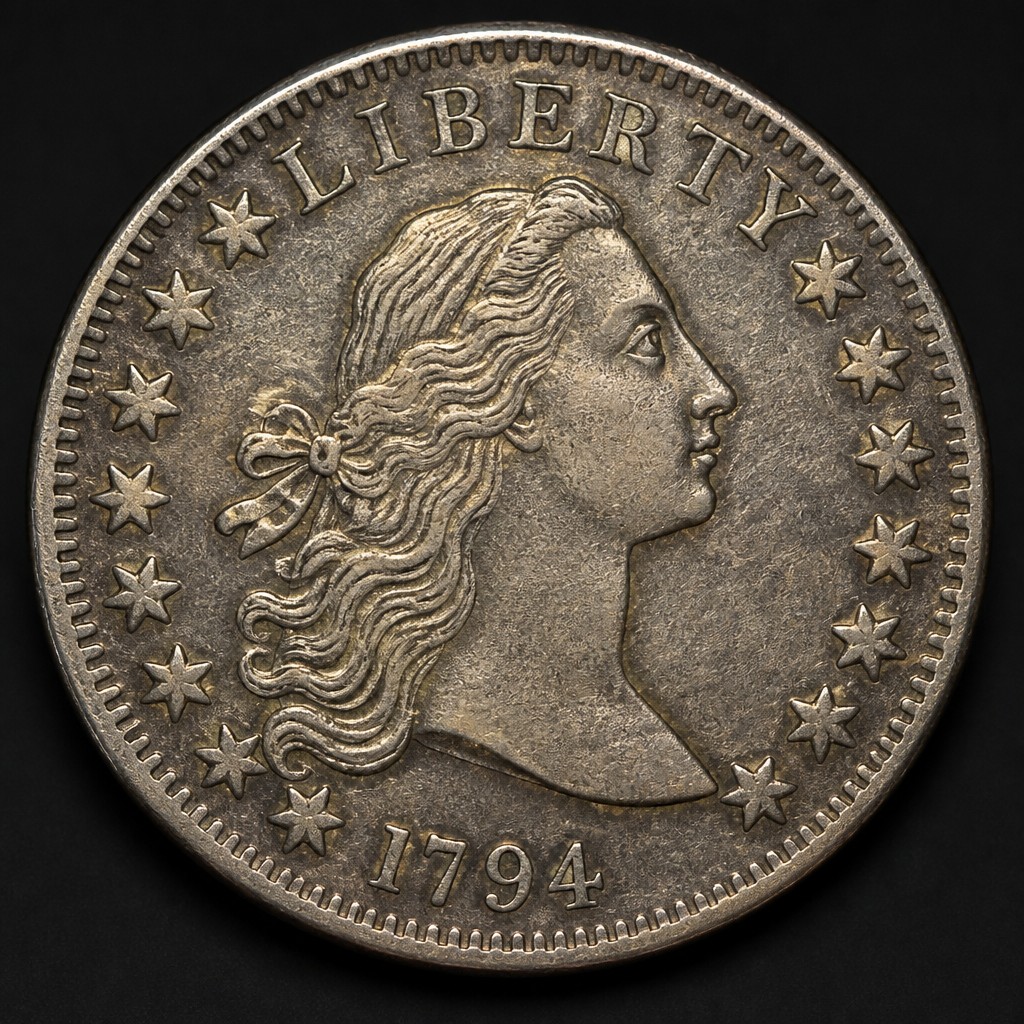
1794 Flowing Hair Half Dime
One of the very first silver coins struck for circulation by the United States Mint, bearing the Flowing Hair Liberty design and a small eagle reverse.
United States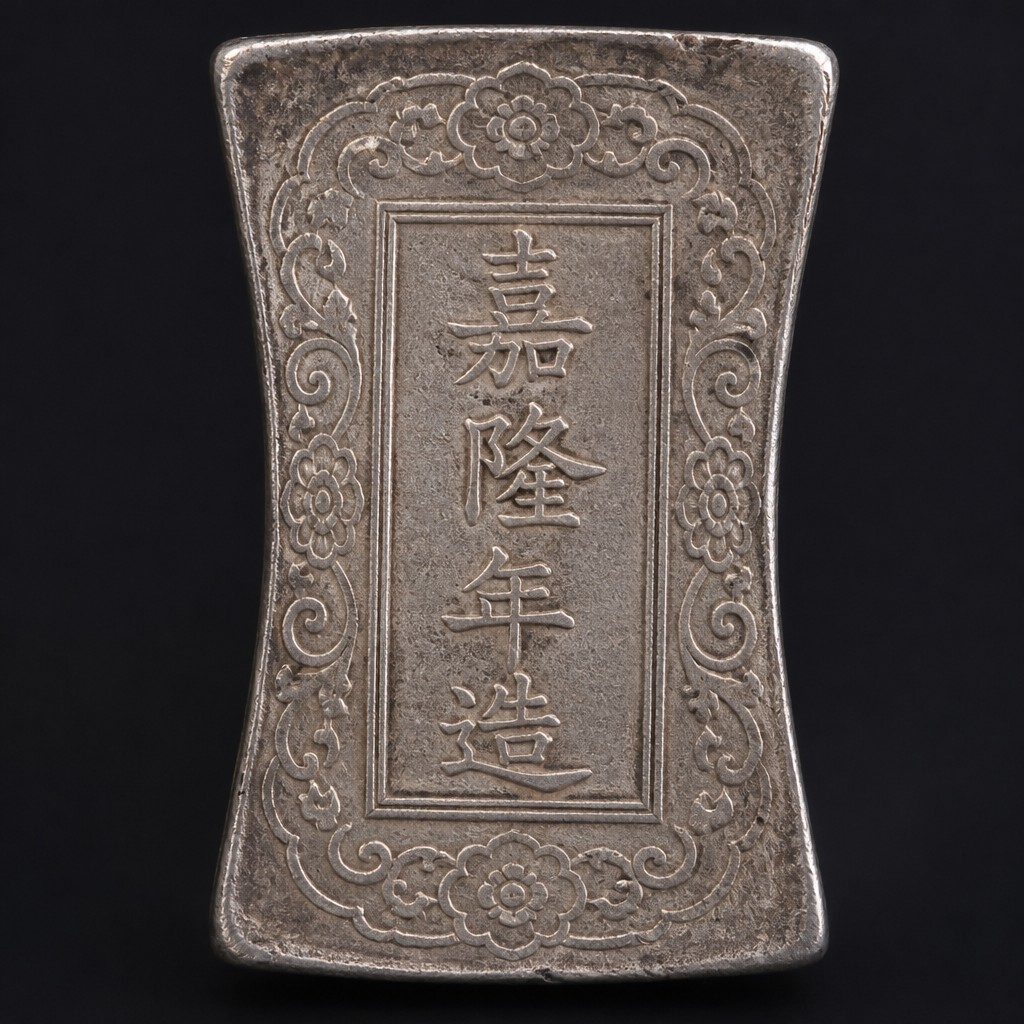
Vietnamese Silver Bar (Lang / Thoi Bac)
Traditional Vietnamese ingot currency from the Nguyen Dynasty, cast or hammered silver bars denominated in lang (tael) rather than struck as round coins.
Asian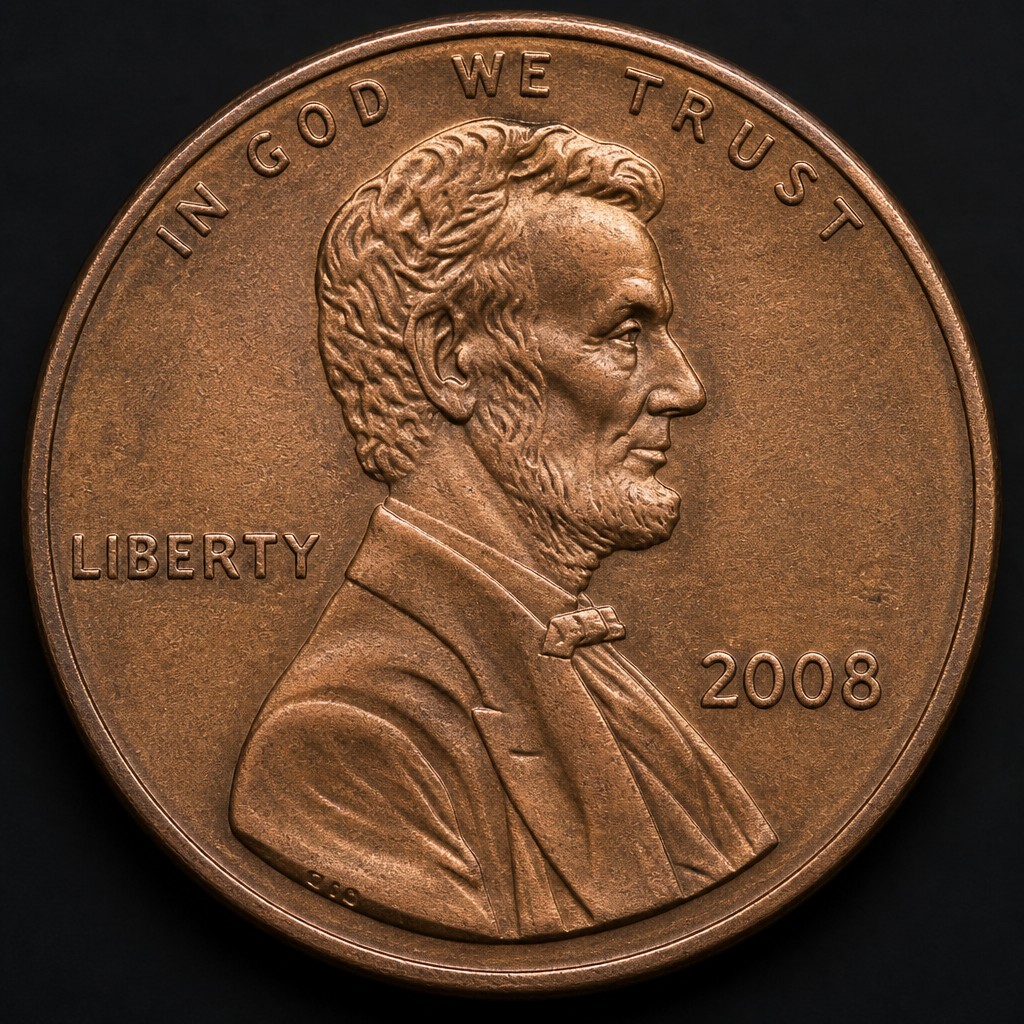
Lincoln Memorial Cent
The long-running Lincoln cent reverse featuring the Lincoln Memorial, used for half a century and one of the most commonly encountered coins in American pockets and collections.
United States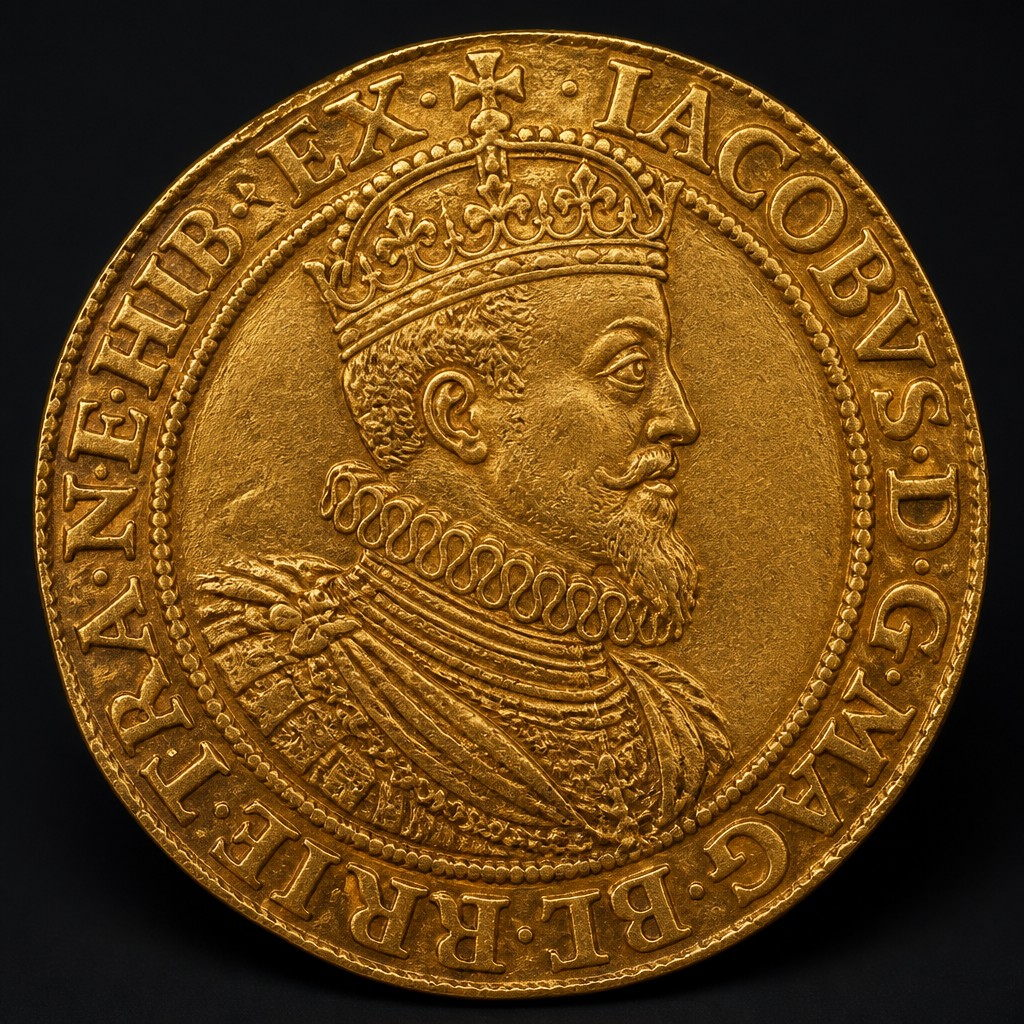
Half Crown Gold
A small gold coin worth half a gold crown, struck from the reign of Henry VIII through the English Civil War, distinct from the far more familiar silver half crown that circulated for centuries afterward.
British