
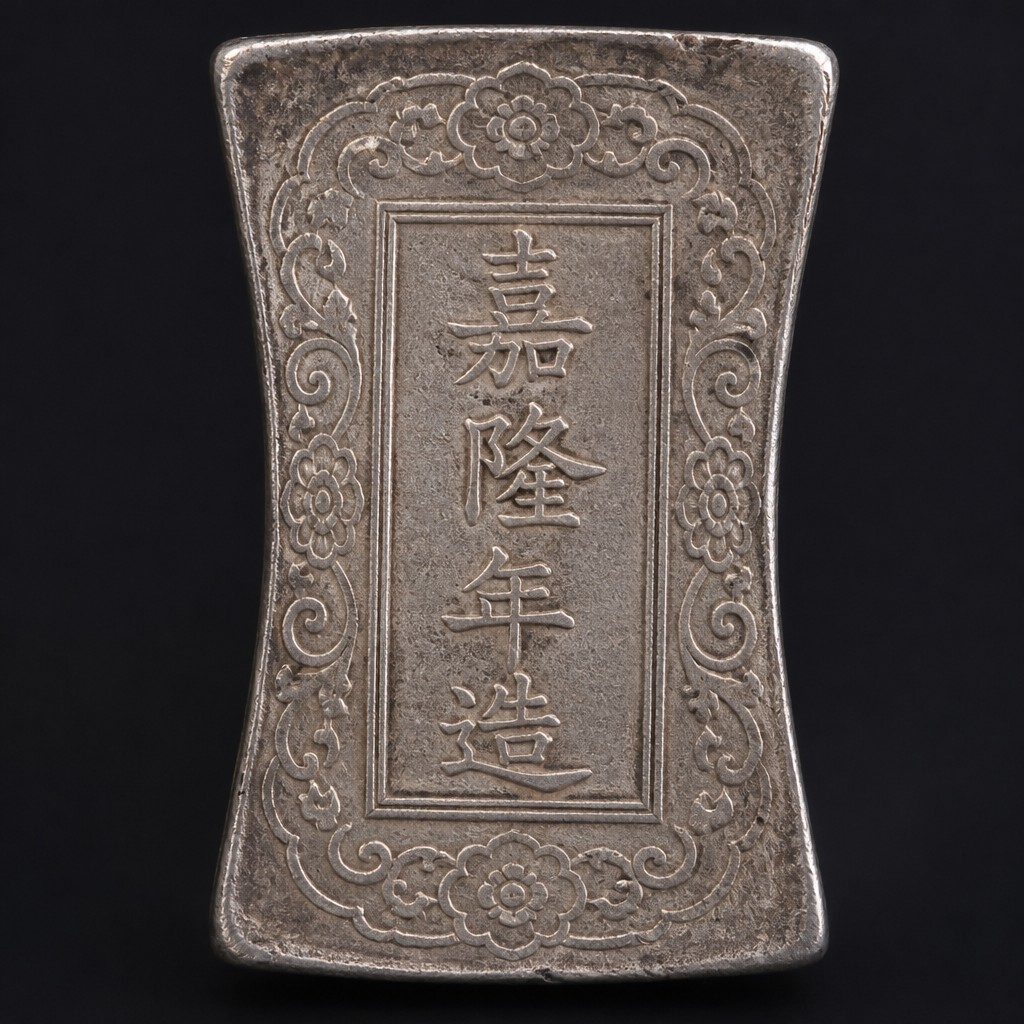
Vietnamese Silver Bar (Lang / Thoi Bac)
Traditional Vietnamese ingot currency from the Nguyen Dynasty, cast or hammered silver bars denominated in lang (tael) rather than struck as round coins.
- Country
- Vietnam (Nguyen Dynasty)
- Denomination
- Lang (Tael)
- Metal
- Silver
Got a coin like this?
Identify any coin from a photo, free.
Overview
The Vietnamese silver bar, known as thoi bac or nen bac, was a form of ingot money used in imperial Vietnam alongside cast cash coins, valued by weight in lang (tael) rather than by a fixed face value. These bars functioned much like the sycee ingots used in China, serving for larger transactions, taxation, and treasury reserves.
Collectors of Southeast Asian numismatics find these ingots interesting as tangible links to Vietnam's pre-colonial monetary system, distinct from the more commonly encountered round cash coins of the same era.
History & Background
Under the Nguyen Dynasty (1802-1945), Vietnam's monetary system combined cast bronze and zinc cash coins for everyday use with silver and gold ingots for larger-scale transactions, taxes, and imperial treasury purposes. These ingots followed a broader East Asian tradition, similar in concept to Chinese sycee, reflecting Vietnam's close cultural and administrative ties to China.
Silver bars were often produced or certified under royal authority, sometimes stamped with marks indicating weight, purity, or issuing authority, and remained in use well into the 19th century until French colonial rule progressively introduced standardized coinage and, later, paper currency, diminishing the ingots' role.
How to Identify
Vietnamese silver bars typically take the form of small, elongated or boat-shaped ingots rather than flat coins, reflecting their function as bullion currency rather than token coinage. Stamped Han-script characters often indicate weight, fineness, or the workshop or authority responsible.
Because these were valued by weight rather than a fixed denomination, size and mass vary considerably. Genuine pieces should be evaluated on the clarity and plausibility of their stamped marks alongside physical characteristics such as surface texture and weight consistent with the stated denomination.
Distinguishing genuine imperial-era Vietnamese ingots from later reproductions, or from similar Chinese and Lao ingots, requires attention to the specific stamped script, shape conventions, and documented provenance where available.
Value & Collectibility
Values for Vietnamese silver ingots depend heavily on weight, purity, condition of the stamped marks, and confirmed authenticity, since this is a specialized and less standardized collecting area compared to struck coinage. Well-documented, clearly marked examples from reputable sources tend to be more desirable than unmarked or ambiguous pieces.
Because the ingot market attracts reproductions and reworked pieces, collectors typically place a premium on ingots with clear, legible period stampings and credible provenance over unmarked bullion of similar weight.
Frequently asked questions
What does "lang" mean?
Lang is the traditional Vietnamese unit of weight (a tael), used to denominate silver and gold ingot currency.
How is this different from a cash coin?
Cash coins were round, cast, low-value bronze or zinc pieces for everyday use; silver bars were bullion ingots for larger transactions.
What dynasty issued these?
The Nguyen Dynasty, Vietnam's last imperial dynasty, from the early 19th century onward.
What ended their use?
French colonial administration progressively introduced standardized coinage and paper money, reducing reliance on ingots.
How can I tell if a bar is genuine?
Look for legible, period-appropriate stamped marks and reasonable provenance; reproductions are a known concern in this collecting area.
Other coins you may enjoy
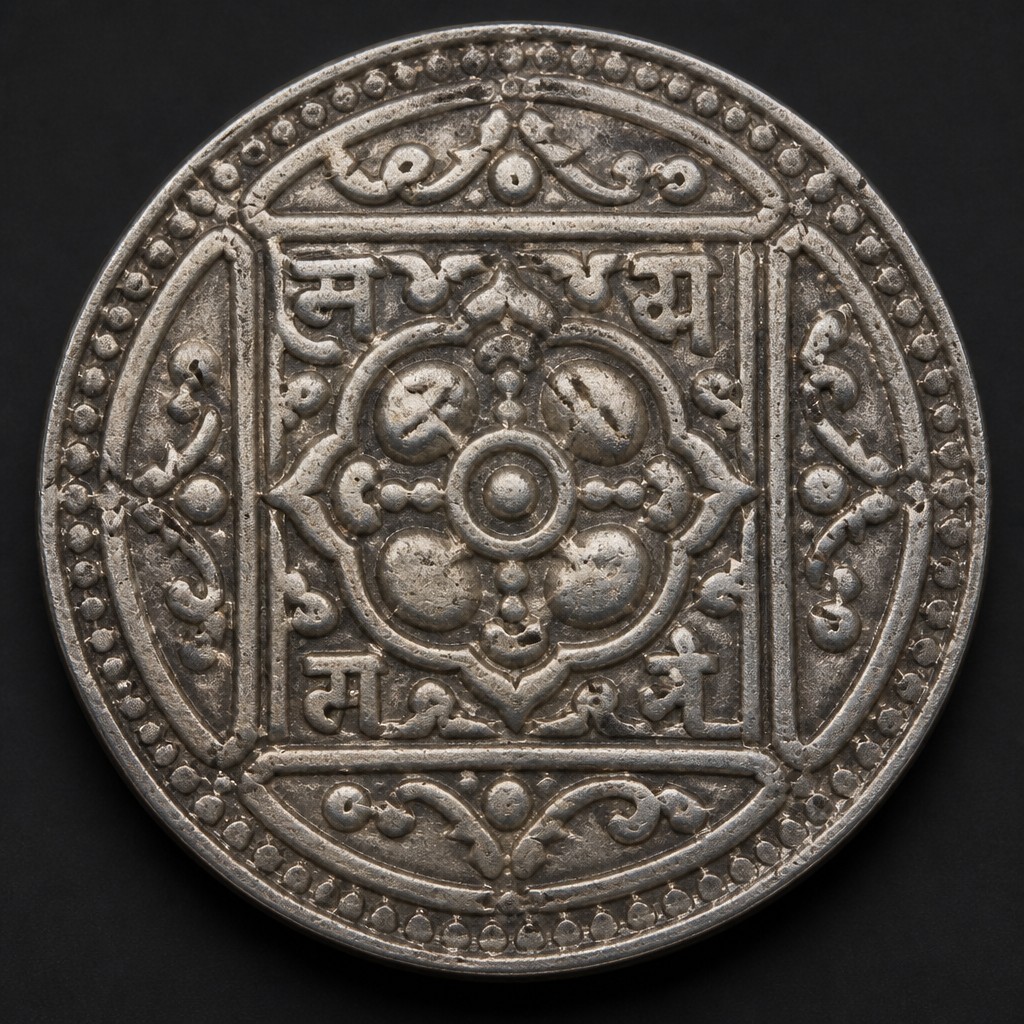
Nepal Silver Mohar
c. 16th–19th century
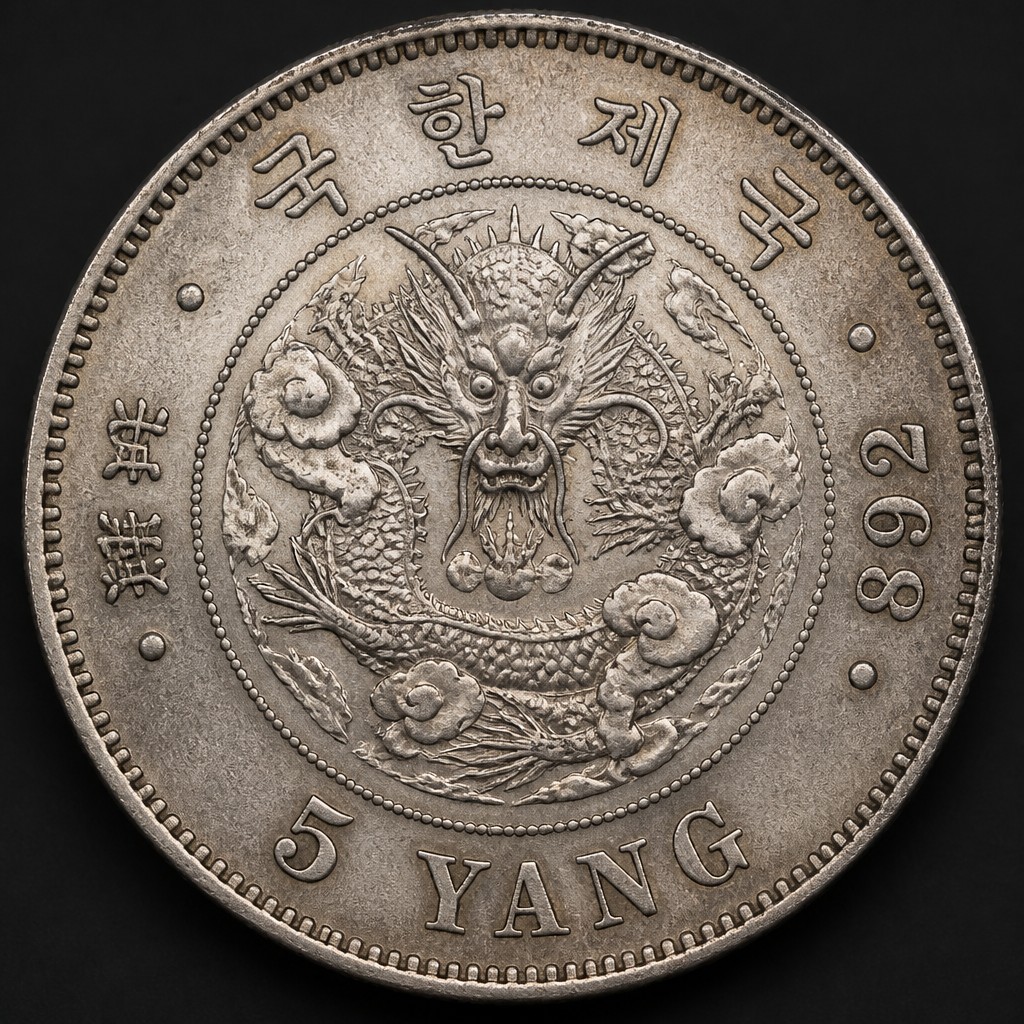
Korean 5 Yang Silver Dollar (1892)
1892
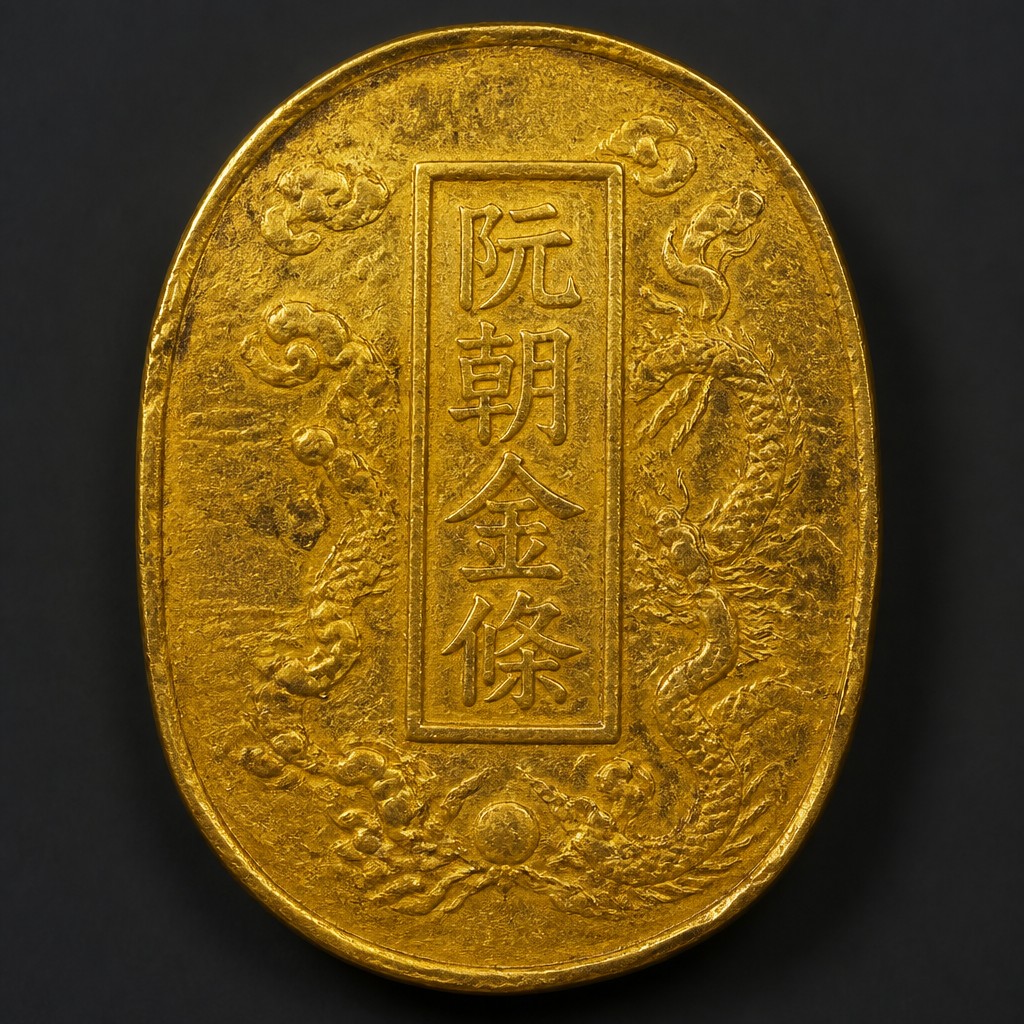
Nguyen Dynasty Gold Bar (Vietnam)
19th century
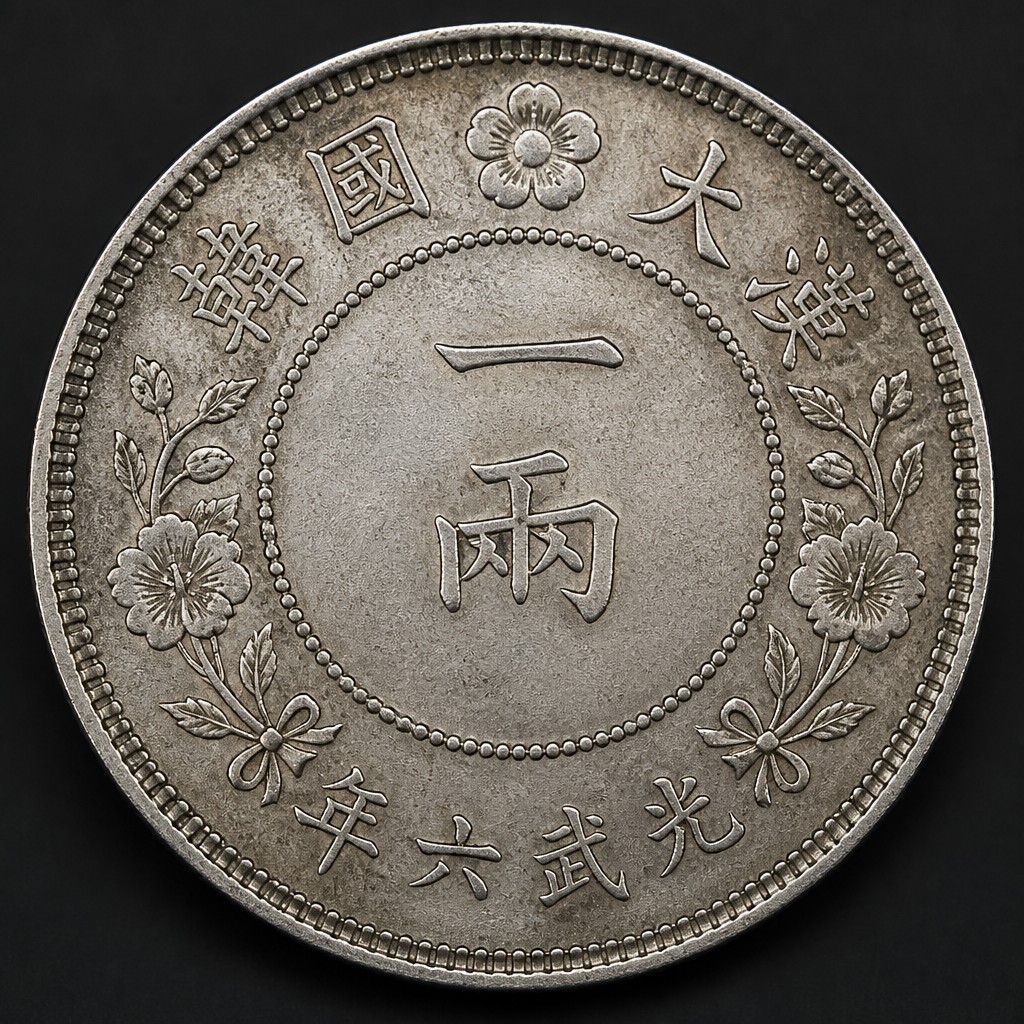
Korean 1 Yang Silver (Joseon/Great Han Empire)
1892–1902
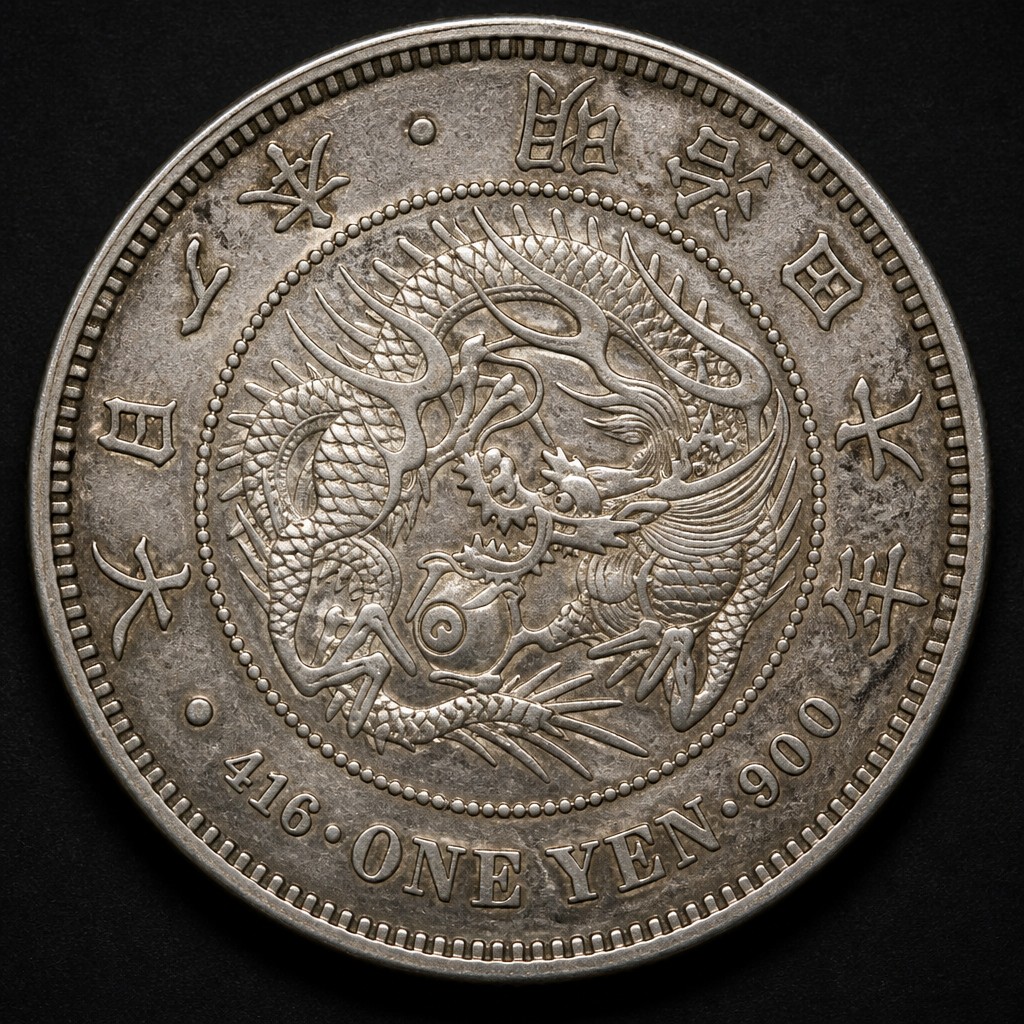
Japanese 1 Yen Silver 'Dragon' Trade Dollar
1870–1914 (trade dollar variant 1875–1877)
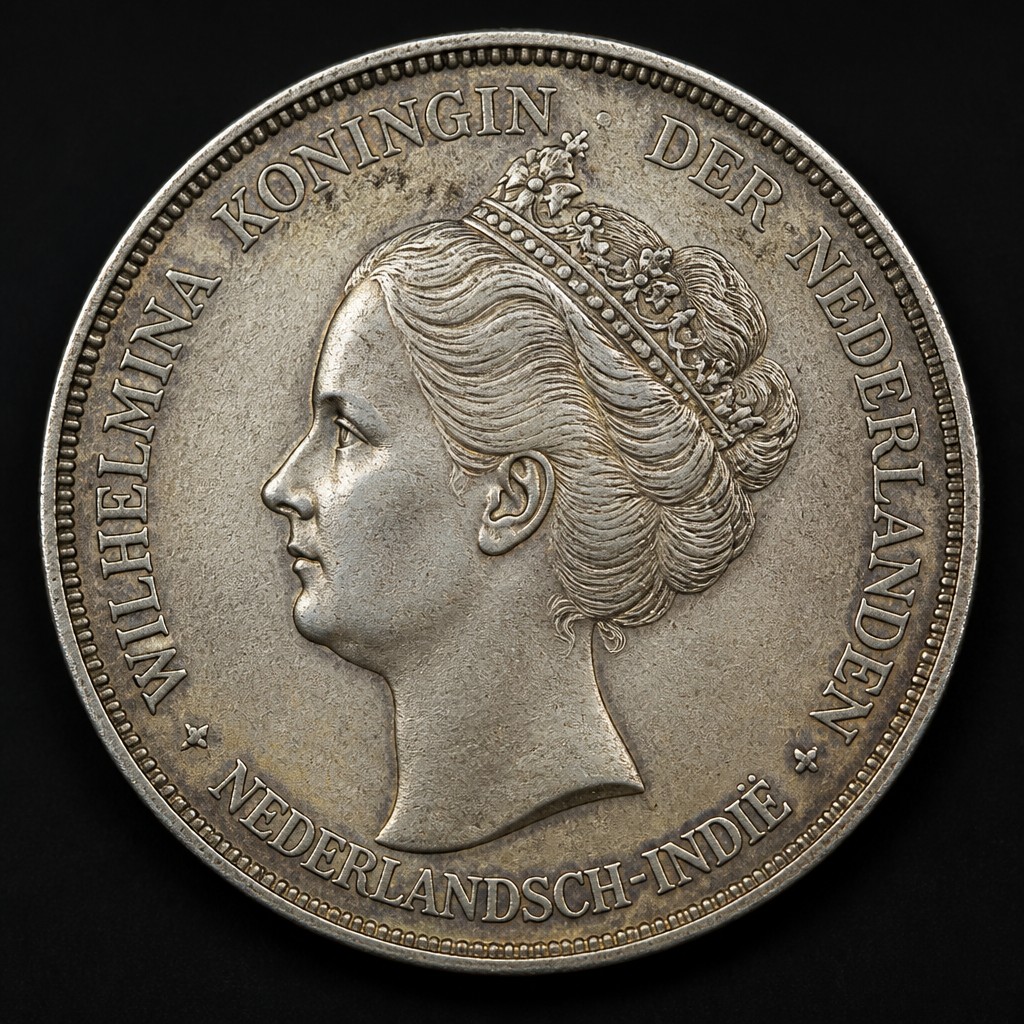
Netherlands East Indies Gulden (Wilhelmina)
1897–1945
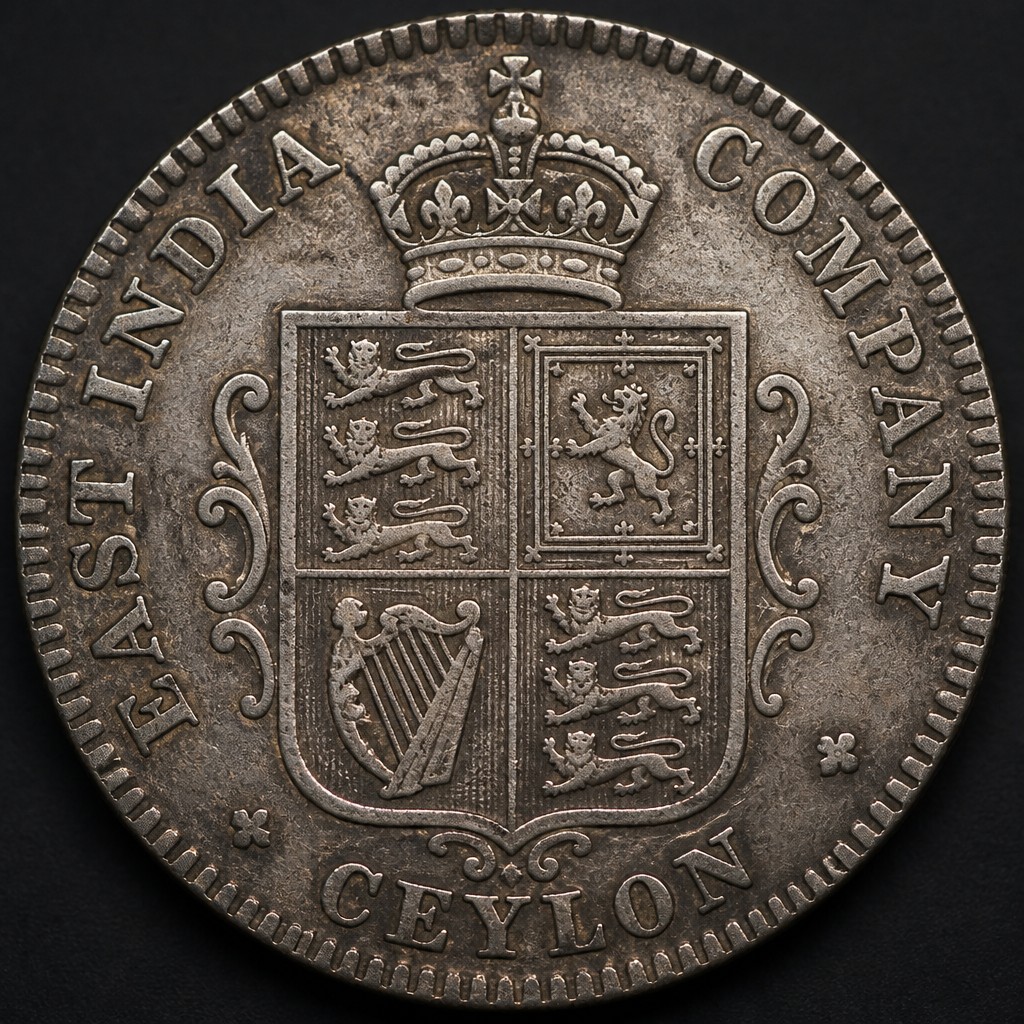
Ceylon (Sri Lanka) EIC Rixdollar
c. 1802–1821
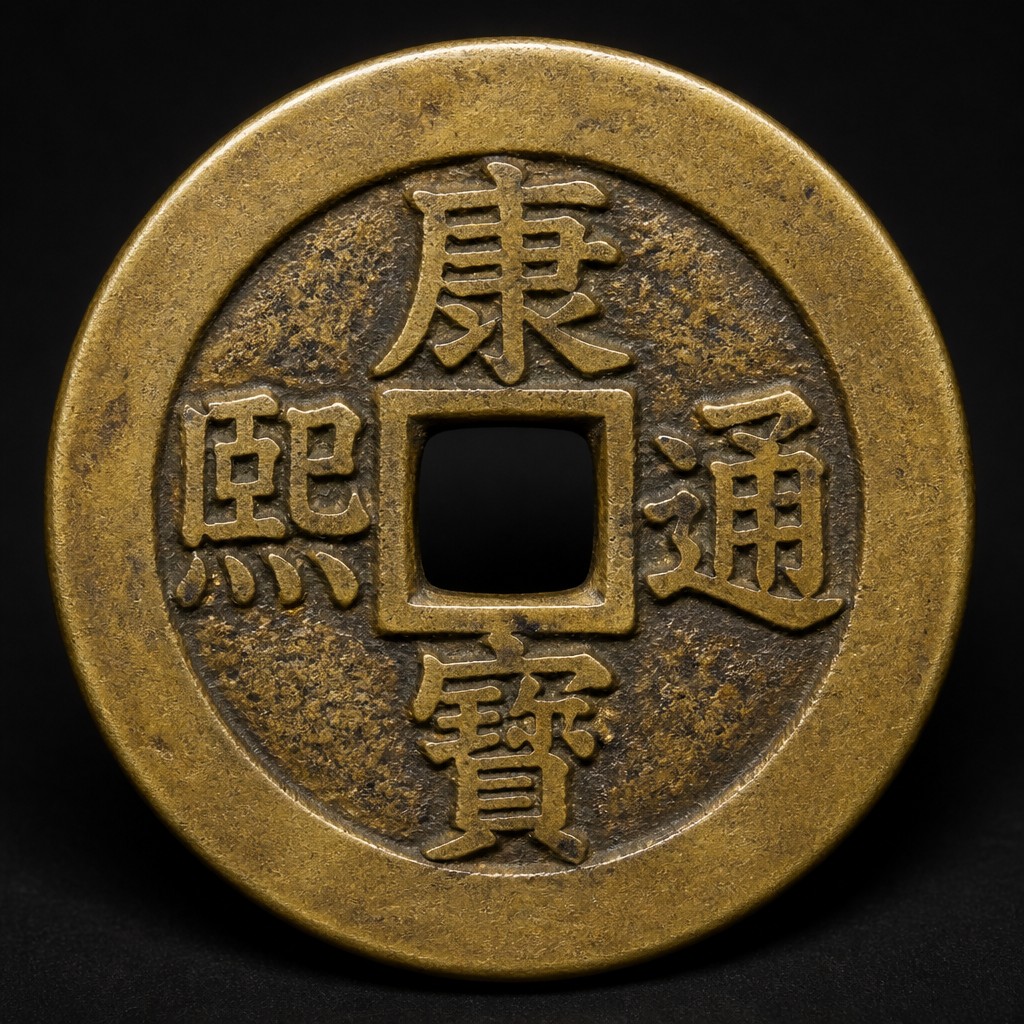
Chinese Cash Coin (Qing Dynasty 'Kangxi Tongbao')
1662–1722
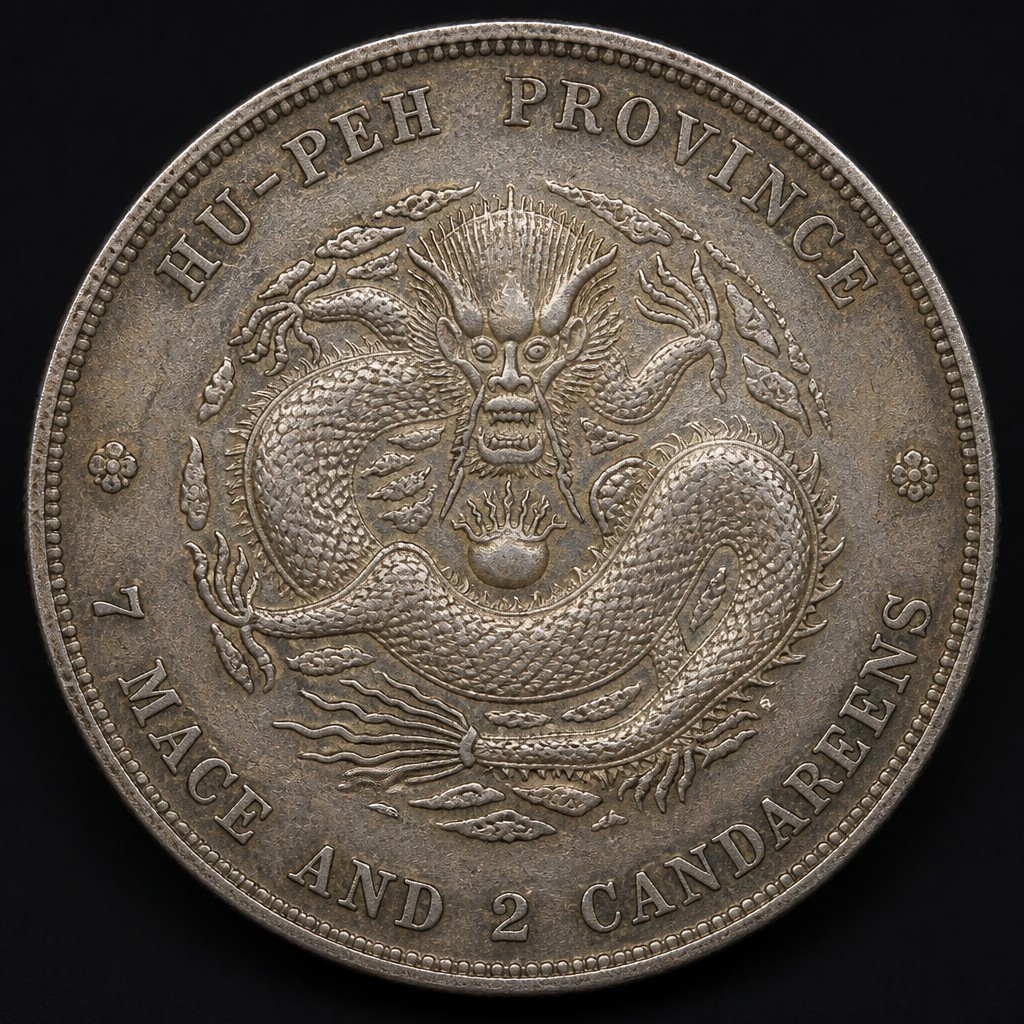
Chinese Hupeh Province Dragon Dollar
c. 1895–1909
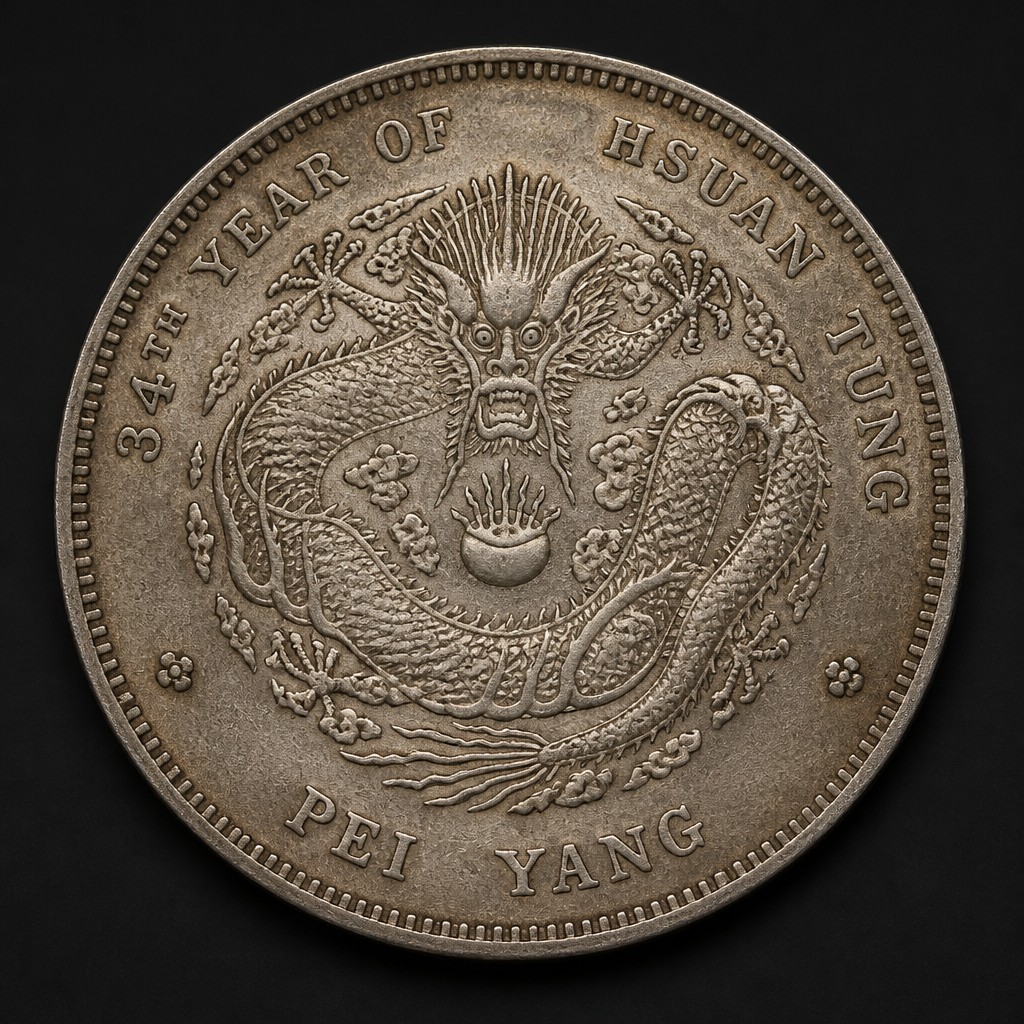
Chinese Empire Silver Dollar (Hsuan Tung Dragon)
1909–1911
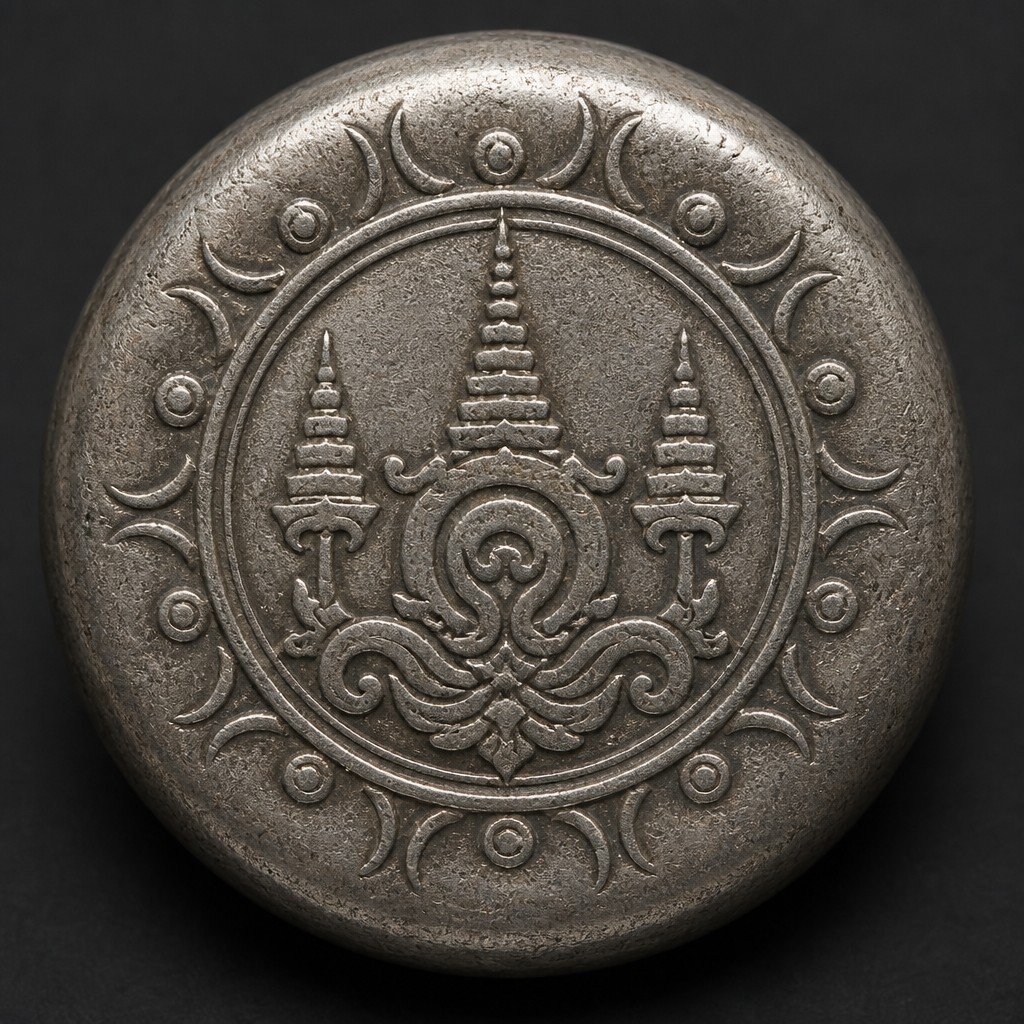
Thailand (Siam) Silver Baht 'Bullet Money' (Pod Duang)
c. 13th century – late 19th century
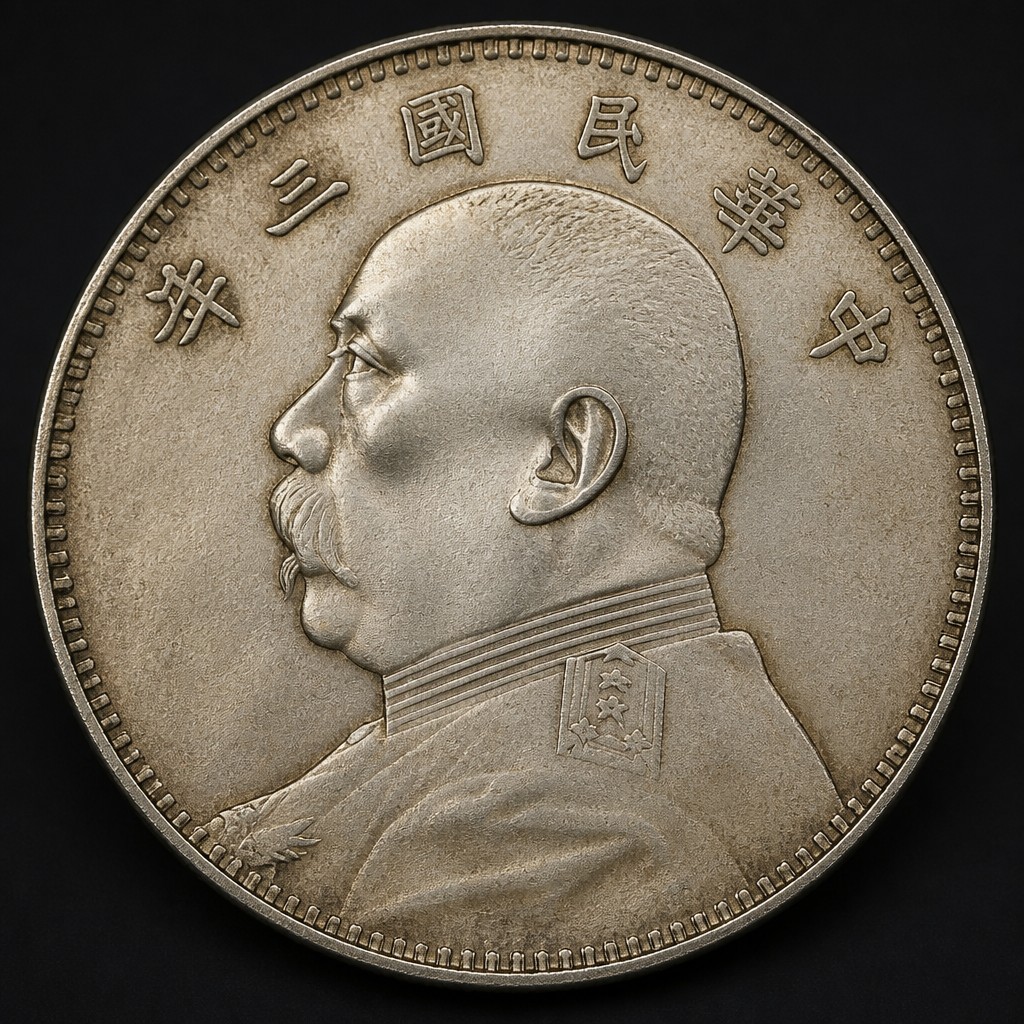
Yuan Shikai 'Fatman' Dollar (1914)
Dated 1914, struck into the early 1920s