
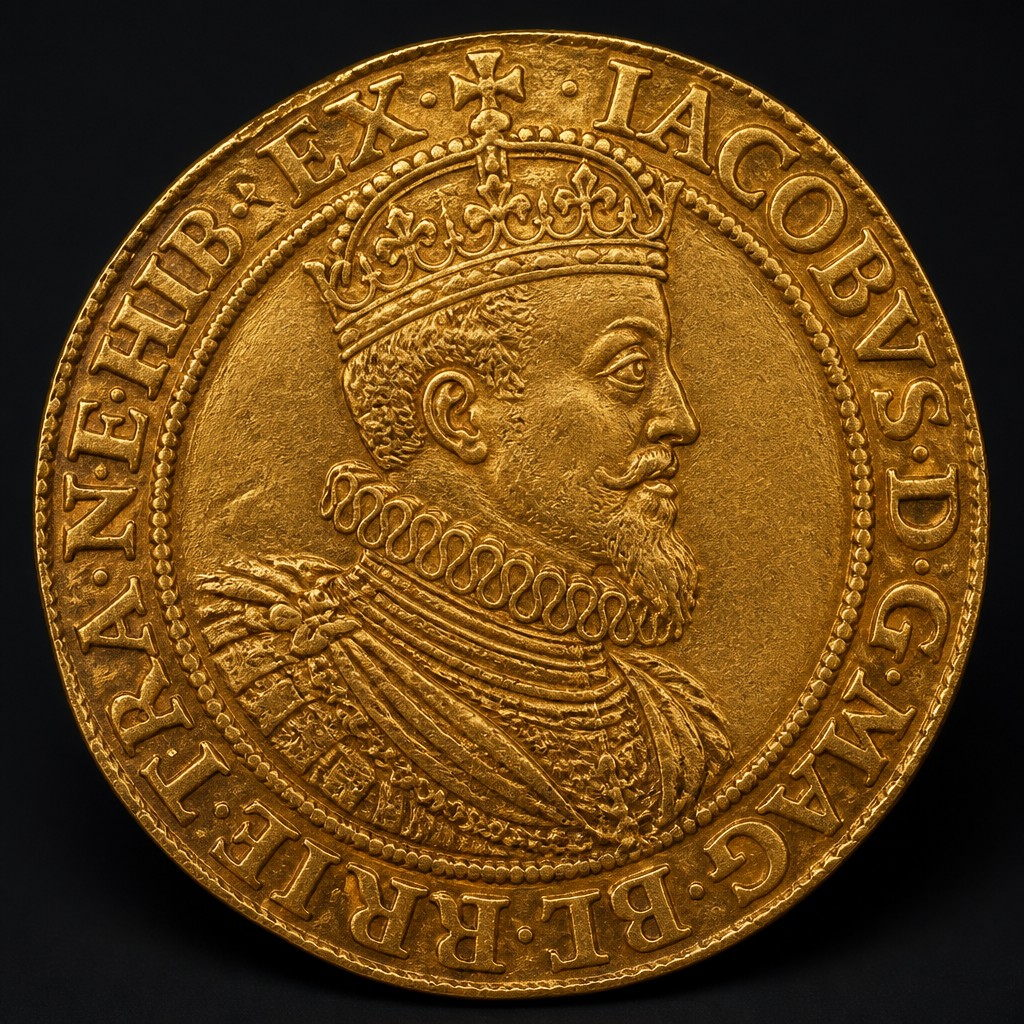
Half Crown Gold
A small gold coin worth half a gold crown, struck from the reign of Henry VIII through the English Civil War, distinct from the far more familiar silver half crown that circulated for centuries afterward.
- Country
- England
- Denomination
- Two Shillings Sixpence (in gold)
- Metal
- Gold (crown gold, approx. 22-carat)
Got a coin like this?
Identify any coin from a photo, free.
Overview
The gold Half Crown was a minor but genuine part of English gold coinage from the Tudor period through the mid-17th century, valued at half a gold crown, or two shillings sixpence. It should not be confused with the much better-known silver half crown, a larger denomination that continued in British circulation until decimalization in 1970.
Collectors of English hammered gold value the gold Half Crown as a smaller, sometimes more attainable entry point into the crown-gold series struck under Henry VIII and his successors, and Civil War-era examples carry the added interest of being produced under wartime conditions at improvised royalist mints.
History & Background
Gold crowns and half crowns were introduced into English coinage under Henry VIII in the 1520s as part of a broader reform of the gold denominations, valued in 'crown gold,' a standard slightly less pure than the 'fine gold' used for coins like the Sovereign. These small gold pieces continued to be struck, with design changes, through the reigns of Edward VI, Mary I, Elizabeth I, and the early Stuarts.
Production continued into the reign of Charles I, including at improvised mints such as Oxford, Bristol, and other royalist strongholds during the English Civil War of the 1640s, when gold coinage was struck under difficult wartime conditions to help fund the king's cause. The gold half crown effectively disappeared from production after this period as English coinage evolved toward new denominations following the Restoration.
How to Identify
Obverse designs generally show a crowned royal shield or a small profile bust of the monarch, depending on the reign, with a Latin legend of royal titles. Reverse designs commonly feature a long cross or a crowned rose, with a legend that may reference the mint or a religious motto.
The gold Half Crown is small and light compared to larger gold denominations like the Sovereign or Unite, and its gold color and weight are the immediate clues distinguishing it from the visually similar but much more common silver half crown. Civil War-period gold half crowns often carry distinctive mint marks or design quirks tied to their improvised royalist mint of origin, useful for pinpointing exact attribution.
Value & Collectibility
Gold Half Crowns are scarce, and their value depends heavily on the issuing reign, mint, and condition, with Civil War-era royalist mint issues often commanding particular interest due to their dramatic historical context. Well-struck, clearly attributable examples are especially desirable.
Because they are less commonly encountered than larger gold denominations of the same periods, authenticated gold Half Crowns generally sell for several hundred to several thousand dollars, with rarer mints, earlier reigns, and superior condition pushing prices toward the higher end of that range.
Frequently asked questions
Is the gold Half Crown the same coin as the famous silver half crown?
No, they share a name and value relationship but are entirely different coins; the silver half crown is a much later, far more common denomination that circulated until 1970.
What is 'crown gold'?
It refers to a gold alloy standard, slightly less pure than 'fine gold,' historically used for crown and half crown denominations in English coinage.
Why are some gold Half Crowns tied to the Civil War?
Royalist forces operated improvised mints at places like Oxford and Bristol during the 1640s to strike gold and silver coinage, including half crowns, to help finance the king's war effort.
Which king first introduced the gold Half Crown?
It was introduced under Henry VIII in the 1520s as part of a reform of English gold coin denominations.
Other coins you may enjoy
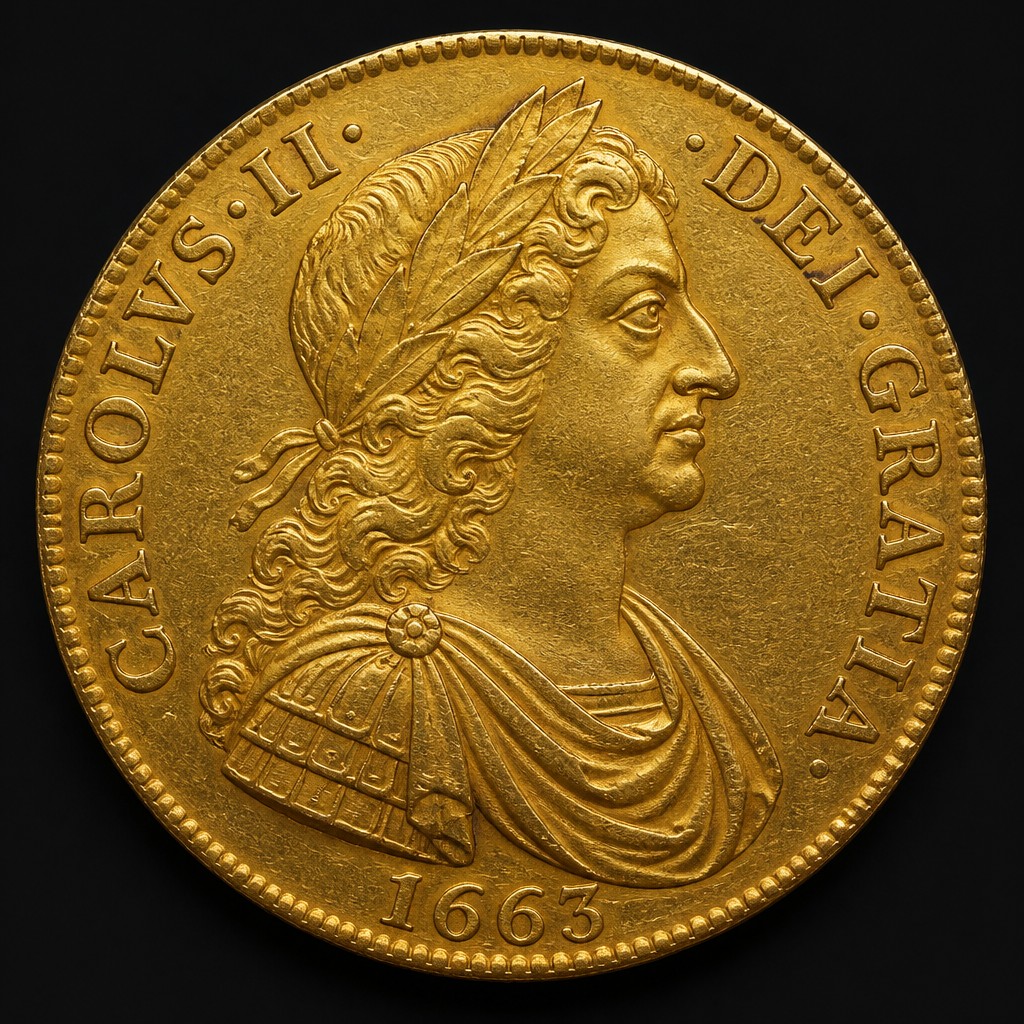
British Guinea
1663–1814
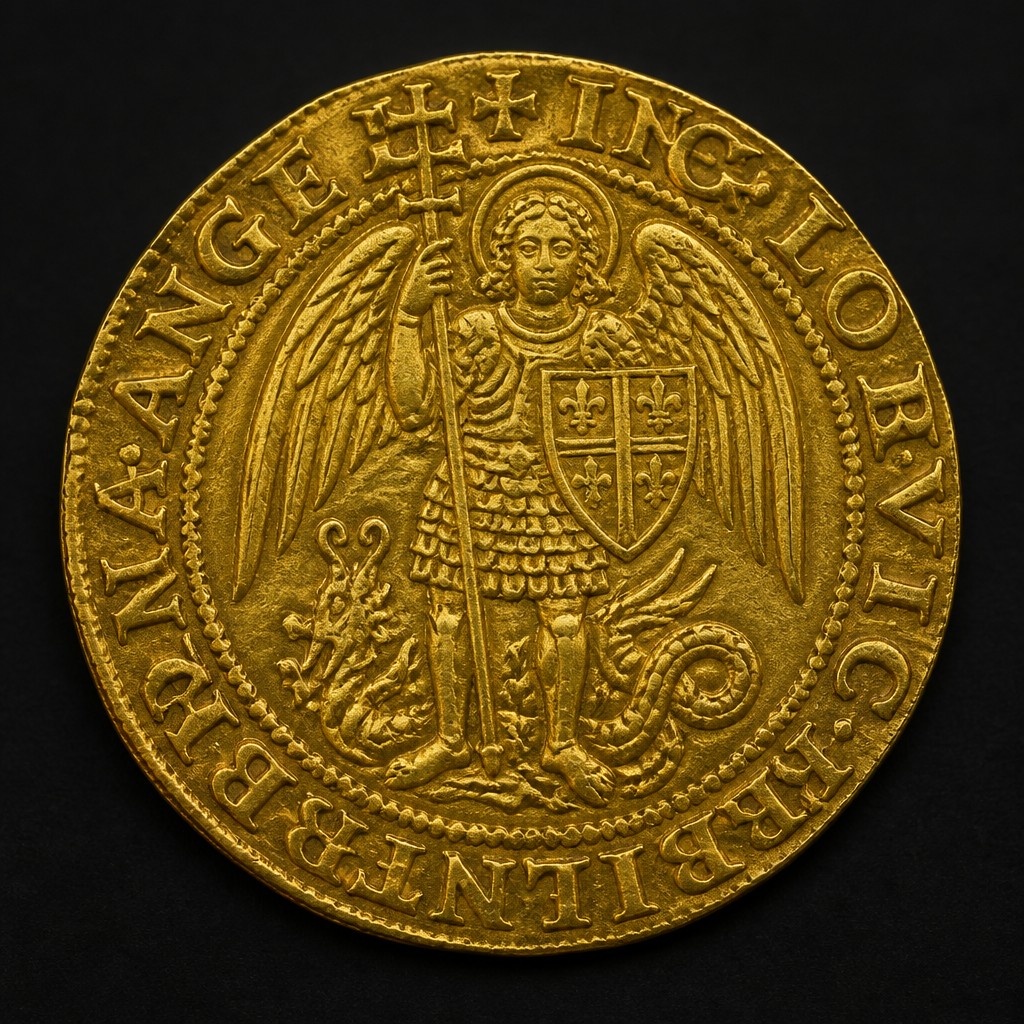
English Angel
1465–1642
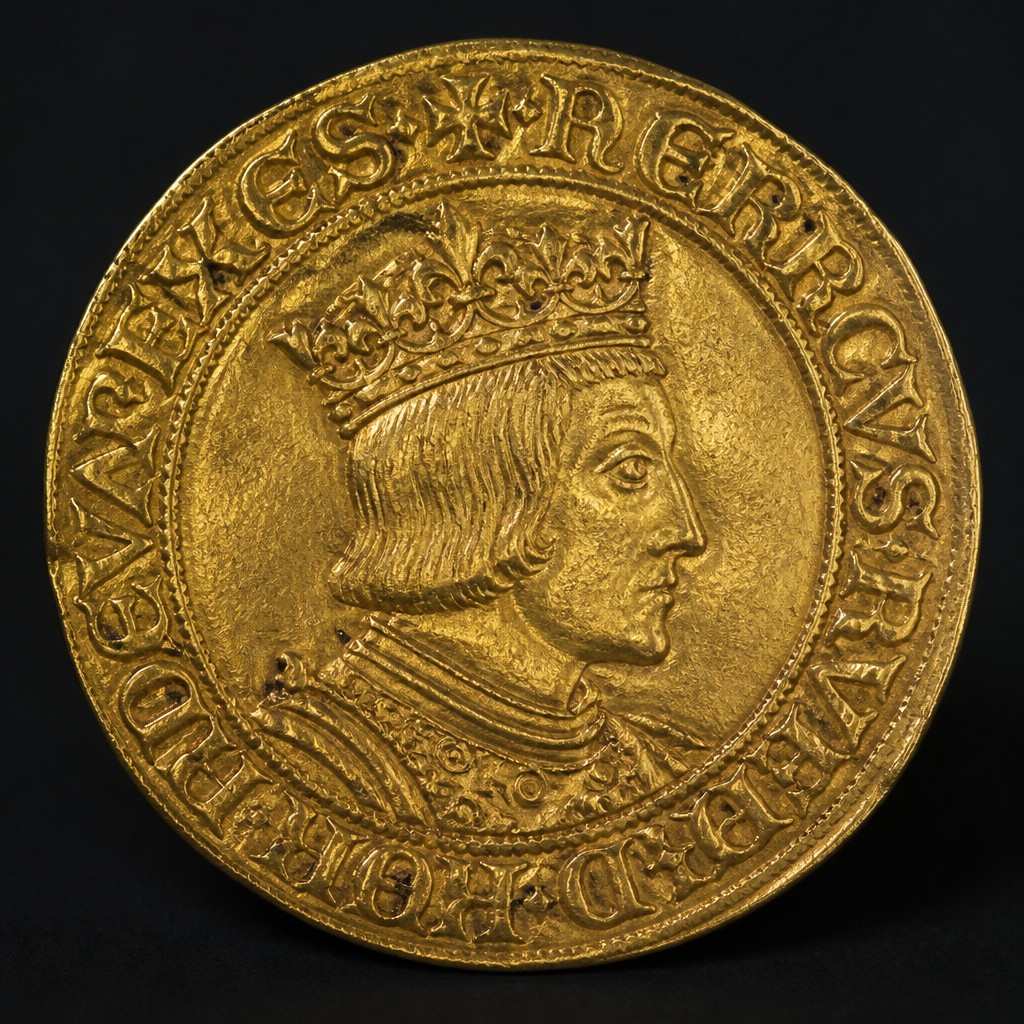
English Sovereign of Henry VII
1489–1509
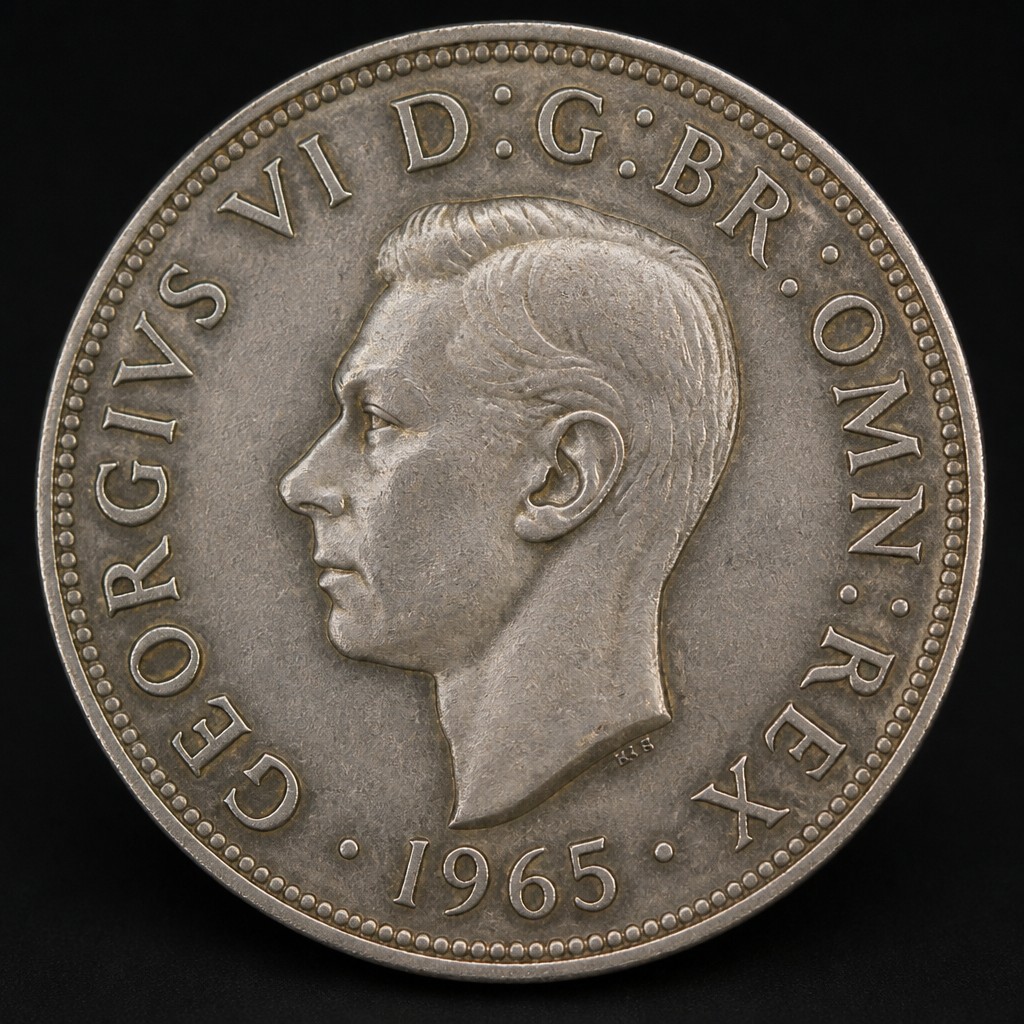
English Crown
1526–1965 (pre-decimal; commemorative crown-sized coins continue as five pound coins)
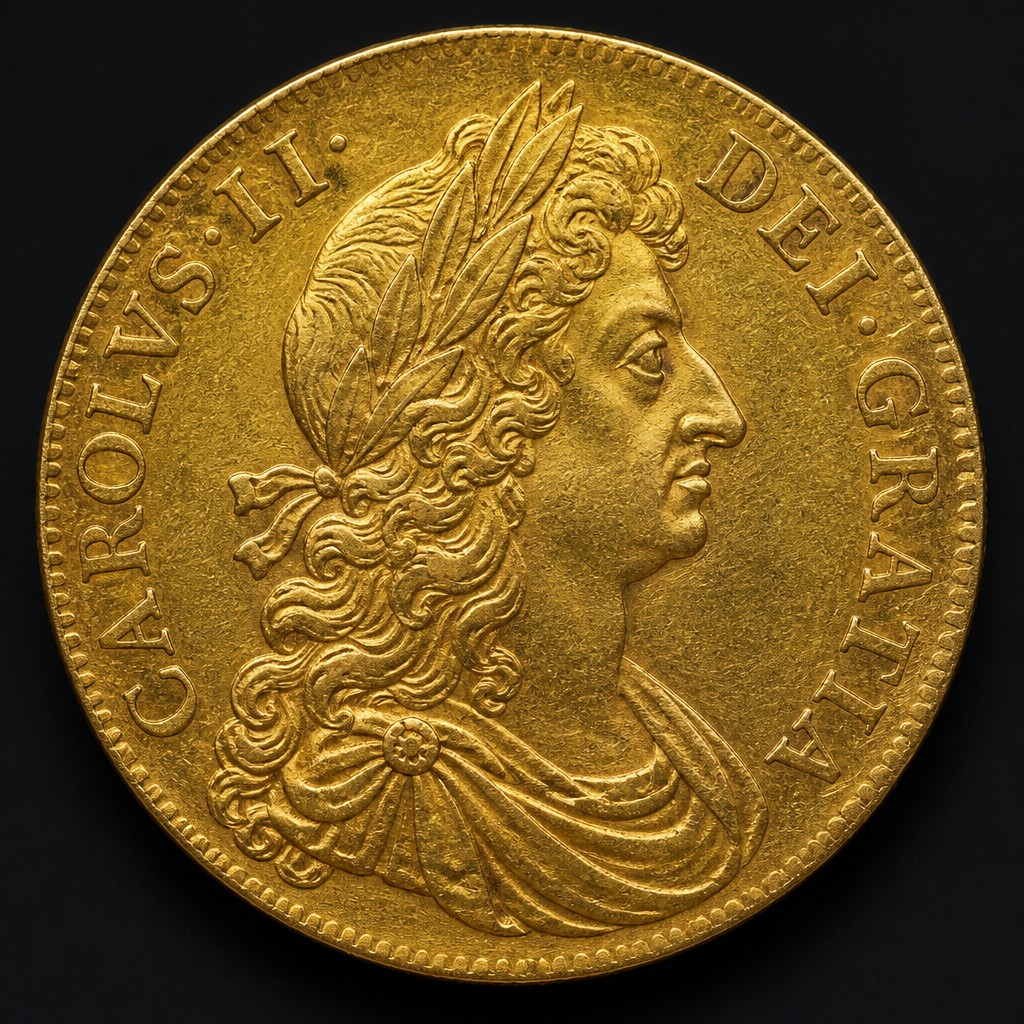
British Gold Guinea
1663–1814
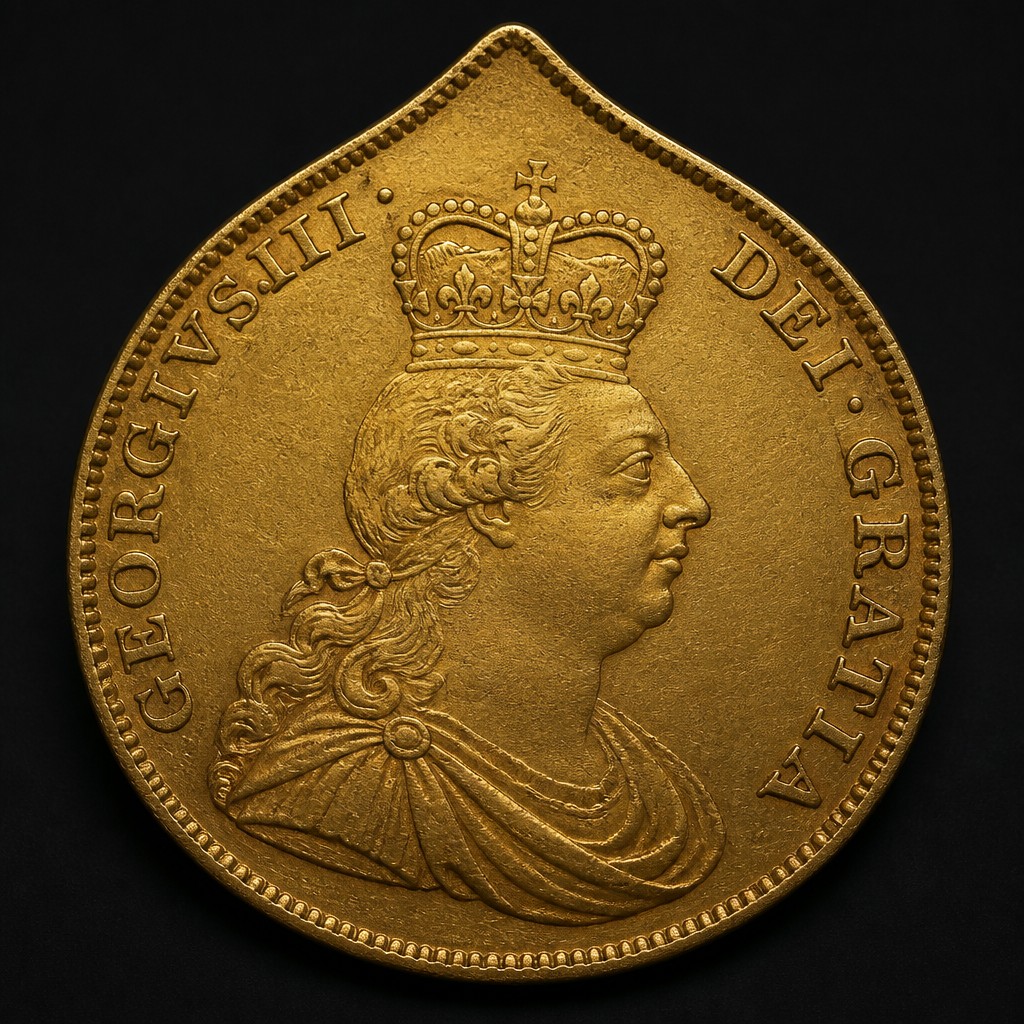
Spade Guinea
1787–1799
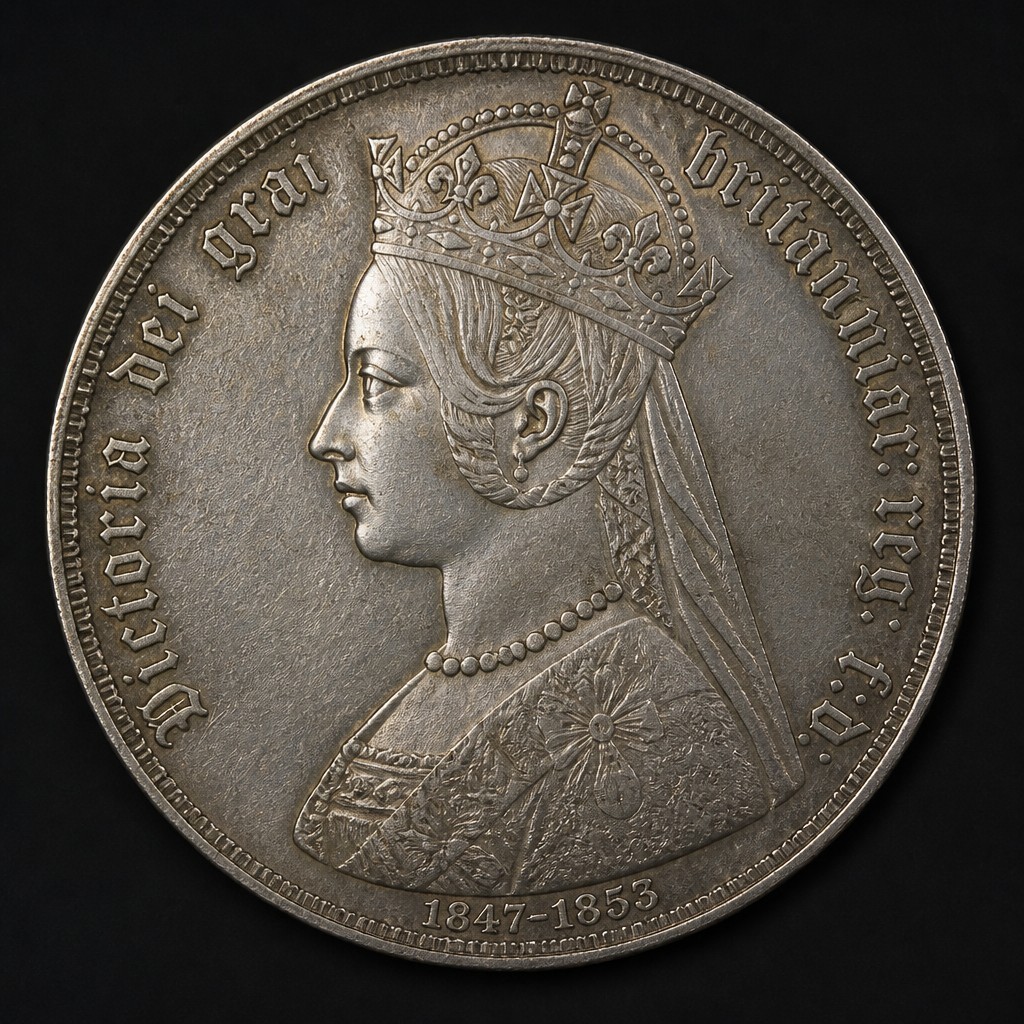
Gothic Crown
1847–1853
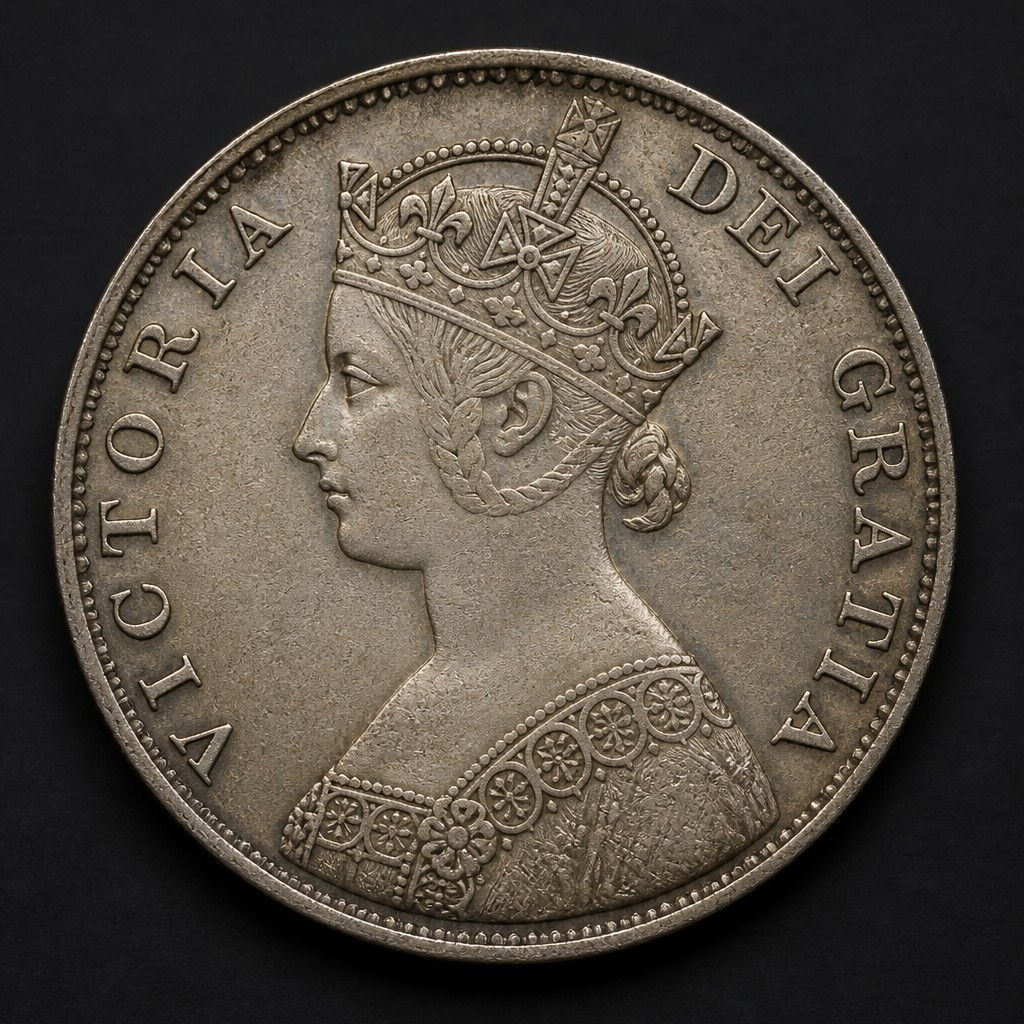
Groat (Fourpence)
1279–1888 (various revivals)
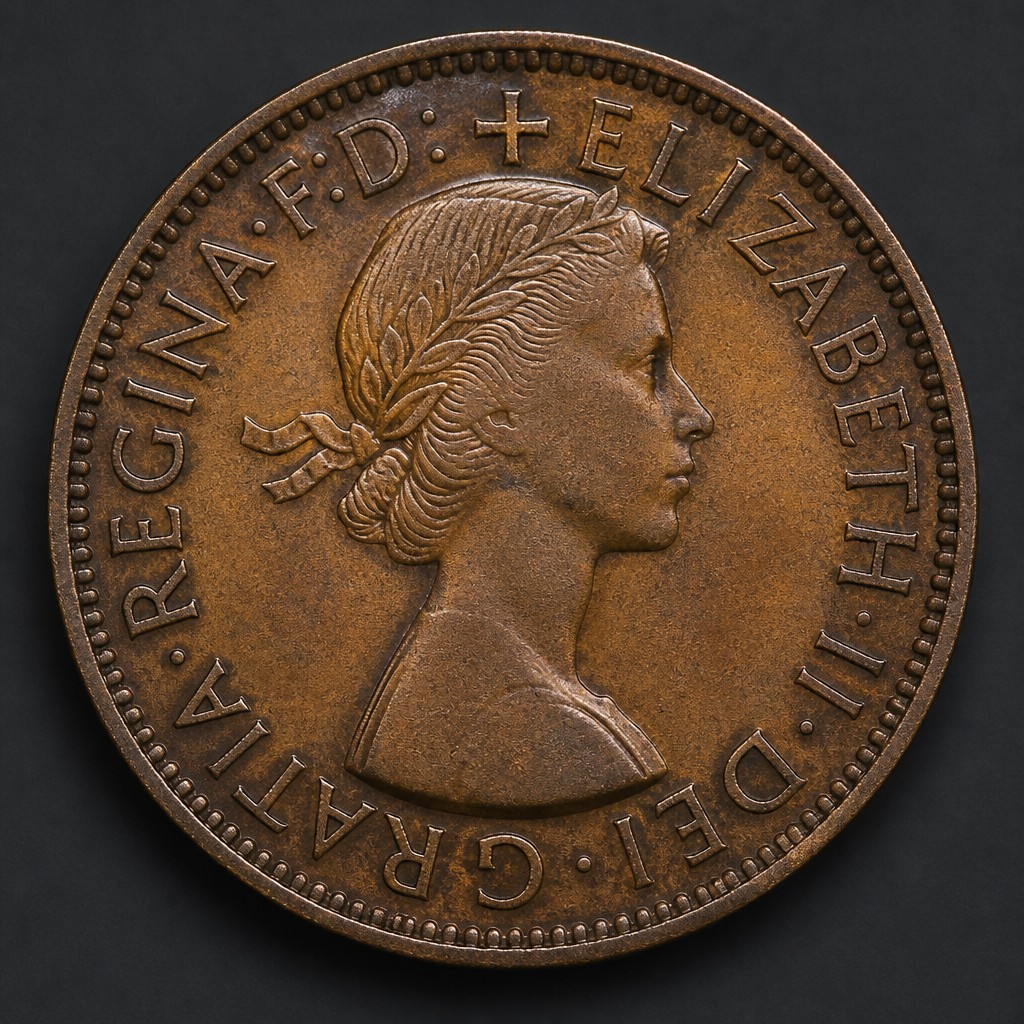
Farthing
13th century–1956
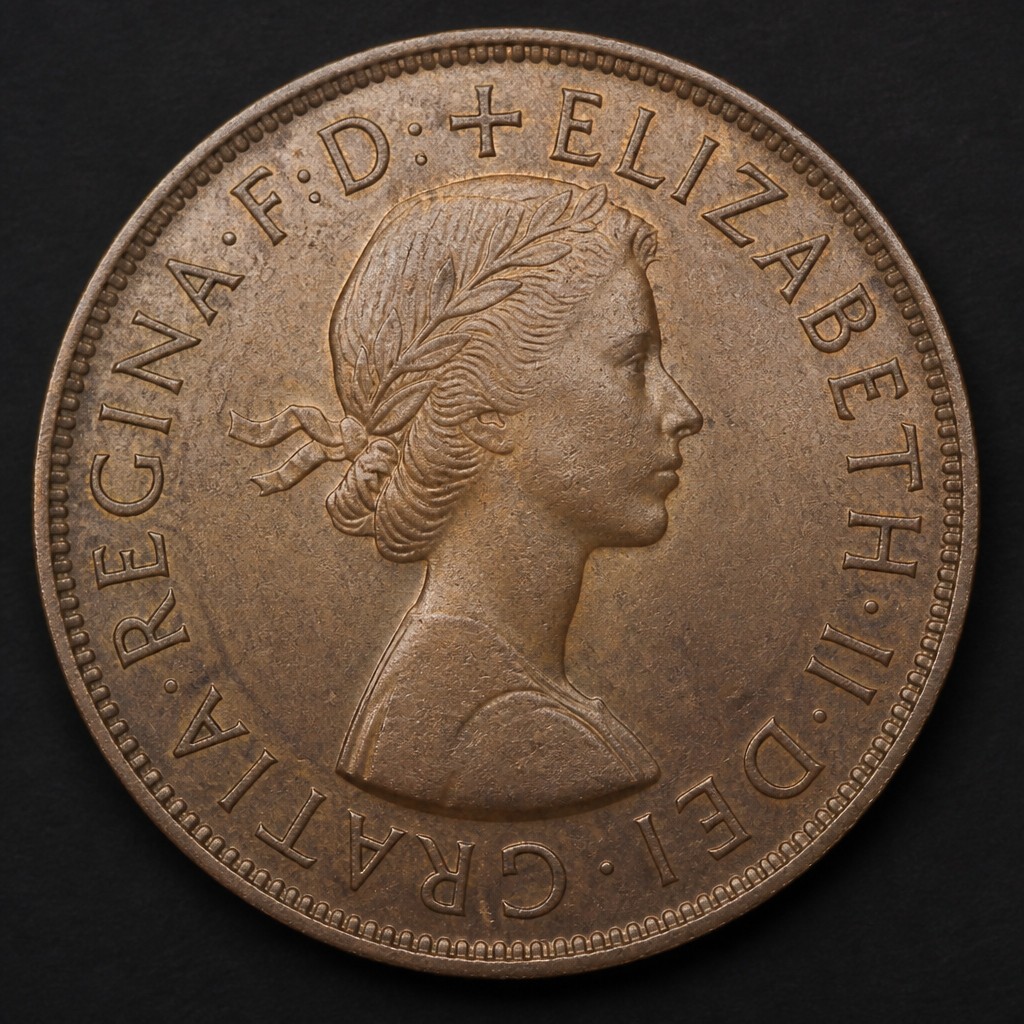
Halfpenny
c. 800s–1969
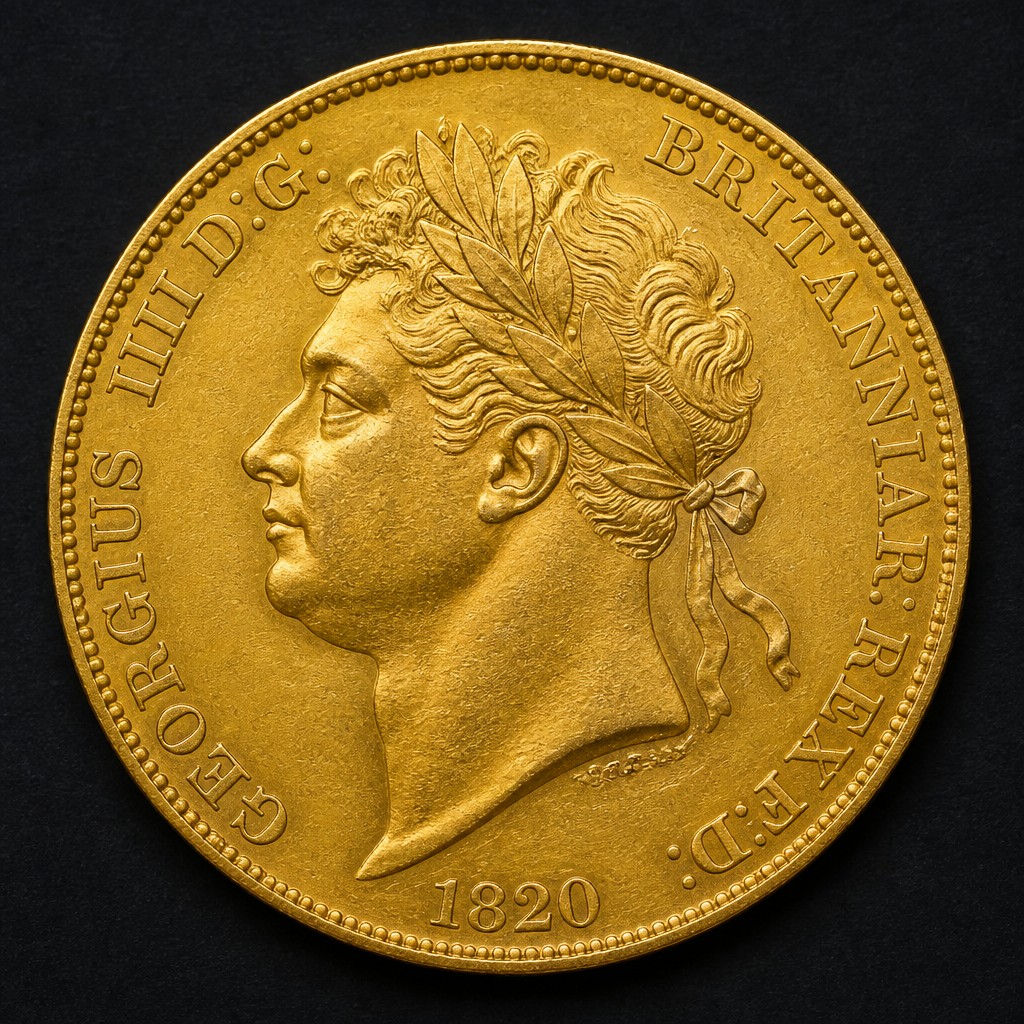
Five Pound Gold (Quintuple Sovereign)
1820–present (intermittent)
Threepence
1547–1970