
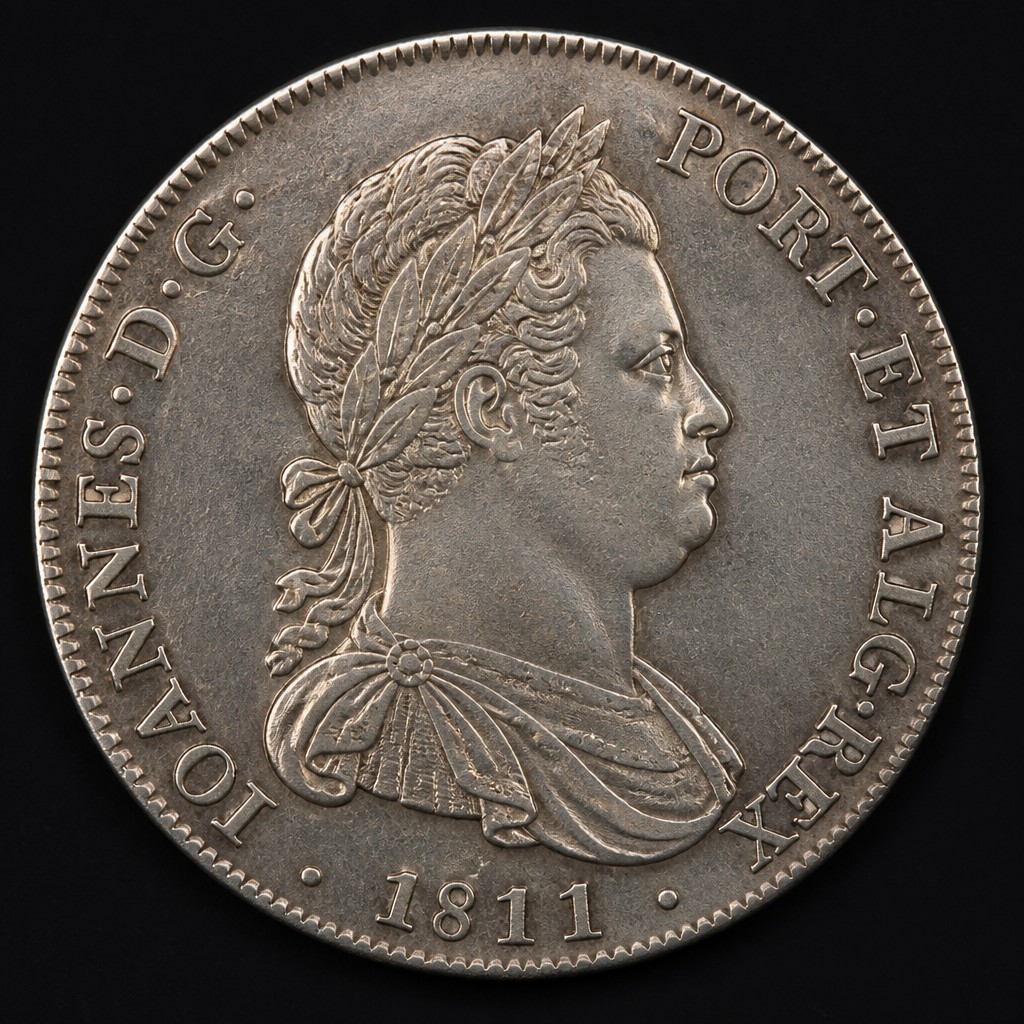
Brazilian 960 Reis Silver
A silver crown-sized coin struck in Brazil under Prince Regent João and later Pedro I, famous for often being overstruck directly on circulating Spanish colonial 8-reales pieces.
- Country
- Brazil (Portuguese Prince Regent / Empire)
- Denomination
- 960 Réis
- Metal
- Silver, approximately .916 fine
Got a coin like this?
Identify any coin from a photo, free.
Overview
The 960 réis was Brazil's largest silver denomination in the early 19th century, introduced when the Portuguese royal court relocated to Rio de Janeiro and needed a robust coinage to support the colony's expanded economic role. It is one of the more distinctive coins in Latin American numismatics because a significant portion of the surviving pieces show clear traces of the Spanish colonial 8-reales coins on which they were restruck.
The denomination bridges two political eras, having been issued first in the name of Prince Regent João (later King João VI) and then continued after Brazilian independence in 1822 under Emperor Pedro I, making it a tangible link between the colonial and imperial periods.
History & Background
Facing a shortage of large silver coin and an influx of Spanish American 8-reales pieces circulating informally throughout Portuguese America, authorities in Rio de Janeiro began overstriking these foreign coins with new Portuguese-Brazilian designs and revaluing them at 960 réis, a rate deliberately set above the coin's prior circulating value to draw them into official channels. This practice let Brazil rapidly build a large-denomination silver coinage without waiting for fresh bullion shipments.
After Brazil declared independence in 1822, the 960 réis continued to be struck, now bearing the name and titles of Emperor Pedro I, until the coinage system was reformed in the 1830s. Because many surviving specimens are overstrikes, ghost outlines of the original Spanish shield, pillars, or portrait can often be seen peeking through the Brazilian design, a feature that collectors specifically seek out.
How to Identify
The obverse carries the crowned Portuguese or Brazilian arms with a Latin legend naming the ruler, such as "IOANNES D G PORT ET BRAS REGENS" for Prince Regent João or "PETRUS I D G BRASILIAE IMPERATOR" for Pedro I. The reverse displays the denomination "960" within a wreath or decorative border along with the mint mark and date.
The coin is large and heavy, roughly 39 to 40 mm in diameter and about 26.9 grams, matching the weight of the Spanish 8 reales it frequently replaced. Because many examples are overstrikes, look for doubled or ghosted design elements, particularly around the edges, where remnants of the host coin's pillars, castles, or lions may still be faintly visible beneath the Brazilian design.
Mint marks R (Rio de Janeiro) and B (Bahia) appear on the coin and help identify where a particular piece was struck; well-centered strikes without obvious overstrike ghosting are less common and usually indicate freshly minted planchets rather than recycled foreign coin.
Value & Collectibility
Values vary widely based on the ruler represented, the clarity of any underlying overstrike, and overall preservation; common worn examples are modest in price, while coins with a dramatic, clearly visible undertype from an identifiable Spanish colonial mint bring a premium from specialist collectors of overstruck coinage.
Sharp, well-struck examples with full legends and minimal wear command considerably more, particularly for the earlier Prince Regent João issues, which tend to be scarcer in high grade than later Pedro I dates. As with most historic silver crowns, cleaning or excessive wear substantially reduces desirability.
Frequently asked questions
Why do some 960 reis coins show another coin underneath?
Many were struck directly over circulating Spanish American 8-reales coins, so remnants of the original design can peek through.
Who issued the 960 reis coin?
It was first issued under Prince Regent João of Portugal while the royal court resided in Brazil, then continued under Emperor Pedro I after independence in 1822.
What is the silver content?
It is a large silver coin of roughly .916 fineness weighing about 26.9 grams, matching the Spanish dollar standard of the time.
Are overstruck examples worth more?
Collectors of overstrike varieties often pay a premium for pieces where the underlying host coin is clearly identifiable.
Other coins you may enjoy
Colombia 8 Reales
Colonial issues through late 18th/early 19th century; republican issues 1820s–1830s
Argentina 8 Reales
c. 1813–1836
Brazil 960 Reis
1809–1832
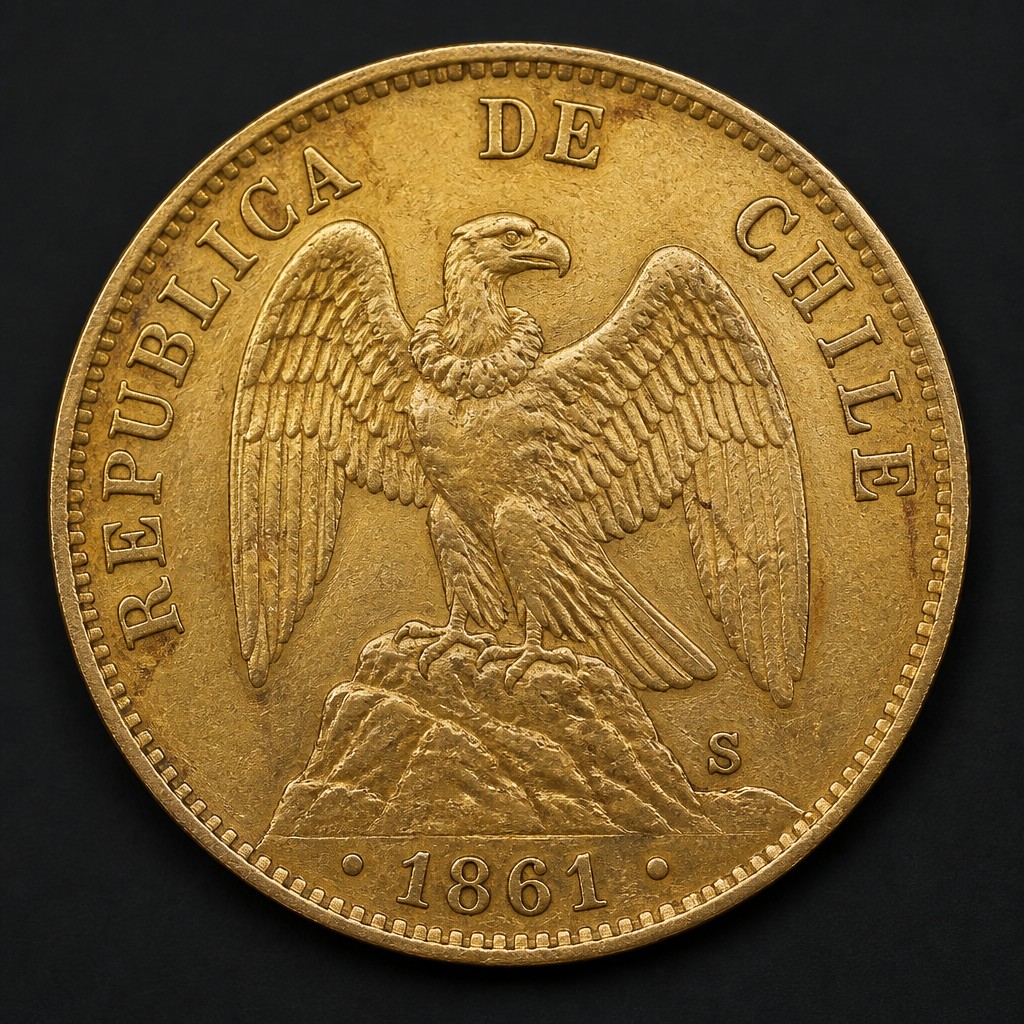
Chile Peso (Condor)
1851–1873 (gold condor series); modern base-metal peso 1990s–present
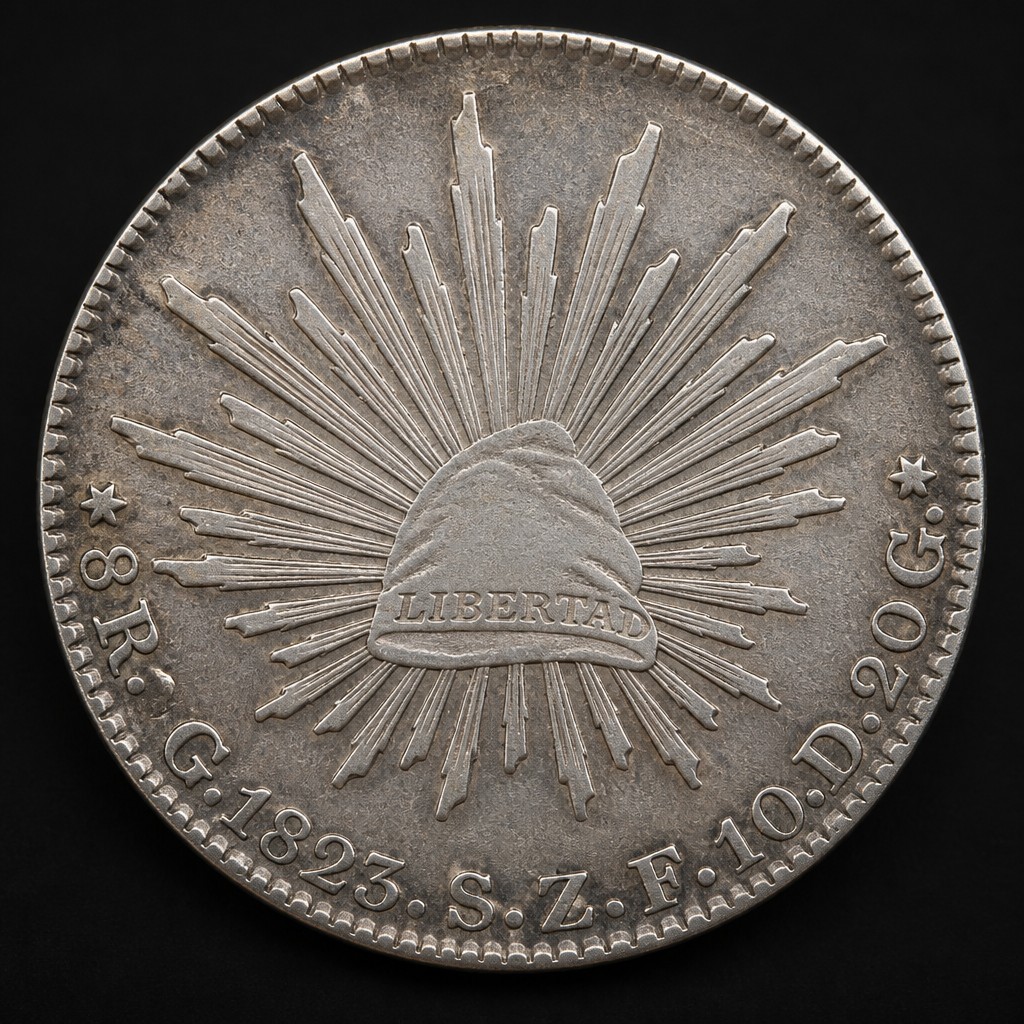
Mexican 8 Reales Cap and Rays
1823-1897
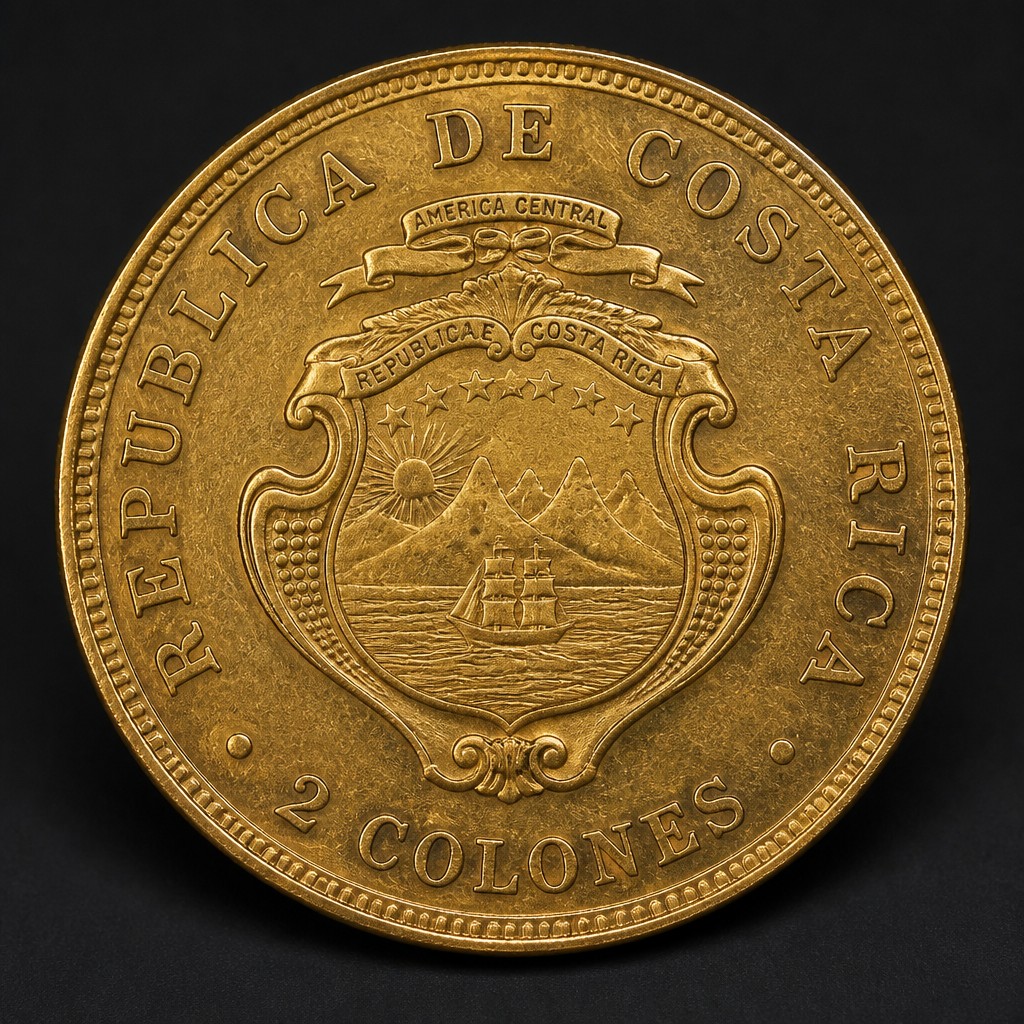
Costa Rica 2 Colones Gold
Late 1890s–early 1900s
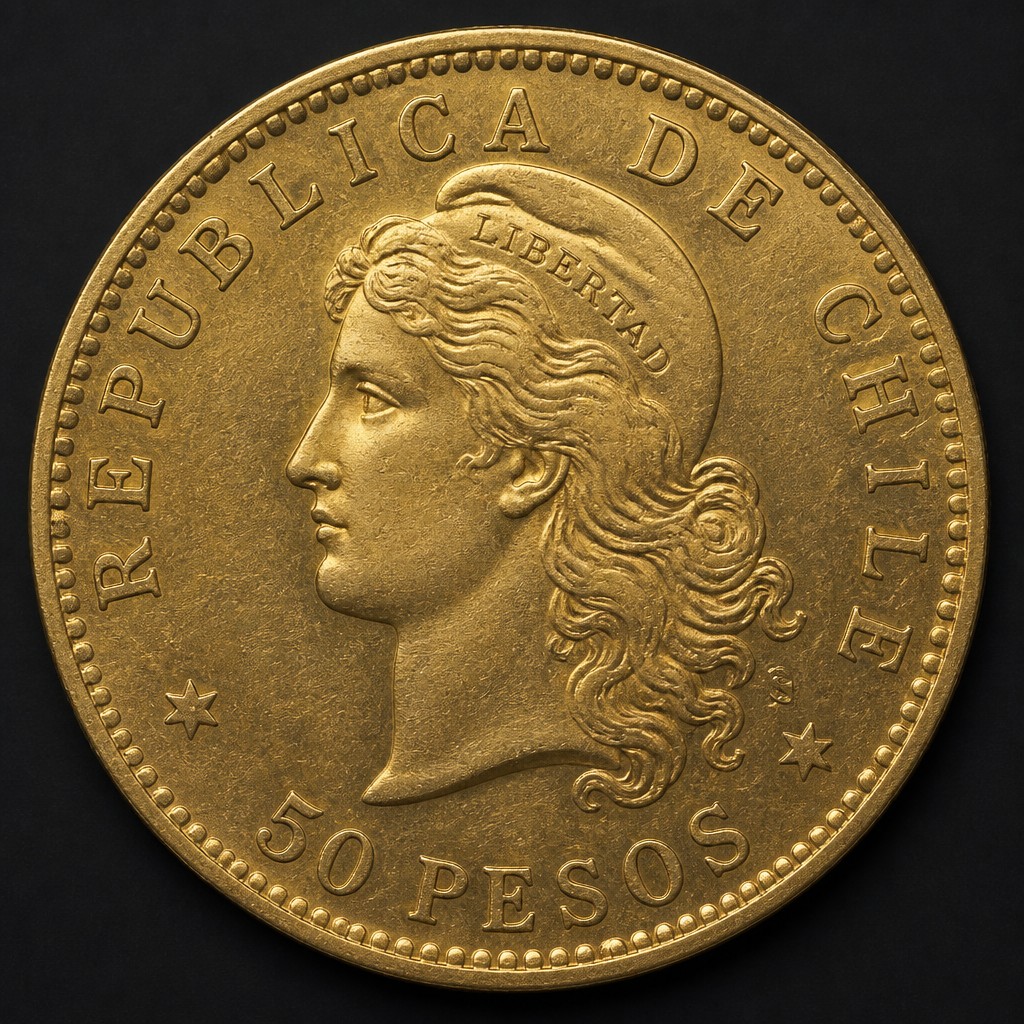
Chilean 50 Pesos Gold
1926–1980 (with interruptions)
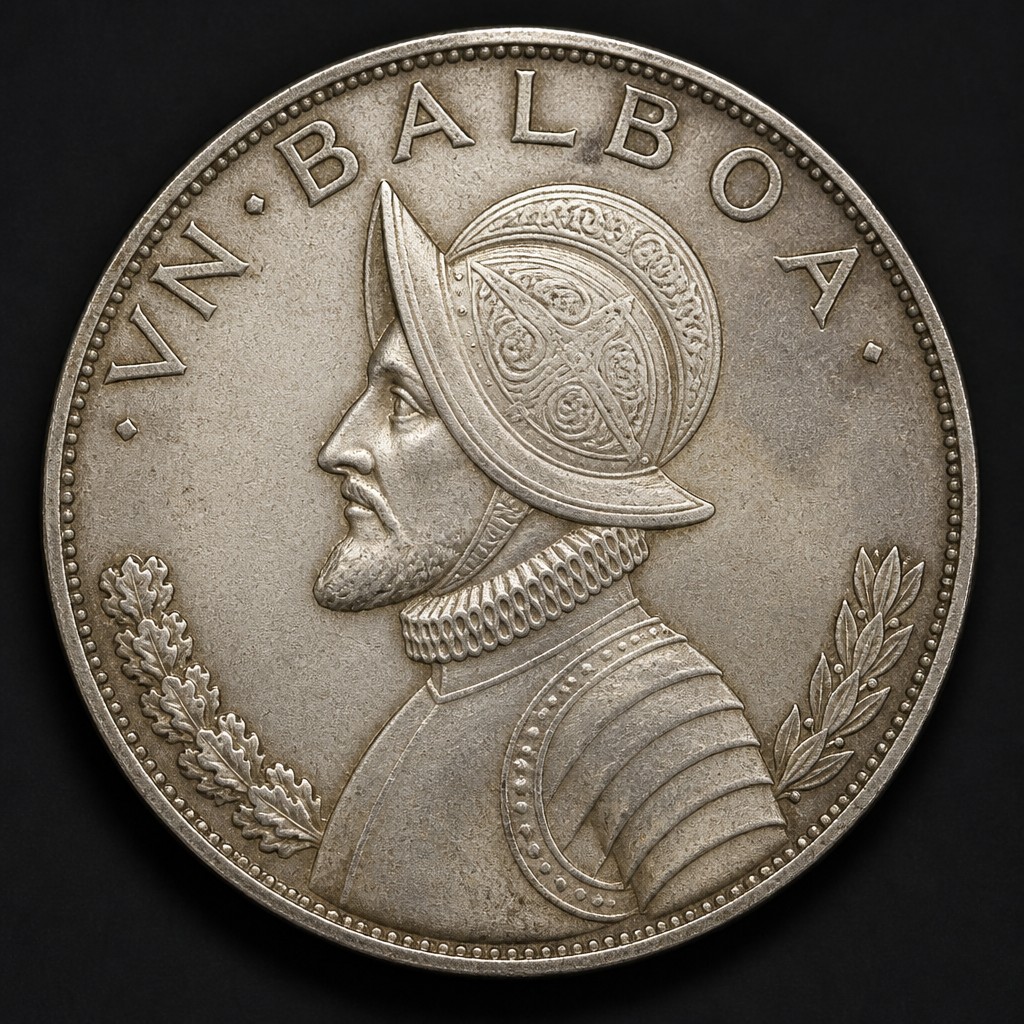
Panama Balboa Silver
1904, 1931, 1934, 1947, 1953, 1966 (various dates)
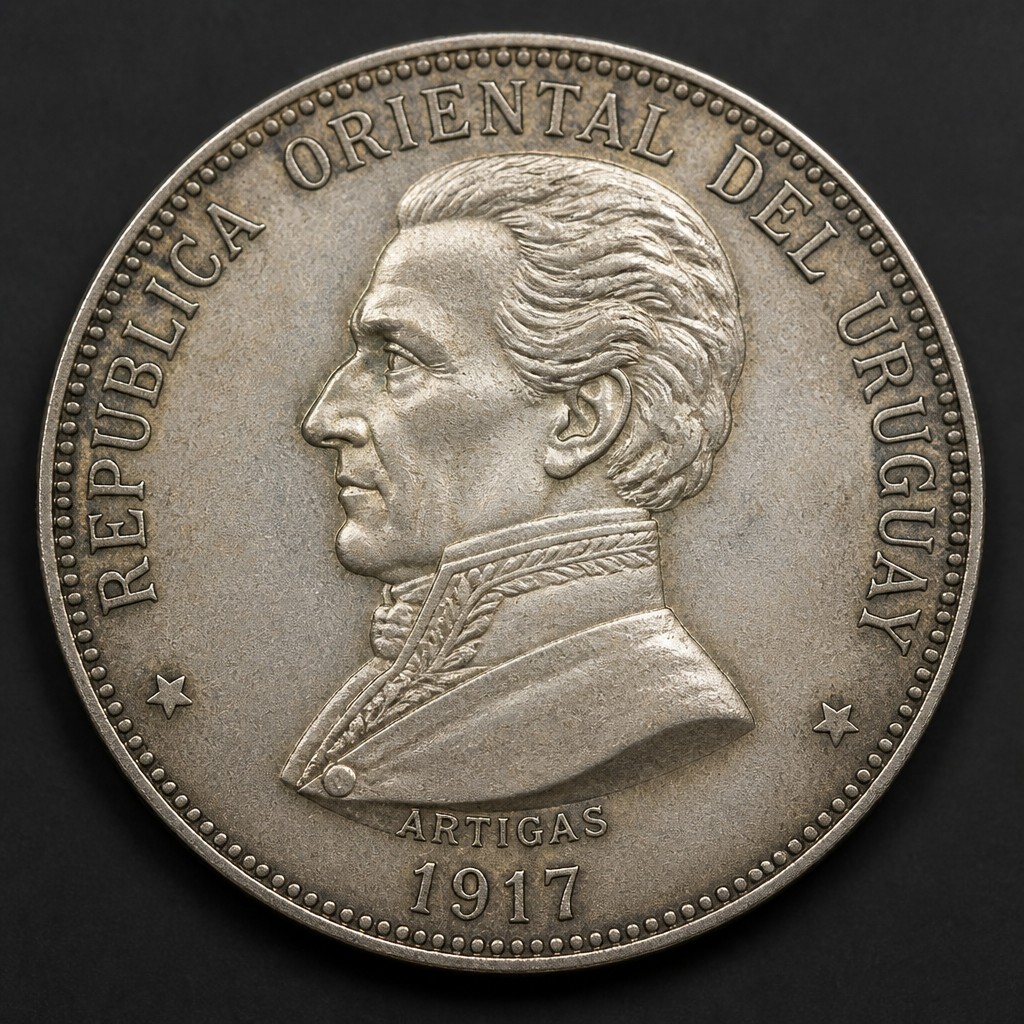
Uruguay Peso Silver 'Artigas'
1917–1920 (with related commemorative issues in later decades)
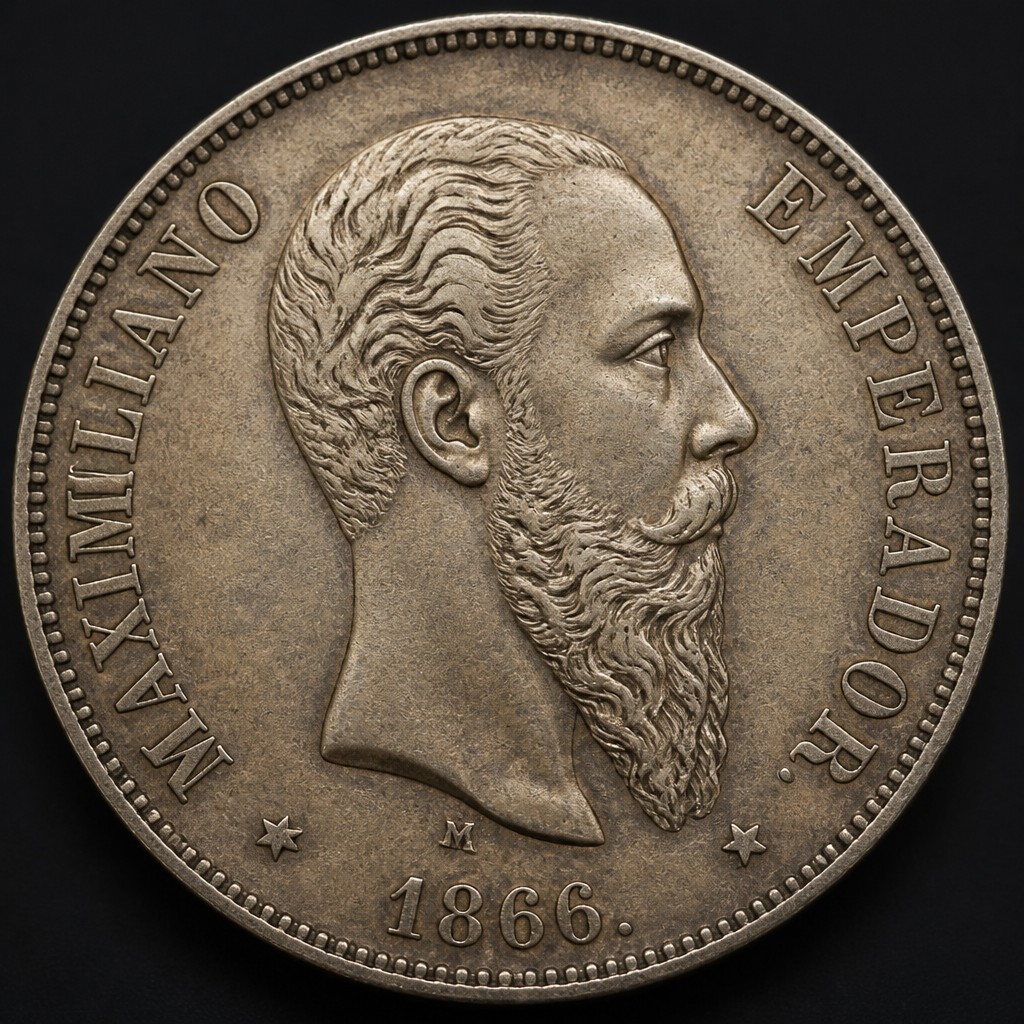
Mexican Emperor Maximilian Peso
1866–1867
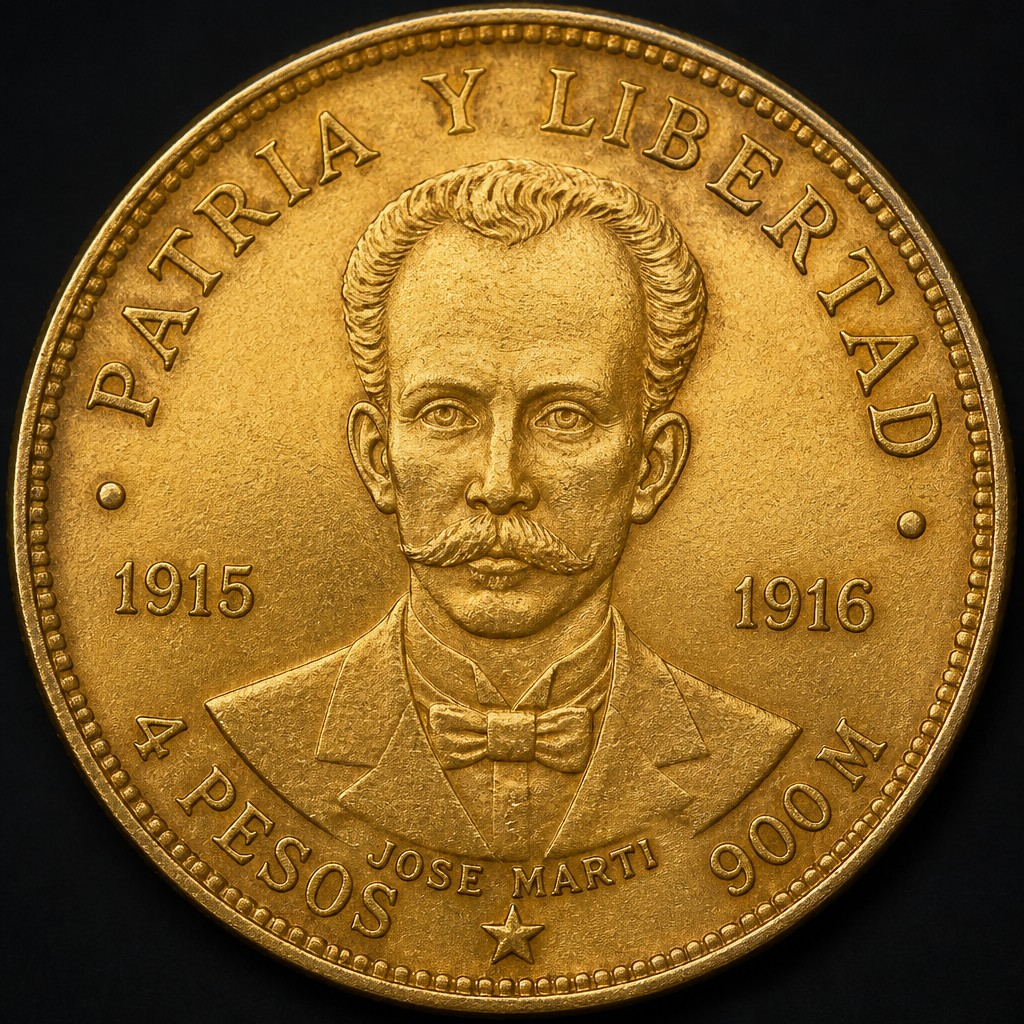
Cuba 4 Pesos Gold Jose Marti
1915–1916
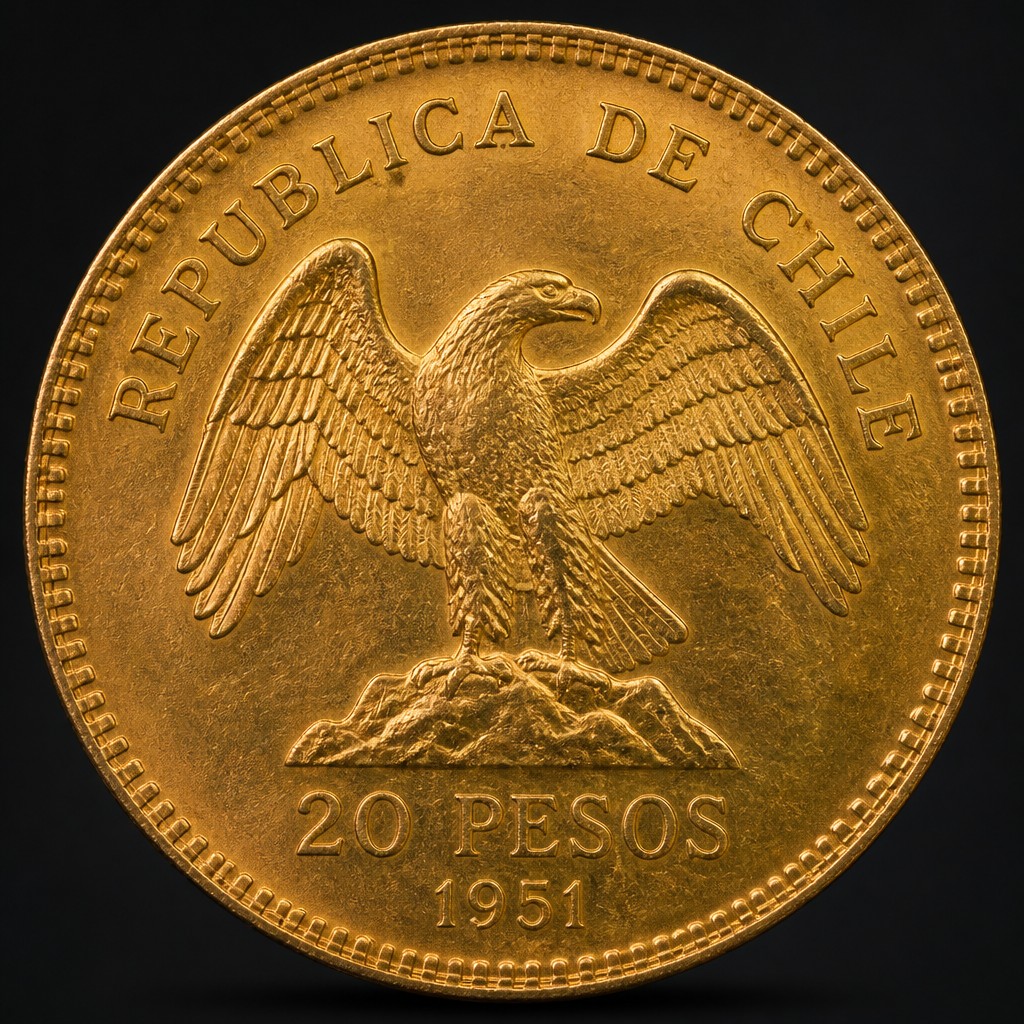
Chilean 20 Pesos Gold
19th century issues and 1926–1980 condor series