
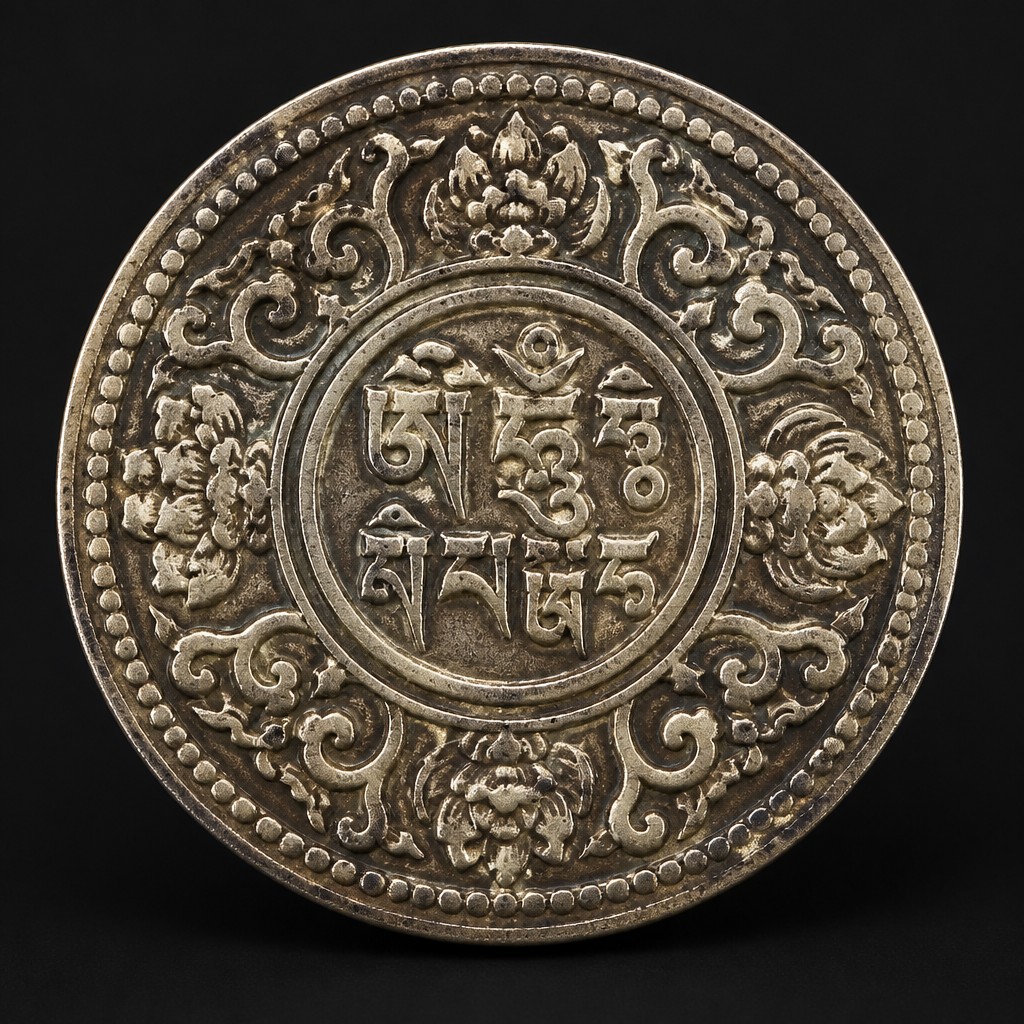
Tibetan Silver Tangka
The traditional silver coin denomination of Tibet, issued in many distinct types over roughly three centuries, from early Nepalese-struck coinage to native Tibetan and Sino-Tibetan issues.
- Country
- Tibet
- Denomination
- Tangka (fractional denomination of the srang)
- Metal
- Silver
Got a coin like this?
Identify any coin from a photo, free.
Overview
The tangka is the traditional silver coin denomination long used across Tibet, encompassing a wide range of distinct coin types issued over roughly three centuries by different authorities. Early Tibetan currency needs were served by silver coins struck by Nepalese Malla kings under agreements with Tibetan authorities, since Tibet itself lacked mints for much of this period, before Tibet developed increasingly independent minting capacity in later centuries.
Over time, tangka coinage evolved through several distinct phases, including coins struck under Qing dynasty Chinese oversight (sometimes called Sino-Tibetan coinage) and later fully independent Tibetan government issues produced at Tibet's own Lhasa mint in the early twentieth century.
Because the tangka spans such a long and varied history, it represents one of the richest and most historically layered denominations in Himalayan numismatics, appealing to specialist collectors interested in the complex political history of the Tibetan plateau.
History & Background
For much of the early modern period, Tibet relied on silver coins struck by the Malla kings of the Kathmandu Valley in Nepal, since Tibet itself did not operate mints capable of producing fine silver coinage; the resulting Nepalese-Tibet trade coinage circulated widely across Tibet as a practical solution to the region's currency needs. As political relationships shifted, the Qing dynasty of China asserted a supervisory role over Tibetan affairs in the eighteenth century, leading to Chinese-influenced Sino-Tibetan coinage bearing both Chinese and Tibetan inscriptions.
In the early twentieth century, as Qing authority declined and eventually collapsed, the Ganden Phodrang government under the Dalai Lamas established its own mint at Lhasa and issued fully independent tangka and related silver coinage carrying purely Tibetan designs and script. This progression of coin types across centuries closely tracks the shifting political relationships between Tibet, Nepal, and China, making the tangka series a uniquely informative window into Tibetan history.
How to Identify
Because the tangka denomination spans many distinct historical types, appearance varies considerably: early Nepalese-struck tangka for Tibet typically show Devanagari script and Nepalese royal titles, Sino-Tibetan tangka often combine Chinese characters with Tibetan script and sometimes Qing-era reign markings, while later independent Tibetan tangka carry purely Tibetan script and national symbols such as the snow lion.
The coins are generally small, thin silver pieces, often somewhat irregular in shape and strike quality compared to more mechanically produced world coinage, particularly for the earlier hand-struck types. Weight and fineness vary by type and period, so precise identification usually requires close comparison of specific design elements against specialist references.
Collectors should pay close attention to the exact script, symbols, and any Qing-era or Nepalese royal markings present, since these details are the primary way to distinguish between the many closely related tangka types spanning different eras and issuing authorities.
Value & Collectibility
Values for Tibetan tangka coins vary enormously depending on the specific type, era, and rarity, since some varieties were produced in relatively larger numbers while others are quite scarce and sought after by specialists in Himalayan numismatics. Condition, script clarity, and completeness of the design all significantly affect price.
Common later Tibetan-issued tangka types are generally more accessible and affordable to collectors, while early Nepalese-Tibet issues and certain scarce Sino-Tibetan varieties can command considerably higher prices, particularly in well-preserved condition. Because attribution can be complex, prices for seemingly similar coins can differ substantially based on precise type identification.
Given the specialized nature of this series, collectors are strongly encouraged to consult dedicated Tibetan and Himalayan numismatic references and recent market results before assessing the value of a specific tangka in hand.
Frequently asked questions
What is a tangka?
It is the traditional silver coin denomination used in Tibet, issued in many different types over roughly three centuries by Nepalese, Sino-Tibetan, and later independent Tibetan authorities.
Why were early Tibetan coins struck by Nepalese kings?
Tibet lacked its own mints for much of the early modern period, so it relied on agreements with the Nepalese Malla kings to strike silver coinage that circulated within Tibet.
What does 'Sino-Tibetan' coinage mean?
It refers to tangka coinage produced under the supervisory involvement of China's Qing dynasty, typically combining Chinese and Tibetan inscriptions or markings.
How can I tell what era or type my tangka is from?
Look closely at the script (Devanagari, Chinese, or Tibetan), any royal or reign markings, and design symbols, then compare these details against specialist Tibetan numismatic references.
Are all tangka coins valuable?
No, value varies widely by specific type and rarity; some later Tibetan issues are relatively affordable, while certain early or scarce varieties can be considerably more valuable.
Other coins you may enjoy
Bahraini Dinar
1965–present
Omani Rial (Baisa Coinage)
1970–present
United Arab Emirates Dirham
1973–present
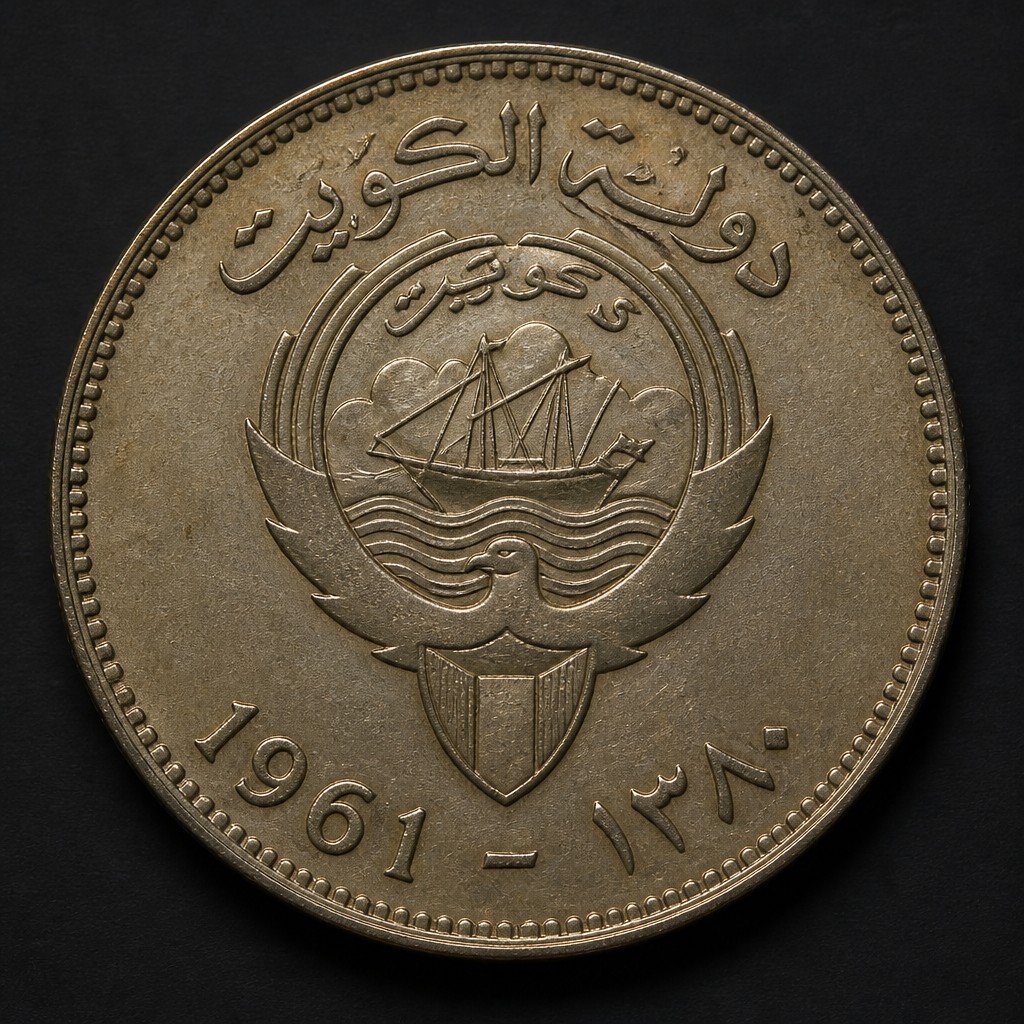
Kuwaiti Fils
1961–present
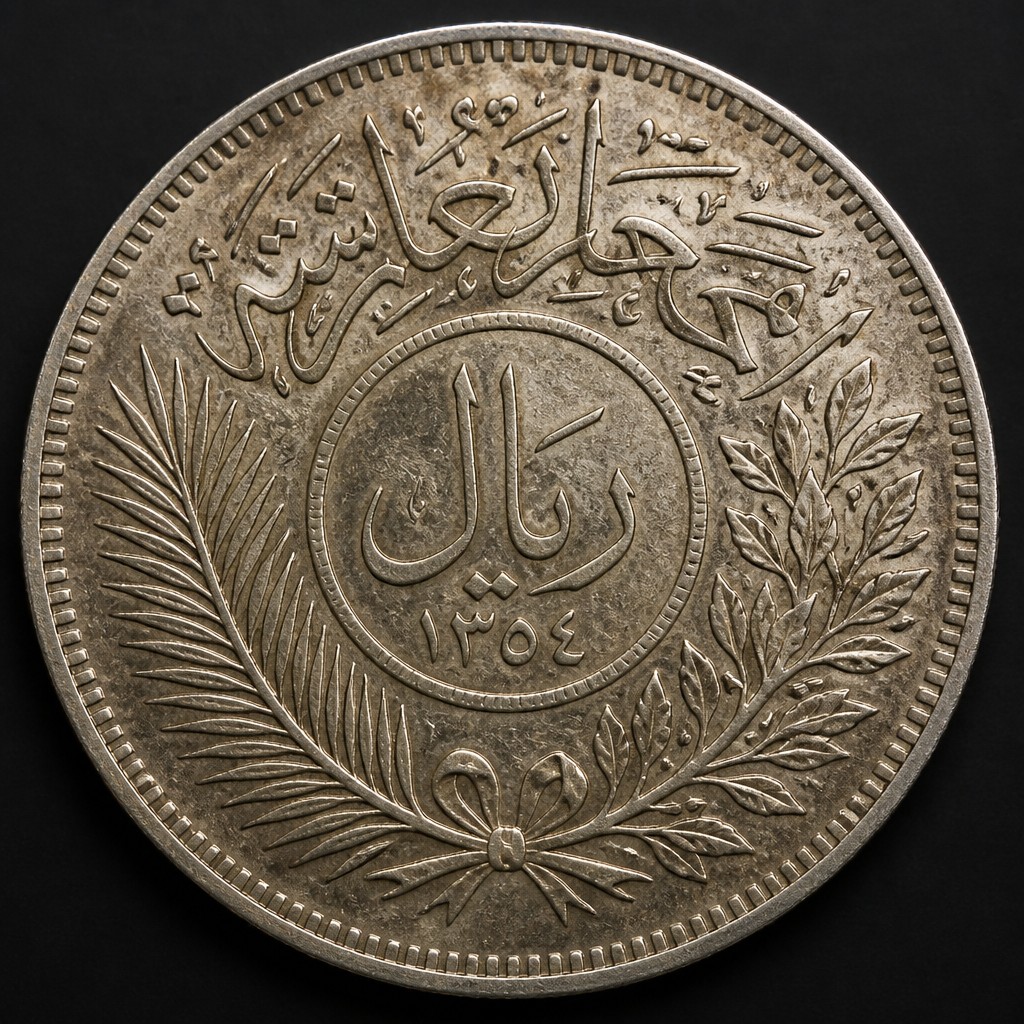
Saudi Arabian Riyal (silver)
1935 (Kingdom-wide standardization) and related issues
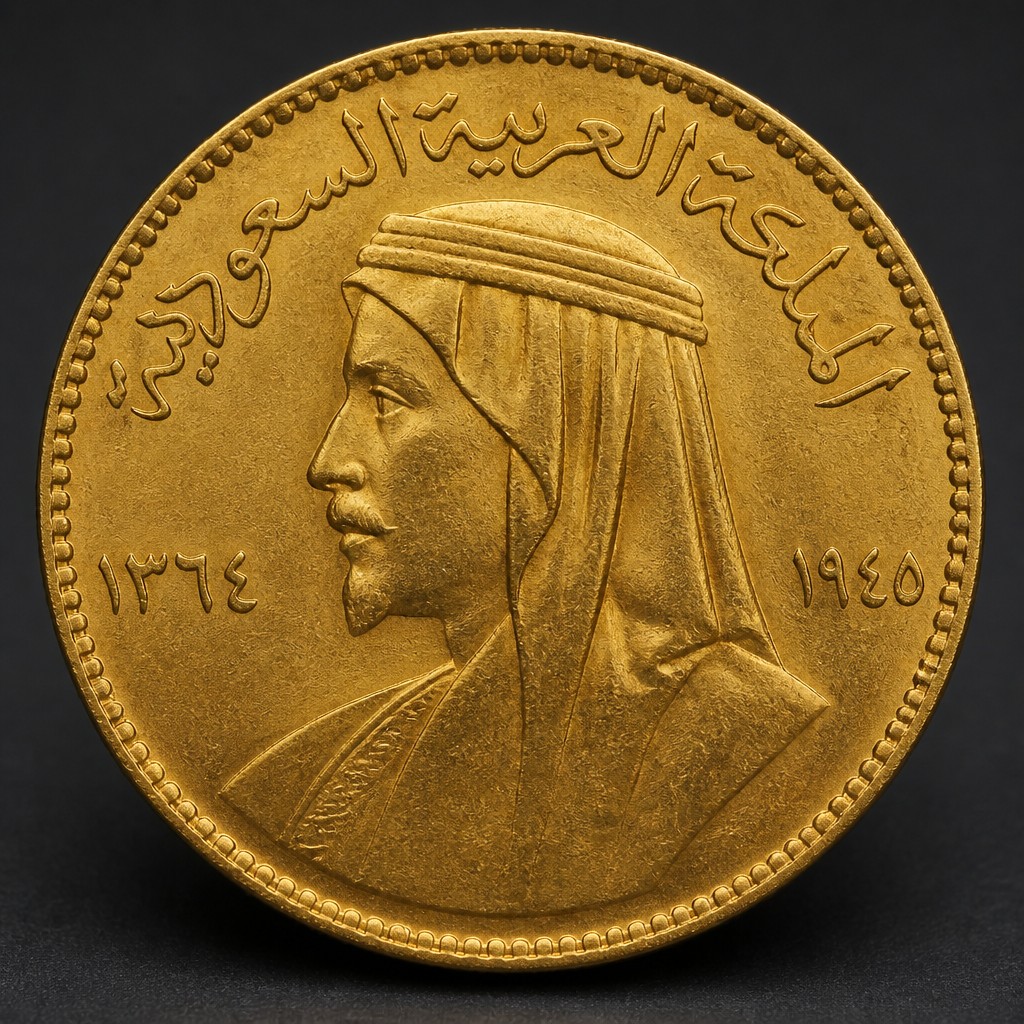
Saudi Arabian Gold Guinea (Sovereign)
1945 and later issues
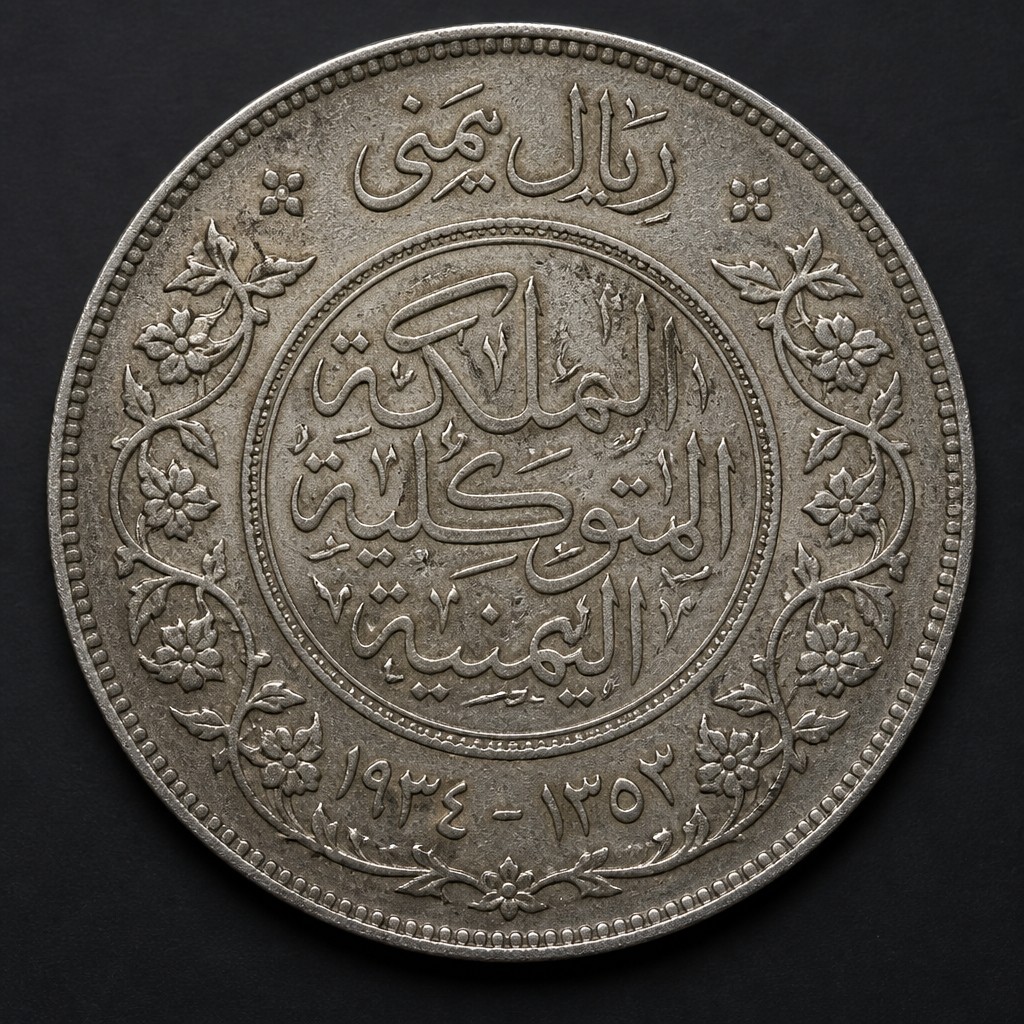
Yemeni Riyal (Ahmadi/Imadi Kingdom Coinage)
Early-to-mid 20th century
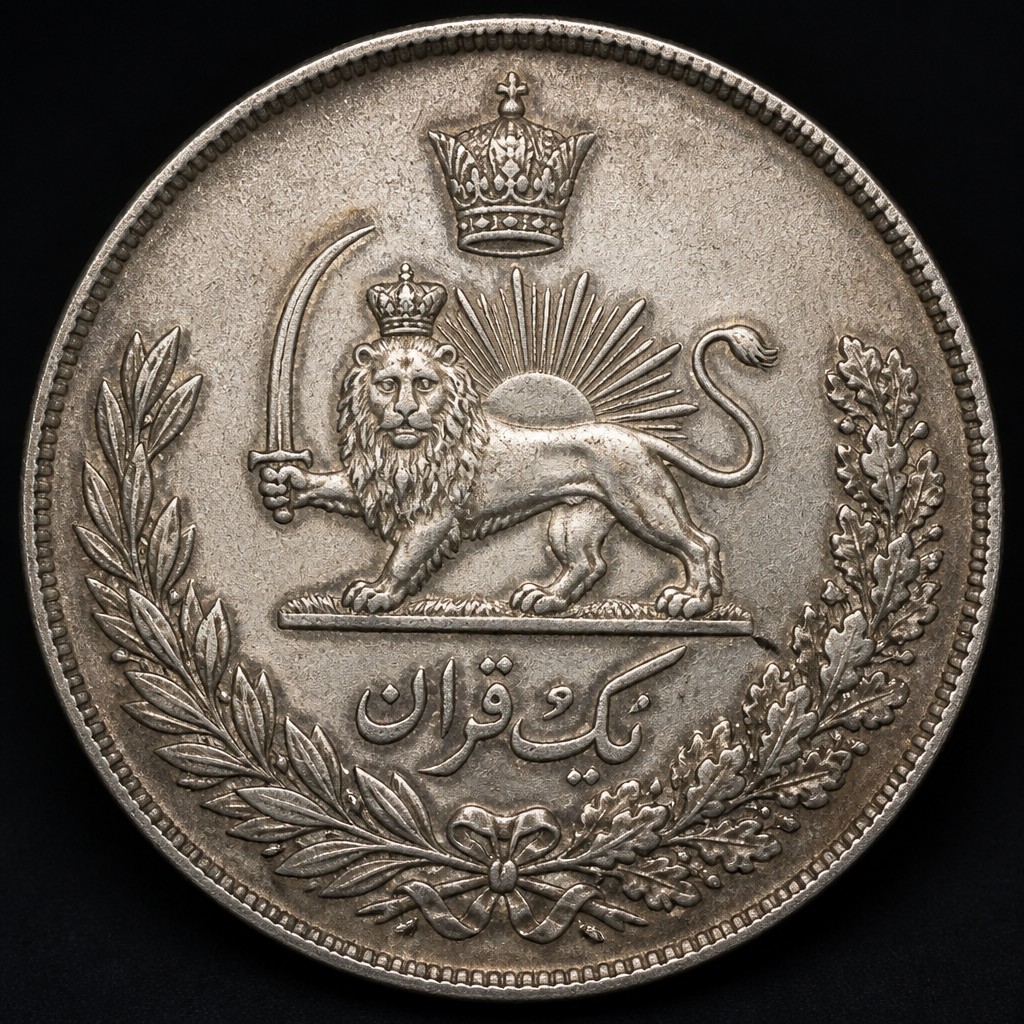
Persian Kran (Qajar silver)
Mid-19th century–1925
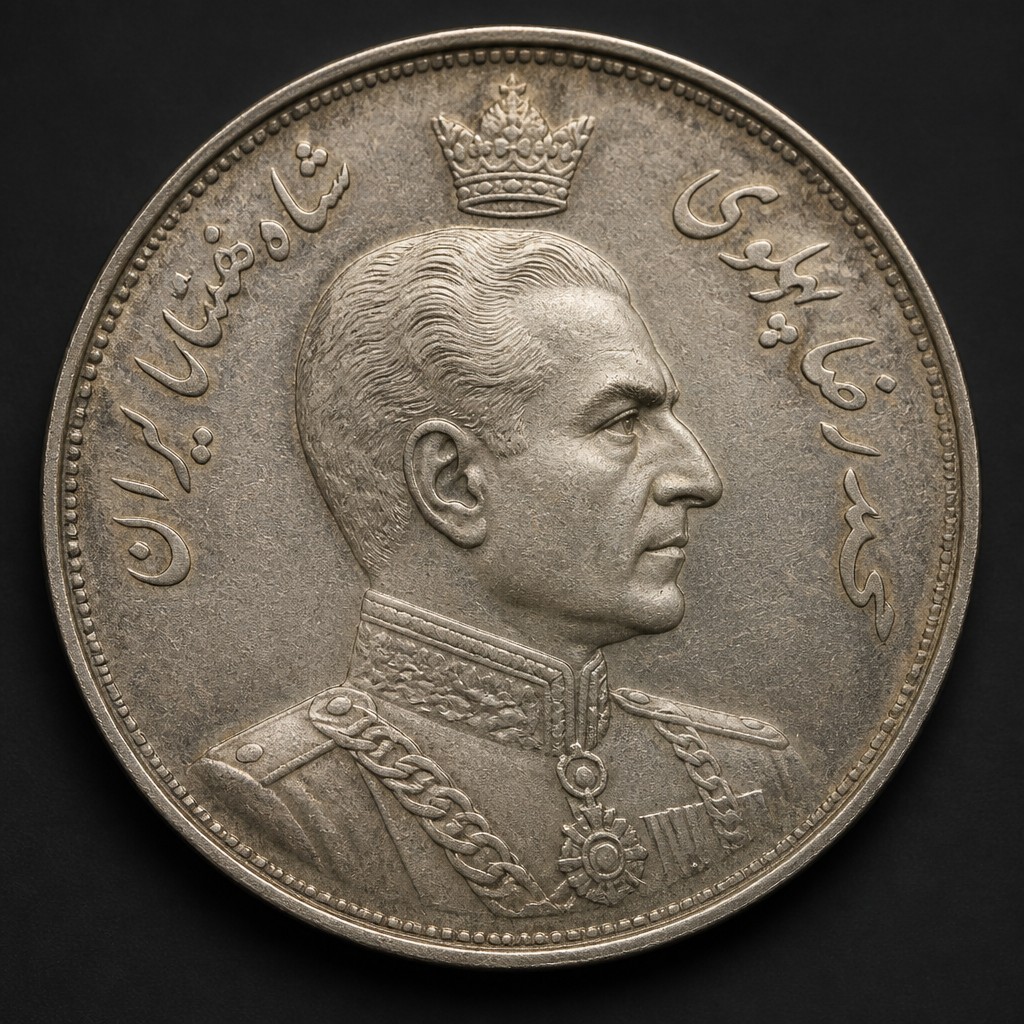
Iranian Rial
1932–present
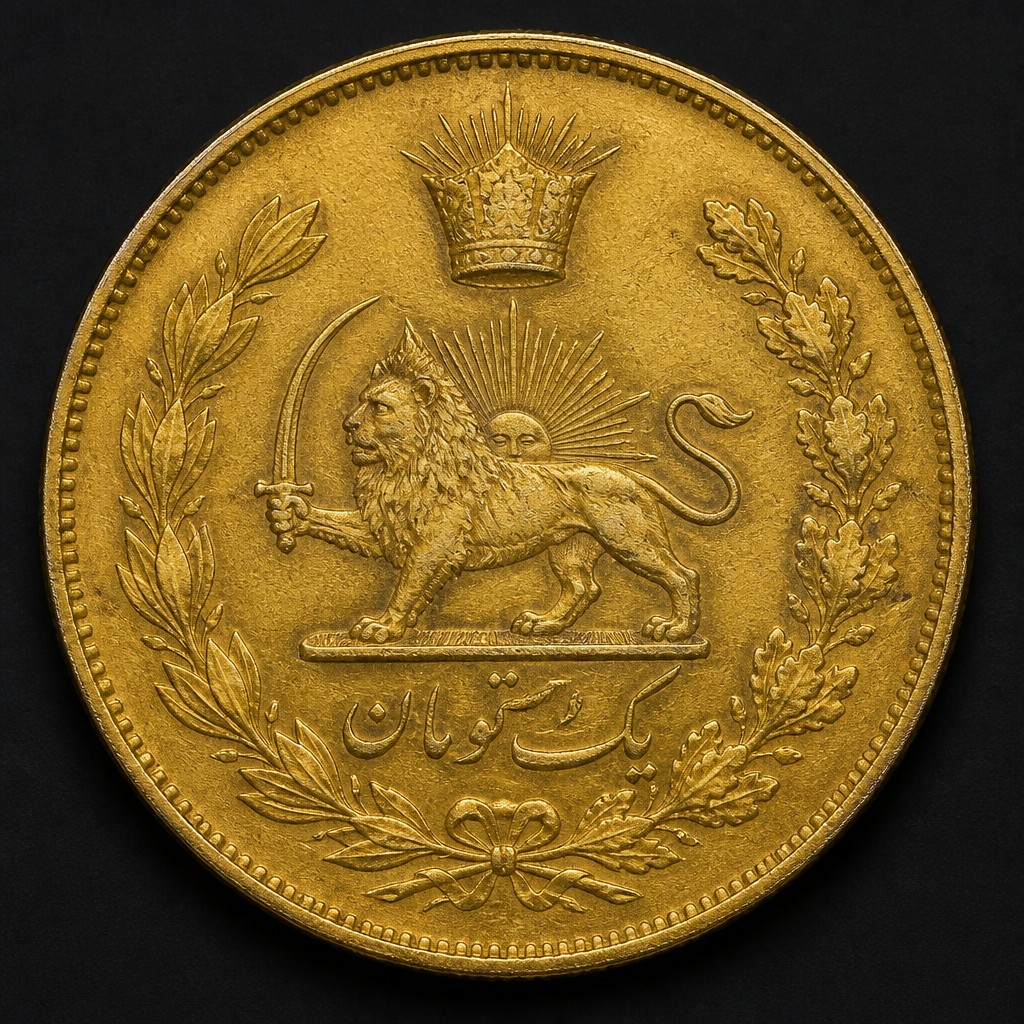
Persian Gold Toman (Qajar)
1796–1925
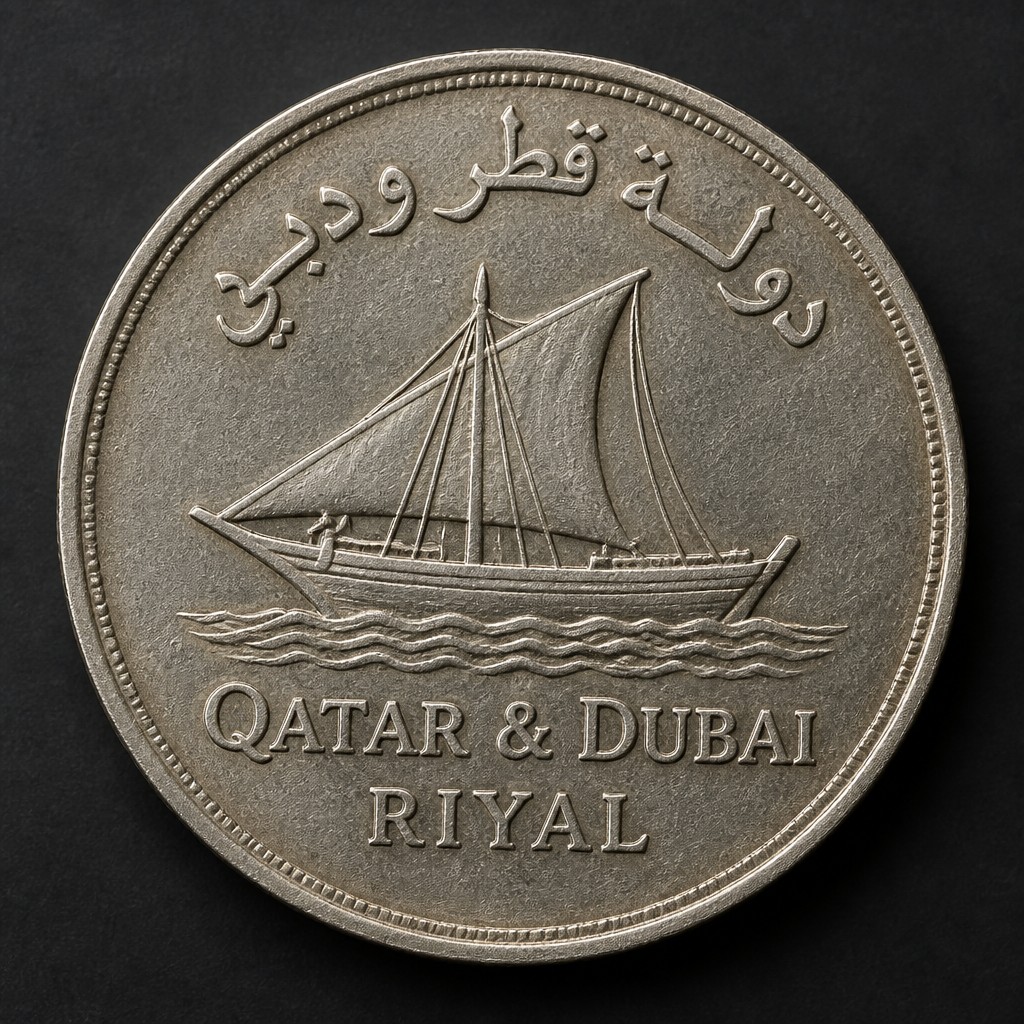
Qatar and Dubai Riyal
1966–1973
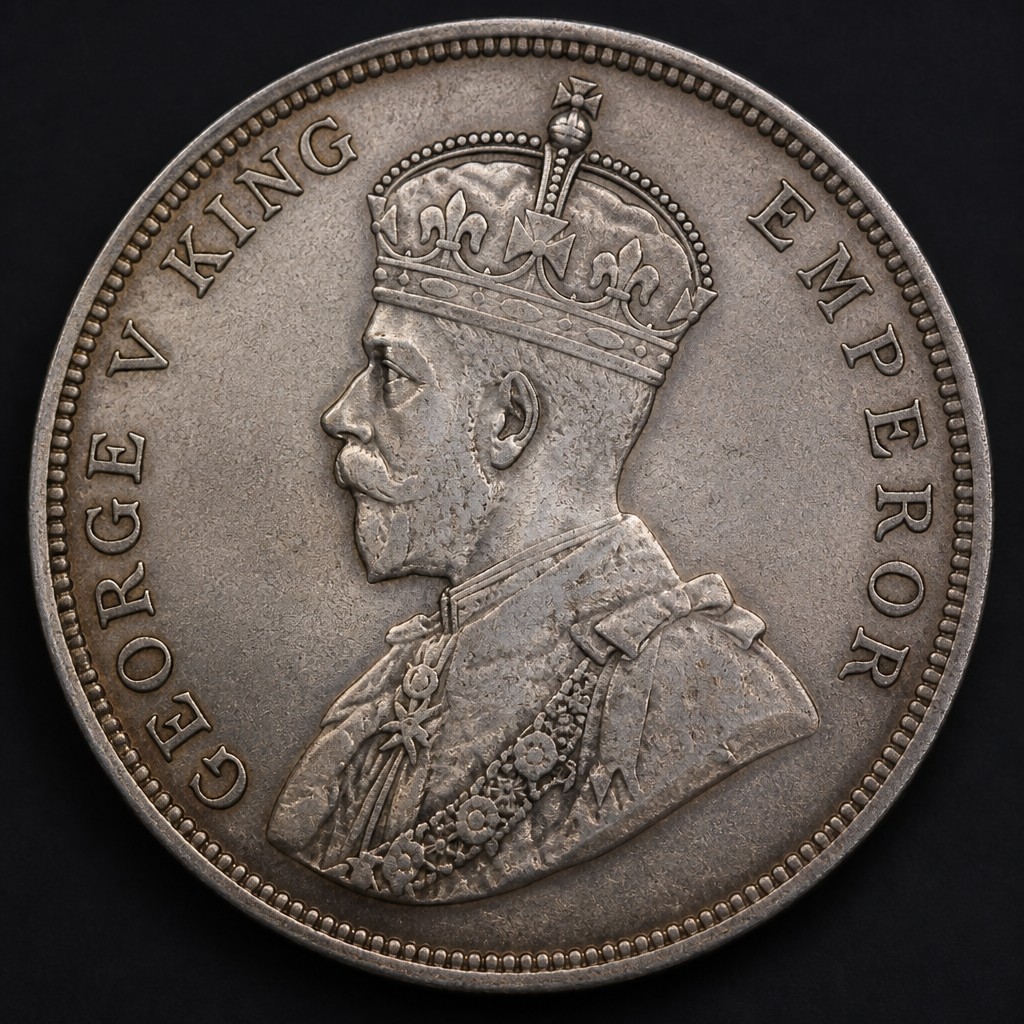
British India Rupee (Silver)
1835–1947