
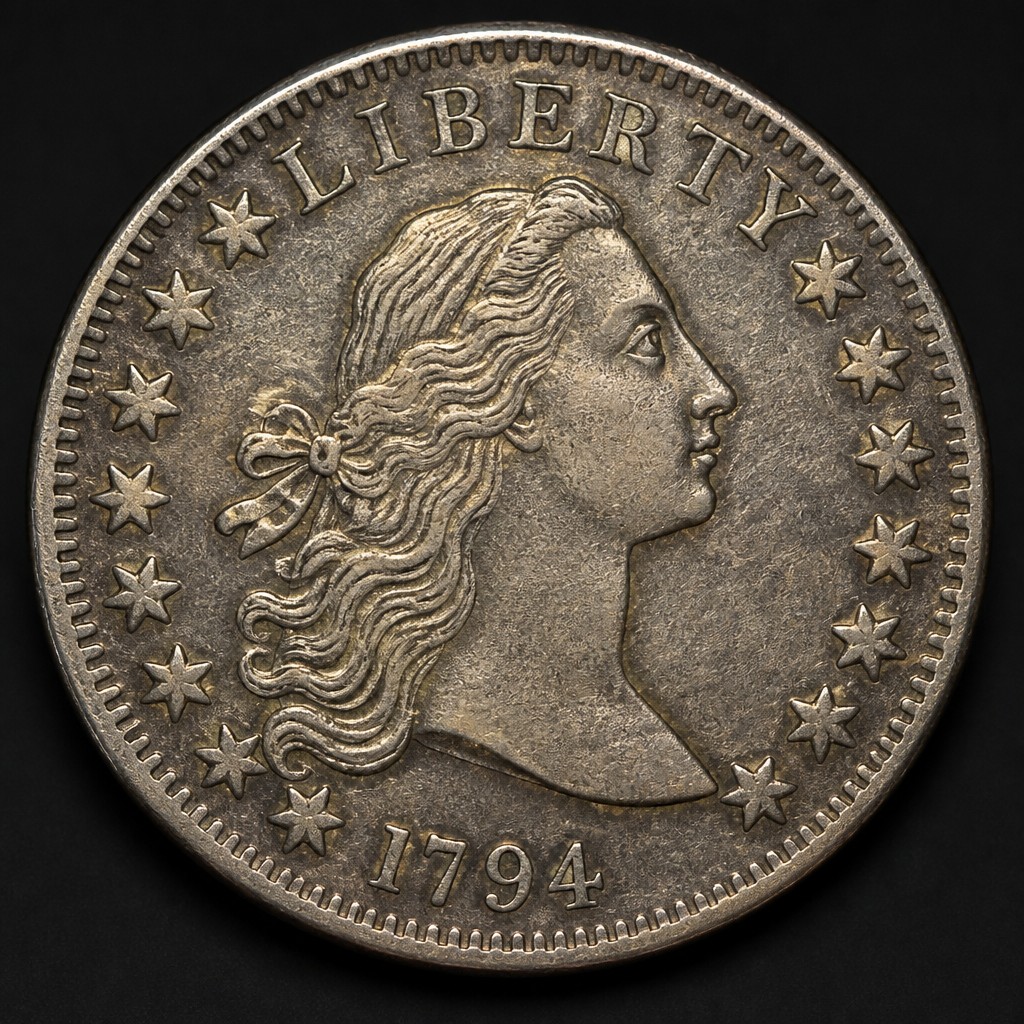
1794 Flowing Hair Half Dime
One of the very first silver coins struck for circulation by the United States Mint, bearing the Flowing Hair Liberty design and a small eagle reverse.
- Country
- United States
- Denomination
- Half Dime (Five Cents)
- Metal
- .8924 Fine Silver
Got a coin like this?
Identify any coin from a photo, free.
Overview
The 1794 Flowing Hair Half Dime represents one of the earliest tangible products of the newly established United States Mint, following the famous 1792 half dismes that are often considered pattern or presentation pieces. Though dated 1794, numismatic research indicates these coins were actually struck in early 1795 alongside the dated-1795 half dimes.
The coin's historical importance as a foundational U.S. issue makes it highly desirable to type collectors and students of early American coinage, independent of its numeric rarity relative to other dates in the short Flowing Hair series.
Only two dates exist in the Flowing Hair half dime type, 1794 and 1795, making this an essential coin for anyone assembling a complete type set of early United States silver.
History & Background
The half dime, sometimes spelled "half disme" in period documents, was one of the first denominations authorized under the Coinage Act of 1792. Legend holds that the earliest 1792 half dismes were struck using silver supplied by President George Washington himself, though the 1794-dated coins were the first struck in more substantial quantity for actual circulation.
The Flowing Hair design, created by Mint engraver Robert Scot, depicts a bust of Liberty with her hair loosely flowing behind her, a style shared with the first silver dollars and half dollars of 1794-1795. Production was limited by the Mint's primitive equipment, a small skilled workforce, and chronic shortages of bullion during the early republic.
The entire mintage attributed to both the 1794 and 1795 dates was delivered from a single combined striking record, so numismatists rely on die studies to separate genuine population estimates between the two dates.
How to Identify
The obverse depicts Liberty's head facing right with her hair flowing loosely, encircled by stars (typically 15, reflecting the number of states at the time) and the date below. The reverse shows a small, spread-winged eagle within a wreath, surrounded by UNITED STATES OF AMERICA, with no numeral or word denomination on the coin itself.
Struck in .8924 fine silver with a plain edge, the coin is small and thin, roughly comparable in diameter to a modern dime but noticeably thinner. Adjustment marks (file lines used to correct overweight planchets) are commonly seen and do not necessarily indicate damage.
Collectors differentiate the Flowing Hair type from the succeeding Draped Bust type (starting 1795-96) by the hairstyle and lack of drapery on Liberty's bust. Because all examples were struck at Philadelphia, no mint marks appear.
Value & Collectibility
As a first-year, historically significant issue, the 1794 Flowing Hair Half Dime is genuinely rare and valuable in every grade, with even heavily worn, problem examples commanding many thousands of dollars, and choice or Mint State pieces reaching into six figures. Value is driven heavily by originality, strike quality, and eye appeal rather than the technical grade number alone.
Because of its status as one of the first coins of the United States, demand from advanced type collectors, colonial and early American specialists, and museums keeps prices firm regardless of broader bullion market swings.
Given the coin's age, value, and the prevalence of counterfeits in early American silver, certification by a major third-party grading service is strongly recommended before any purchase.
Frequently asked questions
Is the 1794 half dime the first U.S. coin?
It is among the first coins struck for circulation by the official U.S. Mint, though 1792 half dismes are sometimes considered even earlier pattern pieces.
Was the 1794 half dime really struck in 1794?
Numismatic research suggests most or all coins bearing the 1794 date were actually struck in early 1795 using dies dated the prior year.
What metal is it made of?
It is struck in .8924 fine silver, the standard fineness used for early U.S. silver coinage before 1837.
How can I tell it apart from a Draped Bust half dime?
The Flowing Hair type shows Liberty's hair loose and undraped, while the later Draped Bust type adds drapery across her chest and a more formal hairstyle.
Other coins you may enjoy
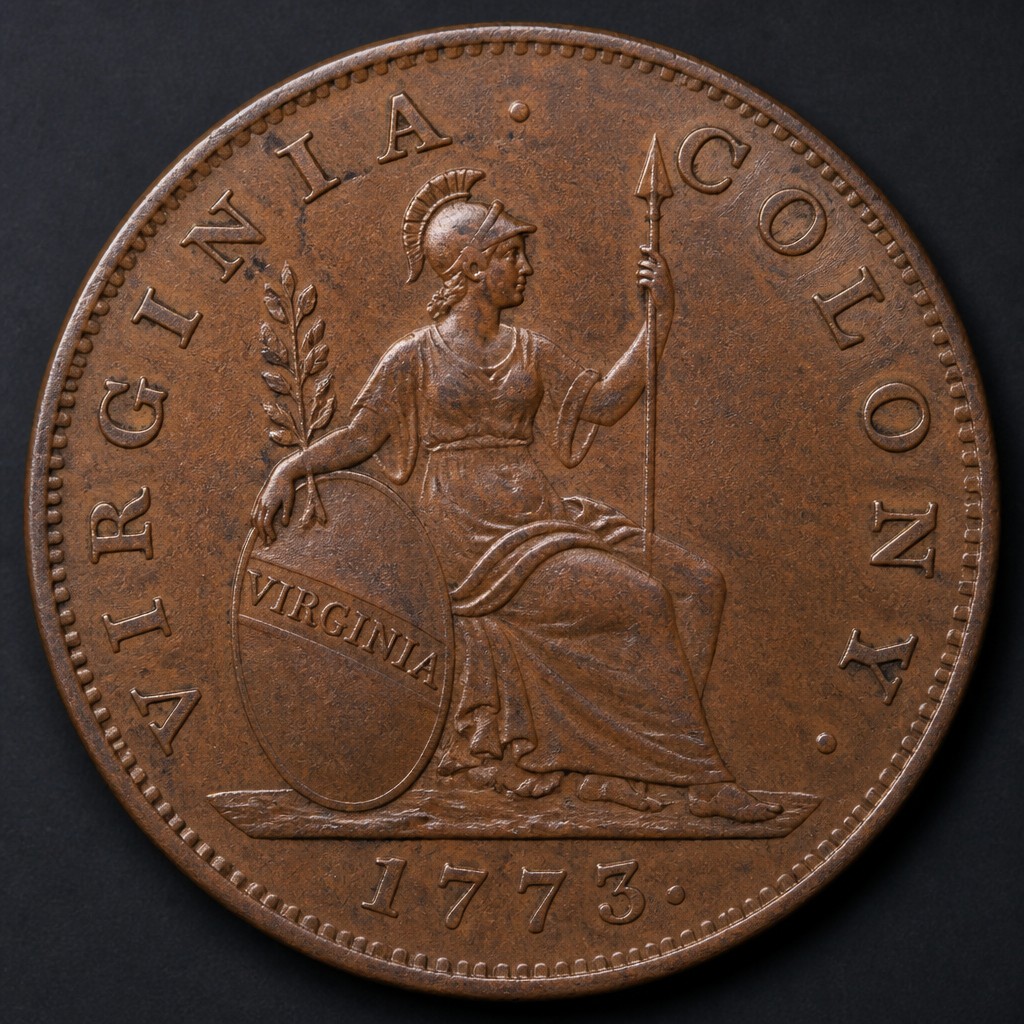
Virginia Halfpenny
1773
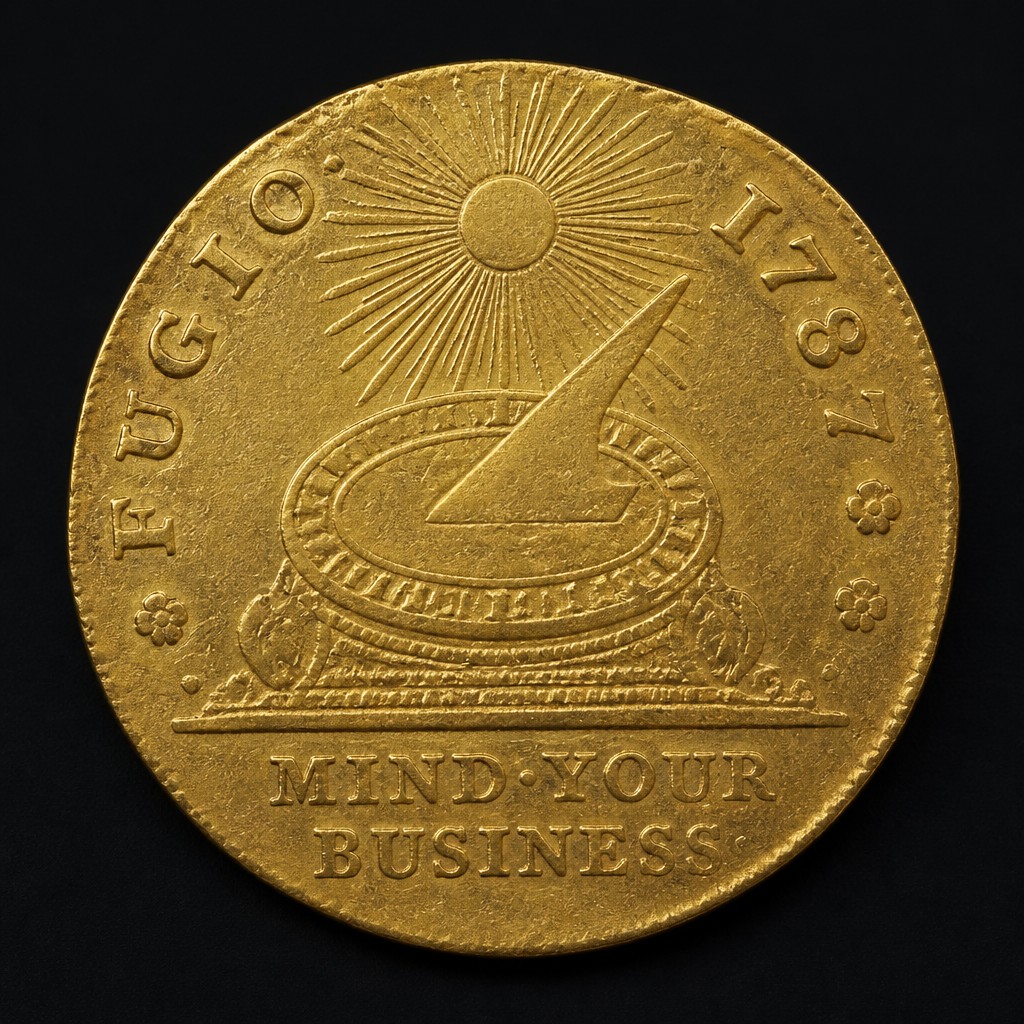
Brasher Doubloon
1787
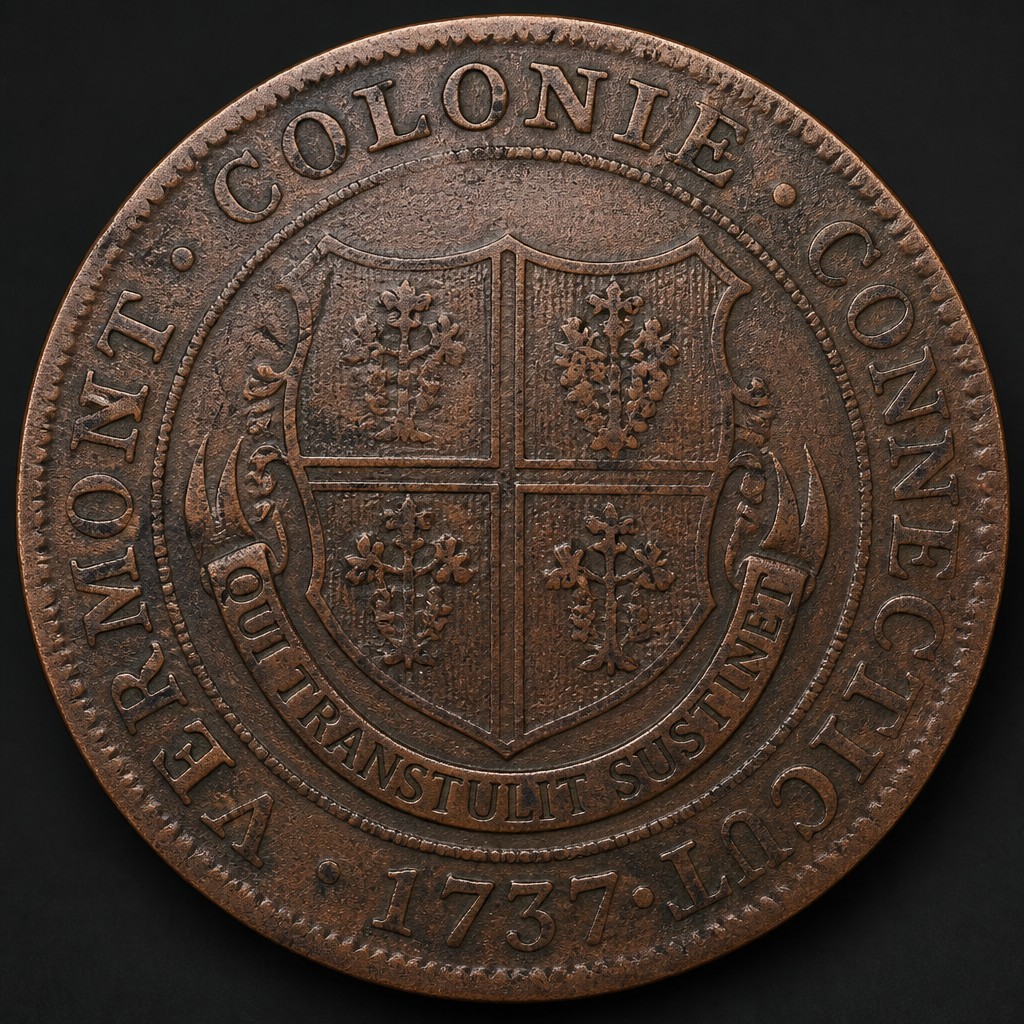
Higley Copper
1737–1739
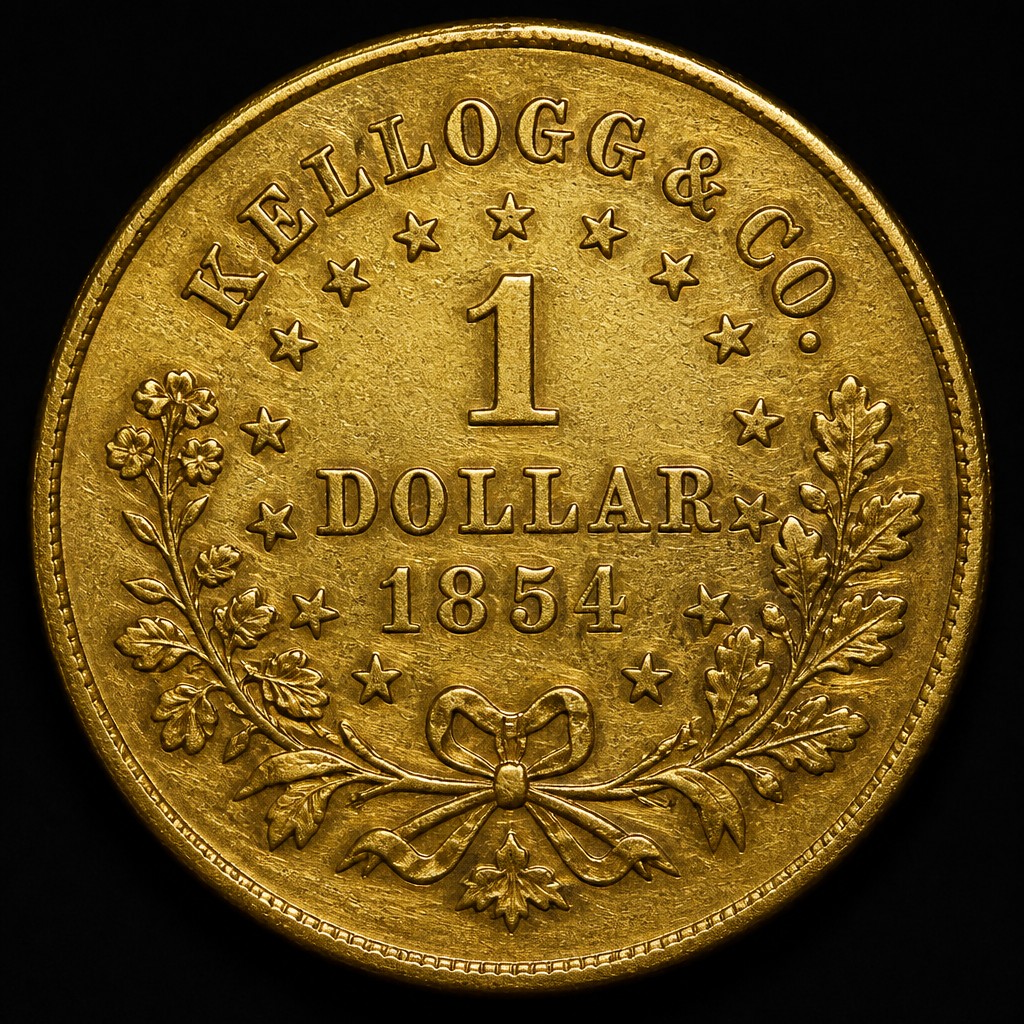
Kellogg & Co. Gold Piece
1854–1855
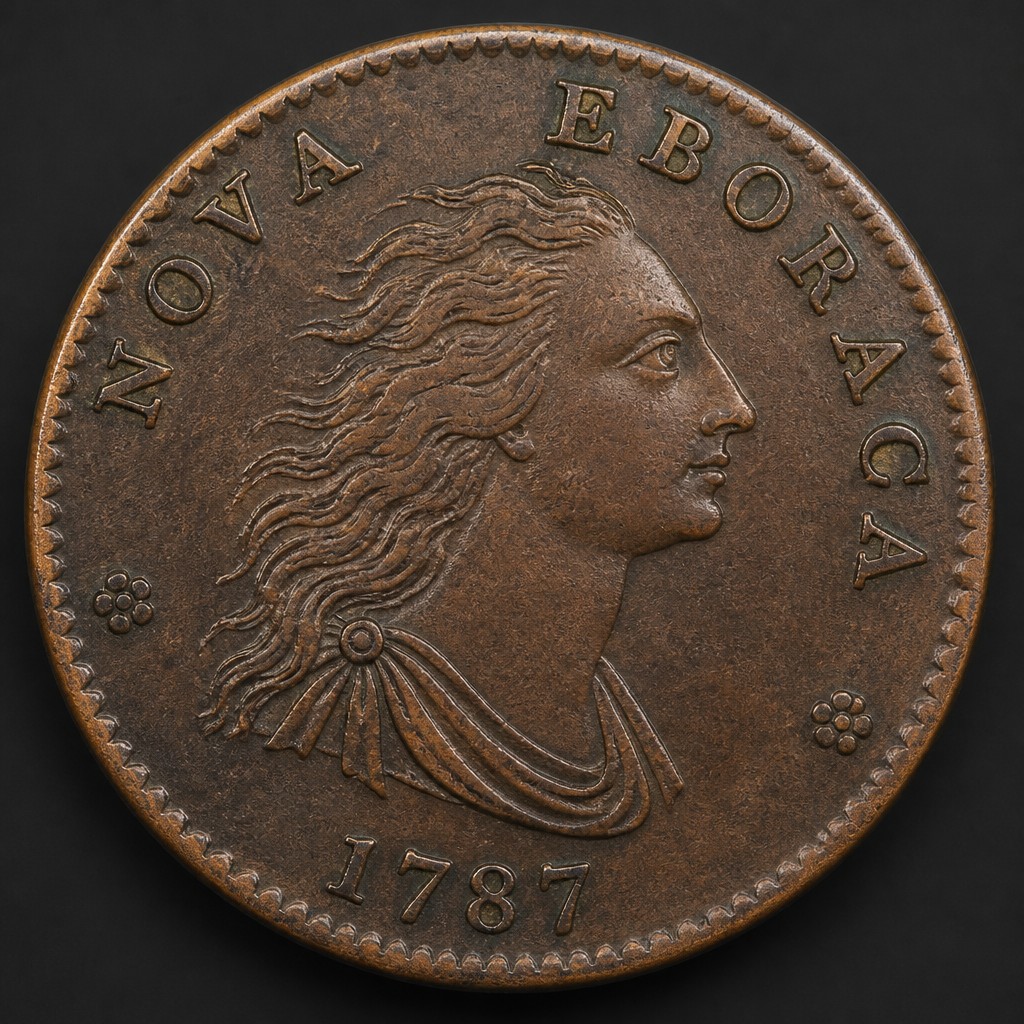
Nova Eborac Copper
1787
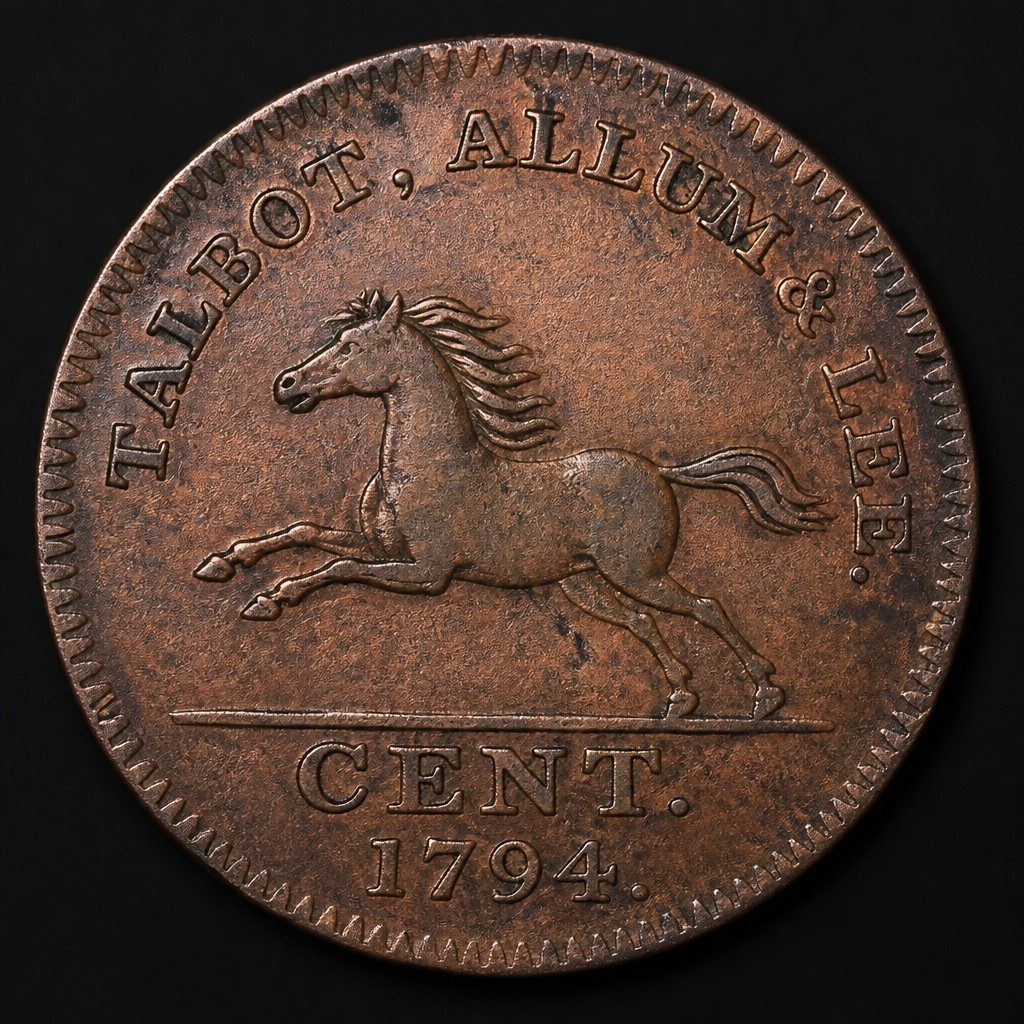
Talbot, Allum & Lee Cent
1794–1795
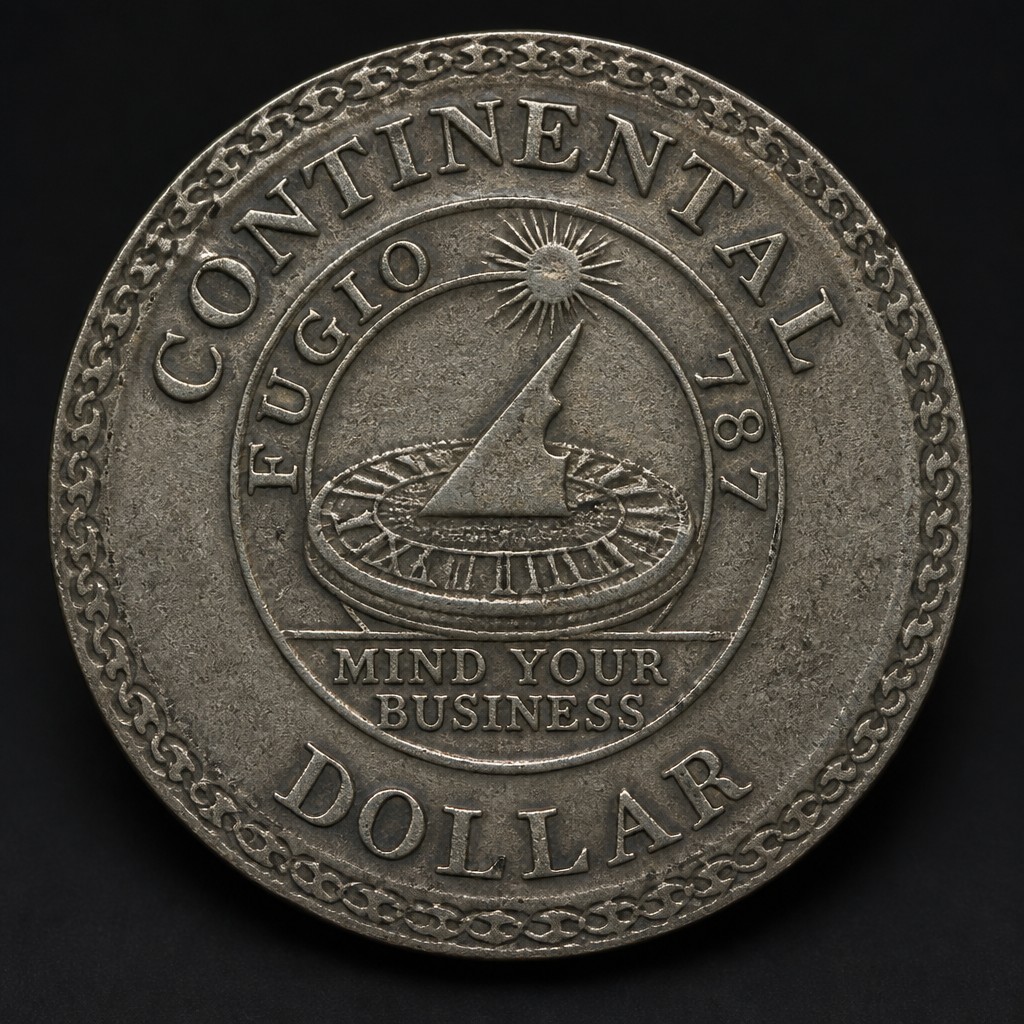
Continental Dollar
1776
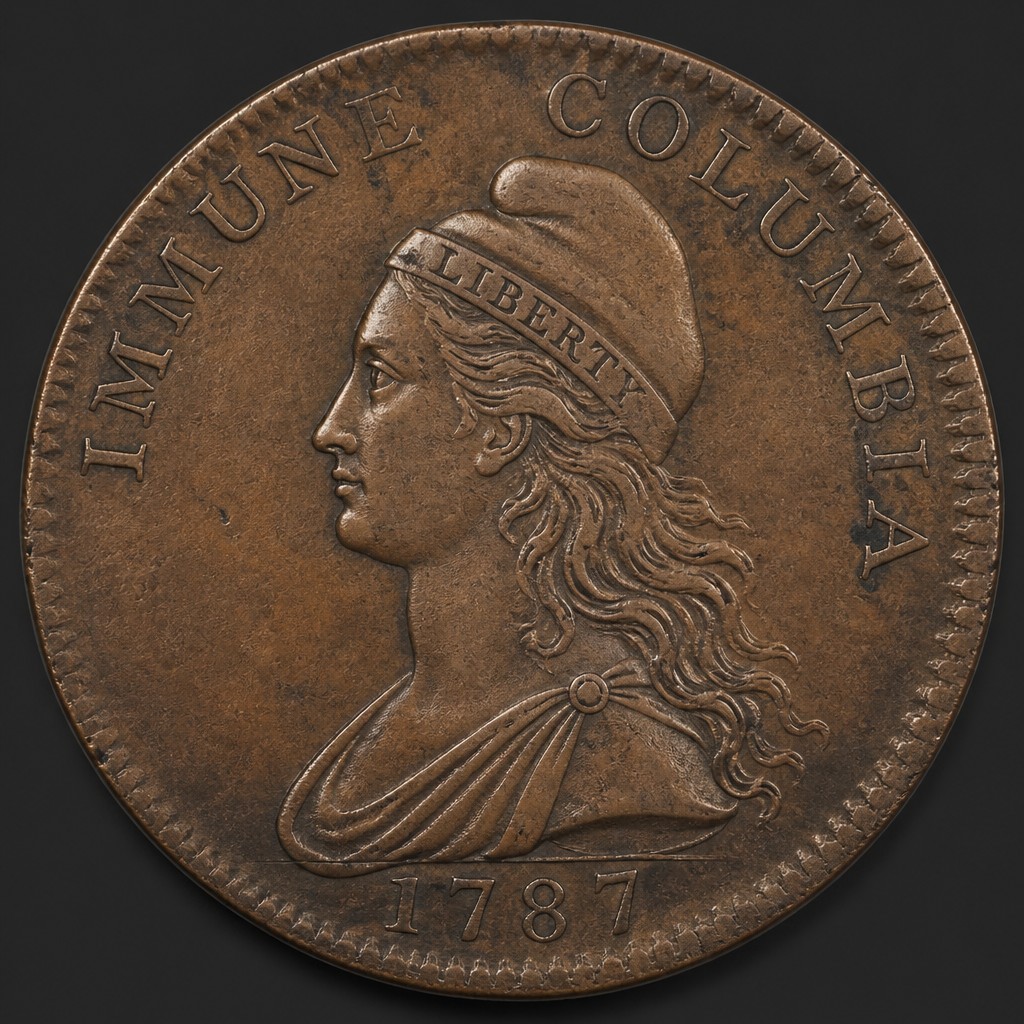
Immune Columbia Copper
circa 1785–1787
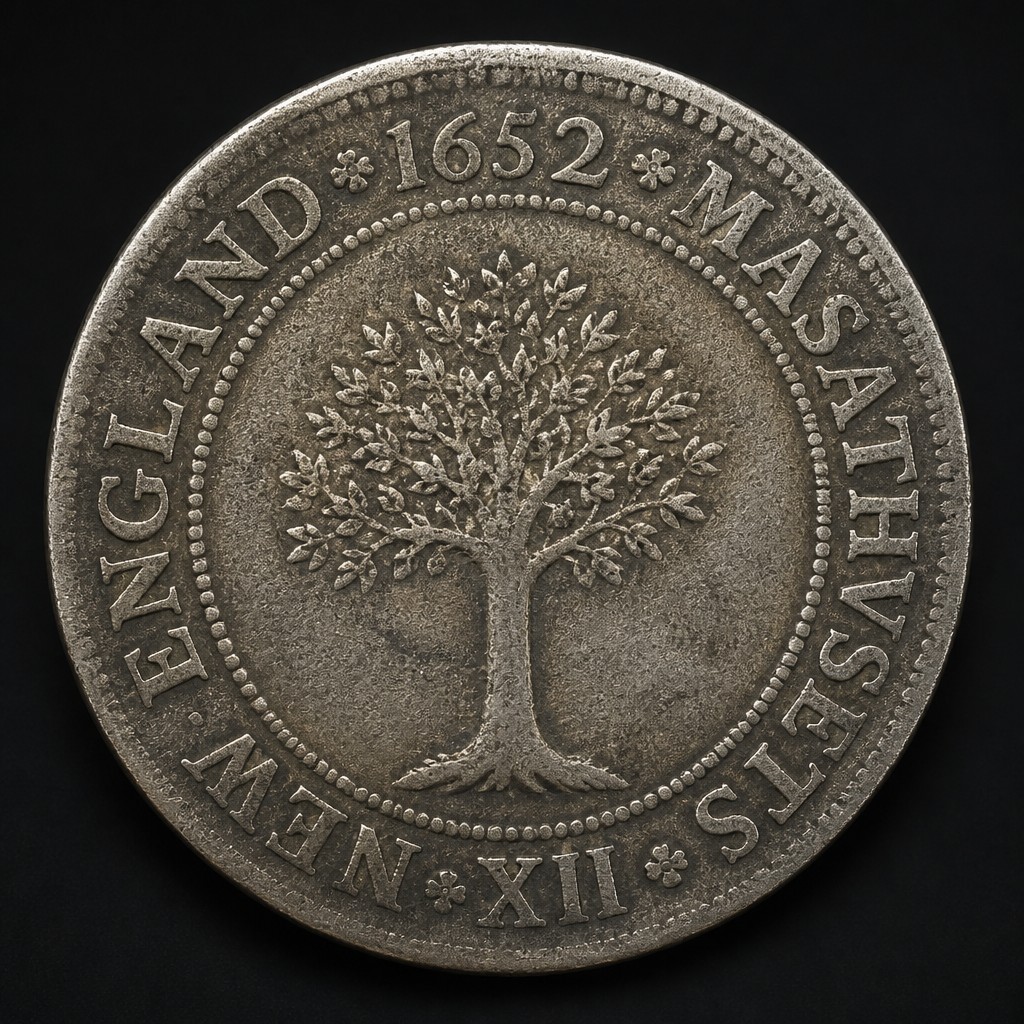
Massachusetts Oak Tree Shilling
Dated 1652, struck circa 1660–1667
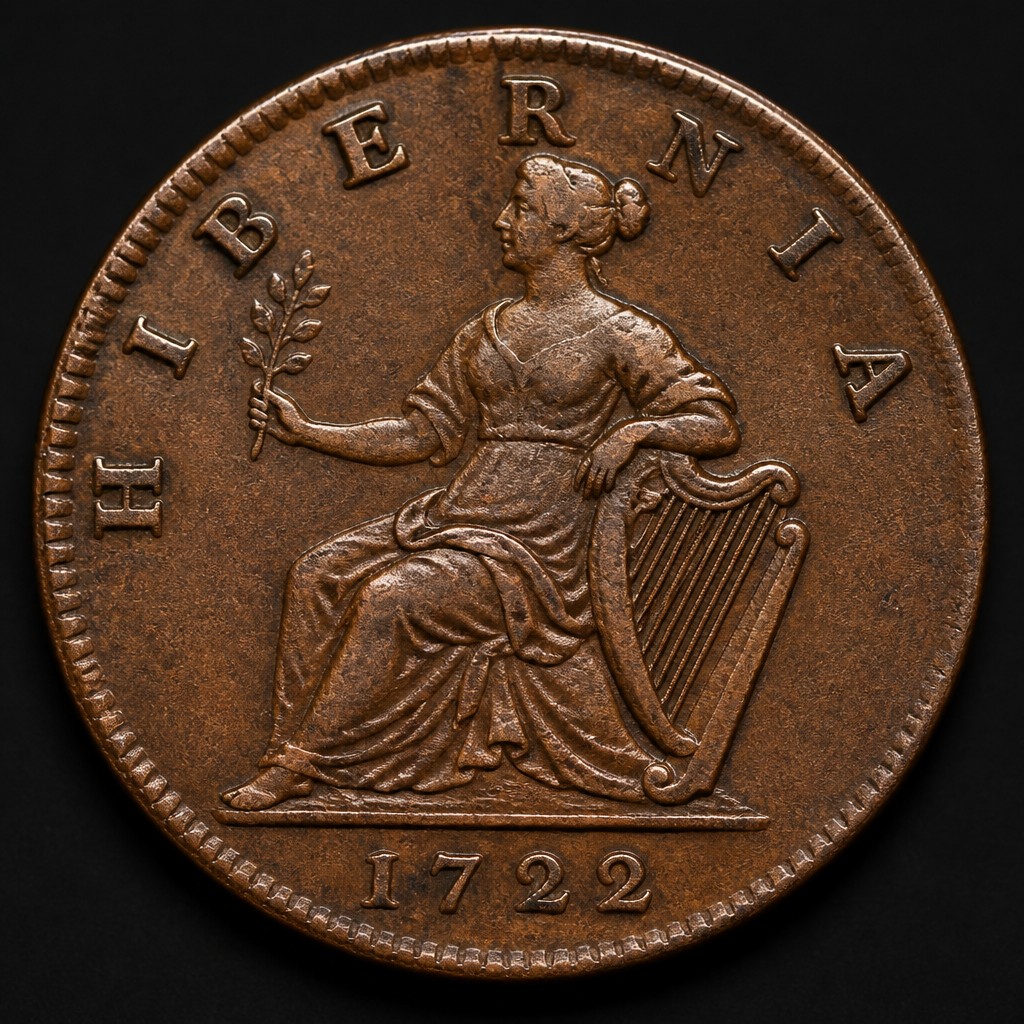
Wood's Hibernia Halfpenny
1722–1724
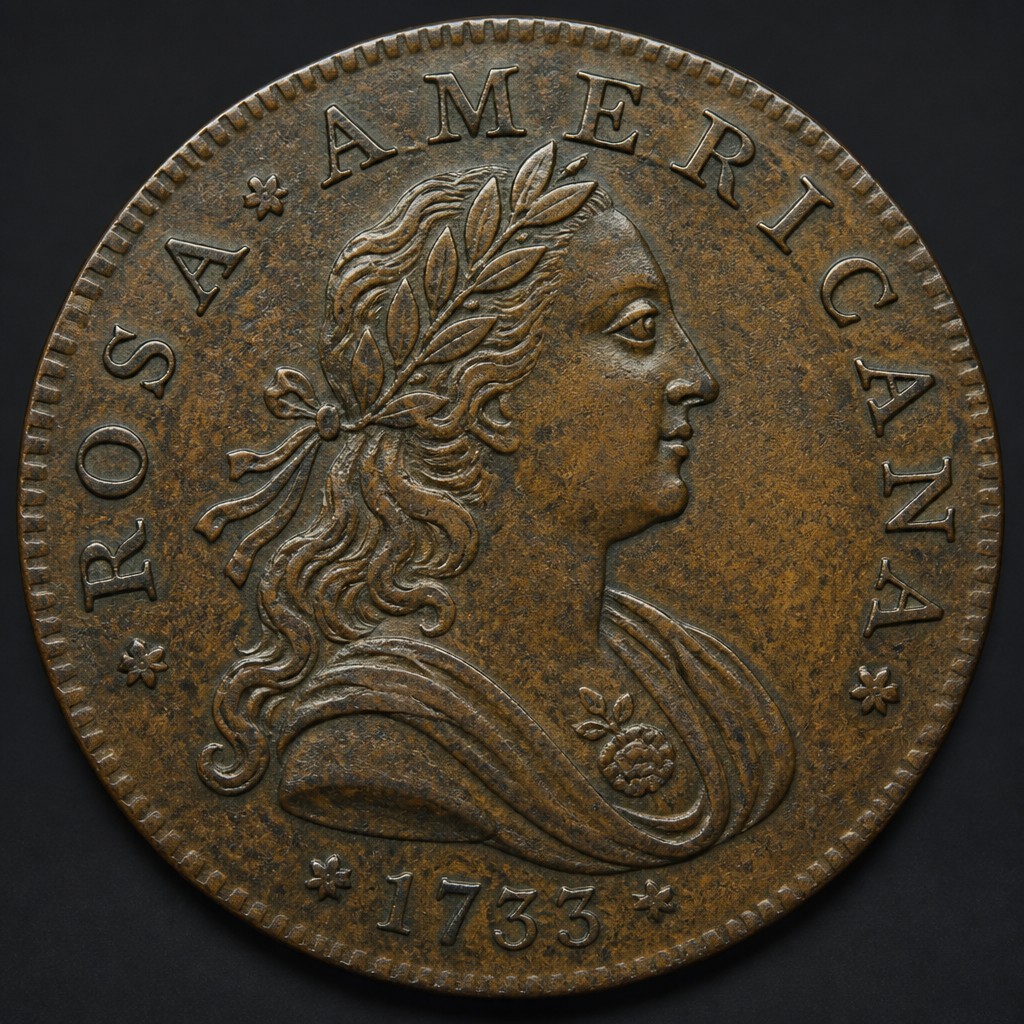
Rosa Americana Coinage
1722–1724 (with pattern issues dated 1733)
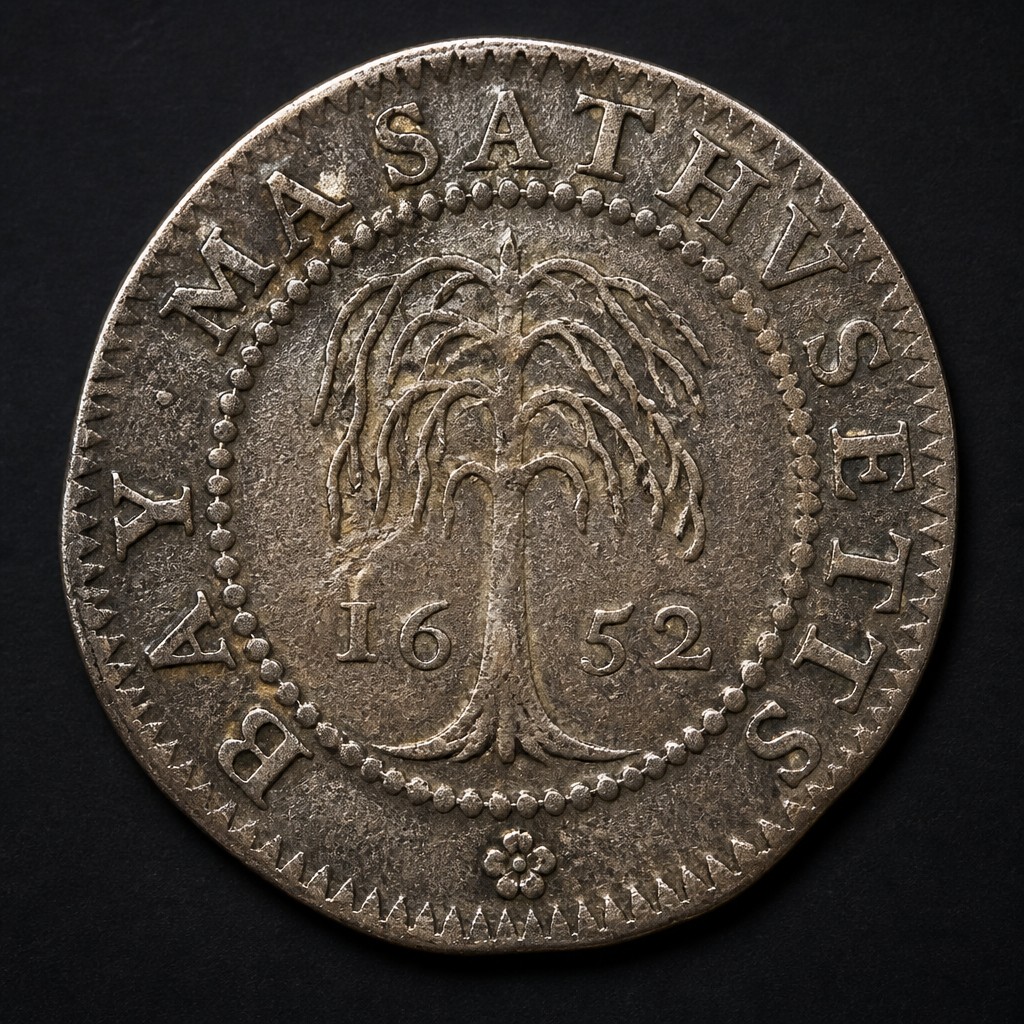
Massachusetts Willow Tree Shilling
Dated 1652, struck circa 1653–1660