
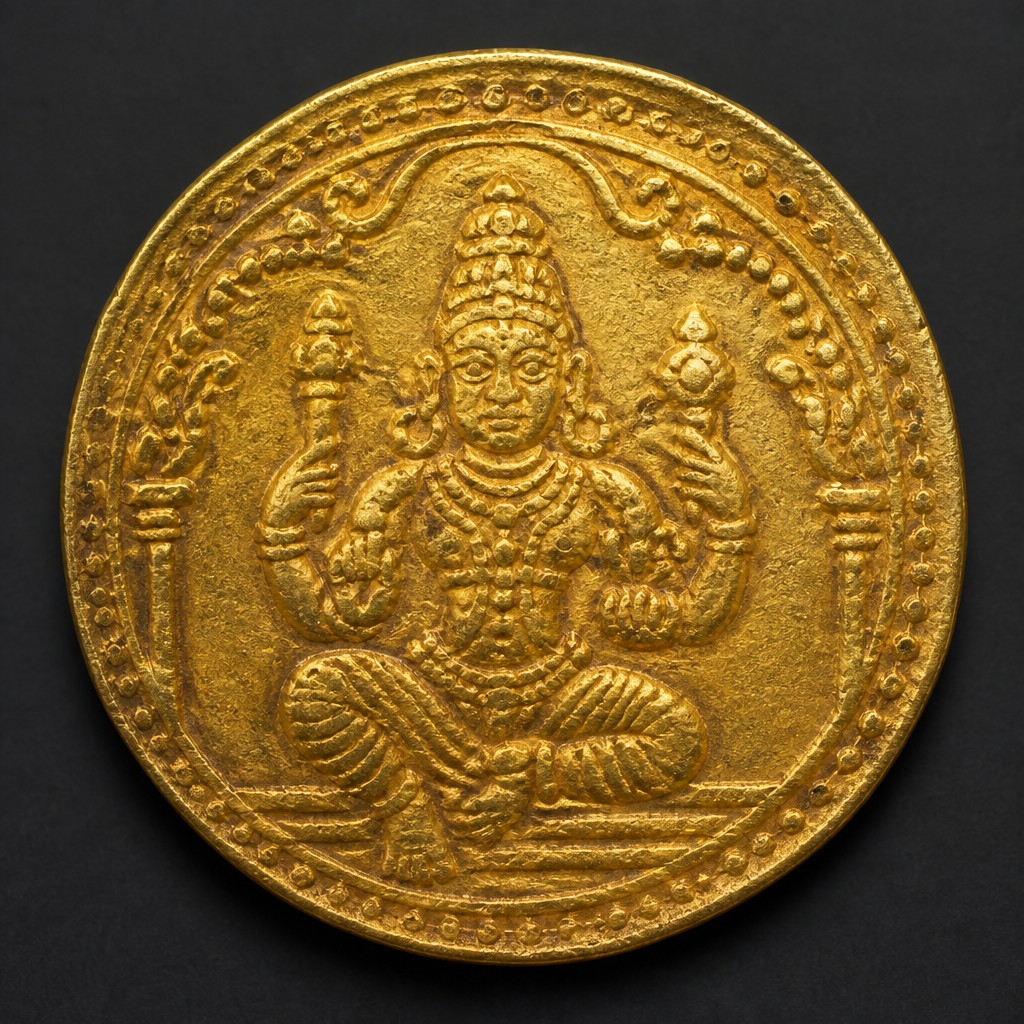
India Gold Pagoda (Madras Presidency)
Small gold coin traditionally used across South India, later adopted and standardized by the East India Company's Madras Presidency before being phased out for rupee-based currency.
- Country
- British India / South Indian Kingdoms
- Denomination
- 1 Pagoda
- Metal
- Gold
Got a coin like this?
Identify any coin from a photo, free.
Overview
The Gold Pagoda was a small but historically significant gold coin used widely across South India for centuries before and during early British colonial administration. Named for the temple-like or deity imagery frequently found on its designs, the pagoda served as a standard high-value coin in South Indian trade long before the East India Company adopted and standardized its own version through the Madras Presidency mint.
Unlike the larger gold mohur used further north, the pagoda was comparatively small and thick, reflecting its origins in earlier South Indian kingdoms such as the Vijayanagara Empire, whose coinage traditions influenced the design conventions later continued under Company administration.
As British India moved toward a unified rupee-based currency system in the early nineteenth century, the pagoda was eventually phased out, but it remains an important and collectible link between pre-colonial South Indian coinage traditions and the currency reforms of British rule.
History & Background
Long before European colonial powers arrived in India, South Indian kingdoms, most notably the Vijayanagara Empire, issued small gold coins known as pagodas, often featuring deities, symbols, or stylized figures reflecting regional religious and artistic traditions. The name "pagoda" is believed to derive from European traders' association of the coin's imagery or its value with temple architecture in the region.
As the East India Company established its presence in southern India, centered on the Madras Presidency, it found it practical to continue issuing coinage in the locally familiar pagoda denomination rather than immediately imposing an unfamiliar currency, helping to ease commerce with local merchants and rulers accustomed to the existing system. The Company's Madras mint produced pagodas in a recognizably continued style, sometimes referred to as "star pagodas" for a common design motif.
As British administration consolidated across India in the early nineteenth century, the government moved toward a unified currency system based on the silver rupee, and the pagoda was gradually withdrawn from circulation, marking the end of one of South India's longest-running indigenous coin denominations.
How to Identify
Designs vary depending on the era and specific mint, but many pagodas feature small, stylized devices such as a standing deity figure, a star, or geometric symbols rather than a portrait, reflecting their origins in pre-colonial South Indian coinage traditions rather than European-style numismatic conventions. Company-era Madras pagodas often continued similar symbolic designs, sometimes with minimal added lettering identifying the issuing authority.
The coin is notably small and thick compared to many other gold coins of similar value, a distinctive characteristic that helps identify genuine pagodas even when the design details are worn or difficult to read. It typically lacks a broad flat surface for detailed portraiture, given its compact size and dumpy shape.
Because pagodas were issued by multiple kingdoms and later the East India Company over a long span of time, precise attribution to a specific ruler, kingdom, or mint often requires close comparison of the small design elements and any accompanying symbols or letters, a task best undertaken with reference to specialist South Indian numismatic literature.
Value & Collectibility
Given their small size, gold pagodas generally contain a modest amount of gold compared to larger coins, so their value reflects a combination of bullion content and numismatic interest in the specific type, era, and condition. Common Madras Presidency pagodas in typical worn condition are usually available at a modest premium over gold value, while rarer pre-colonial types from specific South Indian kingdoms or exceptionally well-preserved examples can command notably higher prices among specialists.
As with many historic Indian coins, precise attribution and rarity significantly affect price, so collectors should consult specialized references or expert opinions when assessing a particular pagoda's value rather than relying on general assumptions about the type.
Frequently asked questions
Why is it called a 'pagoda'?
The name likely derives from European traders associating the coin's imagery, often religious or deity-related, with pagoda-style temple architecture found in South India.
Did the East India Company create the pagoda?
No, the pagoda predates British involvement in India and originated with earlier South Indian kingdoms such as the Vijayanagara Empire; the Company simply continued issuing it in a similar style.
How does the pagoda compare in size to other gold coins?
It is notably small and thick for its value compared to many other historical gold coins, reflecting its distinct South Indian design tradition.
When did the pagoda stop being used?
It was phased out in the early nineteenth century as British India transitioned to a unified currency system based on the silver rupee.
Other coins you may enjoy
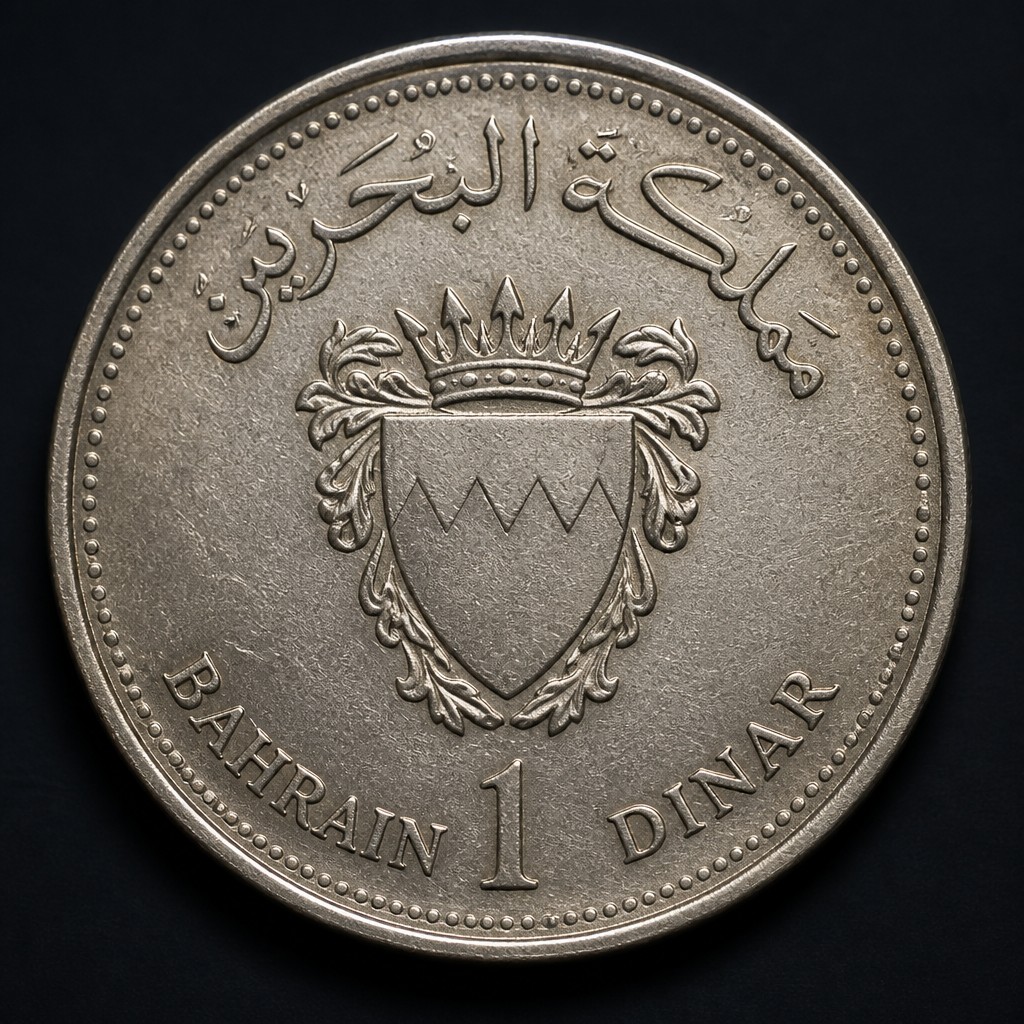
Bahraini Dinar
1965–present
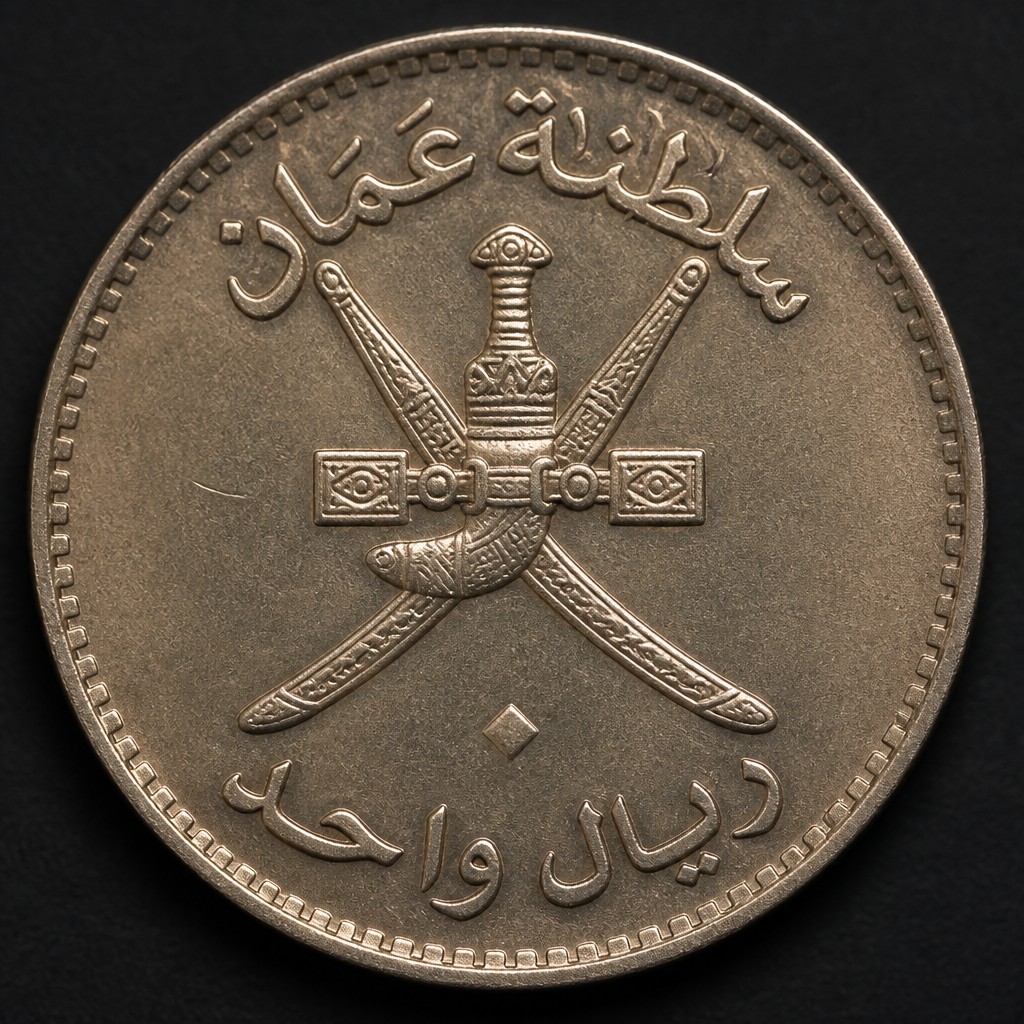
Omani Rial (Baisa Coinage)
1970–present
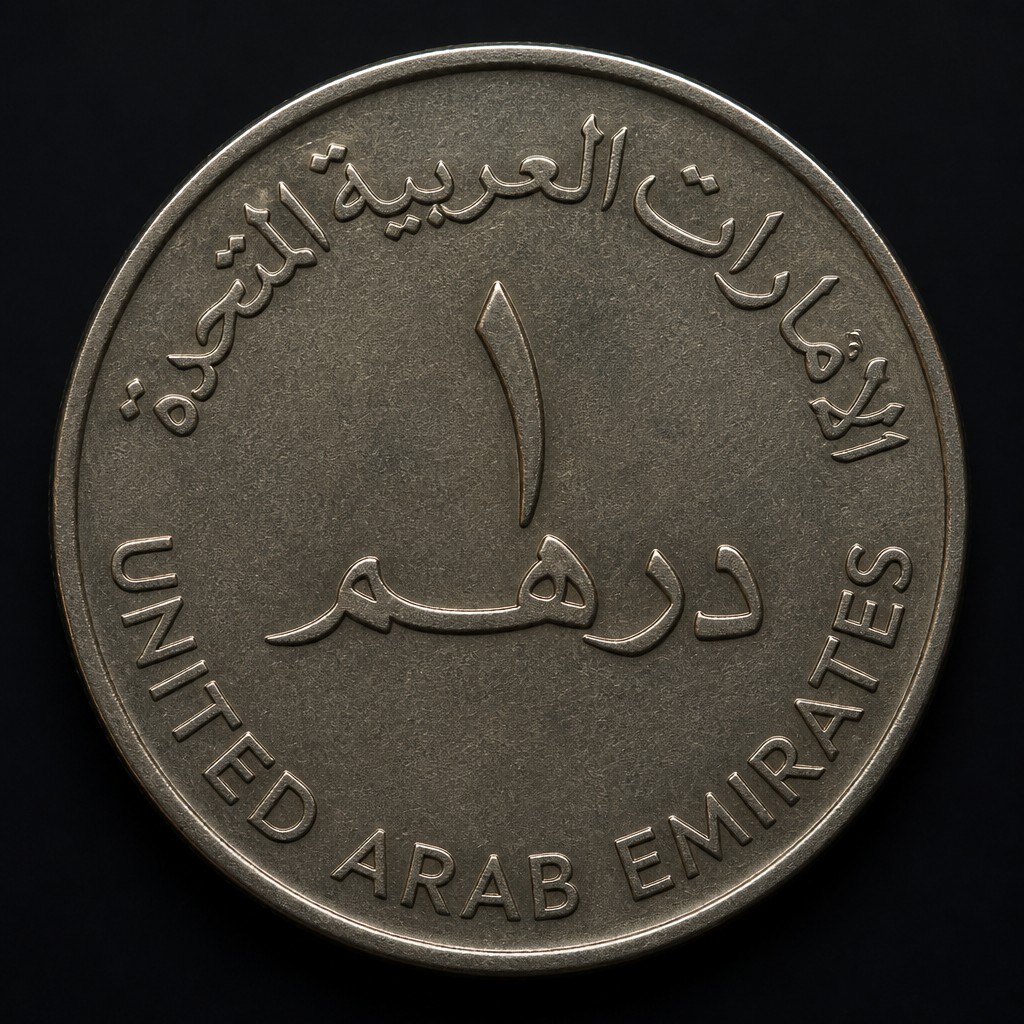
United Arab Emirates Dirham
1973–present
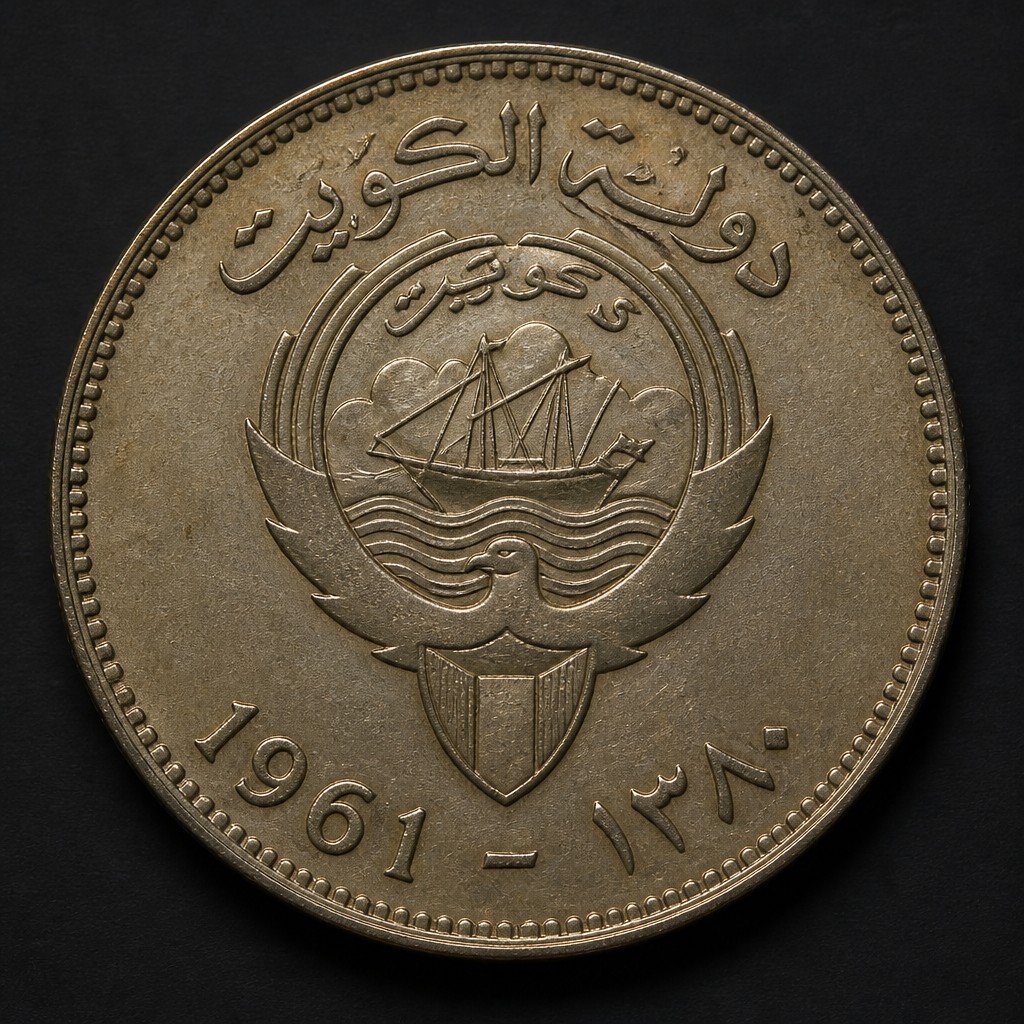
Kuwaiti Fils
1961–present
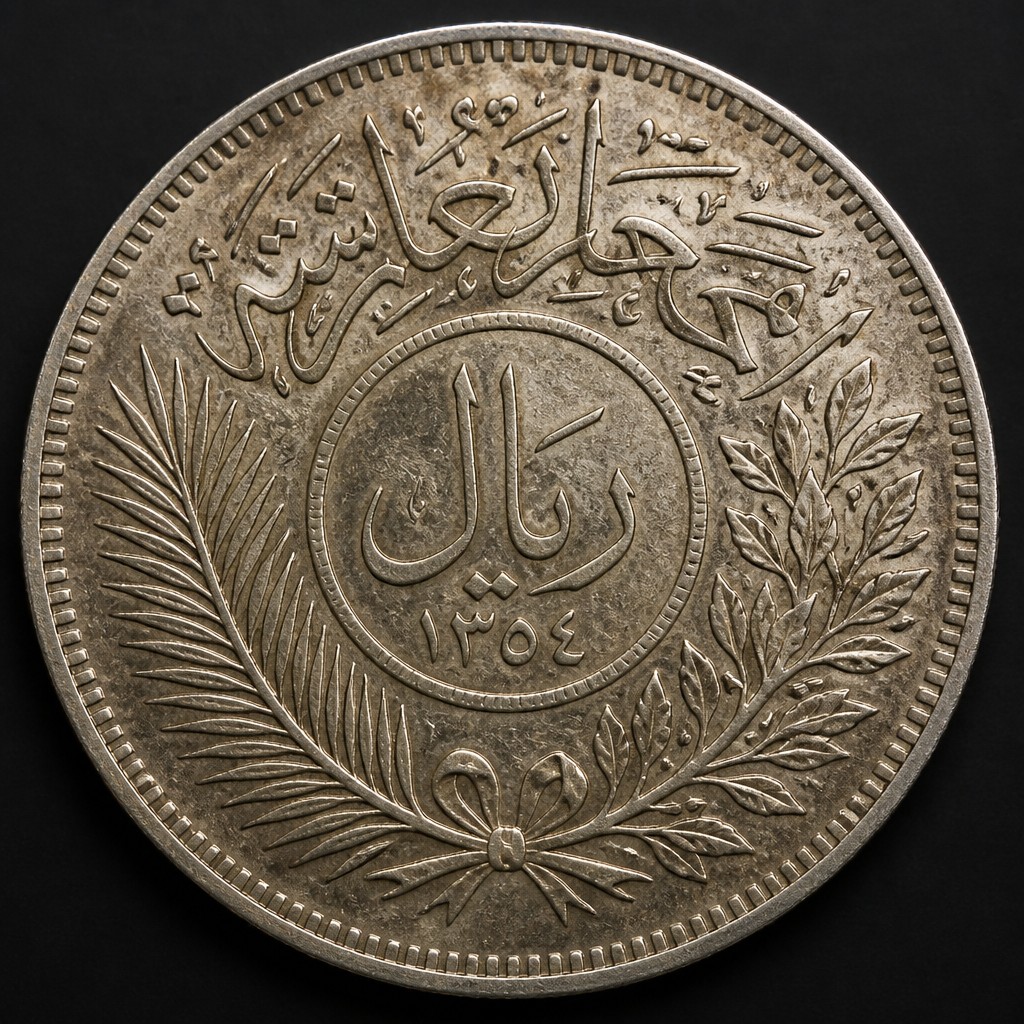
Saudi Arabian Riyal (silver)
1935 (Kingdom-wide standardization) and related issues
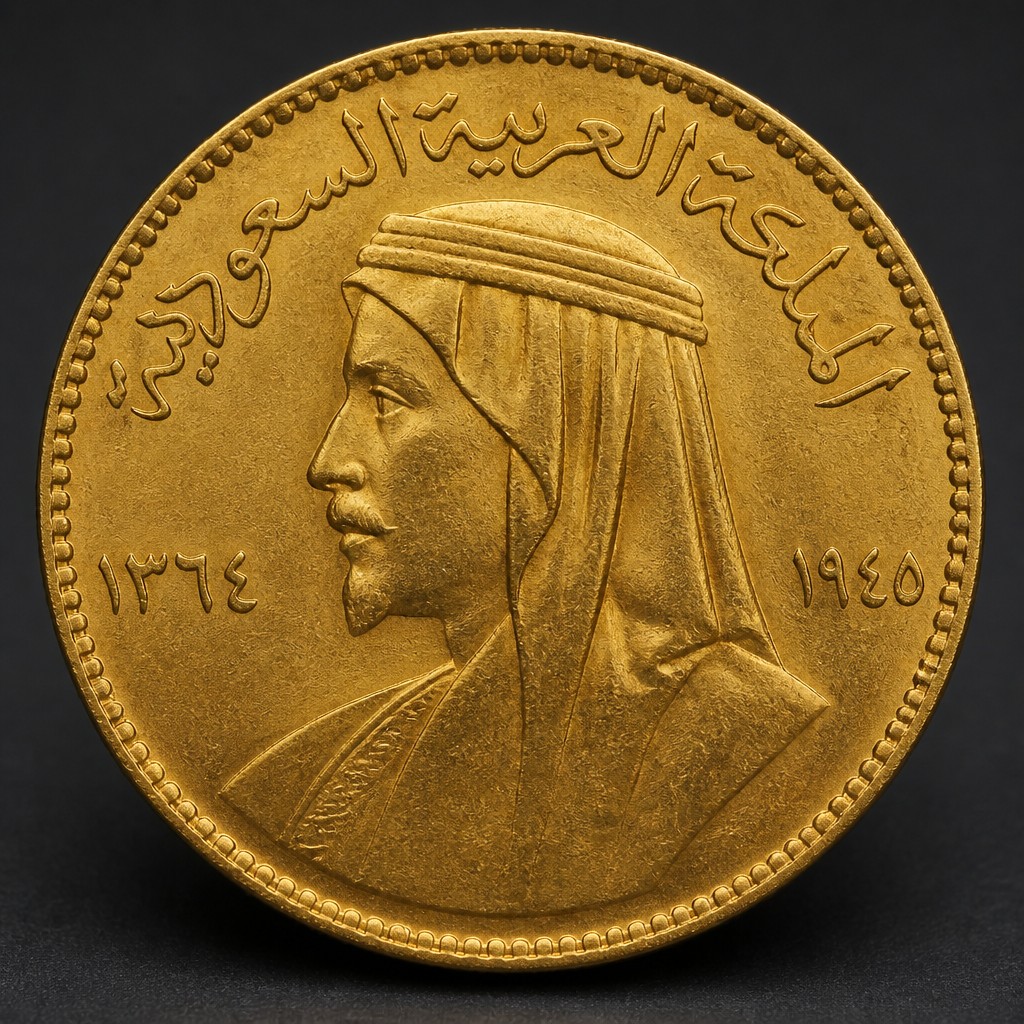
Saudi Arabian Gold Guinea (Sovereign)
1945 and later issues
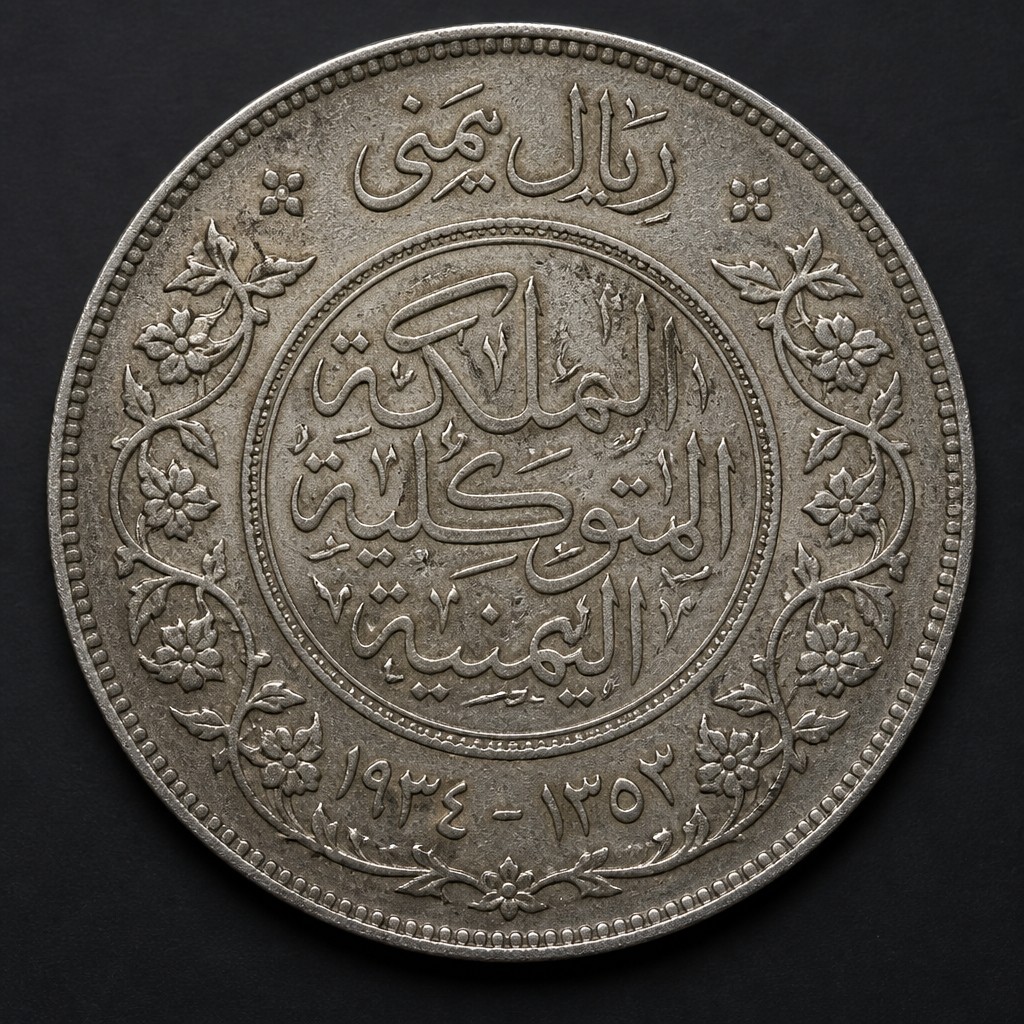
Yemeni Riyal (Ahmadi/Imadi Kingdom Coinage)
Early-to-mid 20th century
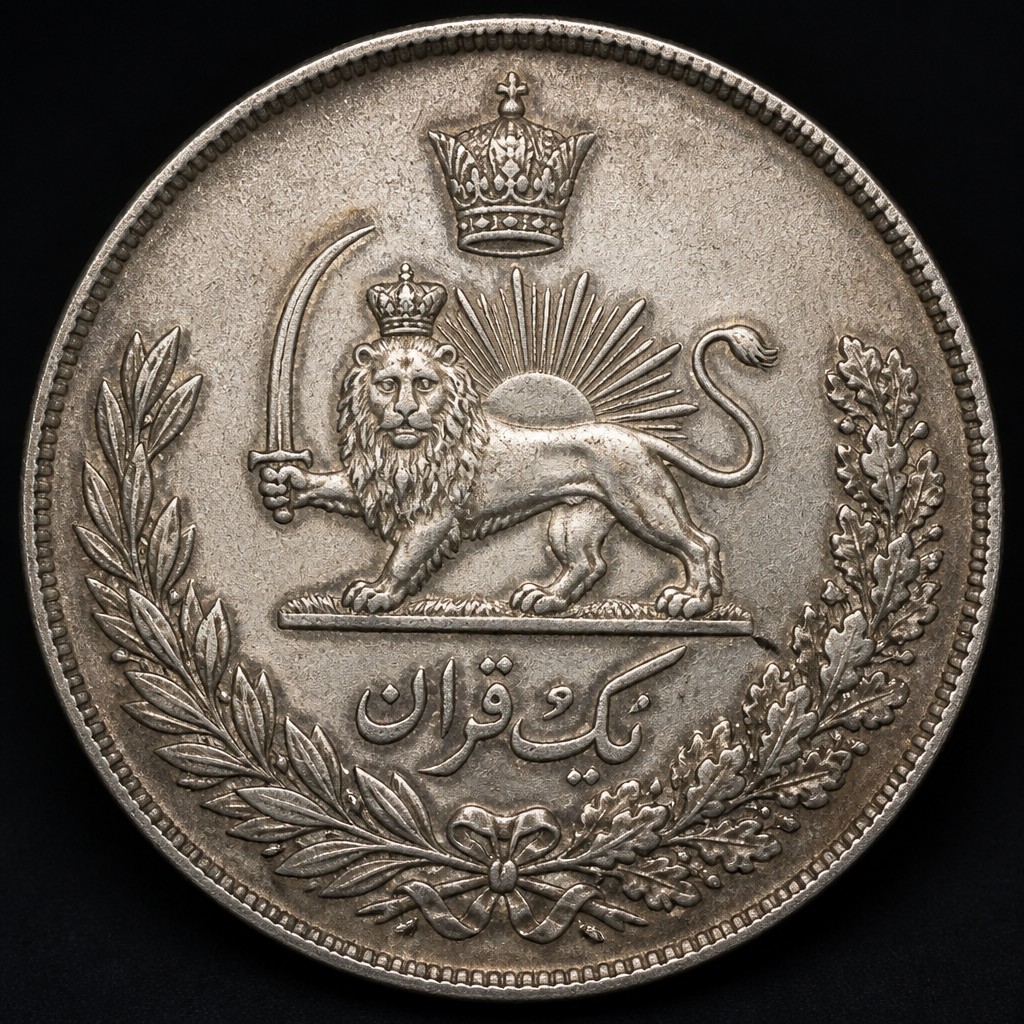
Persian Kran (Qajar silver)
Mid-19th century–1925
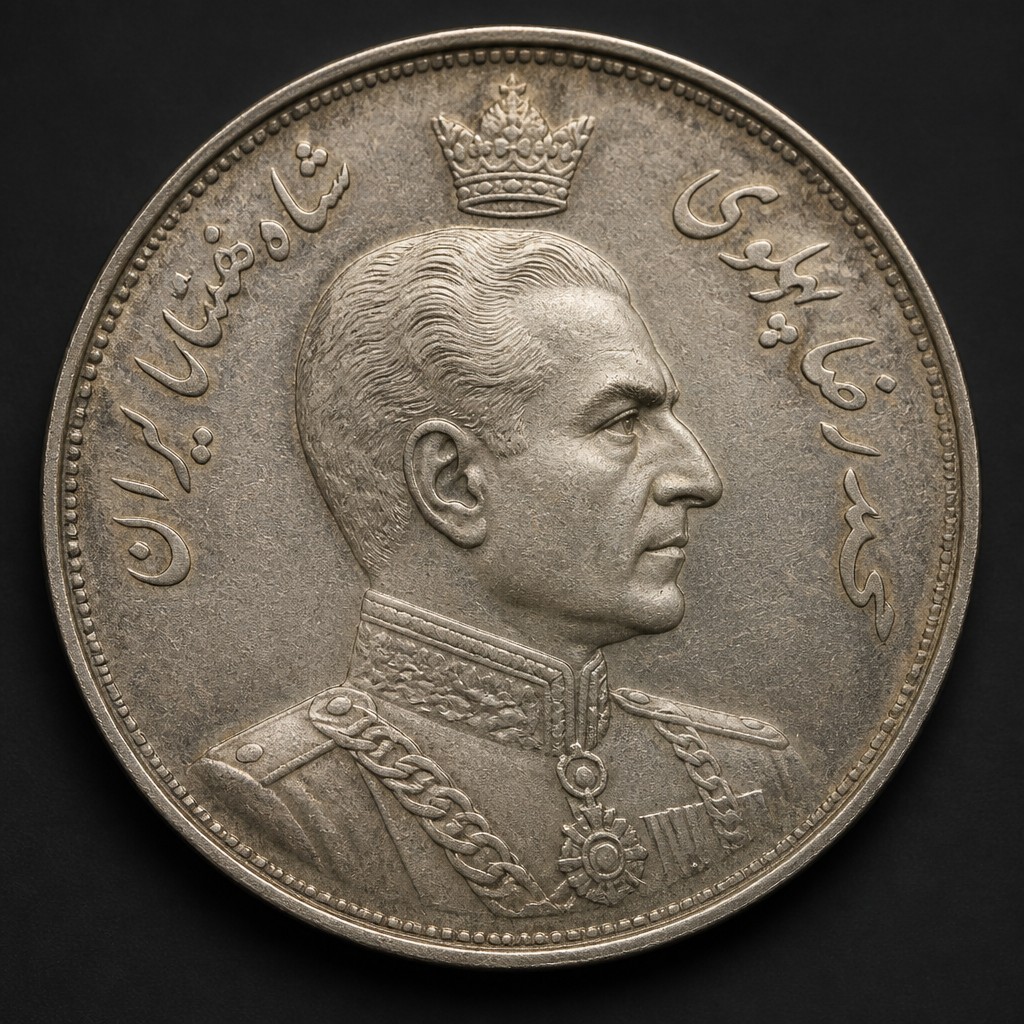
Iranian Rial
1932–present
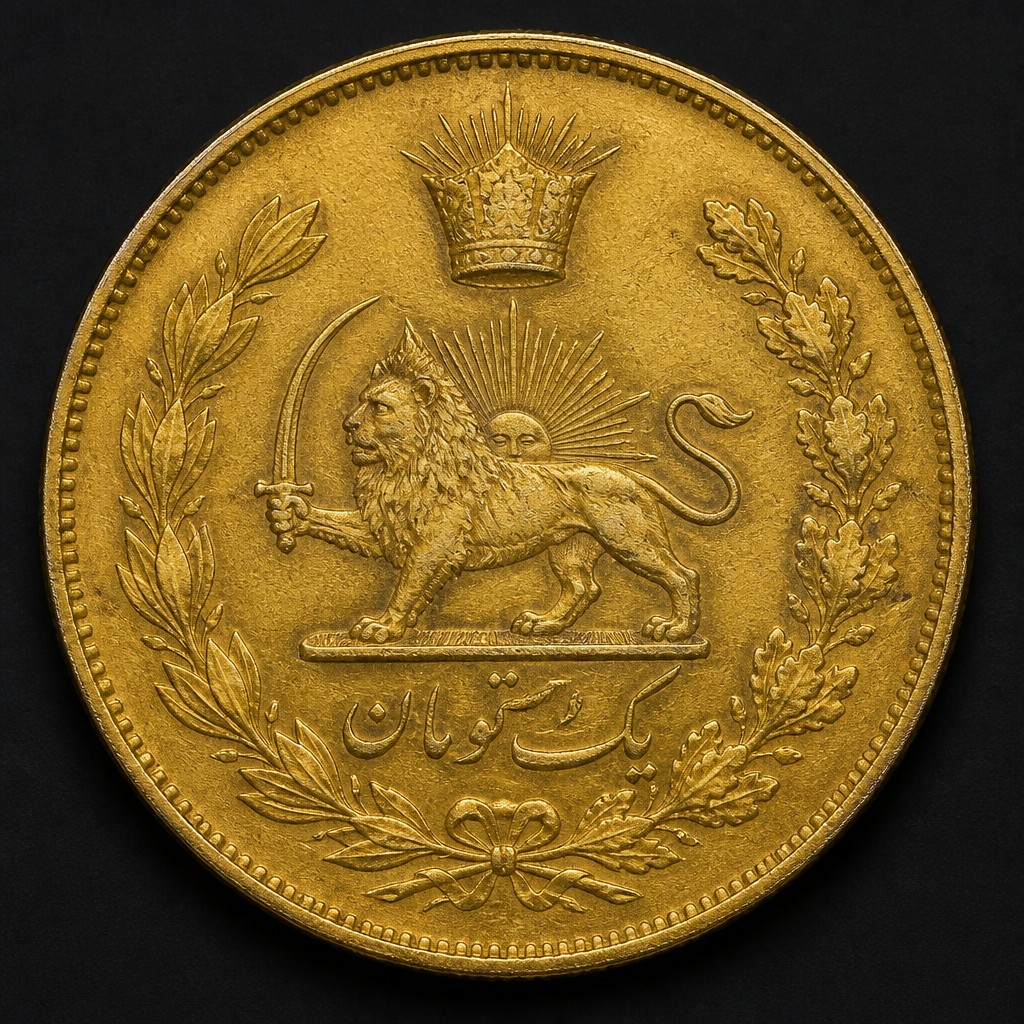
Persian Gold Toman (Qajar)
1796–1925
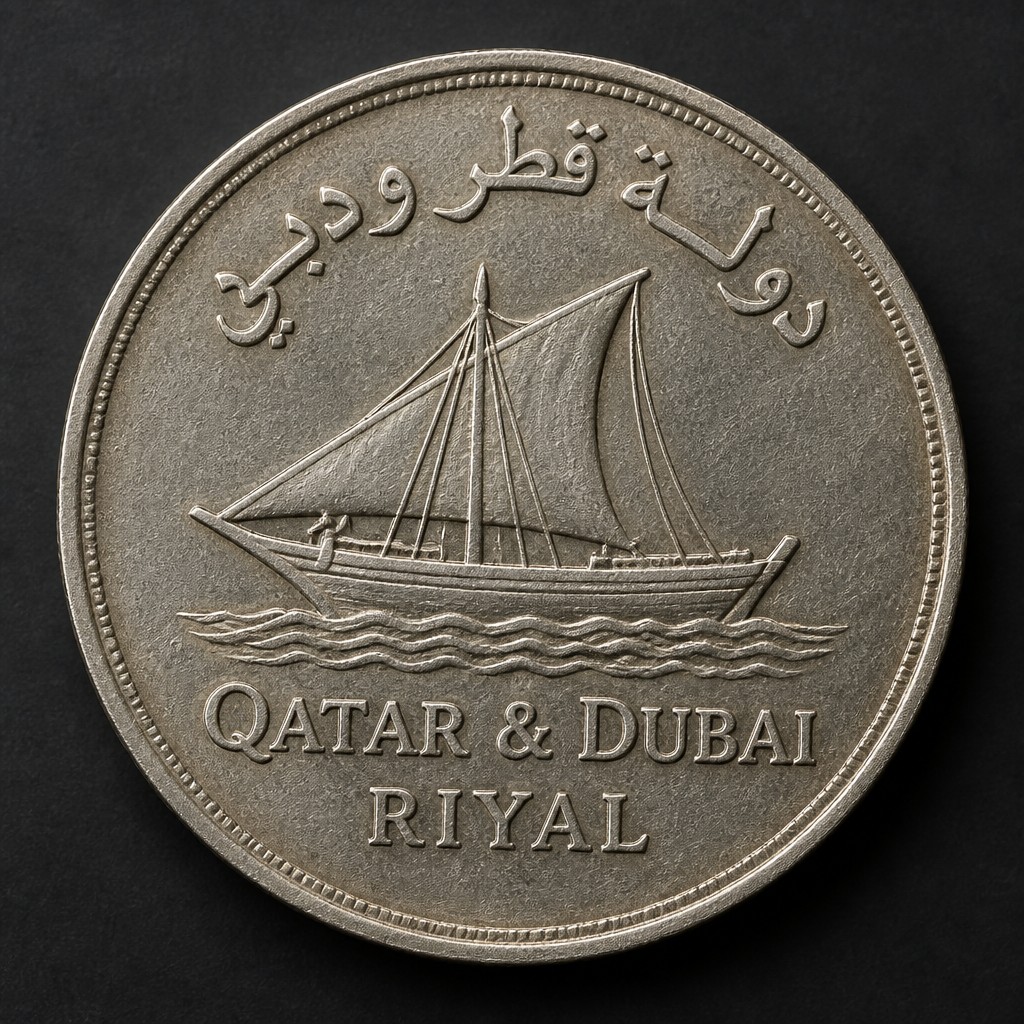
Qatar and Dubai Riyal
1966–1973
British India Rupee (Silver)
1835–1947