
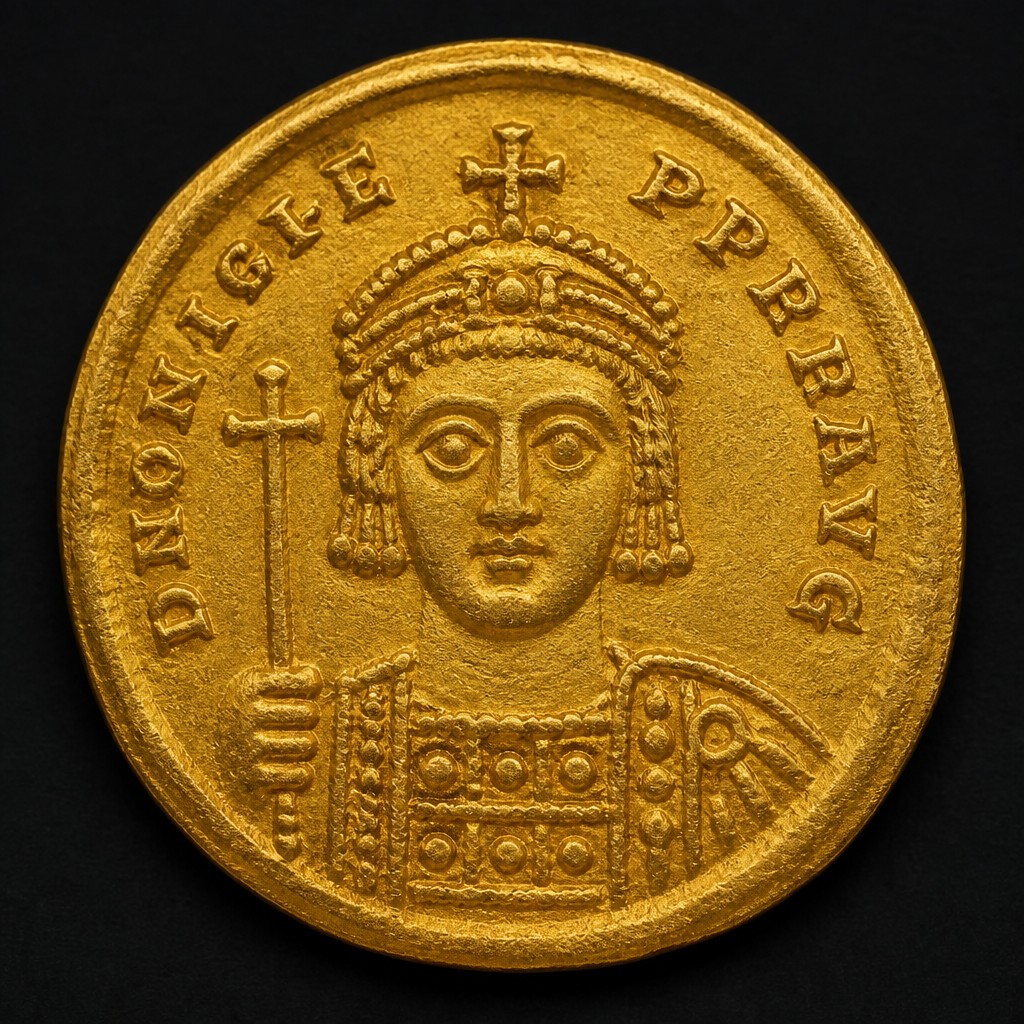
Byzantine Solidus
The gold standard coin of the Byzantine Empire for over 700 years, the solidus funded an empire, financed trade across three continents, and remained one of history's most stable currencies.
- Country
- Byzantine Empire (Eastern Roman Empire)
- Denomination
- Solidus
- Metal
- Gold (originally near 24 karat, later debased)
Got a coin like this?
Identify any coin from a photo, free.
Overview
The solidus was the backbone of Byzantine finance, a small, thick gold coin that held its weight and fineness with remarkable consistency for centuries. Its reliability made it the dominant international currency of the early medieval Mediterranean and Near East, trusted by merchants, kings, and caliphs alike.
Collectors are drawn to the solidus both for its historical sweep, spanning the reigns of dozens of emperors from Constantine the Great through the Komnenian dynasty, and for its often striking religious and imperial imagery, which shifted over time from classical Roman portraiture to distinctly Byzantine, icon-like representations of Christ and the emperor.
Because so many emperors and mints produced solidi over such a long span, the series offers an accessible entry point into ancient and early medieval coinage, ranging from common later issues to genuinely rare early types.
History & Background
Emperor Constantine the Great introduced the solidus in the early 4th century AD as a replacement for the debased aureus, fixing its weight at roughly 1/72 of a Roman pound of gold. It became the principal gold coin of the Roman and then Byzantine world, prized for its consistent purity, often close to 24 karats, through most of its history.
Successive emperors used the solidus for imperial propaganda, placing their own portraits, and later religious imagery, on the coin. Justinian I, Heraclius, and later emperors like Basil II issued solidi that reflected the political and religious currents of their reigns, including the increasing prominence of Christian iconography such as images of Christ Pantokrator.
The coin's integrity finally eroded in the 11th century under financial pressure from wars and internal crises, particularly under Constantine IX and his successors, leading to progressive debasement until Alexios I Komnenos reformed the currency in 1092, replacing the solidus with the hyperpyron.
How to Identify
Early solidi typically show a right- or three-quarter-facing imperial bust on the obverse, often wearing a diadem, helmet, or imperial regalia, with a Latin or Greek legend naming the emperor. Reverse designs varied widely over time, including a standing Victory, a cross on steps, or, from the 7th century onward, images of Christ or the Virgin Mary alongside the emperor.
The coin is small and thick, typically around 20mm in diameter and 4.5 grams, struck in high-purity gold that gives it a distinctly rich yellow color compared to lower-karat medieval gold coins. Mint marks and officina letters often appear in the exergue, helping identify the mint, most commonly Constantinople but also Thessalonica, Ravenna, Carthage, Antioch, and other regional mints depending on the period.
Because solidi were struck for so long, dating a specific example generally requires matching the portrait style, legend, and reverse type to a specific emperor's reign using reference catalogs of Byzantine coinage, since many issues look superficially similar to the untrained eye.
Value & Collectibility
Common solidi from well-documented emperors such as Justinian I, Basil II, or the many 10th and 11th century rulers are relatively affordable and widely available, often trading in the low hundreds of dollars in decent condition. Solidi from earlier or shorter reigns, unusual mints, or emperors with limited surviving coinage can be considerably more valuable, sometimes reaching into the thousands of dollars.
Condition, strike quality, and centering matter, but for many collectors the primary appeal is historical: owning a coin tied to a specific, often well-documented emperor. Coins in high grade with sharp portraits and full legends command a premium over the more common, softly struck or off-center examples typically found in the market.
Frequently asked questions
What is a Byzantine solidus?
It is the standard gold coin of the Byzantine Empire, introduced by Constantine the Great in the early 4th century and used for over 700 years.
How pure is the gold in a solidus?
For most of its history the solidus was struck in gold close to 24 karats, though purity declined in the coin's final century of use.
Why did the solidus stop being minted?
Financial pressures and repeated debasement in the 11th century degraded the coin until Emperor Alexios I Komnenos replaced it with a new gold coin, the hyperpyron, in 1092.
Are Byzantine solidi expensive to collect?
Common examples from well-known emperors can be acquired relatively affordably, while rare emperors, mints, or types can be considerably more costly.
How can I tell which emperor issued my solidus?
The obverse legend usually names the emperor directly, though matching the portrait and reverse design to a reference catalog is often needed to confirm the exact ruler and mint.
Other coins you may enjoy
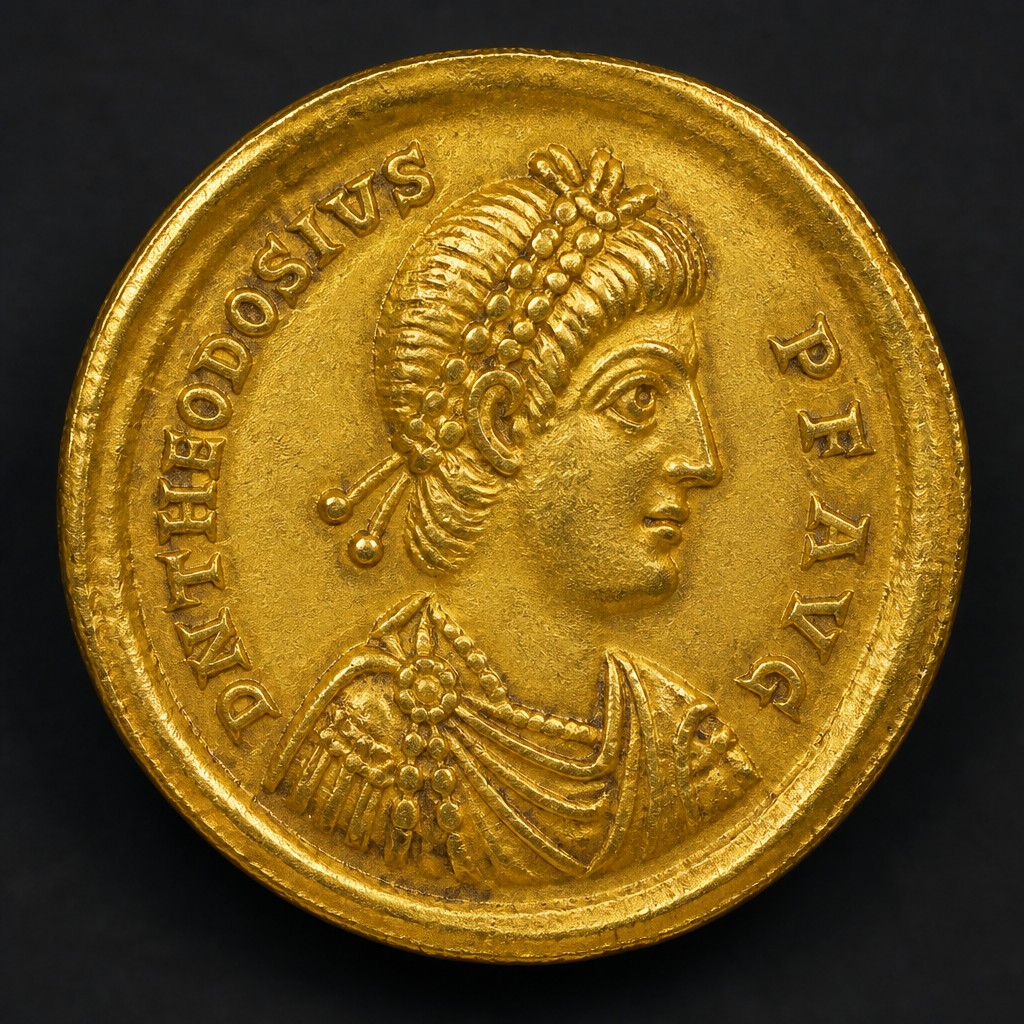
Theodosius I Solidus
379–395 AD
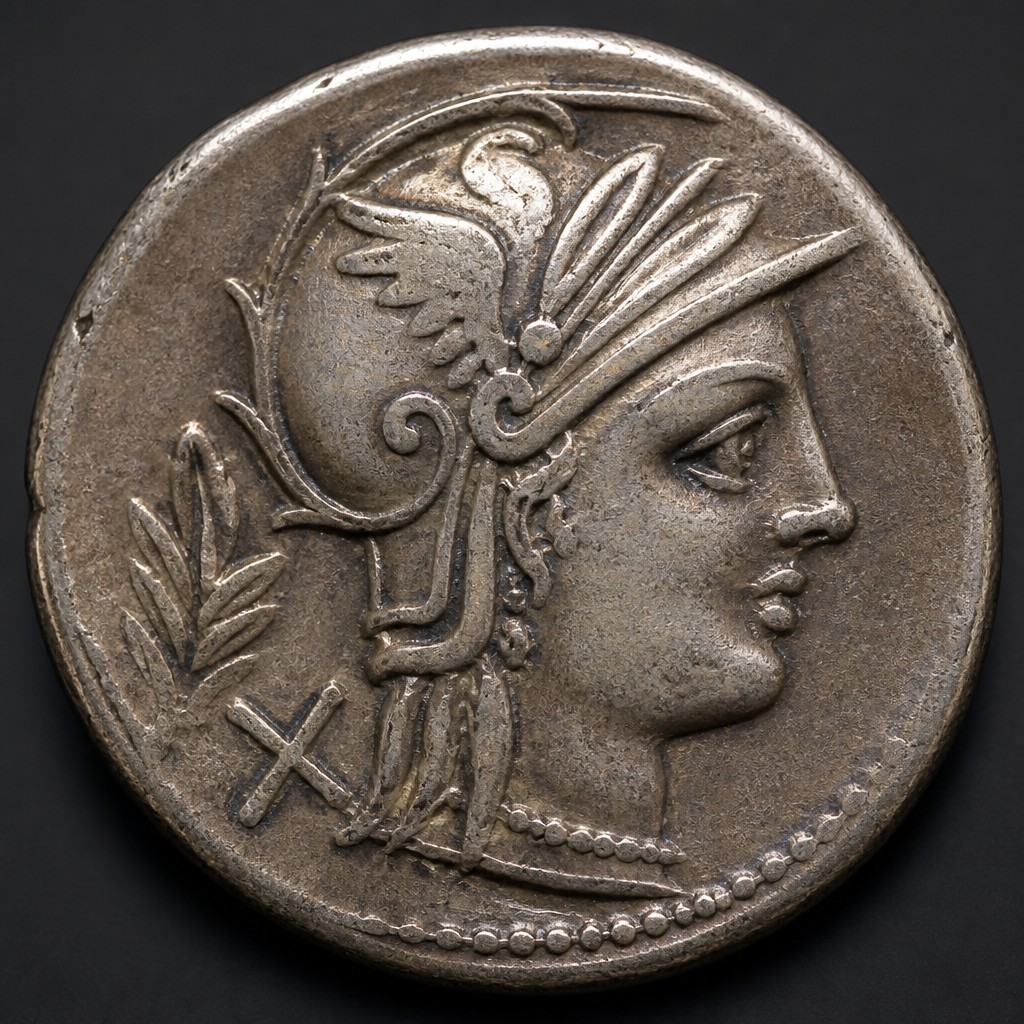
Republican Victoriatus
c. 211–170 BC
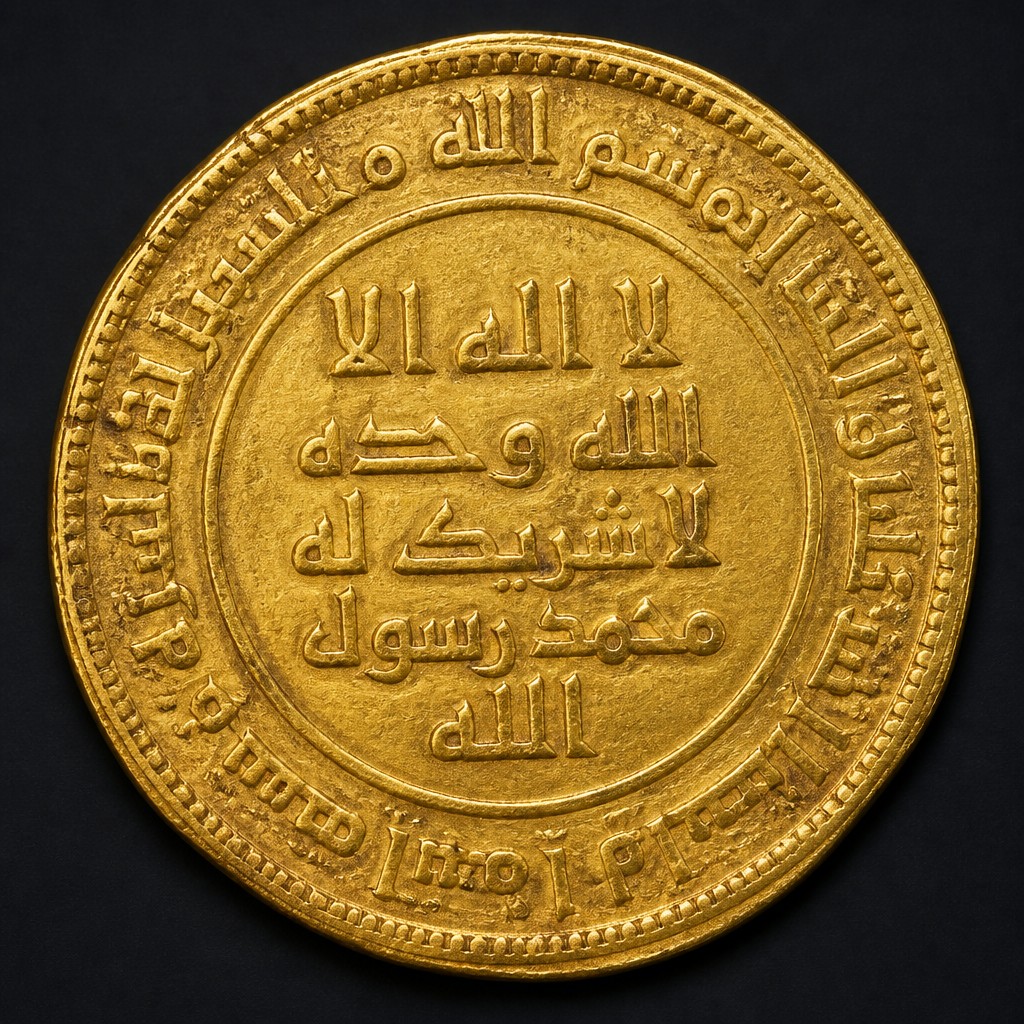
Islamic Gold Dinar (Umayyad)
c. 696–750 AD
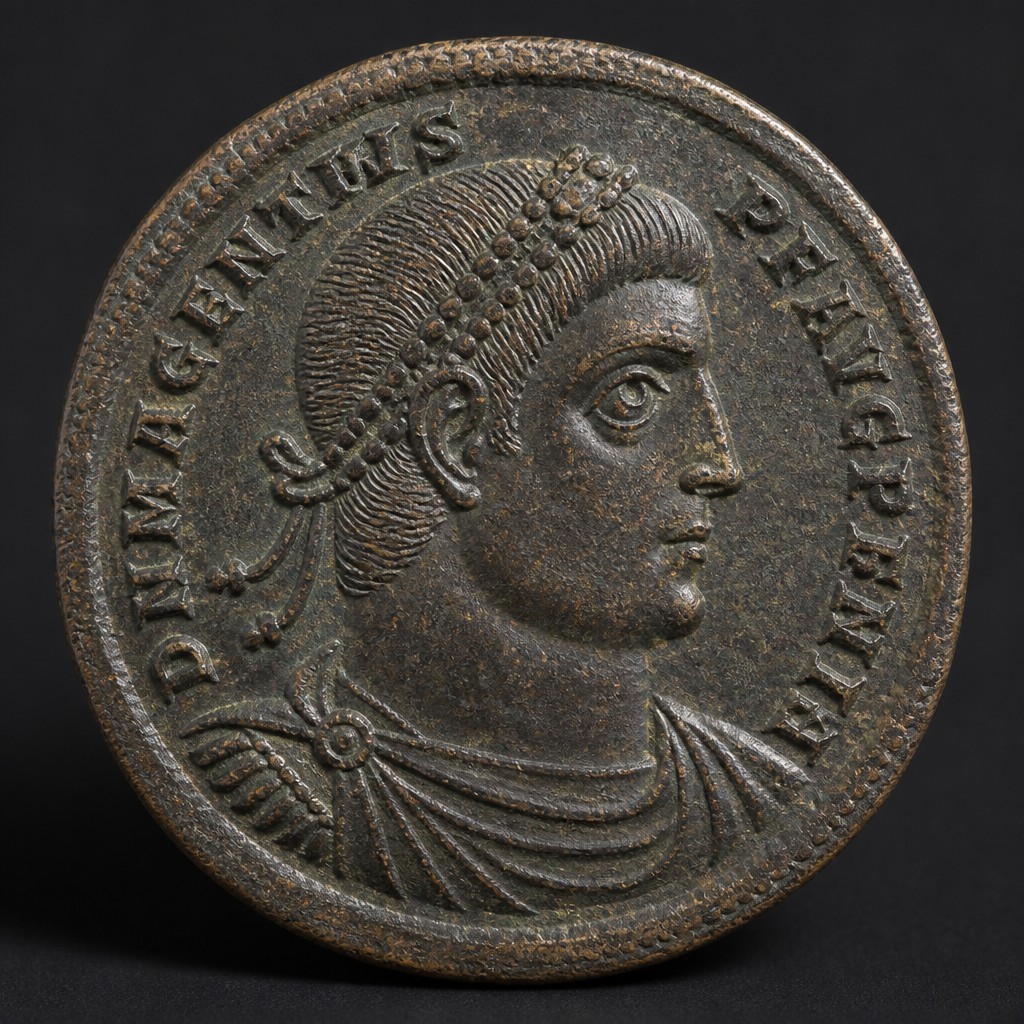
Magnentius Double Centenionalis
350–353 AD
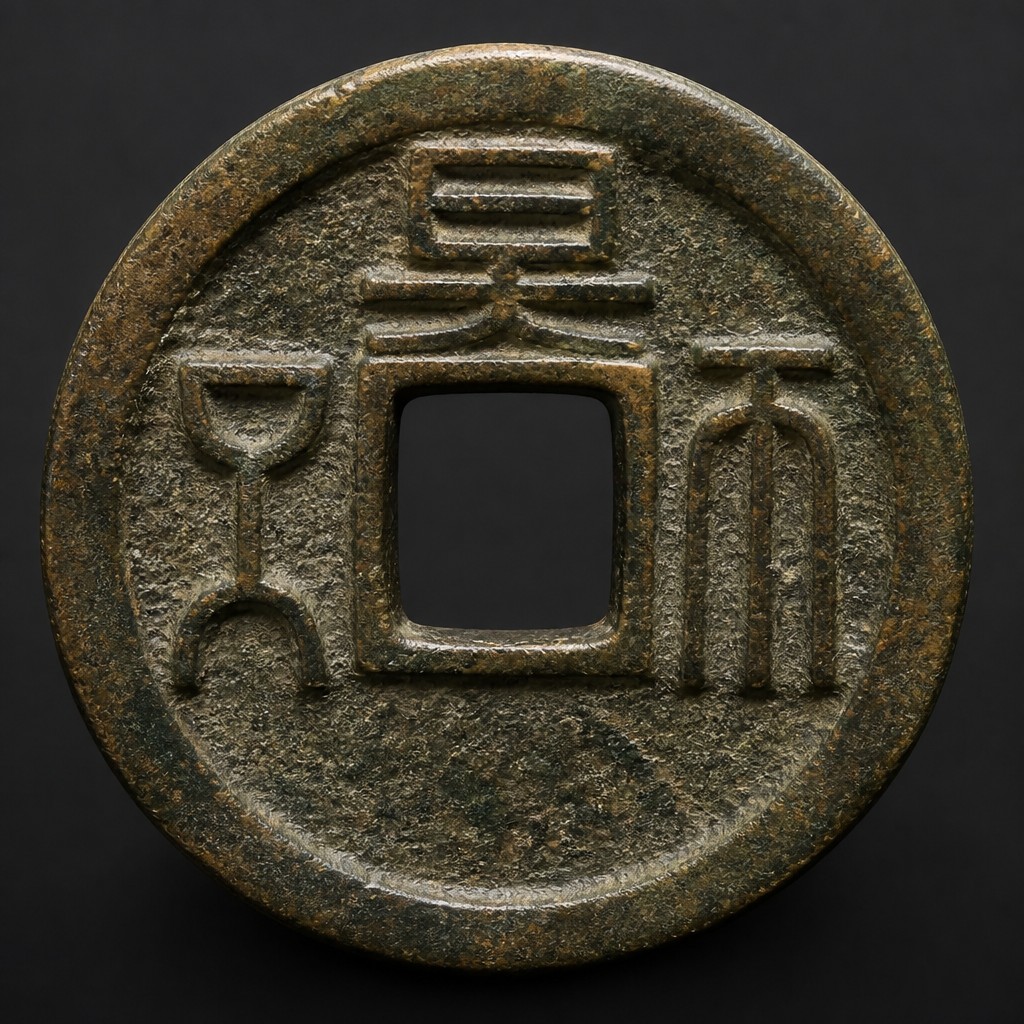
Chinese Wu Zhu Cash
118 BC – 618 AD
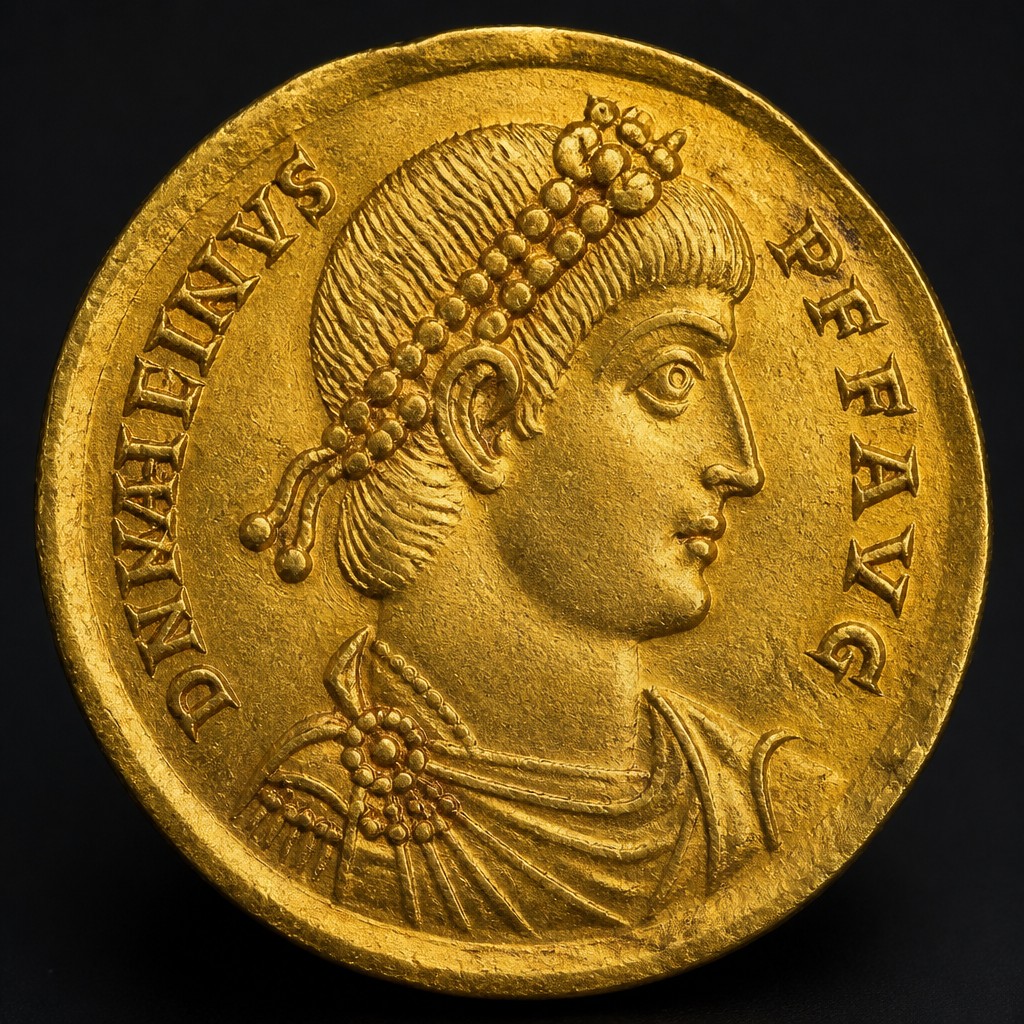
Valentinian I Solidus
364–375 AD
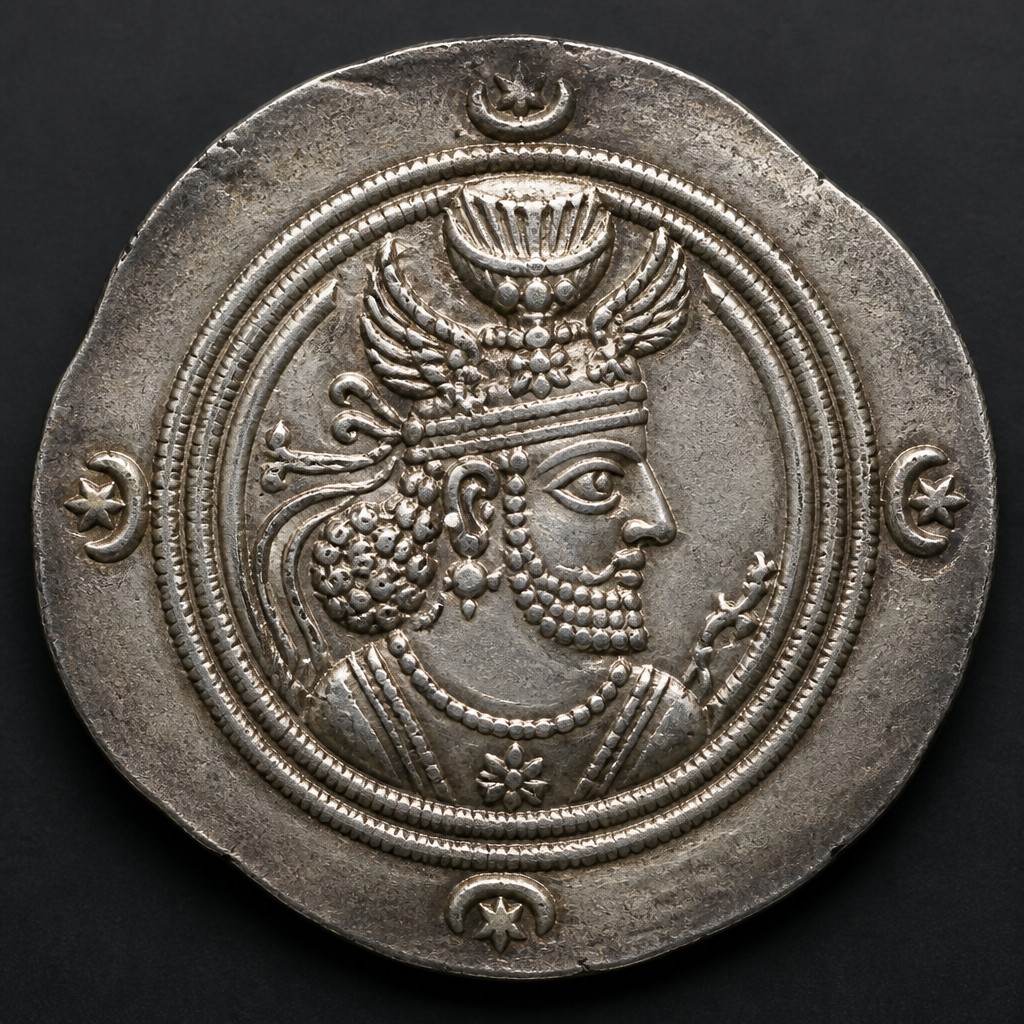
Sassanian Silver Drachm
c. 224–651 AD
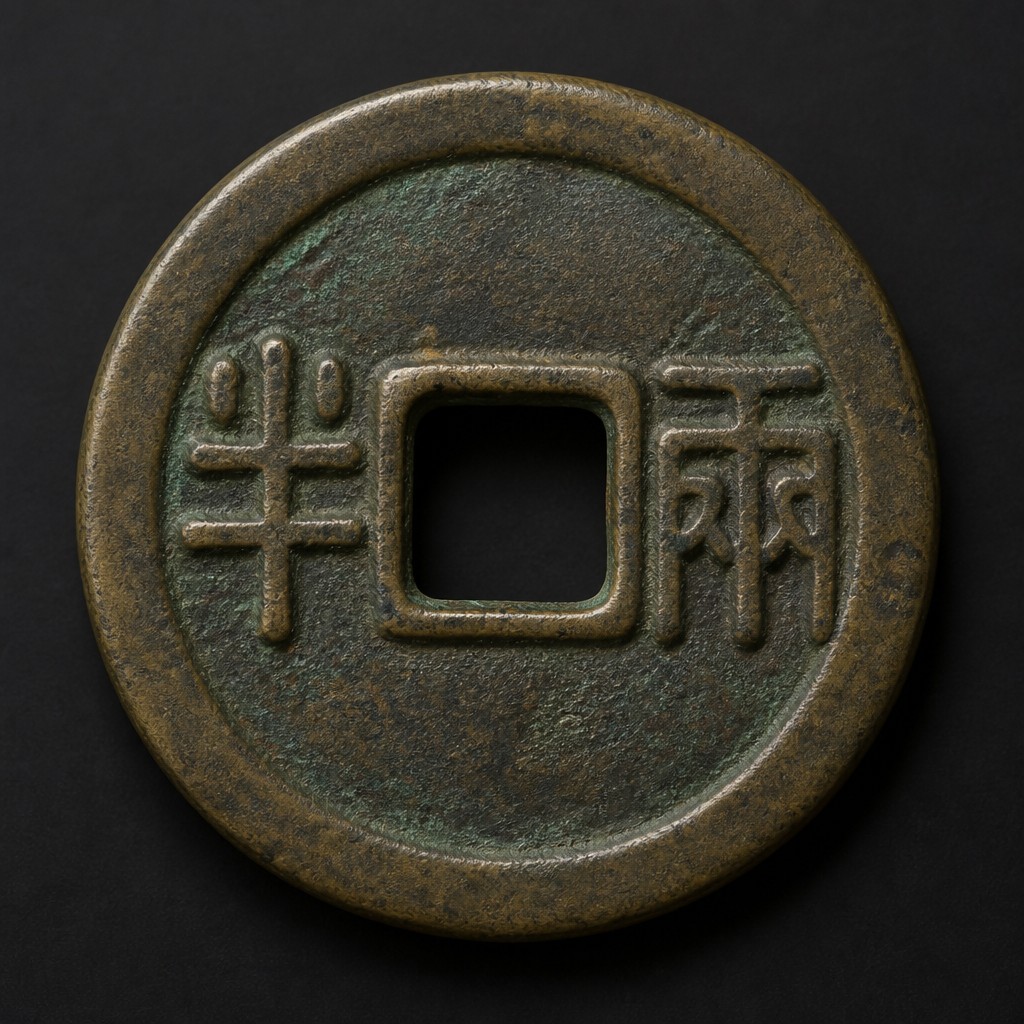
Chinese Ban Liang Cash
c. 221–118 BC
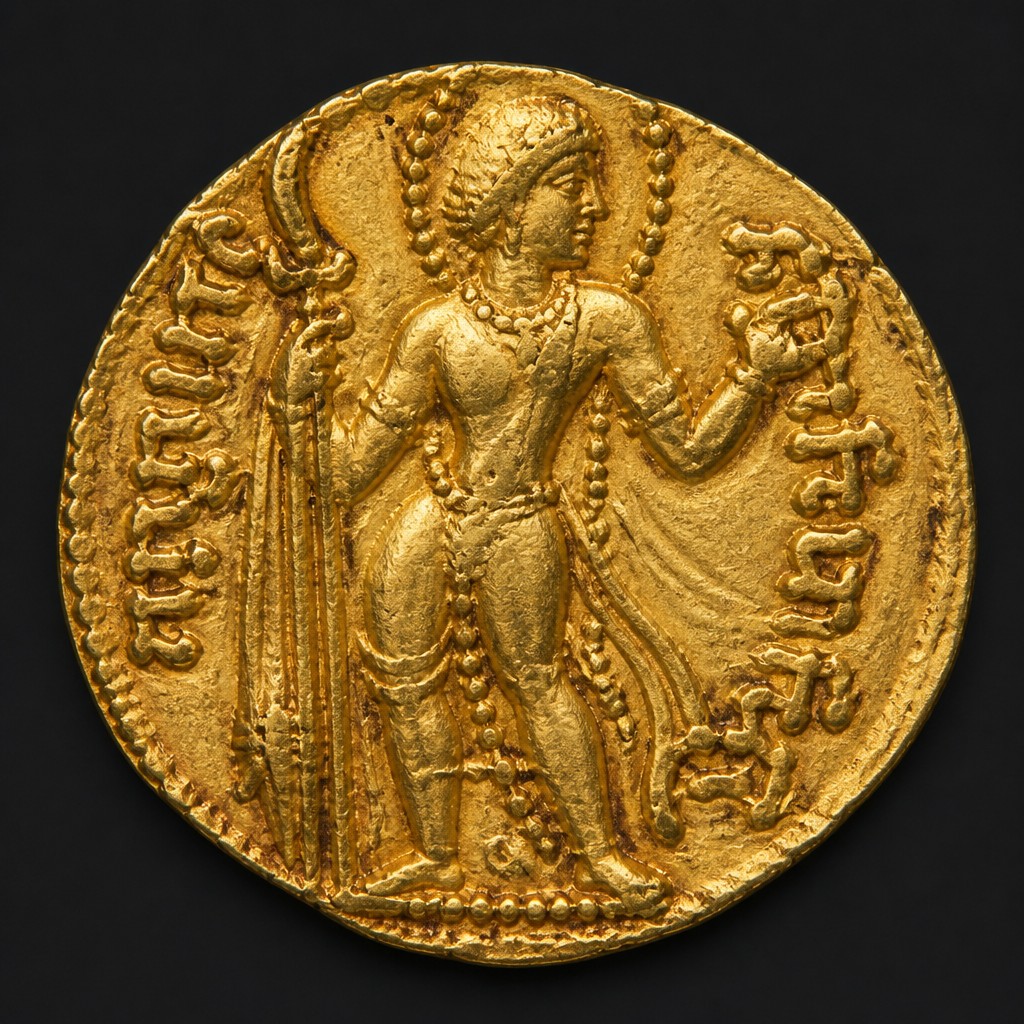
Gupta Empire Gold Dinar
c. 320–550 AD
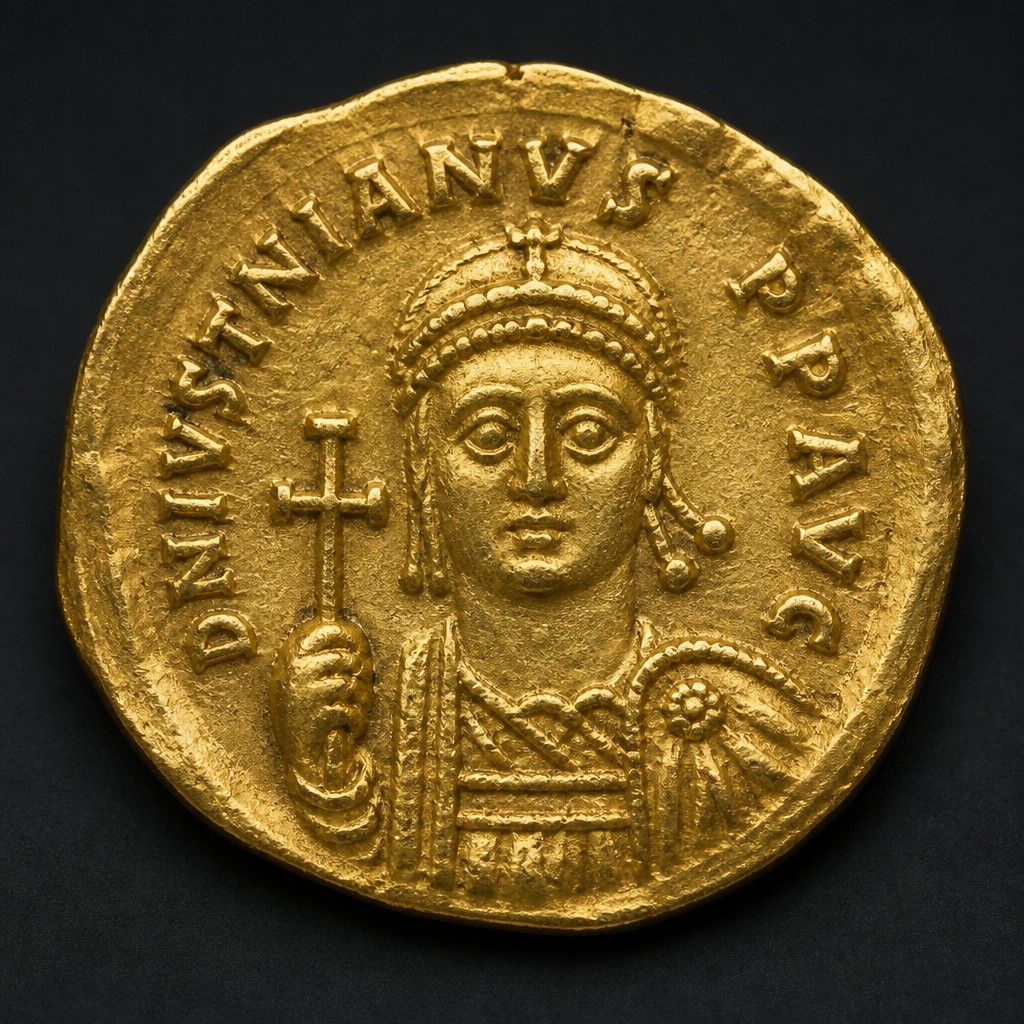
Byzantine Gold Tremissis
c. 4th–7th century AD
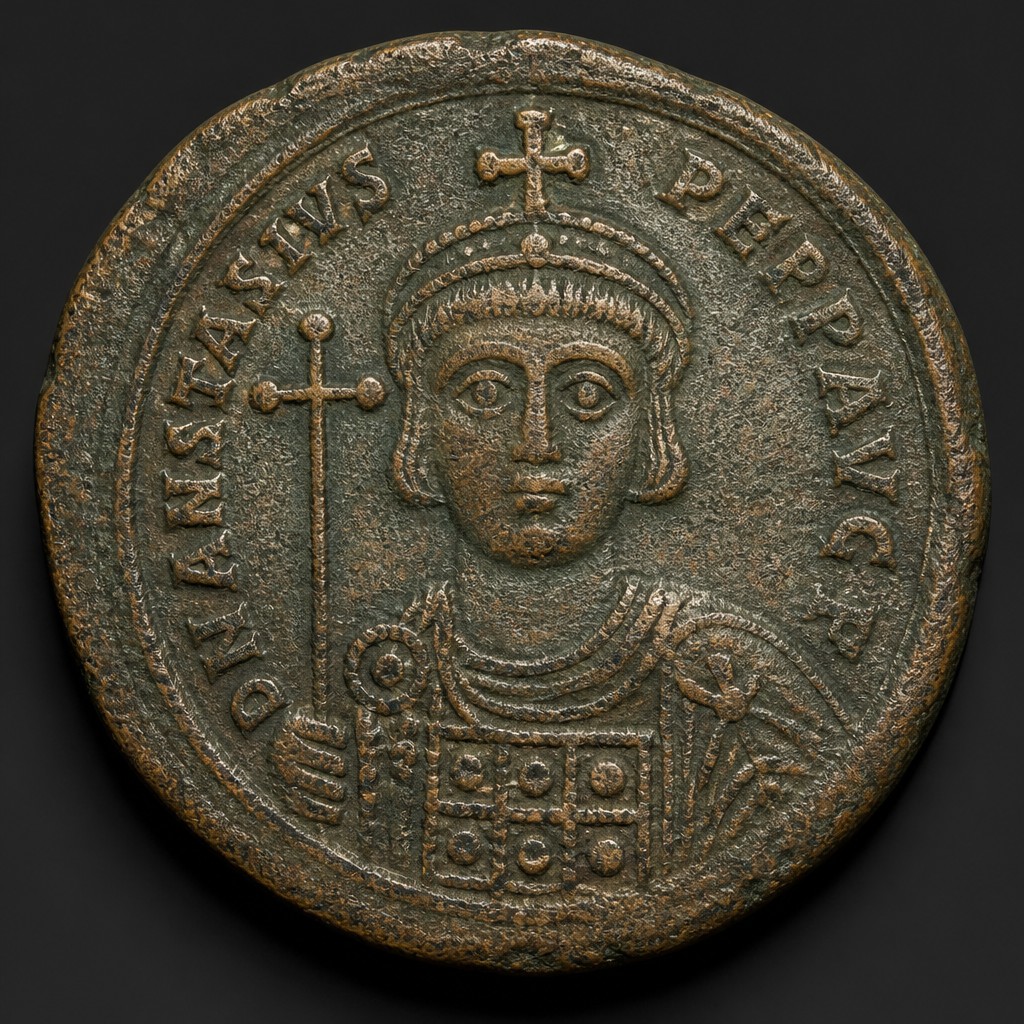
Byzantine Follis
498–c. 11th century AD
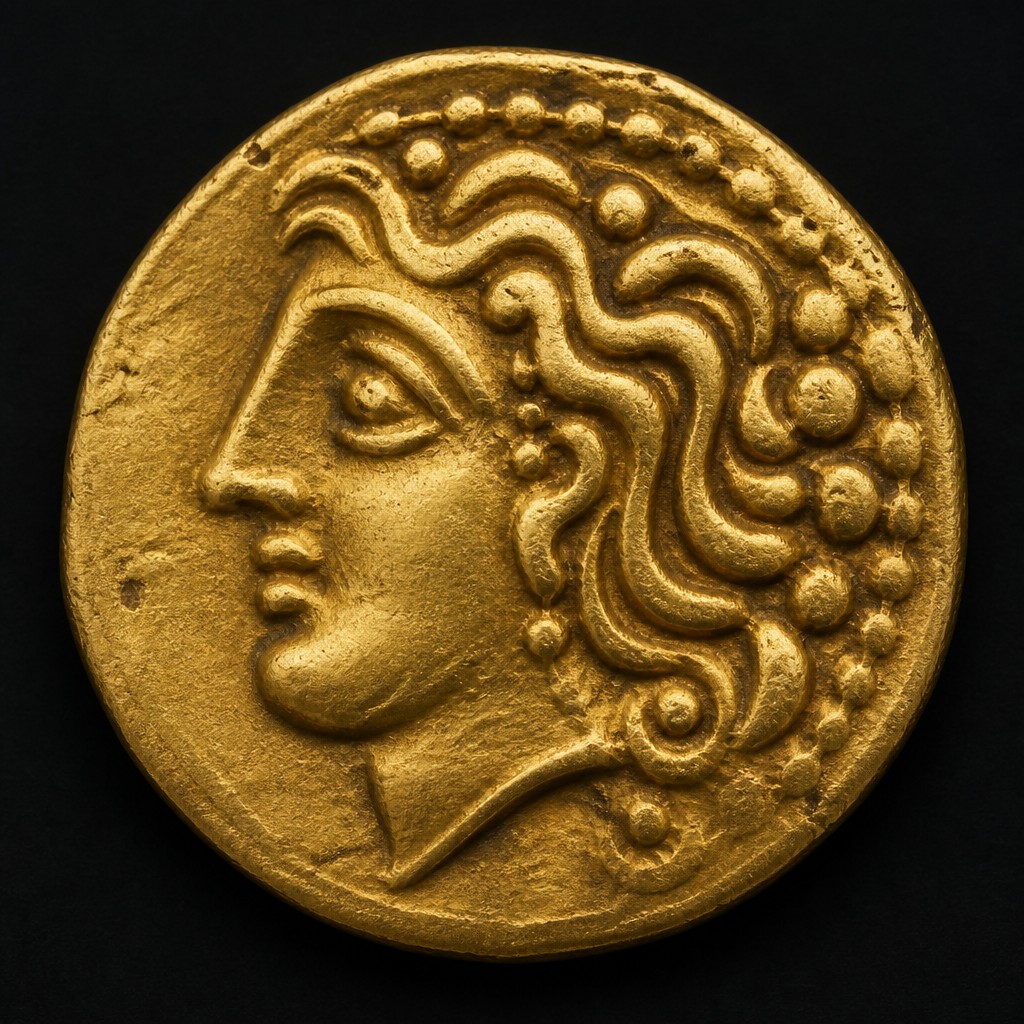
Celtic Gold Stater
c. 3rd century BC – 1st century AD