
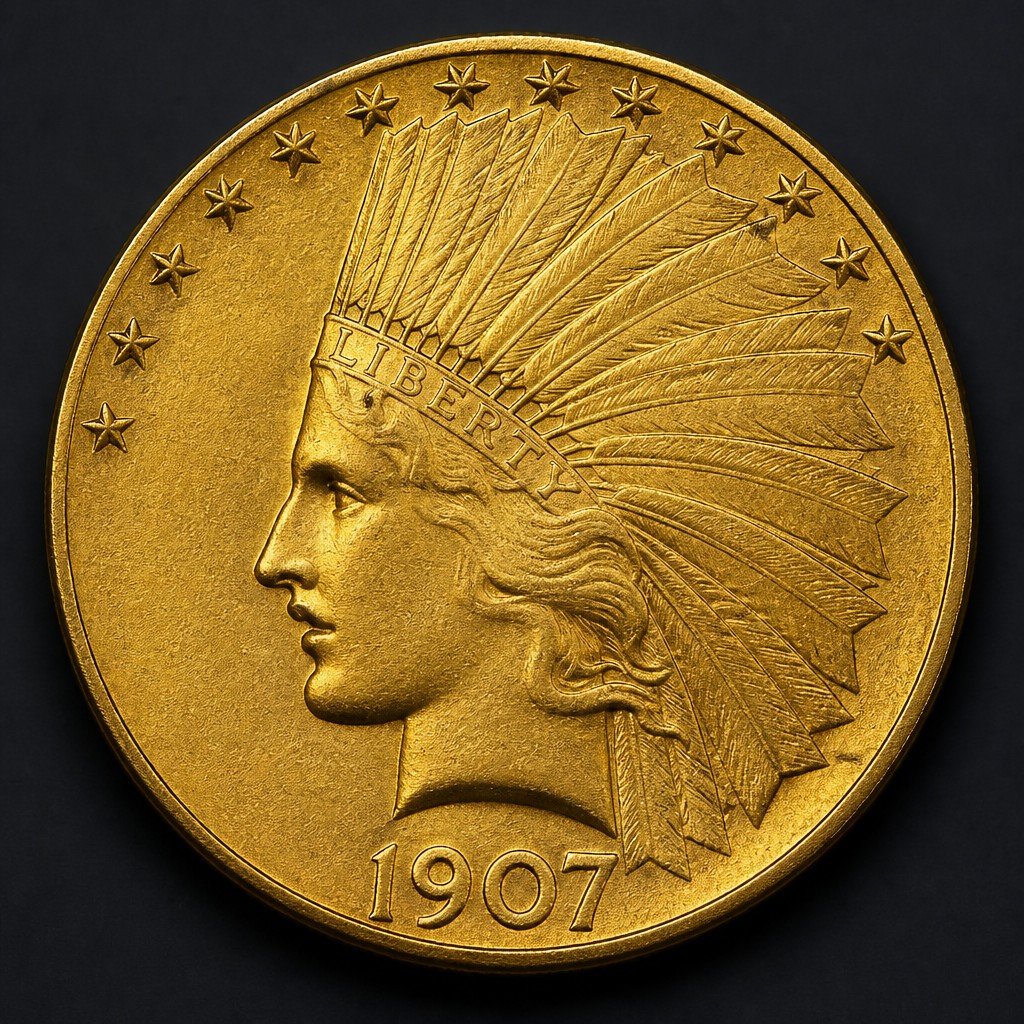
Indian Head Gold Eagle ($10)
A striking early 20th-century $10 gold coin designed under President Theodore Roosevelt's coinage renaissance, featuring an incuse (recessed) design and a Native American-style Liberty portrait.
- Country
- United States
- Denomination
- Ten Dollars (Eagle)
- Metal
- Gold (.900 fine)
Got a coin like this?
Identify any coin from a photo, free.
Overview
The Indian Head eagle is among the most artistically admired coins produced by the United States Mint, the result of President Theodore Roosevelt's personal push to elevate American coinage to the standard of ancient Greek art. Sculptor Augustus Saint-Gaudens, whom Roosevelt commissioned for the redesign project, died before completing this denomination, and the eagle's unusual incuse design was carried out based on his concepts.
Collectors prize the series both for its historic ties to the Roosevelt-era coinage renaissance and for its technically unusual incuse relief, in which the design is sunk into the coin's surface rather than raised above it, a technique rarely used before or since in U.S. coinage.
History & Background
President Theodore Roosevelt, dissatisfied with the artistic quality of contemporary American coinage, recruited renowned sculptor Augustus Saint-Gaudens around 1905 to redesign the nation's gold coinage. Saint-Gaudens developed concepts for both the eagle and double eagle, drawing inspiration from ancient Greek coins he admired, but died in 1907 before the designs were finalized, leaving Mint engravers to complete and adapt his work.
The resulting $10 gold eagle, released in 1907, replaced the long-running Liberty Head (Coronet) eagle and departed dramatically in style, depicting Liberty wearing a Native American war bonnet and using an incuse design in which the devices are recessed below the coin's field rather than raised, an experimental technique intended in part to improve the coin's wearing characteristics.
The series continued until 1933, when, amid the Great Depression and President Franklin Roosevelt's suspension of the domestic gold standard, gold coin production and private gold ownership were curtailed, ending regular issuance; the 1933 eagle exists but was never officially released for circulation in significant numbers.
How to Identify
The obverse depicts Liberty facing left wearing a Native American feathered war bonnet, with LIBERTY on the headband, thirteen stars around the border, and the date below. The reverse shows a standing eagle grasping an olive branch, perched on a bundle of arrows, with UNITED STATES OF AMERICA and TEN DOLLARS around the border; the motto IN GOD WE TRUST was added starting in 1908, after its initial omission drew public criticism.
The coin's most distinctive physical feature is its incuse design, meaning the raised elements of the design are actually recessed into the coin rather than standing above the surface, a technique that gives the coin a notably different feel and appearance from typical raised-relief coinage. The mint mark, when present, is found on the reverse to the left of the arrow bundle near the rim; coins without a mint mark were struck at Philadelphia.
Value & Collectibility
Common-date Indian Head eagles trade largely based on their gold content plus a modest numismatic premium, making certain dates accessible as a way to own historic pre-1933 American gold coinage. Several dates, particularly lower-mintage Denver and San Francisco issues and coins in high uncirculated grades, command significant premiums above bullion value.
Because many of these coins saw circulation or were later melted during gold recalls, well-preserved, high-grade examples of many dates are scarcer than total mintages suggest, and eye appeal, luster, and strike quality all influence price alongside the coin's underlying gold weight.
Frequently asked questions
Who designed the Indian Head eagle?
Augustus Saint-Gaudens developed the concept as part of Theodore Roosevelt's coinage redesign initiative, though he died before the coin was finalized and Mint engravers completed the design.
What does 'incuse' mean on this coin?
It means the design elements are recessed into the coin's surface rather than raised above it, an unusual technique used only briefly in early 20th-century U.S. gold coinage.
How much gold is in an Indian Head eagle?
It contains roughly half a troy ounce of gold (about 0.48375 troy ounces of pure gold), in line with the standard pre-1933 $10 gold coin weight.
Why did production end in 1933?
The Great Depression-era suspension of the gold standard and restrictions on private gold ownership ended regular U.S. gold coin production that year.
Other coins you may enjoy
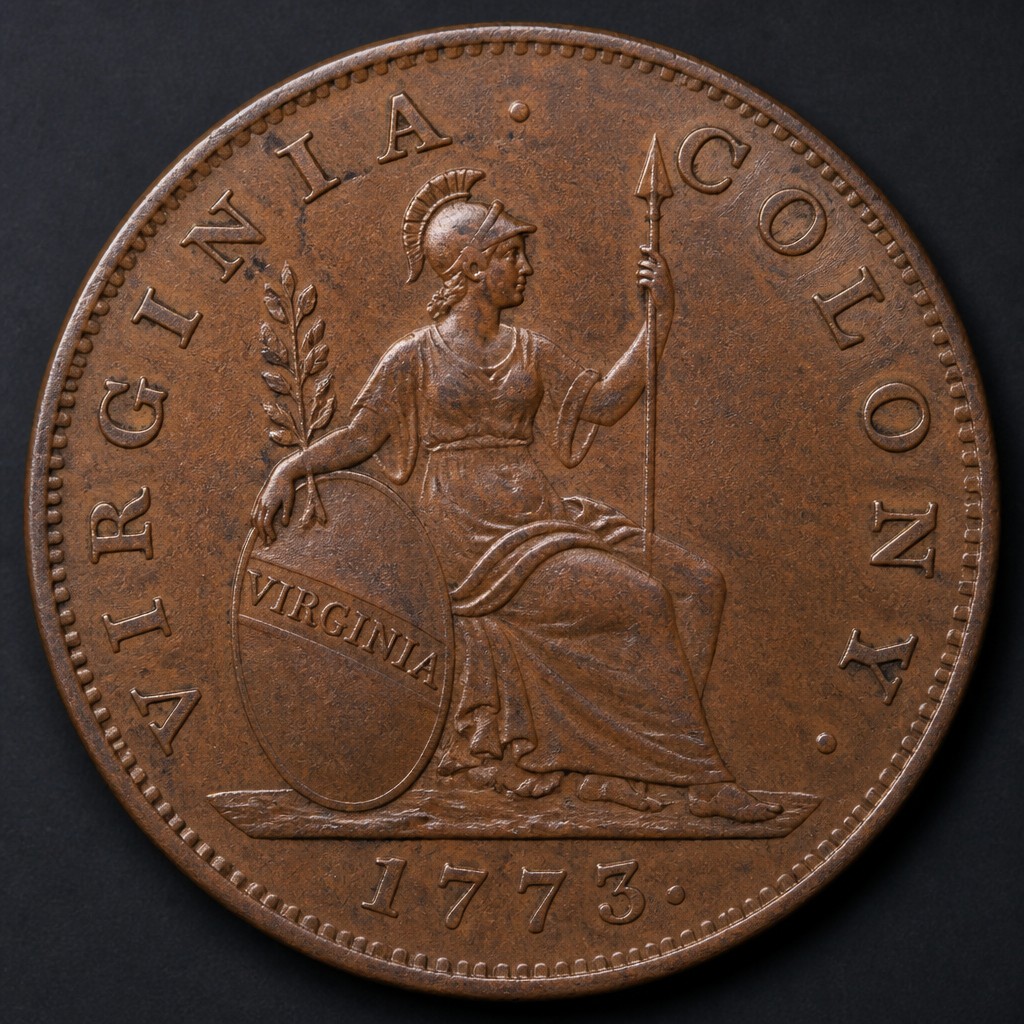
Virginia Halfpenny
1773
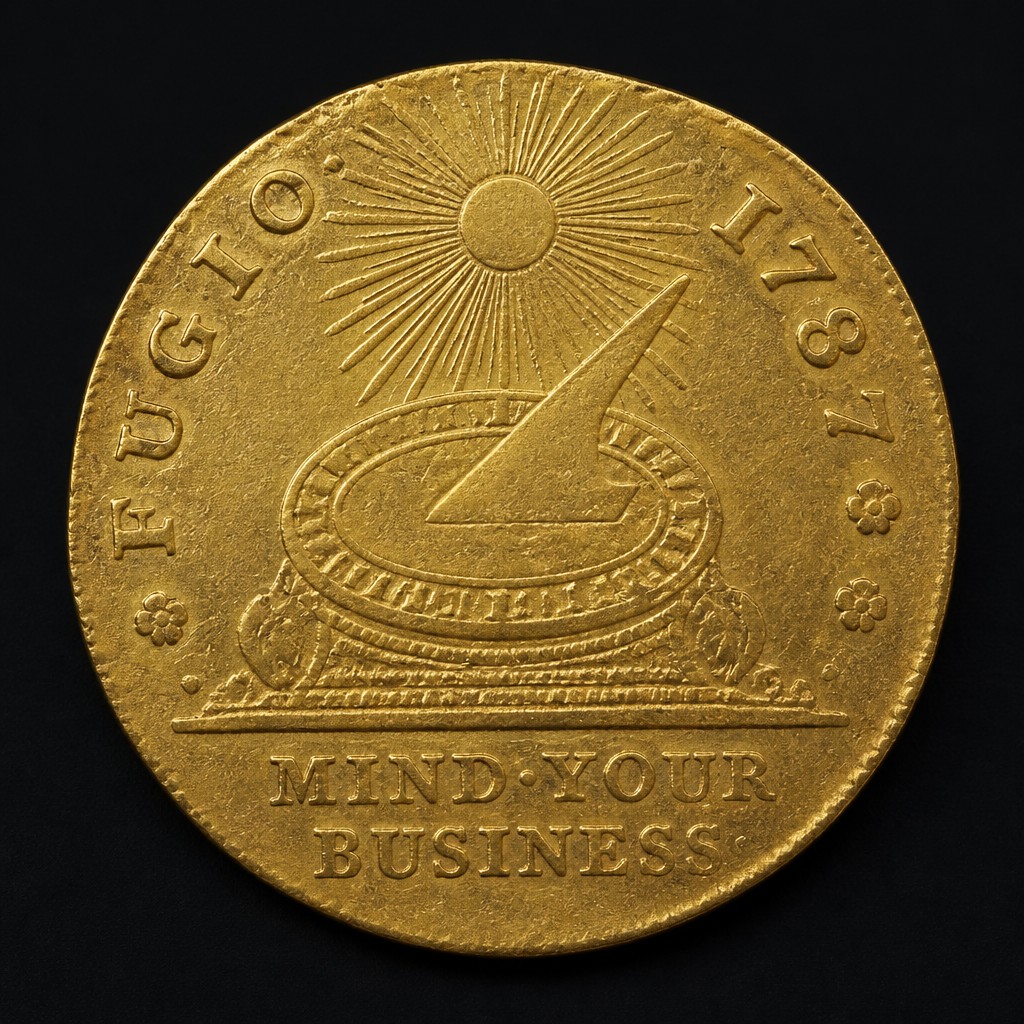
Brasher Doubloon
1787
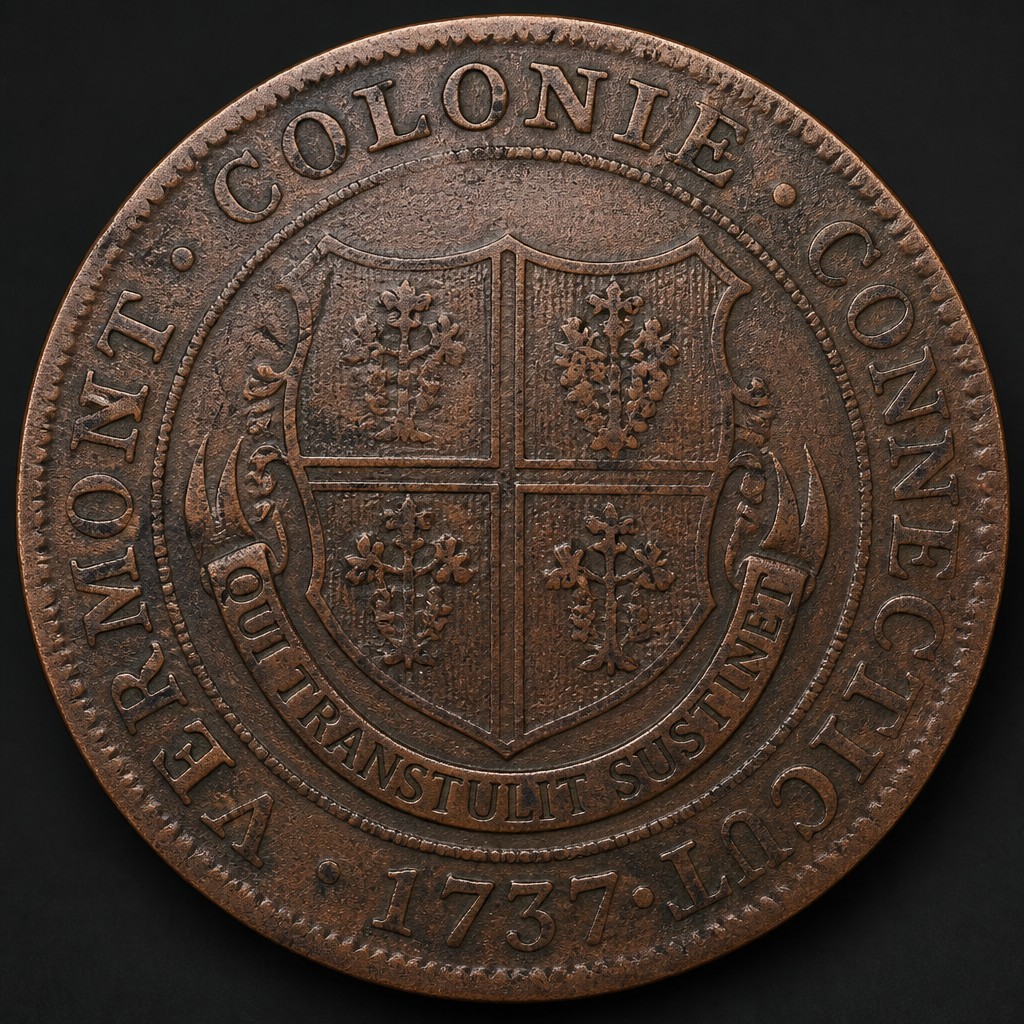
Higley Copper
1737–1739
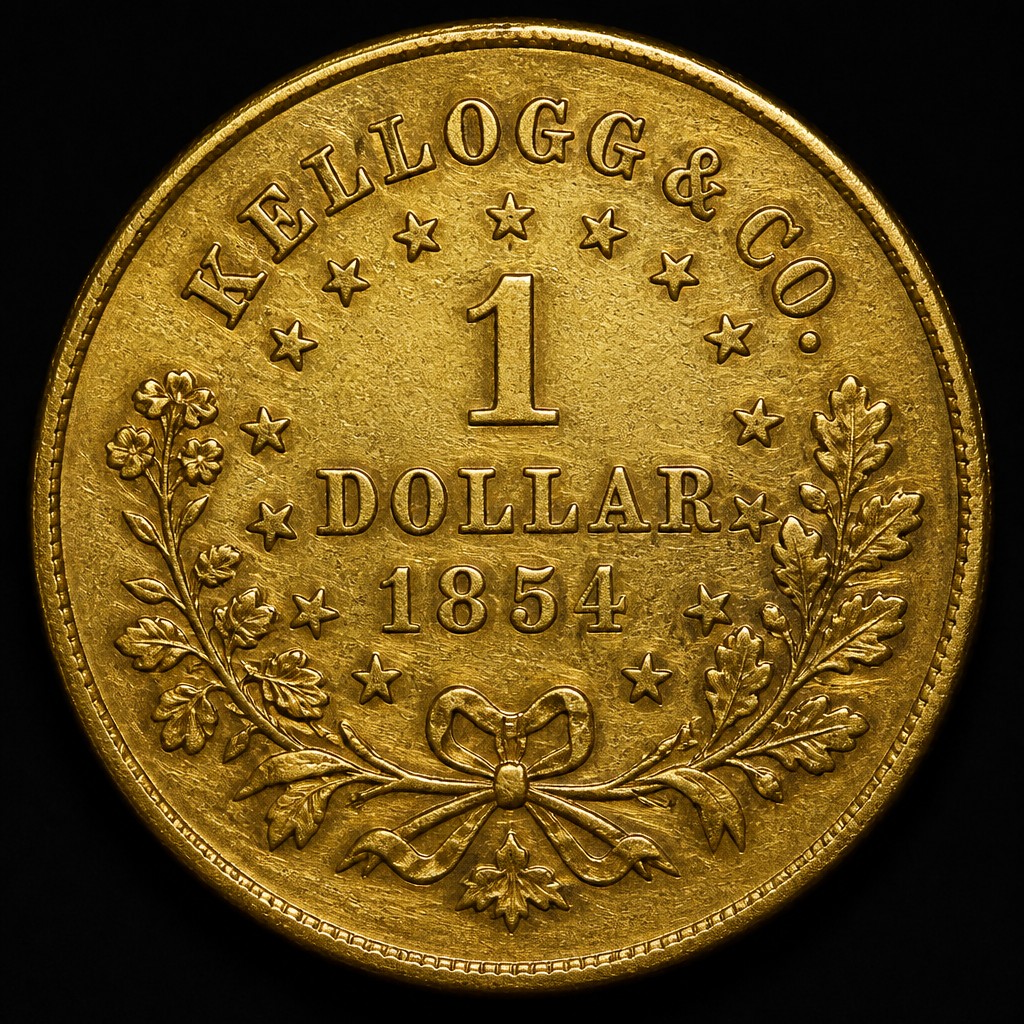
Kellogg & Co. Gold Piece
1854–1855
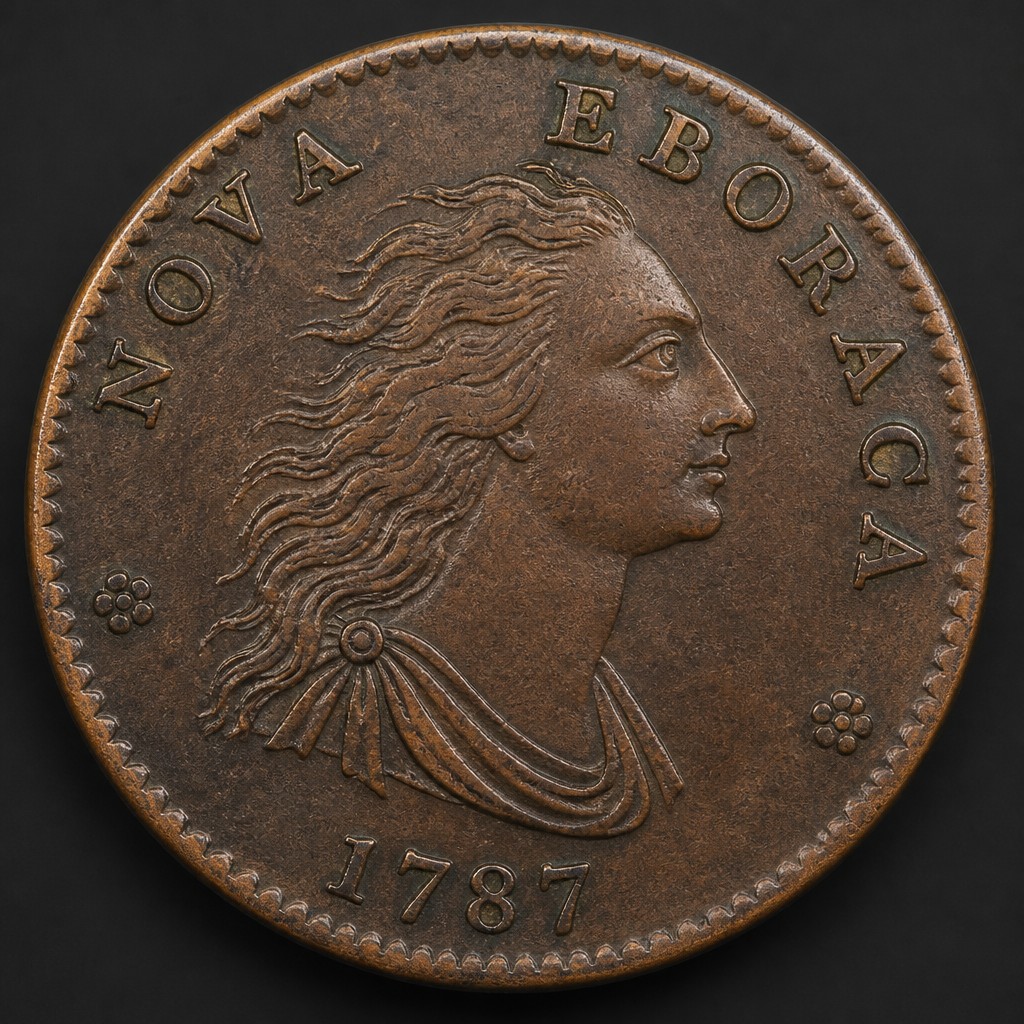
Nova Eborac Copper
1787
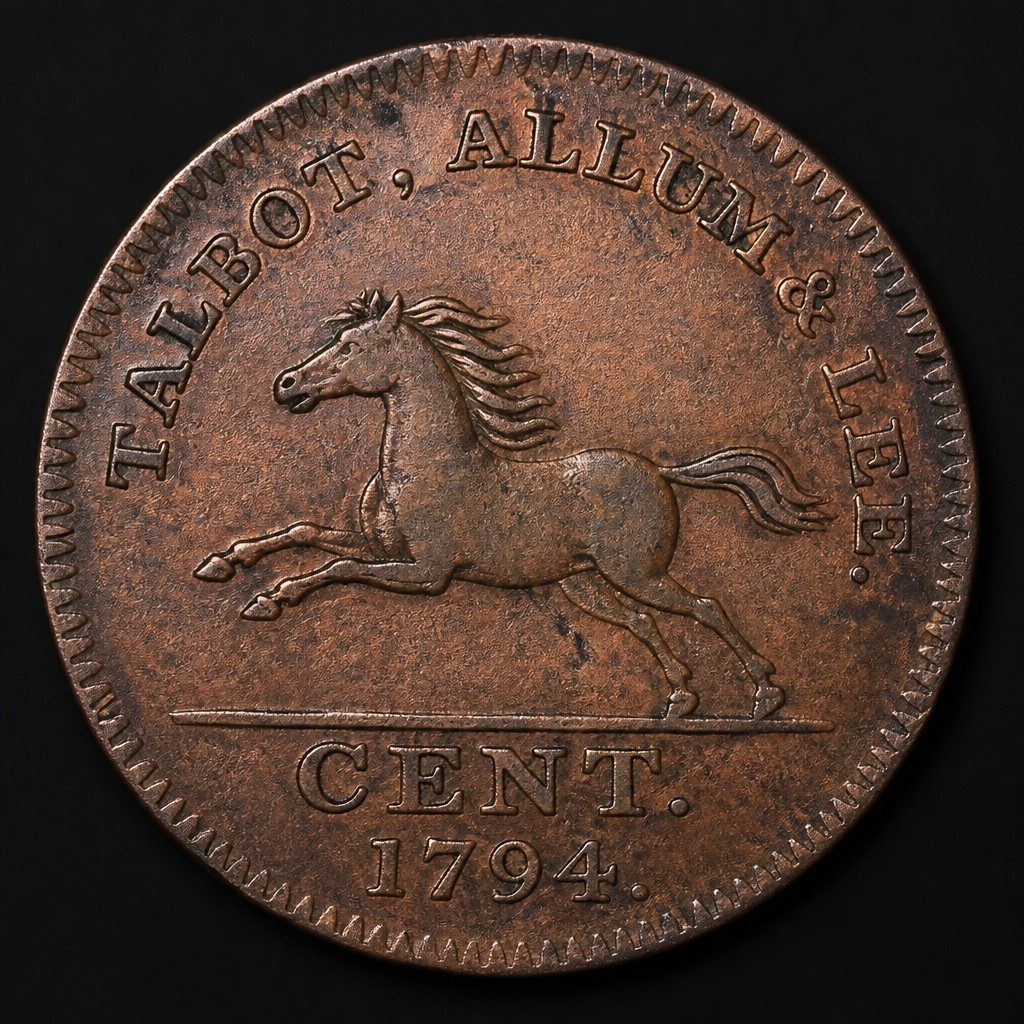
Talbot, Allum & Lee Cent
1794–1795
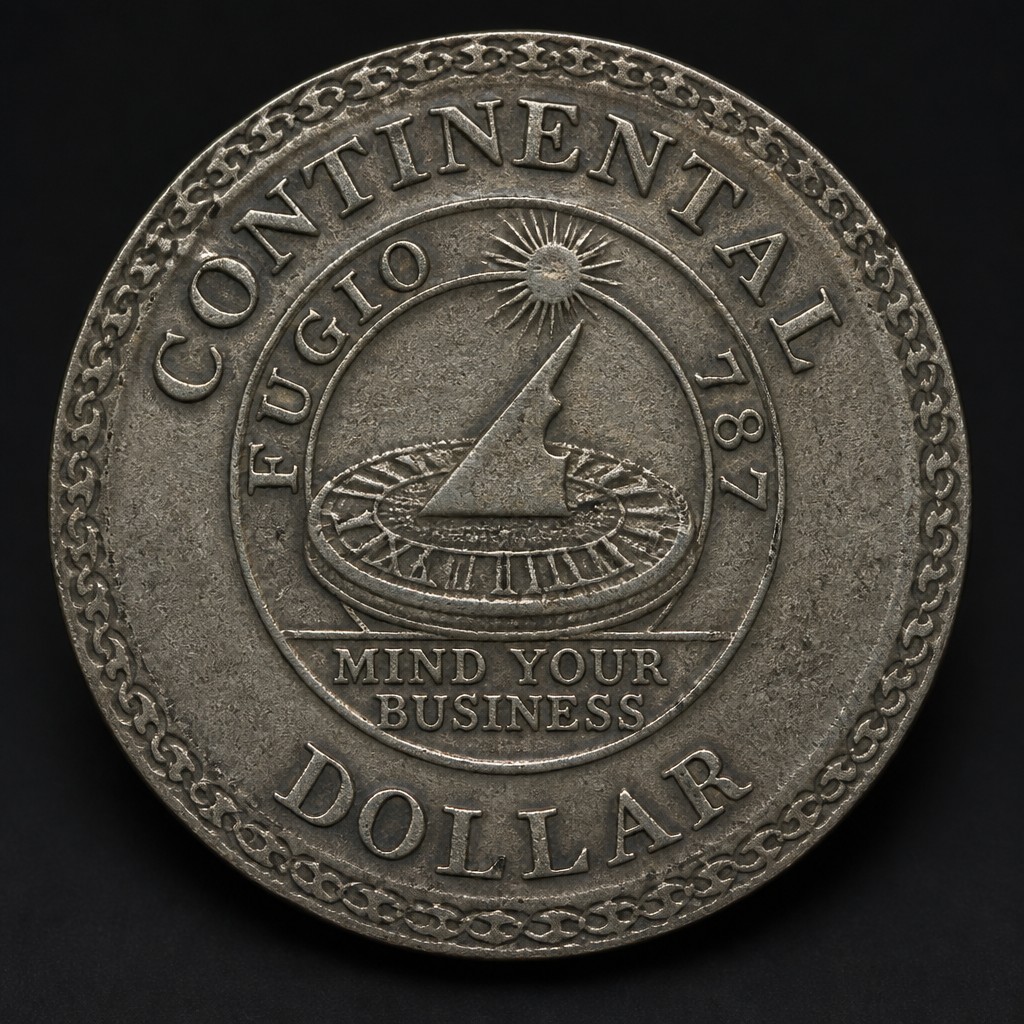
Continental Dollar
1776
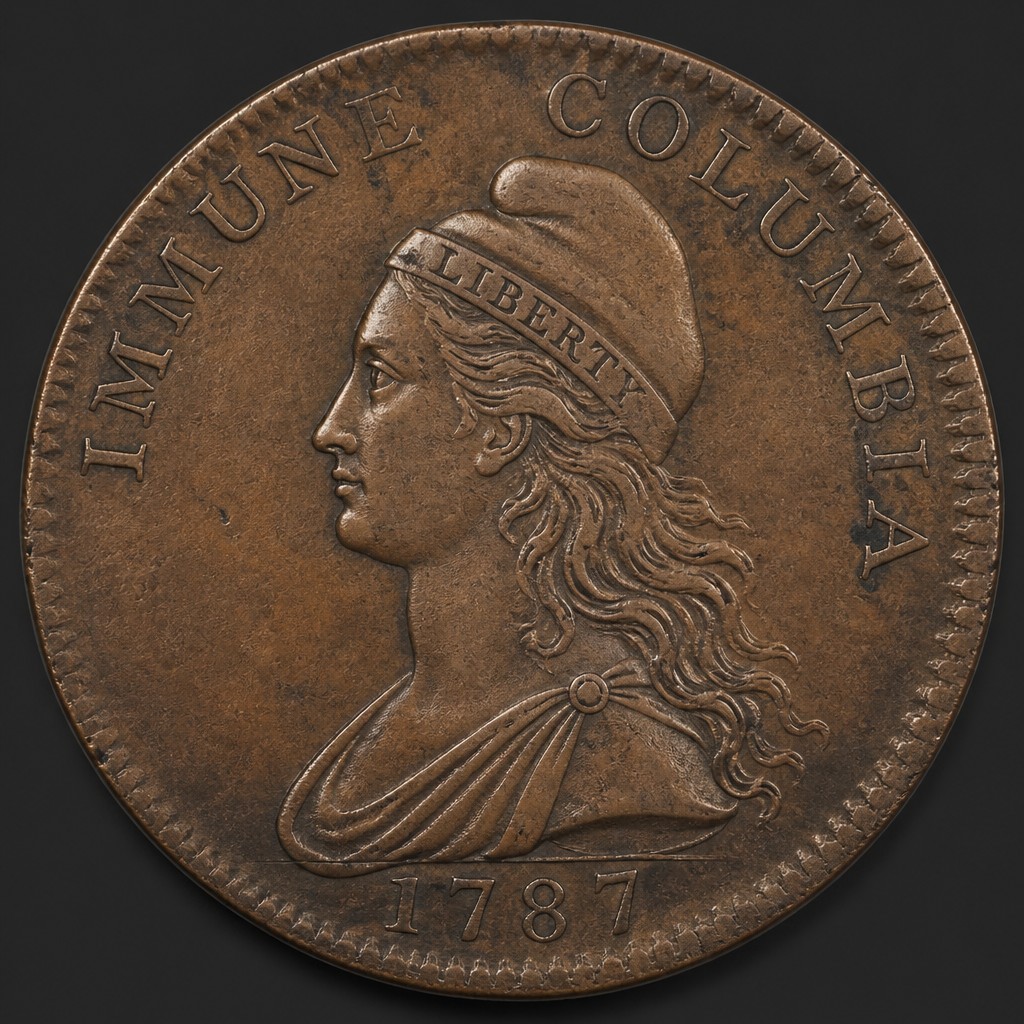
Immune Columbia Copper
circa 1785–1787
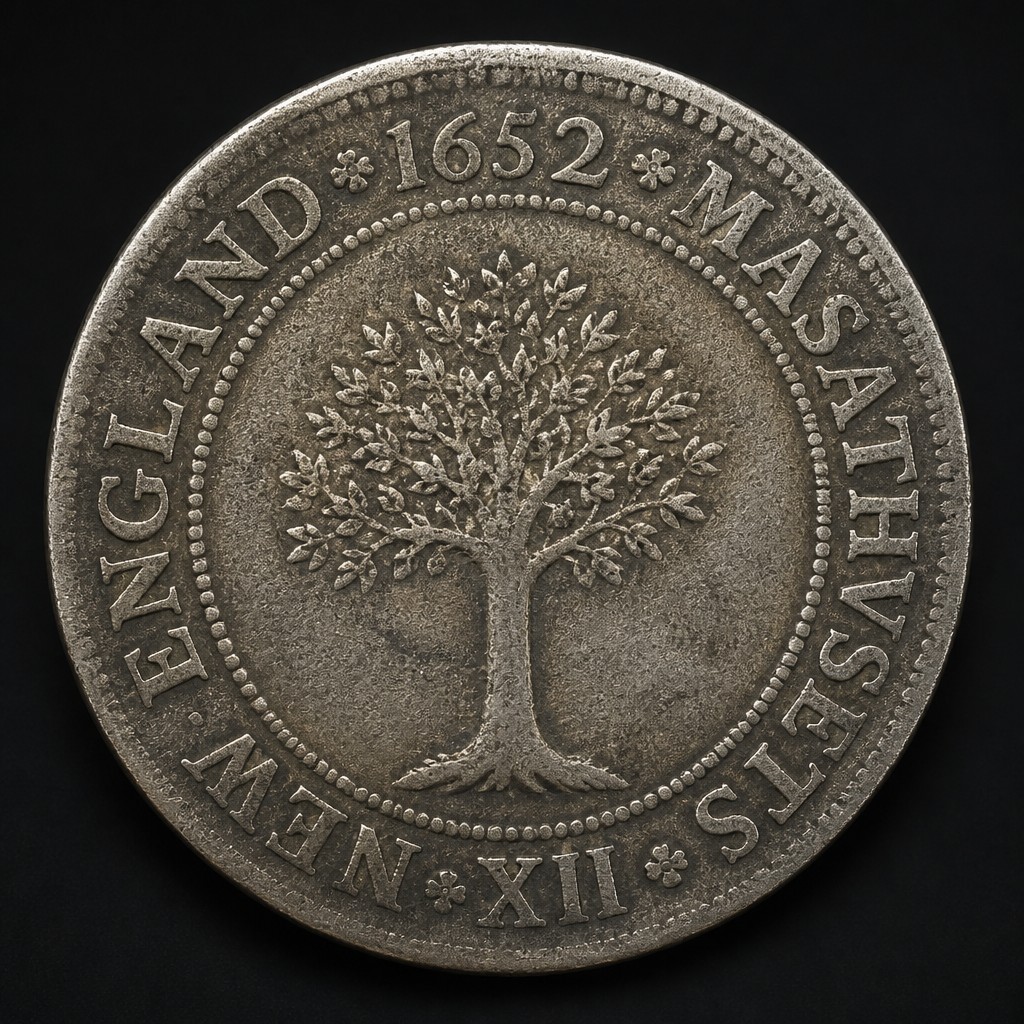
Massachusetts Oak Tree Shilling
Dated 1652, struck circa 1660–1667
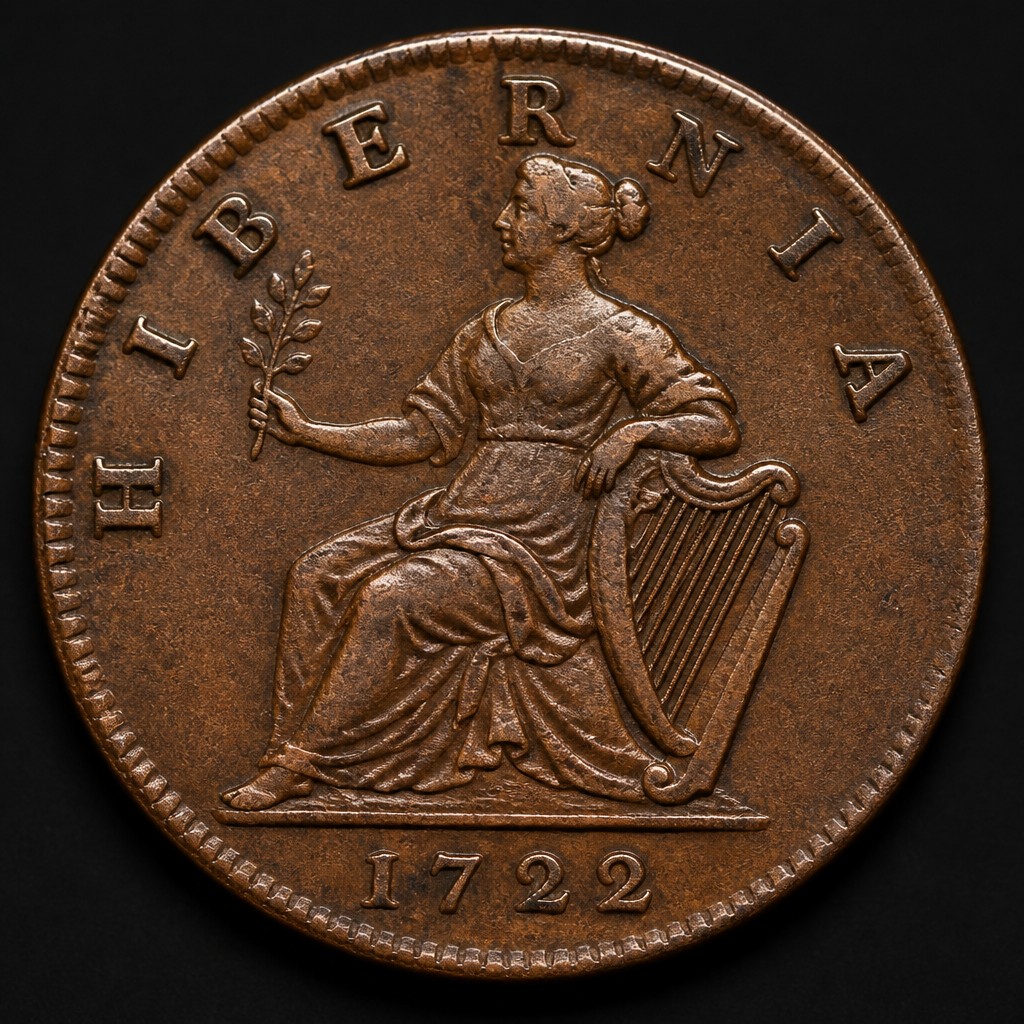
Wood's Hibernia Halfpenny
1722–1724
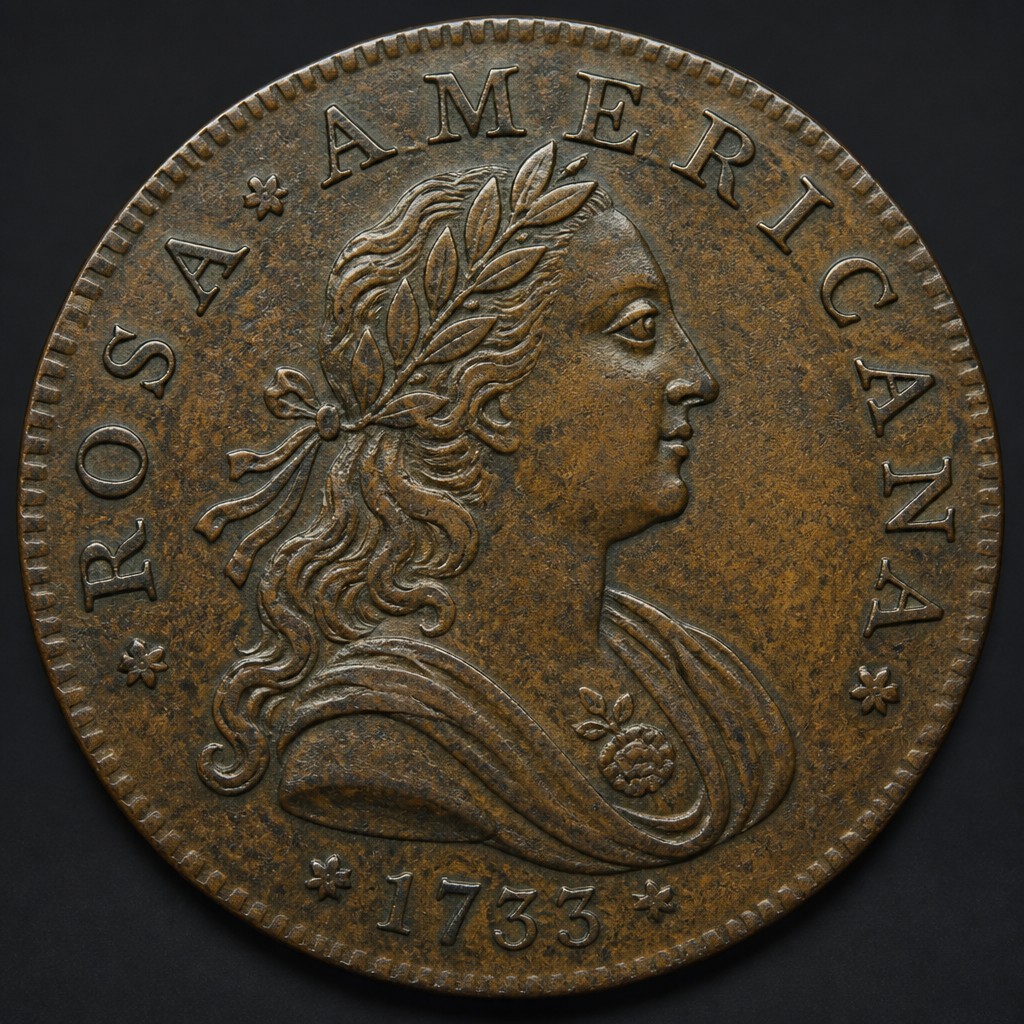
Rosa Americana Coinage
1722–1724 (with pattern issues dated 1733)
Massachusetts Willow Tree Shilling
Dated 1652, struck circa 1653–1660