
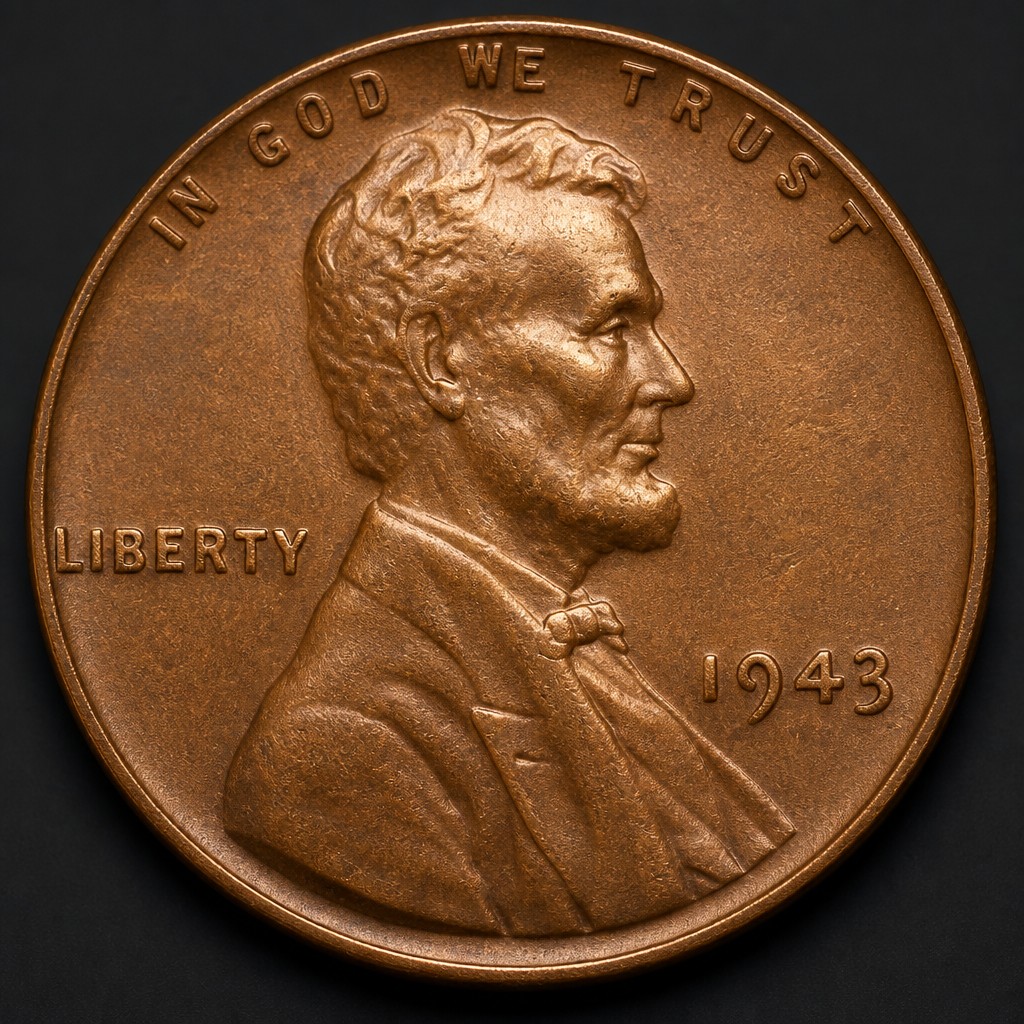
1943 Copper Lincoln Cent
An extremely rare mint error where a handful of 1943 cents were struck on leftover bronze planchets instead of the wartime steel used that year, making it one of the most famous US coin errors.
- Country
- United States
- Denomination
- 1 cent
- Metal
- Bronze (95% copper, 5% tin/zinc)
Got a coin like this?
Identify any coin from a photo, free.
Overview
In 1943 the United States Mint switched Lincoln cent production to zinc-coated steel so that copper could be conserved for the war effort. A tiny number of bronze planchets left over from 1942 production apparently remained in the coining presses' feeder mechanisms and were struck with 1943-dated dies, producing coins that look like ordinary wheat cents but are made of the wrong metal entirely.
Because only a small handful of genuine examples are known across the three mints that struck cents in 1943, the 1943 bronze cent has become one of the most sought-after error coins in American numismatics. It regularly appears in stories about coins found in pocket change, fueling decades of public fascination and a steady stream of counterfeits and altered coins.
The coin's appeal lies in its simplicity: it looks like any other 1943 wheat cent at a glance, but its metal composition tells a very different story, one tied directly to wartime metal rationing.
History & Background
The Lincoln cent, designed by Victor David Brenner in 1909 to mark the centennial of Abraham Lincoln's birth, normally used a bronze alloy of roughly 95% copper. Wartime demand for copper in ammunition and electrical components led the Mint to strike 1943 cents on zinc-coated steel planchets instead, resulting in the well-known 1943 steel cent.
During the transition, a very small number of bronze planchets from 1942 were inadvertently fed into presses and struck with 1943 dies at one or more of the three operating mints. These off-metal strikes went unnoticed at the time and only later attracted attention as collectors began sorting through circulated coinage.
Over the decades, the 1943 bronze cent has become a benchmark example of an accidental transitional error, discussed in numismatic literature and popular media alike, and it has inspired countless fakes made by altering steel cents or by re-dating 1948 bronze cents.
How to Identify
The obverse shows the standard Brenner Lincoln portrait with LIBERTY to the left, IN GOD WE TRUST above, and the 1943 date and mint mark (if any) below. The reverse features the wheat ears design used from 1909 to 1958, with ONE CENT and UNITED STATES OF AMERICA.
The defining feature is not the design but the metal: a genuine 1943 bronze cent has a copper-brown color rather than the silvery gray of steel cents, and it is non-magnetic, whereas steel cents are strongly attracted to a magnet. Weight is also a giveaway, as bronze cents weigh about 3.11 grams versus roughly 2.7 grams for steel cents.
Because many fakes are created by copper-plating steel cents or by altering the date on genuine 1948 bronze cents, any suspected example should be weighed, tested with a magnet, and ideally examined by a professional grading service before being accepted as genuine.
Value & Collectibility
Genuine 1943 bronze cents are extraordinarily rare and valuable, with confirmed examples from Philadelphia, Denver, and San Francisco all realizing six-figure to seven-figure sums at auction depending on mint mark, grade, and pedigree. Even a well-worn, authenticated example is worth a substantial sum.
Because the coin's fame has made it a magnet for fakes, value is entirely dependent on third-party authentication by a major grading service; an unauthenticated coin, however convincing it looks, carries little market value until verified. Given the astronomical value gap between real and fake examples, anyone who believes they have found one should have it professionally examined rather than assuming based on appearance alone.
Frequently asked questions
How can I tell if my 1943 cent is copper or steel?
Use a magnet: steel cents are magnetic, while genuine copper 1943 cents are not. Also weigh the coin; bronze cents weigh about 3.11 grams versus about 2.7 grams for steel.
Why are 1943 copper cents so rare?
The Mint intentionally used steel in 1943 to save copper for the war effort; the bronze coins were accidental strikes on leftover 1942 planchets, so only a few exist.
Are most 1943 copper pennies fake?
Yes, the vast majority of coins claimed to be 1943 copper cents turn out to be copper-plated steel cents or altered-date 1948 bronze cents.
Which mints produced genuine 1943 bronze cents?
Authenticated examples are known from Philadelphia, Denver, and San Francisco, though genuine specimens from each are exceptionally scarce.
Should I get my coin authenticated?
Given the huge value difference between genuine and altered examples, professional authentication by a major grading service is strongly recommended before assuming a coin is genuine.
Other coins you may enjoy
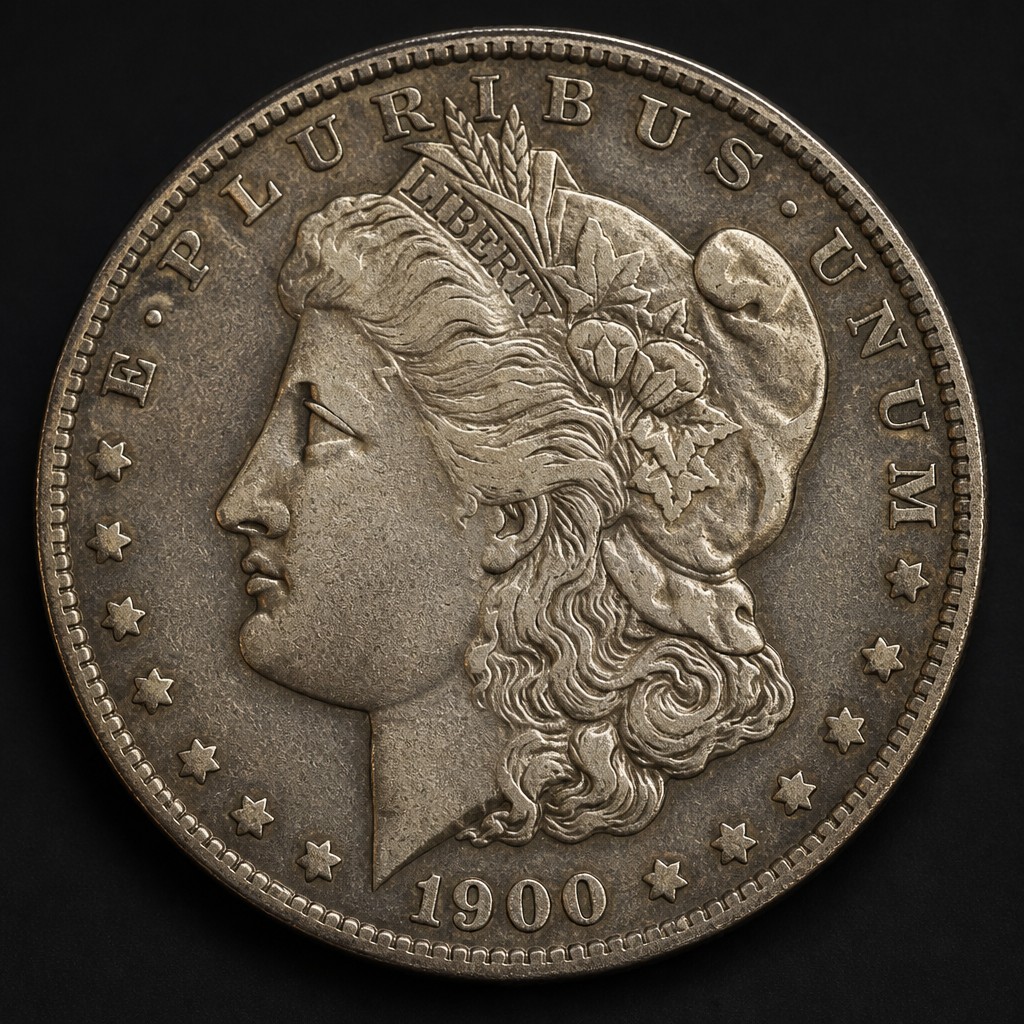
1900-O/CC Morgan Dollar
1900
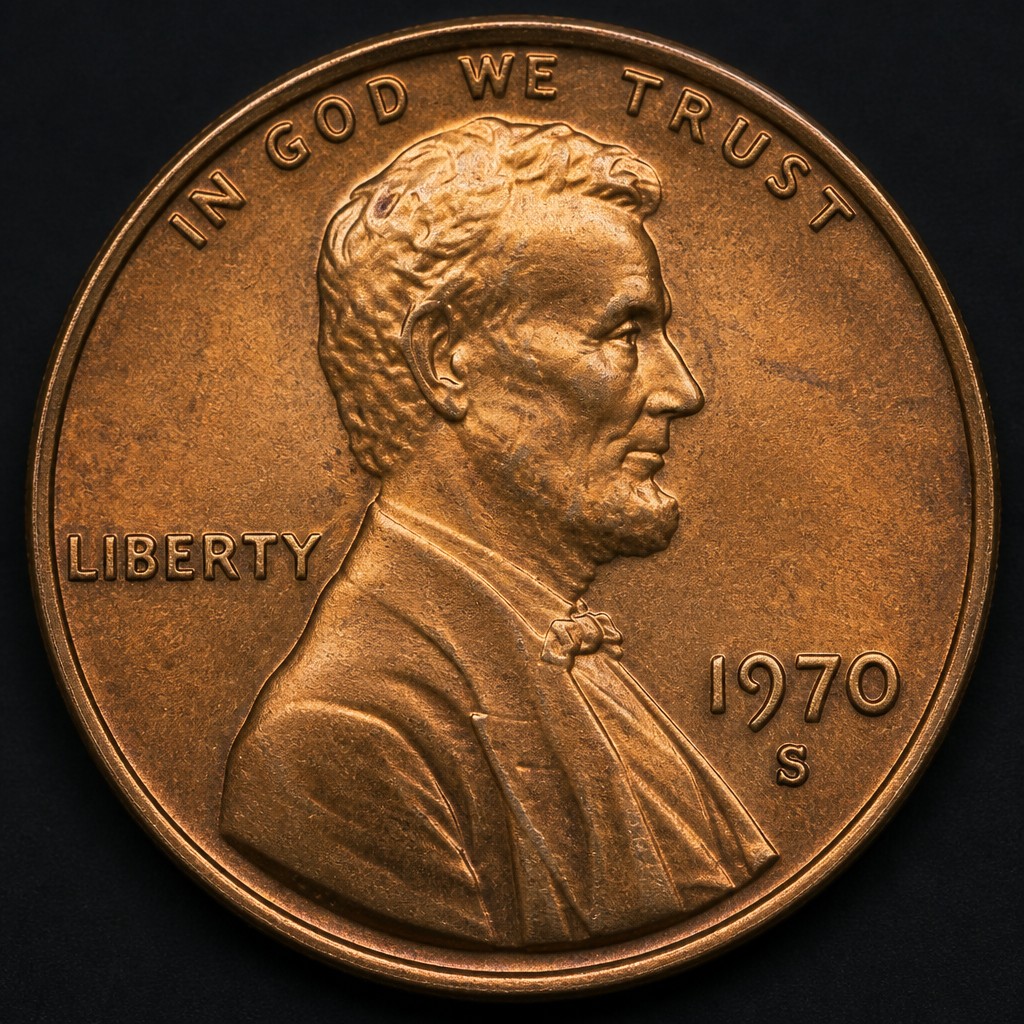
1970-S Small Date Lincoln Cent
1970
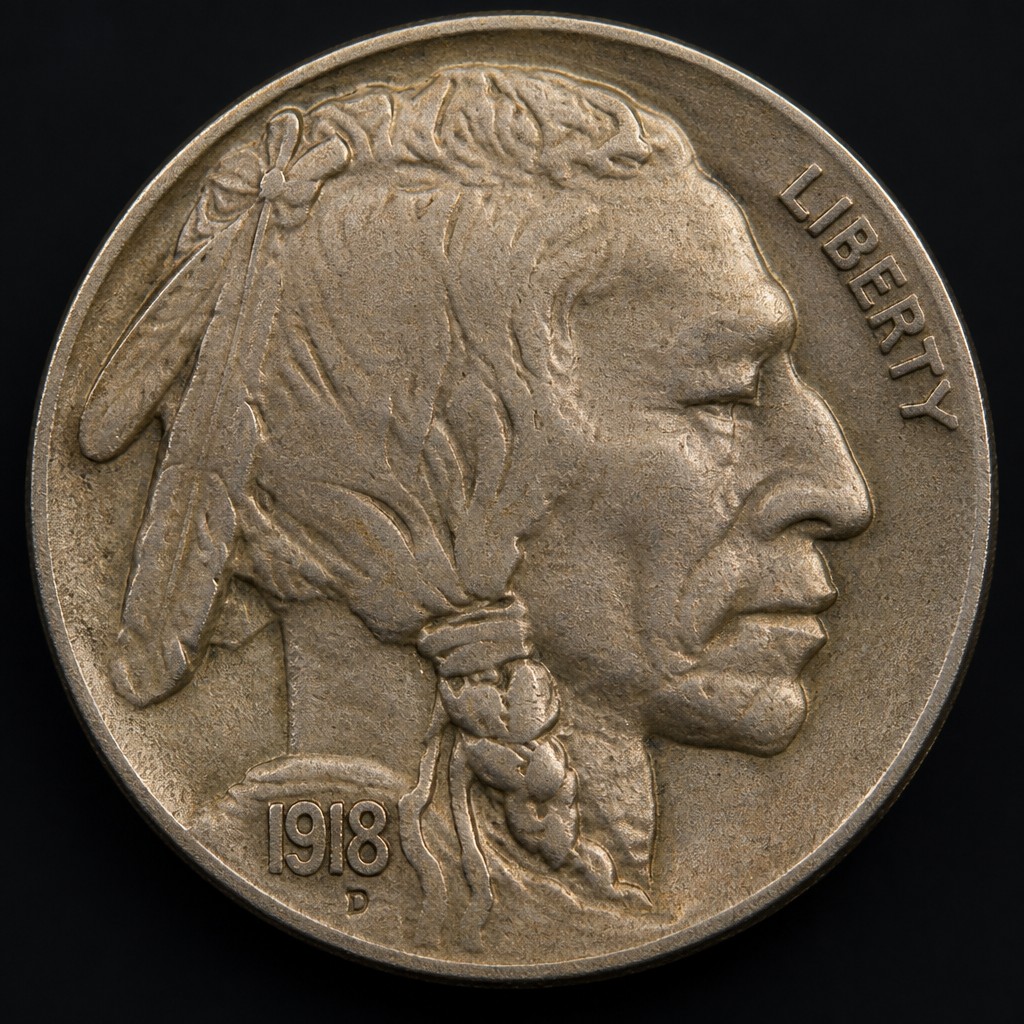
1918/7-D Buffalo Nickel
1918
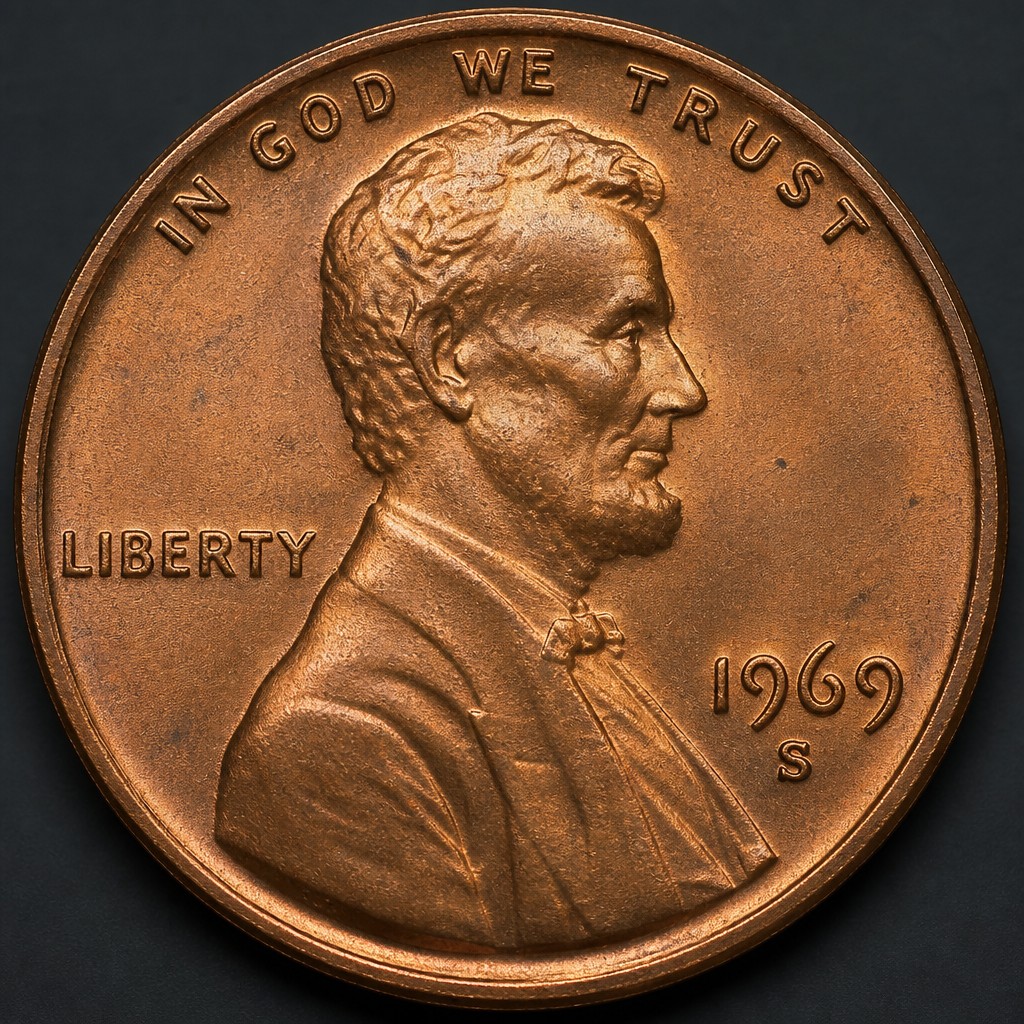
1969-S Doubled Die Obverse Lincoln Cent
1969
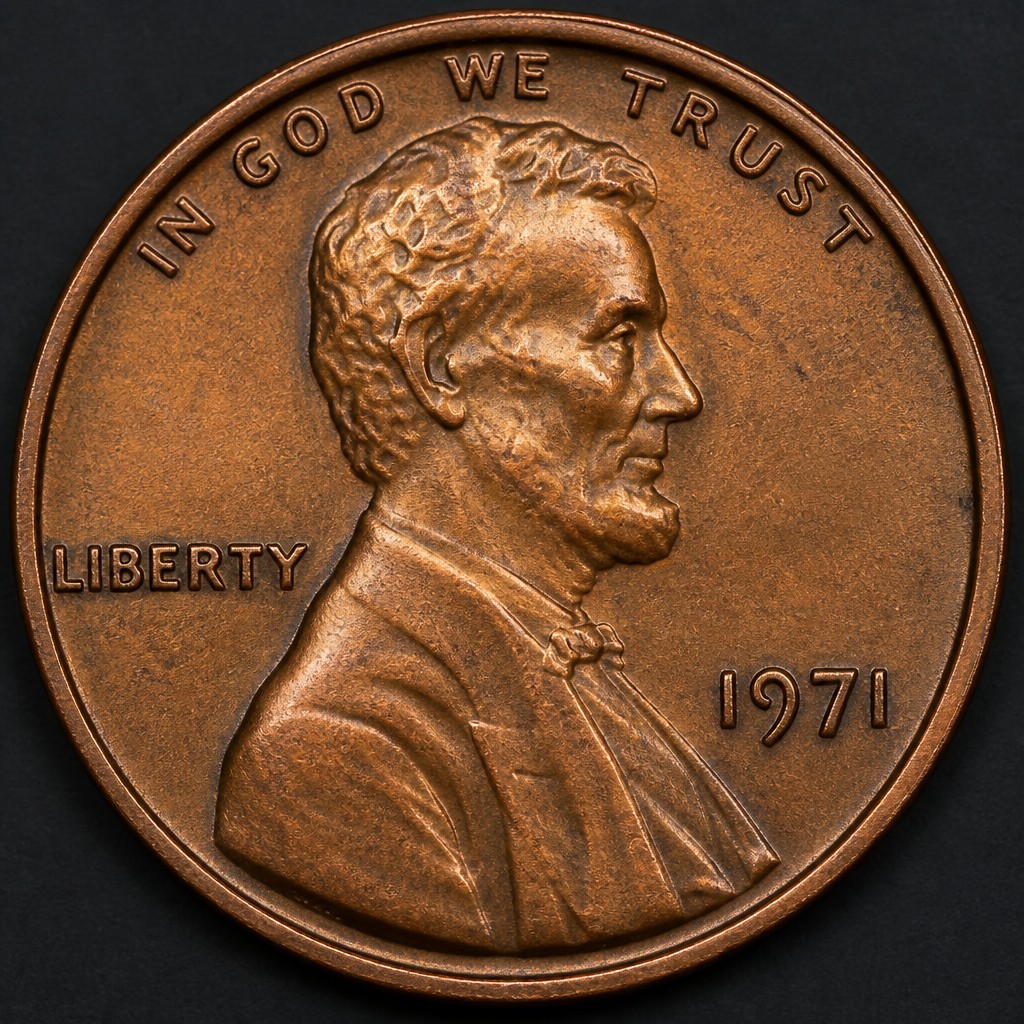
1971 Doubled Die Obverse Lincoln Cent
1971
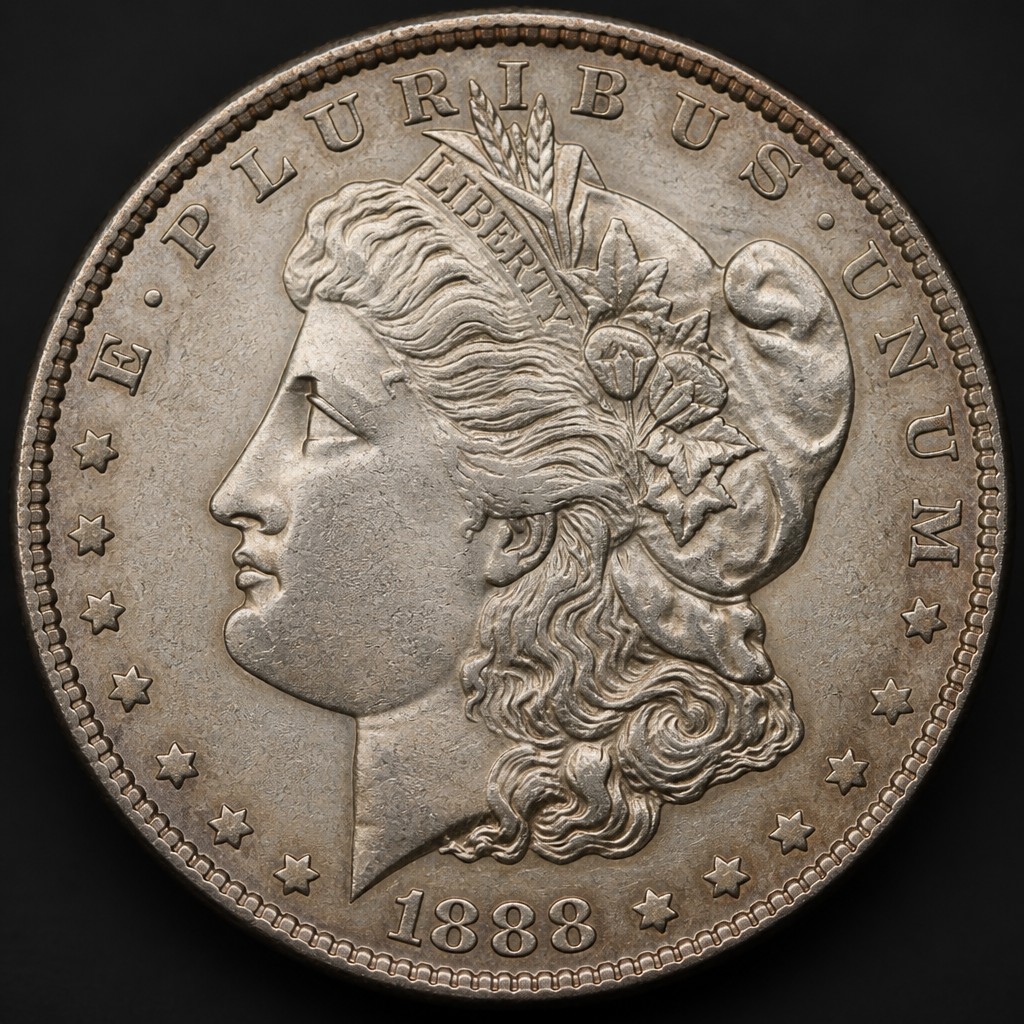
1888/7 Morgan Dollar Overdate
1888
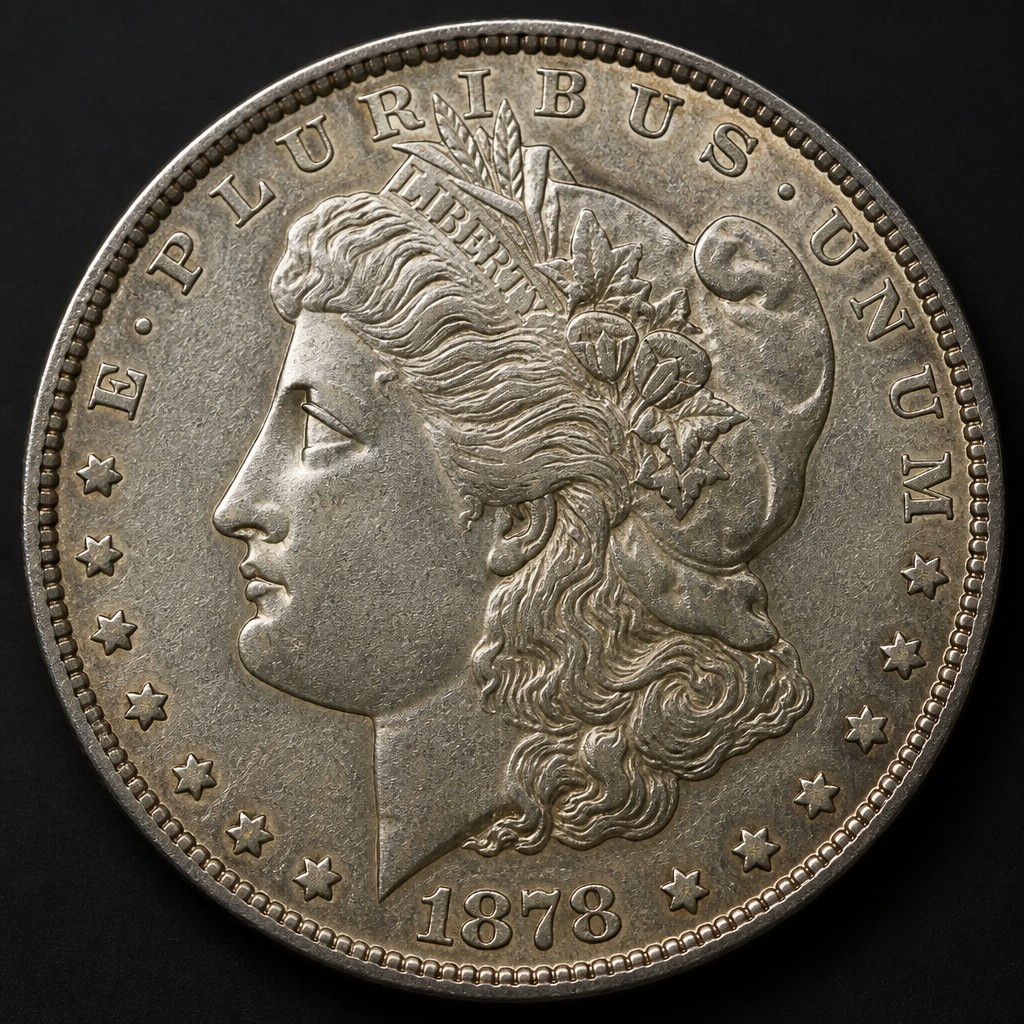
1878 7/8 Tail Feathers Morgan Dollar
1878
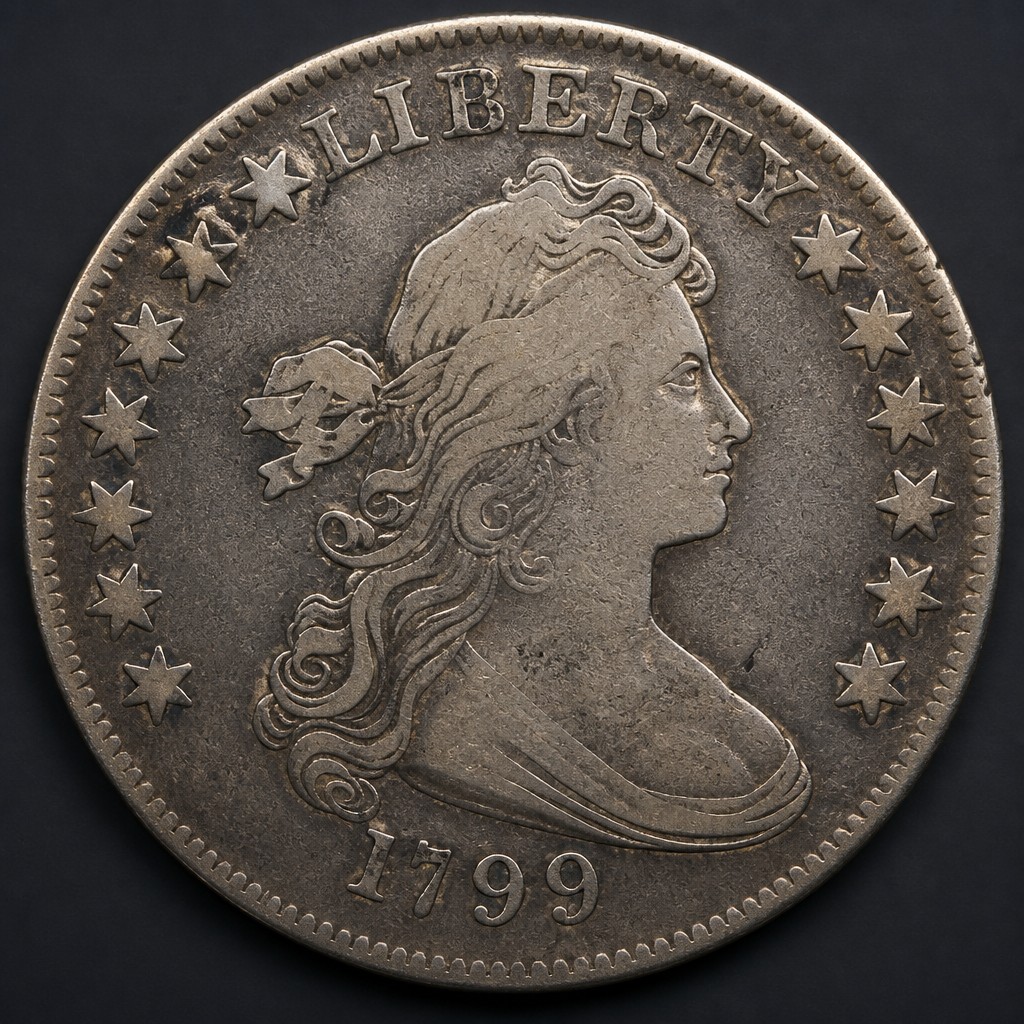
1799/8 Draped Bust Silver Dollar Overdate
1799 (die dated over 1798)
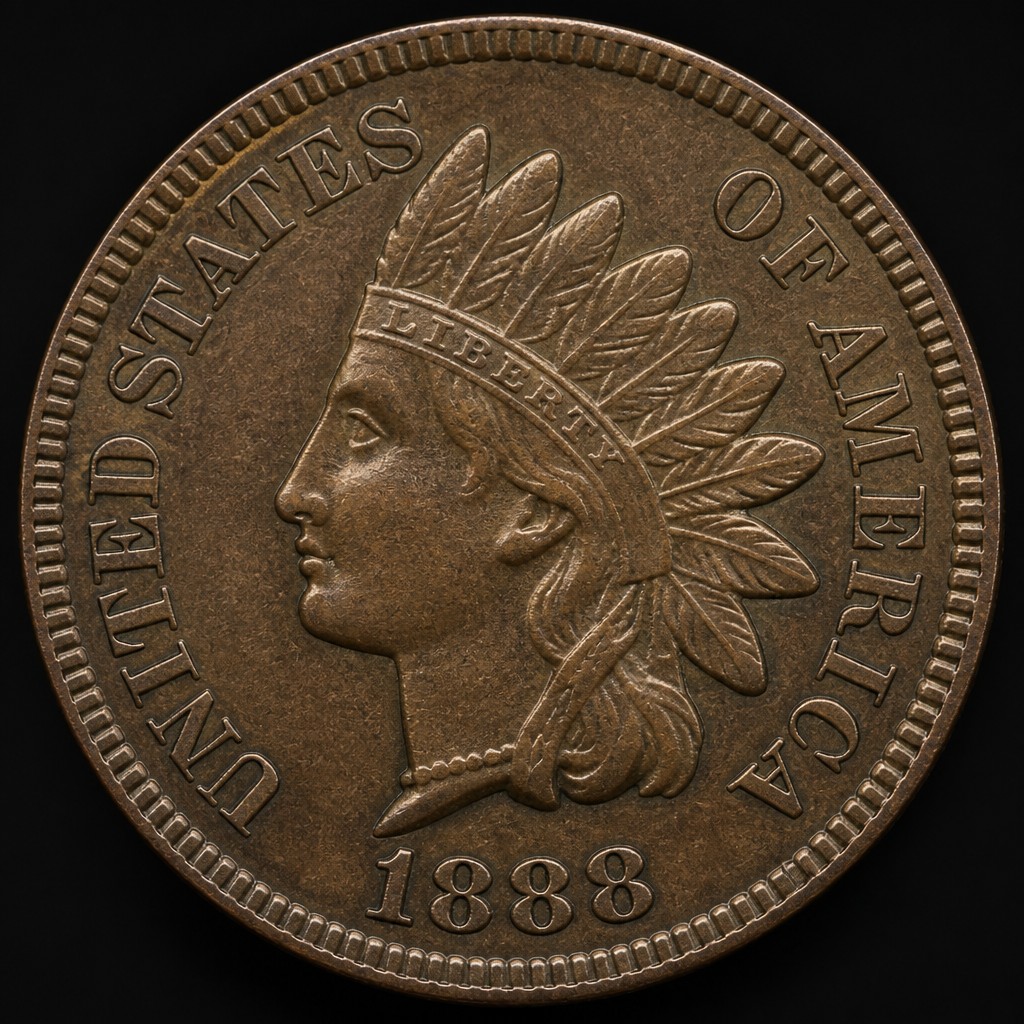
1888/7 Indian Head Cent Overdate
1888
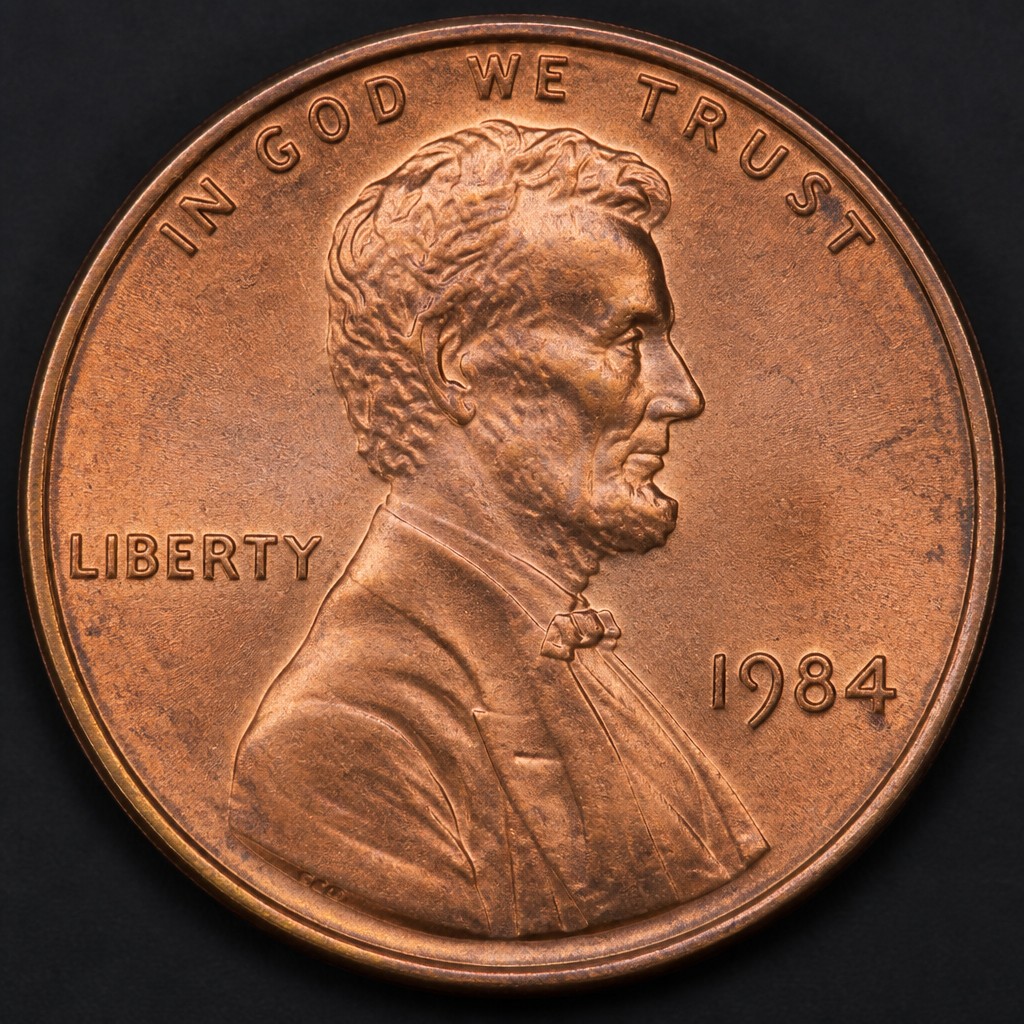
1984 Doubled Ear Lincoln Cent
1984
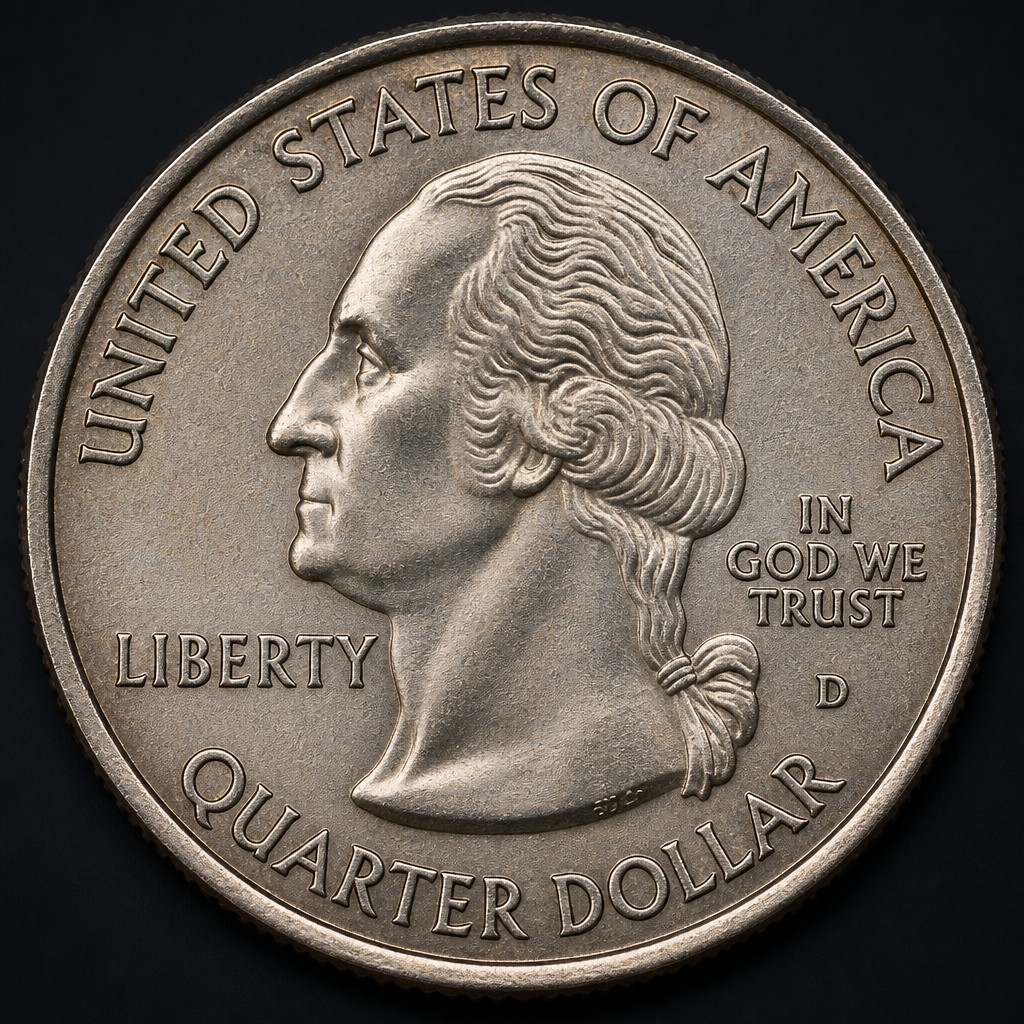
2004-D Wisconsin State Quarter Extra Leaf
2004
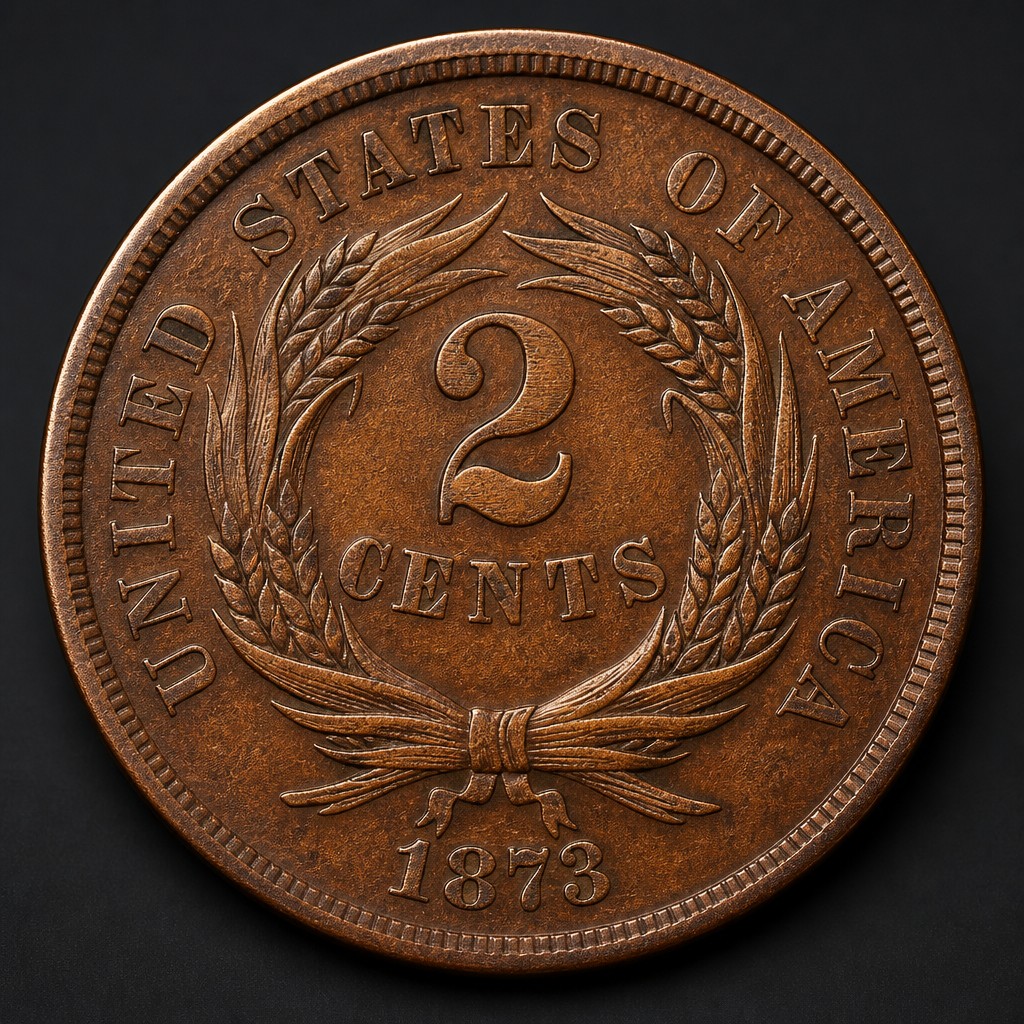
1873 Doubled Die Two-Cent Piece
1873