
Coin Encyclopedia
Search and identify coins from around the world — with country, denomination, metal, mint, history, and how to tell them apart.
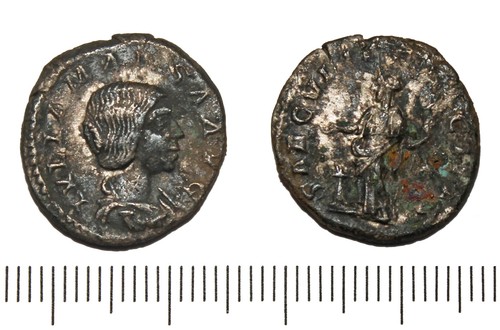
Denarius of Julia Maesa
Roman silver denarius struck for Julia Maesa (c. 218–222 CE), showing her draped bust with wavy hair and a standing deity on the reverse.
Ancient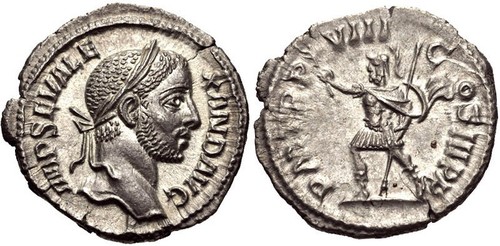
Denarius of Severus Alexander
Silver denarius of the emperor Severus Alexander (AD 222–235), with his laureate portrait and a Mars reverse dated to about AD 229.
Ancient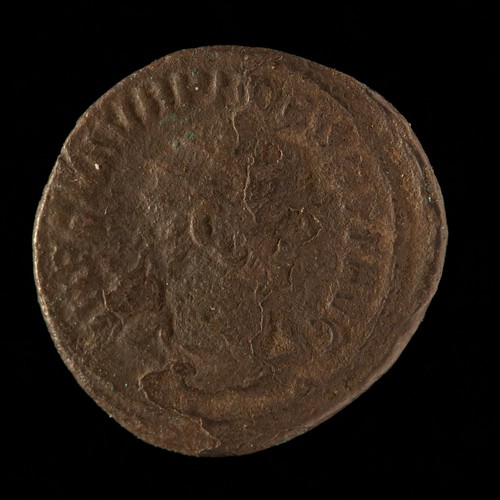
Antoninianus of Probus
Late Roman billon antoninianus of Emperor Probus (276-282 AD), identified by his radiate crown portrait on the obverse.
Ancient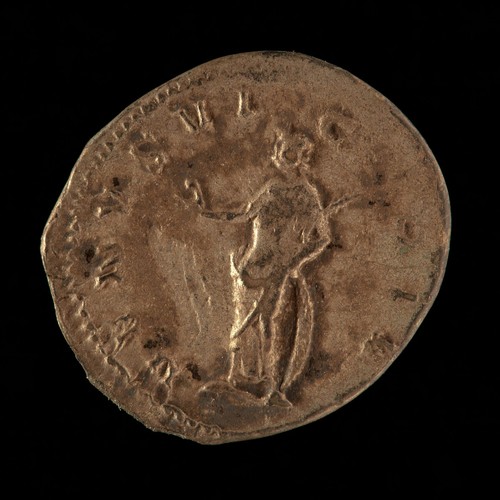
Antoninianus of Salonina
Billon antoninianus of the empress Salonina, wife of Gallienus, showing her draped bust and a standing deity on the reverse (256-257 AD).
Ancient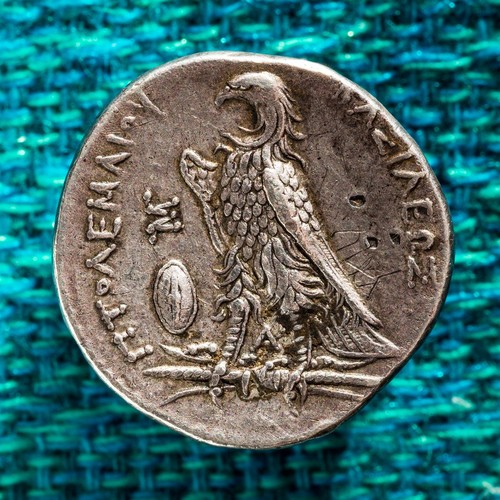
Tetradrachm of Ptolemy I
Silver tetradrachm of Ptolemy I Soter of Egypt, c. 305-283 BC, with his diademed portrait and the Ptolemaic eagle standing on a thunderbolt.
Ancient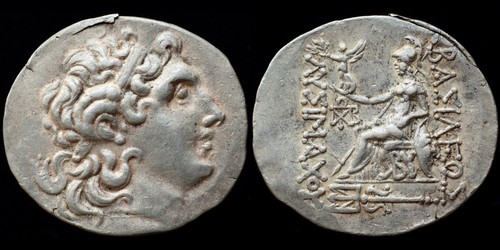
Lysimachos Gold Stater
Gold stater of Lysimachos, king in Thrace and Macedon c. 305-281 BC, with a deified head of Alexander the Great and an enthroned Athena reverse.
Ancient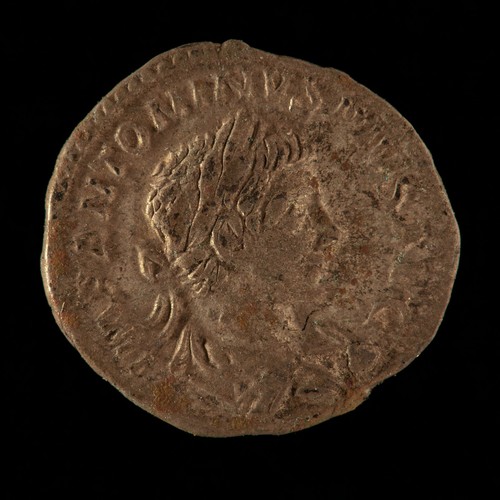
Denarius of Elagabalus
Silver denarius of the young Severan emperor Elagabalus (218–222 AD), with his laureate bust and a standing personified deity on the reverse.
Ancient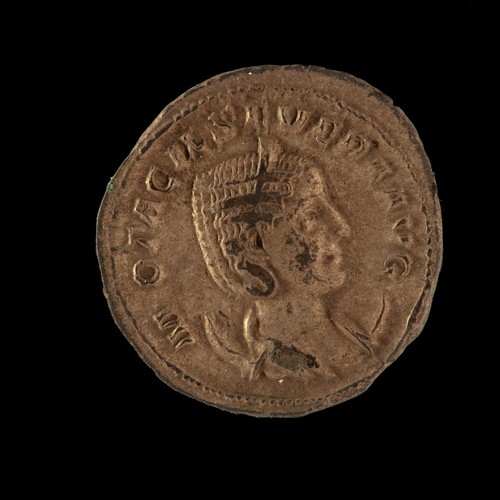
Antoninianus of Otacilia Severa
Roman double-denarius of the empress Otacilia Severa, wife of Philip I (246-248 AD), with her draped bust and a standing personification on the reverse.
Ancient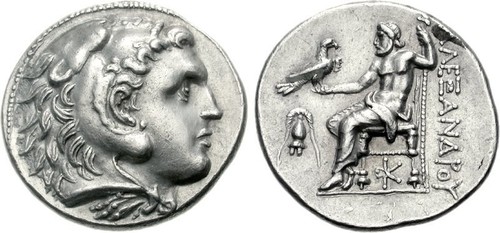
Antigonos II Gonatas Tetradrachm
Silver tetradrachm of the Macedonian king Antigonos II Gonatas, c. 275-270 BC, with a bearded royal head and a seated Nike holding a wreath.
Ancient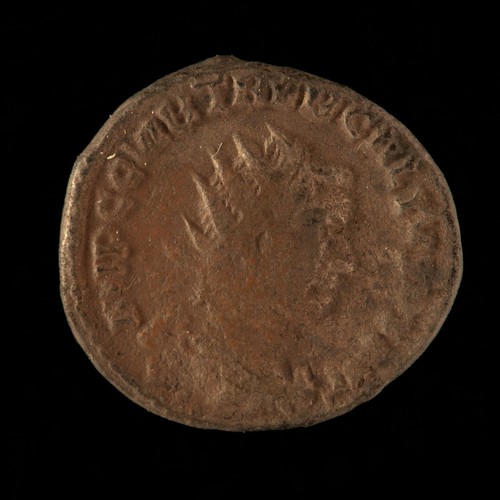
Antoninianus of Trebonianus Gallus
A radiate-crowned billon antoninianus of the emperor Trebonianus Gallus, struck AD 251-253 with a standing deity or personification on the reverse.
Ancient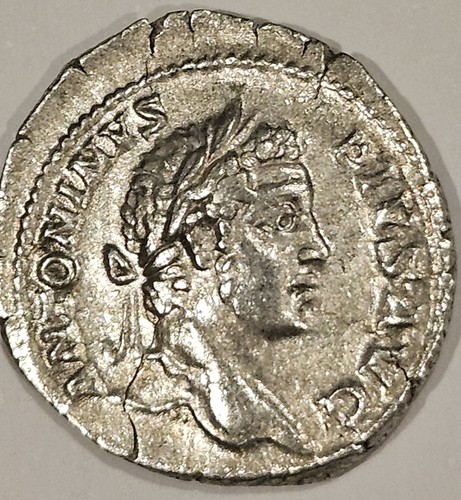
Denarius of Caracalla
A silver denarius of the Roman emperor Caracalla, struck 198–217 CE, showing his laureate right-facing bust and a Latin legend encircling the design.
Ancient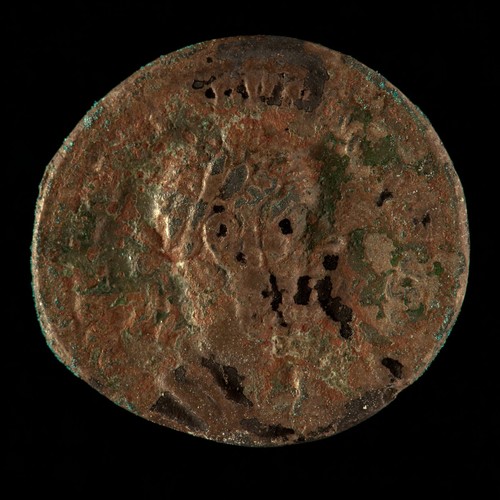
Denarius of Macrinus
Silver denarius of Macrinus (r. 217–218 AD), a bearded emperor portrait paired with a standing deity or personification on the reverse.
Ancient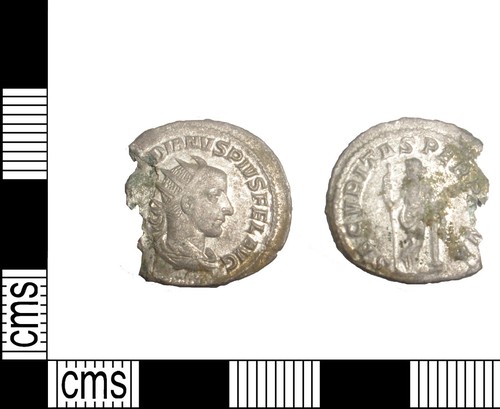
Antoninianus of Gordian III
Silver double-denarius of the young emperor Gordian III (238-244 AD), marked by his radiate crown and a standing deity on the reverse.
Ancient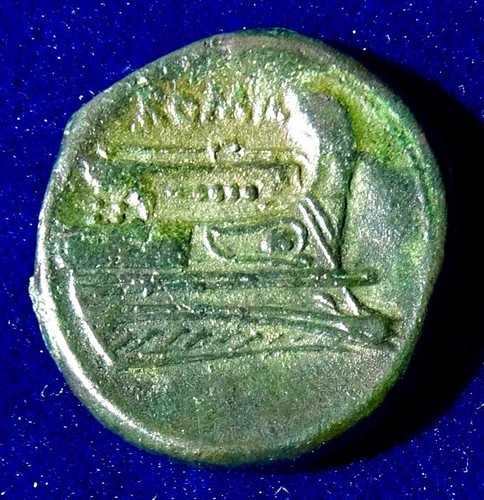
Roman Republic Semuncia
Smallest Roman Republican bronze denomination, worth half an uncia, struck around 217-215 BC with a Mercury head and a galley prow.
Ancient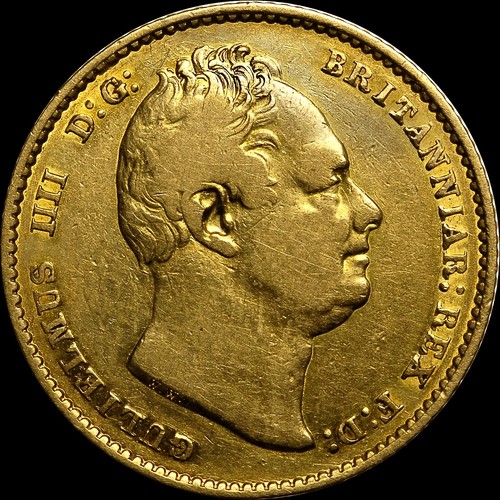
Sovereign of William IV
A 22-carat gold sovereign of William IV, with the king's bare head facing right and a crowned royal shield of arms on the reverse.
Milled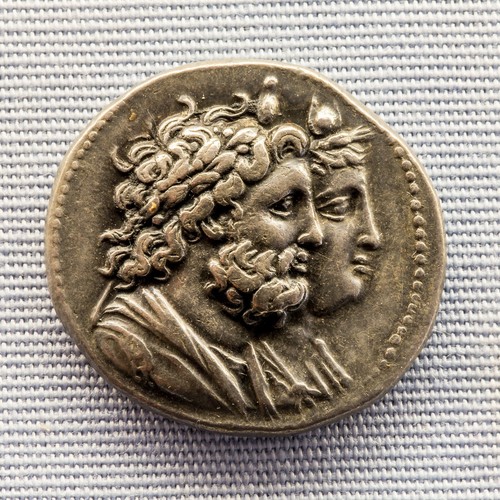
Tetradrachm of Ptolemy IV
Silver tetradrachm of Ptolemy IV Philopator, 221-204 BC, with the jugate busts of Sarapis and Isis on the obverse and an eagle on a thunderbolt on the reverse.
Ancient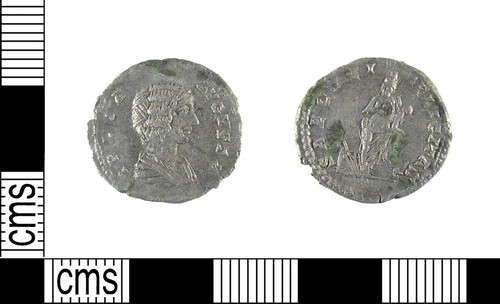
Denarius of Julia Domna
Roman silver denarius of the empress Julia Domna (193-217 CE), with her draped bust and a standing goddess or personification on the reverse.
Ancient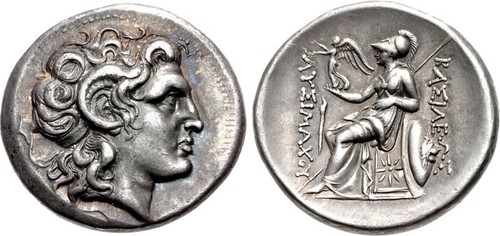
Lysimachos Tetradrachm
Silver tetradrachm of Lysimachos of Thrace, c. 297-282 BC, showing the deified head of Alexander the Great and Athena seated with a shield and spear.
Ancient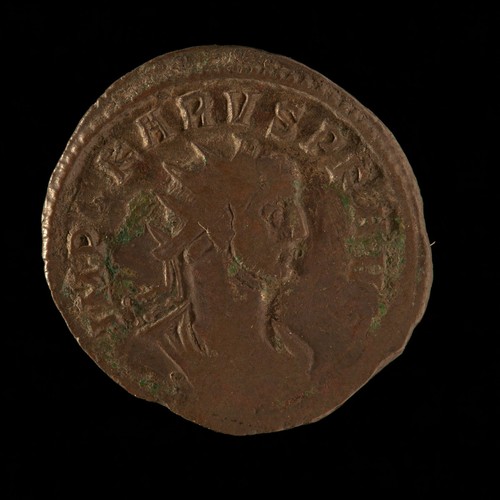
Antoninianus of Carus
Late-Roman bronze radiate of the emperor Carus (282-283 AD), showing his bearded, spiky-crowned head and a standing personification on the reverse.
Ancient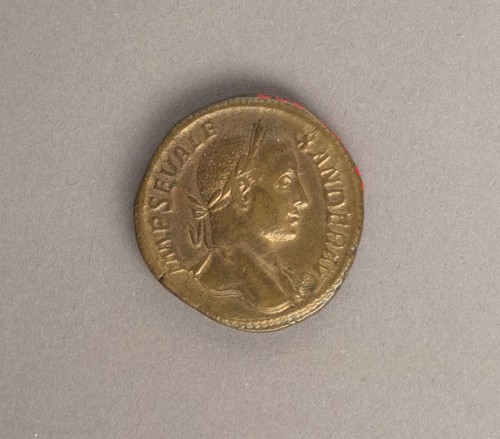
Sestertius of Alexander Severus
Large Roman bronze sestertius of emperor Alexander Severus (222-235 AD), showing his youthful head and a standing figure of Providentia.
Ancient Coins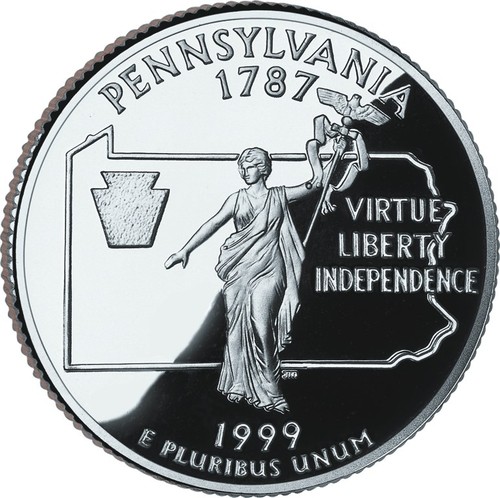
Pennsylvania State Quarter
1999 U.S. 25-cent piece, second in the 50 State Quarters series, showing the Commonwealth statue, state outline, and a keystone for Pennsylvania.
Quarter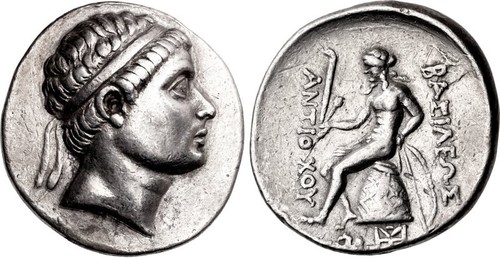
Antiochos Hierax Tetradrachm
Silver tetradrachm of the Seleucid prince Antiochos Hierax, c. 242-227 BC, with a diademed royal head and a reverse figure bearing shield and spear.
Ancient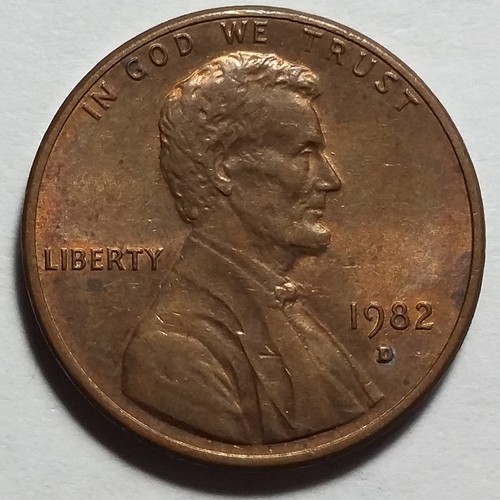
Lincoln Memorial Cent
U.S. one-cent piece struck 1959–2008 with Lincoln's profile and a Memorial reverse; 1982 is the split year between bronze and copper-plated zinc.
Small Cent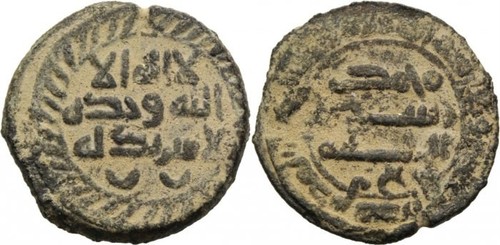
Abbasid Copper Fals
A hand-struck Abbasid copper fals dated AH 219 (834–835 CE), covered entirely in linear Arabic inscriptions with no portrait or figural imagery.
Islamic (Medieval)