
Coin Encyclopedia
Search and identify coins from around the world — with country, denomination, metal, mint, history, and how to tell them apart.
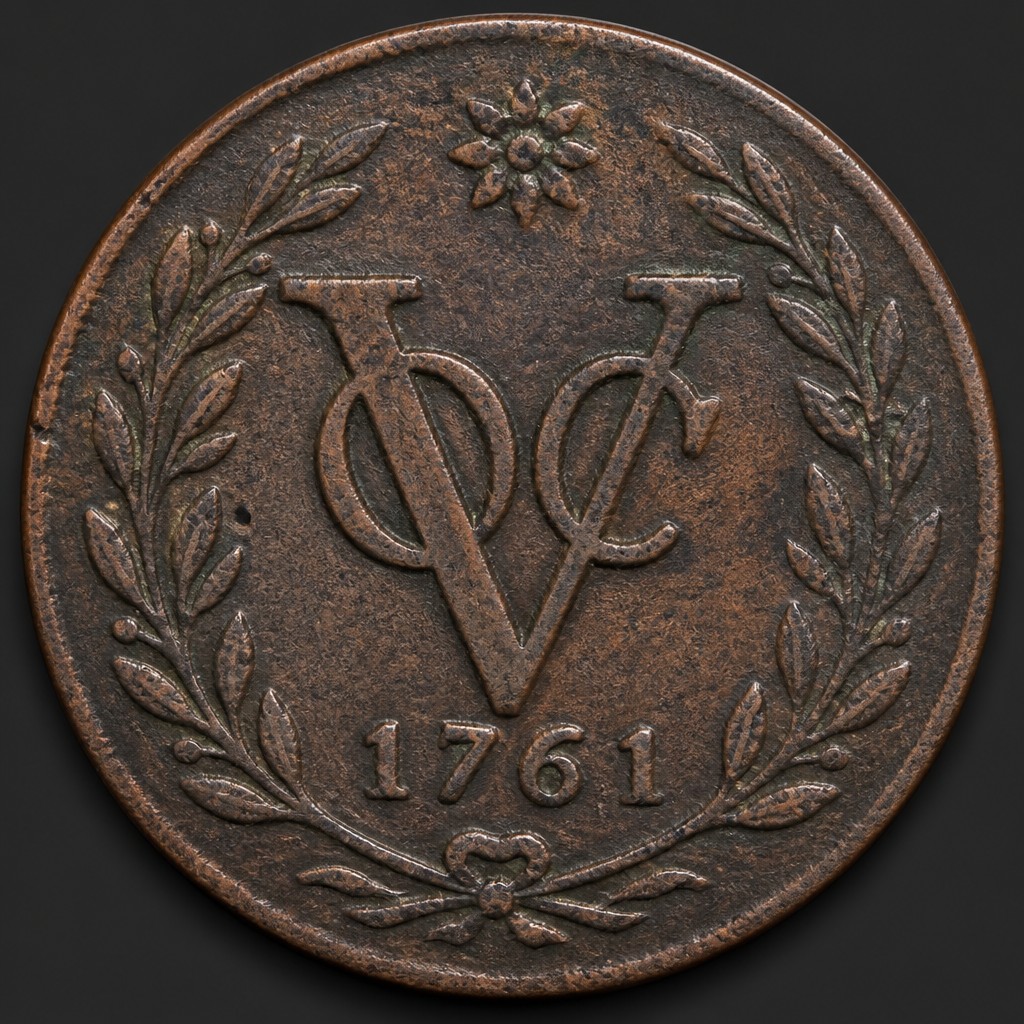
Netherlands East Indies VOC Duit
Copper coin struck by the Dutch East India Company (VOC) for circulation in its Asian trading territories, a common relic of 18th-century colonial commerce.
Asian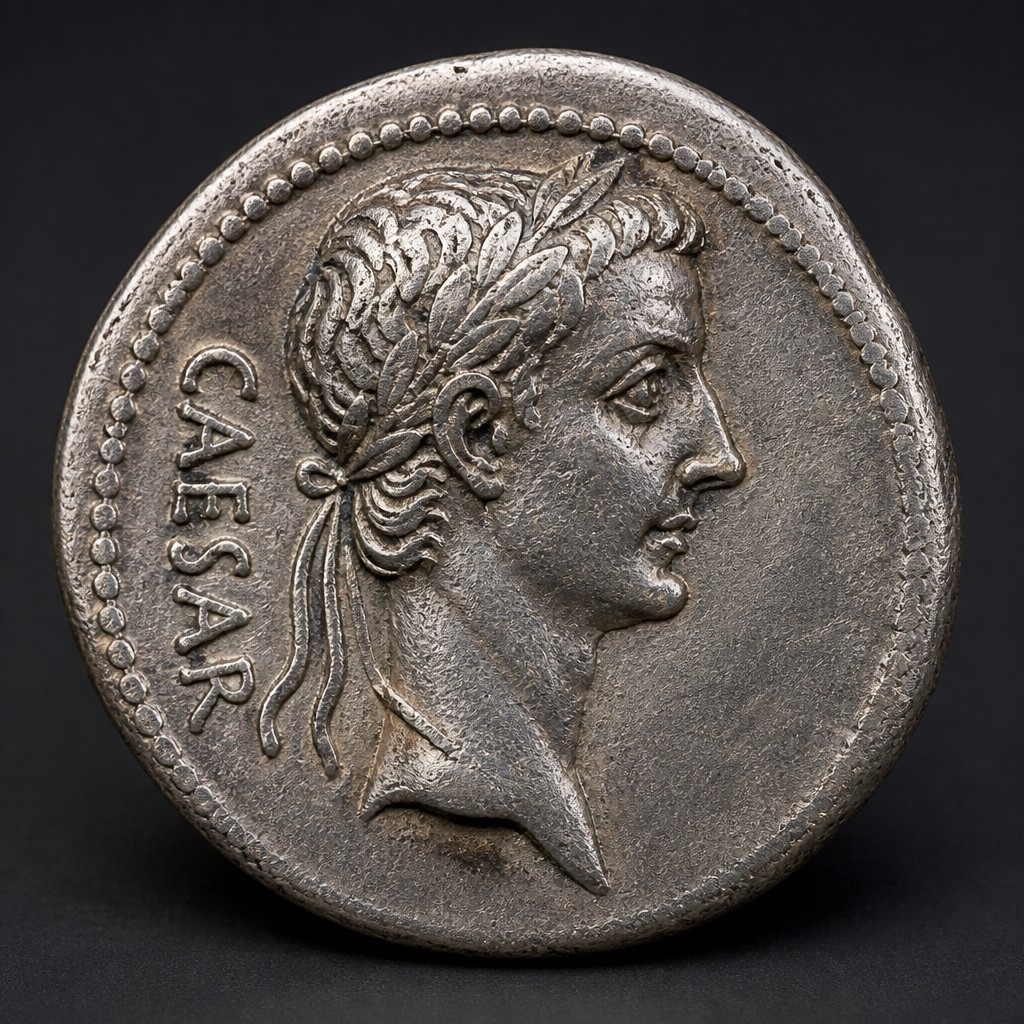
Julius Caesar Elephant Denarius
One of the most widely recognized ancient Roman coins, struck under Julius Caesar's authority and depicting an elephant trampling a serpent, likely a symbolic image tied to Caesar's political struggles.
Ancient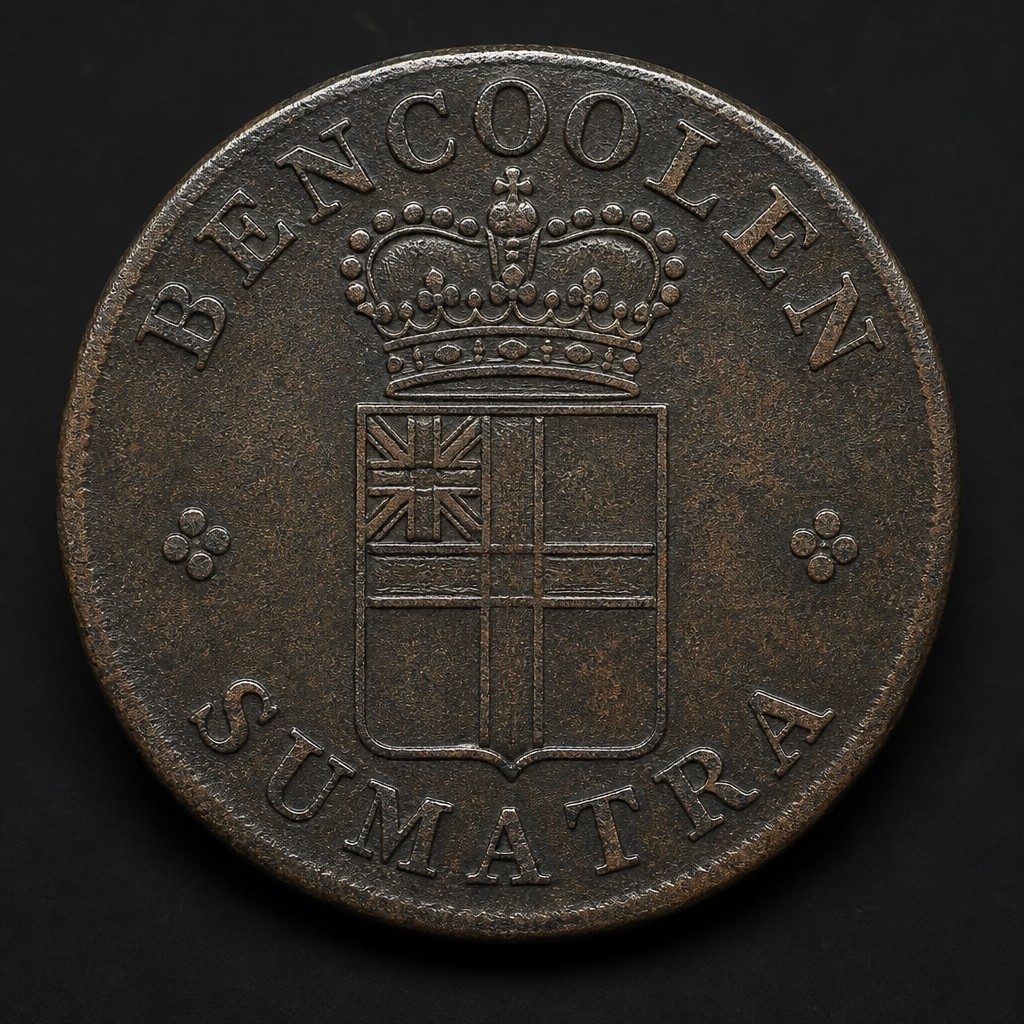
Sumatra EIC Keping (British Bencoolen)
A small tin or copper coin struck by the British East India Company for its Bencoolen settlement on Sumatra, denominated in the local unit called the keping.
Asian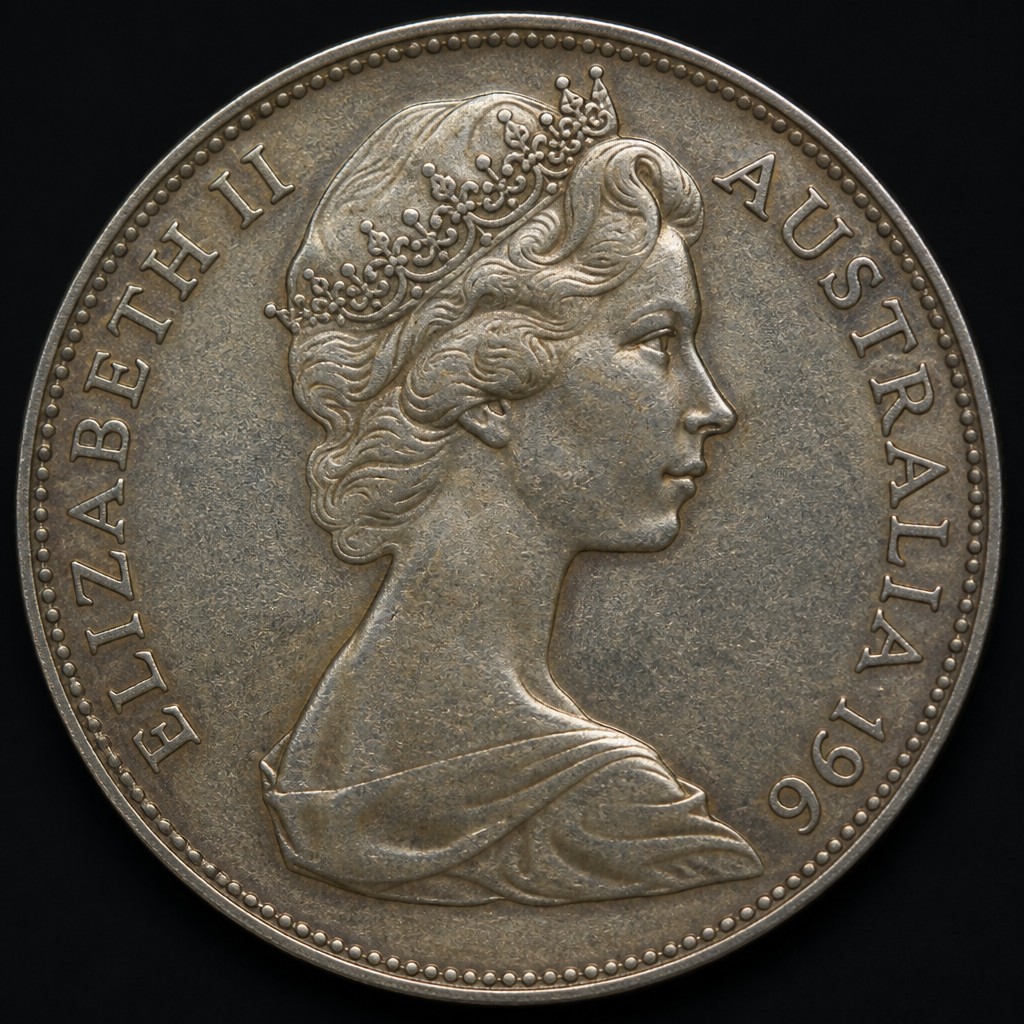
Australian 50 Cent (round 1966 silver)
Australia's original round 50-cent coin from the 1966 decimal changeover, struck in 80% silver and withdrawn the same year once its bullion value exceeded face value.
Africa & Oceania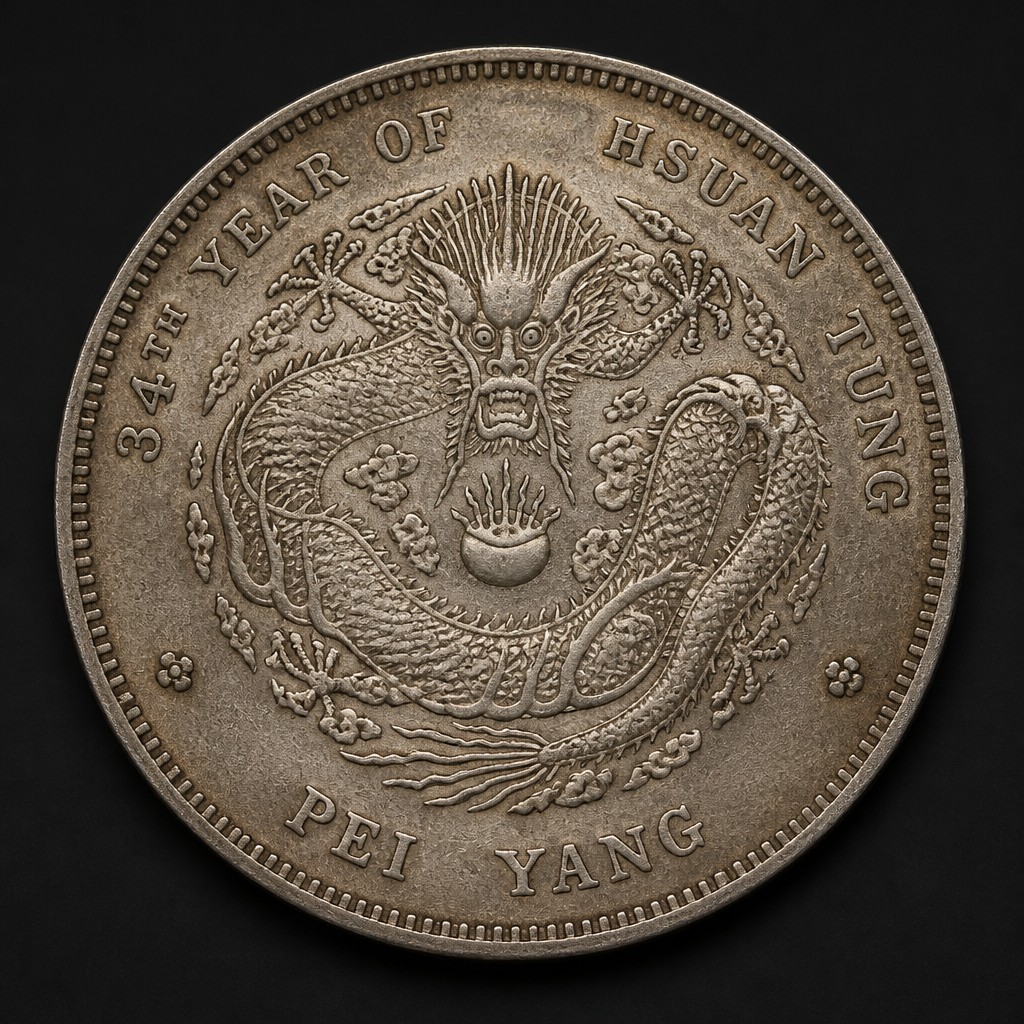
Chinese Empire Silver Dollar (Hsuan Tung Dragon)
A late Qing dynasty silver dollar issued during the brief Hsuan Tung (Xuantong) reign of the last emperor, featuring an imperial dragon design.
Asian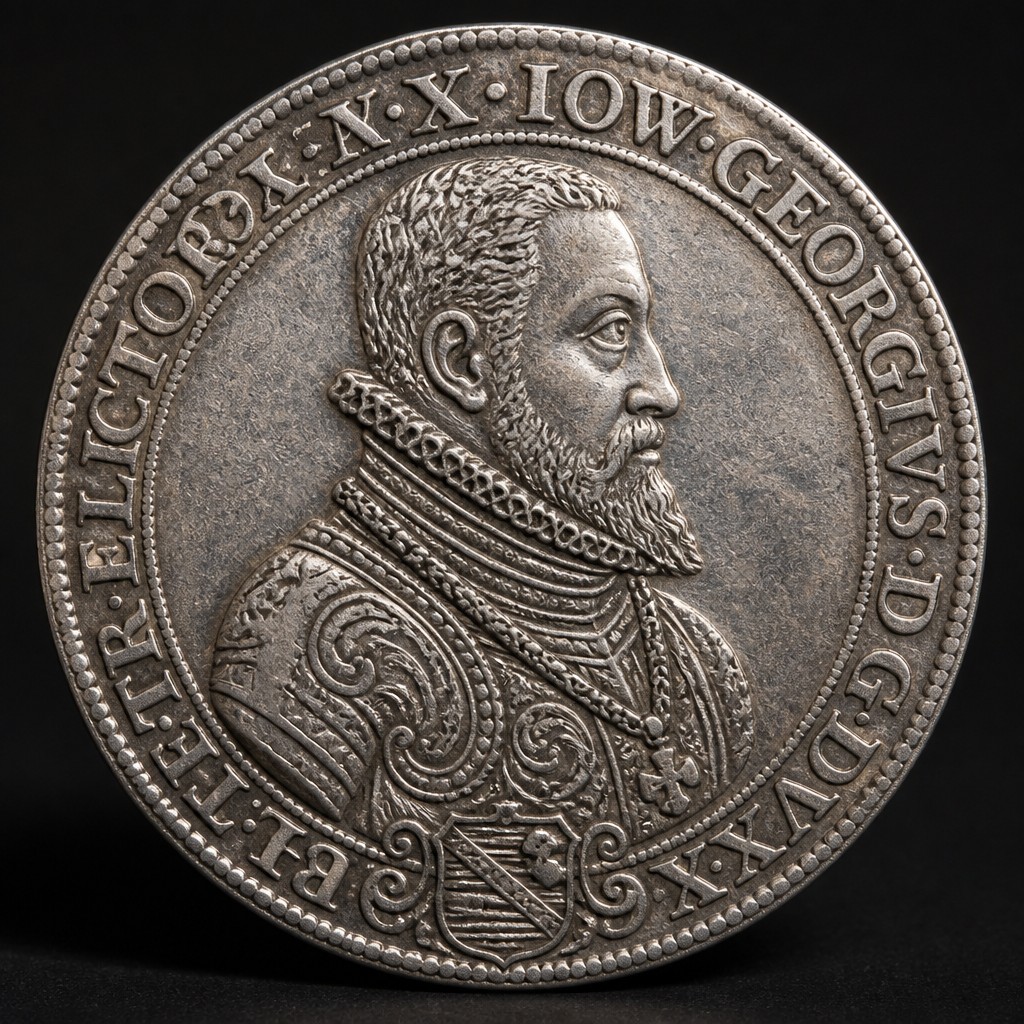
Saxony Thaler
Saxony was one of the earliest and most prolific issuers of thalers, with the electorate and later kingdom producing large silver coins from the 16th century until German unification.
European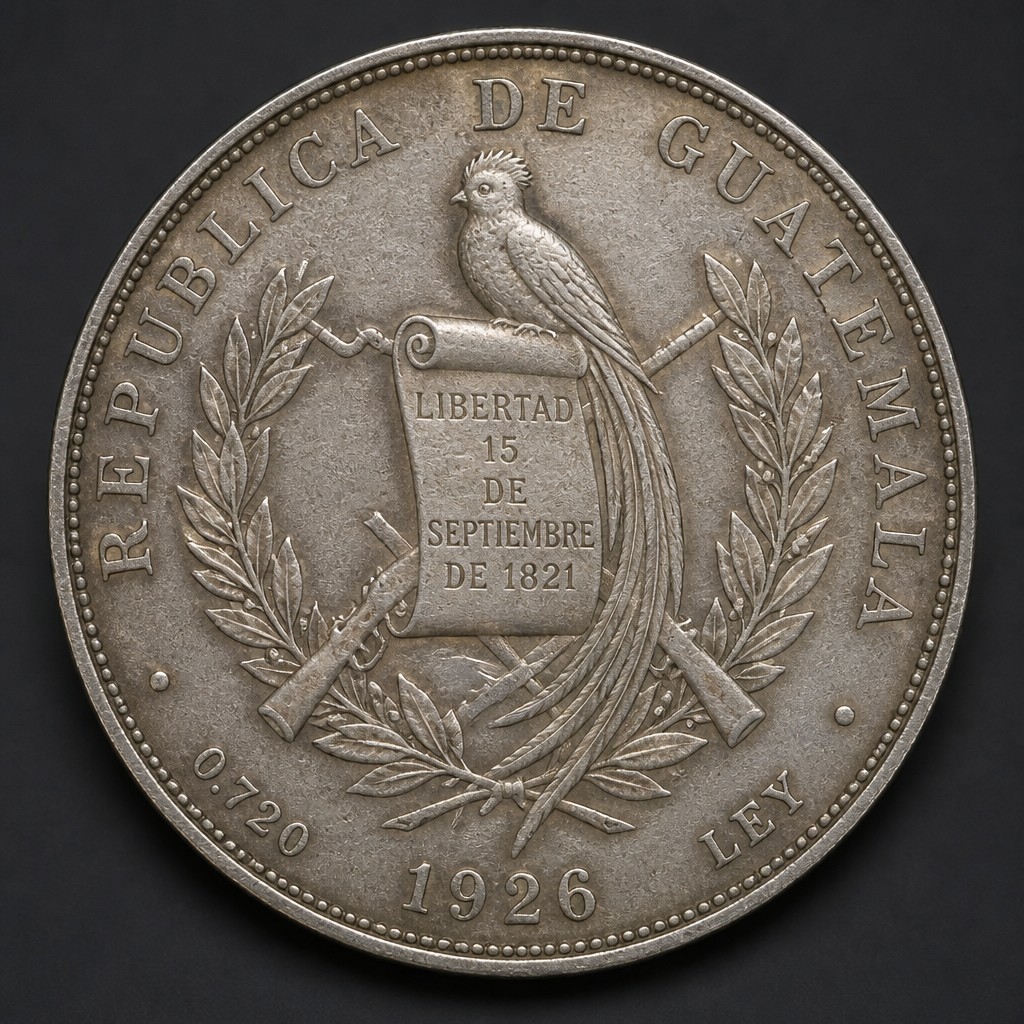
Guatemala Quetzal Silver
Guatemala's modern national currency unit, named after the resplendent quetzal bird, introduced in the 1920s with a substantial silver coin marking the country's monetary modernization.
Latin American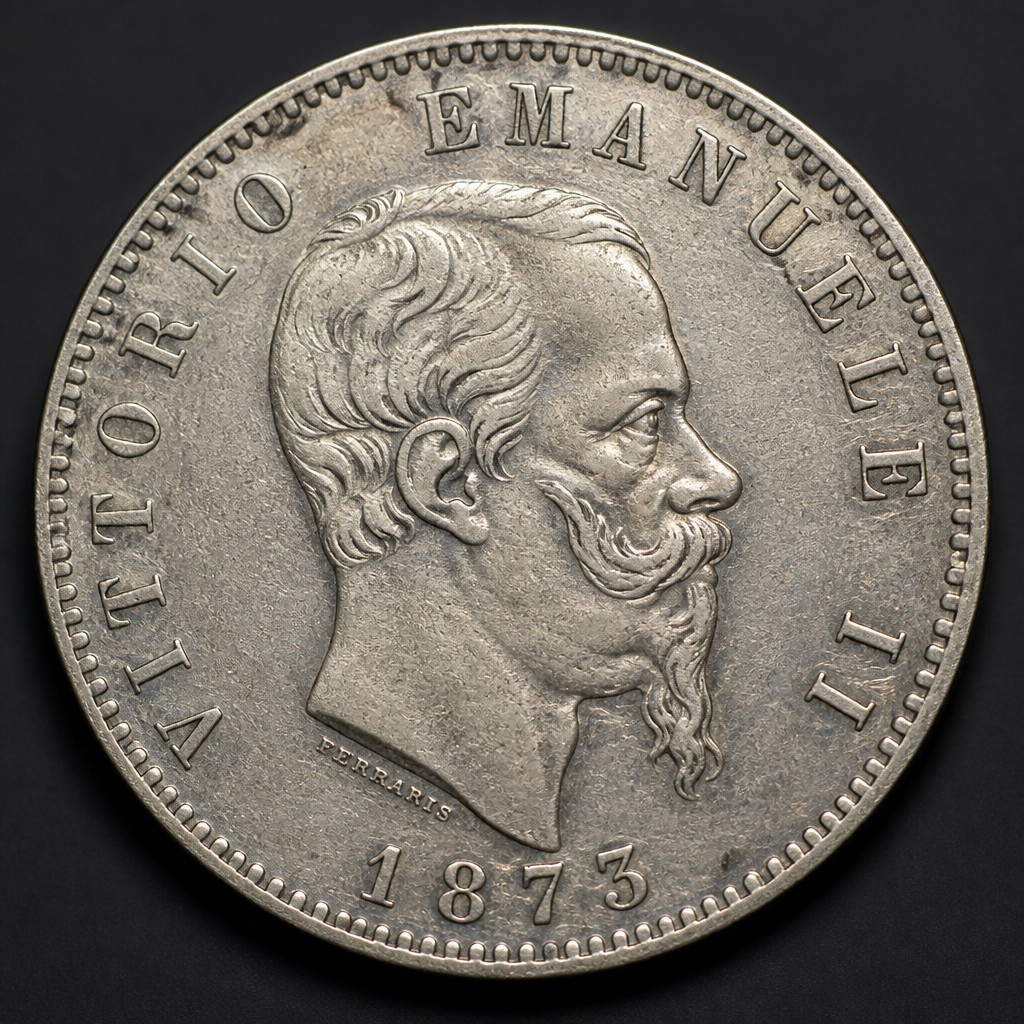
Italian 5 Lire Silver
The silver 5 Lire was the largest circulating silver coin of the newly unified Kingdom of Italy, featuring the portraits of its early kings and the national eagle, and remains a favorite of Italian collectors.
European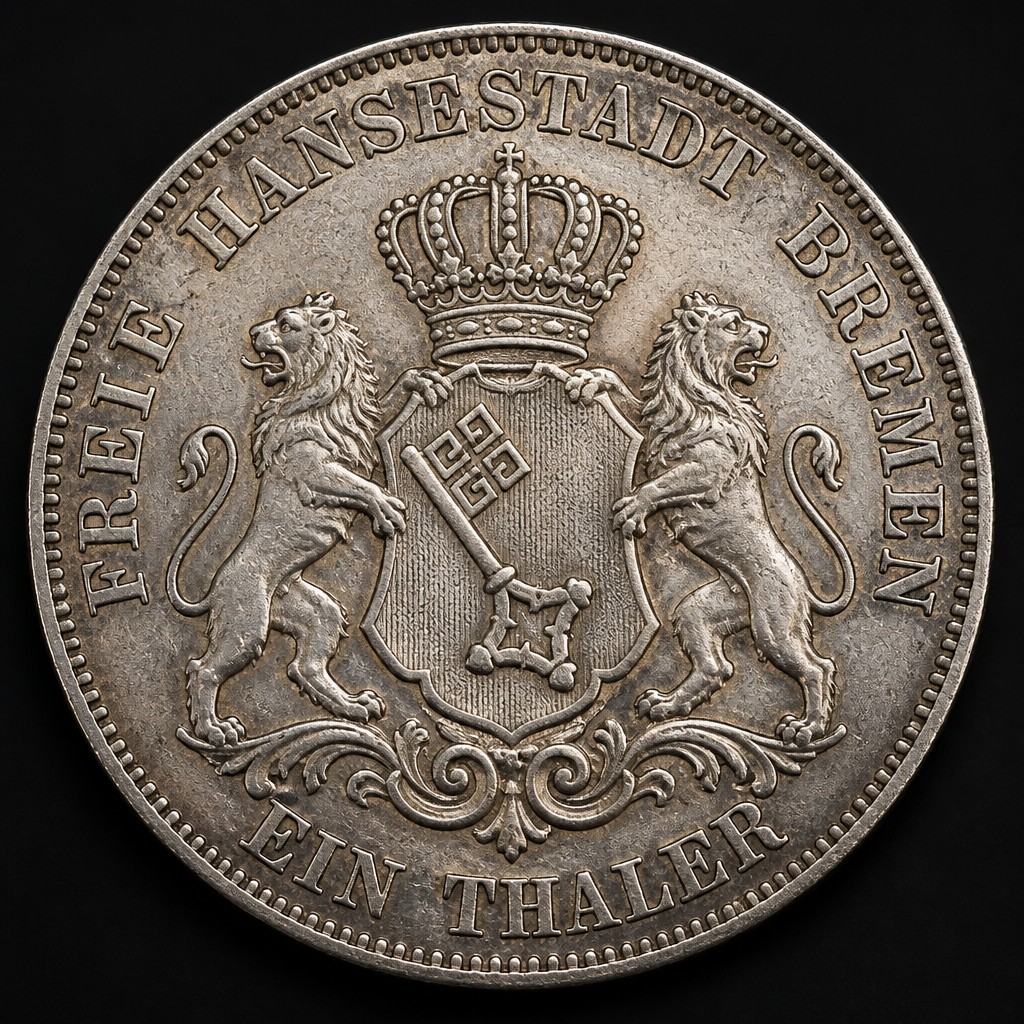
German Bremen Thaler
A silver thaler issued by the Free Hanseatic City of Bremen before German unification, featuring the city's heraldic key, part of the patchwork of pre-1871 German state and city coinages.
European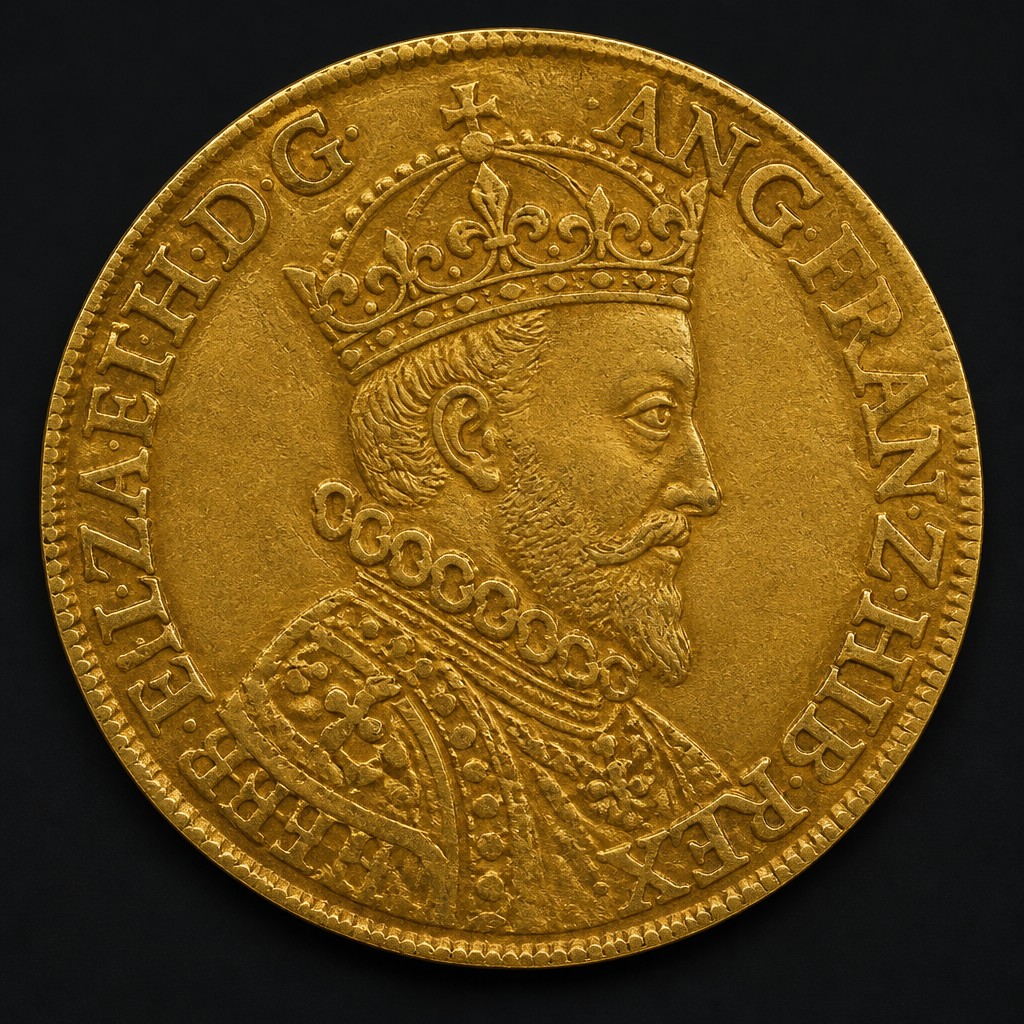
Touchstone Sovereign (Fine Sovereign)
A large, high-value English gold coin struck in especially pure 'fine gold,' valued at thirty shillings and distinguished from the more common crown-gold Sovereign of the same era.
British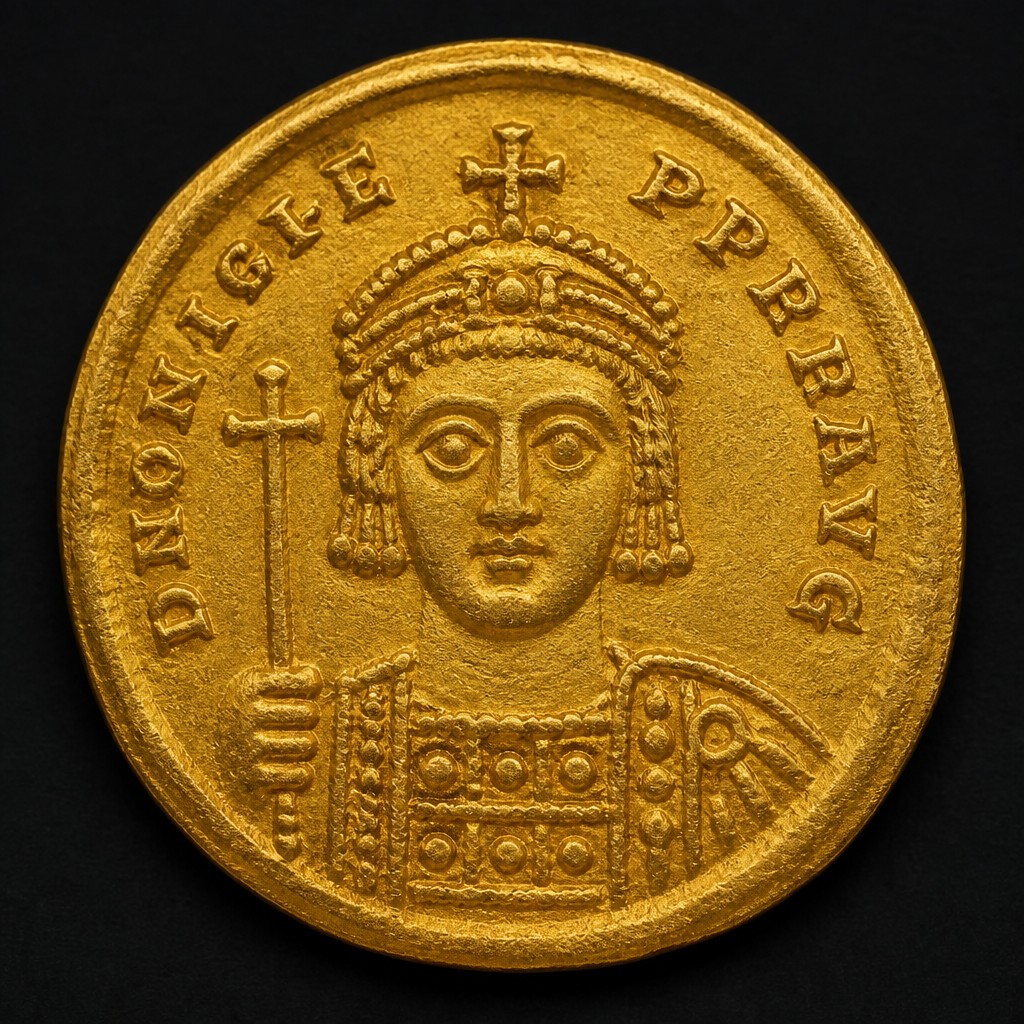
Byzantine Solidus
The gold standard coin of the Byzantine Empire for over 700 years, the solidus funded an empire, financed trade across three continents, and remained one of history's most stable currencies.
Ancient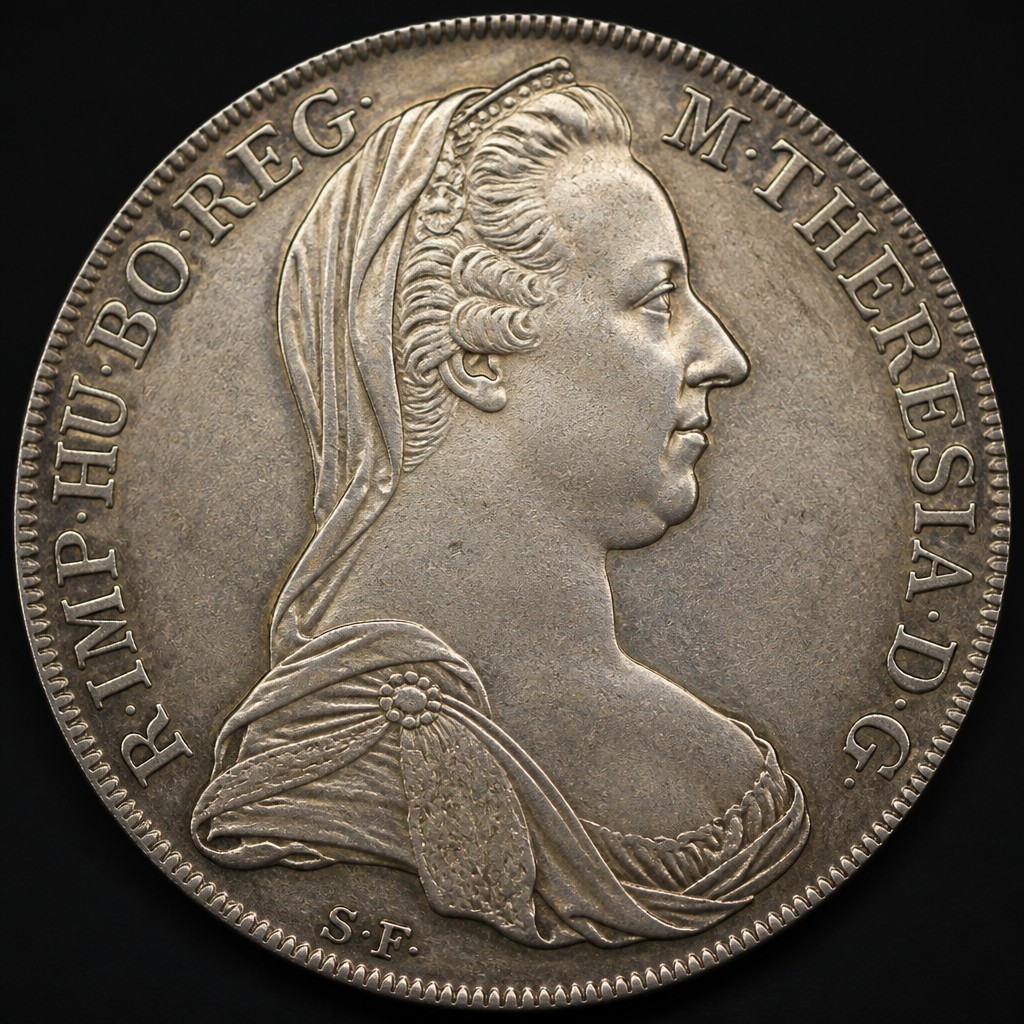
Austrian Levantine Thaler (Maria Theresa Thaler)
A famous silver trade coin bearing the portrait of Empress Maria Theresa, perpetually dated 1780 and restruck for centuries as a trusted trade currency across the Middle East, Arabia, and East Africa.
European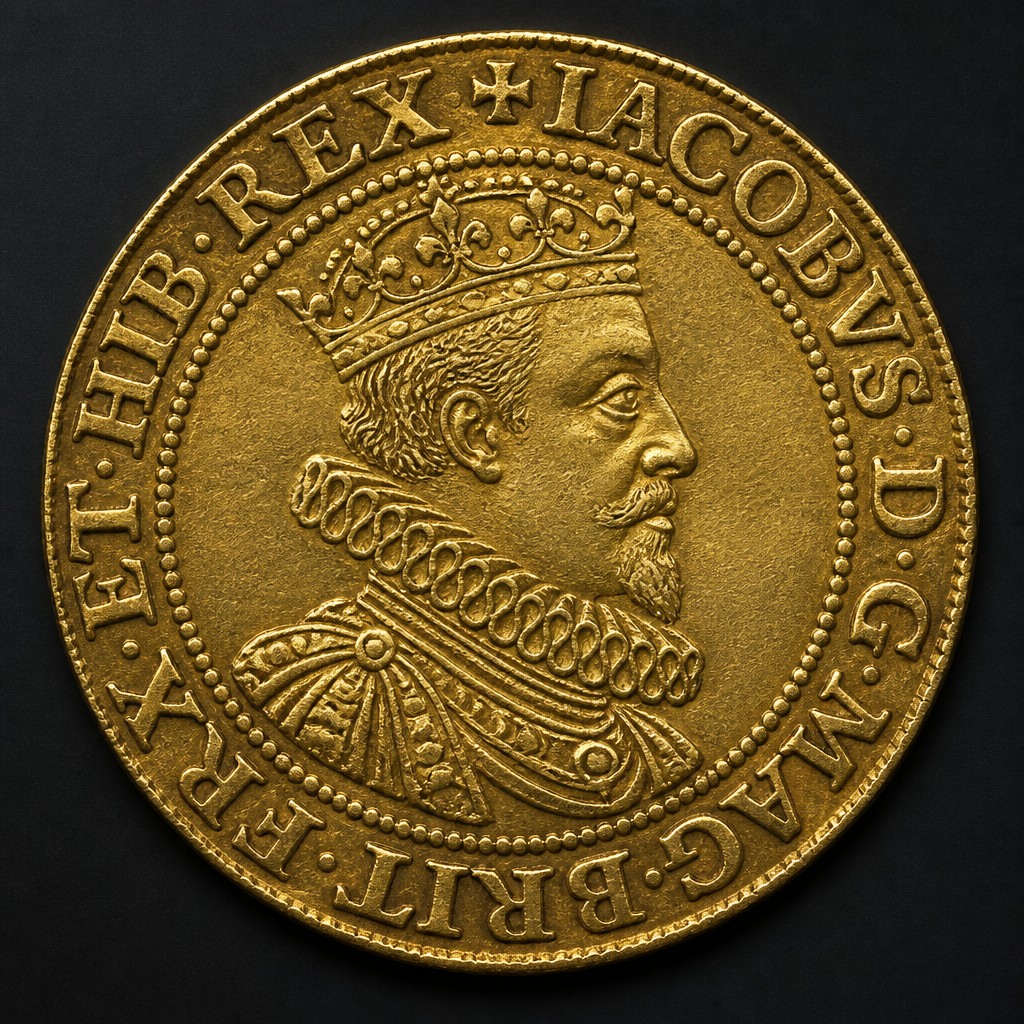
Unite
A gold twenty-shilling coin introduced by James I in 1604 to celebrate the union of the English and Scottish crowns, its name literally symbolizing the joining of the two kingdoms.
British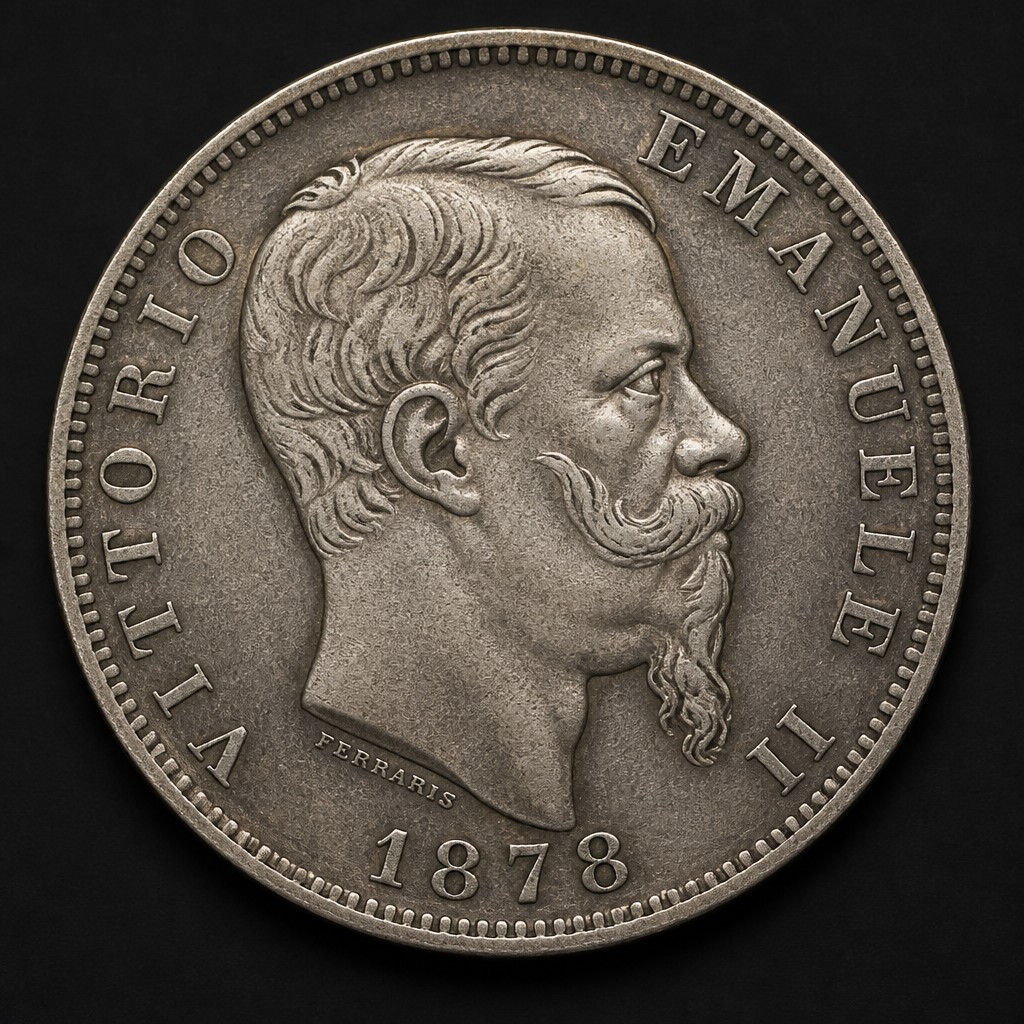
Italian 5 Lire
A large silver crown of the newly unified Kingdom of Italy, bearing the portrait of the reigning king and marking Italy's emergence as a single national currency after centuries of regional coinages.
European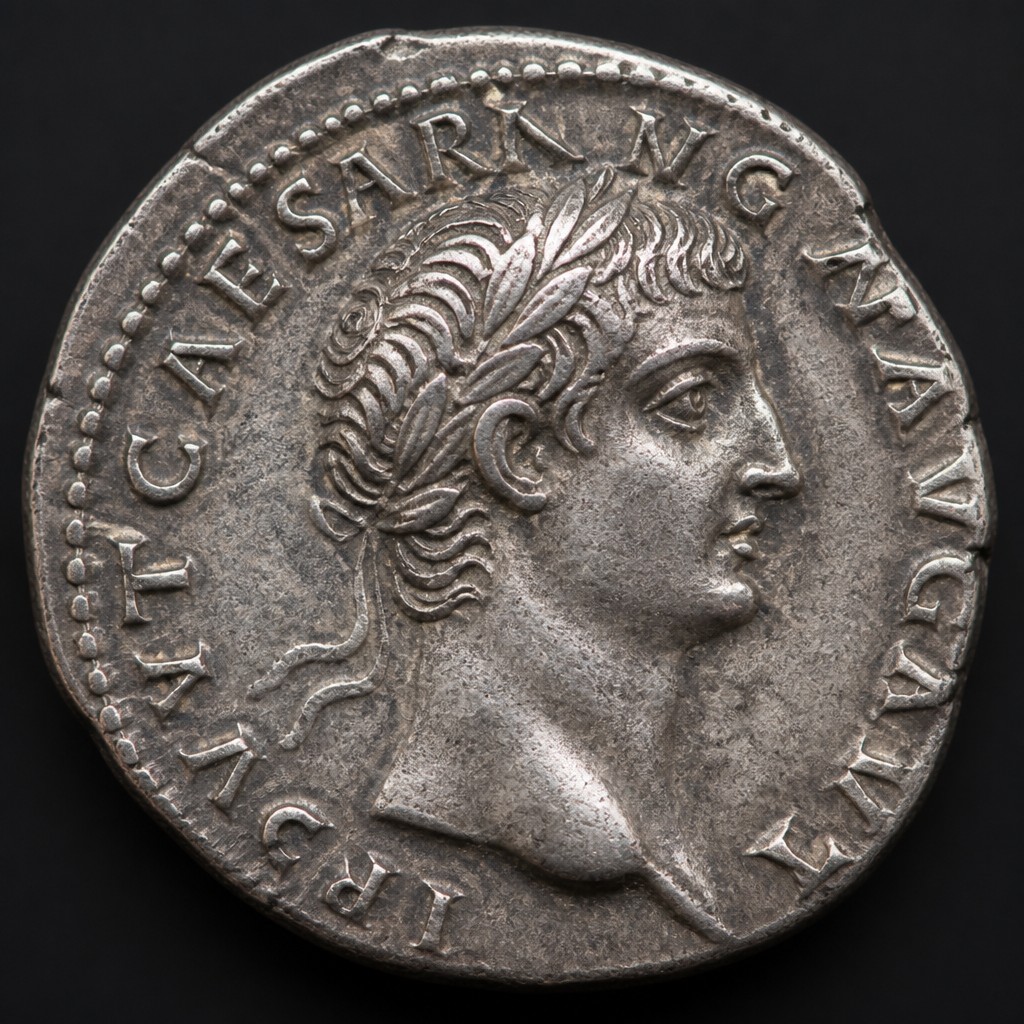
Roman Denarius
The workhorse silver coin of ancient Rome for over four centuries, used across the Republic and Empire and one of the most widely collected categories of ancient coinage today.
Ancient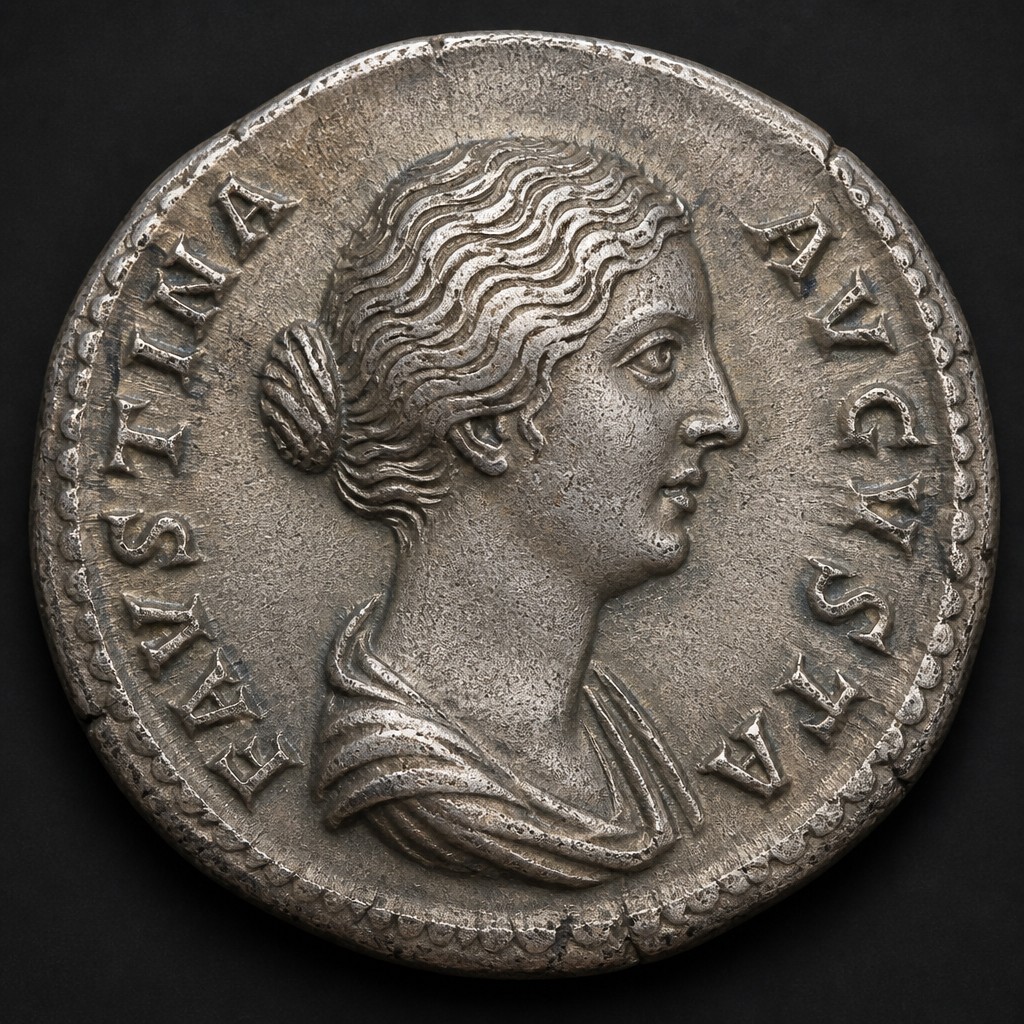
Faustina the Younger Denarius
Silver denarius of Faustina the Younger, daughter of Antoninus Pius and wife of Marcus Aurelius, whose coinage emphasizes fertility and family themes.
Ancient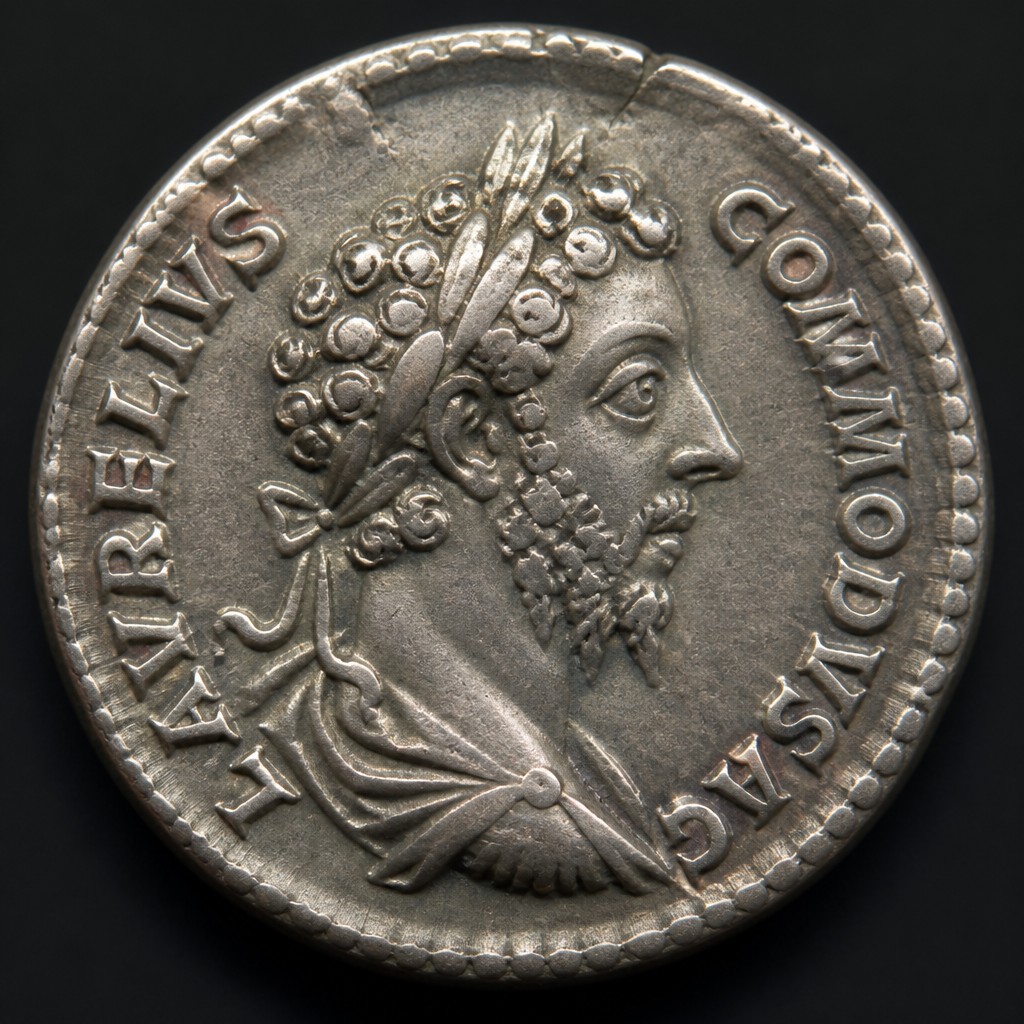
Commodus Denarius
Silver denarius of Commodus, the erratic son of Marcus Aurelius, whose later coinage famously depicted him as Hercules with lion skin and club.
Ancient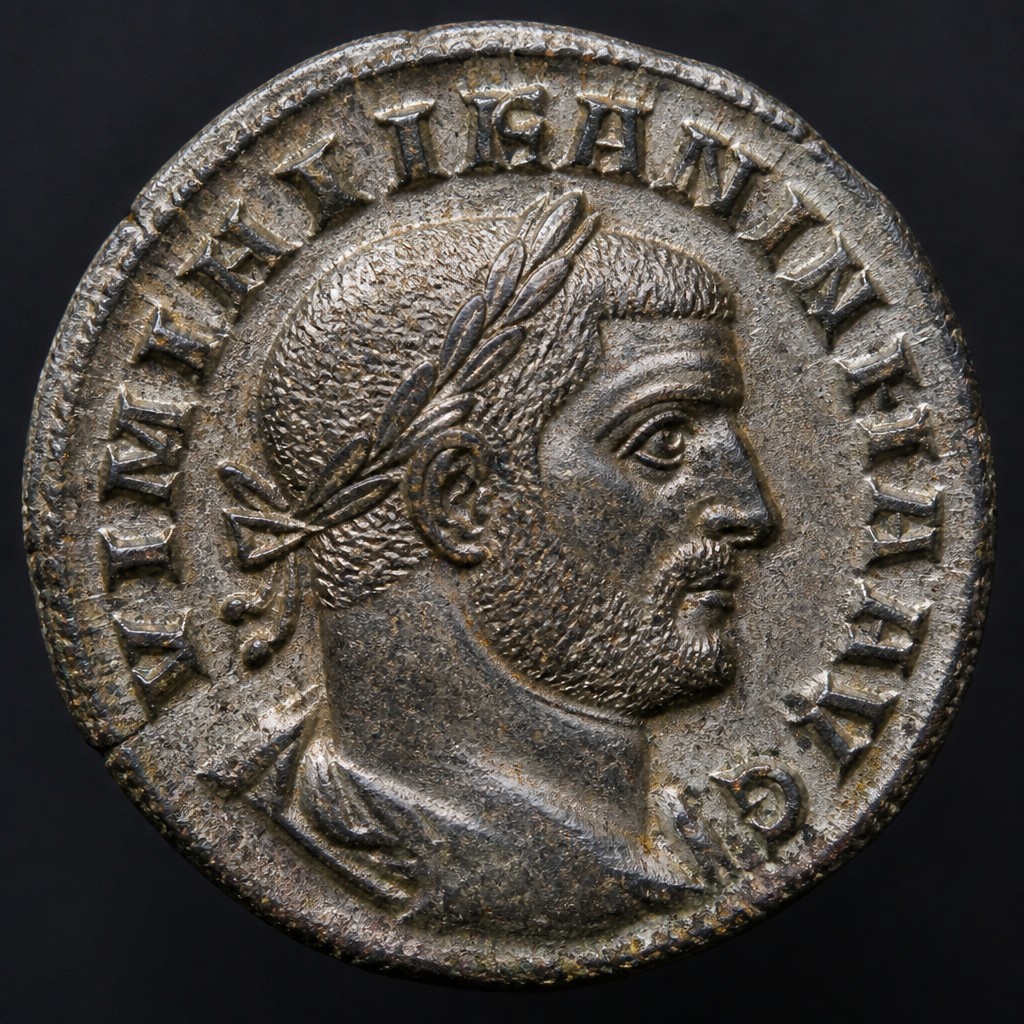
Maximian Follis
Large bronze follis of Maximian, co-Augustus with Diocletian who ruled the western half of the empire as part of the Tetrarchy and shared the same reformed coinage design.
Ancient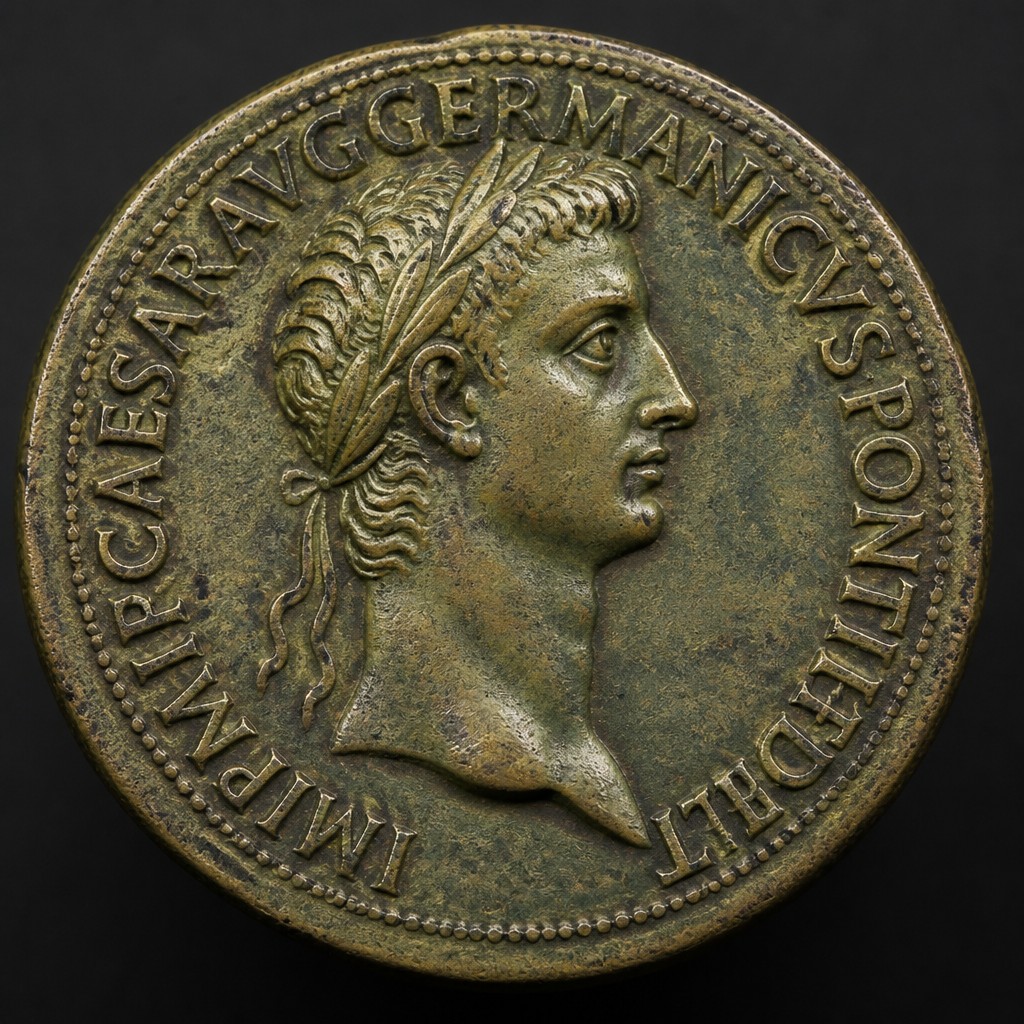
Caligula Sestertius
A large brass sestertius of the notorious emperor Caligula, a scarce and historically fascinating coin due to his short, controversial reign and later condemnation.
Ancient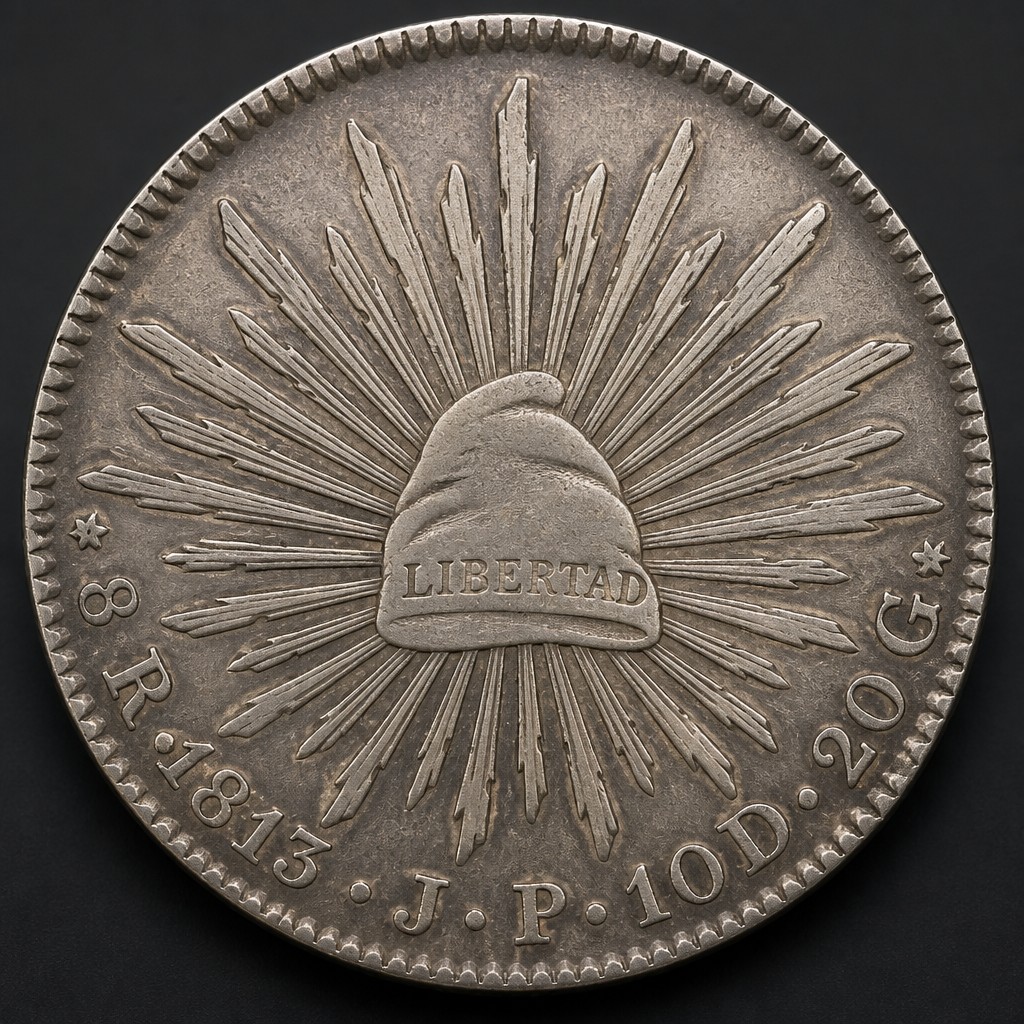
Argentina 8 Reales
Silver 8 reales struck after Argentina's 1810 independence movement, replacing the Spanish king's portrait with the revolutionary Sun of May and clasped hands design.
Latin American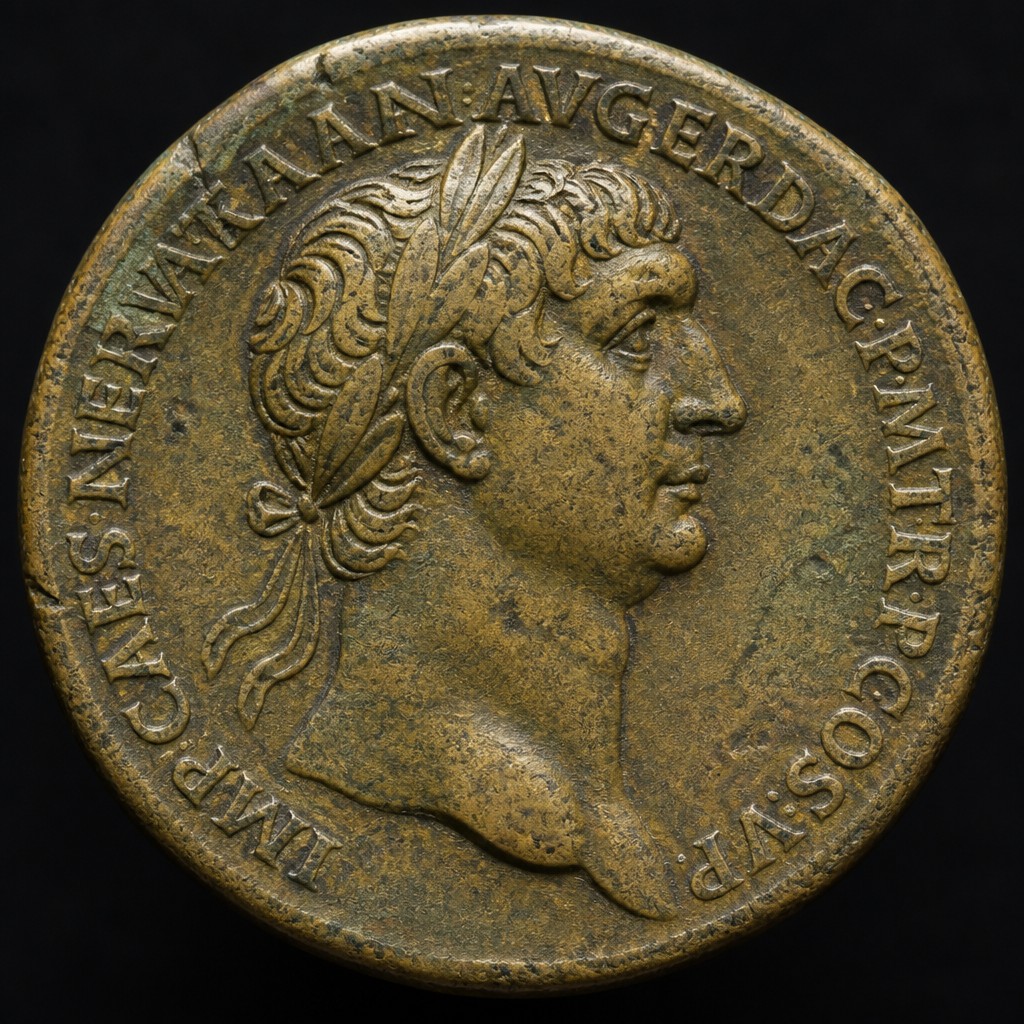
Trajan Sestertius
A large bronze coin of Trajan, whose reign brought the Roman Empire to its greatest territorial extent, with reverses celebrating Dacian conquest, public works, and Trajan's Column.
Ancient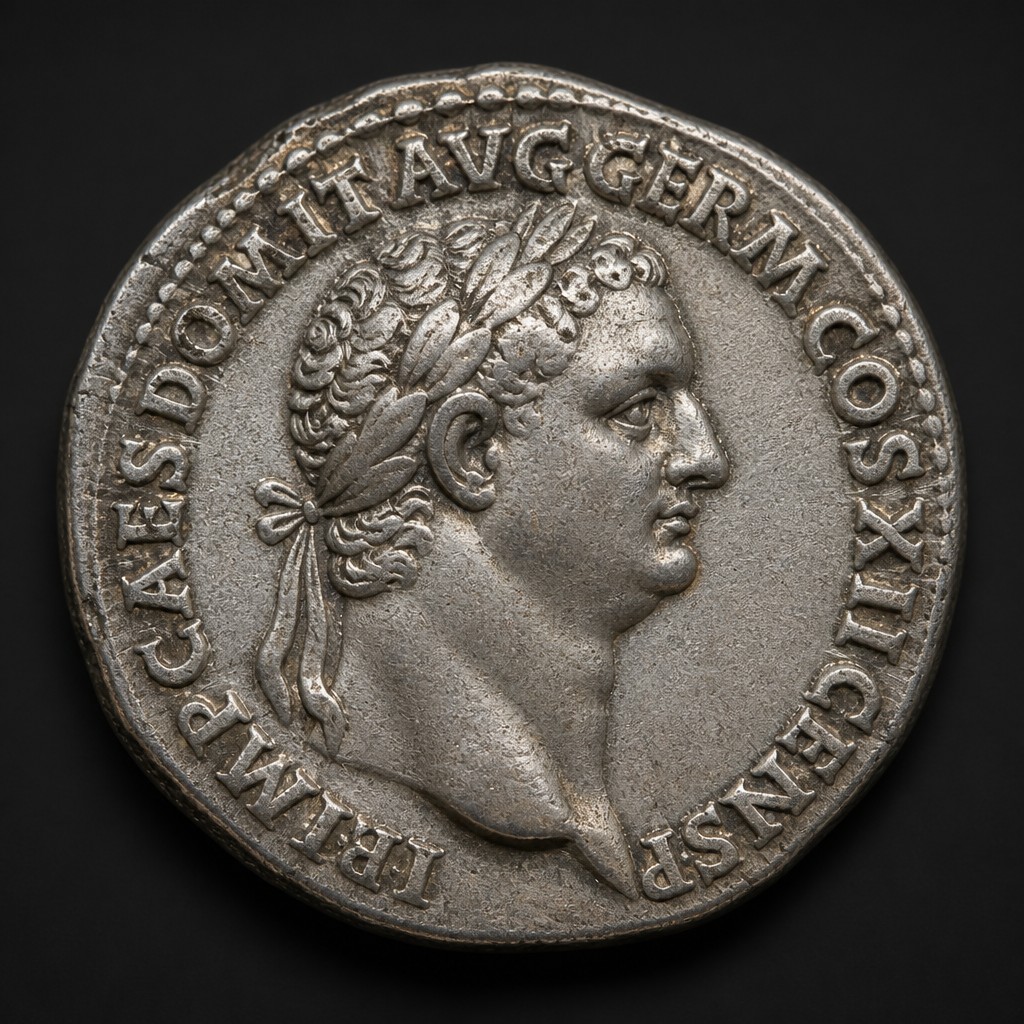
Domitian Denarius
Silver coin of the last Flavian emperor, Domitian, whose lengthy autocratic reign produced abundant, well-struck denarii before his assassination and damnatio memoriae.
Ancient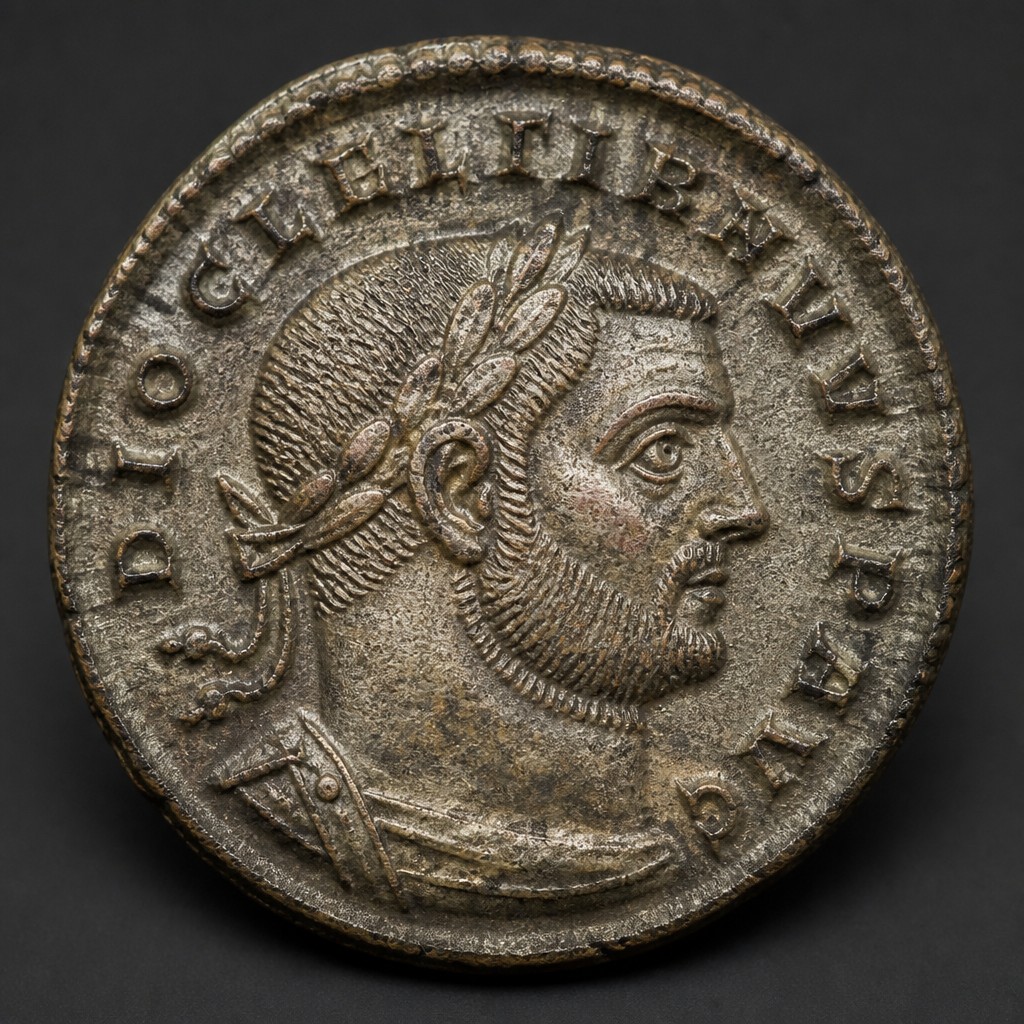
Diocletian Follis
Large bronze follis of Diocletian, whose sweeping reforms ended the Crisis of the Third Century, established the Tetrarchy, and introduced this new standardized coin denomination in 294 AD.
Ancient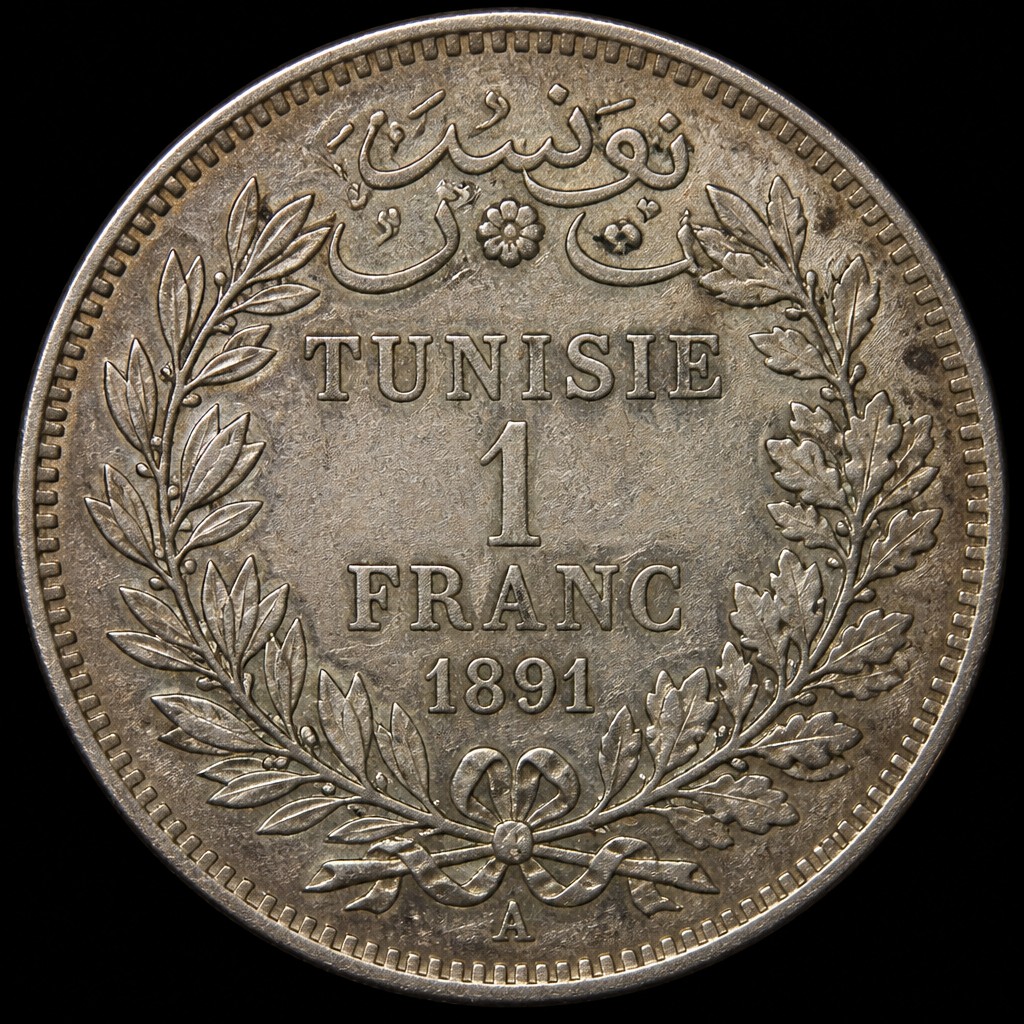
Tunisian Franc (Beylik Era)
French-franc-aligned coinage struck in the name of the Tunisian Bey during the era of French protectorate influence, blending Arabic and French inscriptions.
Africa & Oceania