
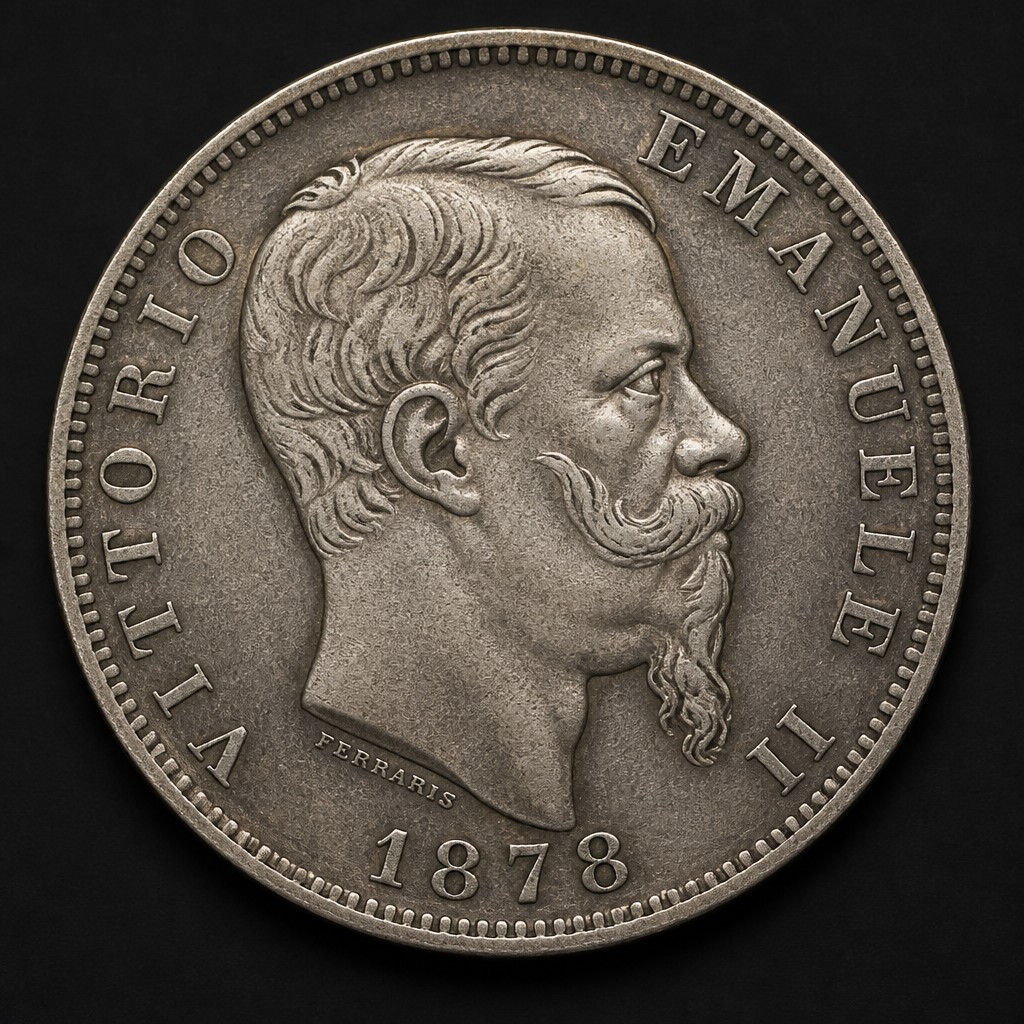
Italian 5 Lire
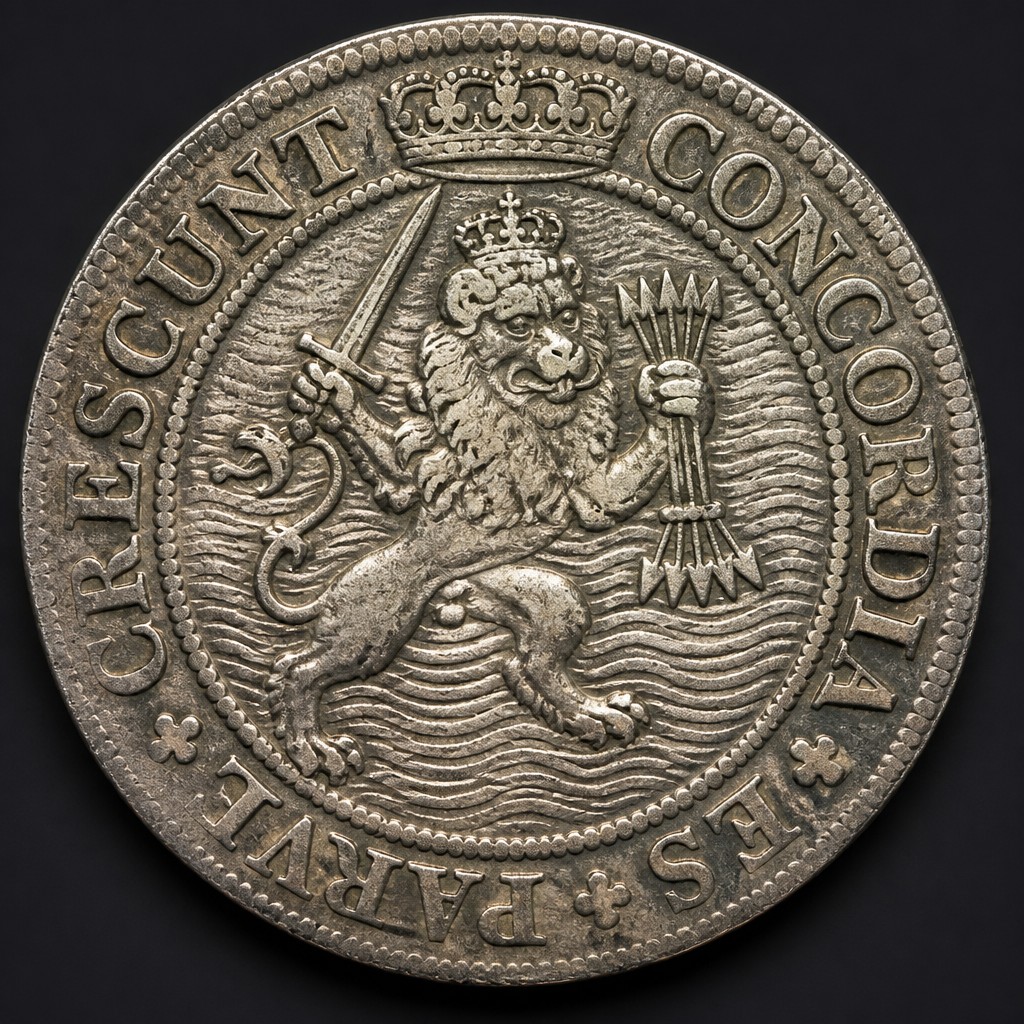
A large silver crown of the newly unified Kingdom of Italy, bearing the portrait of the reigning king and marking Italy's emergence as a single national currency after centuries of regional coinages.
- Country
- Italy (Kingdom of Italy)
- Denomination
- 5 Lire
- Metal
- .900 silver (earlier issues); later 20th-century issues in base metal
Got a coin like this?
Identify any coin from a photo, free.
Overview
The Italian 5 Lire coin stands as the flagship large silver denomination of the Kingdom of Italy, introduced in the early 1860s as the country unified under King Vittorio Emanuele II after decades of political fragmentation among separate Italian states, duchies, and kingdoms. Replacing the patchwork of regional currencies previously used across the peninsula, including the lira of Piedmont-Sardinia, the Papal scudo, and the Neapolitan piastra, the new national 5 Lire coin symbolized the practical and symbolic unification of Italy's monetary system alongside its political unification.
Over subsequent decades, the coin's design evolved with each reigning monarch, from Vittorio Emanuele II through Umberto I and Vittorio Emanuele III, generally following the broader European convention of a royal portrait obverse paired with a national arms or allegorical reverse. Silver 5 Lire coinage was periodically suspended and revived depending on economic conditions and silver prices, with later 20th-century issues eventually shifting to base metal compositions as, like much of Europe, Italy moved away from precious-metal circulating coinage.
The coin's long, evolving history across the Kingdom of Italy makes it a useful thread for tracing Italian political and economic history from unification through the interwar period and into the eventual transition to the Italian Republic after World War II.
History & Background
Italy's unification, achieved substantially by 1861 under the leadership of the Kingdom of Sardinia-Piedmont and figures such as Camillo Cavour and Giuseppe Garibaldi, required consolidating a bewildering array of regional currencies into a single national system. The new Kingdom of Italy adopted the lira as its currency unit, aligned closely with the French franc under the emerging Latin Monetary Union framework, with the 5 Lire coin serving as the primary large silver denomination, minted initially bearing the portrait of King Vittorio Emanuele II, who became the first king of unified Italy.
Coinage continued under King Umberto I following his father's death in 1878, and later under Vittorio Emanuele III from 1900, with the 5 Lire denomination periodically struck in silver during the early 20th century, including notable issues in the 1910s and 1920s marking events such as the fiftieth anniversary of the Kingdom, before economic pressures and changing monetary policy led to reduced silver coinage and eventual base-metal substitutes in later decades.
Italian coinage, including the 5 Lire, continued through the Fascist era under Vittorio Emanuele III until the monarchy's abolition in 1946 and the establishment of the Italian Republic, which introduced its own postwar lira coinage design.
How to Identify
Early Kingdom of Italy 5 Lire coins show a right- or left-facing portrait of the reigning king (Vittorio Emanuele II, Umberto I, or Vittorio Emanuele III depending on date) with his name and title in Italian around the border, while the reverse typically displays the crowned royal arms of Savoy, or in later issues, allegorical or commemorative imagery, along with the denomination "L. 5" or "5 LIRE" and the date.
The coin is struck in .900 fine silver in its earlier and mid-period issues, approximately 37mm in diameter, with a reeded or lettered edge depending on the specific type and mint. Mintmarks for the striking city (Rome, Milan, Turin, Naples, and others depending on period) appear in small form on the coin, alongside the initials of the mint director, which collectors use to help pinpoint exact striking location and date variety.
Collectors should note that "5 Lire" coins were issued across a very long span with changing metal compositions; later 20th-century circulating 5 Lire pieces shifted to base metals such as nickel or other alloys as silver coinage was phased out, so checking date, portrait, and material together is essential to correctly identify a specific type within this long-running denomination.
Value & Collectibility
Early Kingdom of Italy silver 5 Lire coins featuring Vittorio Emanuele II, particularly from the 1860s-1870s, are generally sought after by collectors of Italian and European crowns, with certain lower-mintage dates or mints commanding significant premiums over more common issues, especially in higher circulated or mint-state grades. Later silver commemorative or anniversary 5 Lire issues from the early 20th century can also be quite collectible depending on specific mintage and rarity.
Base-metal 5 Lire coins from the mid-20th century are generally common and modestly valued, reflecting large circulating mintages, in contrast to the earlier silver crowns. As with most European crown coinage, condition, mint, date, and correct identification of the specific reign and type are the key factors driving value across this long-running denomination.
Frequently asked questions
Why did Italy need a new national coinage in the 1860s?
Italy's unification in 1861 brought together many previously separate states, each with its own currency, requiring a single unified national coinage system.
Which kings appear on the Italian 5 Lire?
Vittorio Emanuele II, Umberto I, and Vittorio Emanuele III each appear on 5 Lire coins struck during their respective reigns.
Is the Italian 5 Lire always silver?
No, earlier issues (mainly 19th and early 20th century) were struck in silver, while later 20th-century circulating coins shifted to base metal.
How can I tell which mint struck a specific coin?
Small mintmarks and mint director initials appear on the coin and can be cross-referenced with Italian numismatic catalogs to identify the specific mint.
Are all Italian 5 Lire coins valuable?
No; value depends heavily on specific date, mint, metal composition, and condition, with early silver issues generally more sought after than common later base-metal coins.
Other coins you may enjoy
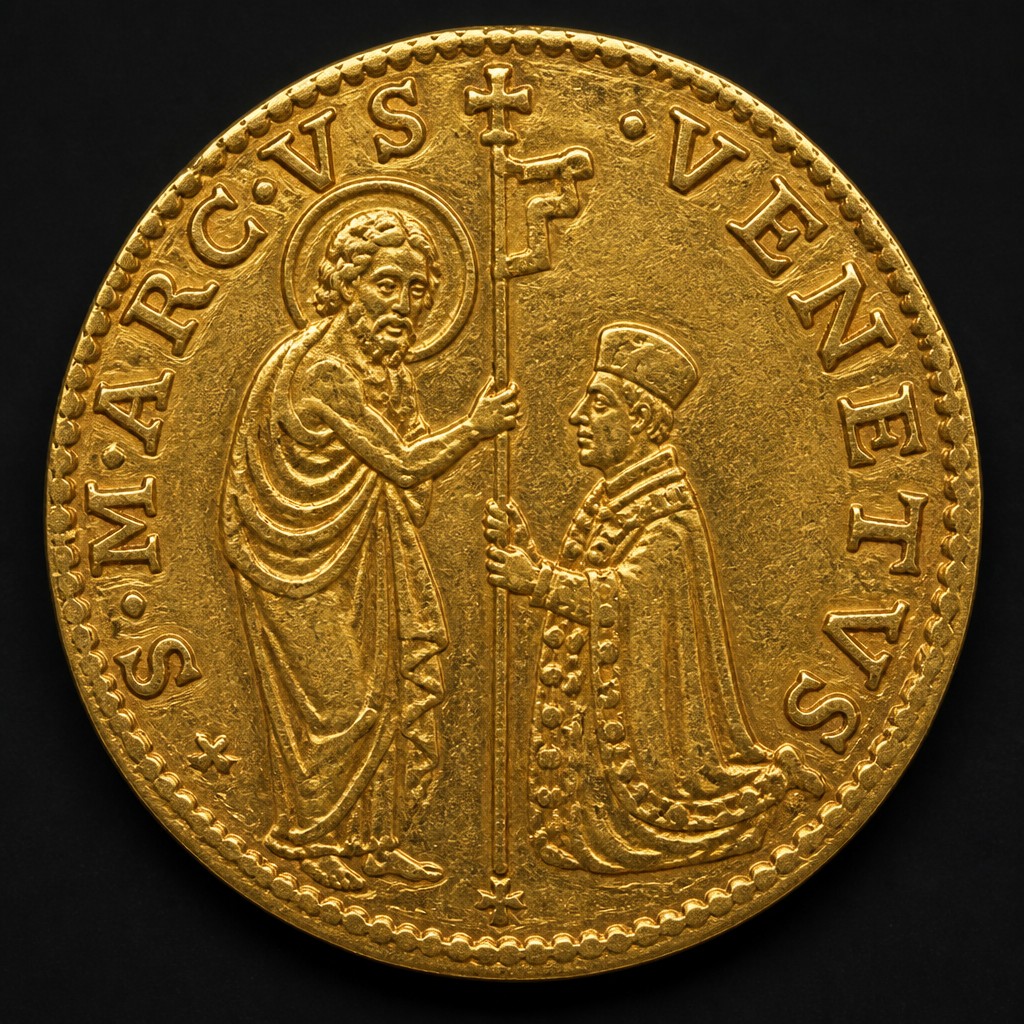
Venetian Ducat
1284–1797
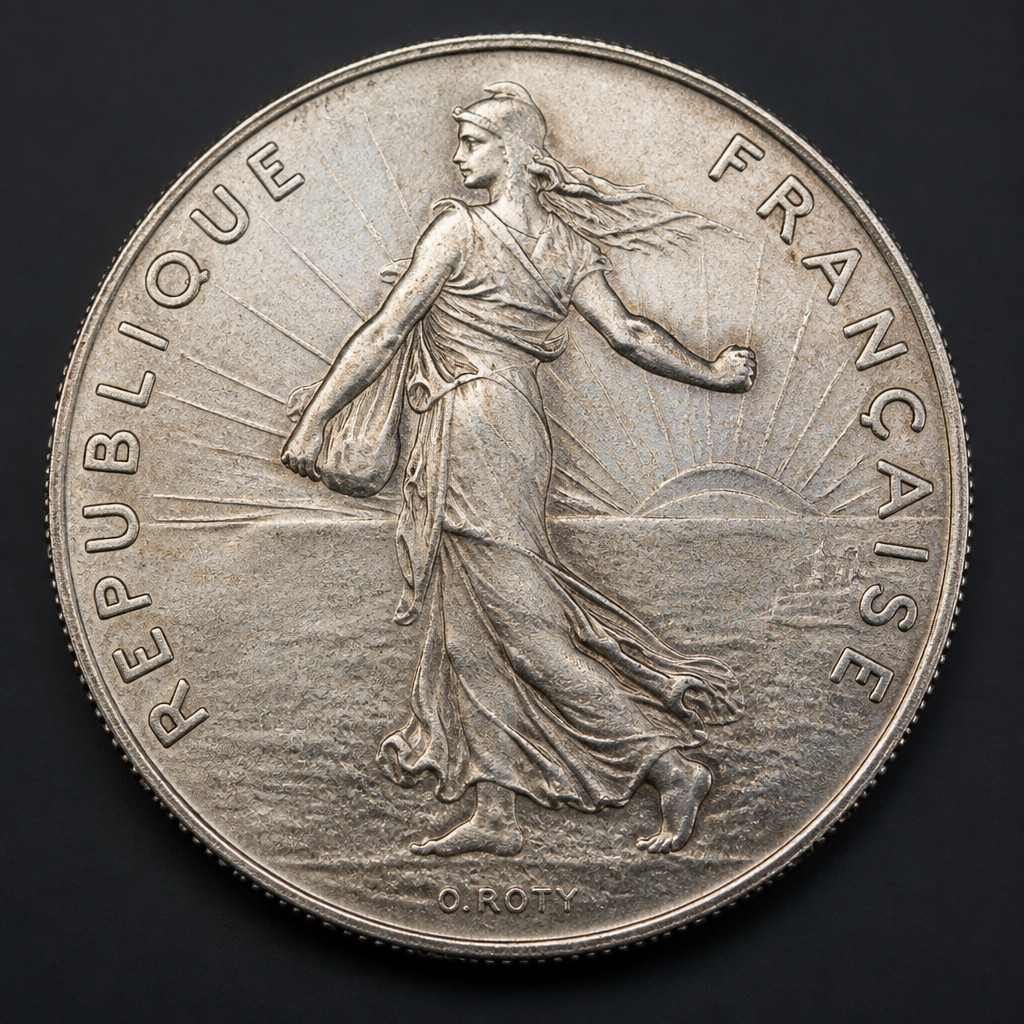
French 100 Francs Silver
1980s–2001 (pre-euro era)
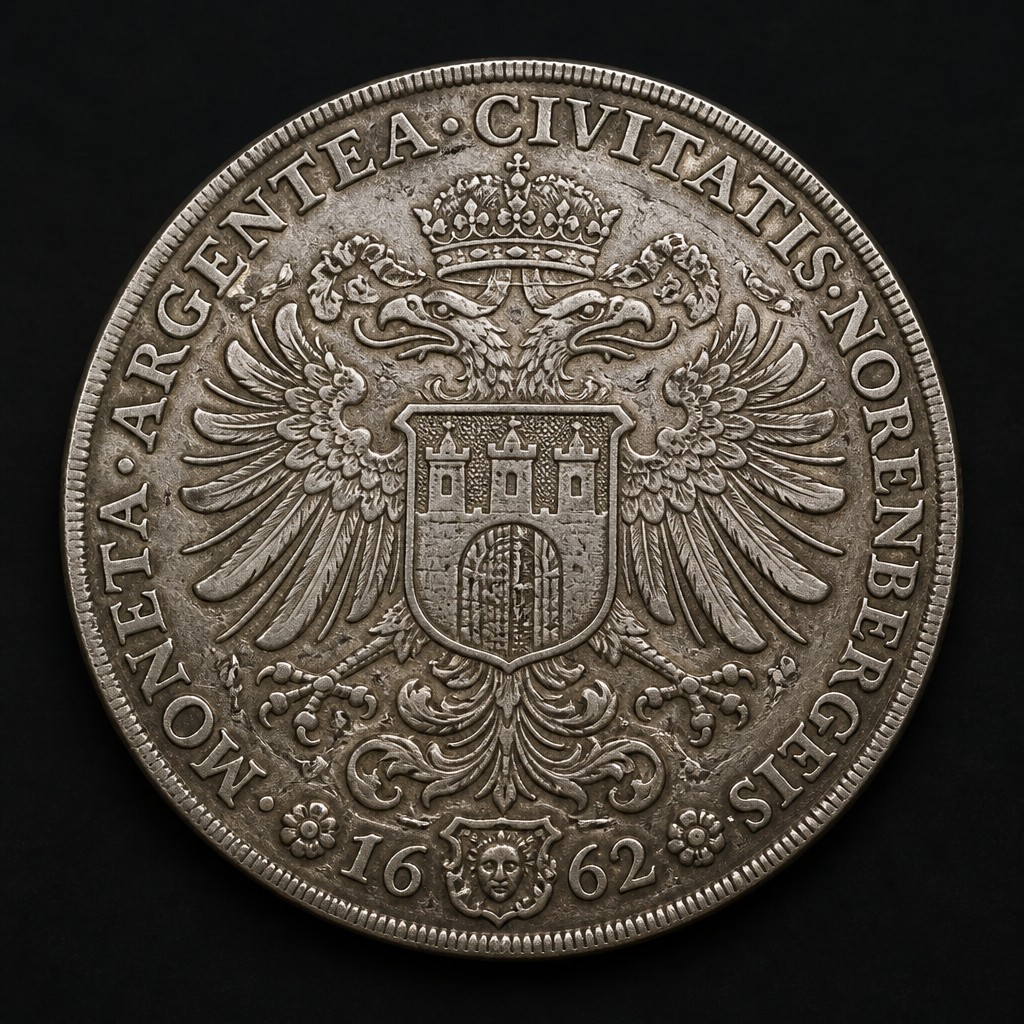
Nuremberg Thaler
16th–18th century
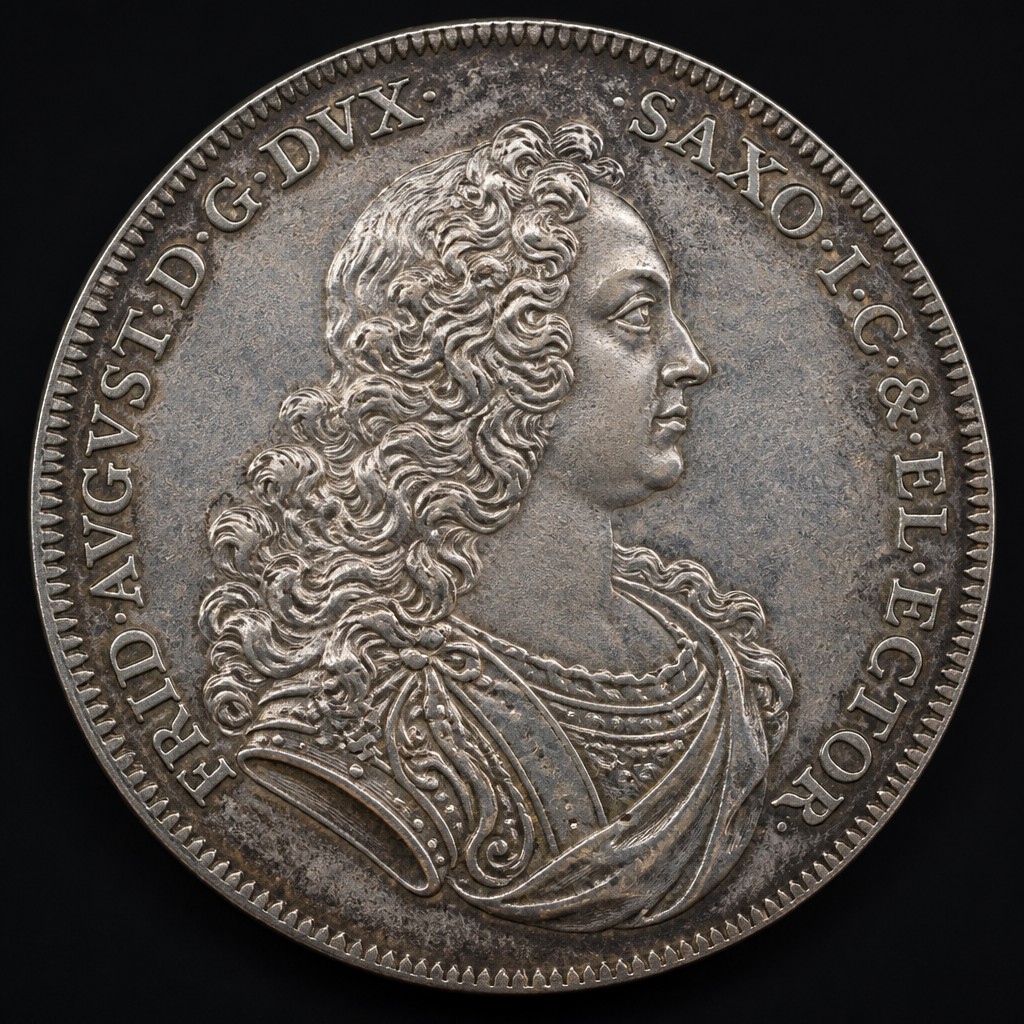
Saxon Speciestaler
17th–19th century
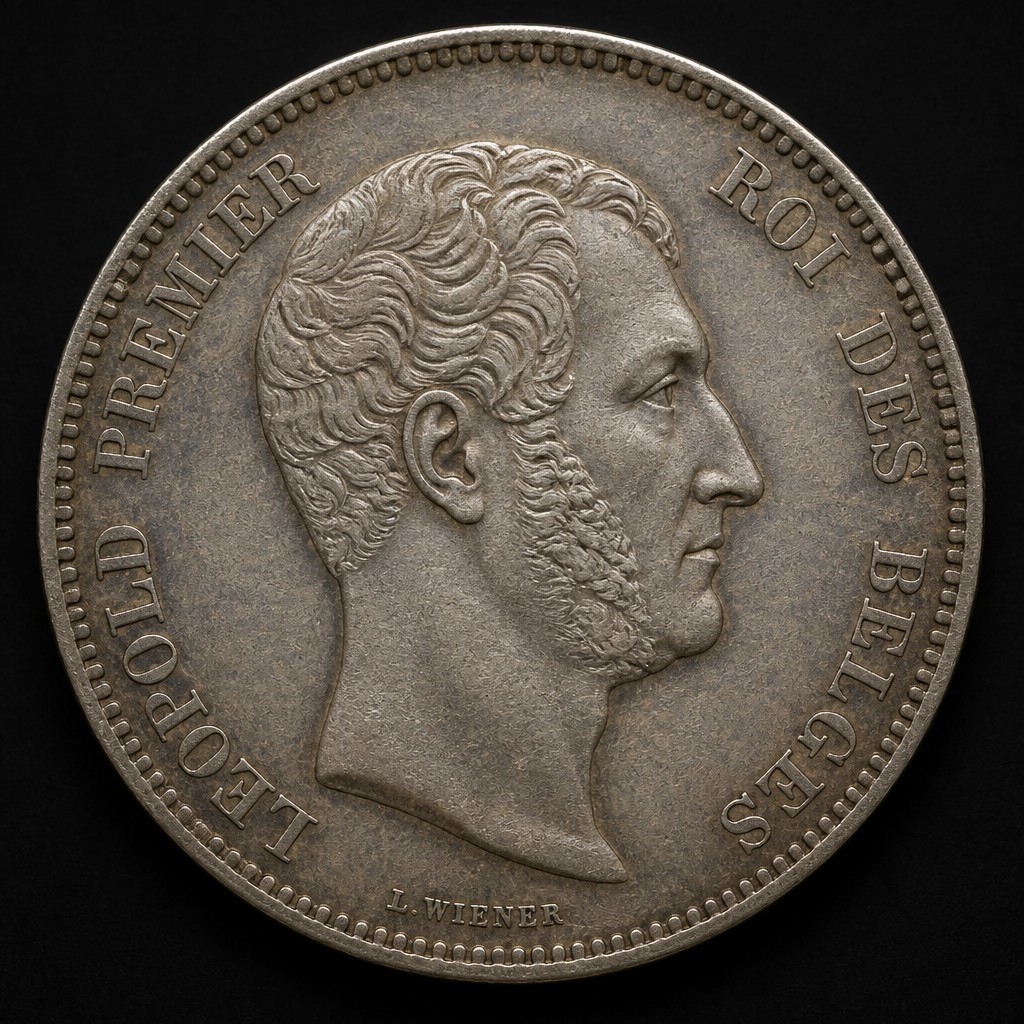
Belgian 5 Francs
1832–1876 (large silver type); later reduced-size and later-metal issues into the 20th century
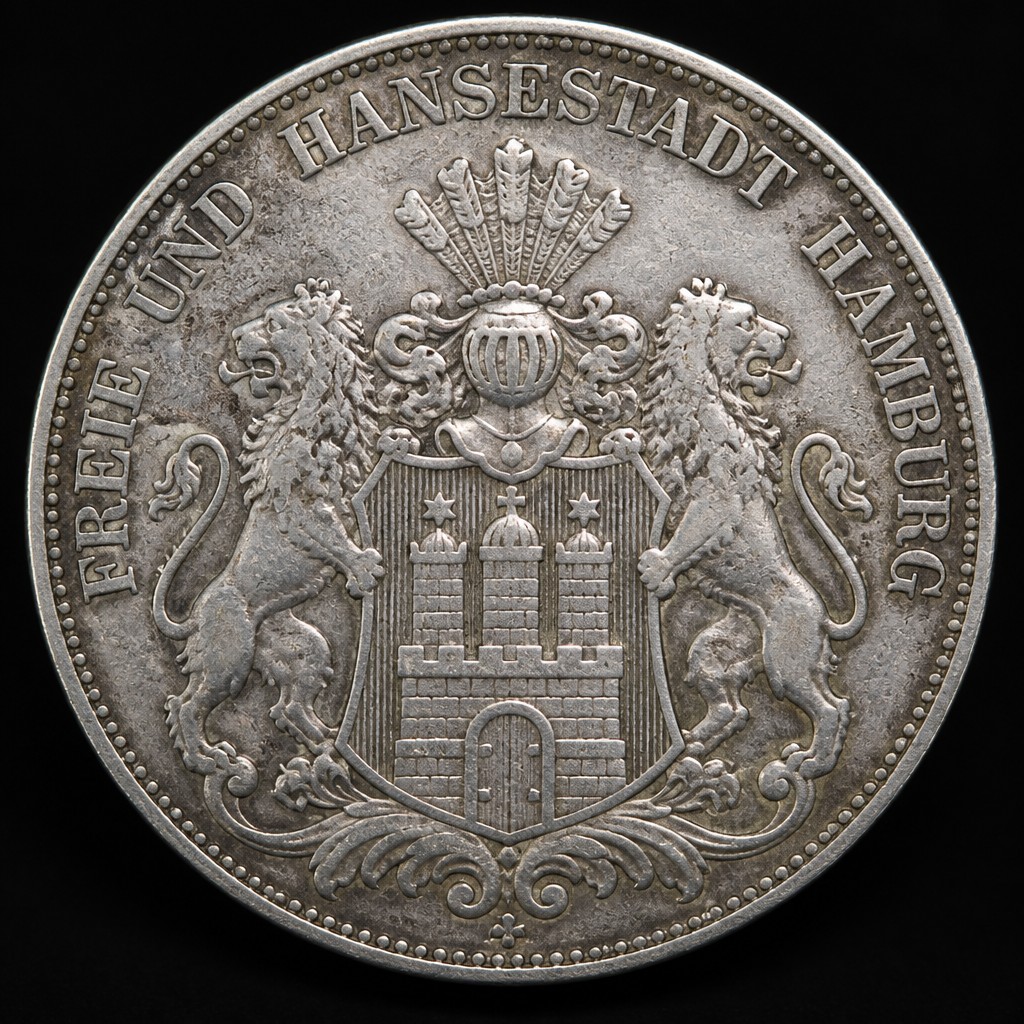
Hamburg Thaler
17th century–1871
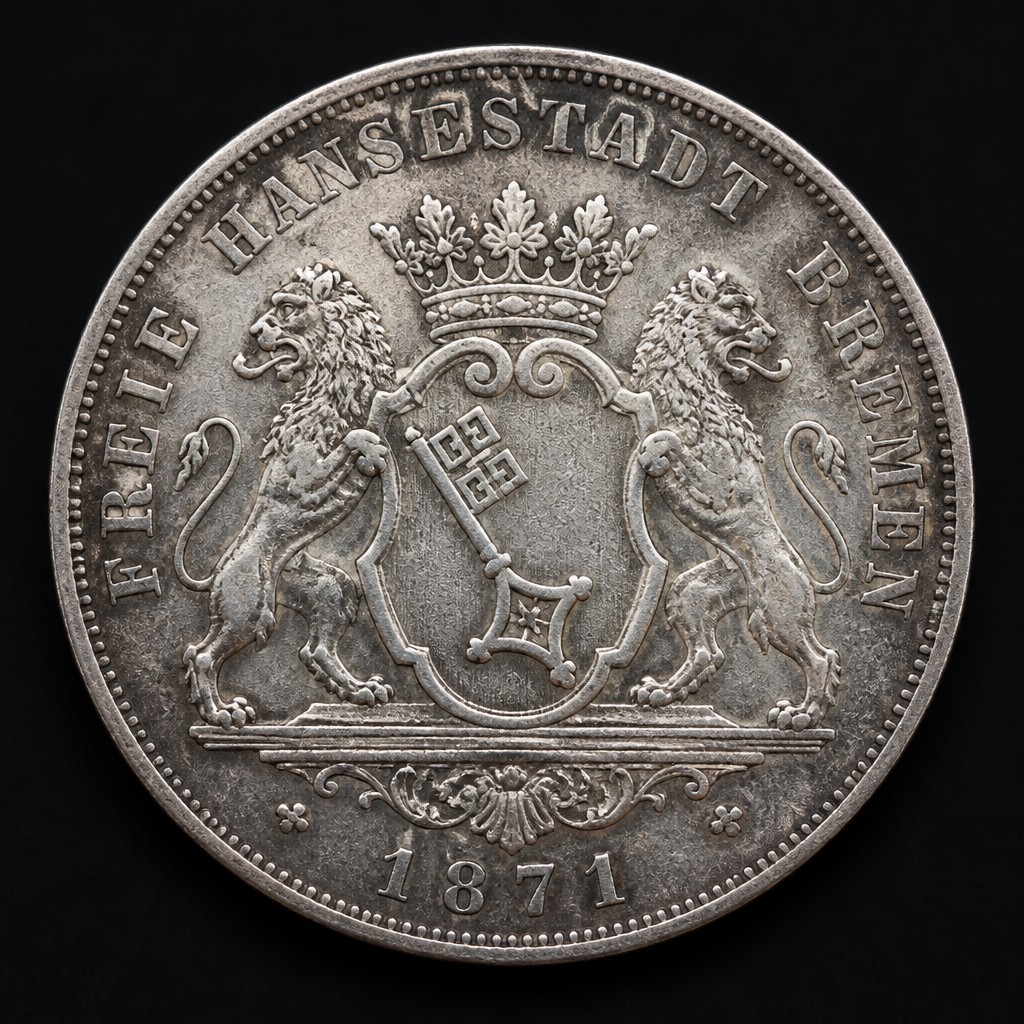
Bremen Thaler
17th century–1871
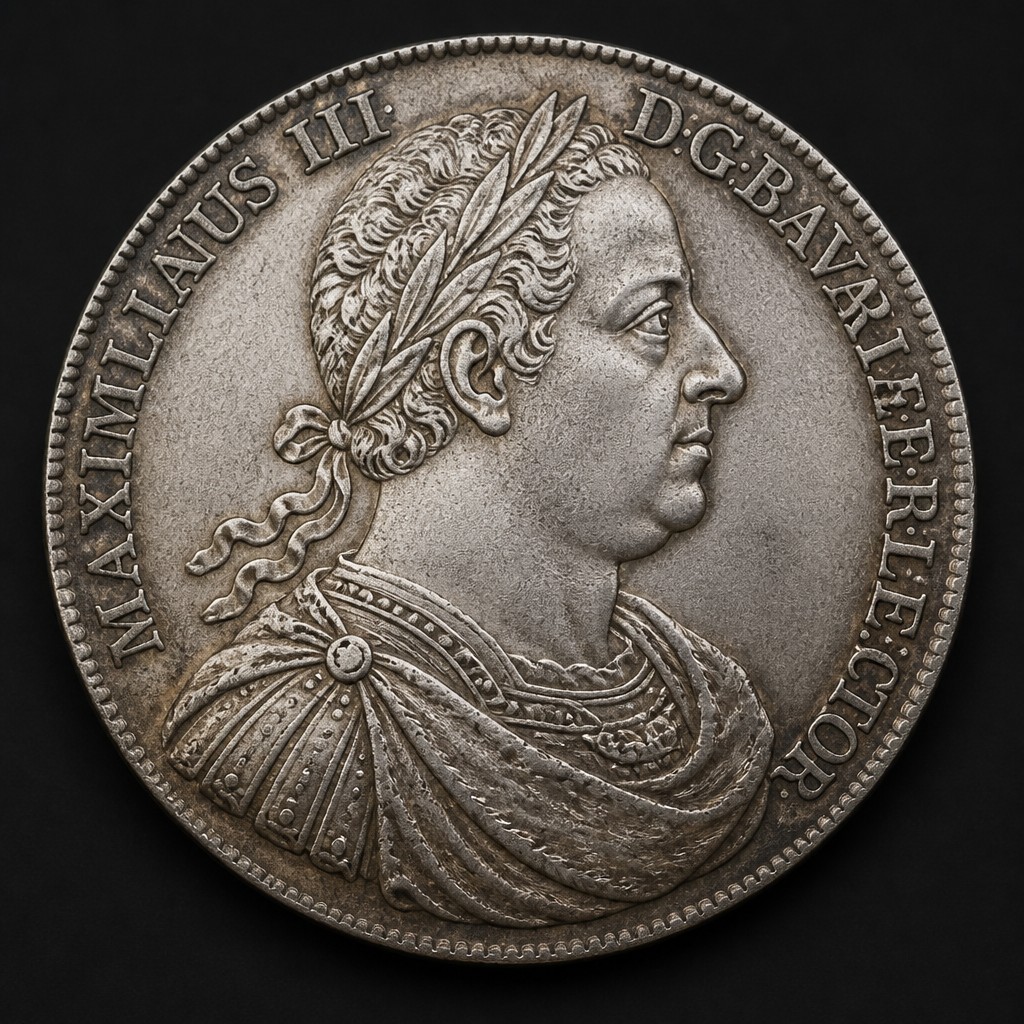
Bavaria Thaler
Circa 1620s-1871
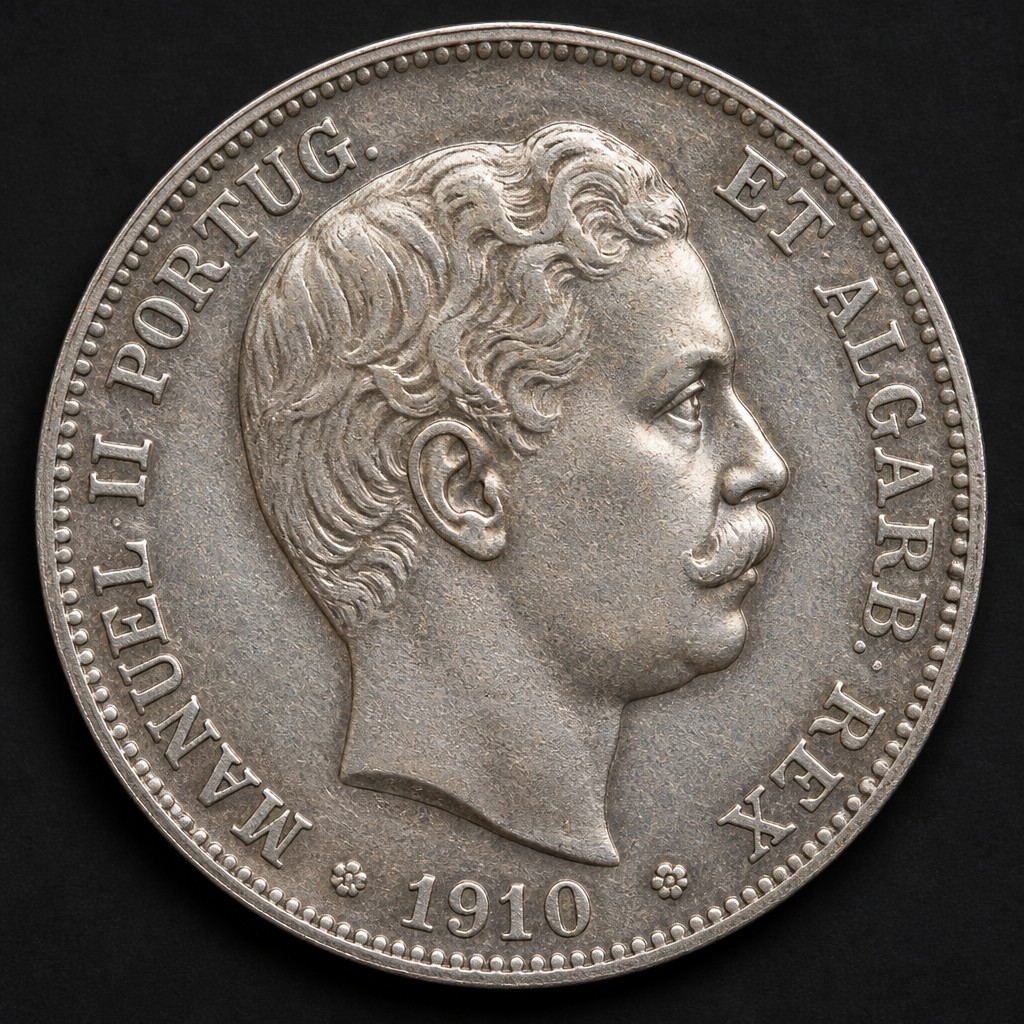
Portuguese 1000 Reis
19th century–1910 (Kingdom period)
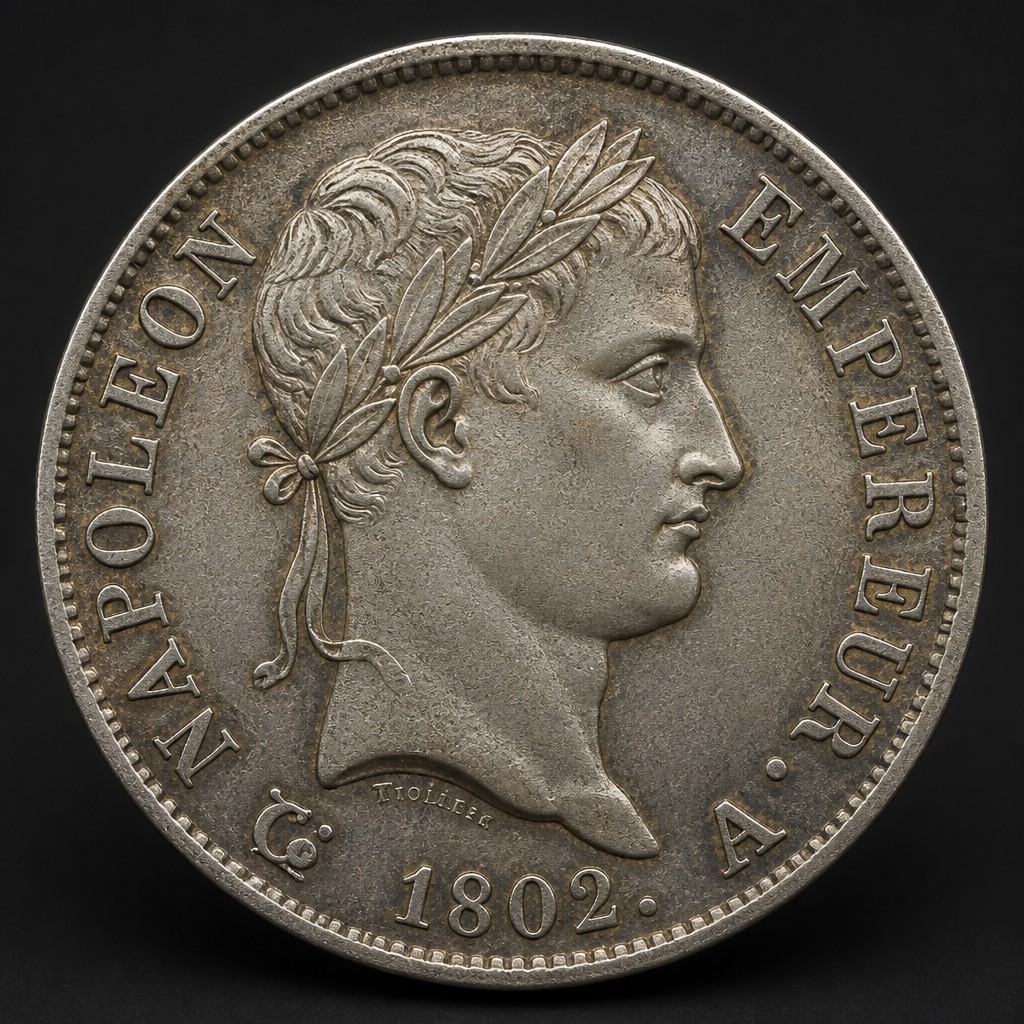
French 5 Francs "Napoleon"
1802–1815
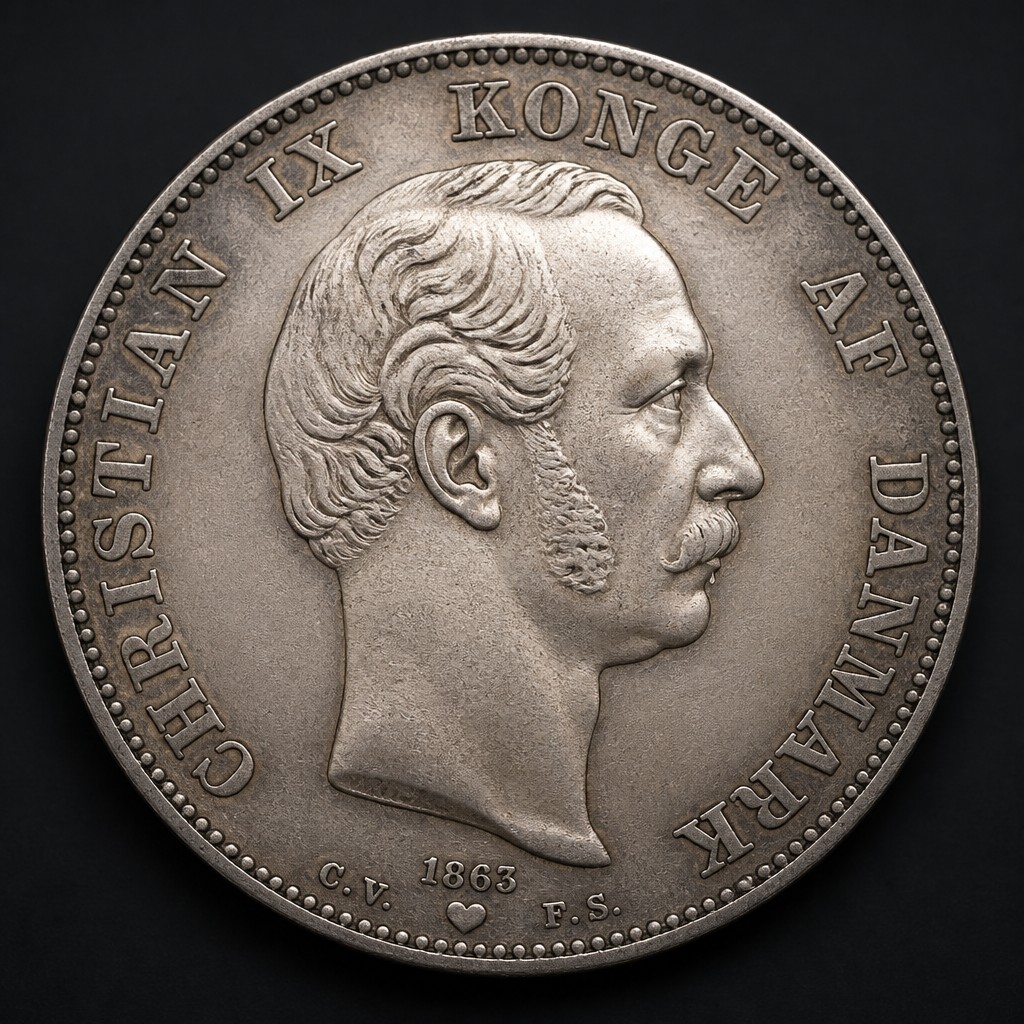
Danish 2 Rigsdaler
19th century (until 1873 currency reform)
Dutch Lion Daalder (Leeuwendaalder)
c. 1575–1713