
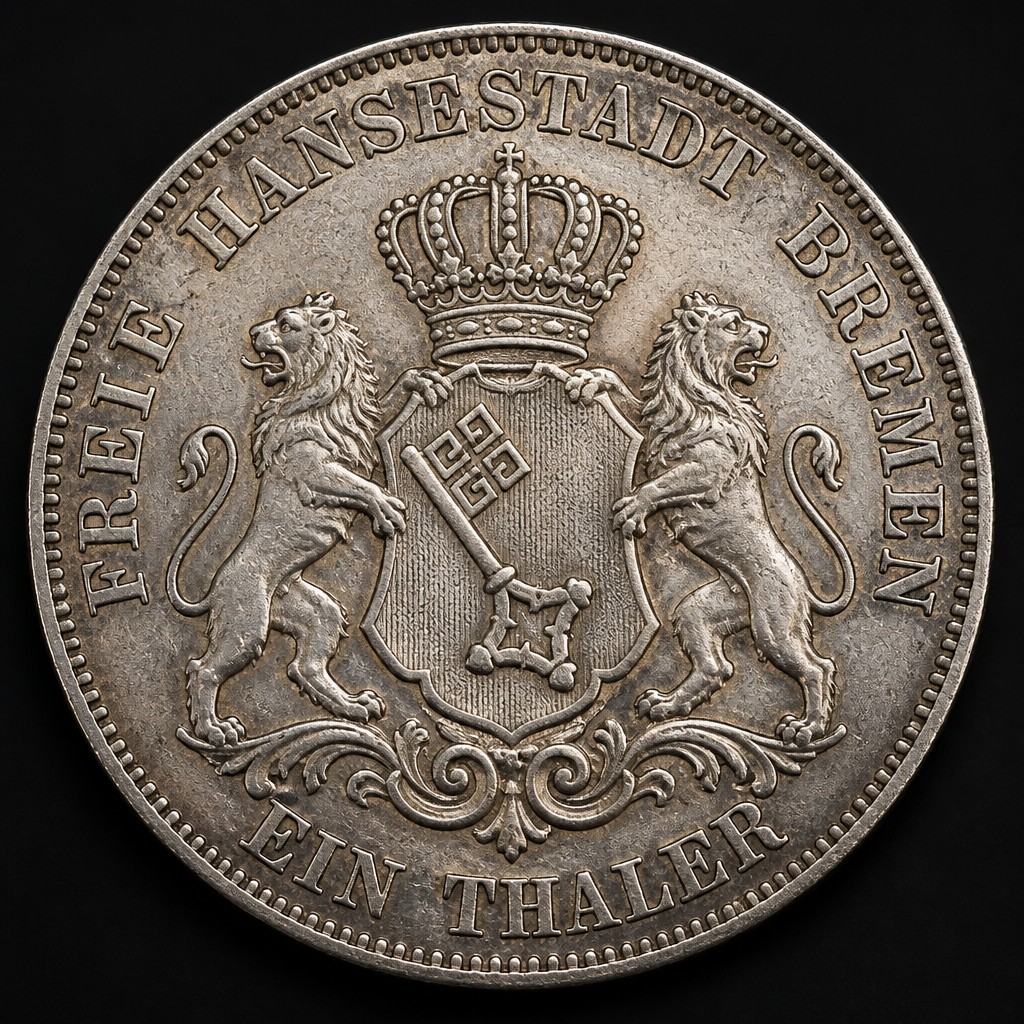
German Bremen Thaler
A silver thaler issued by the Free Hanseatic City of Bremen before German unification, featuring the city's heraldic key, part of the patchwork of pre-1871 German state and city coinages.
- Country
- Germany (Free Hanseatic City of Bremen)
- Denomination
- Thaler
- Metal
- Silver (approx. .900)
Got a coin like this?
Identify any coin from a photo, free.
Overview
The Bremen thaler is a silver crown-sized coin issued by the Free Hanseatic City of Bremen, one of several self-governing city-states that minted their own currency within the German Confederation before national unification in 1871. It is collected as part of the broader and highly varied German states series.
Coins from Bremen are notable among German states issues for their strong Hanseatic maritime symbolism, reflecting the city's long history as a major North Sea trading port.
History & Background
Before German unification, Bremen was one of several free imperial and Hanseatic cities that retained the right to mint their own coinage as sovereign entities within the German Confederation. Bremen's thaler coinage, produced mainly in the mid-19th century, reflected efforts to standardize German monetary systems, such as the Vereinsthaler agreements of the 1850s and 1860s among German states.
With the founding of the German Empire in 1871 and the subsequent introduction of the unified gold mark, Bremen's independent thaler coinage came to an end, folding into the new national currency system.
How to Identify
The design prominently features Bremen's traditional heraldic key, the city's emblem since medieval times, often shown within a crowned shield or flanked by supporters. Legends identify the issuing city, typically "BREMEN" or "FREIE HANSESTADT BREMEN," along with the denomination and date.
It is a large silver coin typical of German thaler-standard issues of the period, with an edge finish, milled or lettered, that varies by specific type and date.
Value & Collectibility
Bremen thalers are collected as part of the wider German states series, and prices vary considerably by date, condition, and specific type, ranging from modest sums for common, worn examples to meaningful premiums for well-preserved or scarcer dates.
As with many German states coins, completeness of a city-by-city or state-by-state collection often drives demand among specialists more than any single coin's individual rarity.
Frequently asked questions
What does the key symbol on the coin represent?
It is the heraldic key of the Free Hanseatic City of Bremen, the city's traditional emblem for centuries.
Why did Bremen issue its own coinage?
Before German unification in 1871, Bremen was a sovereign free city within the German Confederation with the right to mint its own currency.
When did Bremen stop issuing thalers?
Bremen's independent coinage ended around German unification in 1871, when the new empire introduced a unified national currency.
What is a thaler?
A thaler is a large silver coin standard used across many German and Central European states for several centuries, the ancestor of the word 'dollar.'
Other coins you may enjoy
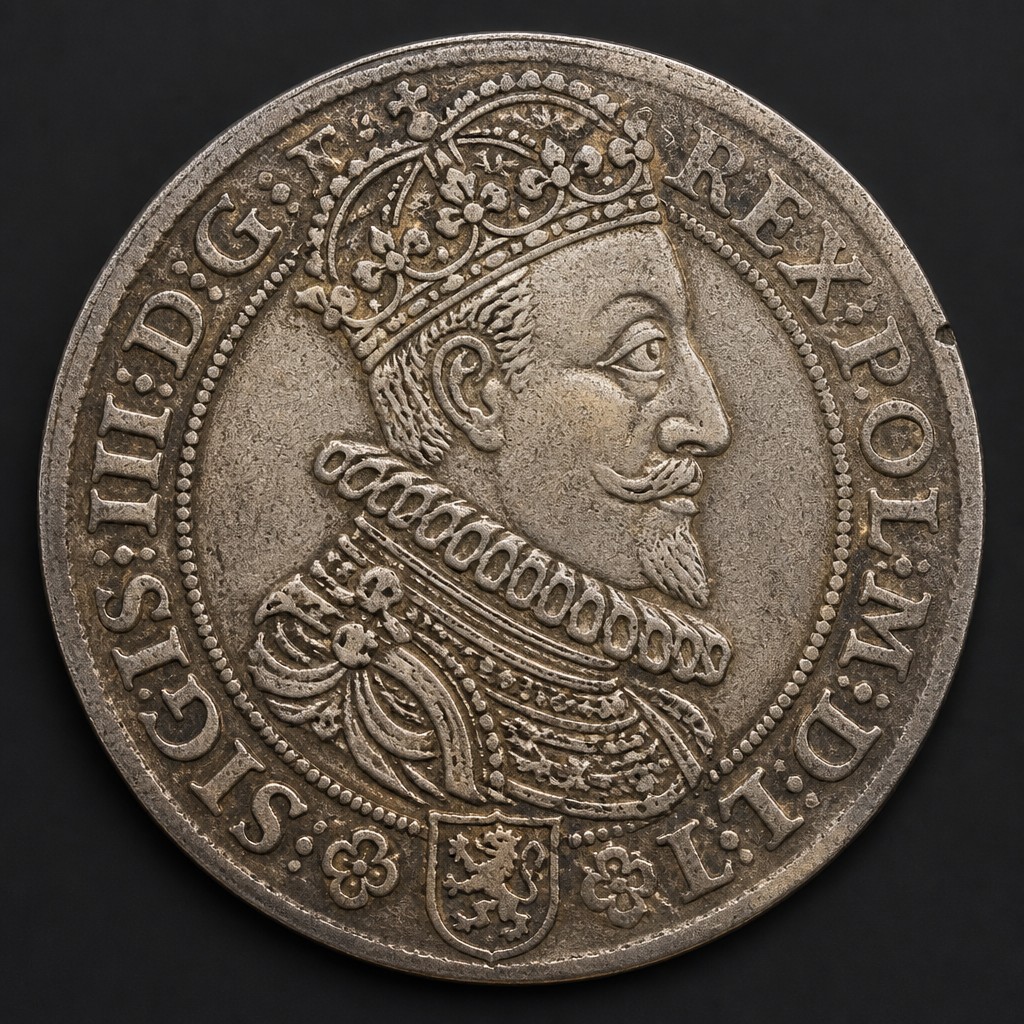
Polish-Lithuanian Thaler
circa 16th–18th century
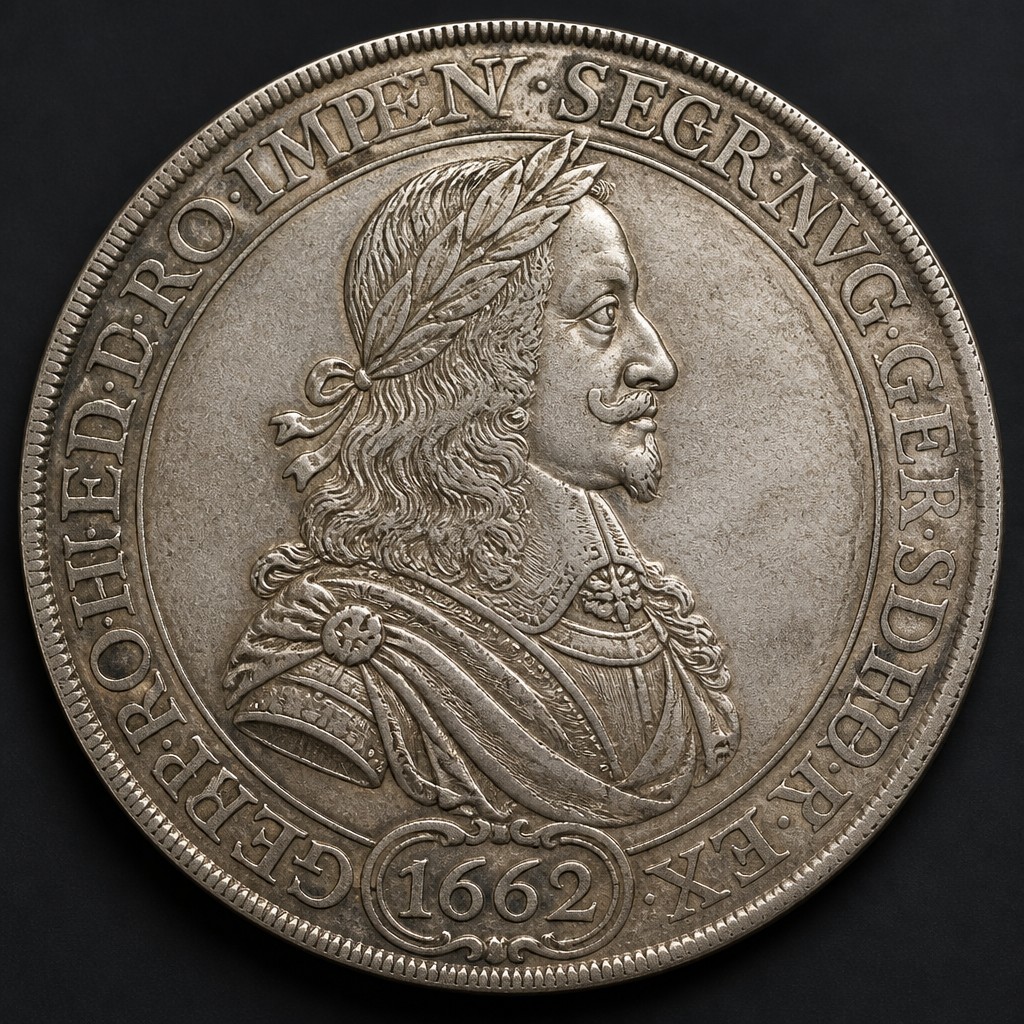
Reichsthaler
circa 1566–early 19th century
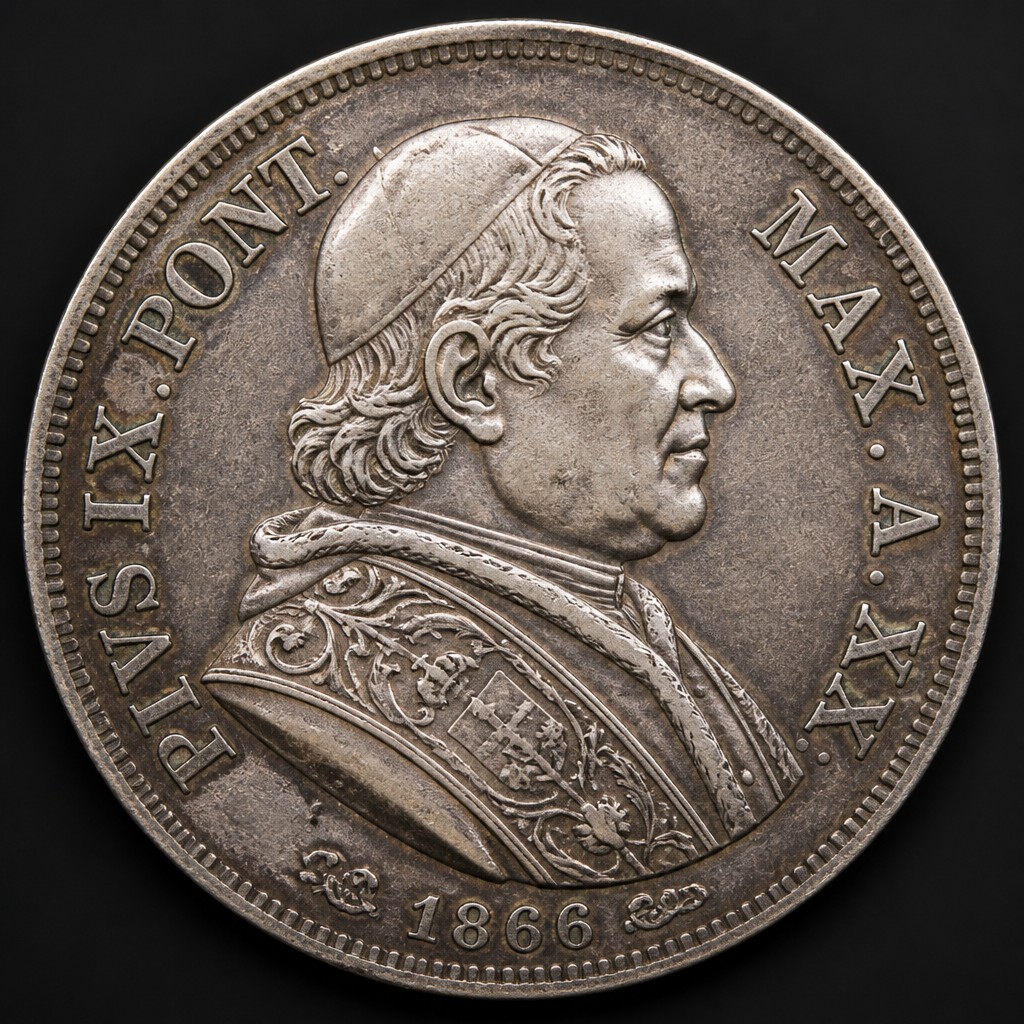
Papal States Scudo
16th century–1866
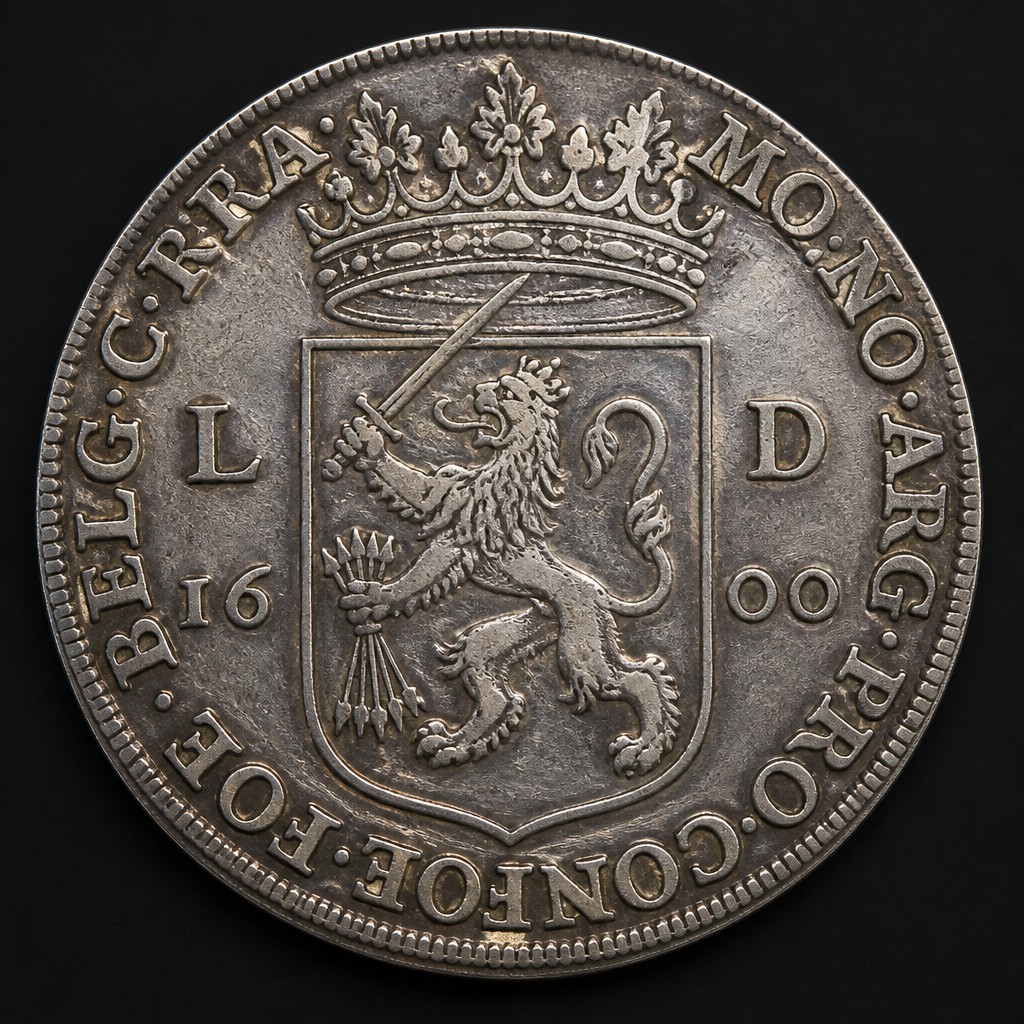
Netherlands Lion Daalder (Leeuwendaalder)
1575–1713
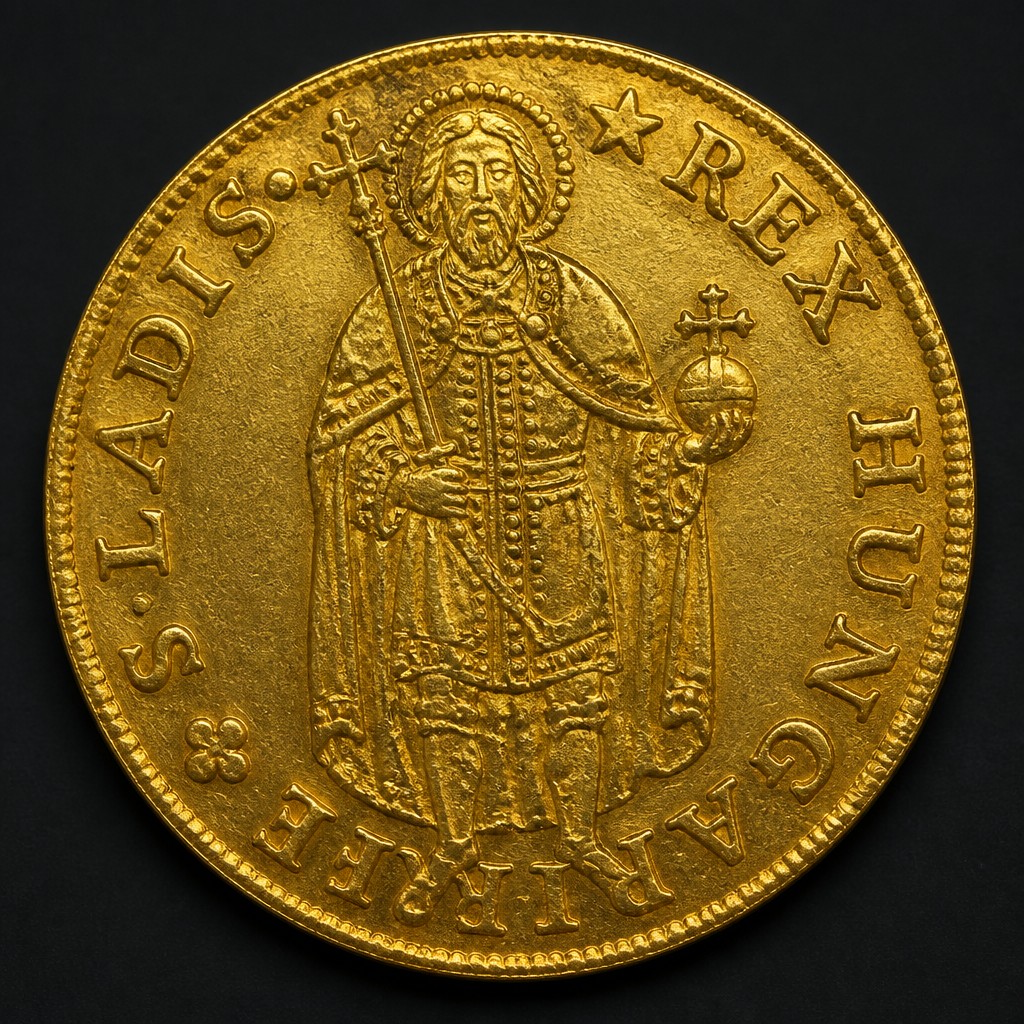
Hungarian Ducat
c. 1325–1918
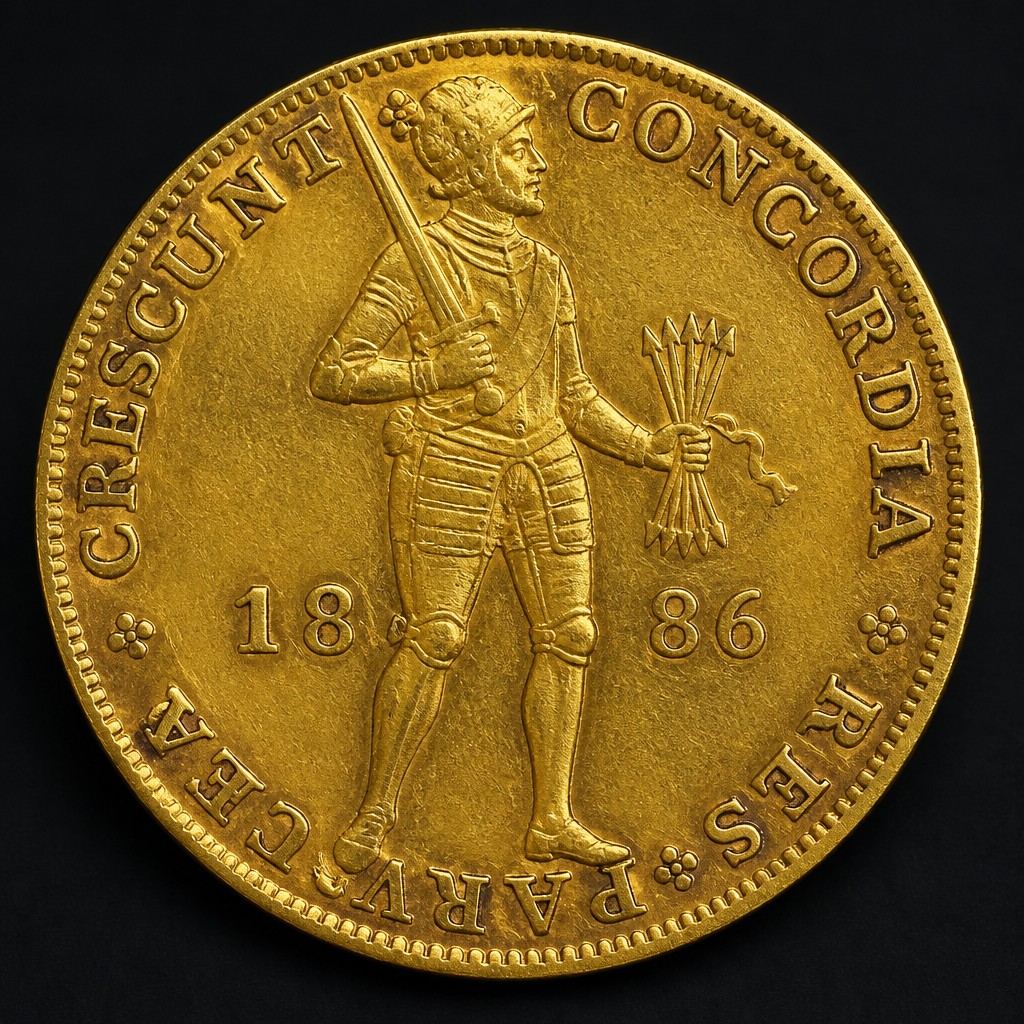
Dutch Ducat
c. 1586–present (classic type standardized after 1817)
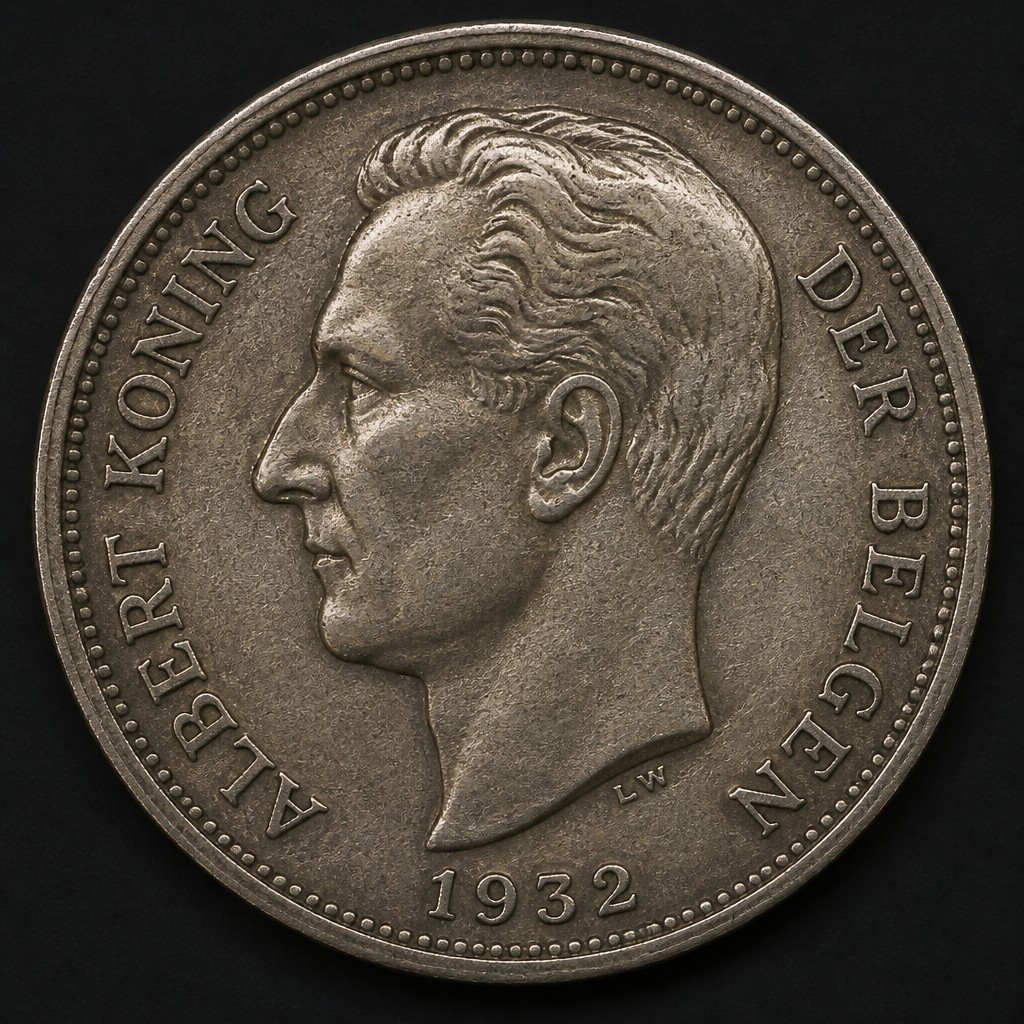
Belgian Franc
1832–2002
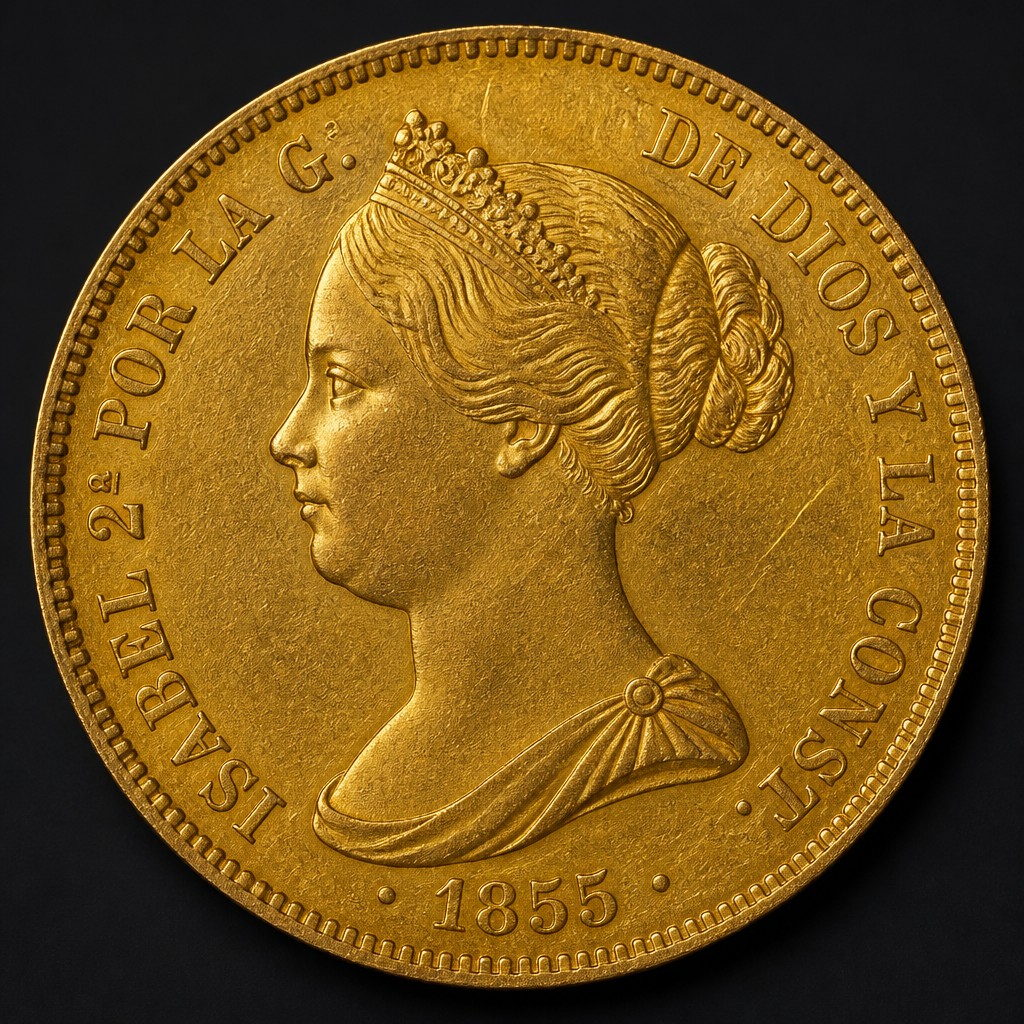
Spanish 100 Reales Gold (Isabel II)
1850s–1868
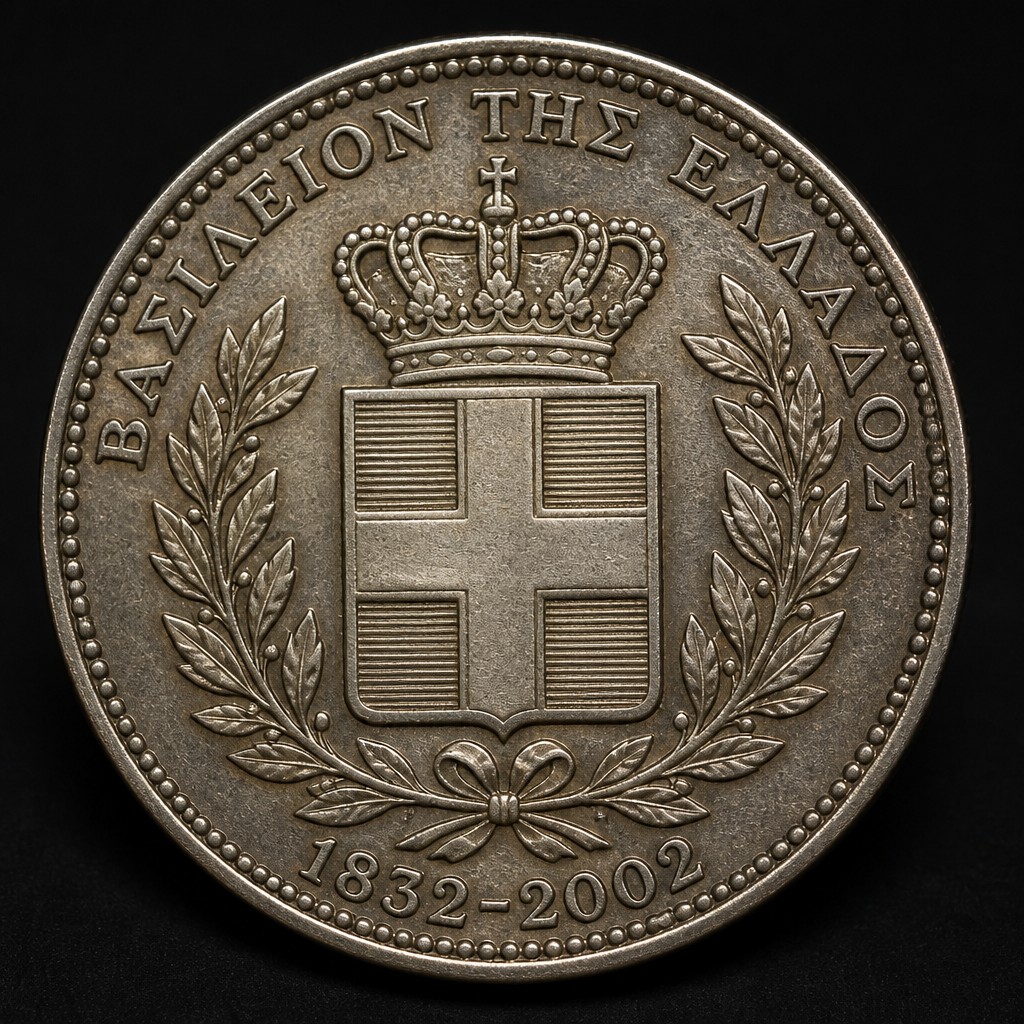
Greek Drachma
1832–2002
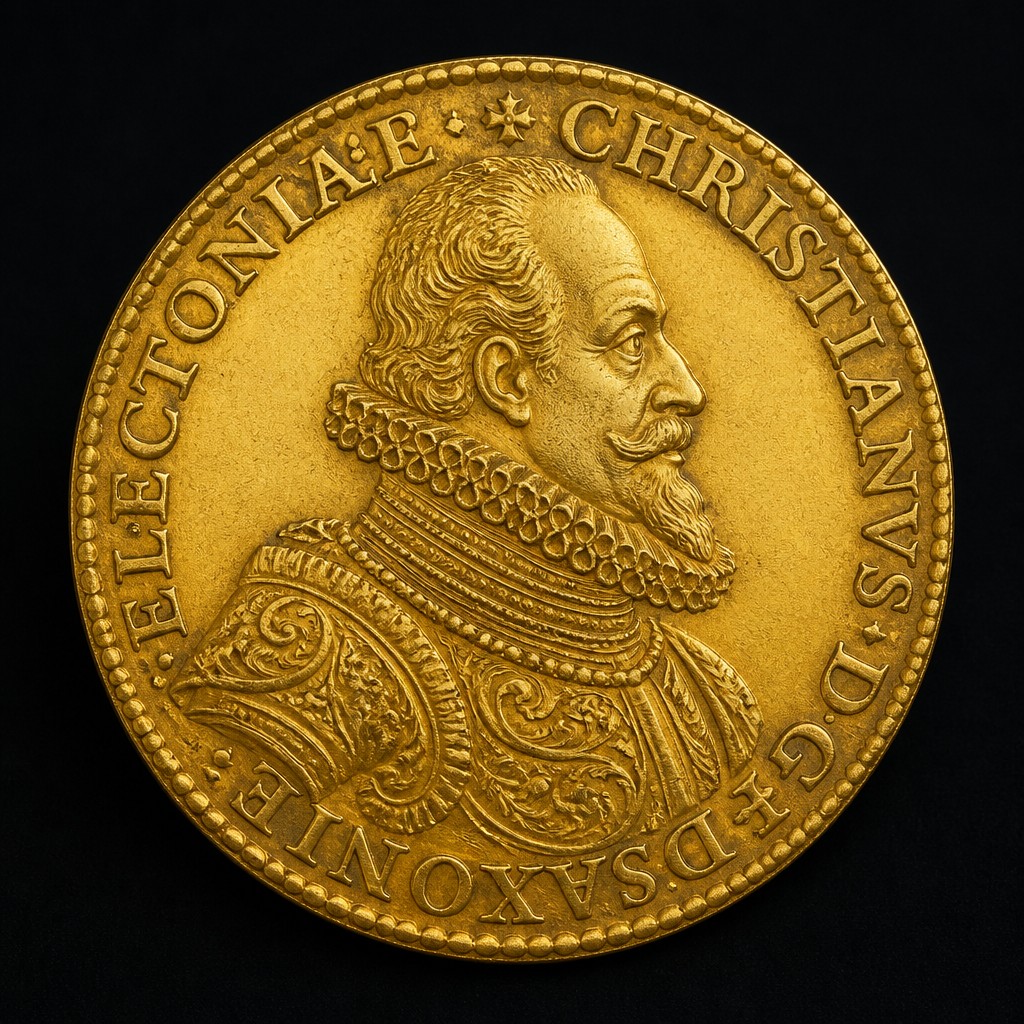
German Saxony Ducat
16th century–19th century
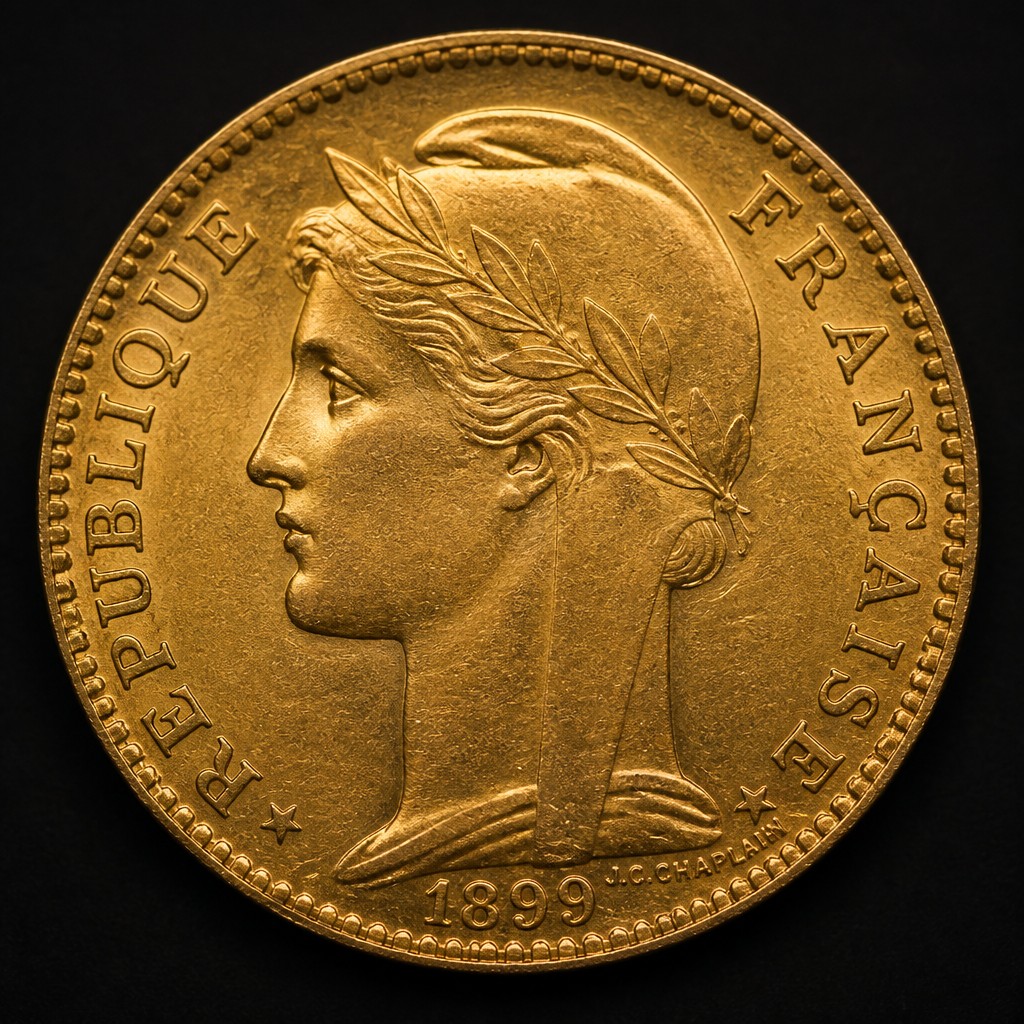
French 10 Francs Gold (Napoleon Rooster)
1899–1914
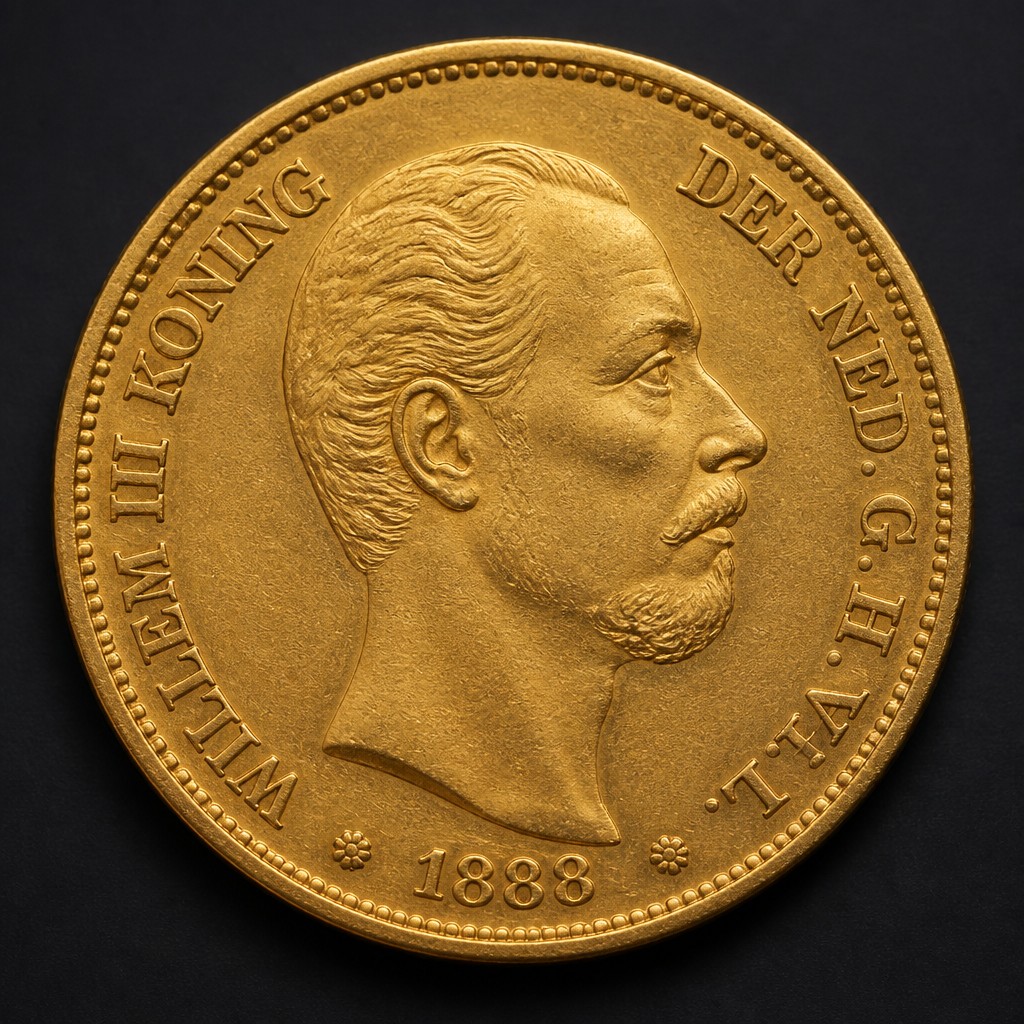
Netherlands 5 Gulden Gold
1826–1912 (intermittent)