
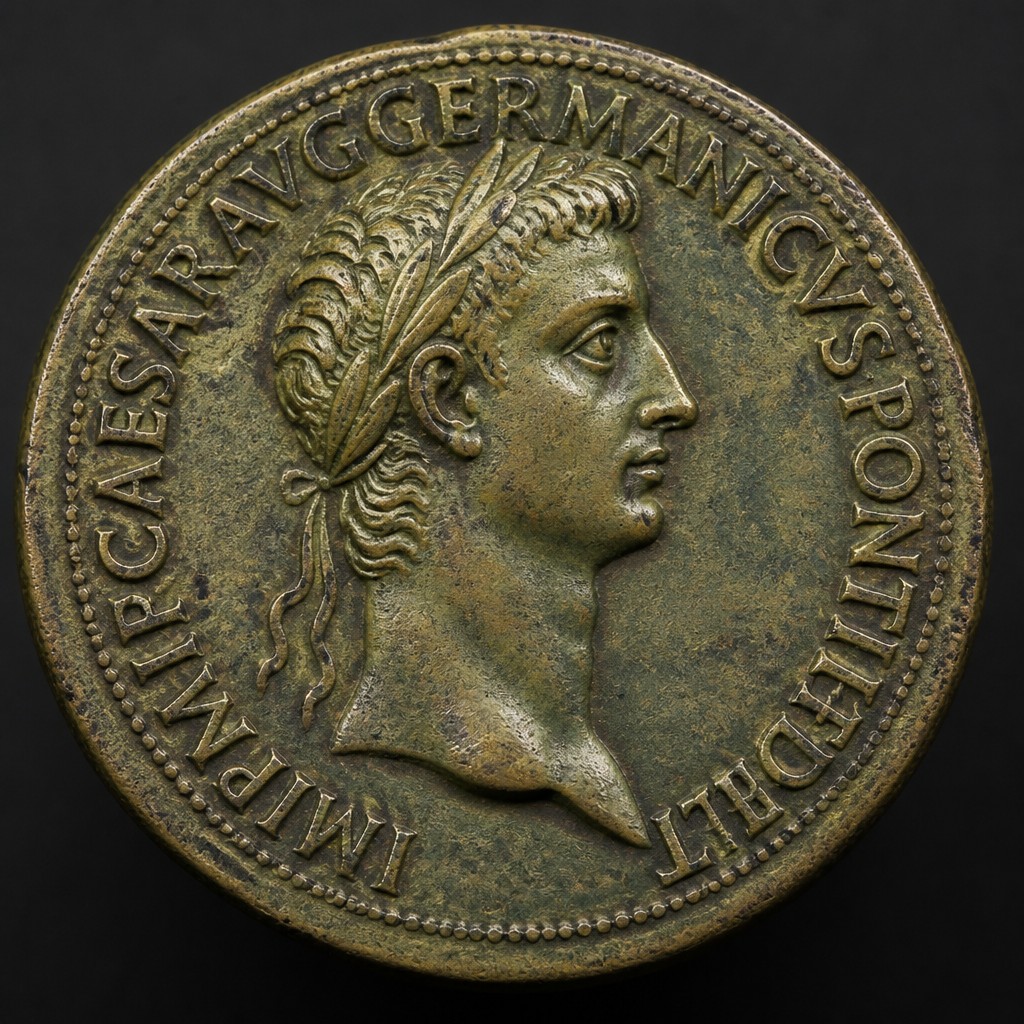
Caligula Sestertius
A large brass sestertius of the notorious emperor Caligula, a scarce and historically fascinating coin due to his short, controversial reign and later condemnation.
- Country
- Ancient Rome
- Denomination
- Sestertius
- Metal
- Orichalcum (Brass)
Got a coin like this?
Identify any coin from a photo, free.
Overview
This large brass coin was struck during the brief and infamous reign of Caligula, one of the most notorious emperors in Roman history, remembered for erratic and often cruel behavior during his four years in power. As a sestertius, it belonged to the largest common bronze/brass denomination of the early Roman Empire, offering an impressively sized canvas for imperial imagery.
Collectors value Caligula's sestertii both for their genuine historical intrigue and for their relative scarcity, a scarcity partly explained by the damnatio memoriae (formal condemnation of memory) that followed his assassination, which led to many of his coins being melted down or overstruck by later emperors.
History & Background
Caligula, born Gaius Julius Caesar Germanicus, became emperor in 37 AD following the death of Tiberius and was initially popular, but his reign quickly became associated with erratic behavior, extravagant spending, and conflict with the Senate. He was assassinated by members of the Praetorian Guard in 41 AD, after which the Senate attempted to erase his memory through damnatio memoriae.
Because of this posthumous condemnation, a significant number of Caligula's bronze and brass coins, including sestertii, were melted down or restruck under later emperors such as Claudius and Nero, contributing to the relative scarcity of surviving examples compared to coins of longer-reigning or more favorably remembered emperors. Surviving sestertii of Caligula remain prized both for their rarity and for the vivid window they offer into his brief and dramatic reign.
How to Identify
The obverse shows the laureate head of Caligula facing left or right, with a legend such as C CAESAR AVG GERMANICVS PON M TR POT (referencing his titles including Pontifex Maximus and Tribunicia Potestas). Notable reverse types include a scene of Caligula's three sisters, Agrippina, Drusilla, and Julia, depicted standing as personifications of Security, Concord, and Fortune, as well as types showing Pietas or Vesta seated.
As a sestertius, the coin is large, typically 33–36mm, struck in orichalcum, a brass alloy with a distinctive golden-yellow color when fresh, which helps distinguish it from the more coppery-toned as and dupondius denominations. Genuine examples require careful attention given the coin's rarity and value, and the specific reverse type (such as the well-known three sisters scene) is often central to identification and collector interest.
Value & Collectibility
Sestertii of Caligula are notably scarcer and more valuable than those of many other early Julio-Claudian emperors, a direct consequence of his short reign and posthumous condemnation, which reduced the surviving population of his coinage. Even worn or moderately corroded examples can bring meaningful sums, while sharp, well-preserved pieces with strong portrait and reverse detail can command prices reaching well into four or five figures at auction, depending on the specific type and condition.
The famous "three sisters" reverse type is especially sought after among collectors of Julio-Claudian bronze, and overall demand for genuine, well-documented examples remains strong given the coin's combination of rarity and historical notoriety.
Frequently asked questions
Why are Caligula's sestertii relatively rare?
After his assassination in 41 AD, the Senate condemned his memory, and many of his coins were melted down or overstruck by later emperors, reducing the number of surviving examples.
Who are the three women on some reverses?
They represent Caligula's three sisters, Agrippina, Drusilla, and Julia, depicted as personifications of virtues such as Security, Concord, and Fortune.
What metal is a sestertius made of?
It was typically struck in orichalcum, a brass alloy with a bright golden-yellow color when new, distinguishing it from the more copper-toned as denomination.
Are Caligula sestertii expensive?
Generally yes; due to their relative scarcity and strong collector demand, even modestly preserved genuine examples often carry meaningful value, with top examples reaching considerably higher prices.
Other coins you may enjoy
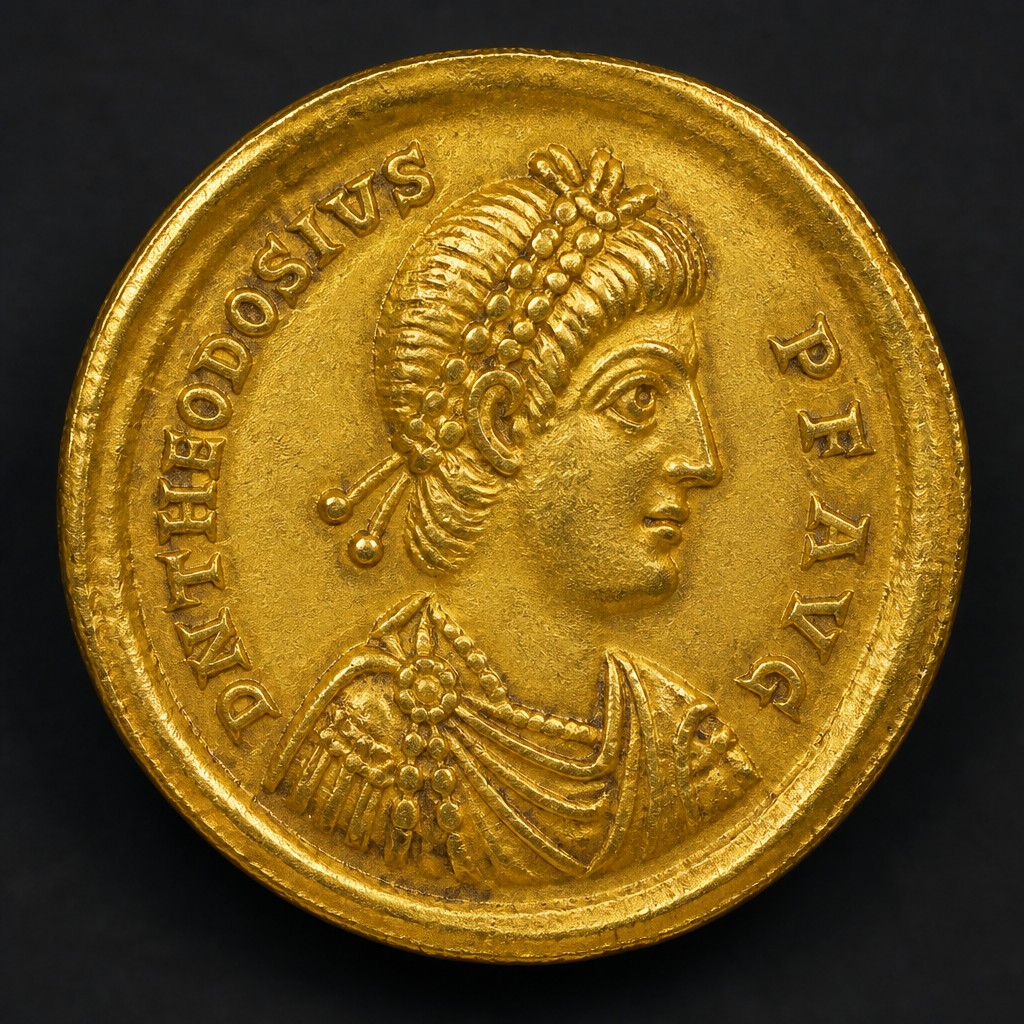
Theodosius I Solidus
379–395 AD
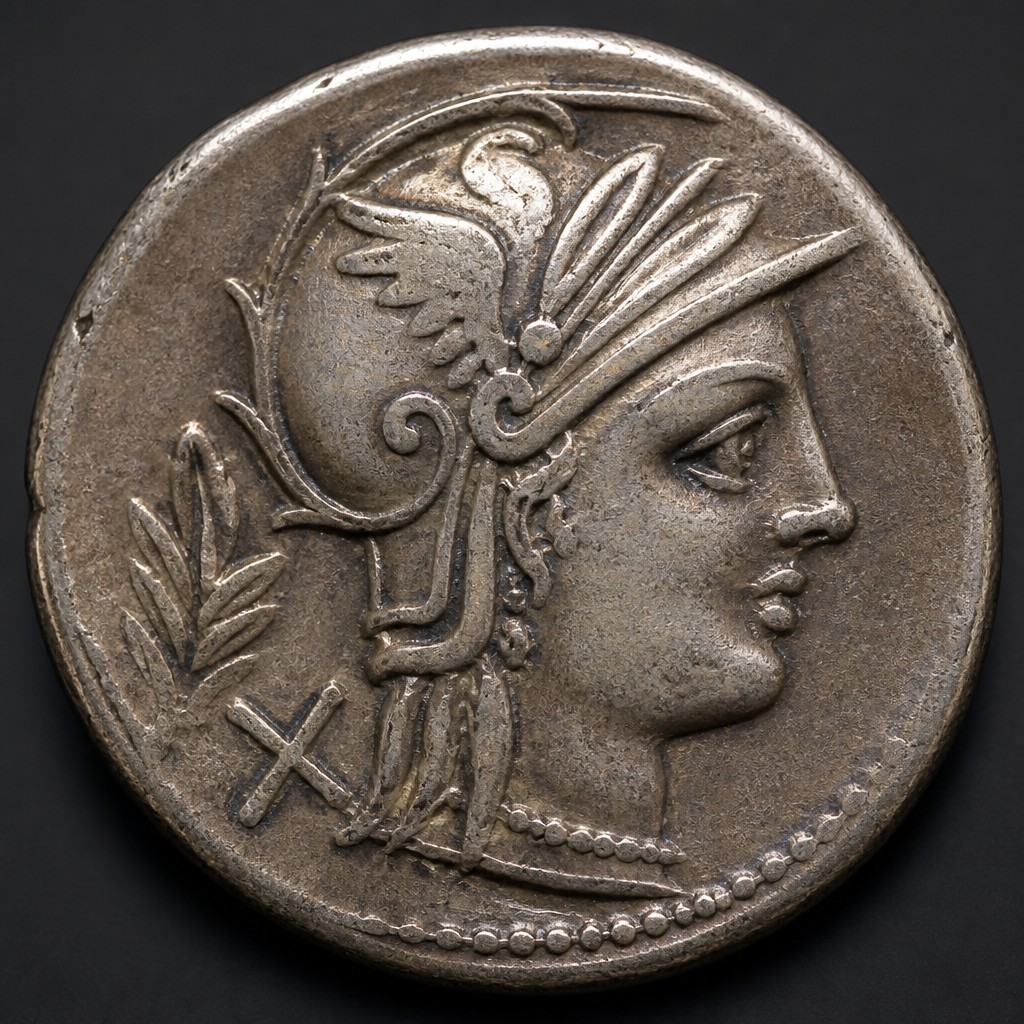
Republican Victoriatus
c. 211–170 BC
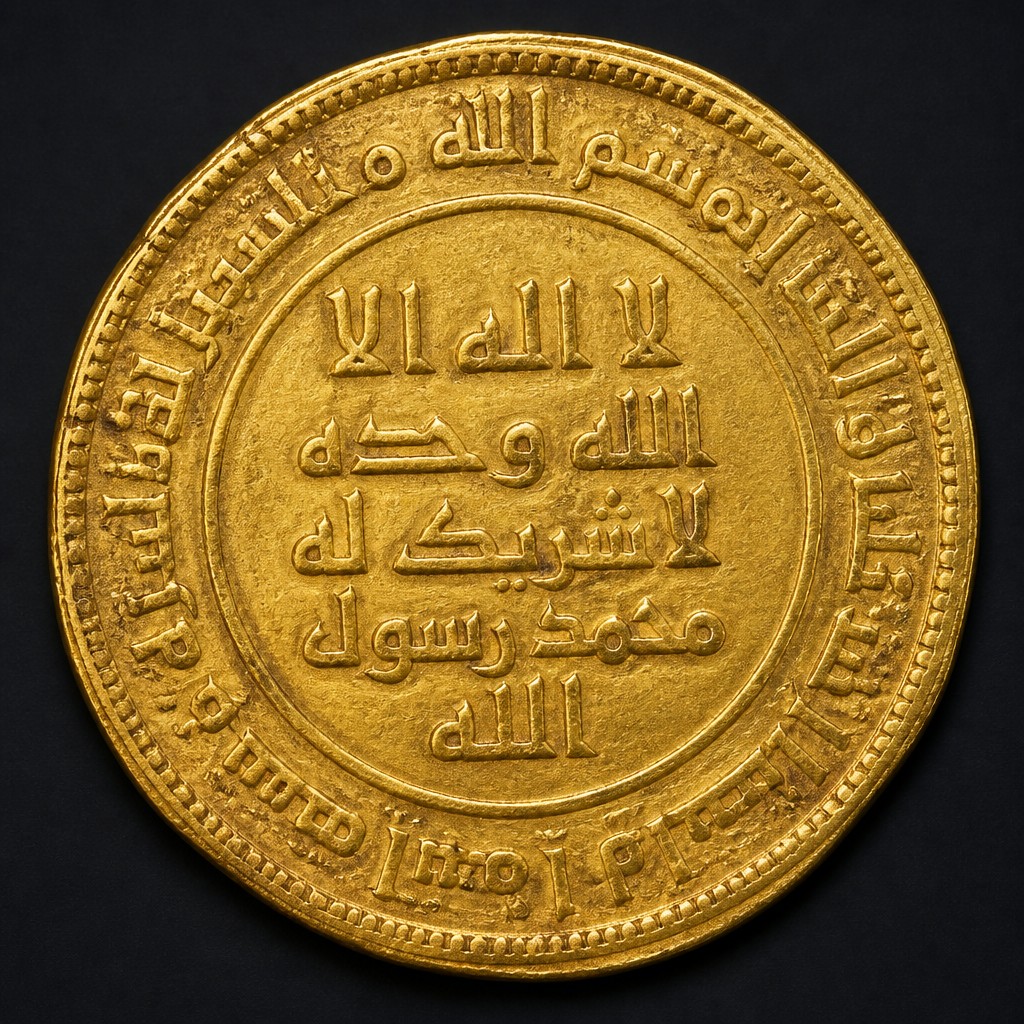
Islamic Gold Dinar (Umayyad)
c. 696–750 AD
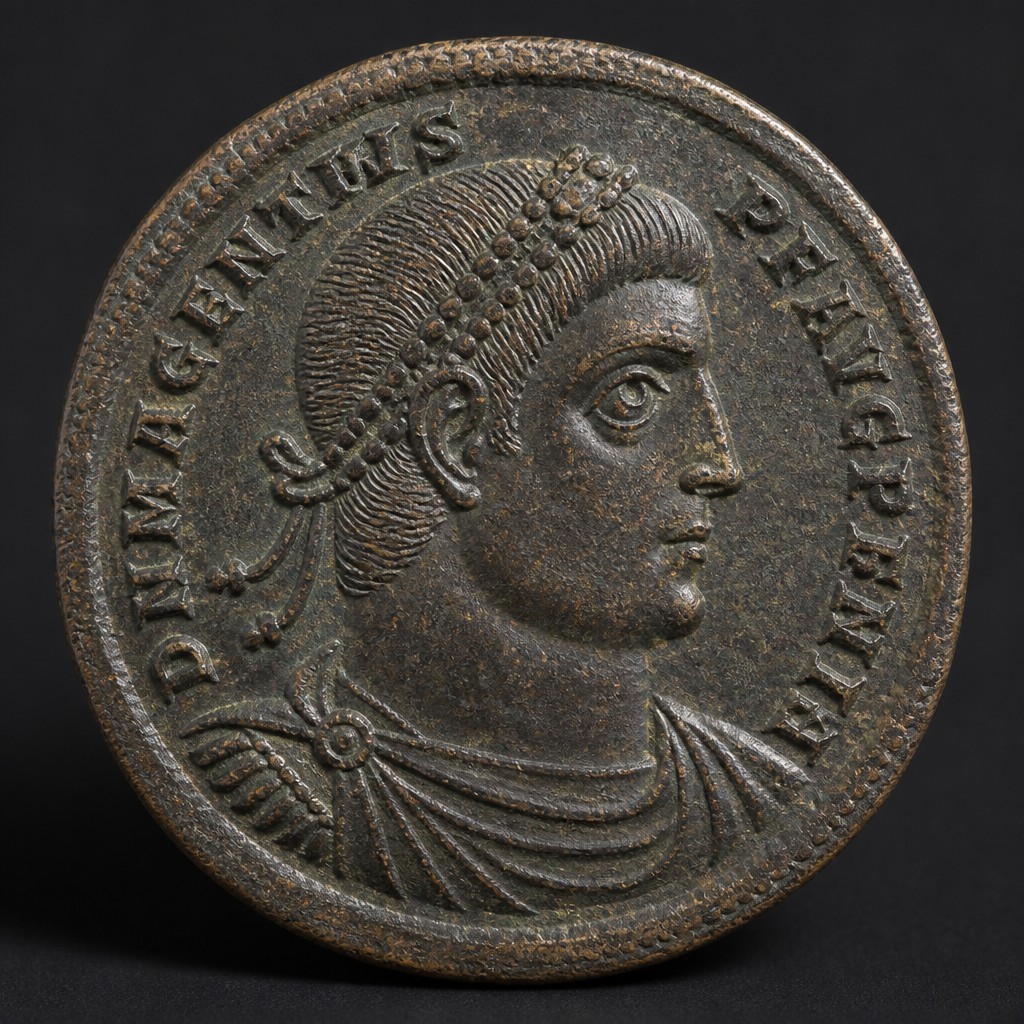
Magnentius Double Centenionalis
350–353 AD
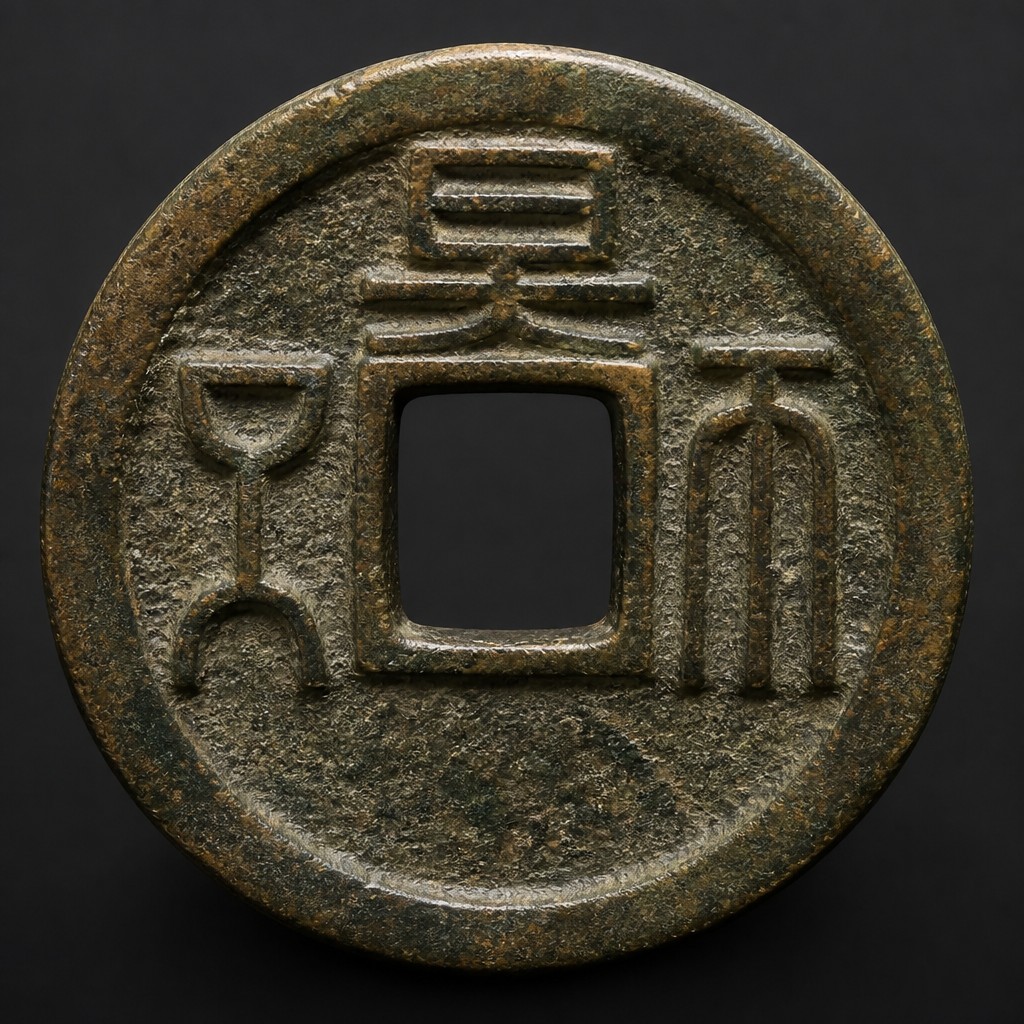
Chinese Wu Zhu Cash
118 BC – 618 AD
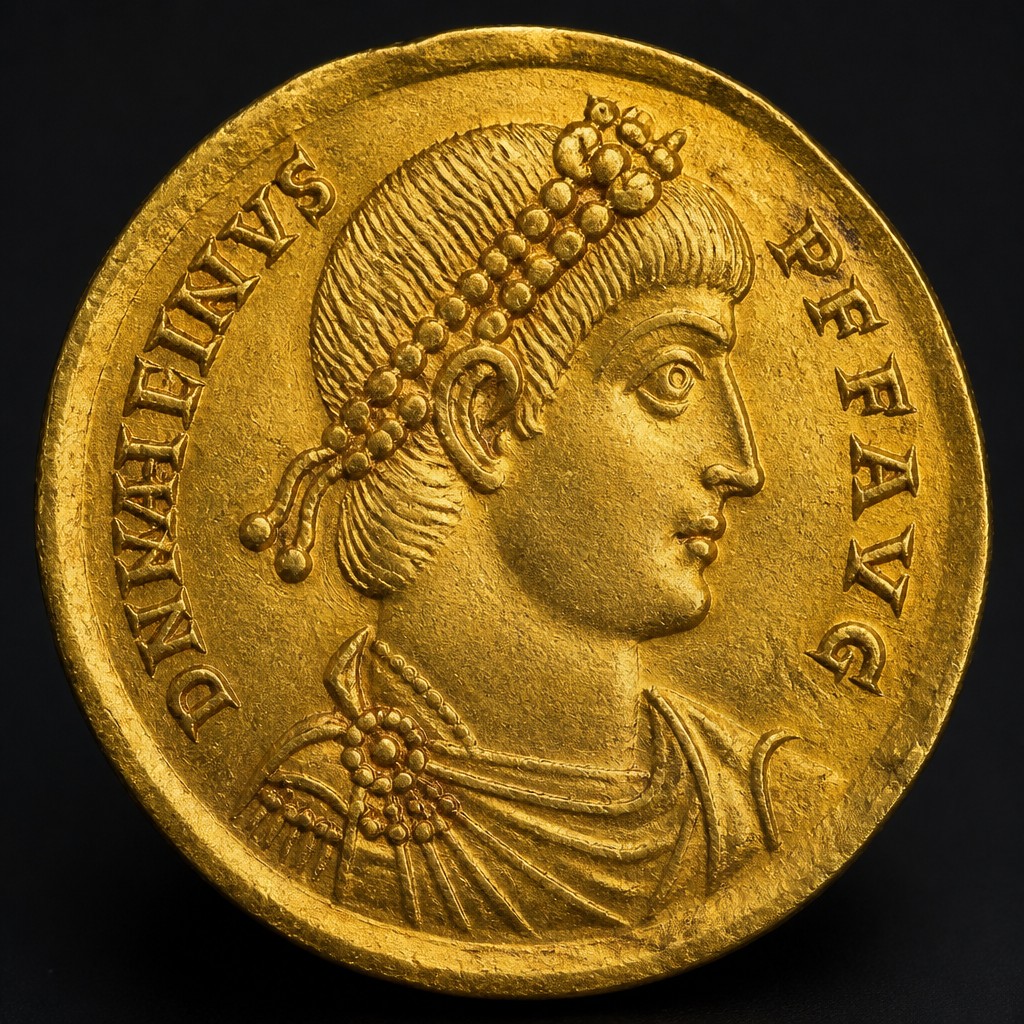
Valentinian I Solidus
364–375 AD
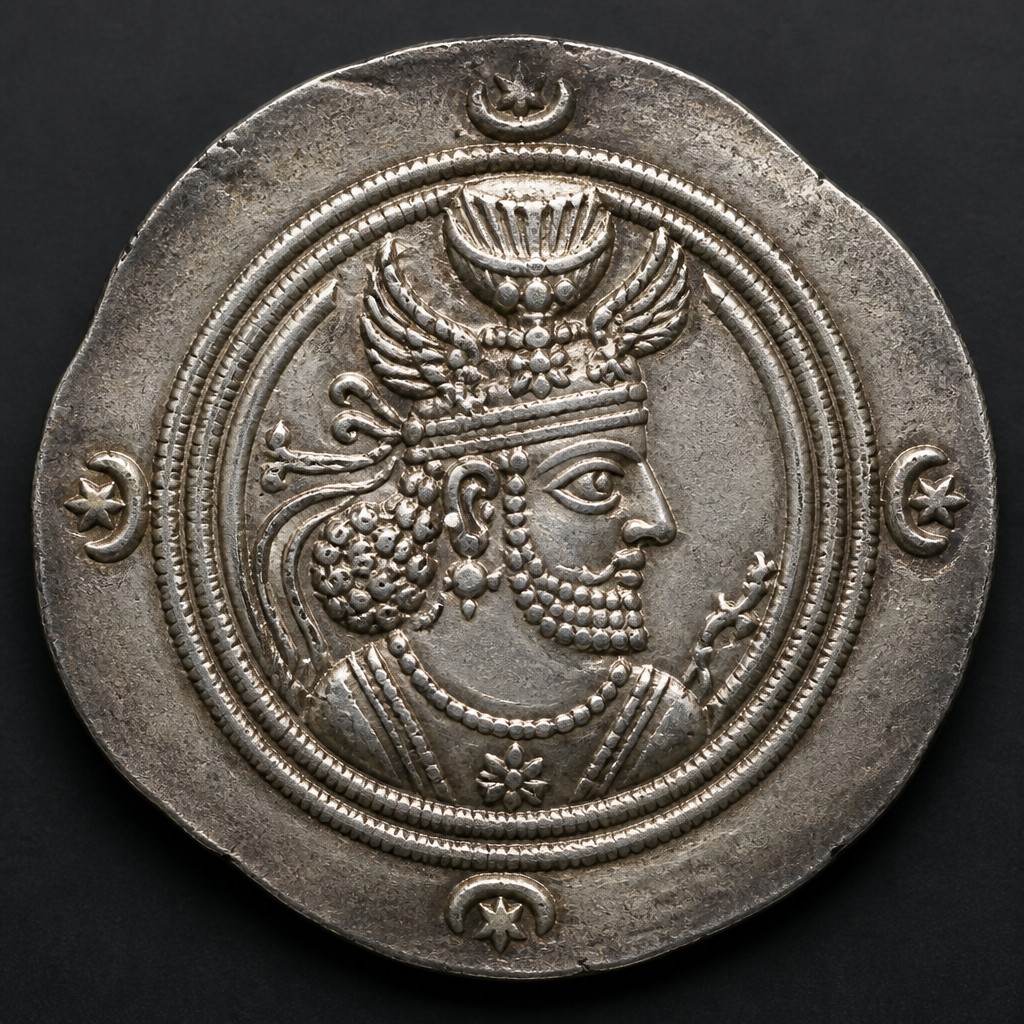
Sassanian Silver Drachm
c. 224–651 AD
Chinese Ban Liang Cash
c. 221–118 BC
Gupta Empire Gold Dinar
c. 320–550 AD
Byzantine Gold Tremissis
c. 4th–7th century AD
Byzantine Follis
498–c. 11th century AD
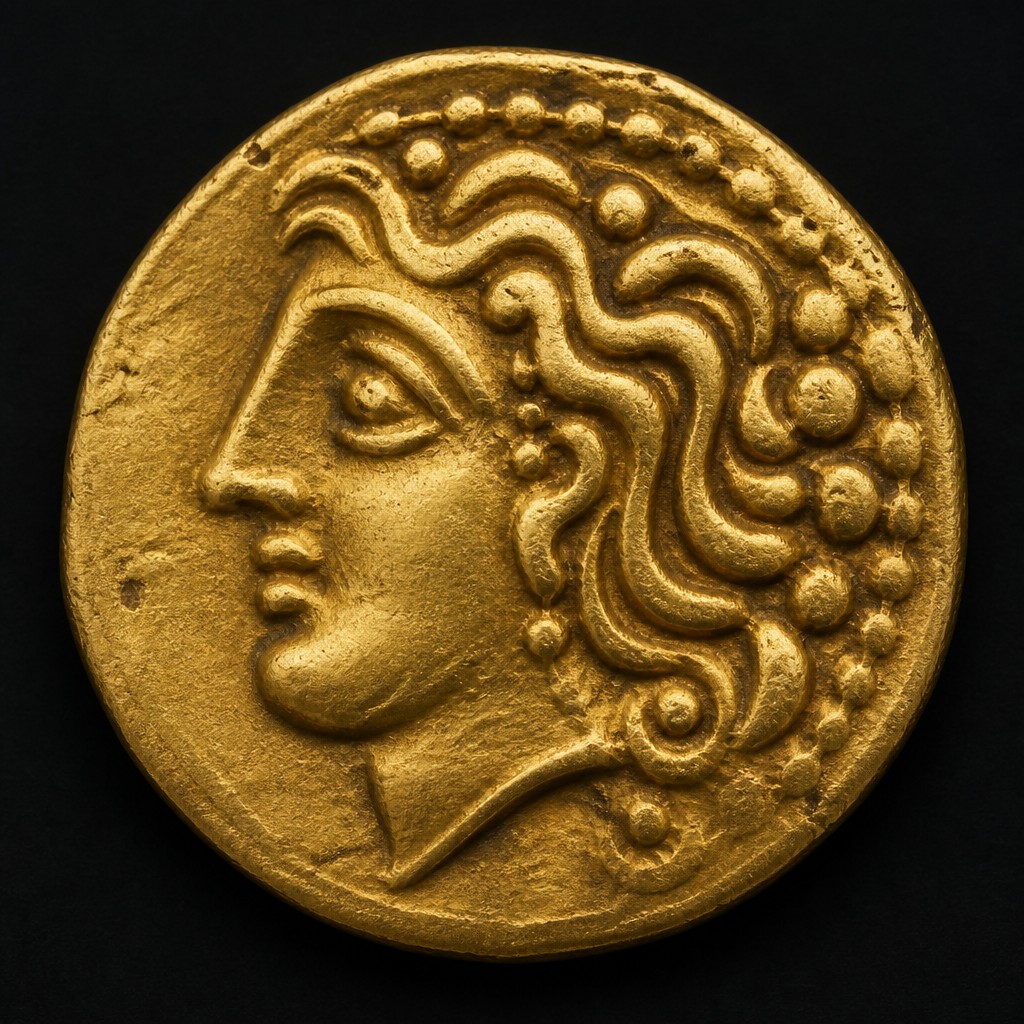
Celtic Gold Stater
c. 3rd century BC – 1st century AD