
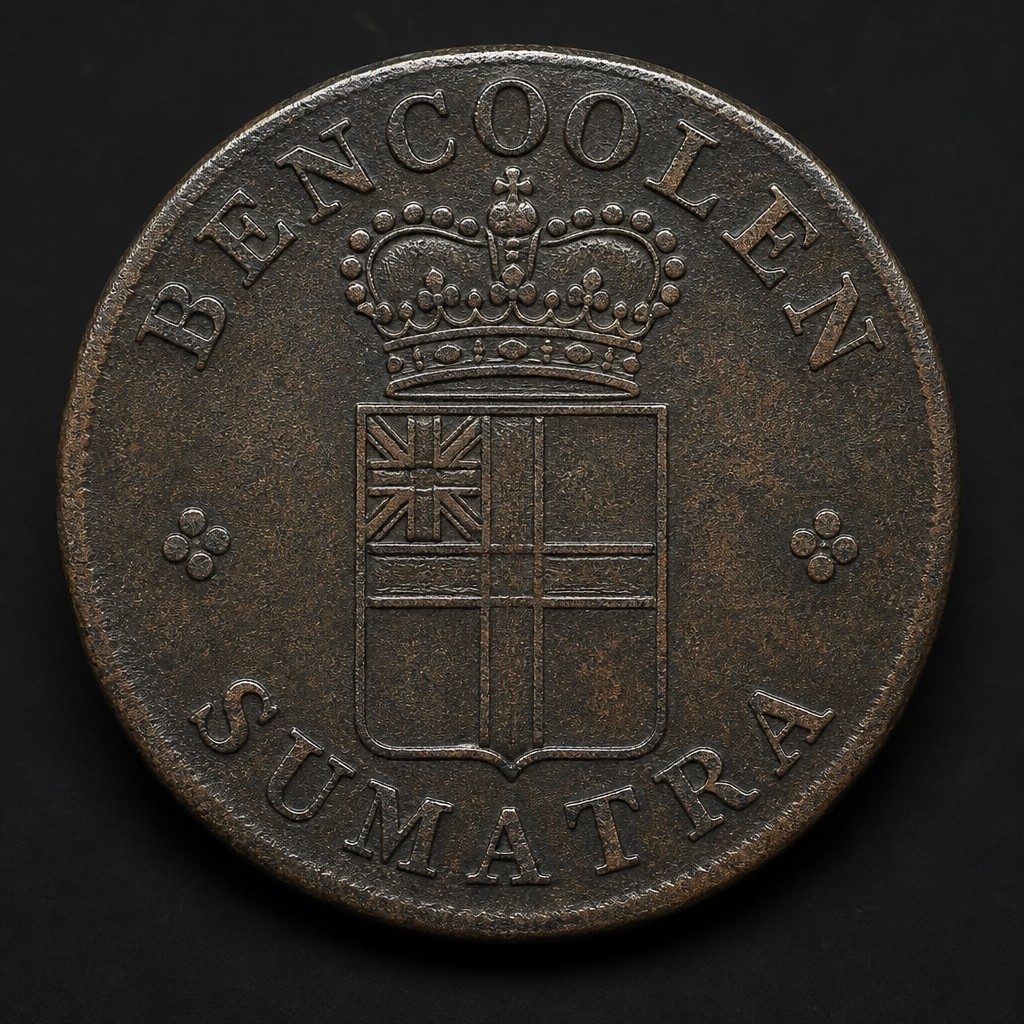
Sumatra EIC Keping (British Bencoolen)
A small tin or copper coin struck by the British East India Company for its Bencoolen settlement on Sumatra, denominated in the local unit called the keping.
- Country
- British Bencoolen (Sumatra, administered by the East India Company)
- Denomination
- Keping (various multiples, e.g. 1, 2, 4, 10 keping)
- Metal
- Tin or copper
Got a coin like this?
Identify any coin from a photo, free.
Overview
The Sumatra Keping is a small denomination coin issued by the British East India Company for its trading settlement at Bencoolen (also called Fort Marlborough) on the west coast of Sumatra. The keping, a Malay term meaning roughly "a piece," was the everyday small-change unit used across parts of the Malay world, and the Company adopted the term for its own local coinage.
Because Sumatra was a major center of the regional tin trade, many of these coins were struck in tin, an unusual but locally logical choice of metal that ties the coin directly to the economic character of the settlement, while others were struck in copper. These coins circulated for local everyday transactions among the diverse population of the Bencoolen settlement.
Collectors of British East India Company coinage and Southeast Asian colonial issues find the Bencoolen keping series appealing both for its unusual tin composition and for its connection to a lesser-known corner of British colonial history in Southeast Asia.
History & Background
The British East India Company maintained a pepper-trading settlement at Bencoolen (Bengkulu) on Sumatra's southwest coast from the late seventeenth century, centered on the fortification known as Fort Marlborough, as part of Britain's efforts to compete with Dutch dominance in the East Indies spice and pepper trade. To meet the practical needs of everyday commerce among its garrison, workers, and local trading partners, the Company issued small denomination coins known as kepings, following the local Malay term for small currency pieces.
Given Sumatra's prominence as a tin-producing region, many of these coins were struck in tin rather than copper, a distinctive and regionally appropriate choice that set them apart from most other East India Company coinage produced elsewhere in Asia. Bencoolen remained under British control until it was formally exchanged with the Dutch for Malacca under the Anglo-Dutch Treaty of 1824, after which British Company coinage for the settlement ceased.
How to Identify
Designs on Bencoolen keping coins typically include the East India Company's arms or a similar Company emblem on the obverse, with inscriptions such as "ENGLISH EAST INDIA COMPANY" or a Company monogram, and Malay text in Jawi (Arabic-based) script often appears to communicate the denomination to the local population, along with an Islamic-calendar or Christian-era date.
The coins are generally small and thick relative to their diameter when struck in tin, since tin is a softer and lower-density metal than copper, and they often show a grayish or dull surface characteristic of tin's tendency to oxidize. Copper examples show the more familiar reddish-brown coloring typical of copper coinage. Denominations such as 1, 2, 4, and 10 keping were issued, distinguished by size and inscribed value.
Collectors should note that tin kepings are prone to corrosion, cracking, and surface degradation over time due to the metal's properties, so well-preserved examples without significant tin pest (a form of metal decay) or cracking are considered notably better specimens.
Value & Collectibility
Bencoolen kepings are a specialized niche within British East India Company coinage, and surviving examples, particularly in tin, are often found in only modest condition due to the poor long-term durability of tin as a coinage metal. Well-preserved examples free of significant corrosion or cracking are considerably scarcer and more desirable to specialists.
Values vary by denomination, metal, and condition, with common lower-denomination pieces in worn condition generally affordable, while scarcer higher denominations or exceptionally well-preserved pieces command stronger premiums among collectors focused on East India Company or Southeast Asian colonial coinage.
Because this is a specialized collecting area, reference works on East India Company coinage for the Straits and Sumatra settlements are the best resource for identifying specific types and assessing relative rarity and value.
Frequently asked questions
What does 'keping' mean?
Keping is a Malay word meaning roughly 'a piece,' used historically as a term for small denomination coins circulating in the Malay world, which the East India Company adopted for its own Bencoolen coinage.
Why are some of these coins made of tin?
Sumatra was a major center of the regional tin trade, so the British East India Company struck many of its Bencoolen coins in locally available tin rather than copper.
What was Bencoolen?
Bencoolen (Bengkulu), centered on Fort Marlborough, was a British East India Company pepper-trading settlement on Sumatra's southwest coast from the late seventeenth century until it was ceded to the Dutch in 1824.
Why does the coin have Malay or Arabic script?
Jawi script inscriptions helped communicate the coin's value and origin to the local Malay-speaking population who used it in daily trade.
Are tin kepings hard to find in good condition?
Yes, tin is prone to corrosion and cracking over long periods, so well-preserved examples are notably scarcer than more durable copper coinage of similar age.
Other coins you may enjoy
Bahraini Dinar
1965–present
Omani Rial (Baisa Coinage)
1970–present
United Arab Emirates Dirham
1973–present
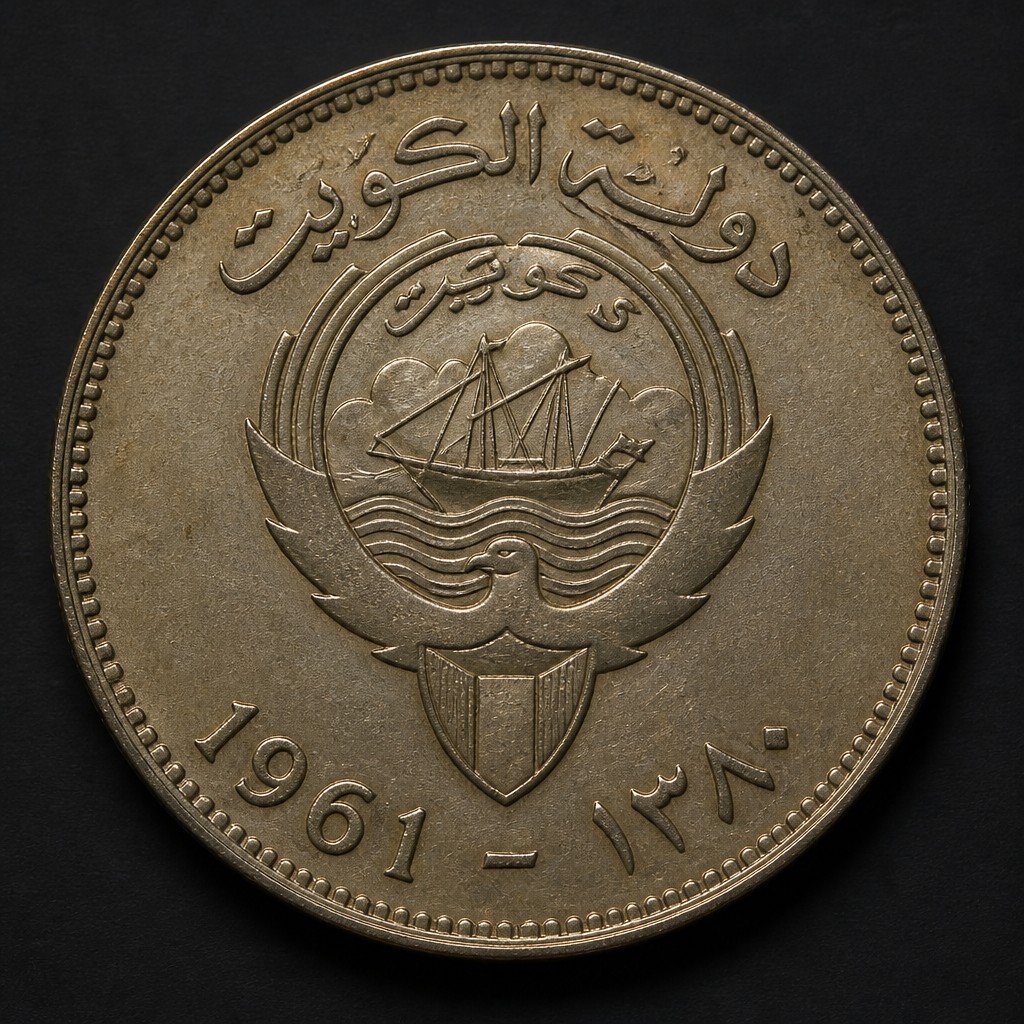
Kuwaiti Fils
1961–present
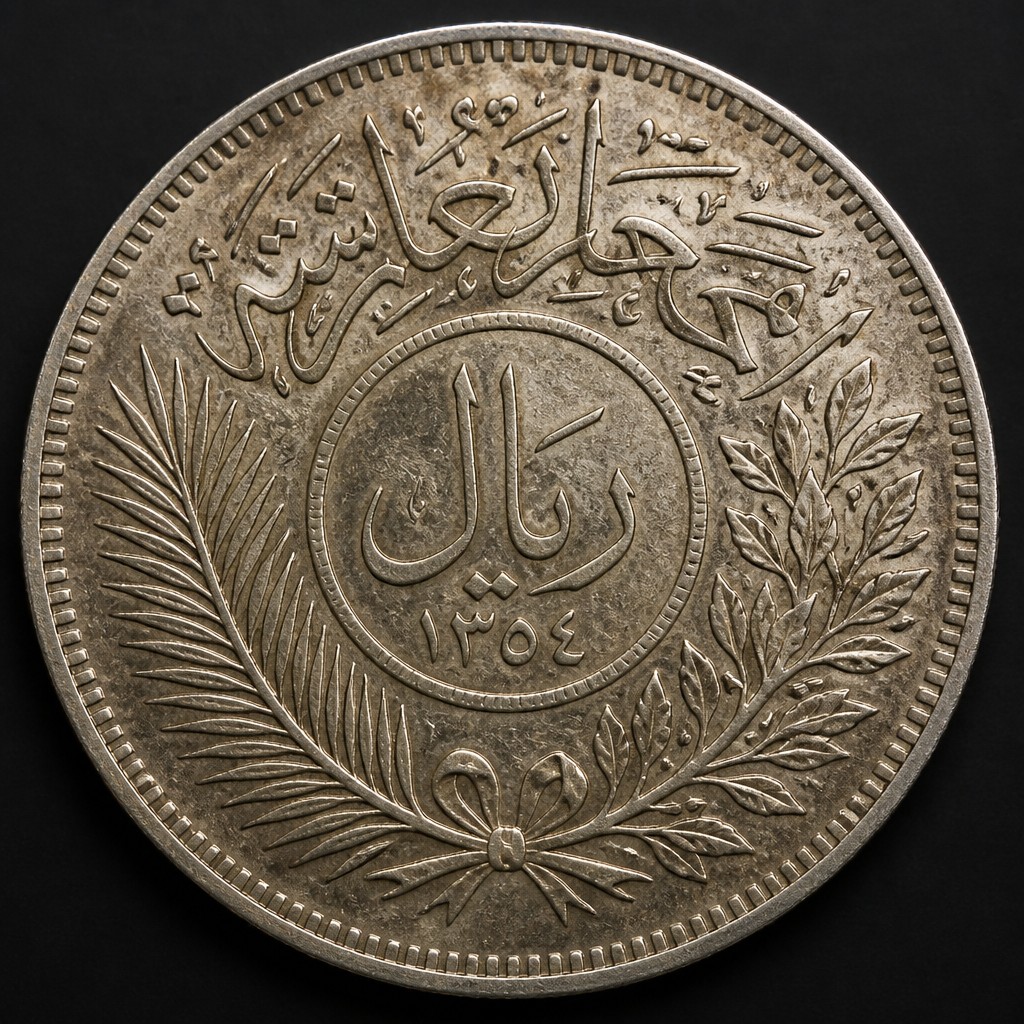
Saudi Arabian Riyal (silver)
1935 (Kingdom-wide standardization) and related issues
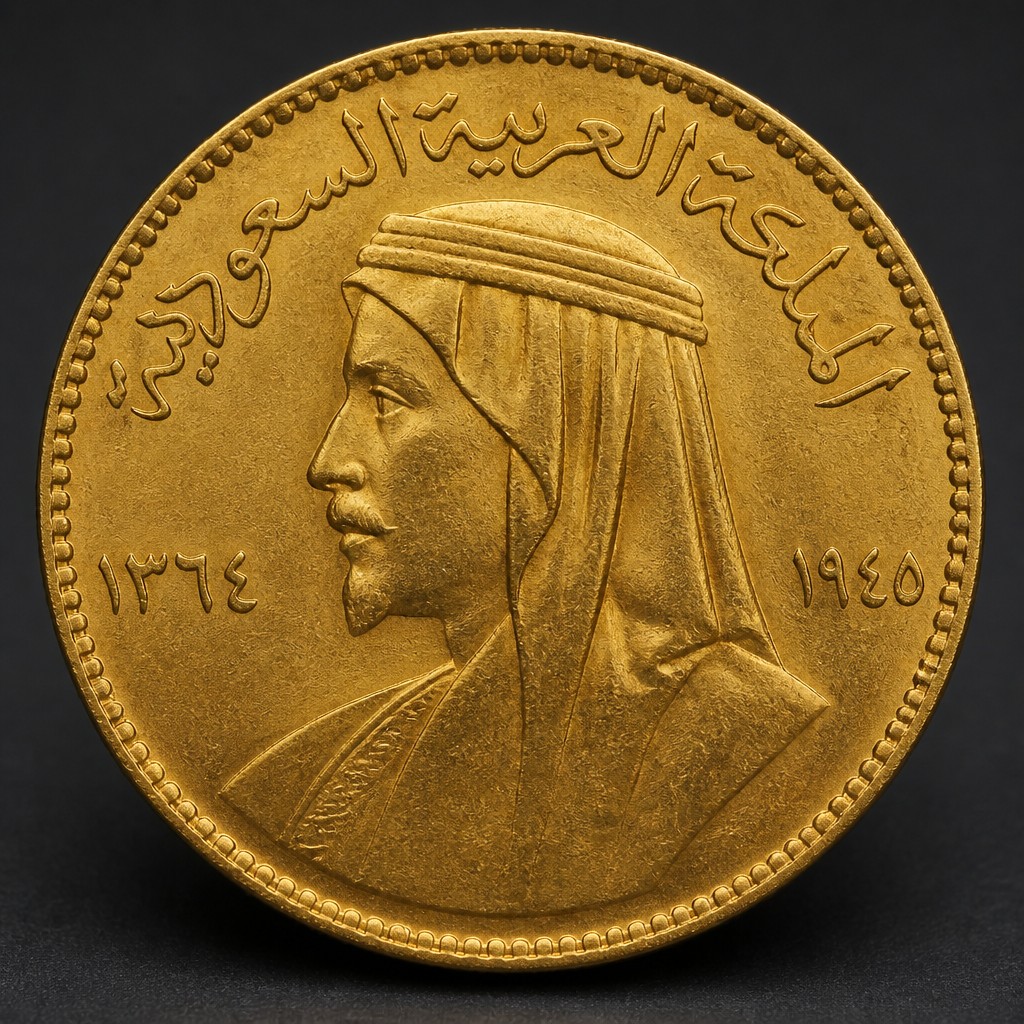
Saudi Arabian Gold Guinea (Sovereign)
1945 and later issues
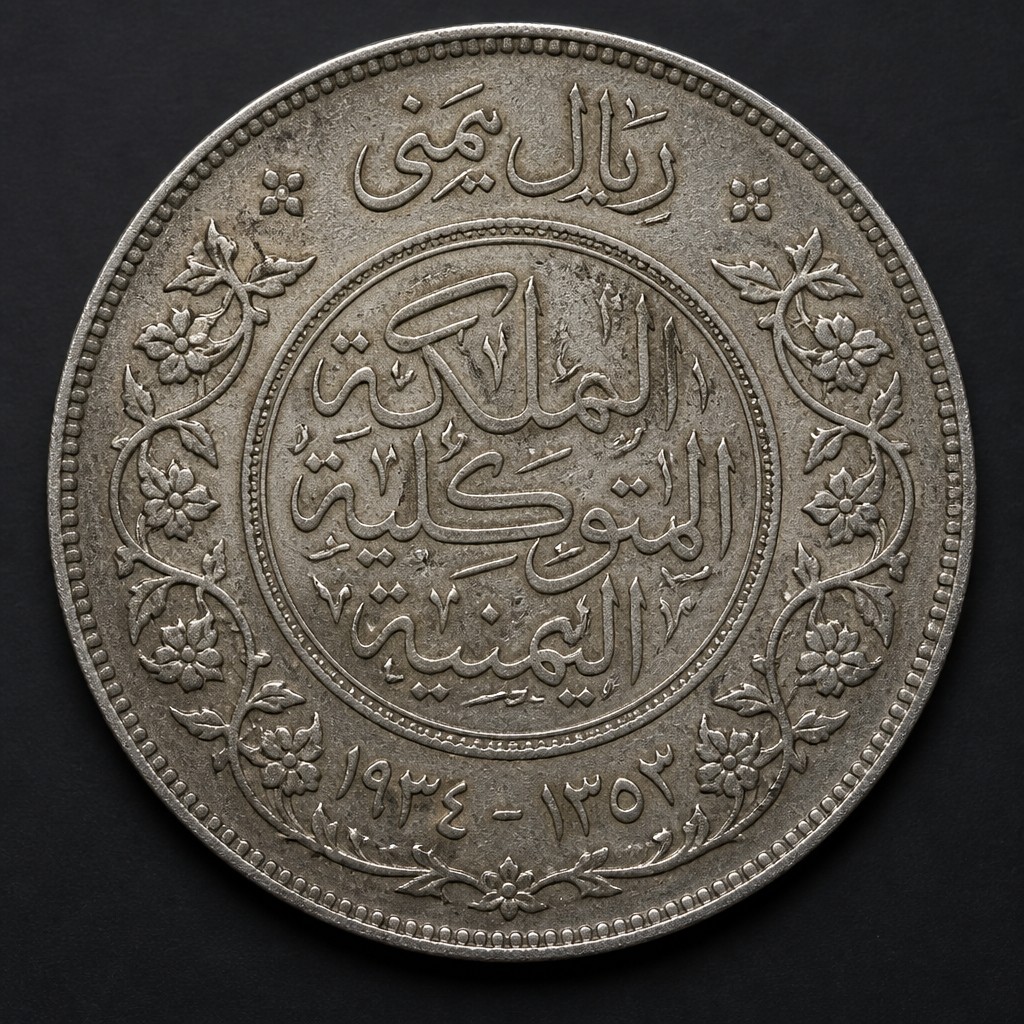
Yemeni Riyal (Ahmadi/Imadi Kingdom Coinage)
Early-to-mid 20th century
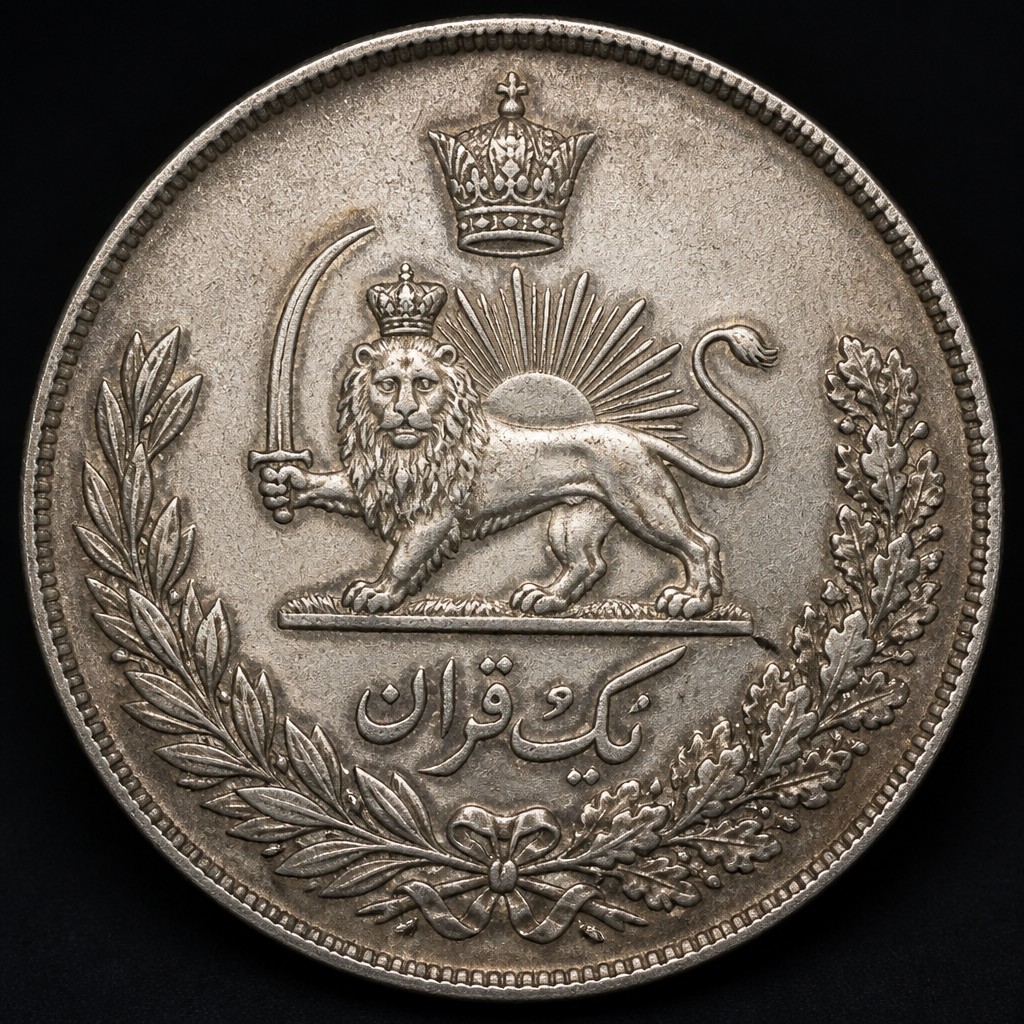
Persian Kran (Qajar silver)
Mid-19th century–1925
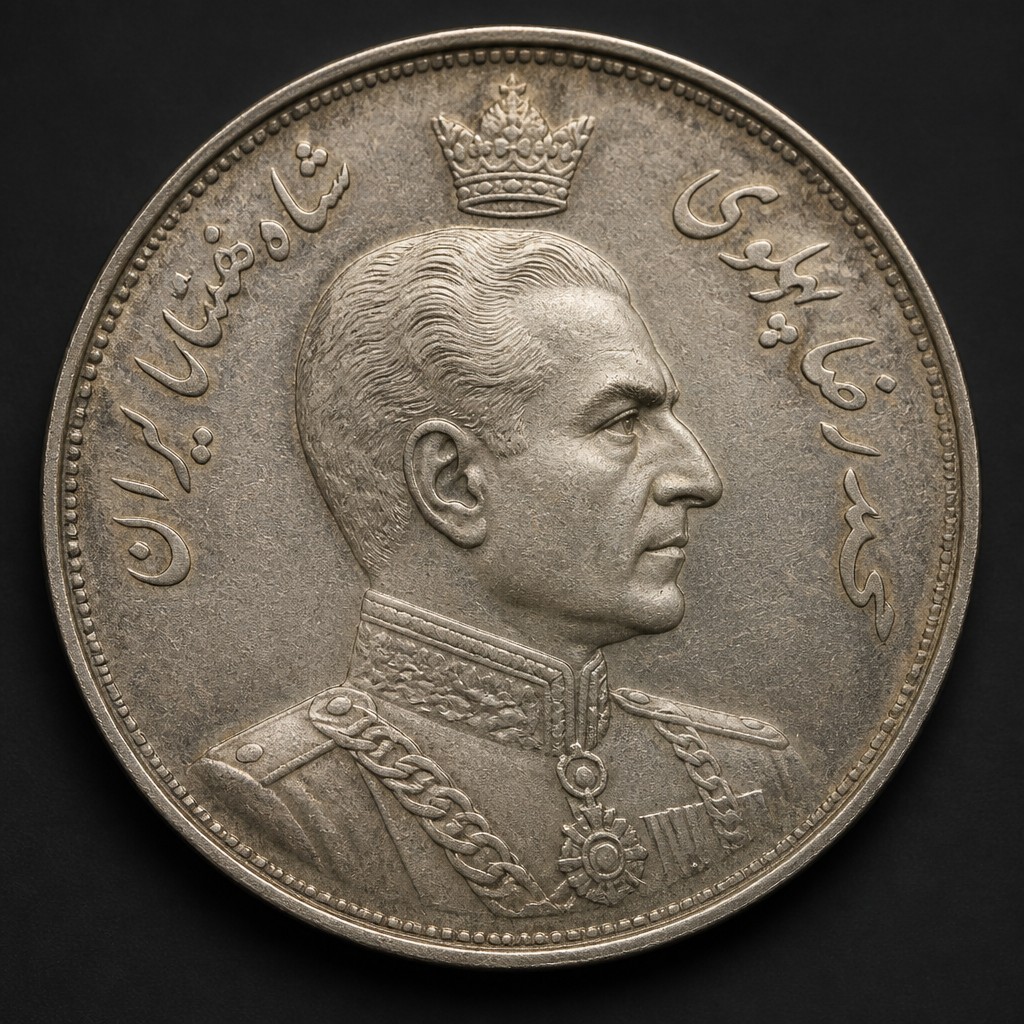
Iranian Rial
1932–present
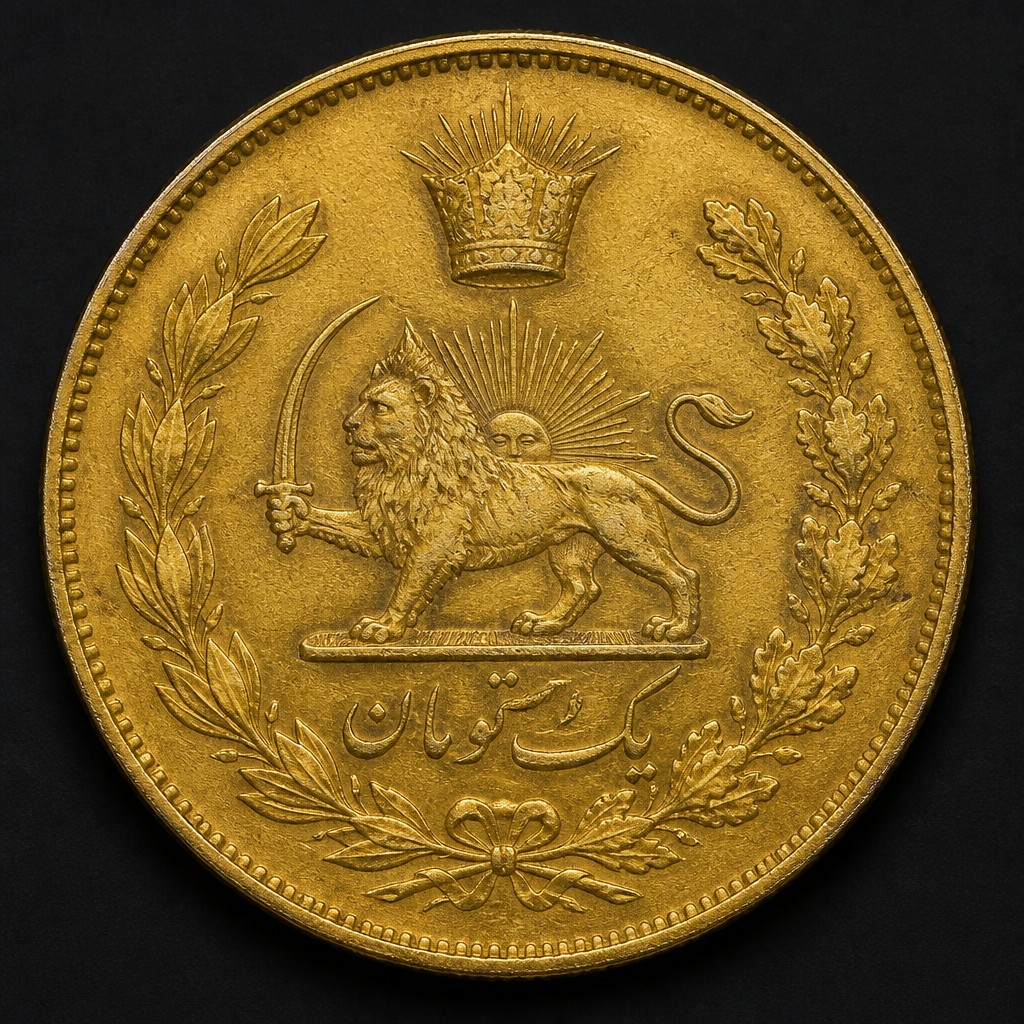
Persian Gold Toman (Qajar)
1796–1925
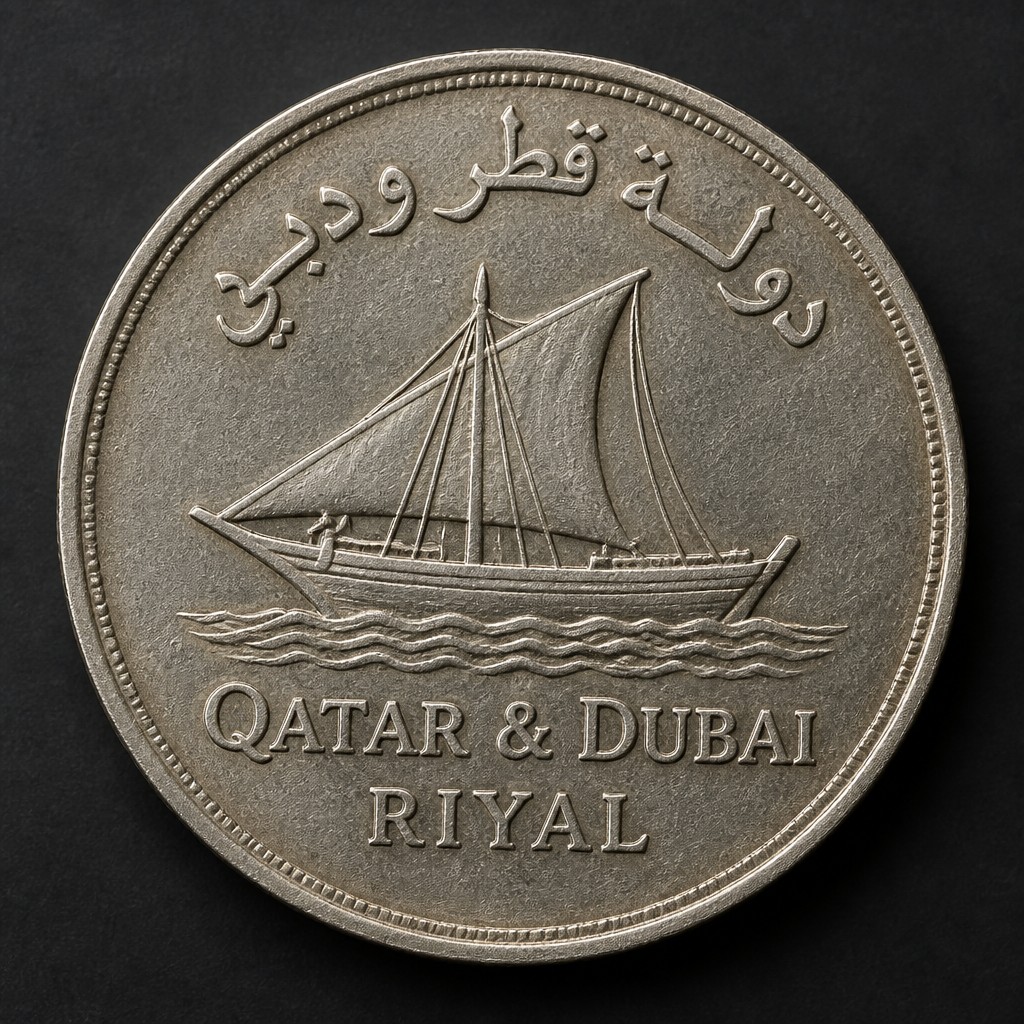
Qatar and Dubai Riyal
1966–1973
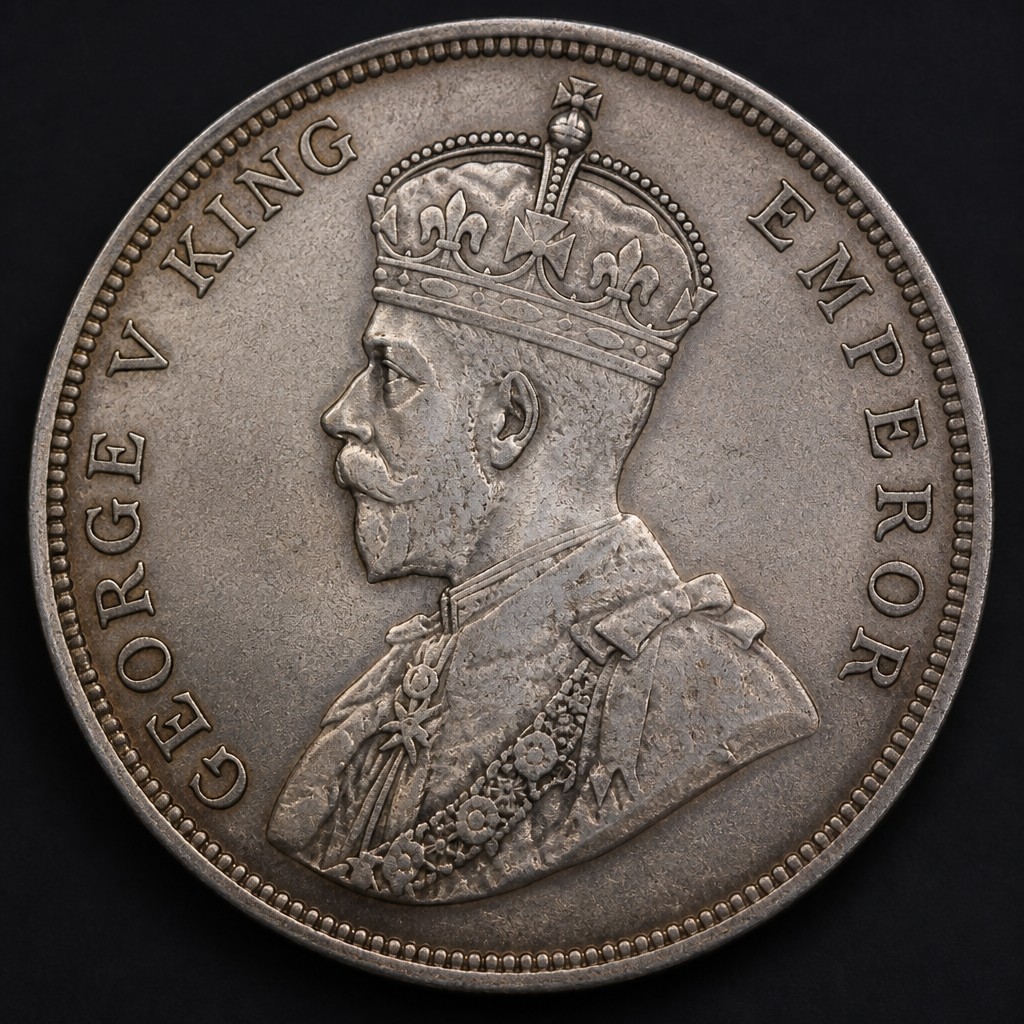
British India Rupee (Silver)
1835–1947