
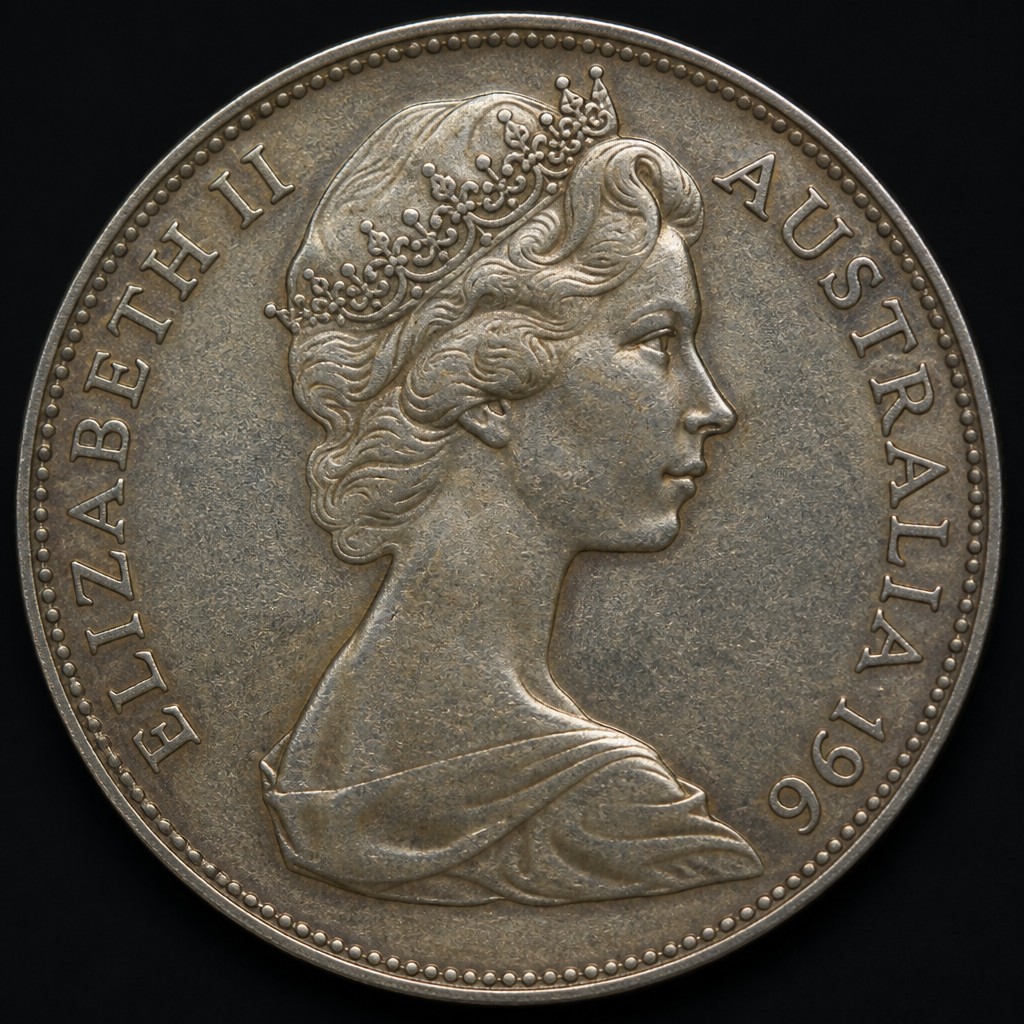
Australian 50 Cent (round 1966 silver)
Australia's original round 50-cent coin from the 1966 decimal changeover, struck in 80% silver and withdrawn the same year once its bullion value exceeded face value.
- Country
- Australia
- Denomination
- Fifty Cents
- Metal
- 80% silver, 20% copper
Got a coin like this?
Identify any coin from a photo, free.
Overview
When Australia switched to decimal currency in February 1966, the new 50-cent piece was issued as a large round coin struck in 80% silver, the highest-denomination coin in the initial decimal set. Its reverse features the Australian Coat of Arms designed by Stuart Devlin, who created much of the original decimal coinage's artwork.
Rising world silver prices later in 1966 pushed the coin's bullion value above its 50-cent face value, prompting widespread public hoarding and melting almost immediately after release. As a result, the round silver 50 cent had an unusually short circulating life.
The denomination was reintroduced from 1969 in a distinctive twelve-sided cupronickel format that remains in use today, making the 1966 round silver version a one-year type coin within the broader 50-cent series.
History & Background
Australia's 1966 decimalization replaced pounds, shillings, and pence with dollars and cents, and the government commissioned new coin designs, largely from artist Stuart Devlin, to mark the transition. The 50-cent coin, valued at ten shillings under the old system, was struck in 80% silver to reflect its high denomination status.
Within months of release, a spike in global silver prices meant the coin's metal content was worth more than its face value, and the public began pulling the coins from circulation to sell or hoard for their silver, rather than spend them.
To solve the problem, the government withdrew the round silver 50 cent and, starting in 1969, introduced a new dodecagonal (twelve-sided) 50-cent coin struck in cupronickel with no meaningful silver content, a shape retained in Australian coinage ever since.
How to Identify
Obverse: Queen Elizabeth II's portrait (the Arnold Machin effigy used in early Australian decimal coinage) with denomination in the field. Reverse: the Australian Coat of Arms, featuring the shield with state badges, supported by a kangaroo and emu, designed by Stuart Devlin.
The coin is round, approximately 31.5mm in diameter and 13.28 grams, struck in 80% silver and 20% copper, giving it a noticeably different weight and ring compared to the later cupronickel dodecagonal 50-cent coin.
Because the 1966 issue is round while all later Australian 50-cent coins are twelve-sided, shape alone is often the quickest way to identify this specific type; date (1966) confirms it further.
Value & Collectibility
Given its significant silver content, the coin's baseline value tracks silver bullion prices, and most surviving examples trade at a premium to face value even in worn condition. Because it was heavily saved and melted soon after release, examples in high uncirculated grades or original mint rolls can attract collector interest beyond pure metal value.
As a one-year type coin marking a unique moment in Australian monetary history, it remains a popular entry point for collectors interested in decimalization-era coinage.
Condition and originality (unworn surfaces, no cleaning) are the main differentiators in price beyond simple silver content, since the design and mintage are well documented and not typically associated with dramatic date-to-date rarity within the single year of issue.
Frequently asked questions
Why did Australia stop making the round 50-cent coin?
Rising silver prices in 1966 made the coin worth more melted than spent, so it was withdrawn and replaced with a non-silver design.
What shape replaced the round 50 cent?
A twelve-sided (dodecagonal) cupronickel 50-cent coin was introduced from 1969 and continues to this day.
Is the 1966 50-cent coin worth more than face value?
Yes, its silver content generally makes it worth more than 50 cents even in worn condition.
Who designed the reverse?
Stuart Devlin, the artist responsible for much of Australia's original decimal coinage, designed the Coat of Arms reverse.
Other coins you may enjoy
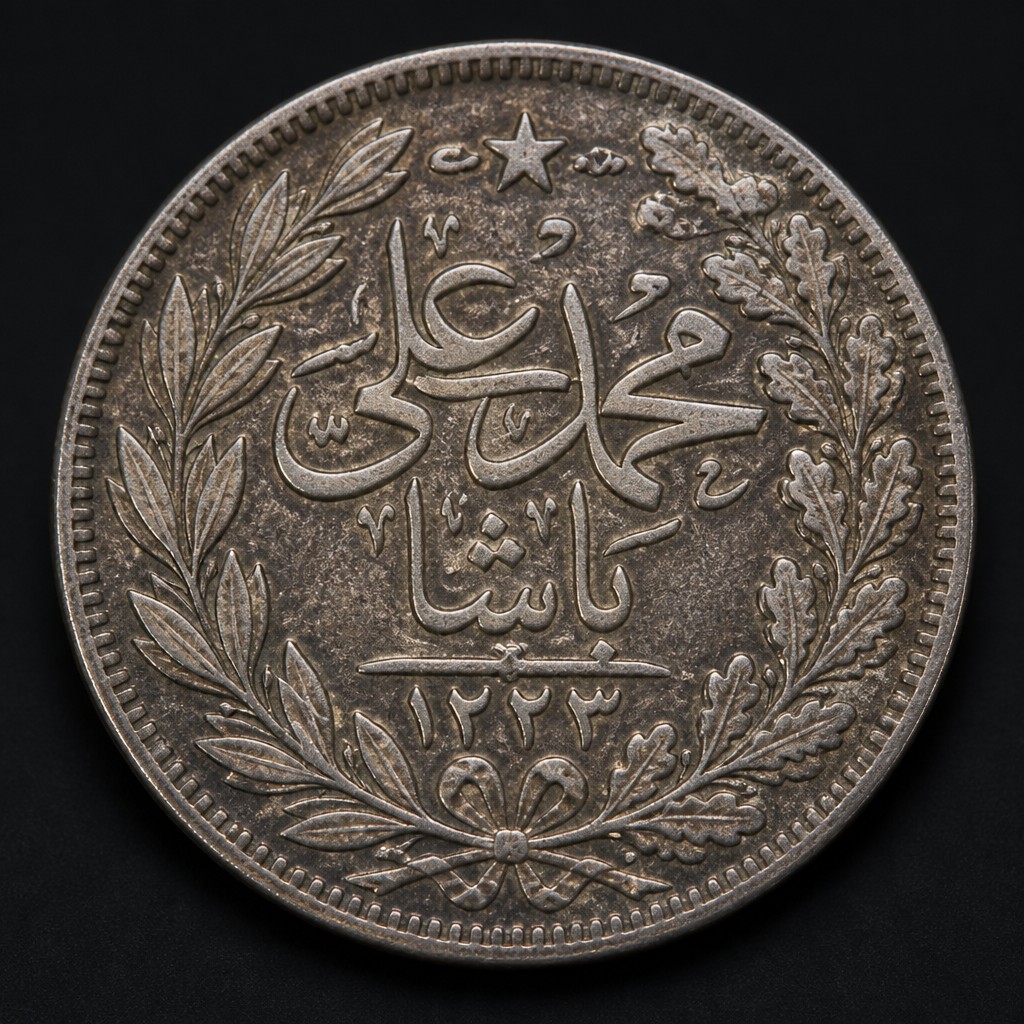
Egyptian Qirsh (Muhammad Ali Era)
Early-to-mid 19th century (c. 1805–1848)
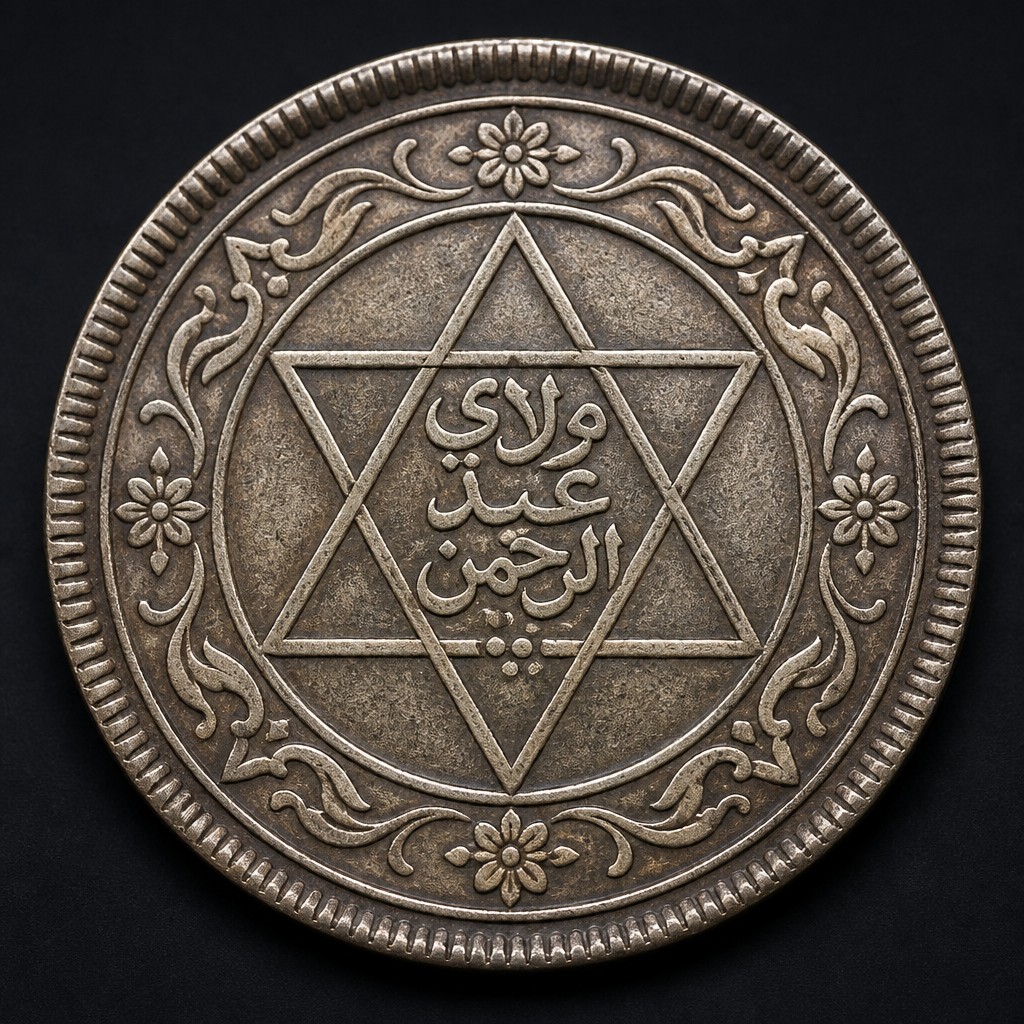
Moroccan Rial (Alawi Dynasty Coinage)
18th–19th century (pre-protectorate era)
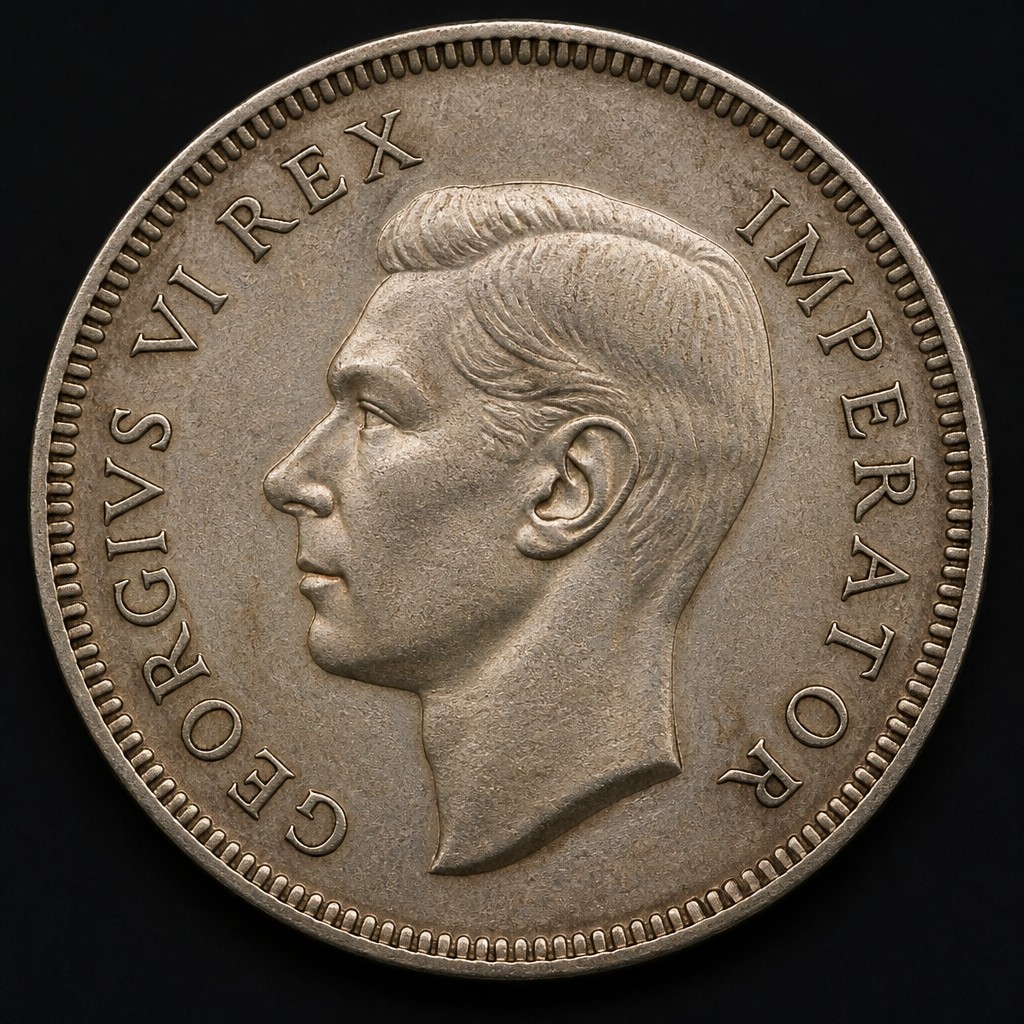
South African Sixpence (Union)
1923-1960
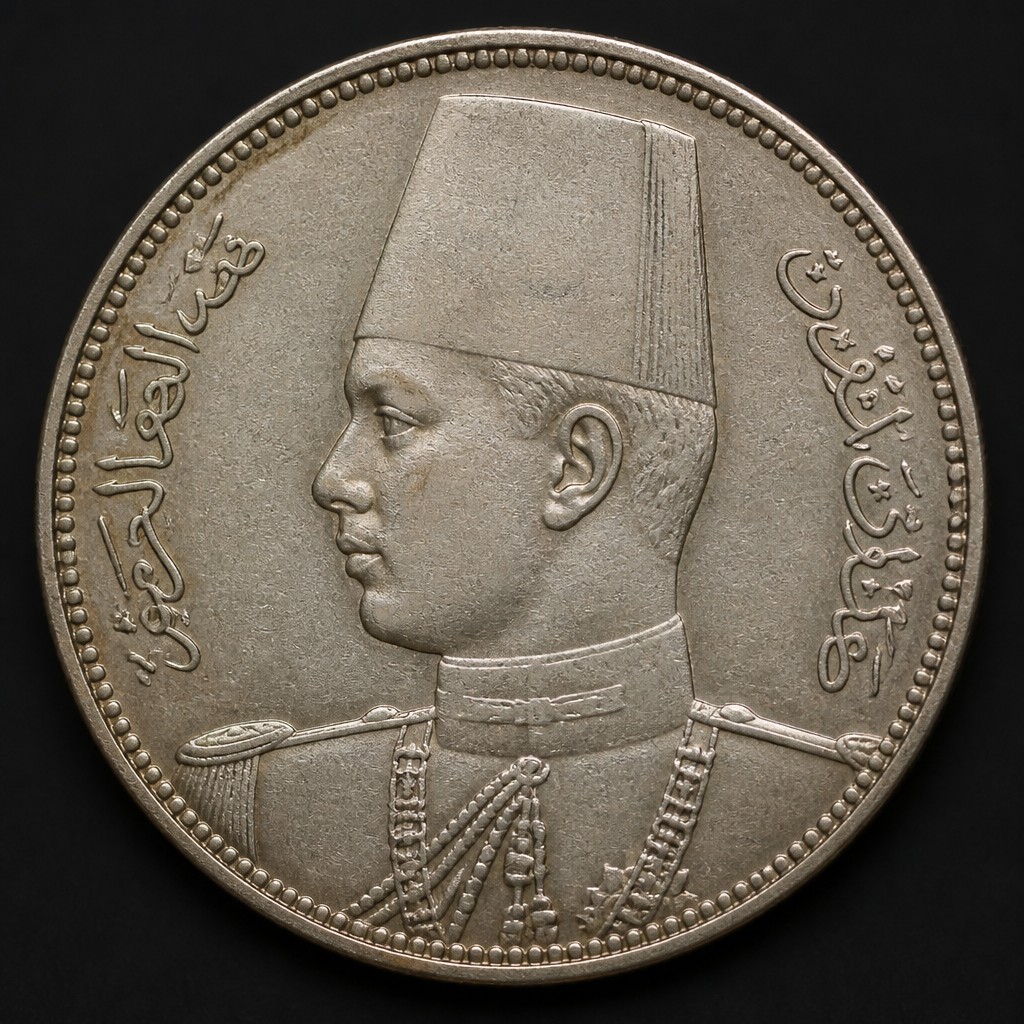
Egyptian Farouk 5 Piastres
1937-1952
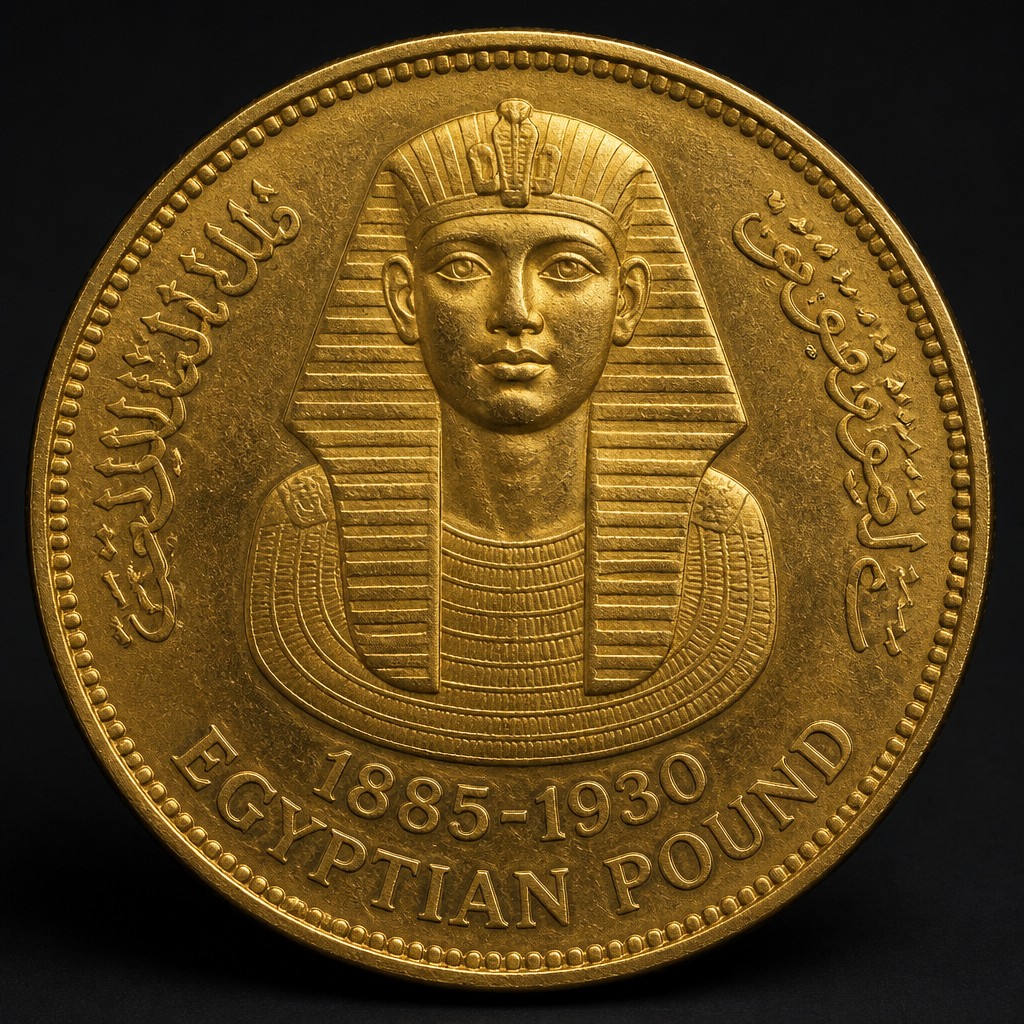
Egyptian Pound (gold)
1885–1930
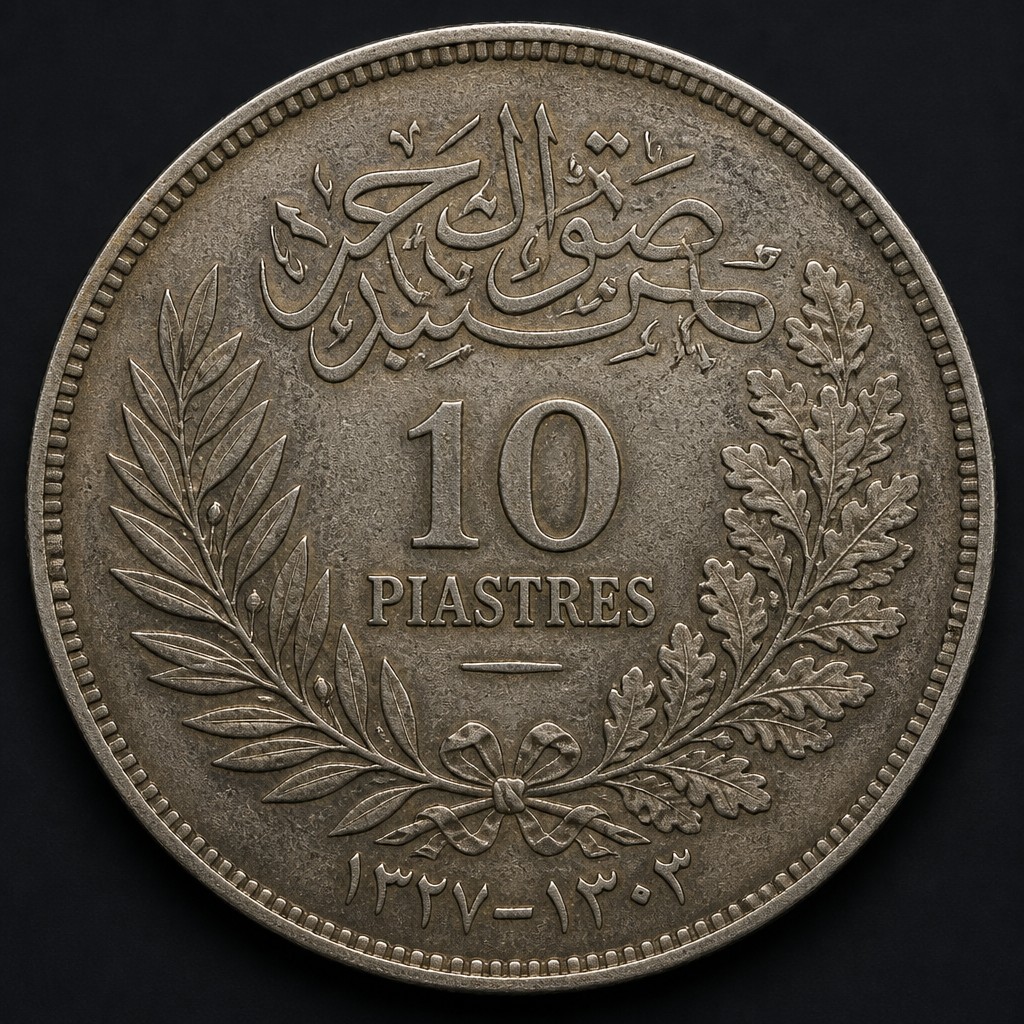
Egyptian 10 Piastres (silver)
1885–1939
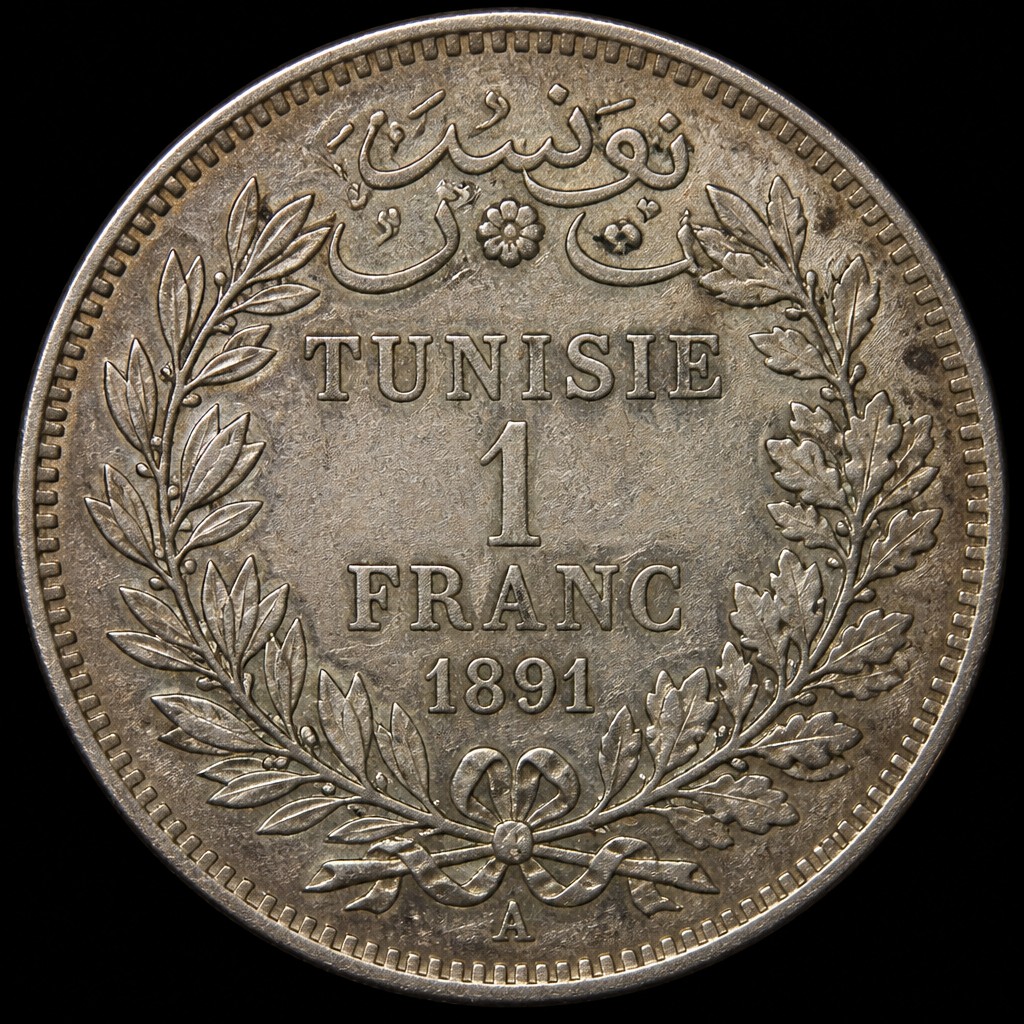
Tunisian Franc (Beylik Era)
Late 19th–early 20th century (c. 1891–1957 transition)
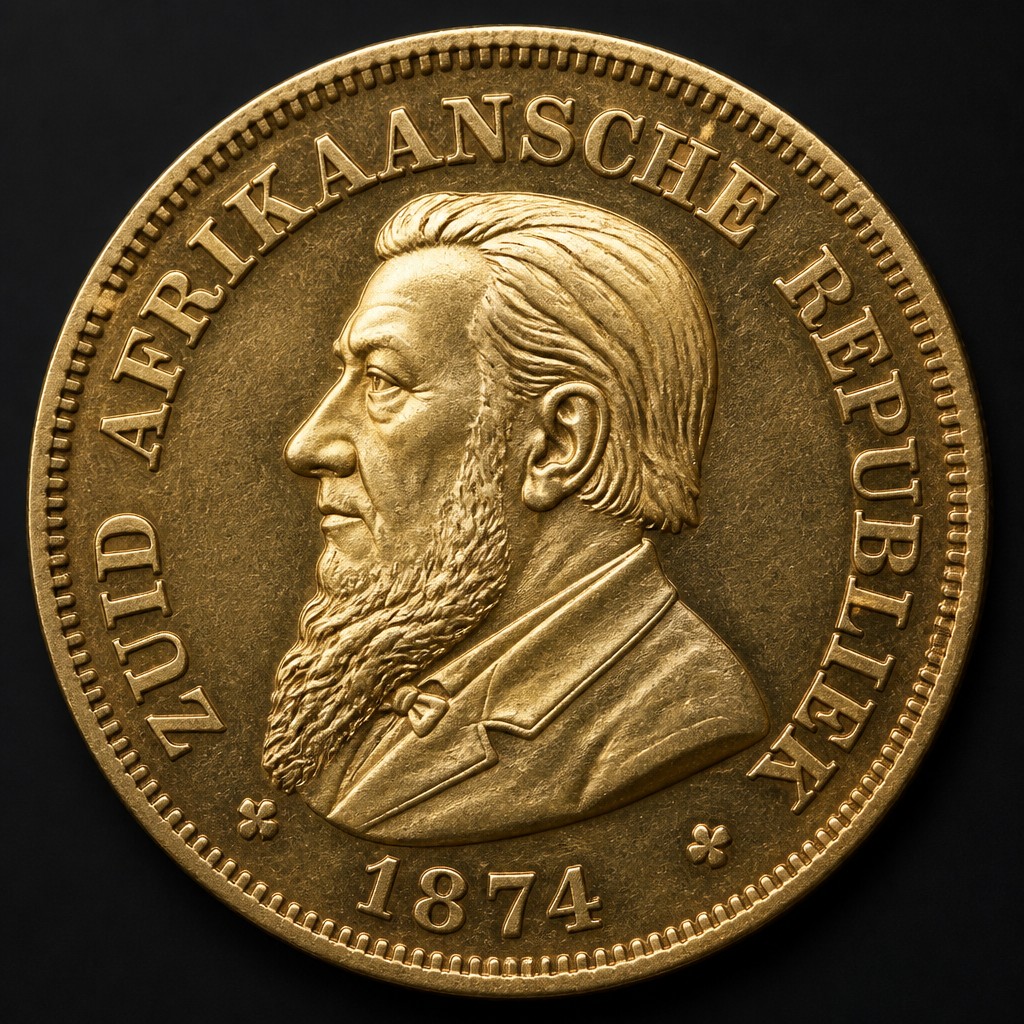
South African Republic Burgers Pond
1874
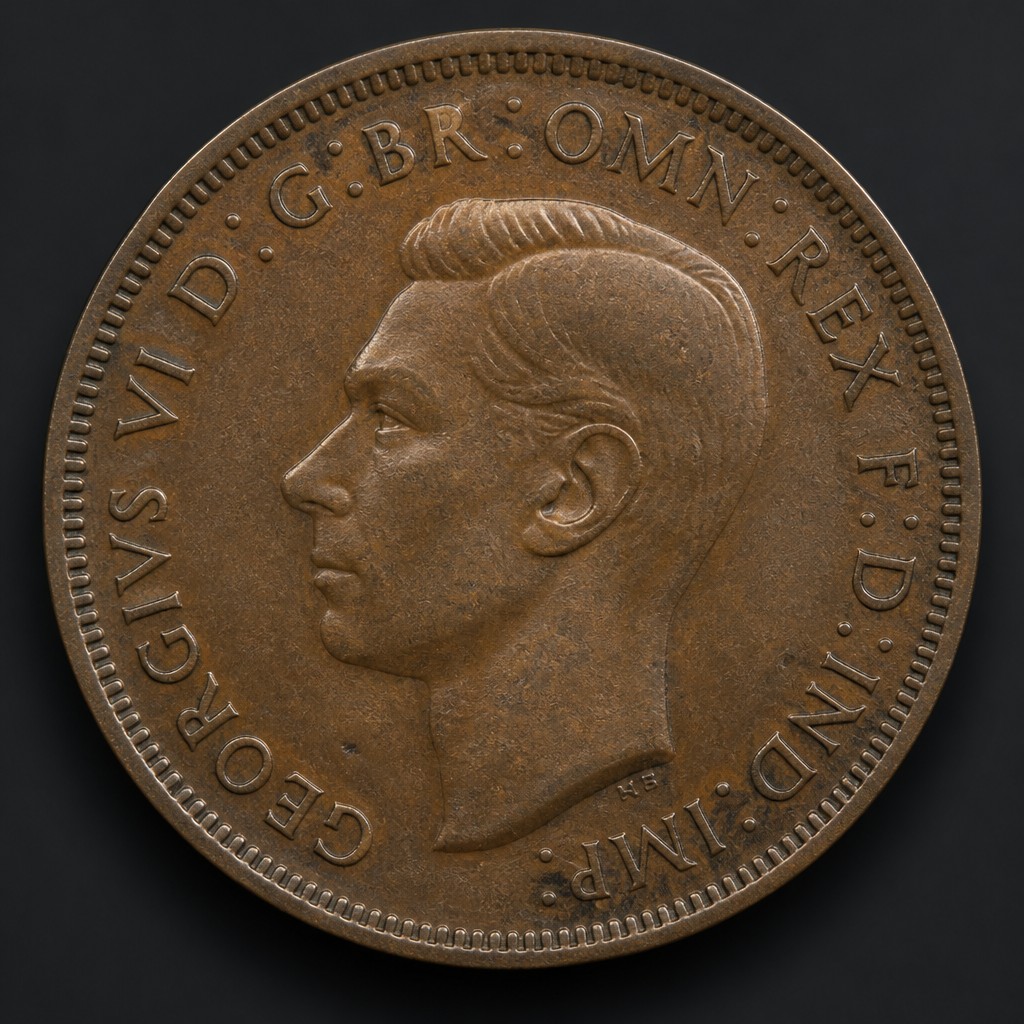
New Zealand Penny (KGVI)
1937-1952
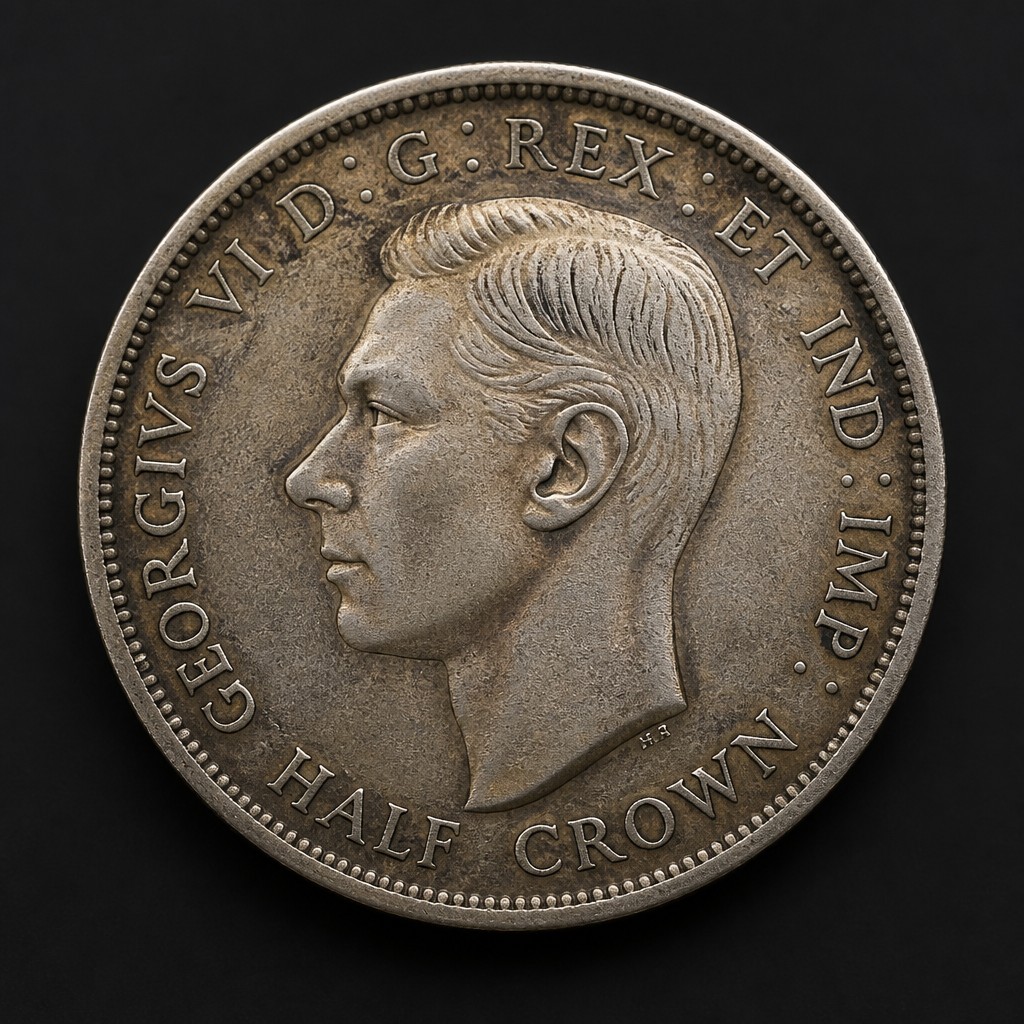
New Zealand Half Crown (pre-decimal)
1933-1965
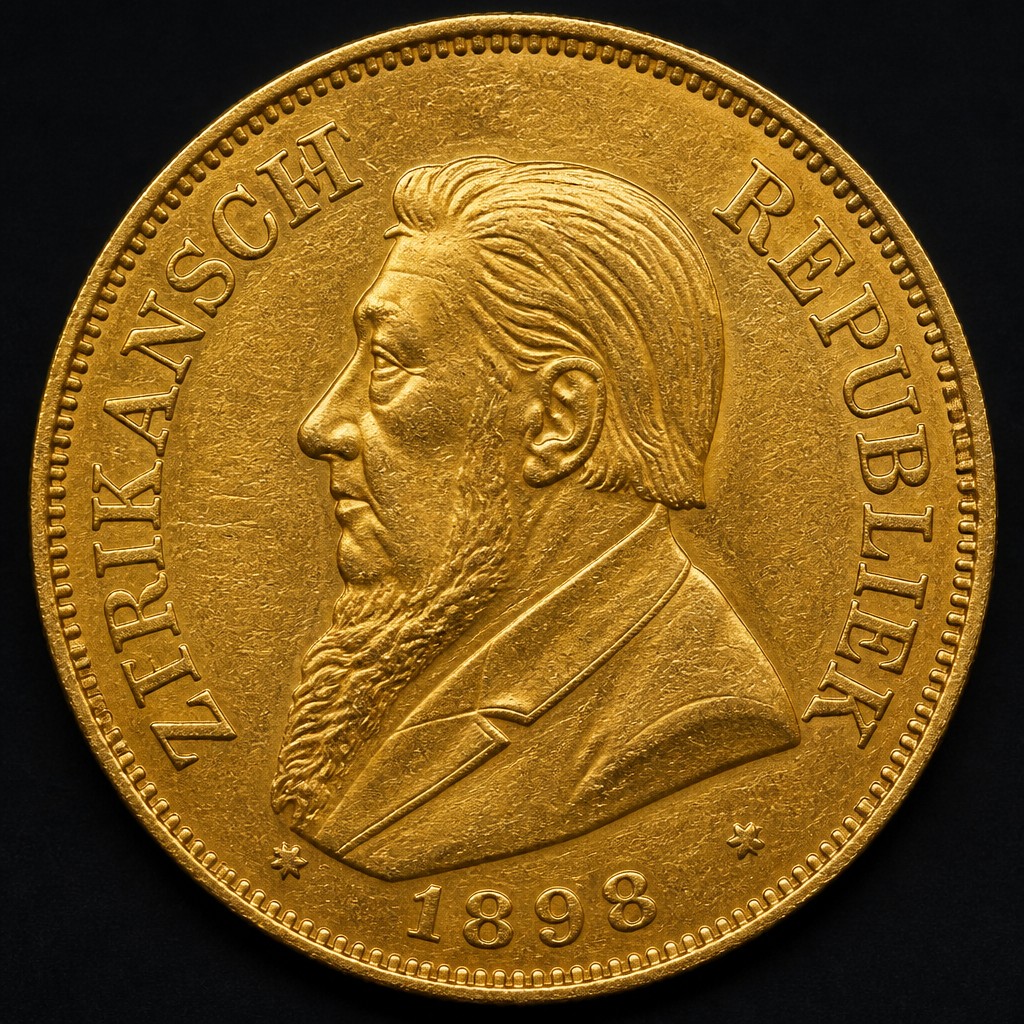
South African ZAR Kruger Pond
1892-1900
Australian Holey Dollar and Dump
1813