
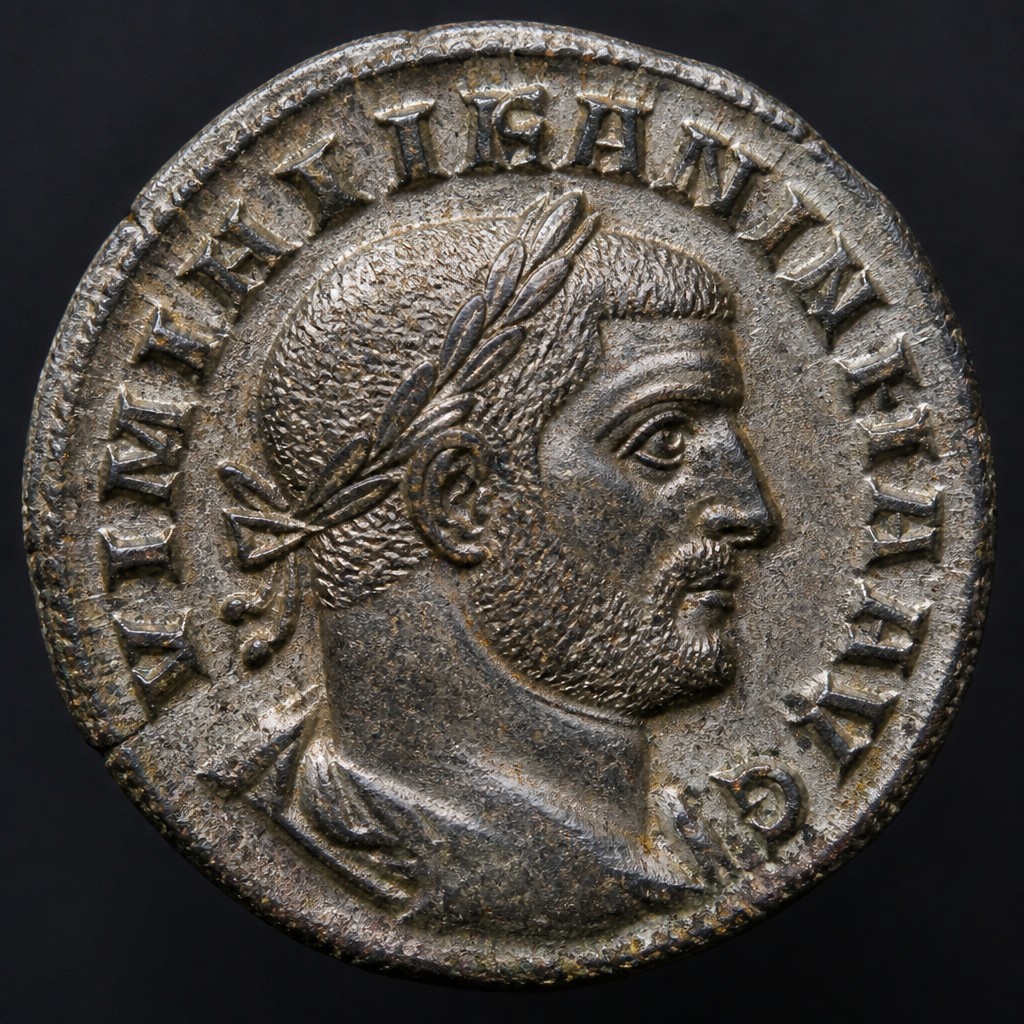
Maximian Follis
Large bronze follis of Maximian, co-Augustus with Diocletian who ruled the western half of the empire as part of the Tetrarchy and shared the same reformed coinage design.
- Country
- Ancient Rome
- Denomination
- Follis (Nummus)
- Metal
- Bronze with thin silver wash
Got a coin like this?
Identify any coin from a photo, free.
Overview
Maximian's follis coinage was struck as part of Diocletian's landmark currency reform of 294 AD, and as co-Augustus governing the western provinces, Maximian's coins closely mirror those of his eastern colleague in design and denomination. His coinage offers a window into the western administration of the Tetrarchic system.
Collectors of Tetrarchic coinage often seek complete sets featuring all four rulers of a given period, making Maximian's follis a natural companion piece to those of Diocletian, Constantius I, and Galerius.
History & Background
Maximian was a trusted military colleague of Diocletian, elevated first to Caesar and then to co-Augustus in 286 AD to help manage the empire's vast defensive needs, taking responsibility for the western provinces including Italy, Gaul, Spain, and Africa. He campaigned against various rebels and invaders in the west, including suppressing the Bagaudae uprising in Gaul and confronting the usurper Carausius in Britain.
As part of the Tetrarchy formalized in 293 AD, Maximian adopted the divine epithet 'Herculius,' associating himself with Hercules just as Diocletian associated himself with Jupiter, reflecting the ideological underpinning of their shared rule. Maximian abdicated alongside Diocletian in 305 AD but made several later, ultimately unsuccessful attempts to reclaim power, before his death (likely forced suicide) in 310 AD.
How to Identify
The obverse shows a laureate, cuirassed bust of Maximian, with legends such as IMP MAXIMIANVS PF AVG or later Maximianus-specific titulature reflecting his periods of active or retired rule. As with other Tetrarchic rulers, the general portrait style is quite similar across the group, so the legend is the primary means of identifying the specific emperor.
The standard reverse for his main reform-era coinage is GENIO POPVLI ROMANI, showing the standing Genius figure with patera and cornucopia, identical in general design to contemporary folles of Diocletian, Constantius I, and Galerius. Mint marks in the exergue identify western production centers such as Trier, Ticinum, Aquileia, or Carthage.
The coin matches the standard follis format of the reform period, roughly 25-28mm with a silvered bronze surface. Distinguishing Maximian's coins from those of his Tetrarchic colleagues depends entirely on careful reading of the obverse legend, since the reverse type and general fabric are shared across the group.
Value & Collectibility
Maximian folles are common and generally affordable, with typical examples of the standard GENIO POPVLI ROMANI type often found in the roughly $20 to $50 range in circulated condition. As with other Tetrarchic folles, value is influenced more by mint rarity, officina, strike quality, and silvering preservation than by scarcity of the basic type itself.
Collectors assembling complete Tetrarchic sets often seek matching quality and preservation across Diocletian, Maximian, Constantius I, and Galerius examples, which can create modest premiums for well-matched, high-grade groups.
Frequently asked questions
Who was Maximian in relation to Diocletian?
He was Diocletian's trusted military colleague, elevated to co-Augustus in 286 AD to govern the western half of the Roman Empire.
What does 'Herculius' mean on some Maximian coinage or titulature?
It was an epithet linking Maximian to the god Hercules, paralleling Diocletian's own association with Jupiter as part of Tetrarchic ideology.
How can I tell a Maximian follis from a Diocletian follis?
The general design is nearly identical; the obverse legend naming the specific emperor is the key way to distinguish them.
What happened to Maximian after he abdicated?
He made several unsuccessful attempts to return to power after 305 AD and died, likely by forced suicide, around 310 AD.
Other coins you may enjoy
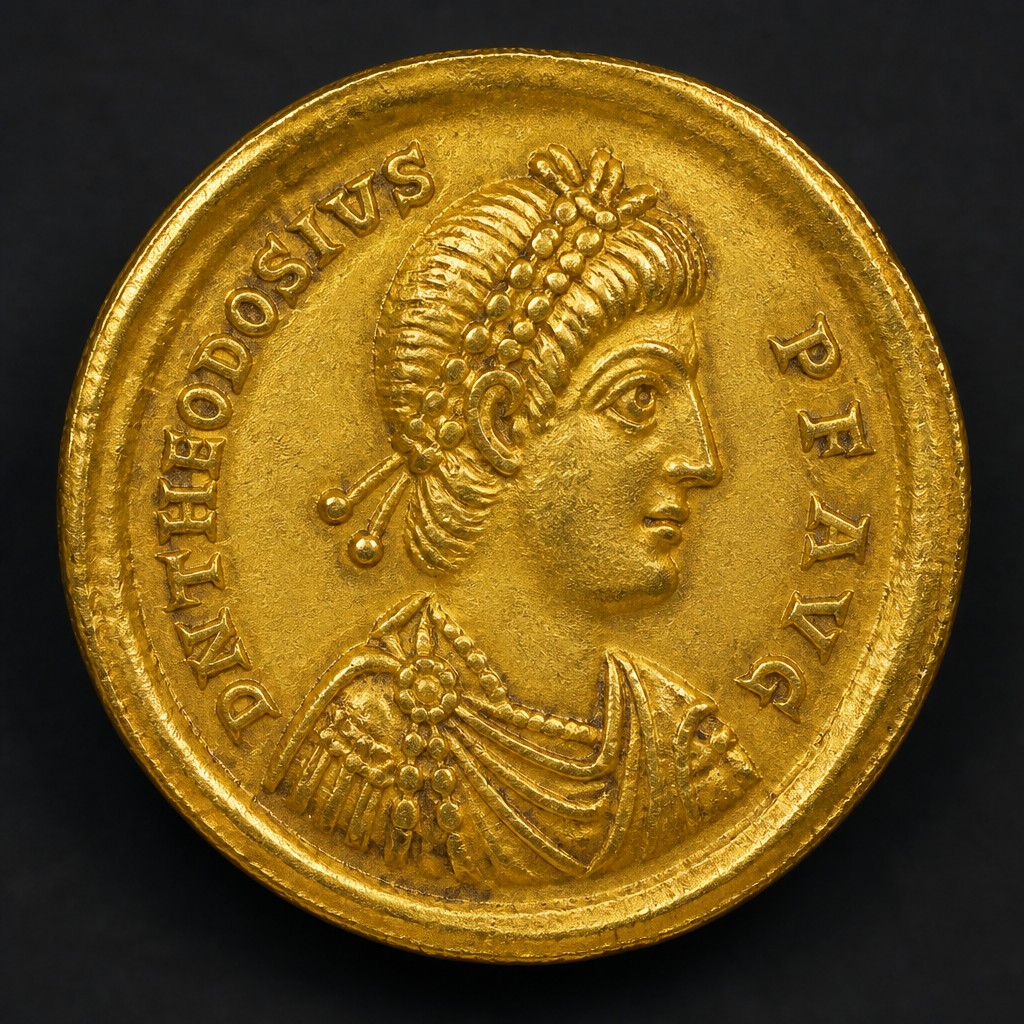
Theodosius I Solidus
379–395 AD
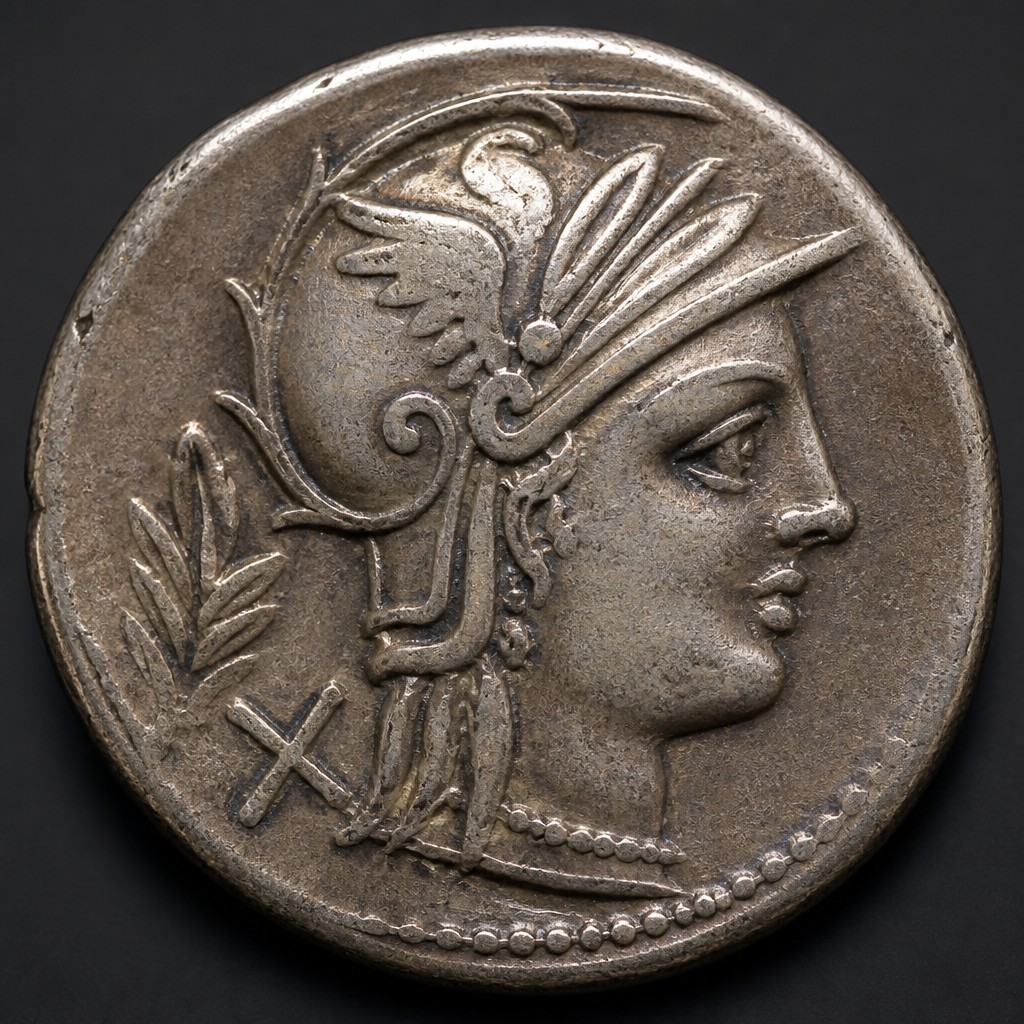
Republican Victoriatus
c. 211–170 BC
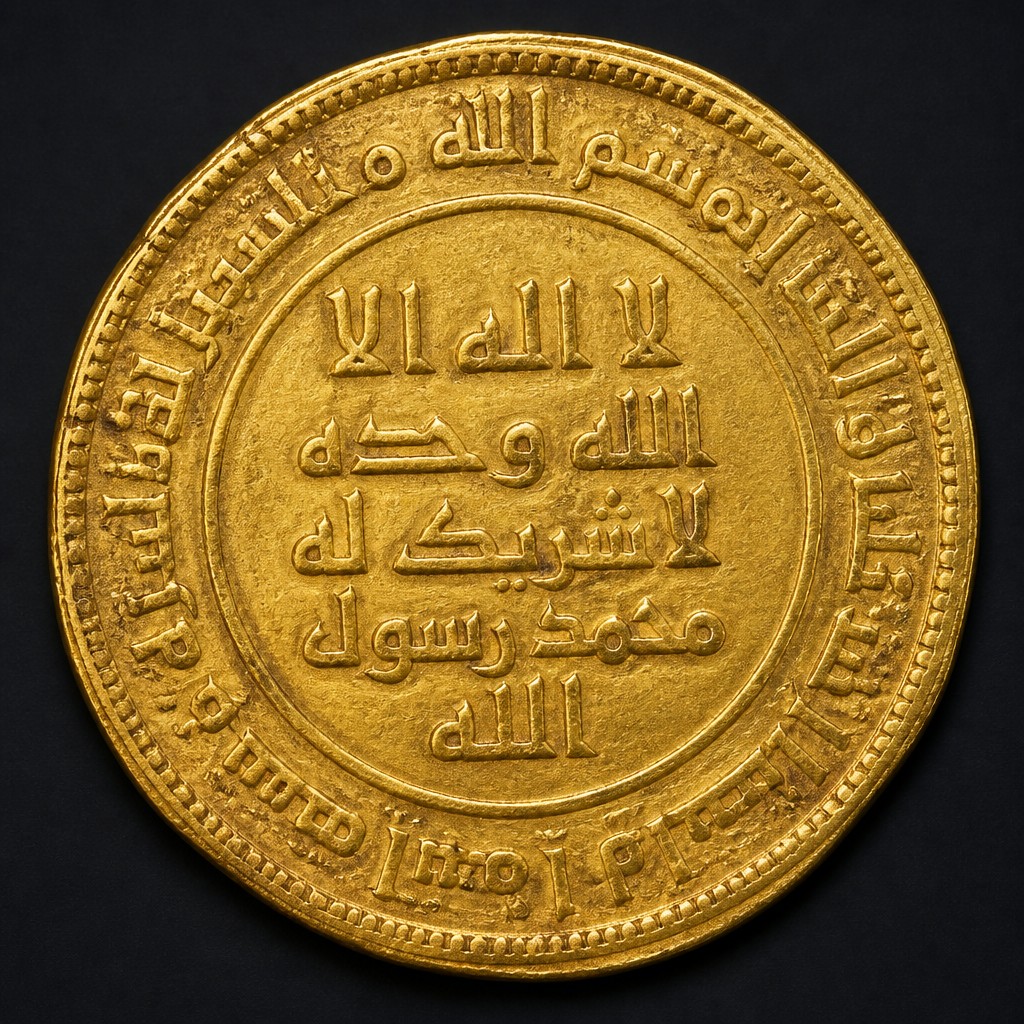
Islamic Gold Dinar (Umayyad)
c. 696–750 AD
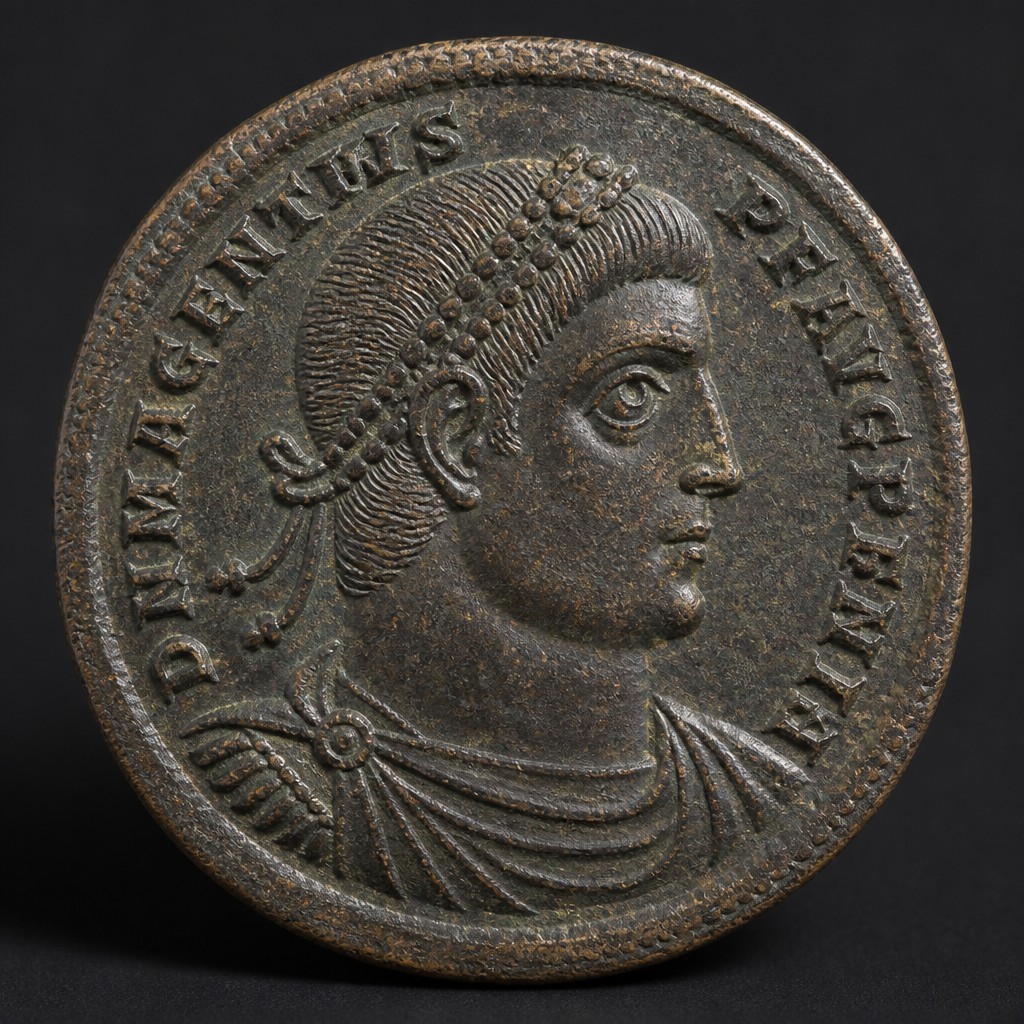
Magnentius Double Centenionalis
350–353 AD
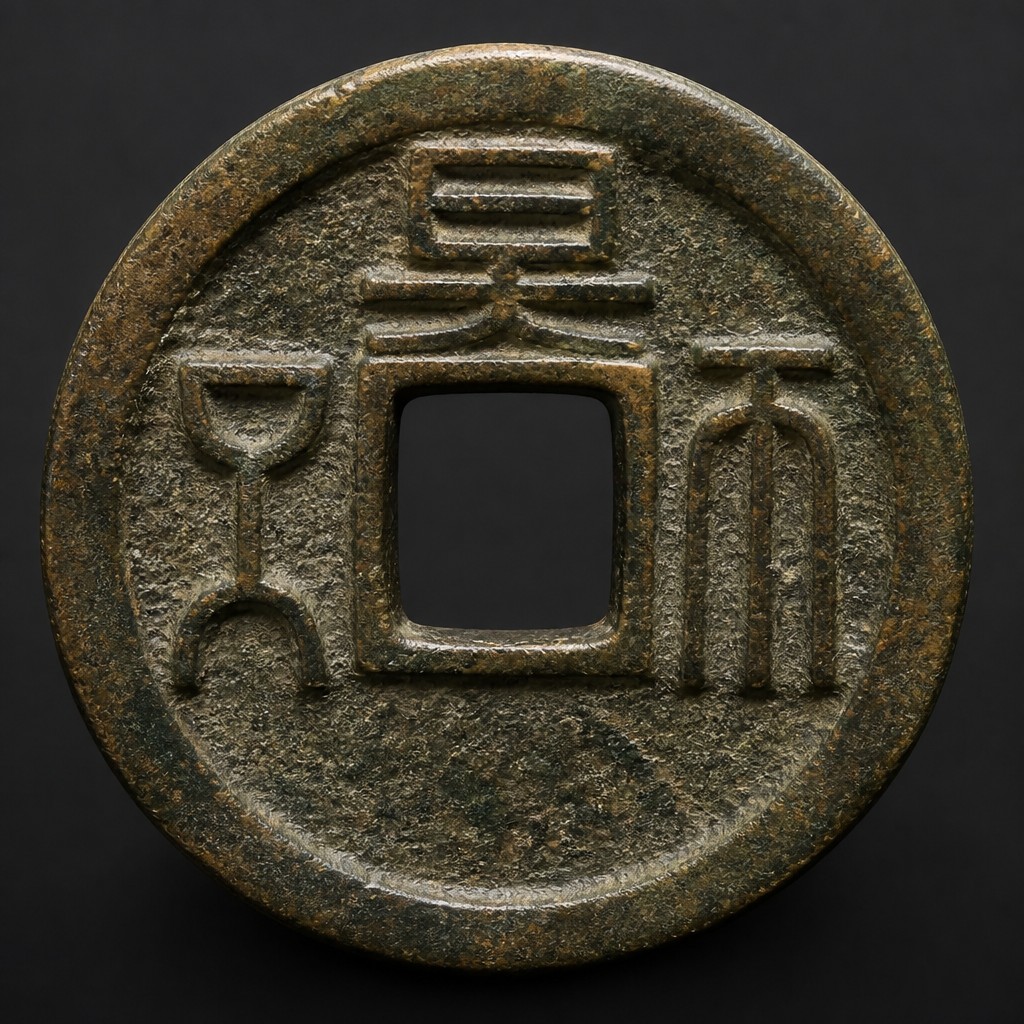
Chinese Wu Zhu Cash
118 BC – 618 AD
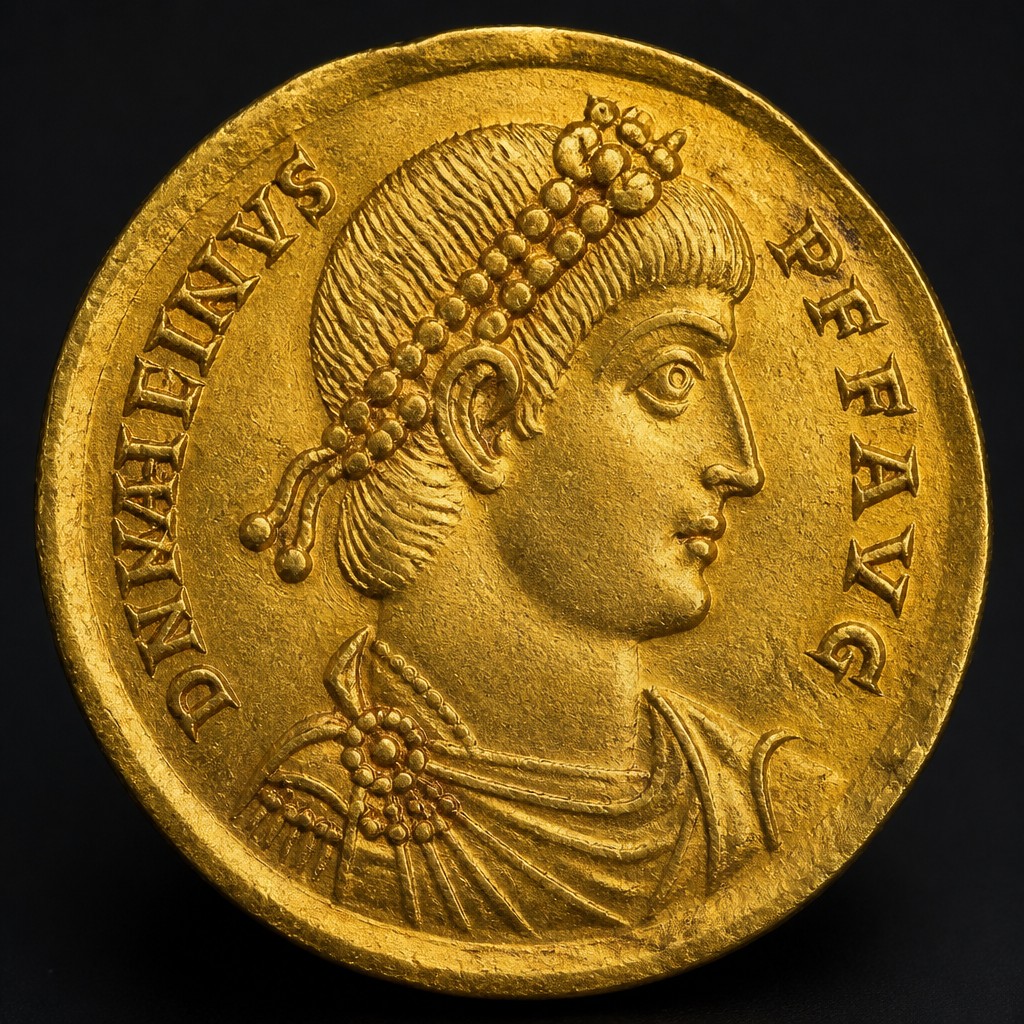
Valentinian I Solidus
364–375 AD
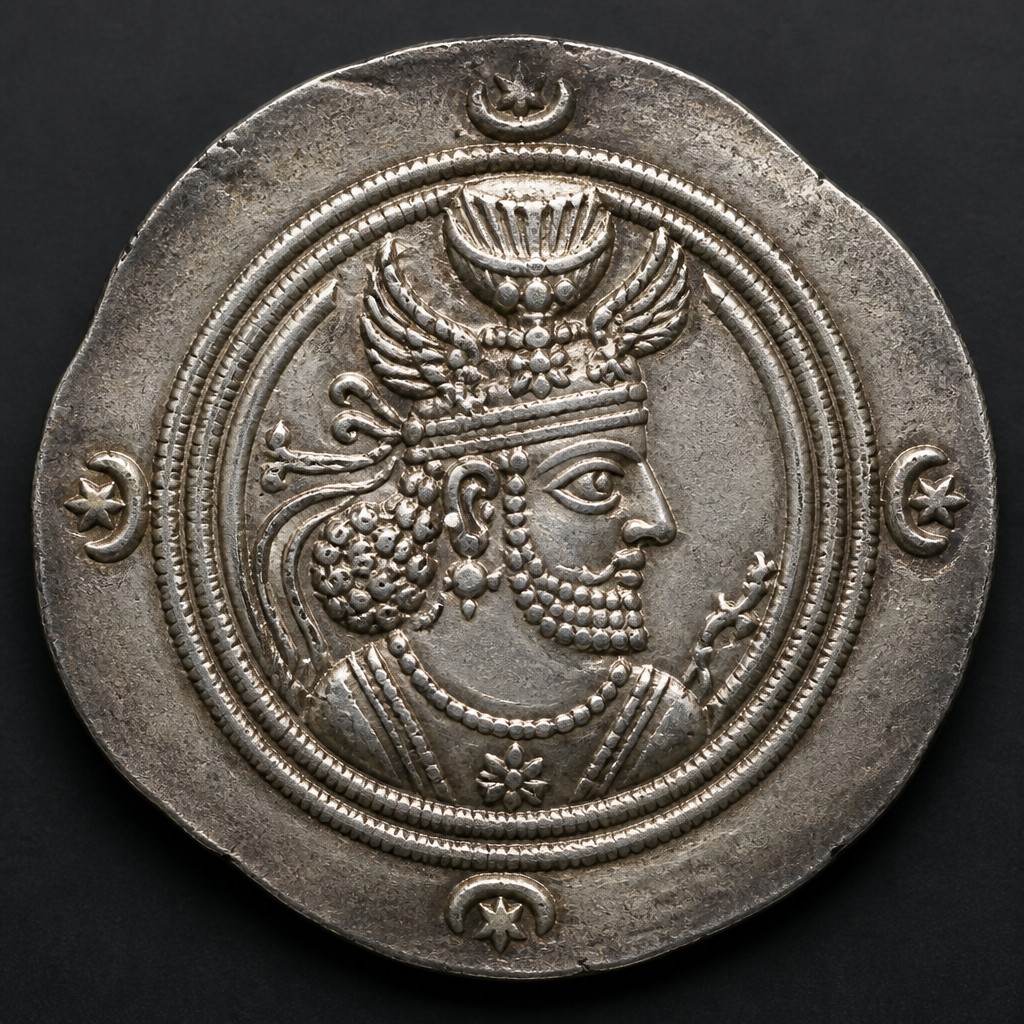
Sassanian Silver Drachm
c. 224–651 AD
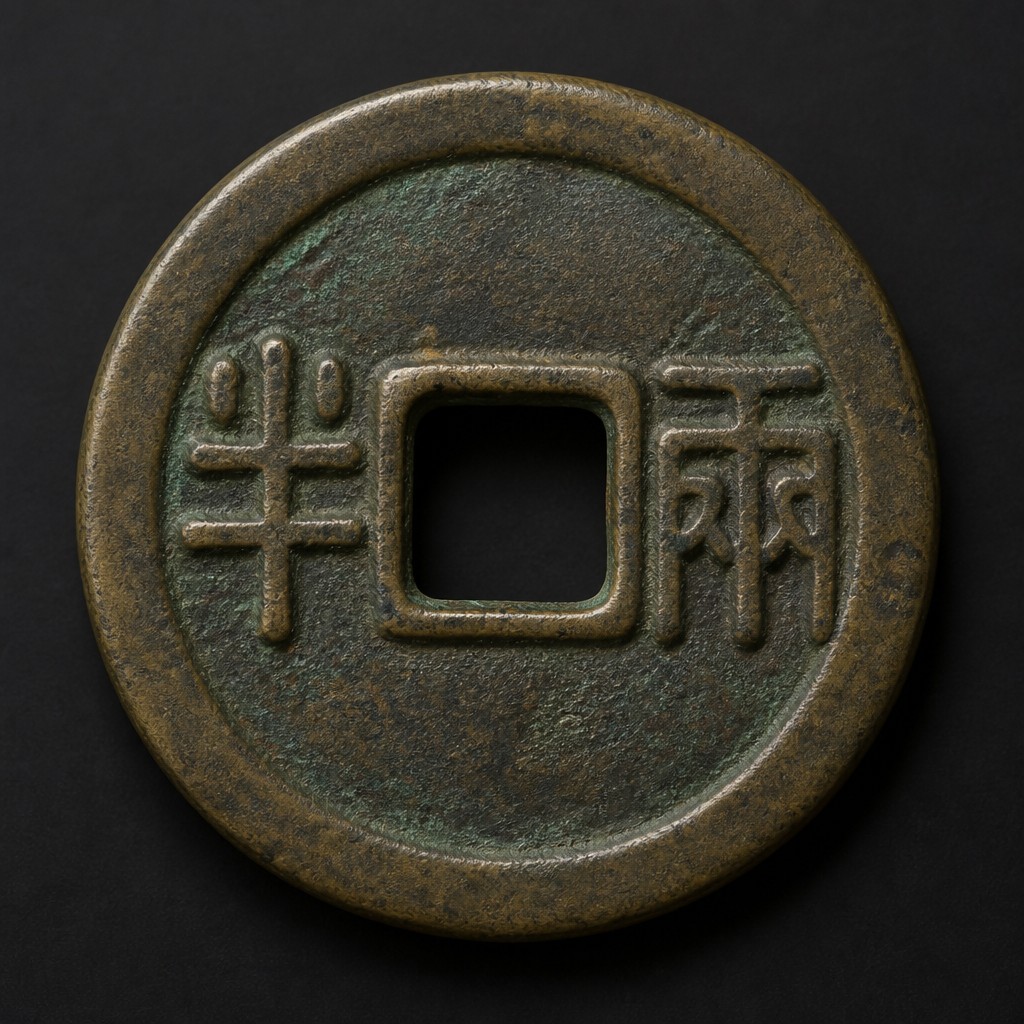
Chinese Ban Liang Cash
c. 221–118 BC
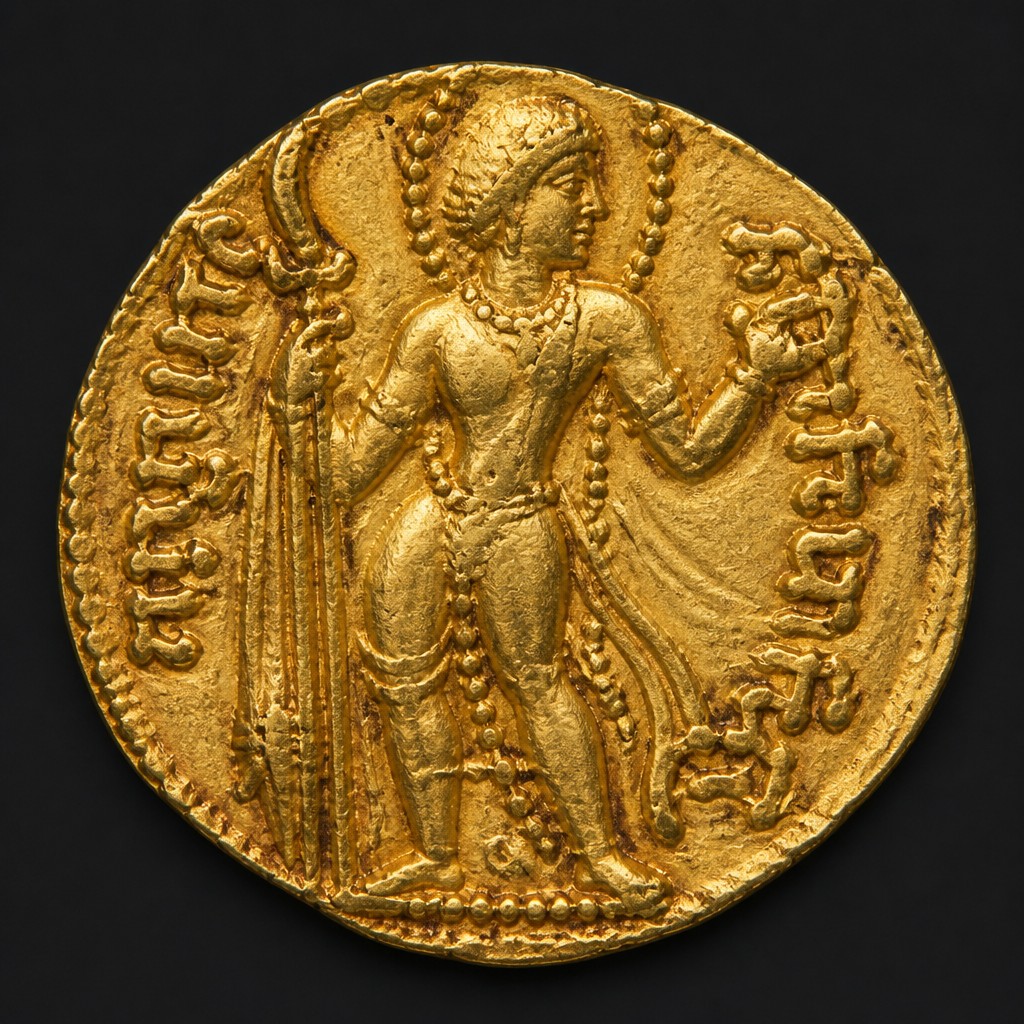
Gupta Empire Gold Dinar
c. 320–550 AD
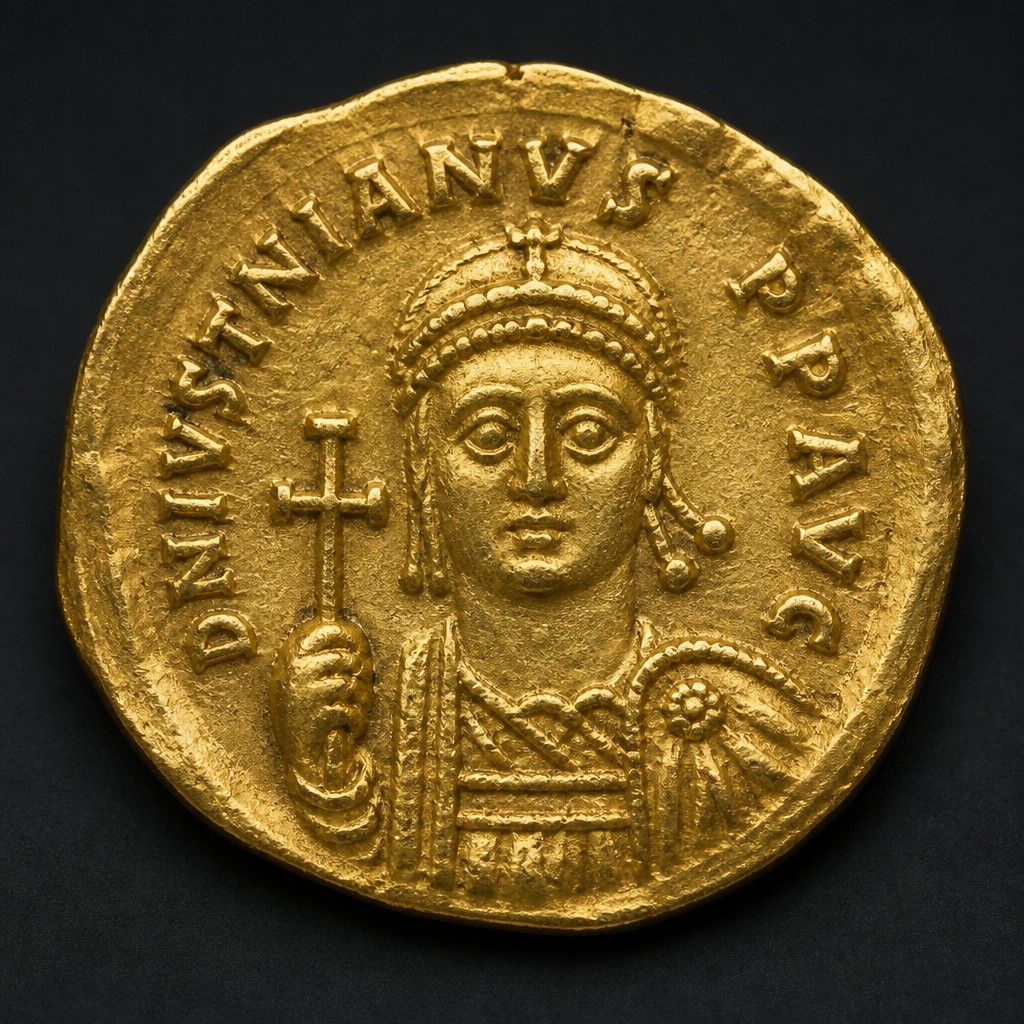
Byzantine Gold Tremissis
c. 4th–7th century AD
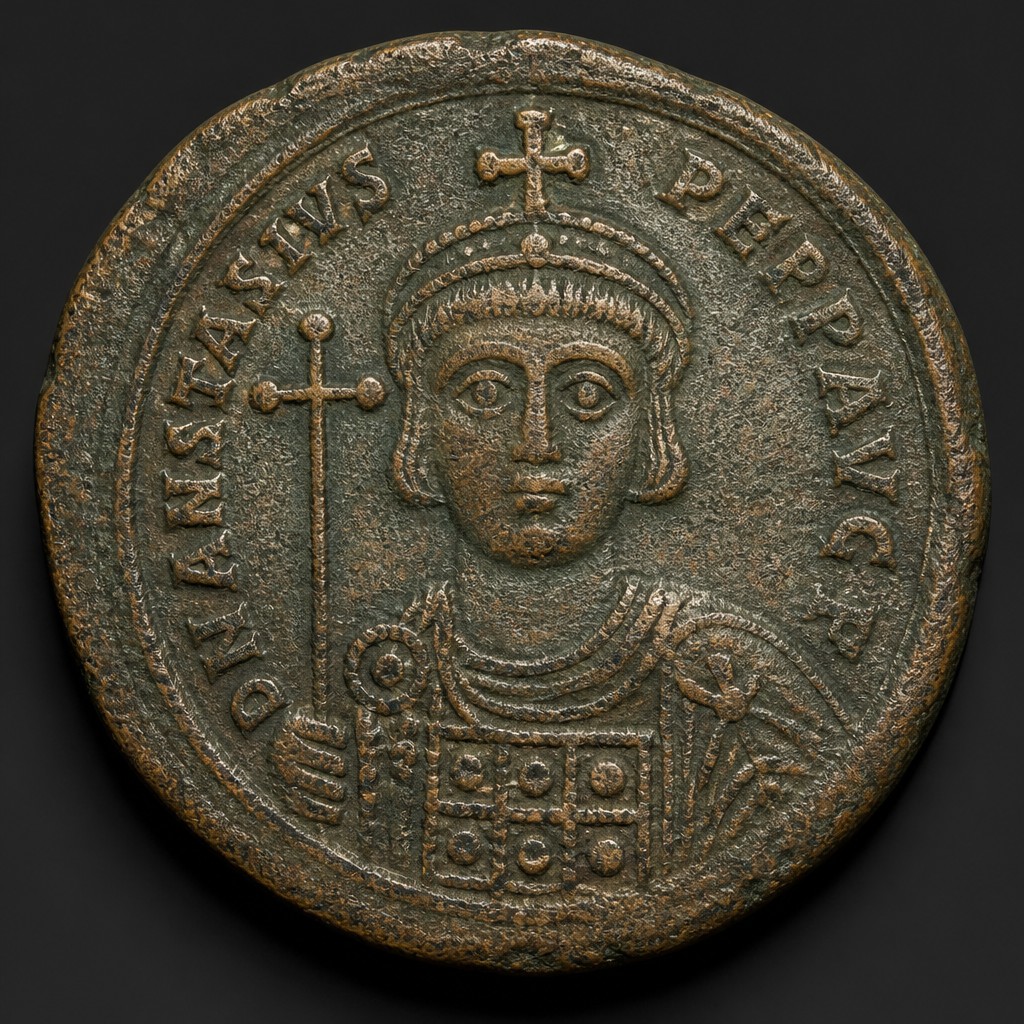
Byzantine Follis
498–c. 11th century AD
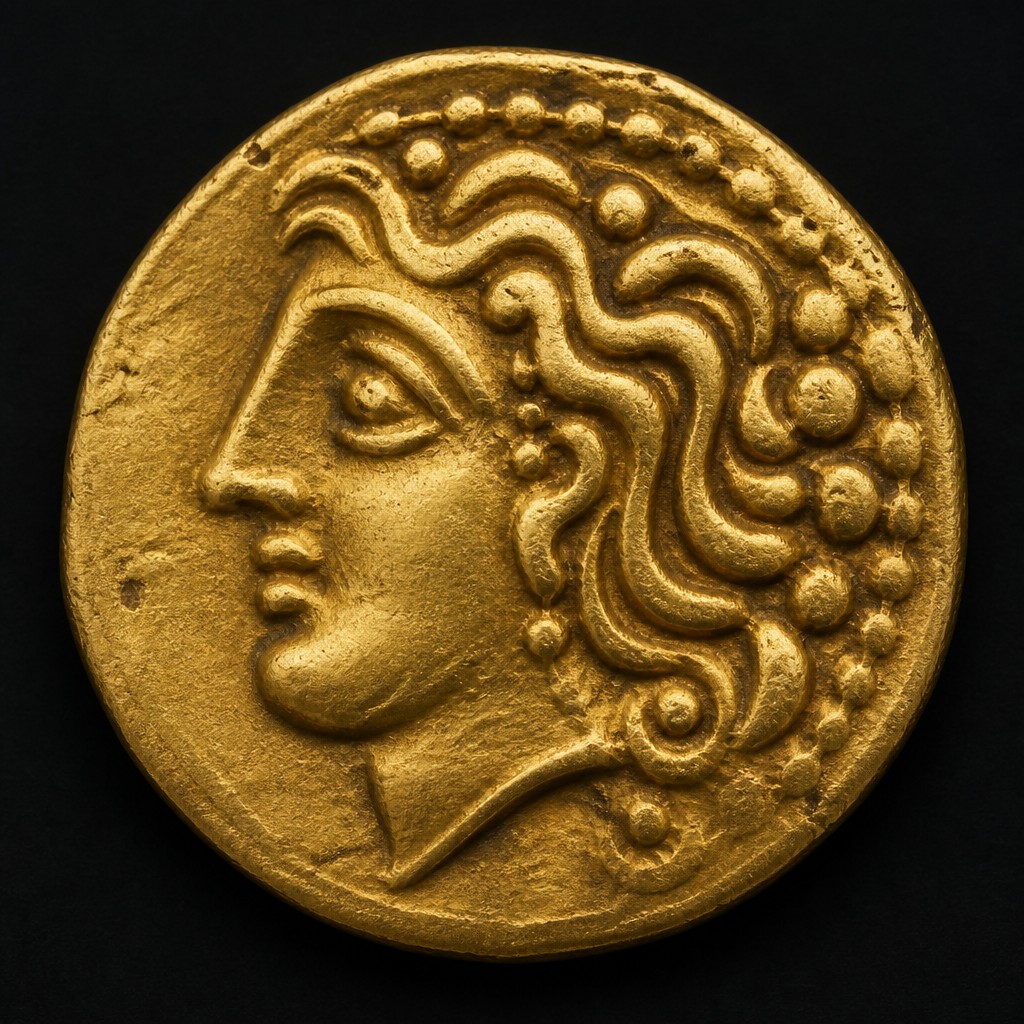
Celtic Gold Stater
c. 3rd century BC – 1st century AD