
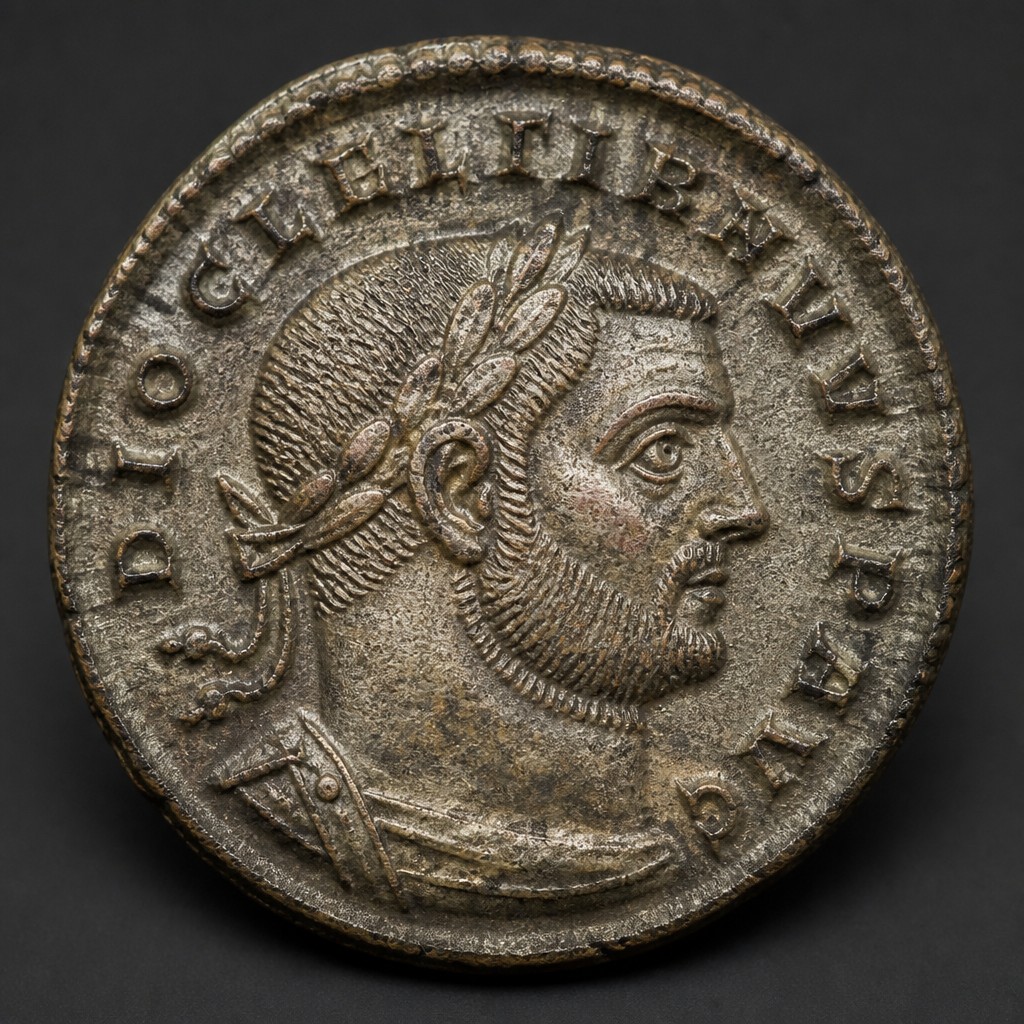
Diocletian Follis
Large bronze follis of Diocletian, whose sweeping reforms ended the Crisis of the Third Century, established the Tetrarchy, and introduced this new standardized coin denomination in 294 AD.
- Country
- Ancient Rome
- Denomination
- Follis (Nummus)
- Metal
- Bronze with thin silver wash
Got a coin like this?
Identify any coin from a photo, free.
Overview
The Diocletian follis represents one of the most significant coinage reforms in Roman history, introduced as part of a broader effort to stabilize the empire's economy after decades of debasement and inflation during the third century. As a large, silver-washed bronze coin, the follis (also called a nummus by numismatists) replaced the small, heavily debased antoninianus as the empire's principal base-metal denomination.
Because Diocletian's reforms also included the creation of the Tetrarchy (a four-emperor power-sharing system), his coinage is closely tied to the coins of his fellow rulers Maximian, Constantius I, and Galerius, all of whom struck very similar follis types across an expanded network of mints throughout the empire.
History & Background
Diocletian rose to power in 284 AD after a period of near-constant civil war and instability, and he is credited with effectively ending the Crisis of the Third Century through sweeping administrative, military, and economic reforms. In 293 AD, he established the Tetrarchy, dividing imperial authority among two senior emperors (Augusti) and two junior emperors (Caesars) to better manage the empire's vast territory.
As part of his broader currency reform of 294 AD, Diocletian introduced the follis, a larger, more substantial coin than the debased antoninianus, struck with a thin coating of silver over a bronze core, in an attempt to restore public confidence in Roman coinage. He abdicated voluntarily in 305 AD, an unprecedented move for a Roman emperor, retiring to his palace at Split in modern Croatia.
How to Identify
The obverse shows a laureate, cuirassed bust of Diocletian, with legends such as IMP DIOCLETIANVS PF AVG or similar. Because the reform created a standardized coinage type used across the Tetrarchy, portraits of Diocletian, Maximian, Constantius I, and Galerius on their respective folles are stylistically very similar, and only the obverse legend distinguishes the specific ruler.
The dominant reverse type of the era is GENIO POPVLI ROMANI ('to the Genius of the Roman People'), depicting a standing nude male figure (the Genius) holding a patera and cornucopia, a design used with only minor variation across mints and rulers throughout this period. Mint marks in the exergue identify the specific city of production, such as Rome, Ticinum, Trier, or Antioch, and often include letters denoting the particular officina, or workshop.
The follis is notably larger and heavier than the preceding antoninianus, typically around 25-28mm at introduction, with a bright silvery surface when newly struck that often wears to reveal the underlying bronze on circulated examples. Collectors distinguish Diocletian's coins from those of his fellow Tetrarchs primarily by the obverse legend naming him specifically.
Value & Collectibility
Diocletian folles are common and among the more affordable ancient Roman coins available, with typical circulated GENIO POPVLI ROMANI types often found in the roughly $20 to $50 range. Well-preserved silvering, sharp portrait detail, and less common mint attributions can raise value somewhat above the most typical examples.
Because the type was struck in vast quantities across many mints for over a decade, rarity is driven more by specific mint, officina, or unusual reverse legend variants than by the basic design itself, which remains widely accessible to new collectors.
Frequently asked questions
What is a follis?
It is a large bronze coin with a thin silver coating introduced by Diocletian's currency reform of 294 AD, replacing the debased antoninianus.
What does GENIO POPVLI ROMANI mean?
It translates roughly to 'to the Genius of the Roman People,' referencing a guardian spirit personifying the Roman populace, shown as a standing male figure on the reverse.
What was the Tetrarchy?
It was Diocletian's system of shared imperial rule among two senior emperors (Augusti) and two junior emperors (Caesars), designed to better govern and defend the vast empire.
Why did Diocletian abdicate?
In 305 AD he voluntarily retired from power, an unusual choice for a Roman emperor, reportedly due to declining health, and lived out his remaining years at his palace at Split.
Other coins you may enjoy
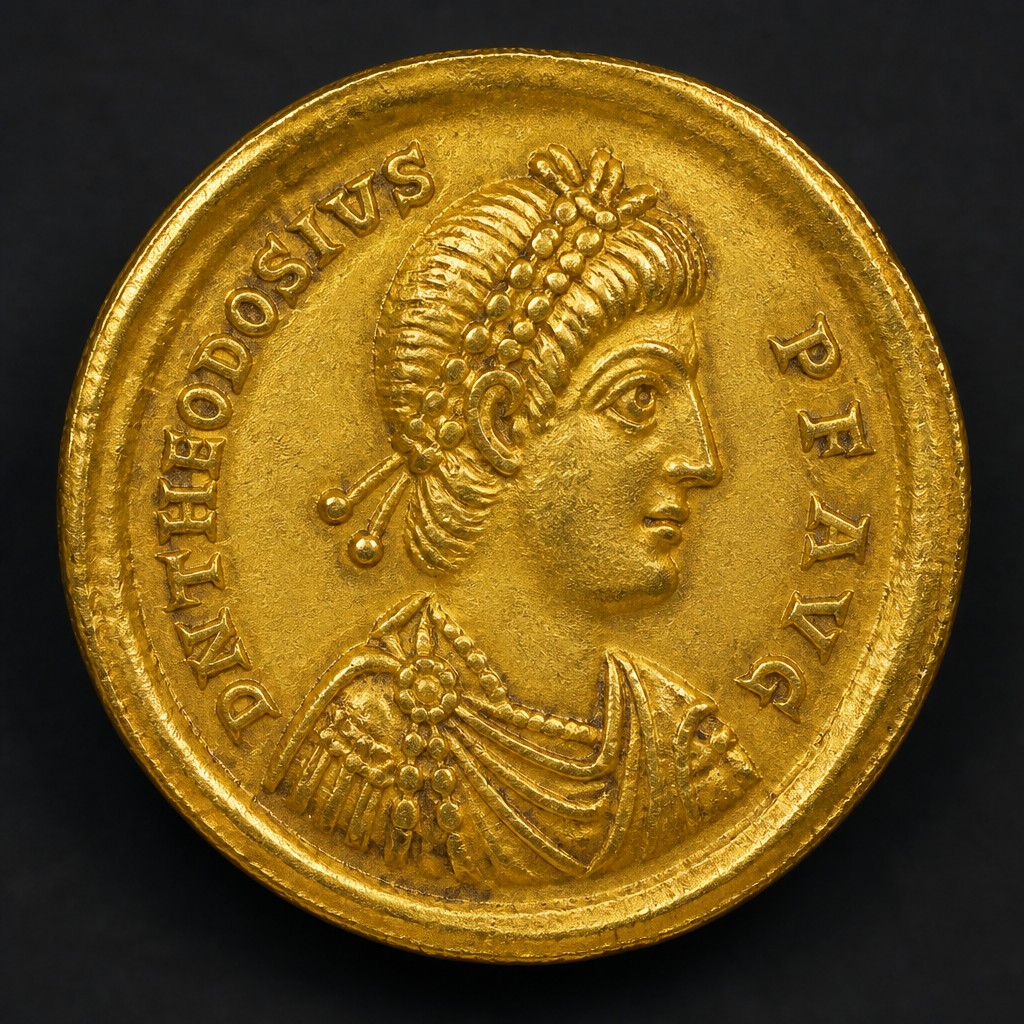
Theodosius I Solidus
379–395 AD
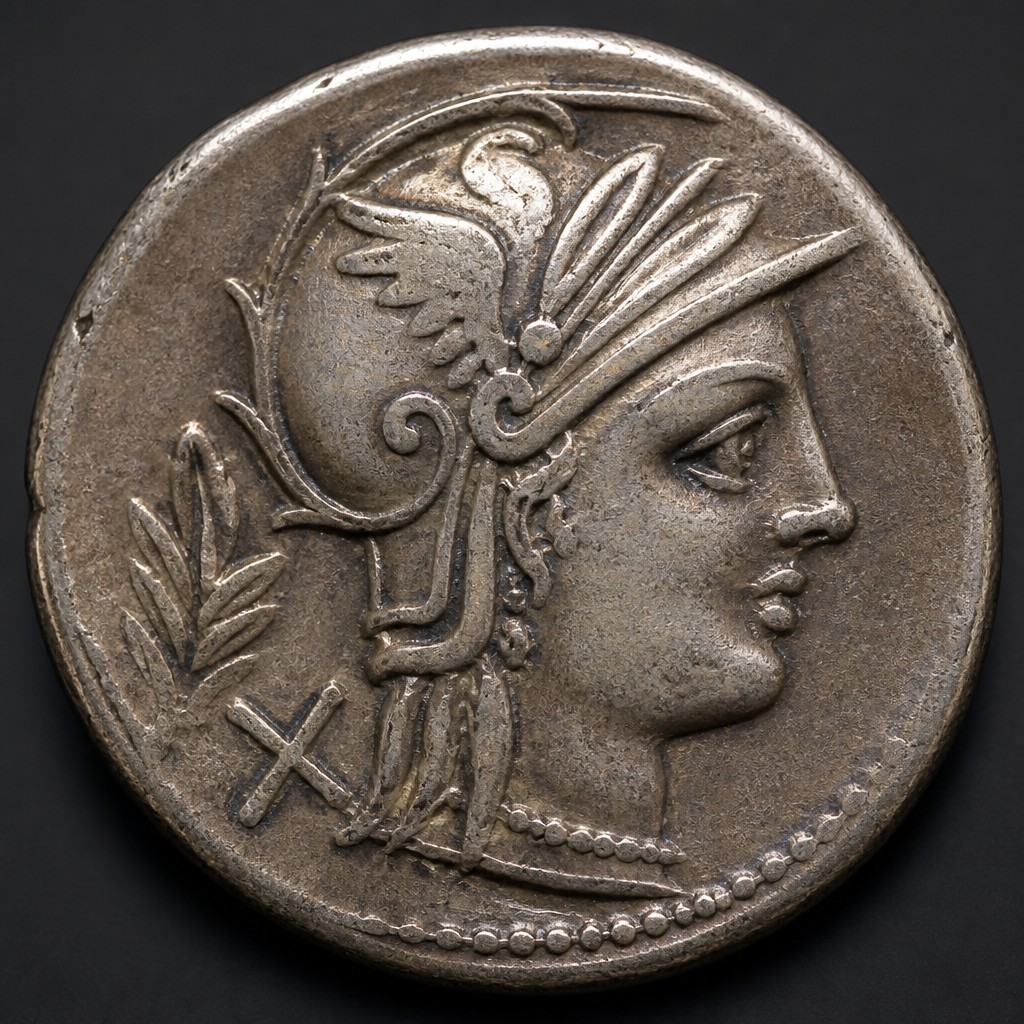
Republican Victoriatus
c. 211–170 BC
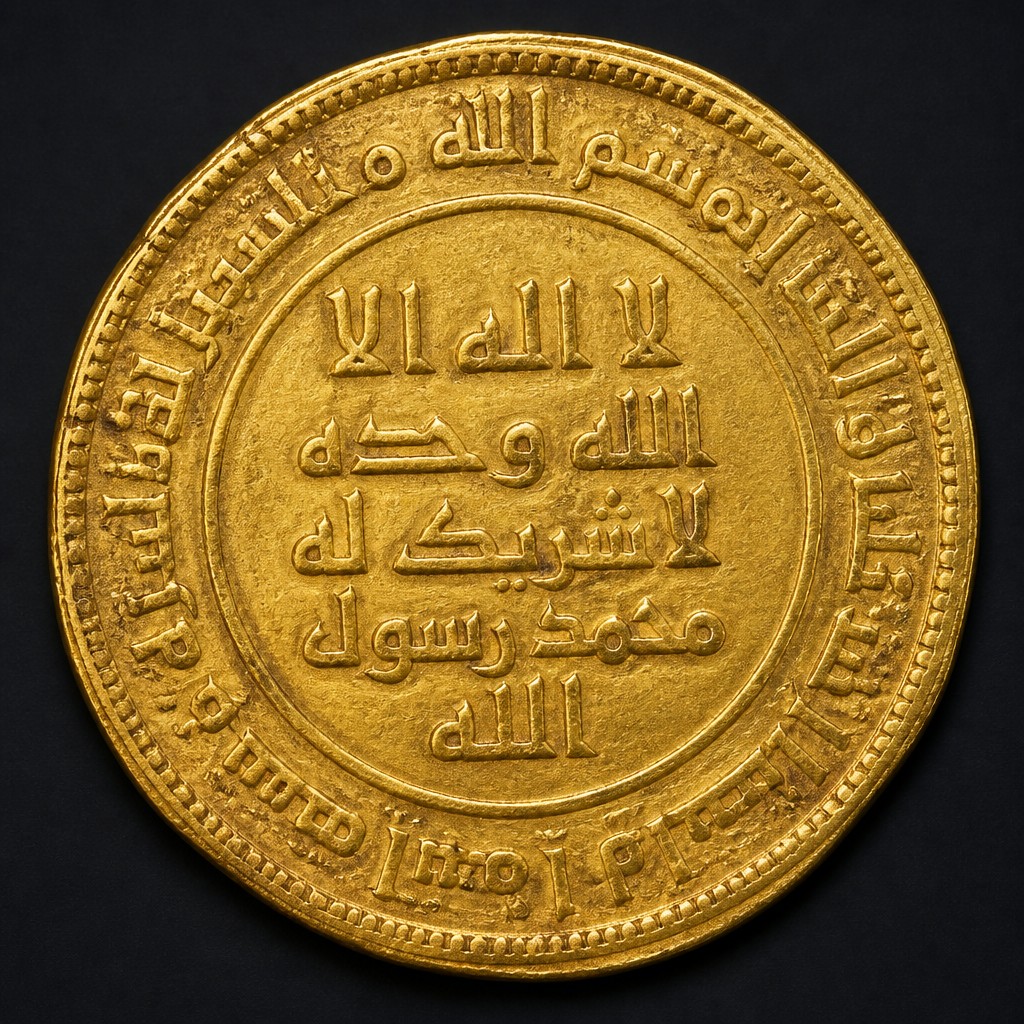
Islamic Gold Dinar (Umayyad)
c. 696–750 AD
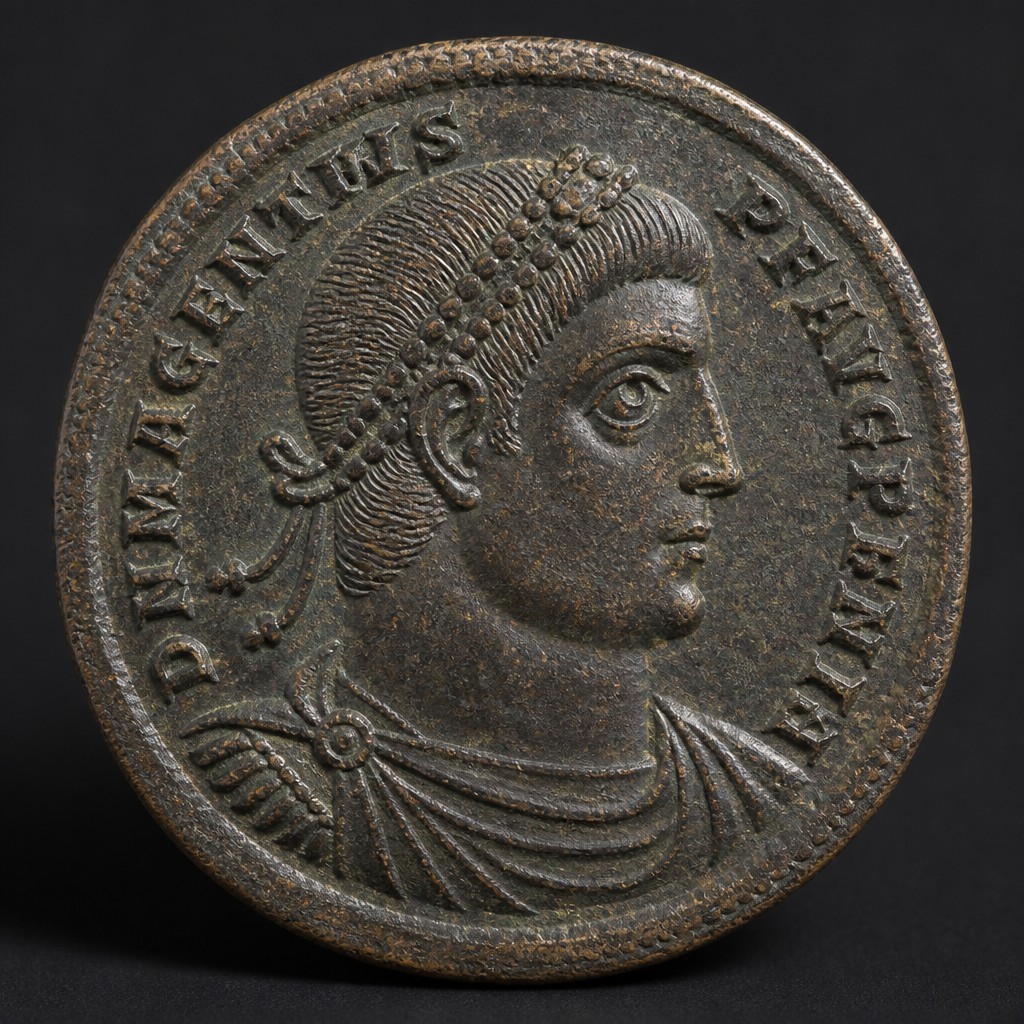
Magnentius Double Centenionalis
350–353 AD
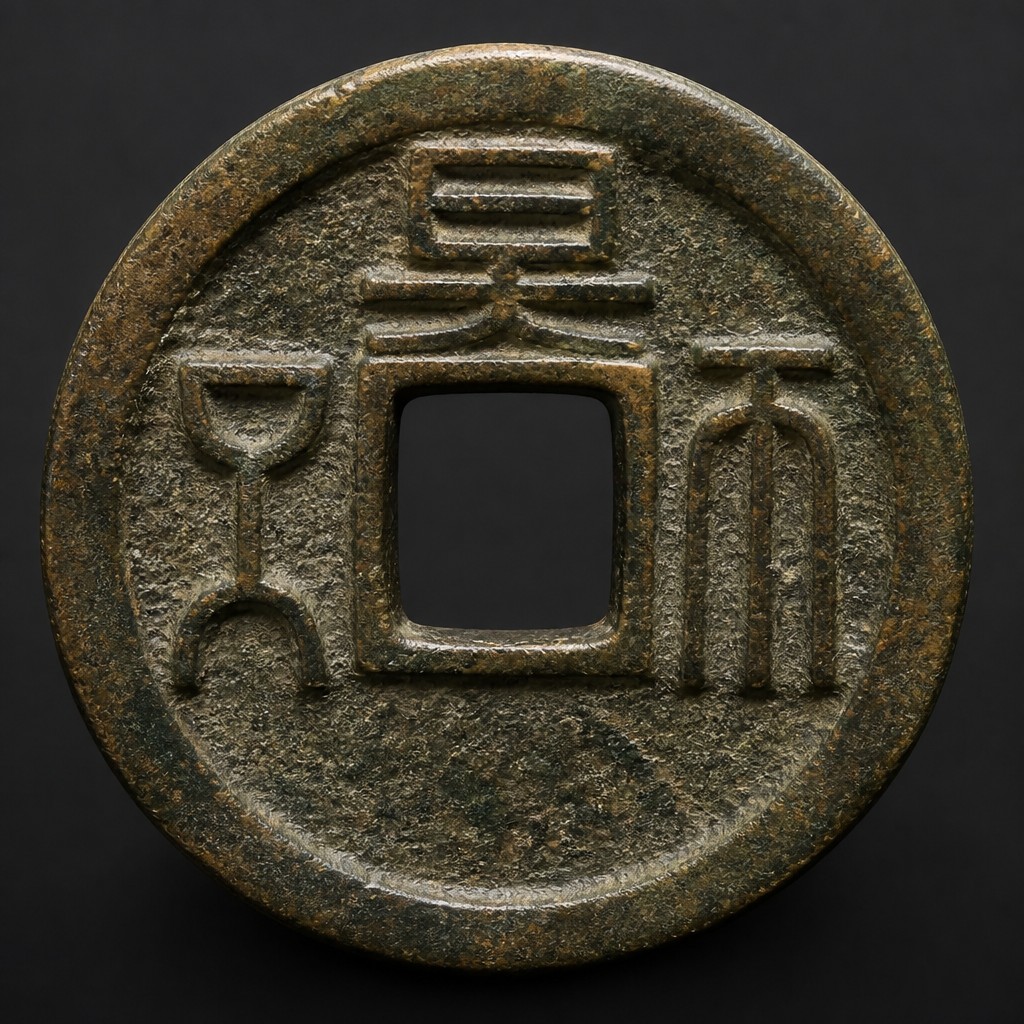
Chinese Wu Zhu Cash
118 BC – 618 AD
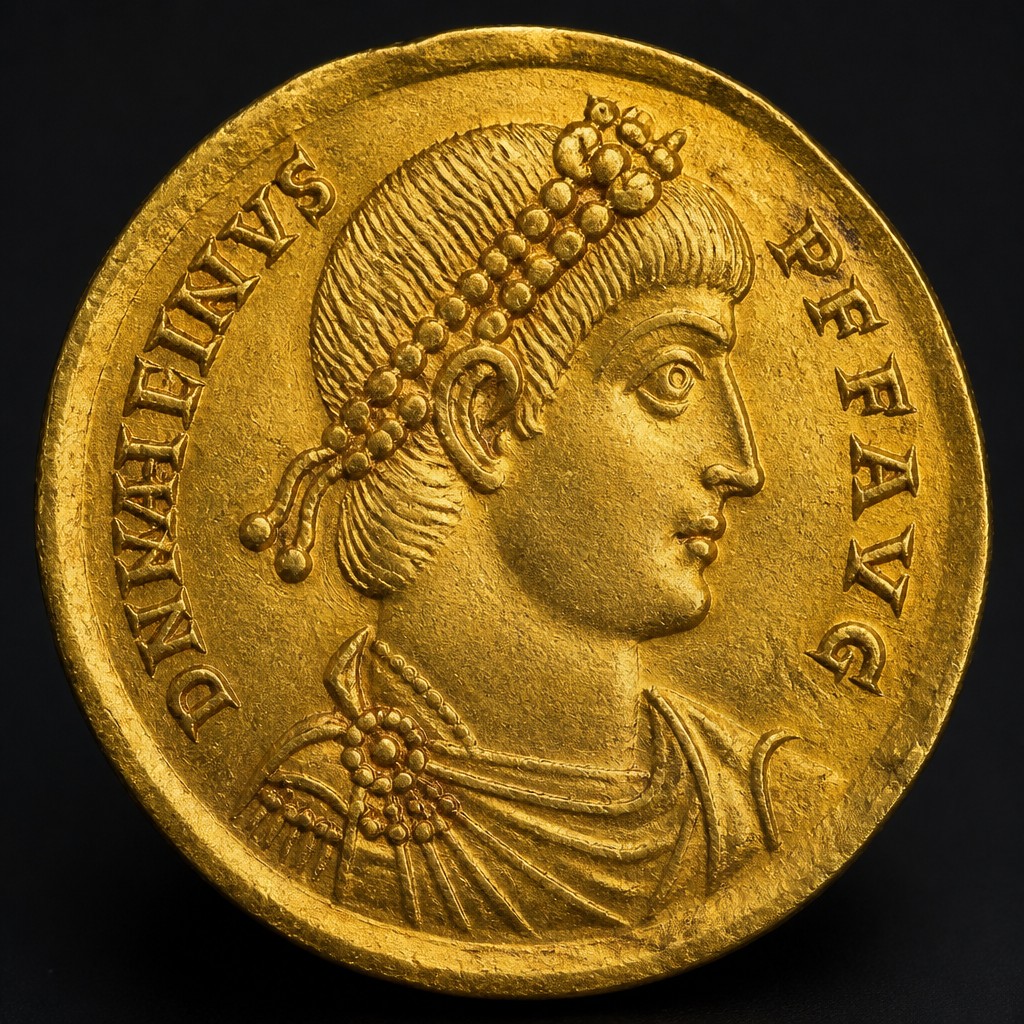
Valentinian I Solidus
364–375 AD
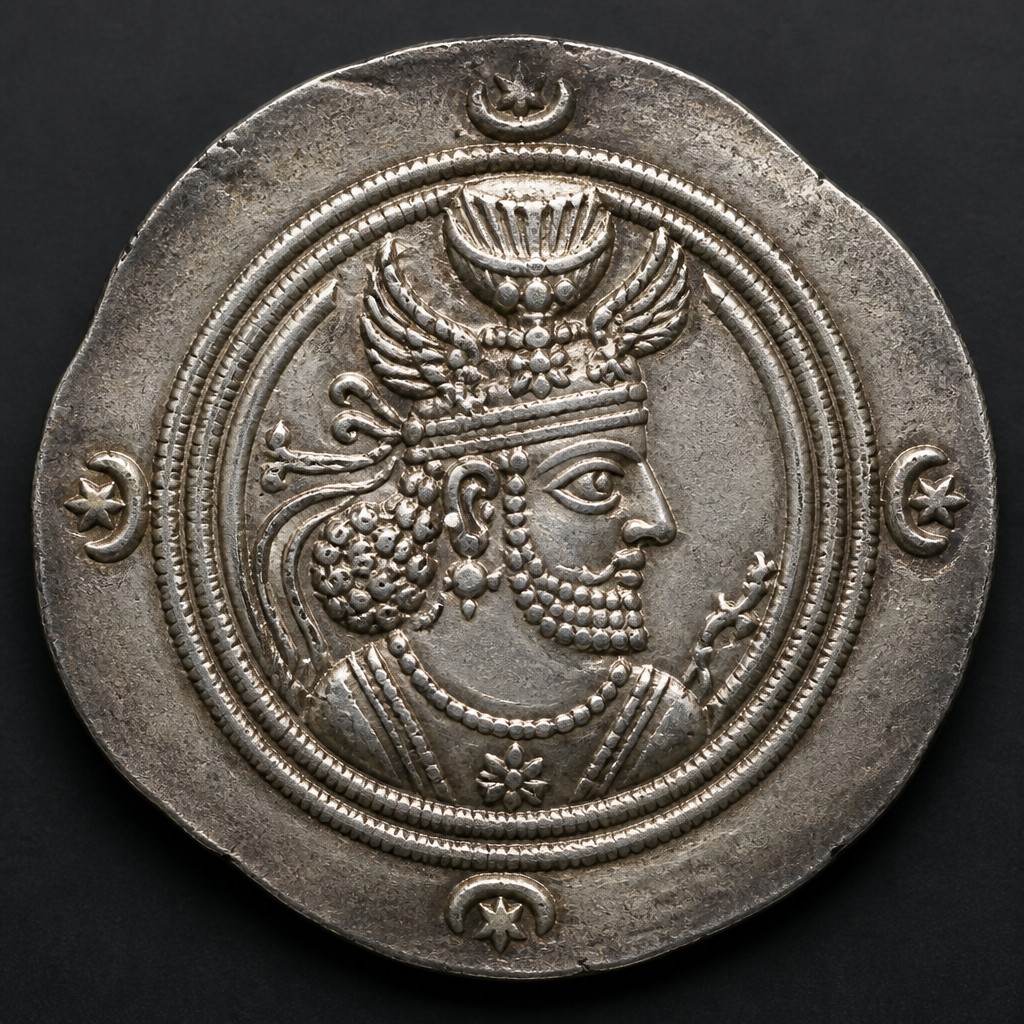
Sassanian Silver Drachm
c. 224–651 AD
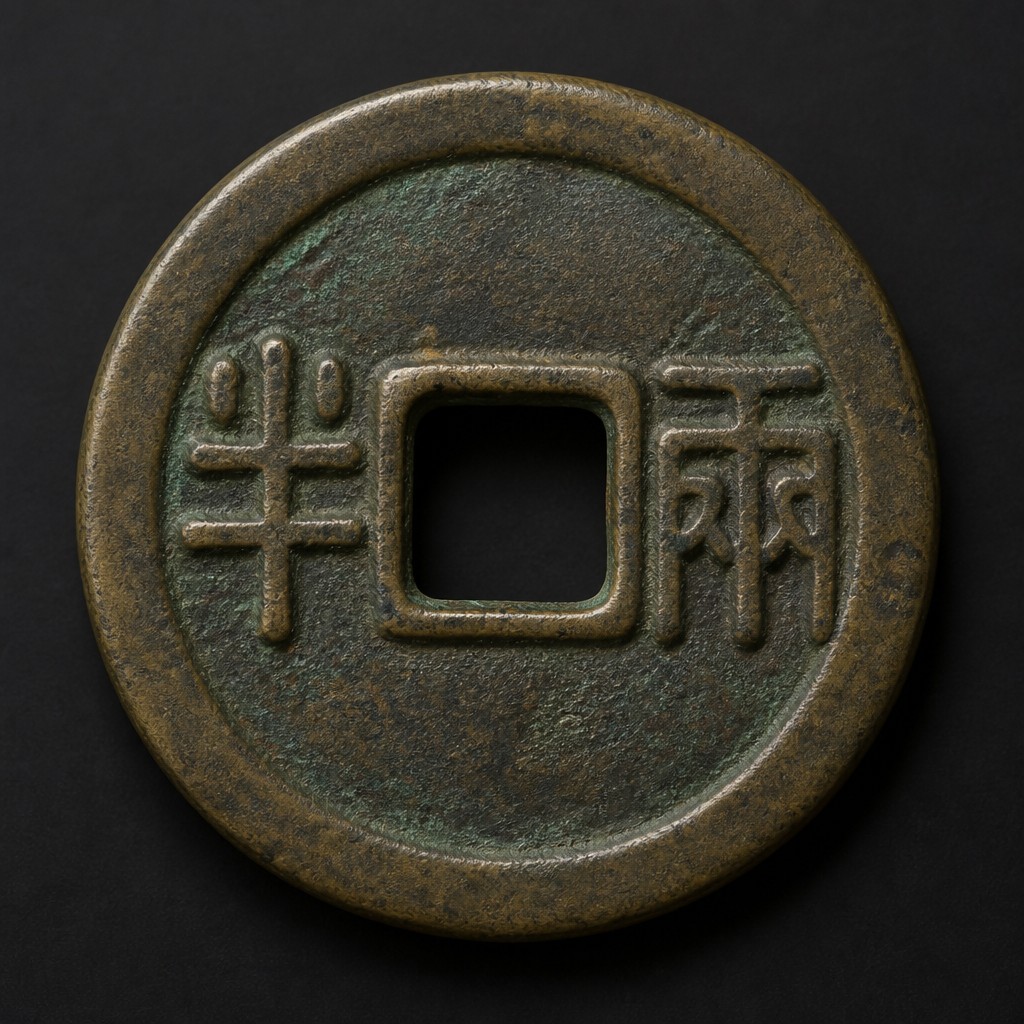
Chinese Ban Liang Cash
c. 221–118 BC
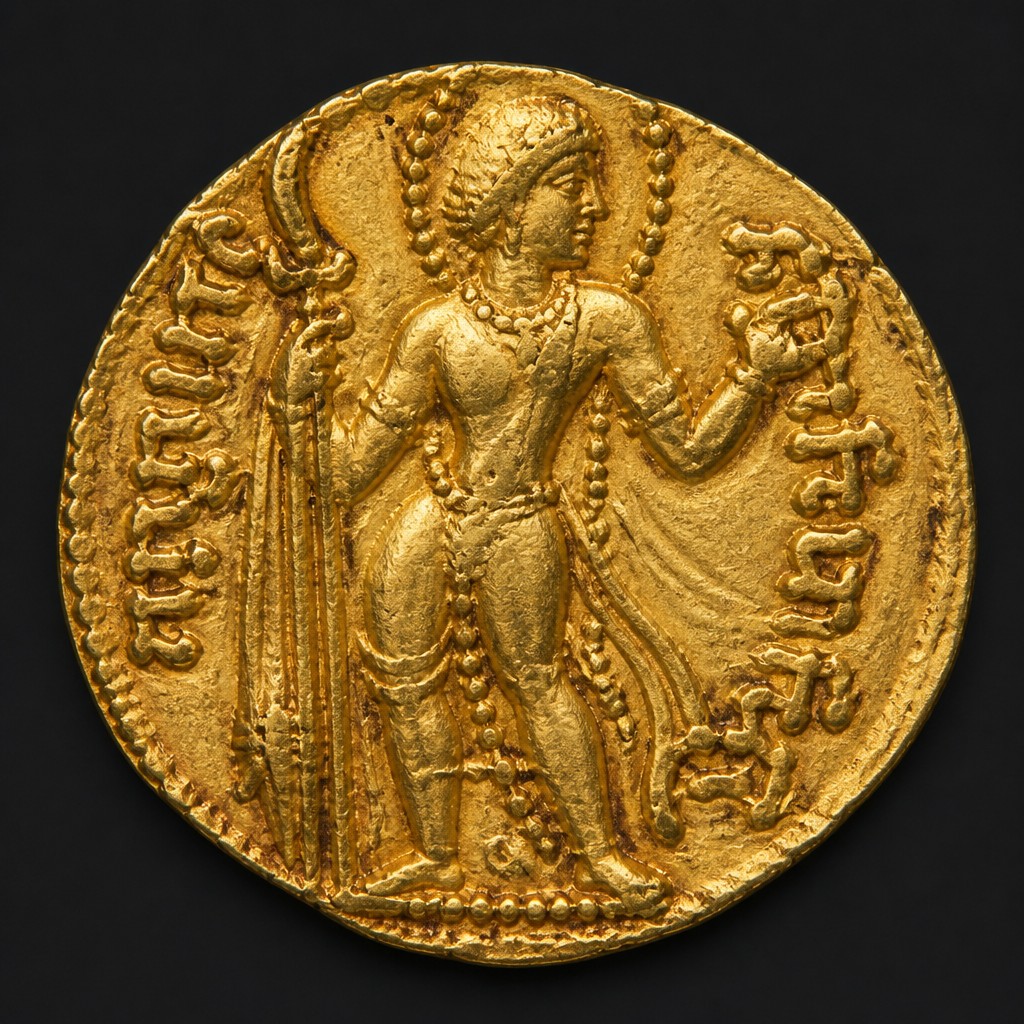
Gupta Empire Gold Dinar
c. 320–550 AD
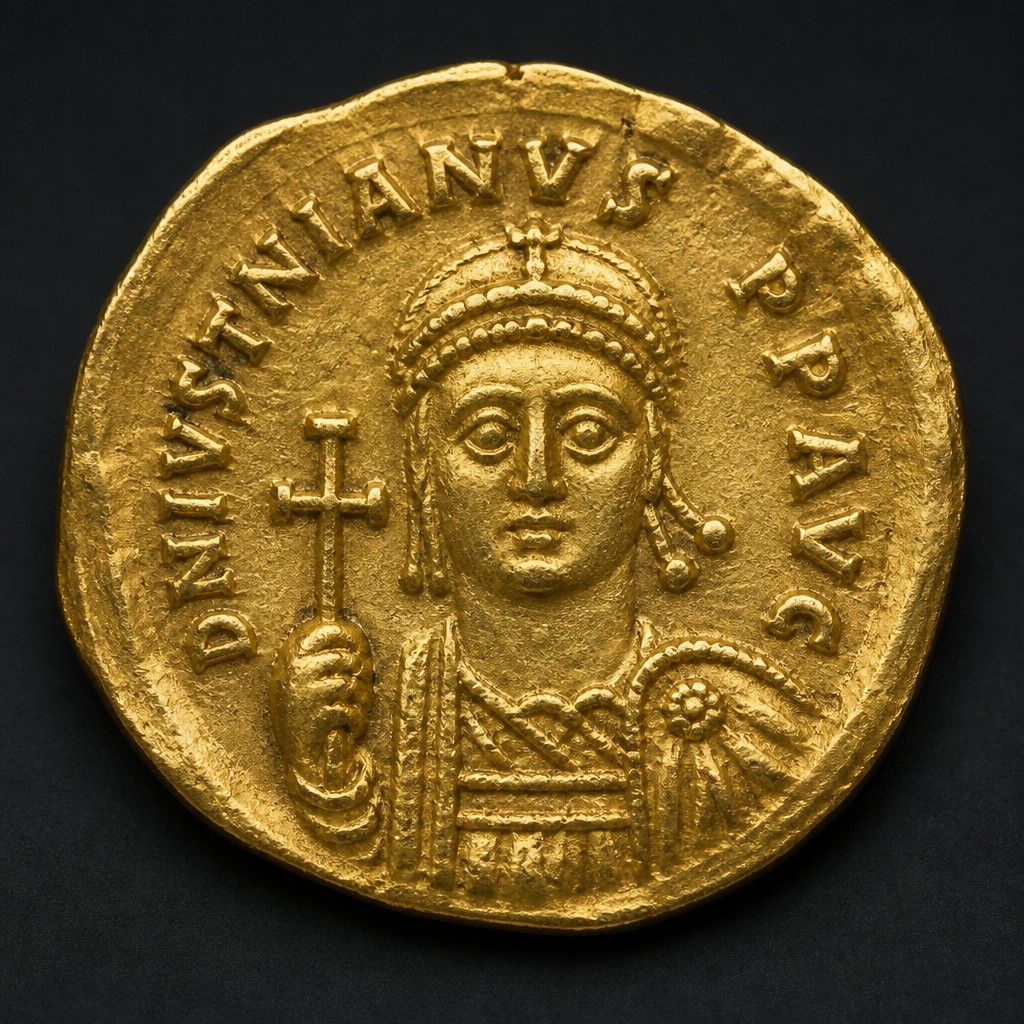
Byzantine Gold Tremissis
c. 4th–7th century AD
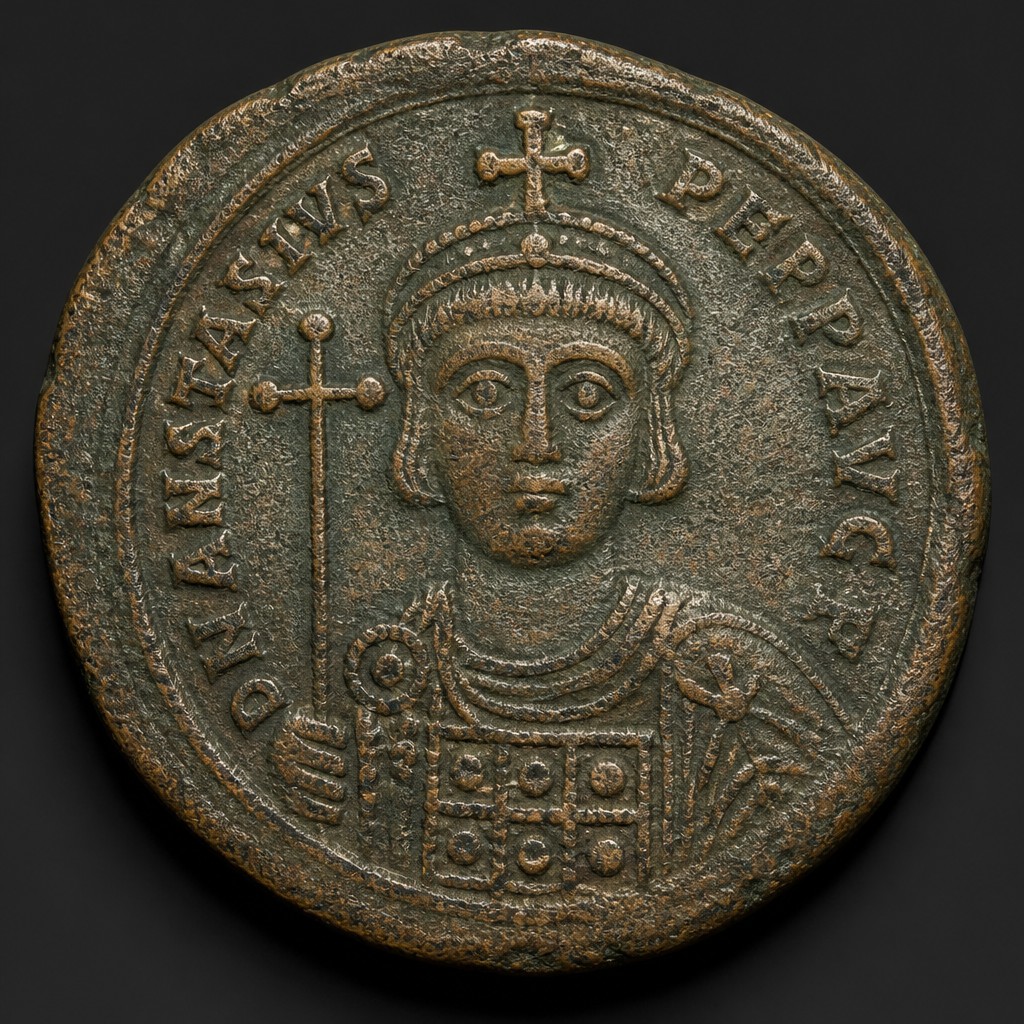
Byzantine Follis
498–c. 11th century AD
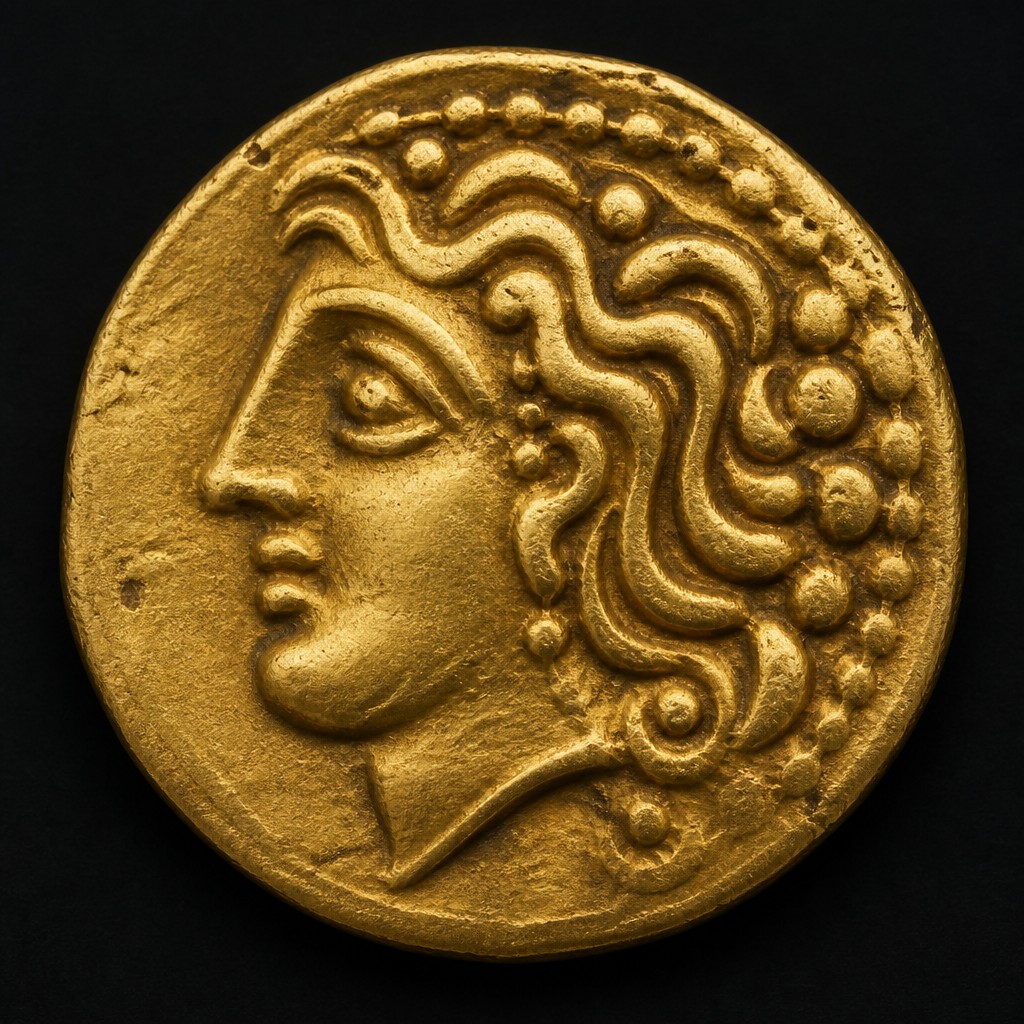
Celtic Gold Stater
c. 3rd century BC – 1st century AD