
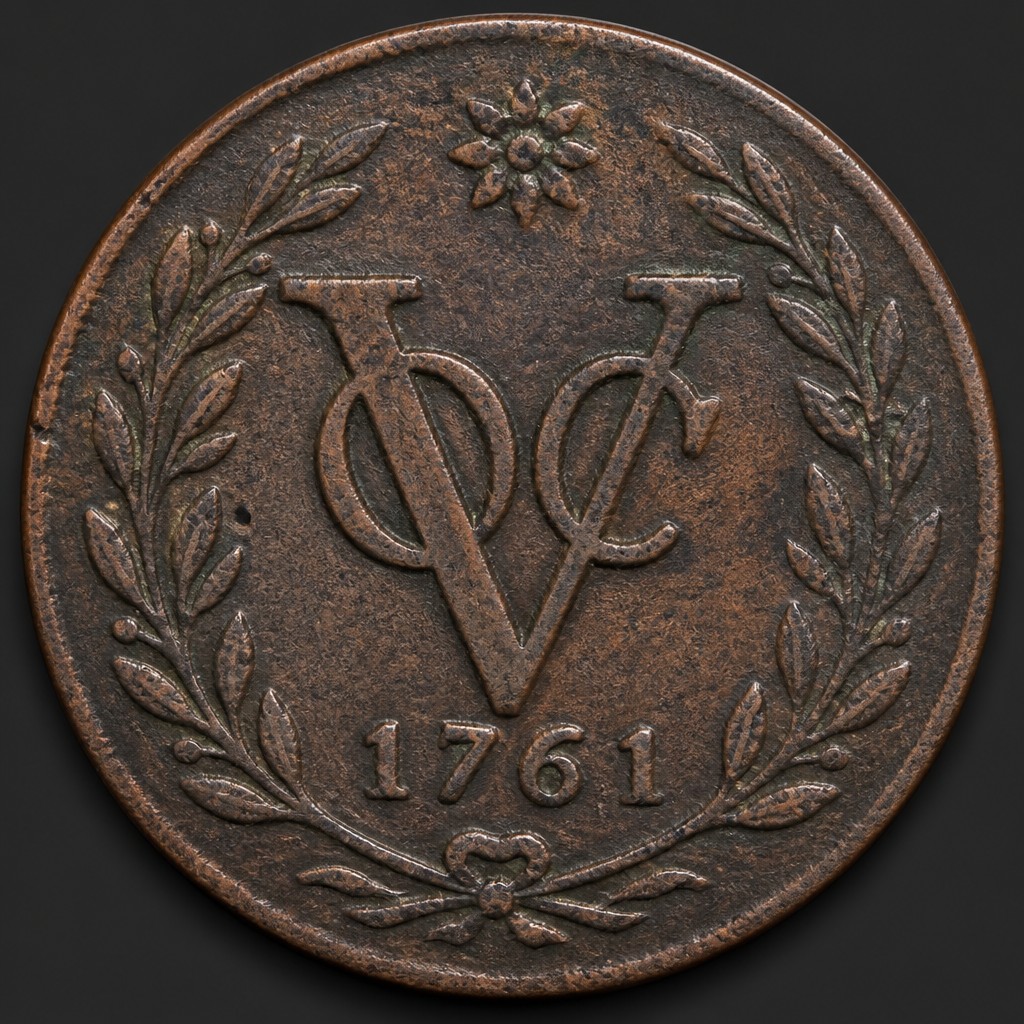
Netherlands East Indies VOC Duit
Copper coin struck by the Dutch East India Company (VOC) for circulation in its Asian trading territories, a common relic of 18th-century colonial commerce.
- Country
- Netherlands East Indies (VOC)
- Denomination
- Duit
- Metal
- Copper
Got a coin like this?
Identify any coin from a photo, free.
Overview
The VOC duit is a small copper coin issued by the Dutch East India Company (Vereenigde Oostindische Compagnie) for use in its trading posts and colonies across Asia, particularly the Dutch East Indies. As a low-denomination workhorse coin of colonial trade, it is one of the most commonly encountered artifacts of the VOC era.
Collectors value VOC duits both as affordable entry points into colonial and company-issued coinage and as tangible relics of the VOC, one of history's most influential trading companies, whose monogram appears prominently on the coin.
History & Background
The VOC, chartered in 1602, was granted quasi-governmental powers including the right to mint its own coinage for use in its Asian territories, which stretched from South Africa to Japan at its height. Duit coins, denominated as a fraction of the stuiver, were struck by various VOC "chambers" (regional divisions such as Amsterdam, Zeeland, and Utrecht) primarily in the 18th century, generally minted in the Netherlands and shipped to Asia.
VOC duits circulated throughout the company's Asian holdings for decades until the VOC's dissolution in 1799, after which the Dutch state assumed direct control of its former colonial territories and continued to adapt the coinage over time.
How to Identify
Obverse: typically bears the intertwined VOC monogram, the company's iconic logo, along with the mint chamber's initial or symbol, such as a shield or crest for Amsterdam, Zeeland, Utrecht, Gelderland, West-Friesland, or Holland.
Reverse: usually shows the denomination and date, sometimes with a provincial or chamber-specific coat of arms, within a simple beaded or linear border typical of small-denomination colonial copper coinage.
The coin is small and thin, modest in diameter and weight, consistent with its role as low-value change money; most surviving examples show significant wear from heavy circulation. Collectors distinguish varieties by the specific chamber mark, date, and minor die details.
Value & Collectibility
Because VOC duits were struck in large numbers and widely circulated, most common dates and chambers are quite affordable, often available for modest sums even in decent collectible condition, making them a popular entry point into colonial coinage. Certain chambers, dates, or unusually well-preserved examples command higher premiums.
Given their small size and heavy historical circulation, well-struck, clearly legible pieces with minimal corrosion are more desirable than heavily worn or corroded examples, which are common for this series.
Frequently asked questions
What does VOC stand for?
Vereenigde Oostindische Compagnie, the Dutch East India Company, which issued this coinage under its own charter authority.
What is a duit?
A small copper denomination, a fraction of the Dutch stuiver, used for everyday low-value transactions in VOC territories.
Where were these coins used?
Throughout VOC trading territories in Asia, especially the Dutch East Indies (present-day Indonesia).
Are VOC duits rare?
No, most are common and affordable due to large historical mintages, though specific chambers or dates can be scarcer.
When did VOC coinage end?
With the company's dissolution in 1799, after which Dutch state authorities took over colonial administration.
Other coins you may enjoy
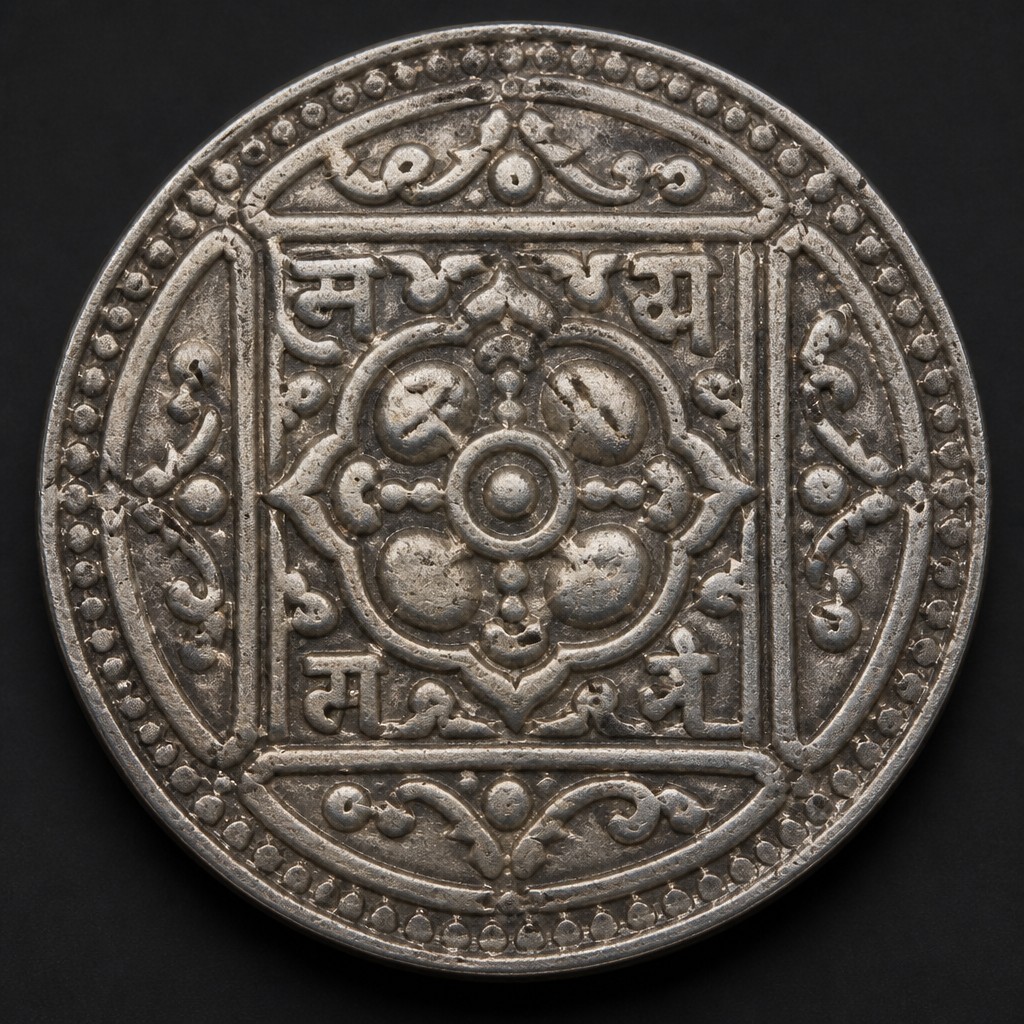
Nepal Silver Mohar
c. 16th–19th century
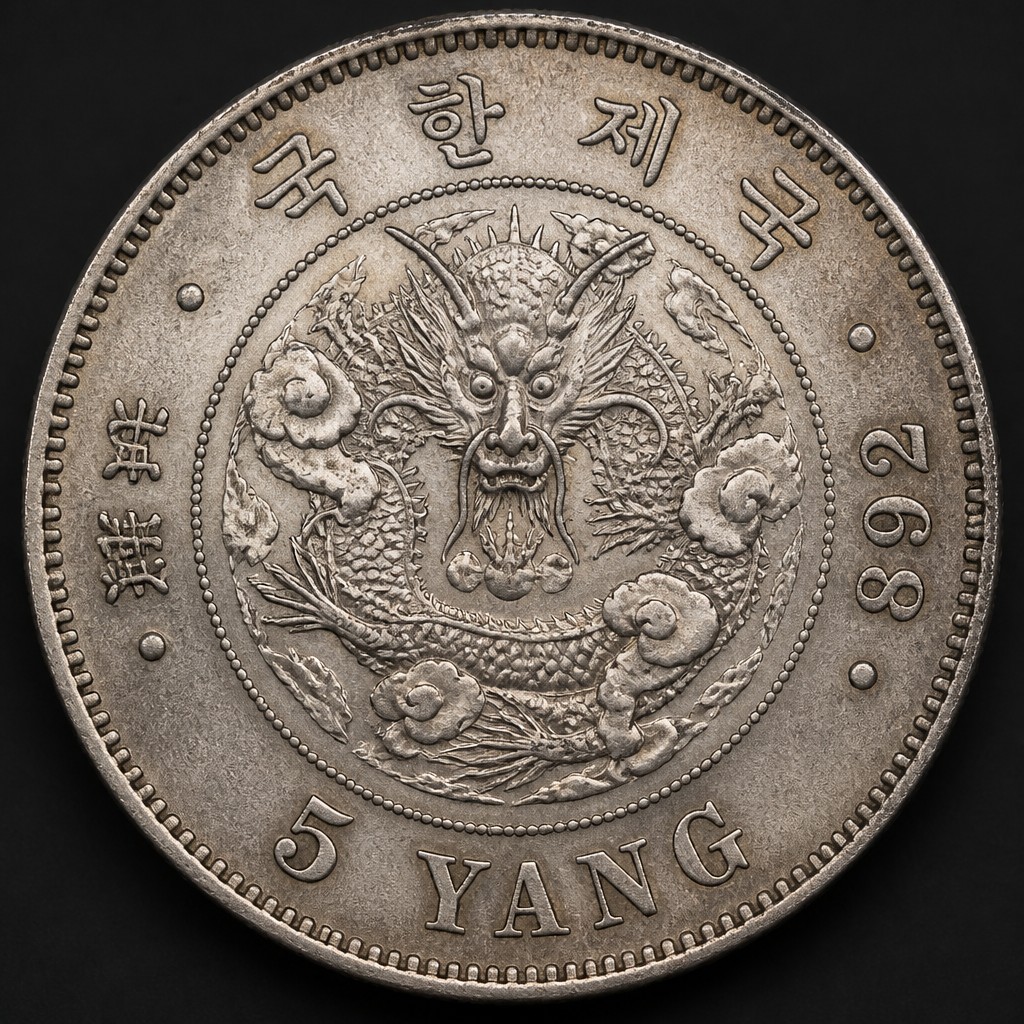
Korean 5 Yang Silver Dollar (1892)
1892
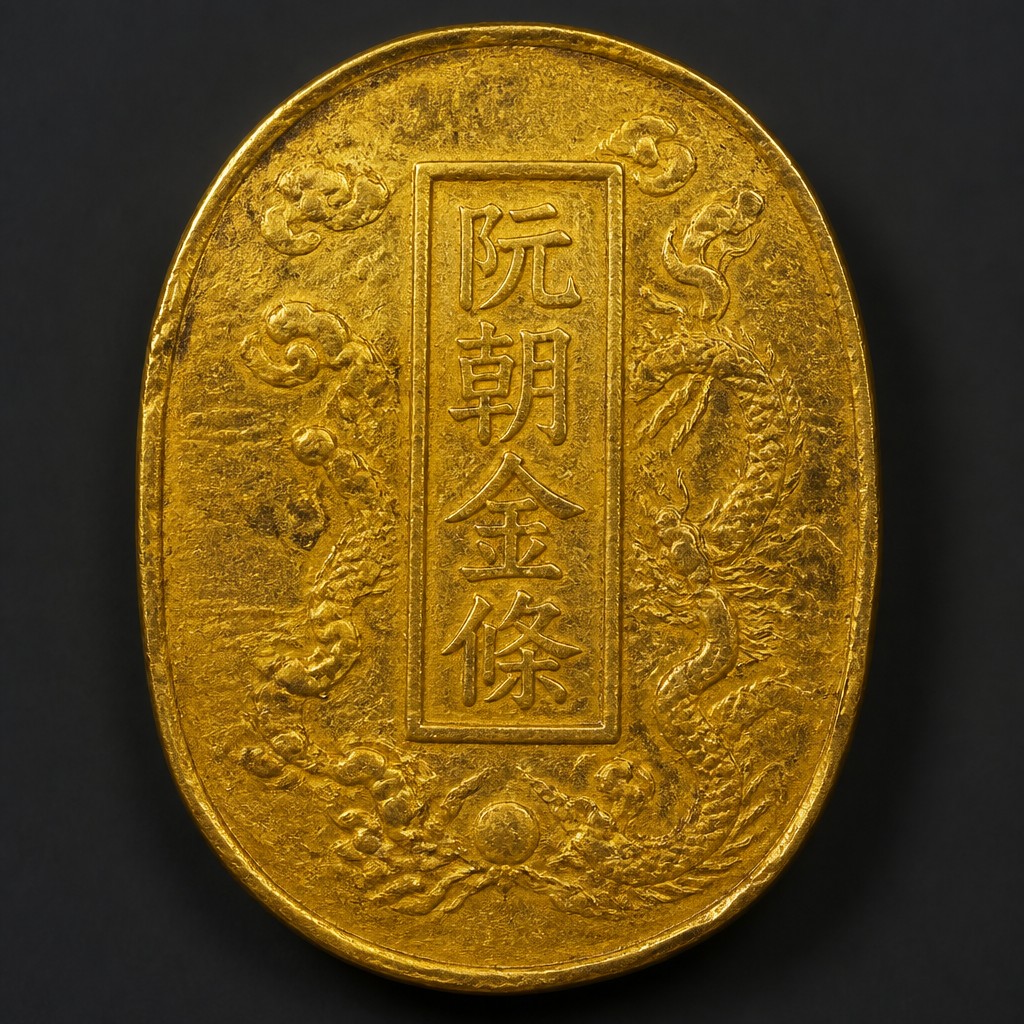
Nguyen Dynasty Gold Bar (Vietnam)
19th century
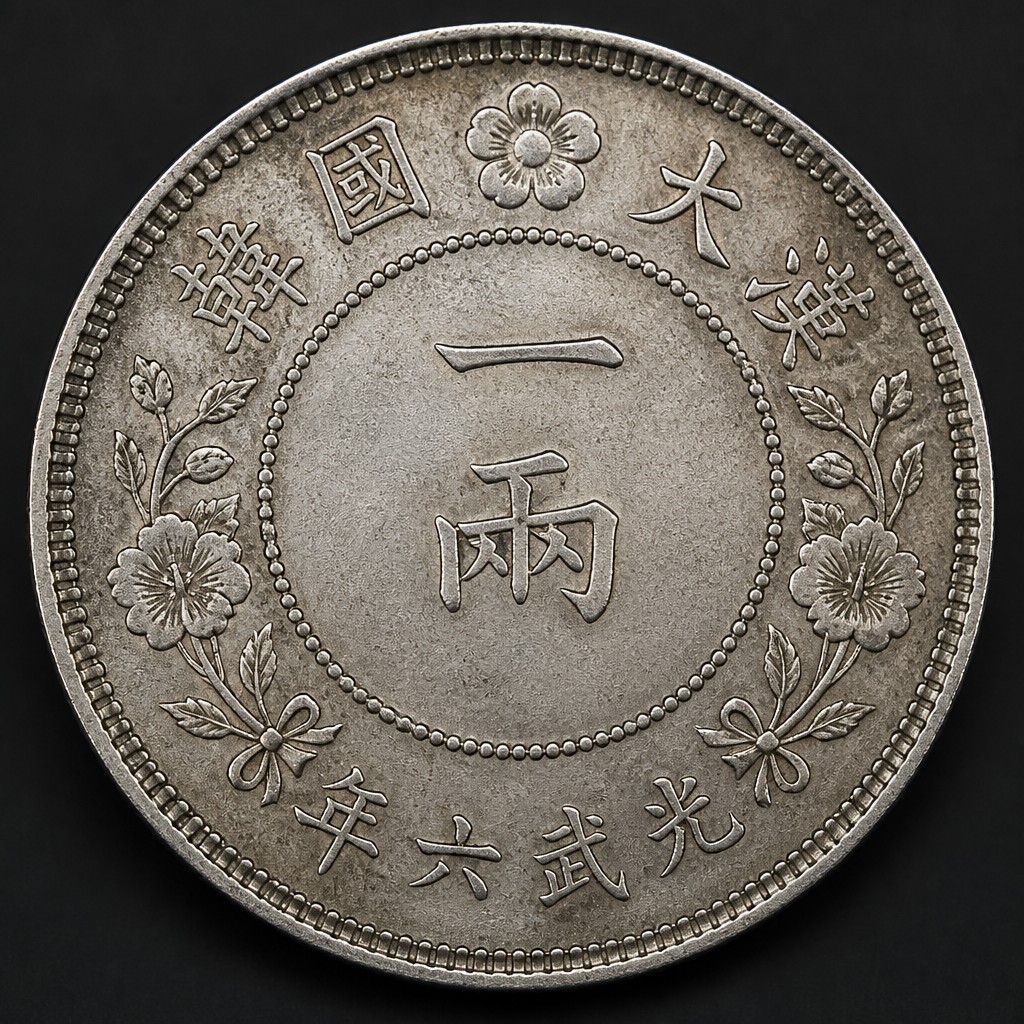
Korean 1 Yang Silver (Joseon/Great Han Empire)
1892–1902
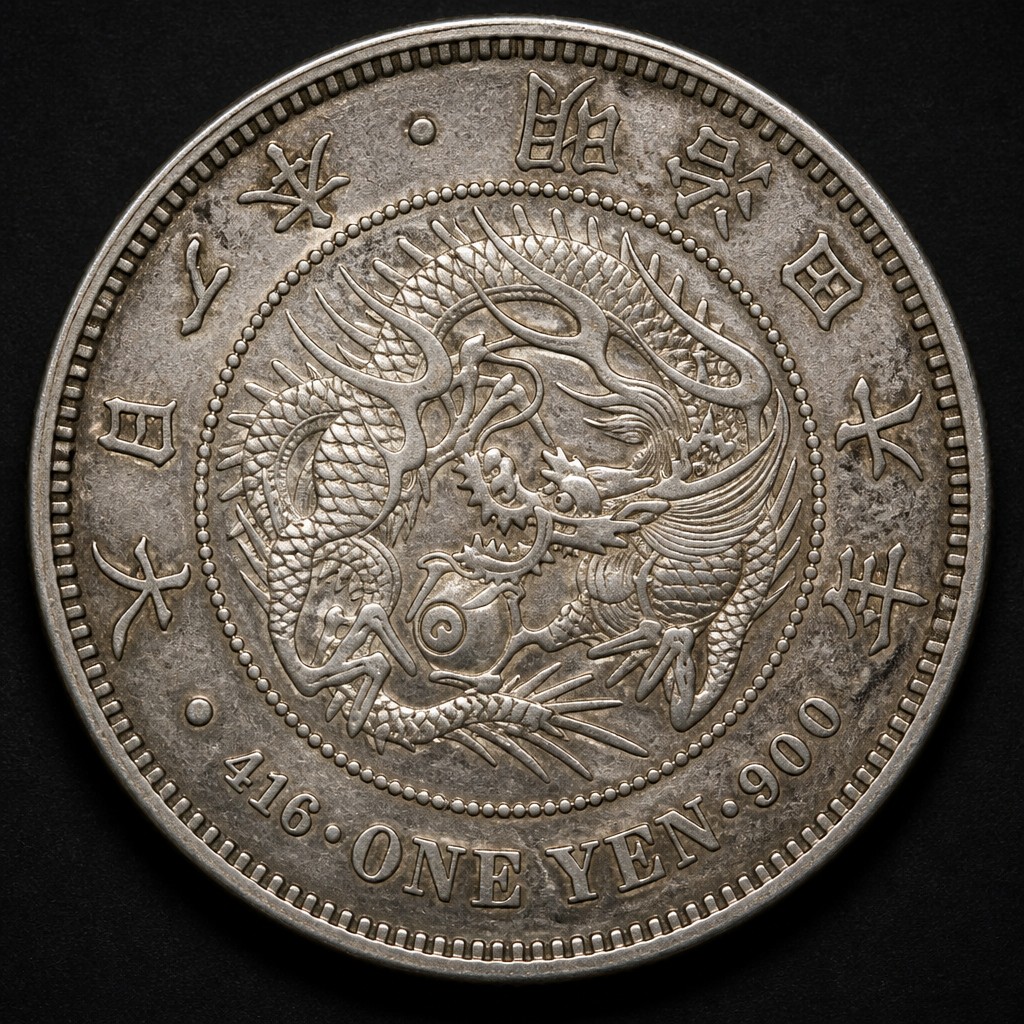
Japanese 1 Yen Silver 'Dragon' Trade Dollar
1870–1914 (trade dollar variant 1875–1877)
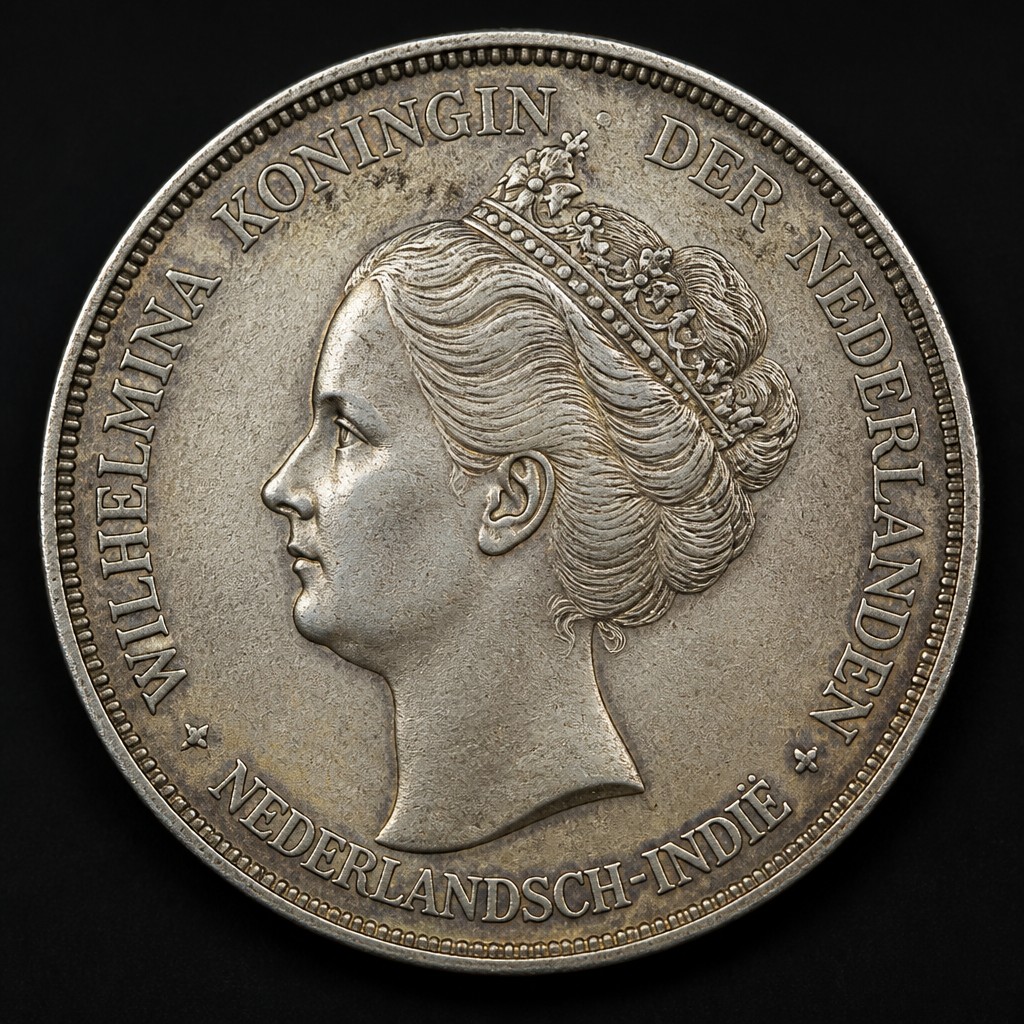
Netherlands East Indies Gulden (Wilhelmina)
1897–1945
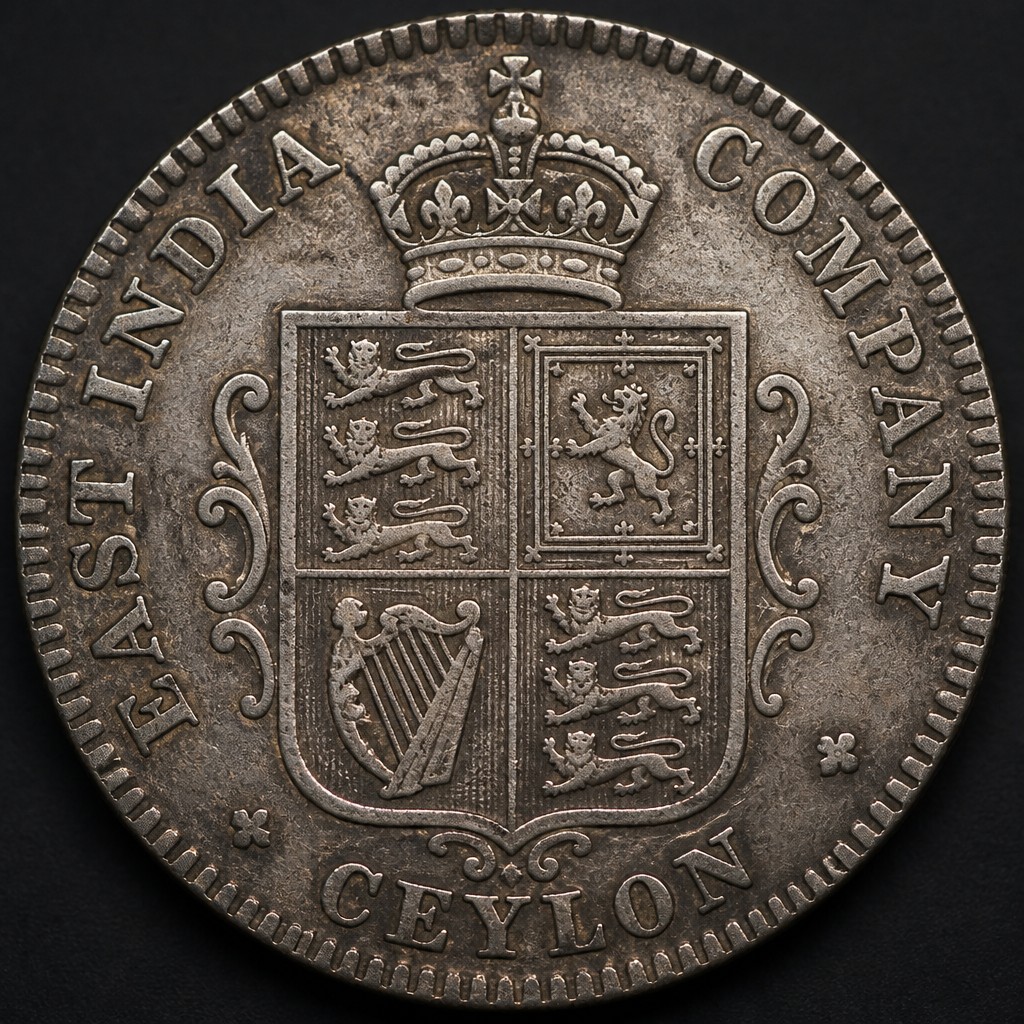
Ceylon (Sri Lanka) EIC Rixdollar
c. 1802–1821
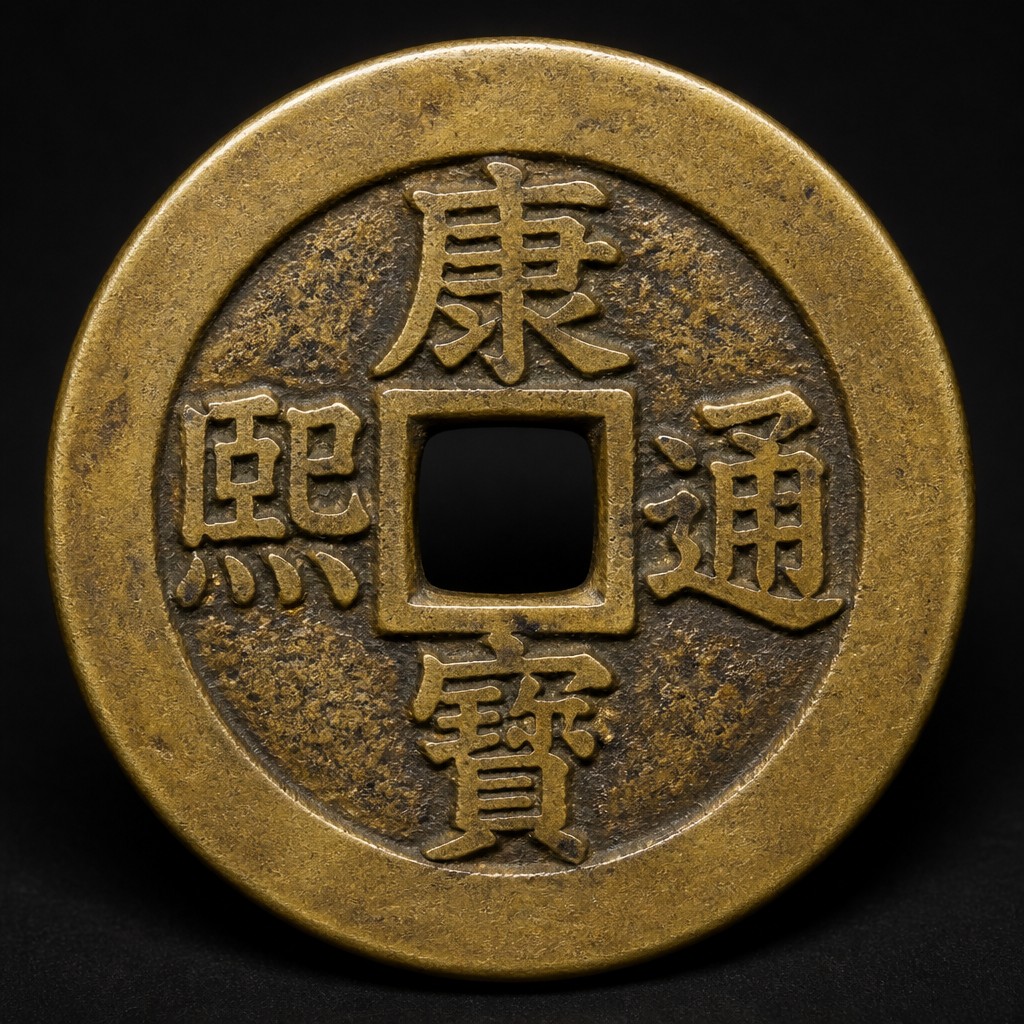
Chinese Cash Coin (Qing Dynasty 'Kangxi Tongbao')
1662–1722
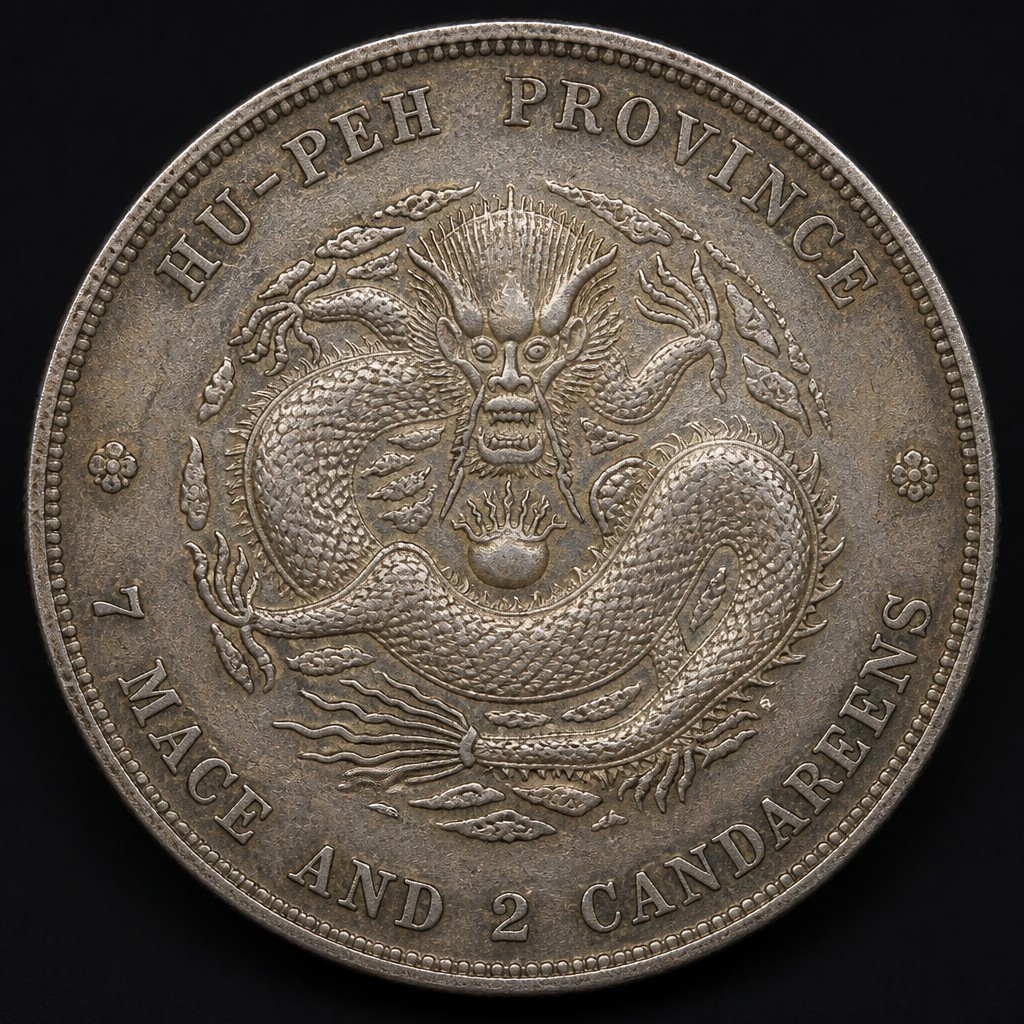
Chinese Hupeh Province Dragon Dollar
c. 1895–1909
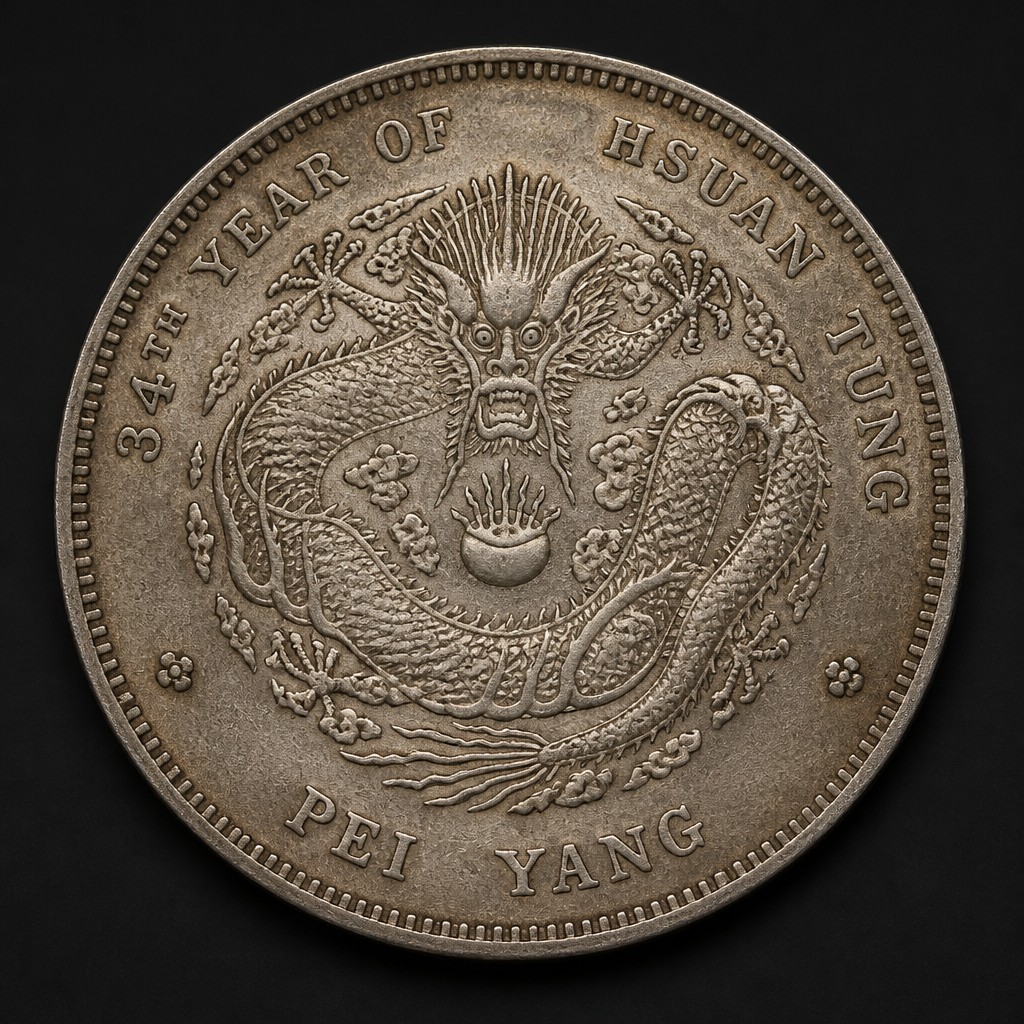
Chinese Empire Silver Dollar (Hsuan Tung Dragon)
1909–1911
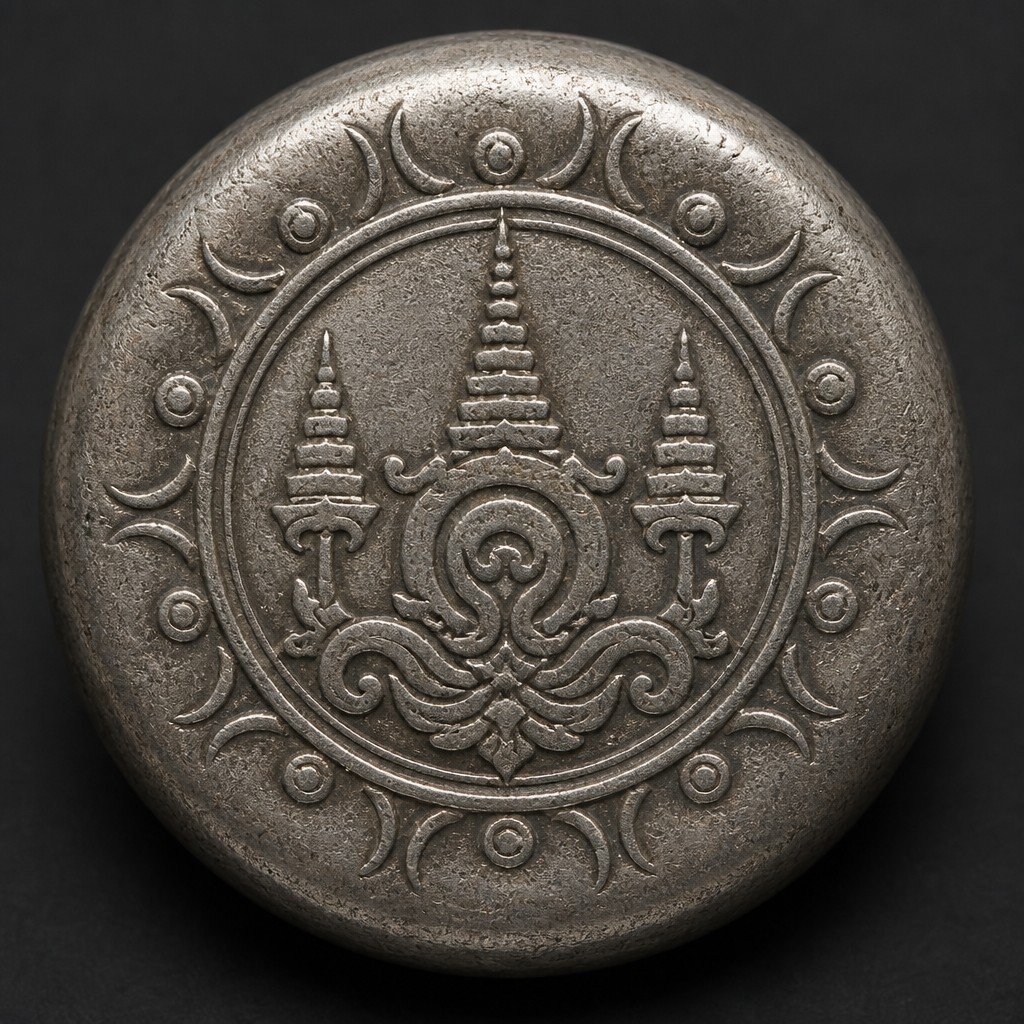
Thailand (Siam) Silver Baht 'Bullet Money' (Pod Duang)
c. 13th century – late 19th century
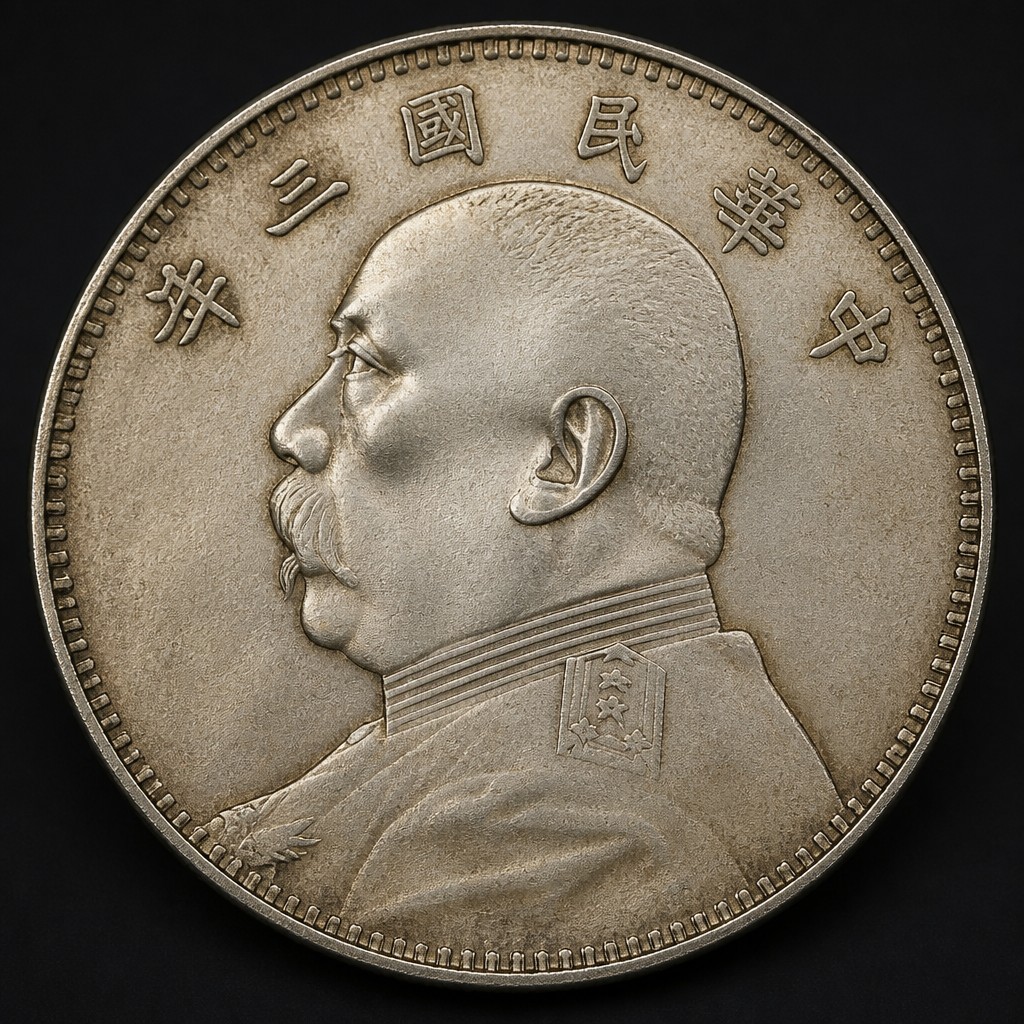
Yuan Shikai 'Fatman' Dollar (1914)
Dated 1914, struck into the early 1920s