
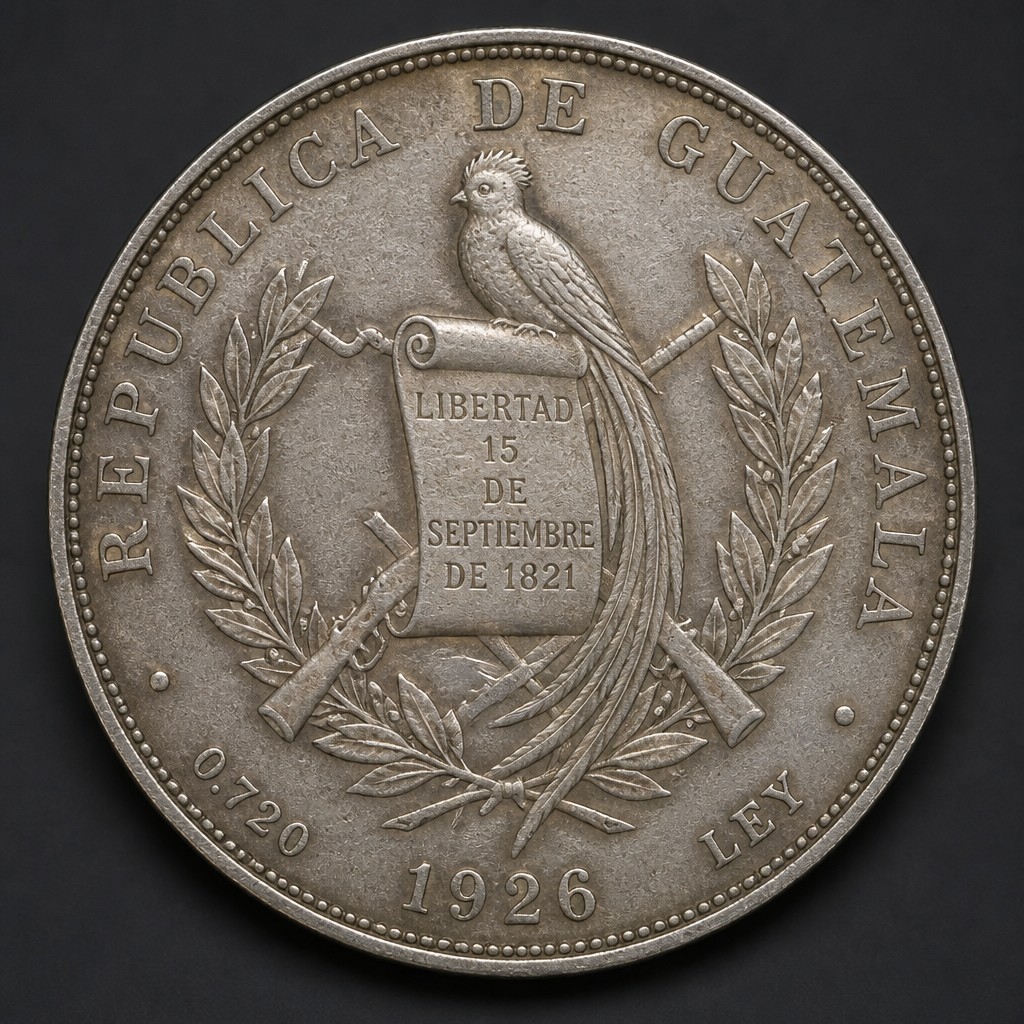
Guatemala Quetzal Silver
Guatemala's modern national currency unit, named after the resplendent quetzal bird, introduced in the 1920s with a substantial silver coin marking the country's monetary modernization.
- Country
- Guatemala
- Denomination
- 1 Quetzal
- Metal
- Silver, approximately .720 fine
Got a coin like this?
Identify any coin from a photo, free.
Overview
The quetzal replaced Guatemala's earlier peso-based currency in the 1920s, taking its name from the resplendent quetzal, a brilliantly colored bird held in deep cultural and historical esteem in Guatemala, including its association with the ancient Maya. The introduction of silver 1 quetzal coins marked a significant modernization of the country's monetary system.
As the country's flagship silver coin at introduction, the 1 quetzal piece carried strong national symbolism, pairing the iconic bird with Guatemala's coat of arms, and represented a deliberate move to establish a stable, internationally respected currency following decades of monetary instability under the peso system.
History & Background
Guatemala's currency reform of 1924–1925 established the quetzal as the new national monetary unit, pegged initially to the United States dollar, replacing the depreciated peso. Silver coins including the 1 quetzal and its fractions were introduced as part of this reform to give the public confidence in the new, more stable currency.
The quetzal bird was chosen for the currency's name specifically because of its powerful symbolic association with liberty (the bird reportedly does not survive in captivity) and its deep roots in Guatemalan and Maya cultural heritage, making the coinage a deliberate expression of national identity alongside its practical monetary function.
How to Identify
The obverse typically displays a resplendent quetzal bird perched on a scroll or pillar, sometimes alongside a portrait of a historical figure associated with Guatemalan independence, while the reverse carries the national coat of arms, denomination, and date. Legends identify the issuing authority as the Republic of Guatemala.
The coin is a substantial silver piece, generally in the crown or dollar size range with moderate silver fineness compared to some higher-fineness world coins, and collectors should check specific catalog weights and diameters for the particular issue year in question given some variation across the quetzal's early coinage history.
Because the quetzal coinage was introduced relatively recently compared to Guatemala's earlier colonial and republican real/peso issues, its design is comparatively modern in style, featuring more naturalistic bird imagery and cleaner heraldic elements than older Guatemalan coinage.
Value & Collectibility
Silver 1 quetzal coins are collected both for their silver content and their historical significance as the introduction of Guatemala's modern currency, with common circulated examples trading at a modest premium over melt value and choice, well-preserved or particularly early examples commanding more from collectors interested in Central American numismatics.
As with most 20th-century silver crowns, grade and originality of surface are important value factors, and coins with the bright, natural silver luster of an uncirculated or lightly circulated piece are generally preferred over cleaned or heavily worn examples.
Frequently asked questions
Why is the currency called the quetzal?
It is named after the resplendent quetzal, a vividly colored bird with deep cultural significance in Guatemala, symbolically associated with liberty.
When was the quetzal introduced?
Guatemala's currency reform establishing the quetzal took place in the mid-1920s, replacing the earlier peso system.
What is the silver content of the coin?
Early quetzal silver coins were struck at a fineness of roughly .720, a common standard for circulating silver coinage of that period.
Is the quetzal bird also on modern Guatemalan currency?
Yes, the quetzal bird remains a central symbol on Guatemala's currency and coat of arms to this day.
Other coins you may enjoy
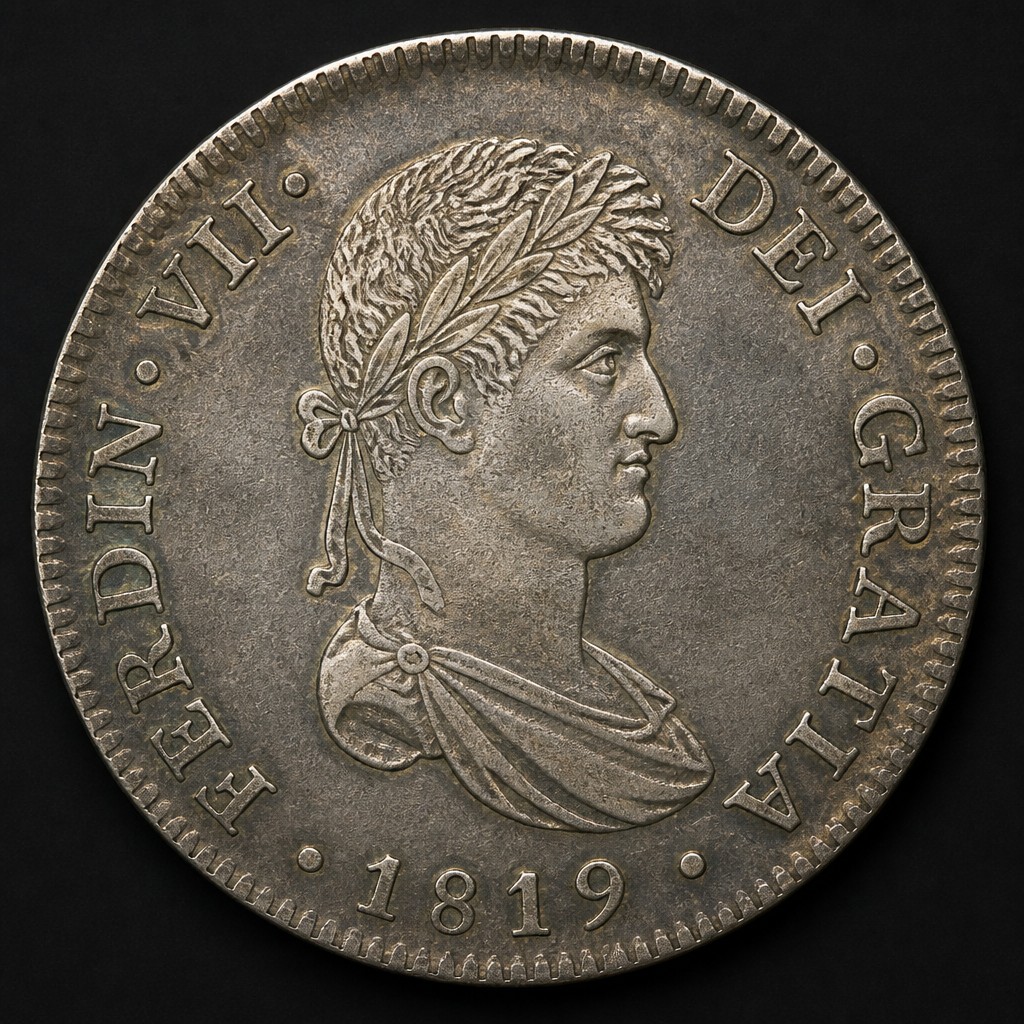
Colombia 8 Reales
Colonial issues through late 18th/early 19th century; republican issues 1820s–1830s
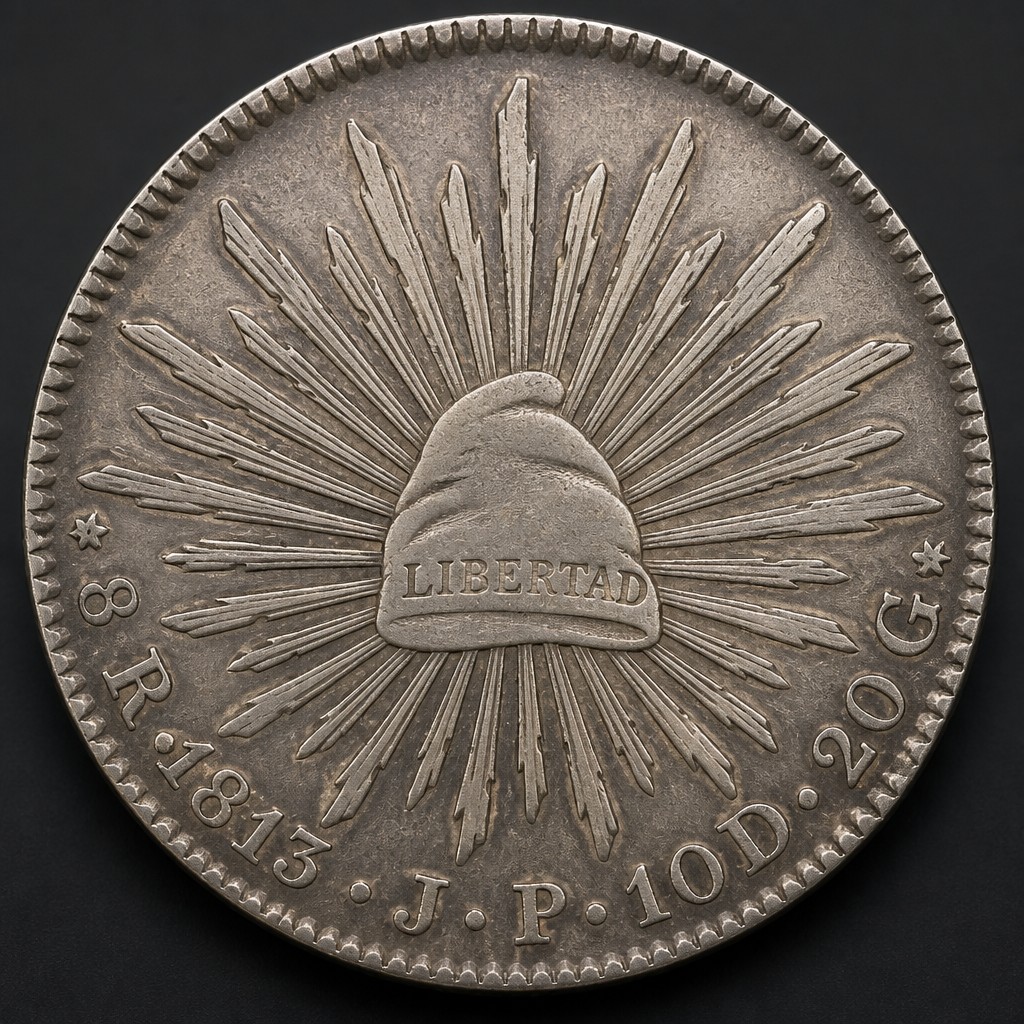
Argentina 8 Reales
c. 1813–1836
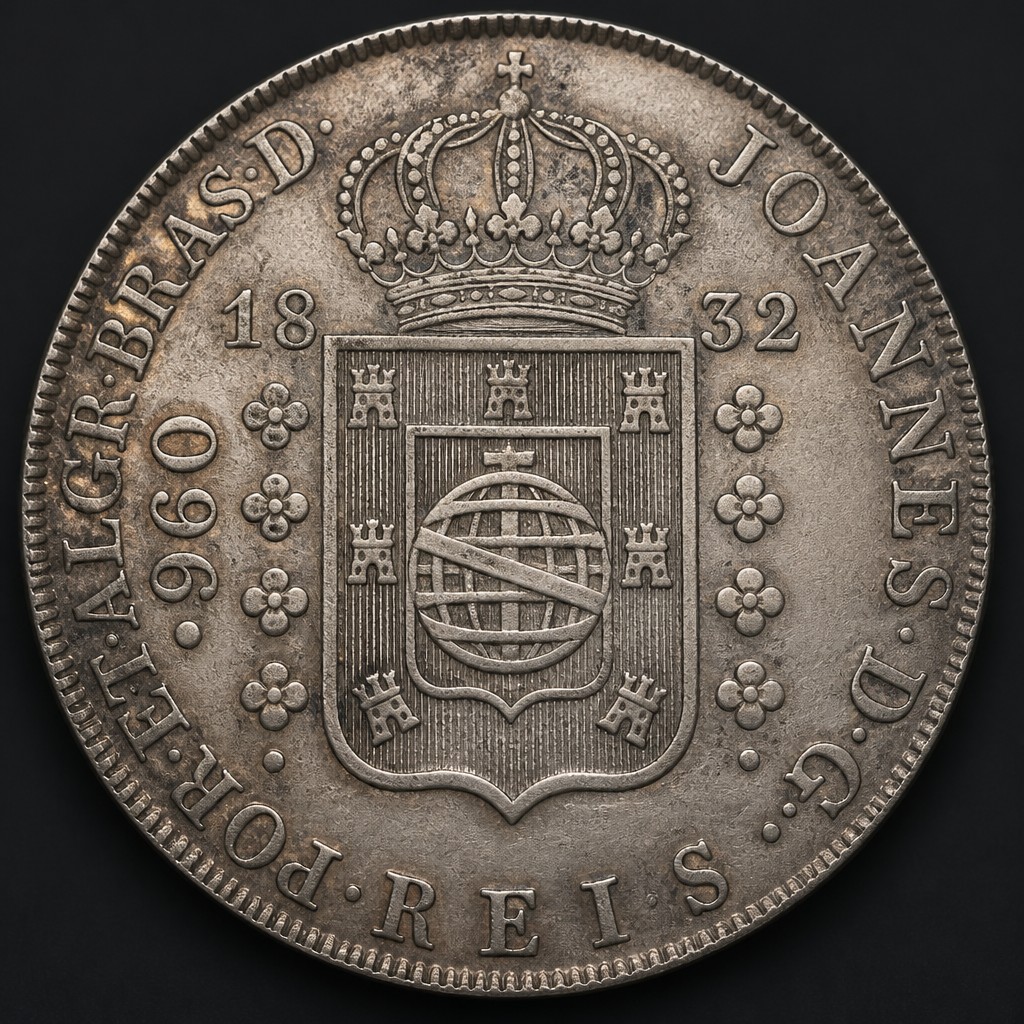
Brazil 960 Reis
1809–1832
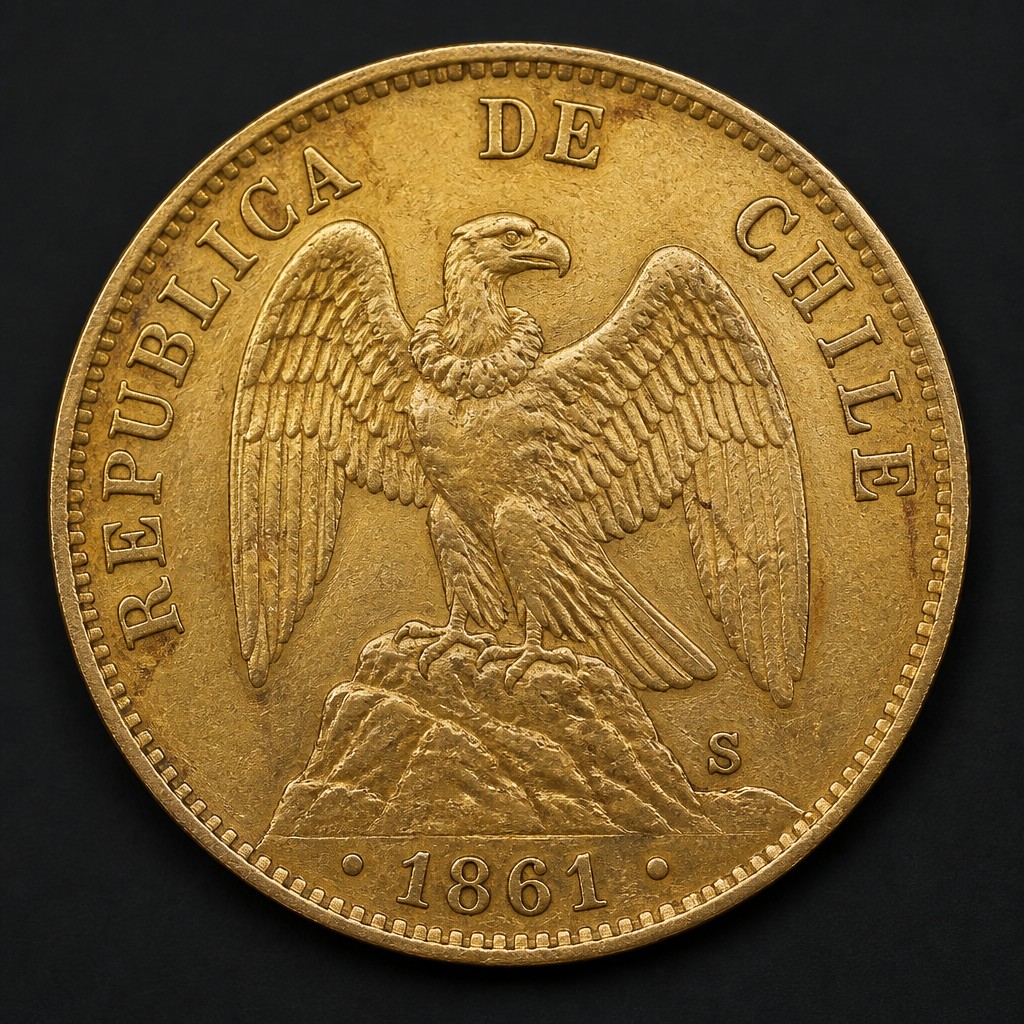
Chile Peso (Condor)
1851–1873 (gold condor series); modern base-metal peso 1990s–present
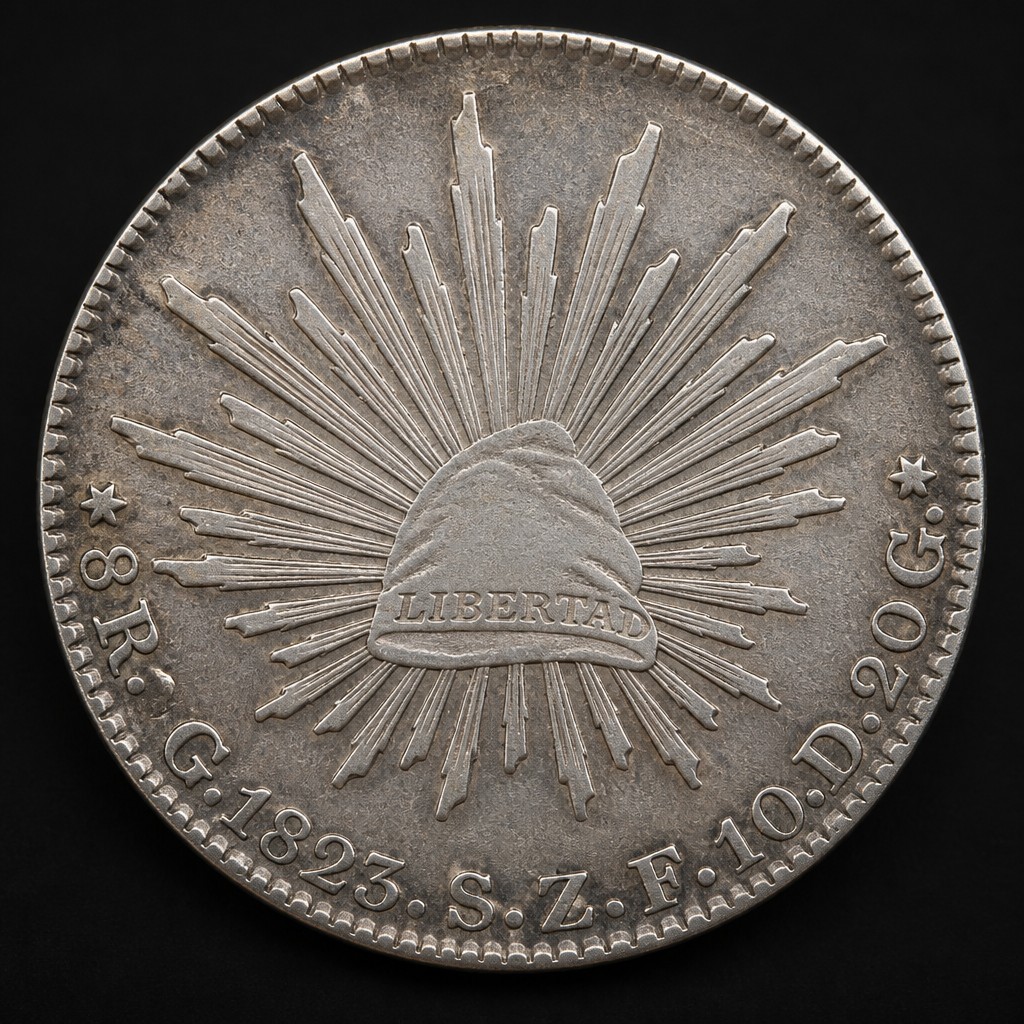
Mexican 8 Reales Cap and Rays
1823-1897
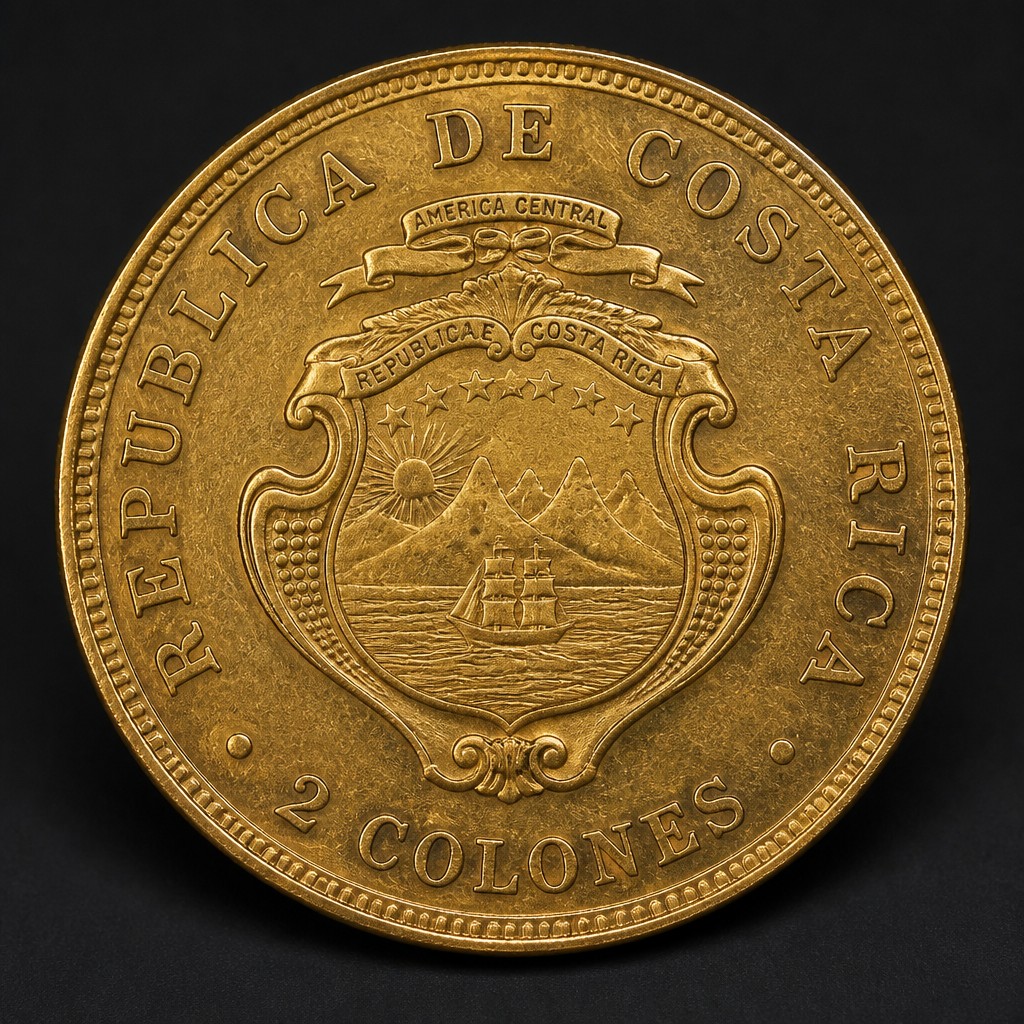
Costa Rica 2 Colones Gold
Late 1890s–early 1900s
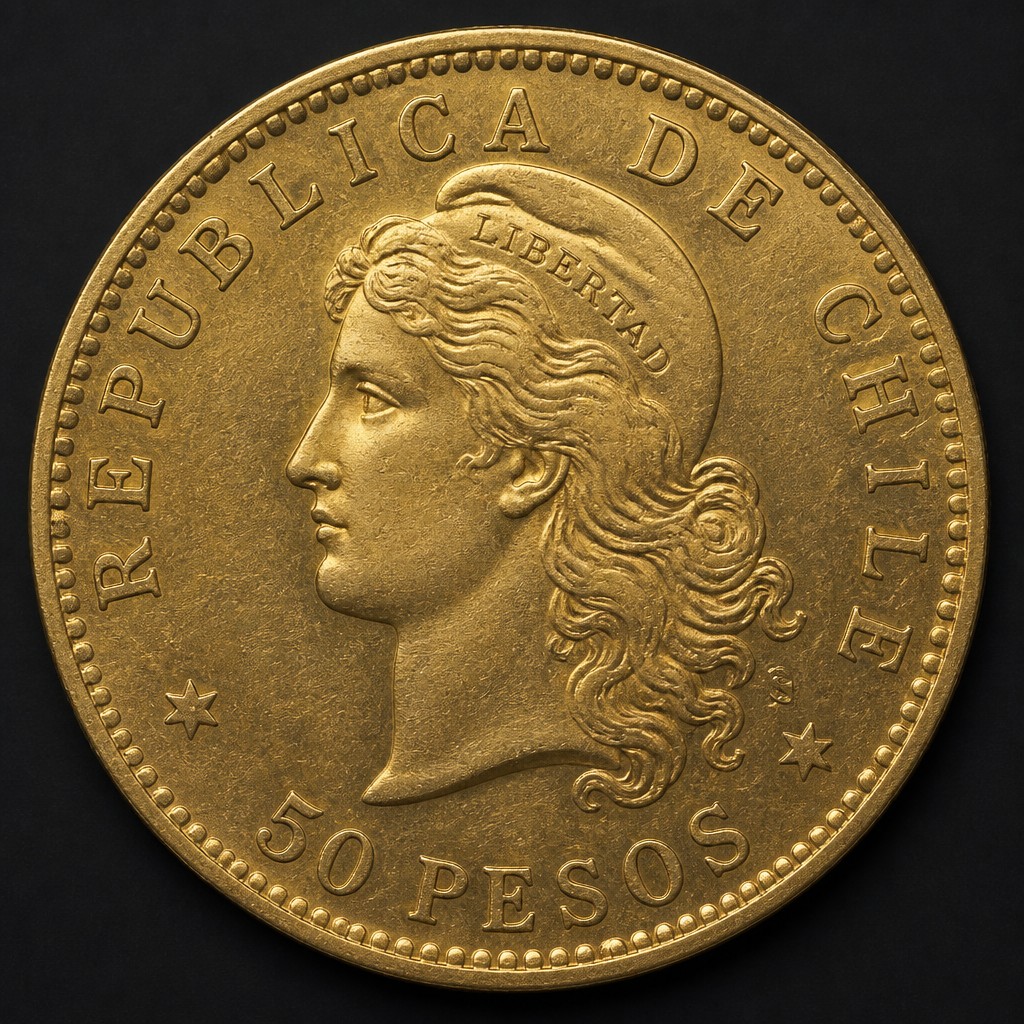
Chilean 50 Pesos Gold
1926–1980 (with interruptions)
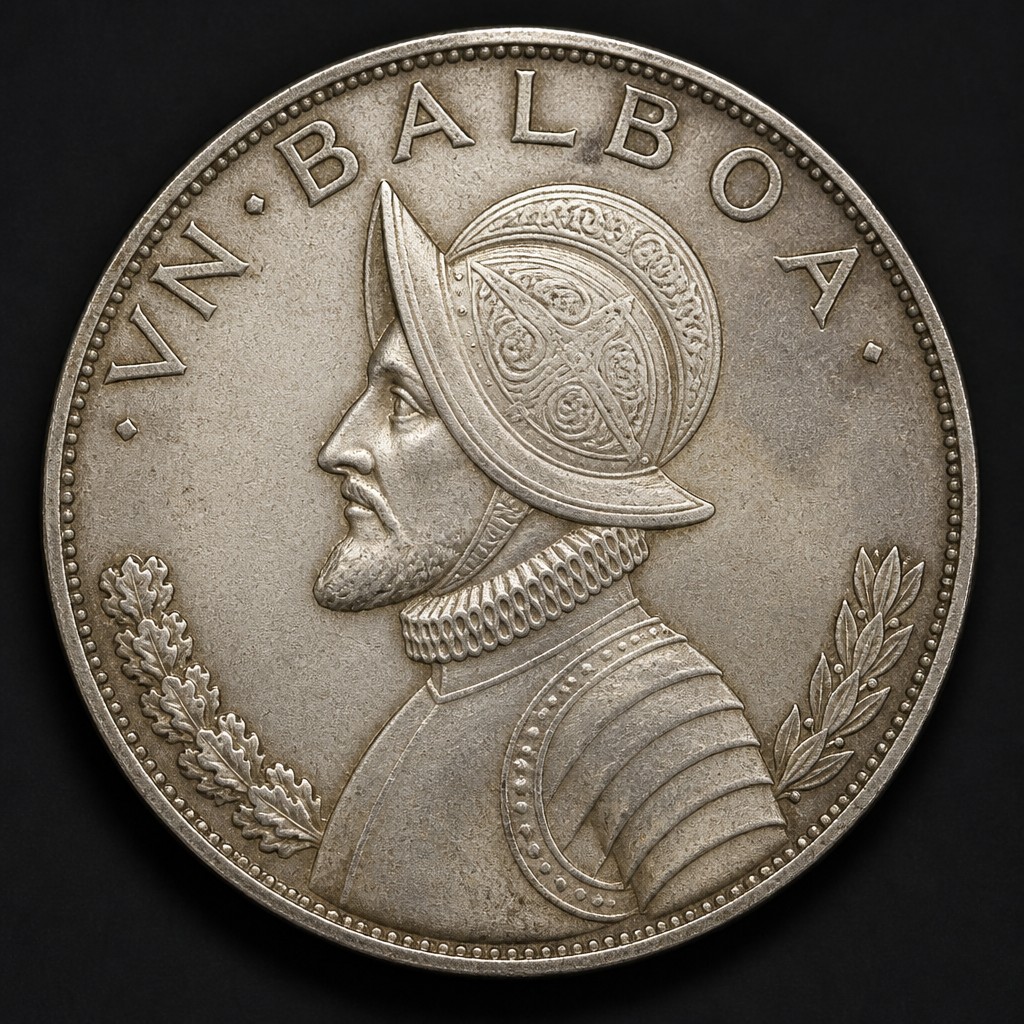
Panama Balboa Silver
1904, 1931, 1934, 1947, 1953, 1966 (various dates)
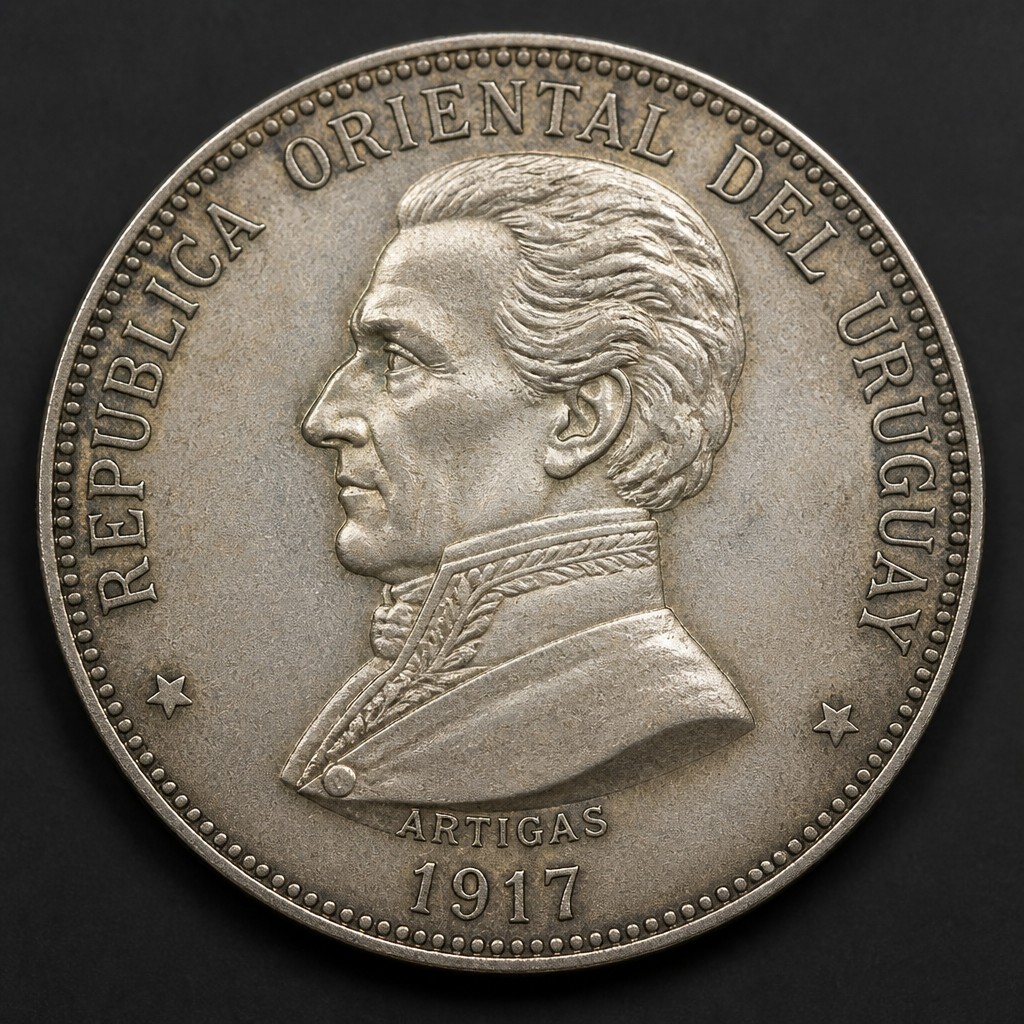
Uruguay Peso Silver 'Artigas'
1917–1920 (with related commemorative issues in later decades)
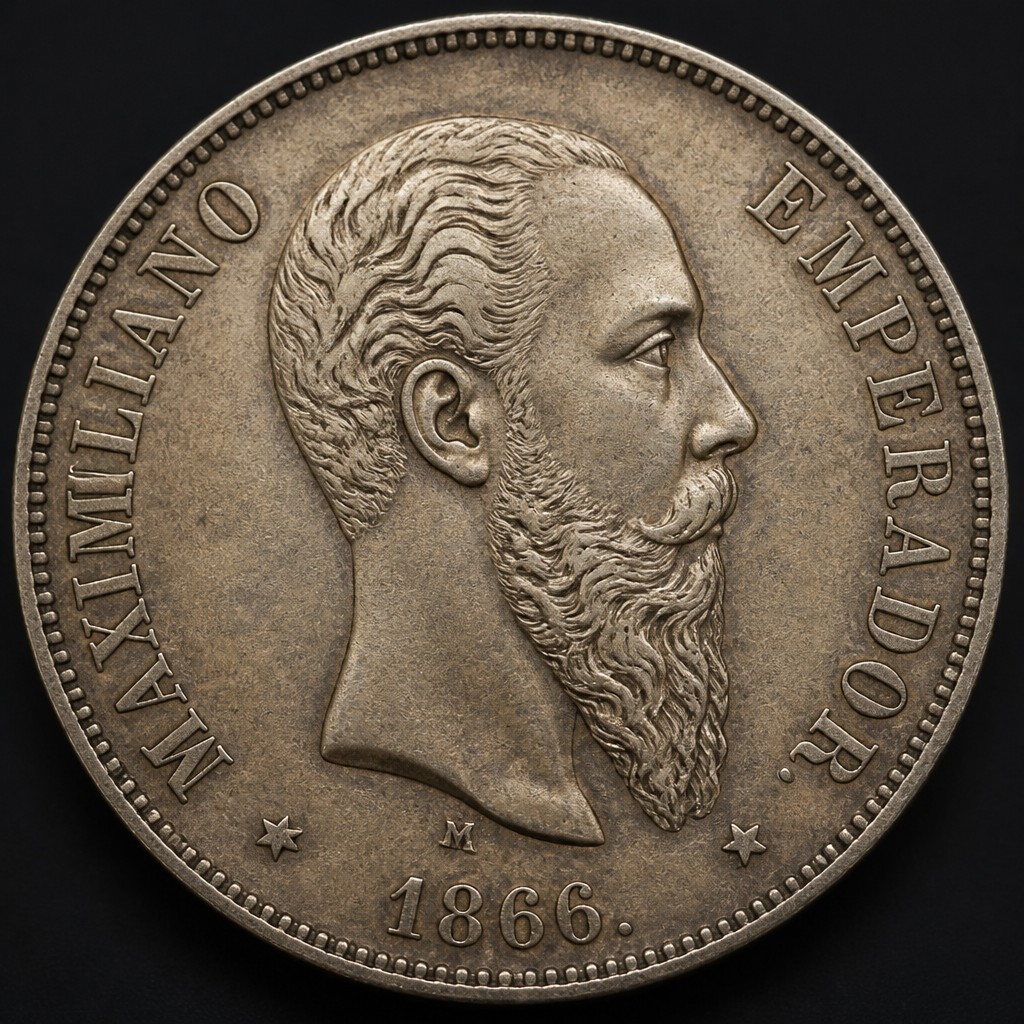
Mexican Emperor Maximilian Peso
1866–1867
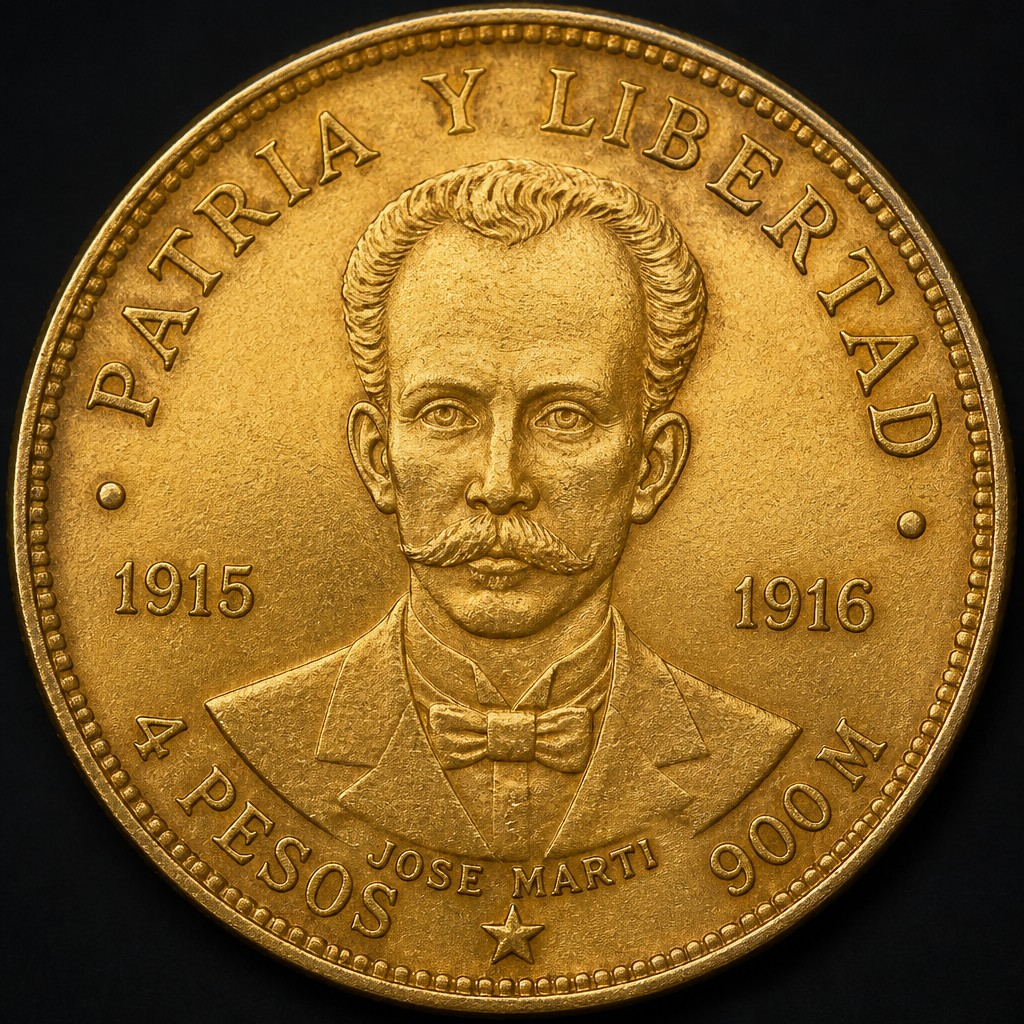
Cuba 4 Pesos Gold Jose Marti
1915–1916
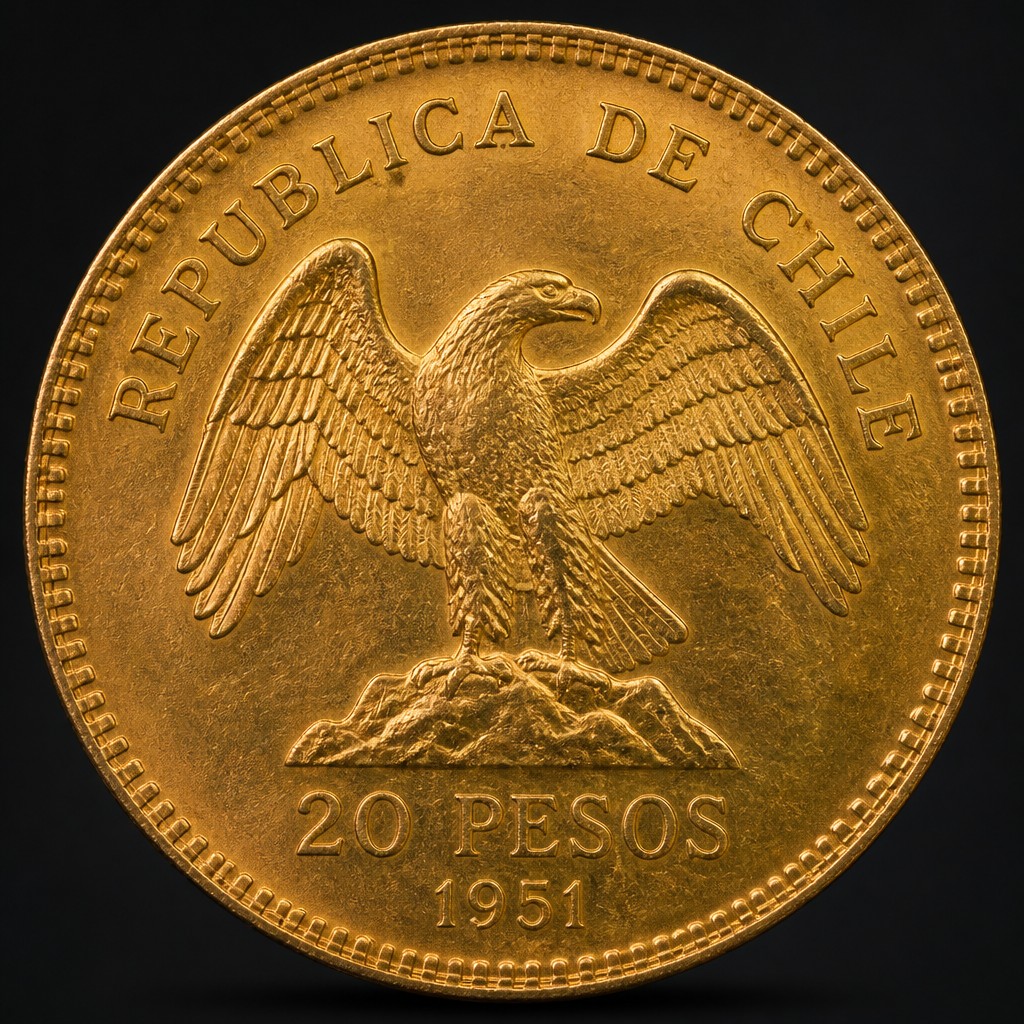
Chilean 20 Pesos Gold
19th century issues and 1926–1980 condor series