
Coin Encyclopedia
Search and identify coins from around the world — with country, denomination, metal, mint, history, and how to tell them apart.
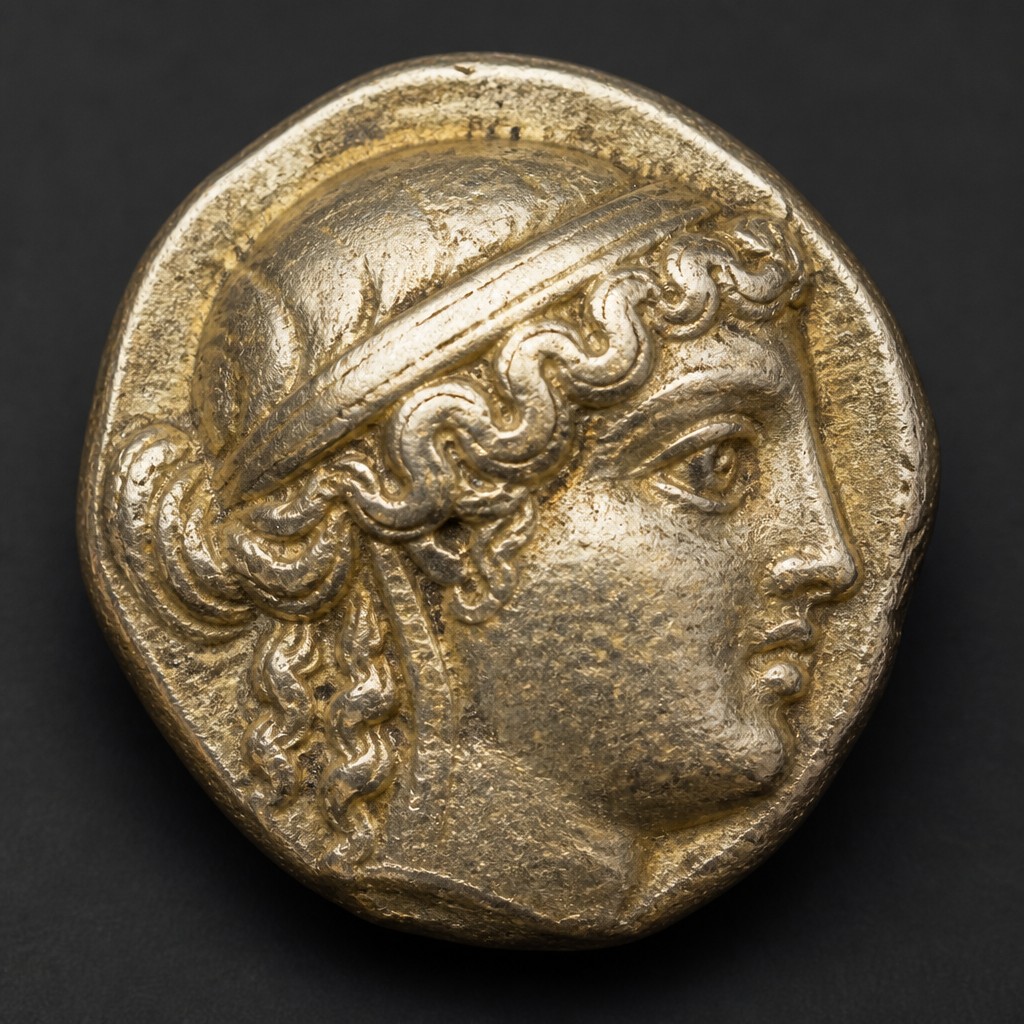
Lampsakos Electrum Stater
An electrum stater from Lampsakos on the Hellespont, another important early precious-metal trade coinage of Asia Minor, often featuring a winged horse or janiform head.
Ancient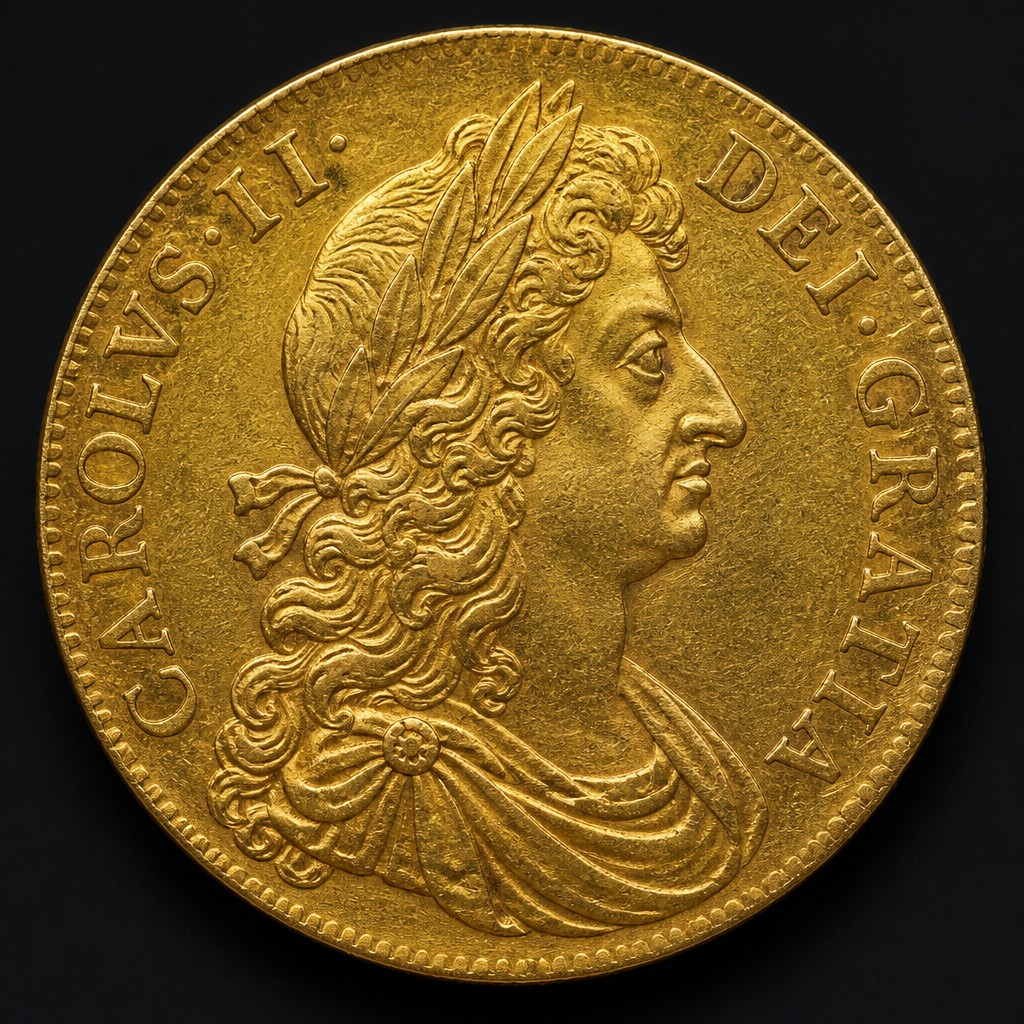
British Gold Guinea
Struck from 1663 to 1814 and named for the West African gold used in its earliest issues, the guinea was Britain's leading gold coin and gave its name to a unit of value still referenced today.
British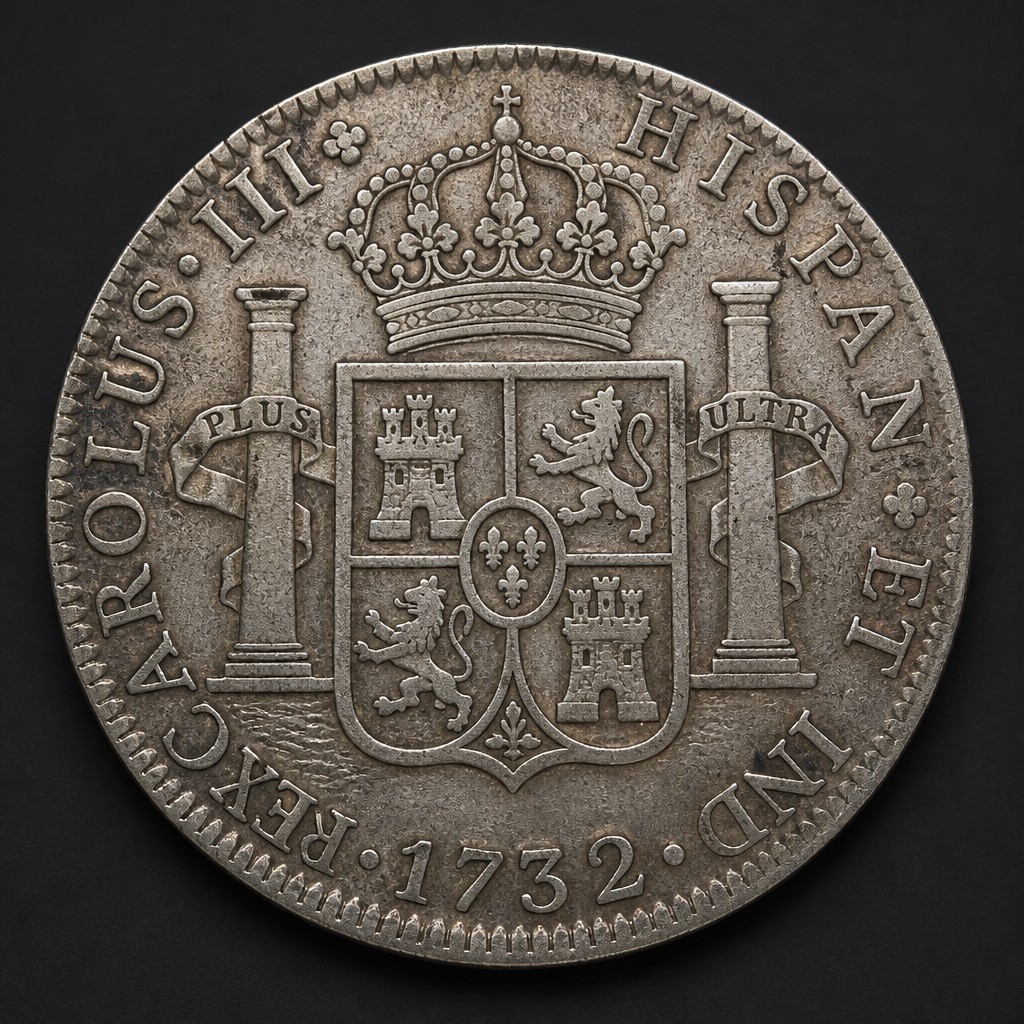
Mexican 8 Reales Pillar Dollar
Minted in colonial Mexico City from 1732 to the early 1770s, the pillar dollar's crowned globes and Pillars of Hercules design made it one of the most widely trusted silver trade coins in the world.
Latin American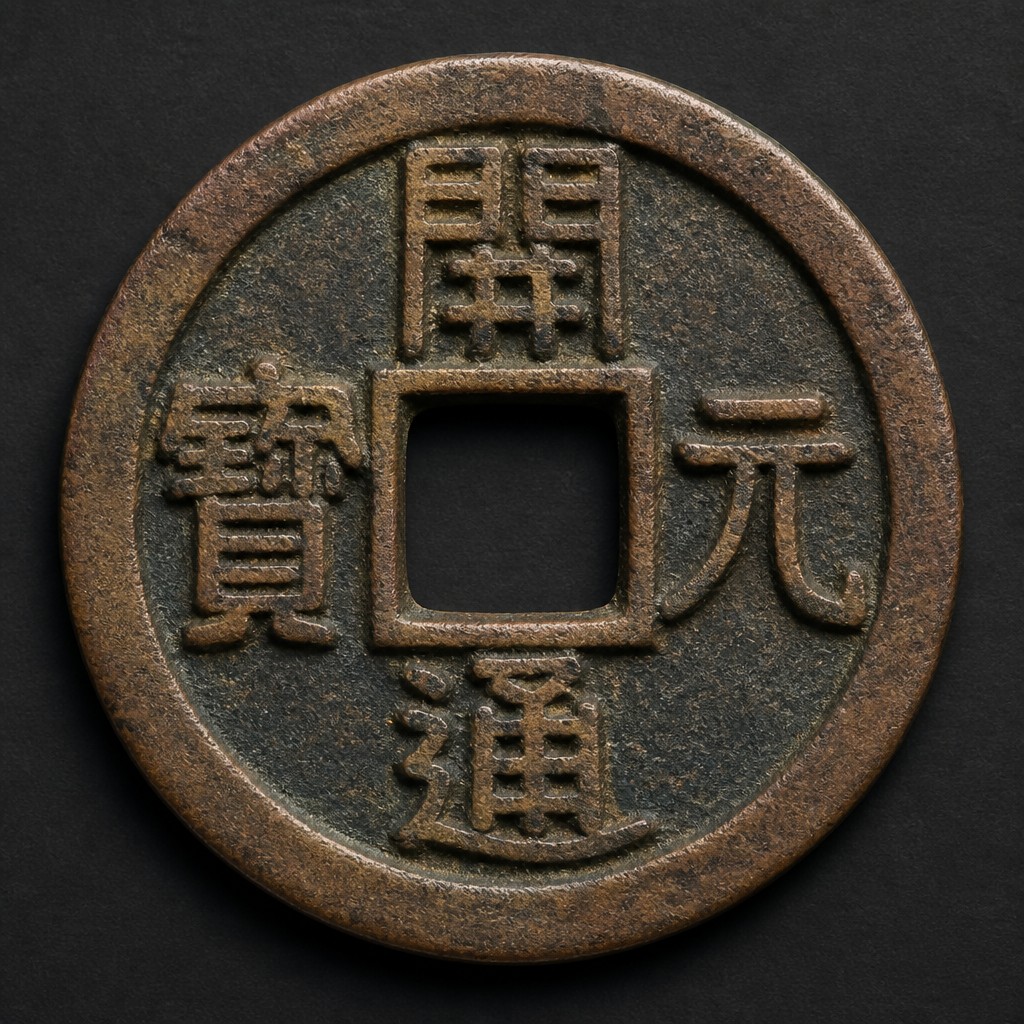
Kai Yuan Tong Bao Cash
A landmark Tang dynasty cash coin whose four-character reign-title inscription became the standard template for Chinese, and much of East Asian, coinage for the next 1,300 years.
Ancient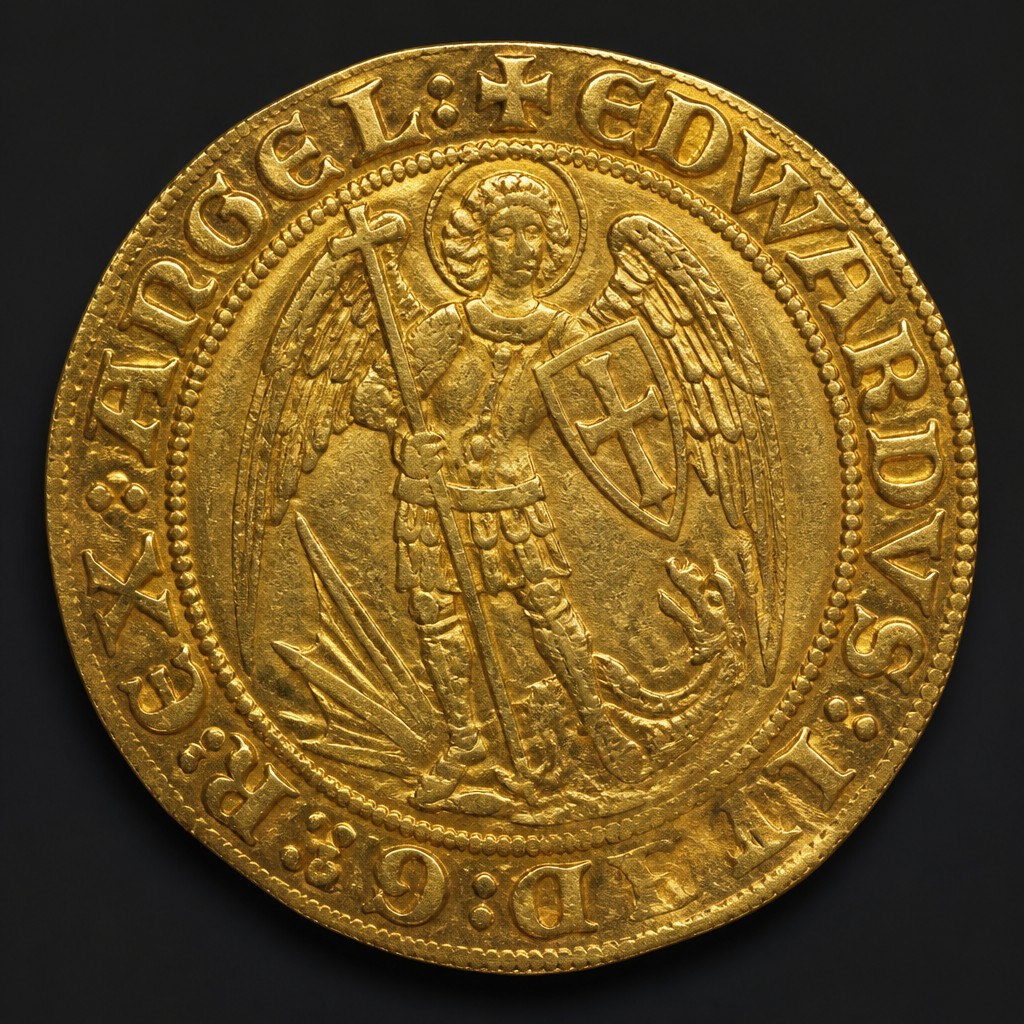
Angel
An English gold coin depicting the Archangel Michael slaying a dragon, introduced in 1465 and famously used as a ceremonial 'touch piece' in royal healing rituals.
British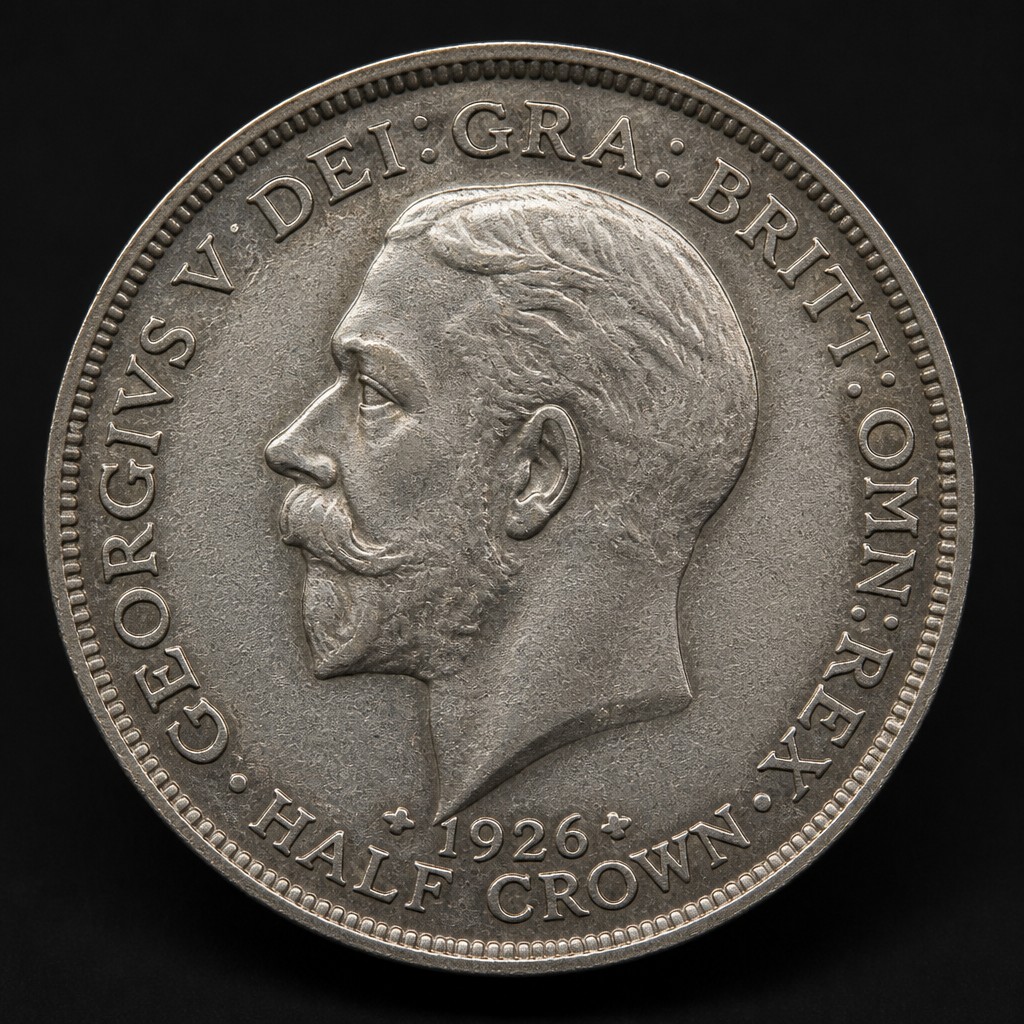
Half Crown
A long-lived British coin worth one-eighth of a pound, struck from the Tudor era until decimalisation in 1970, valued today mainly for its portraits and design variety.
British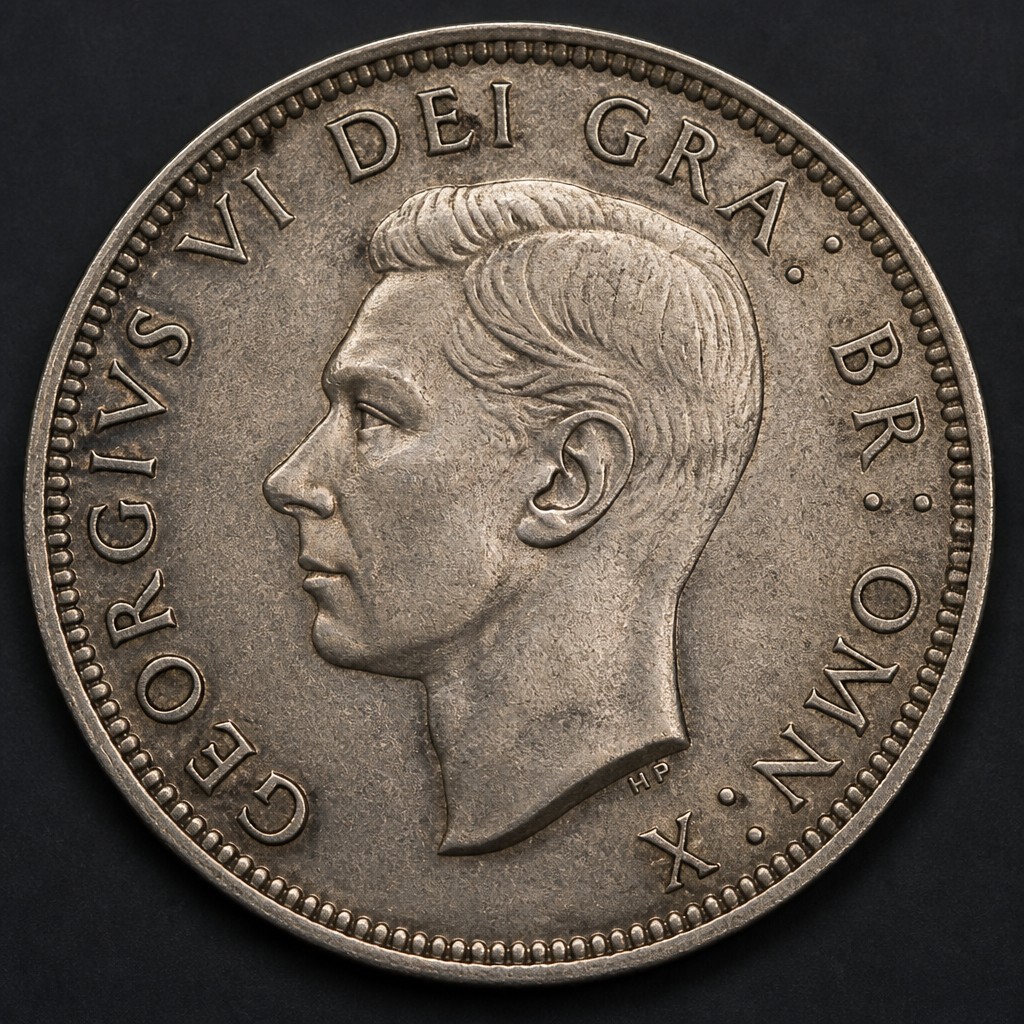
Florin (Two Shillings)
A British silver coin worth two shillings, notable for the controversial 1849 'Godless Florin' that omitted the customary religious motto, and for foreshadowing decimal coinage.
British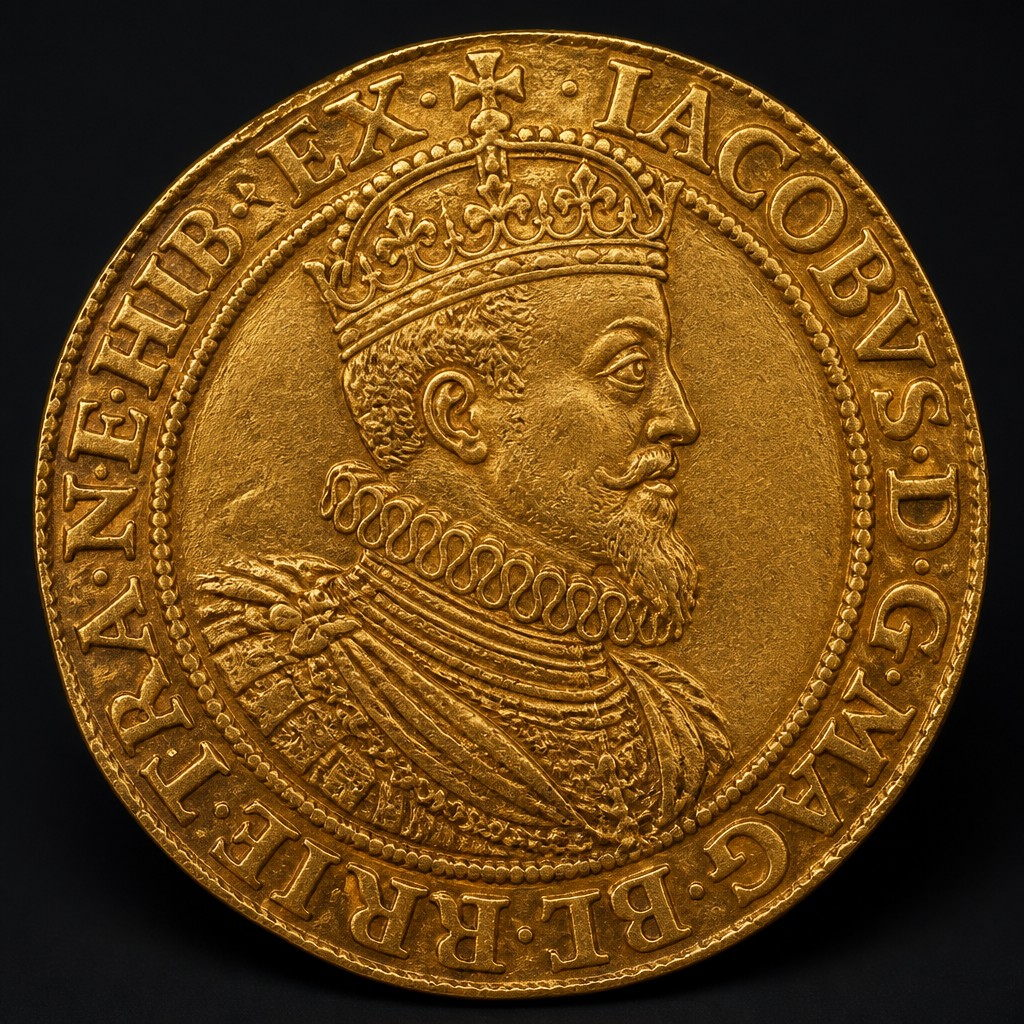
Half Crown Gold
A small gold coin worth half a gold crown, struck from the reign of Henry VIII through the English Civil War, distinct from the far more familiar silver half crown that circulated for centuries afterward.
British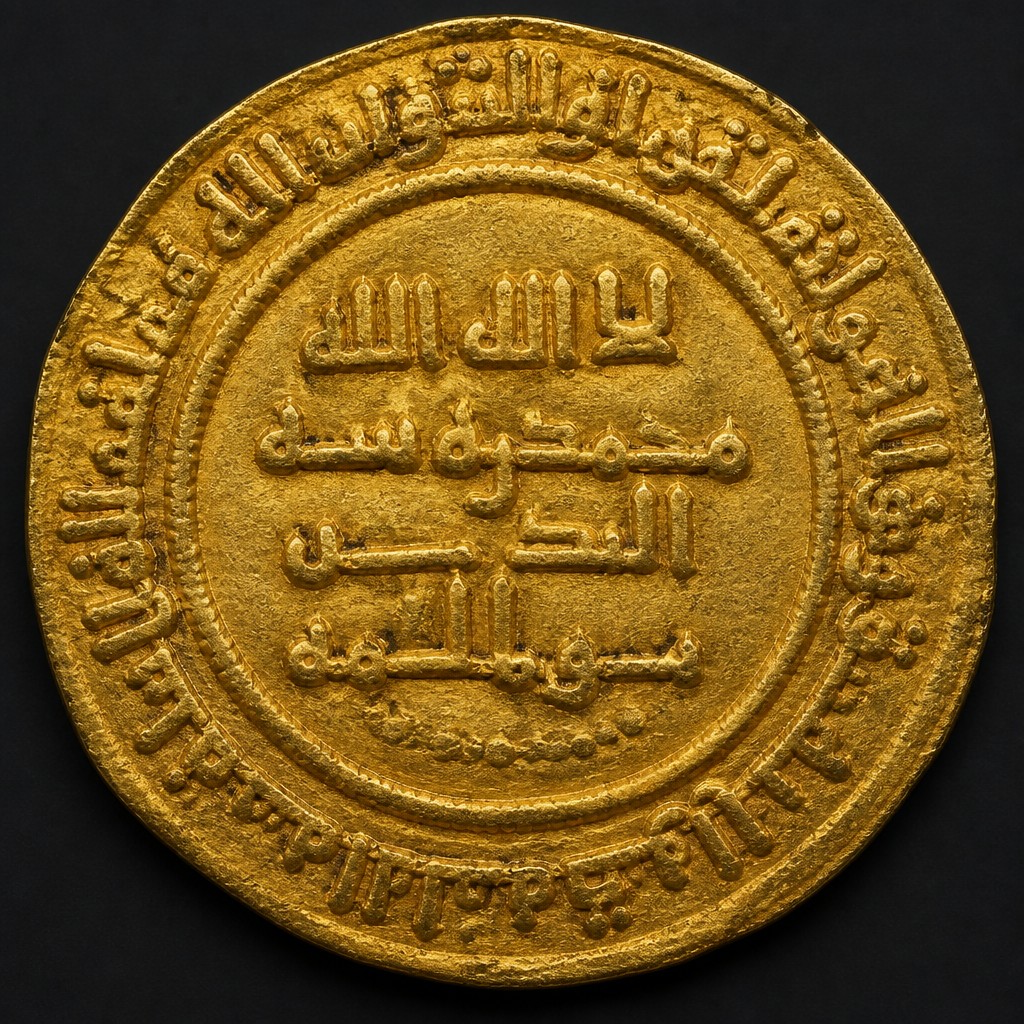
Ayyubid Dinar of Saladin
A gold dinar struck under Salah al-Din (Saladin), founder of the Ayyubid dynasty famed for recapturing Jerusalem, continuing the Islamic tradition of purely inscriptional coinage.
World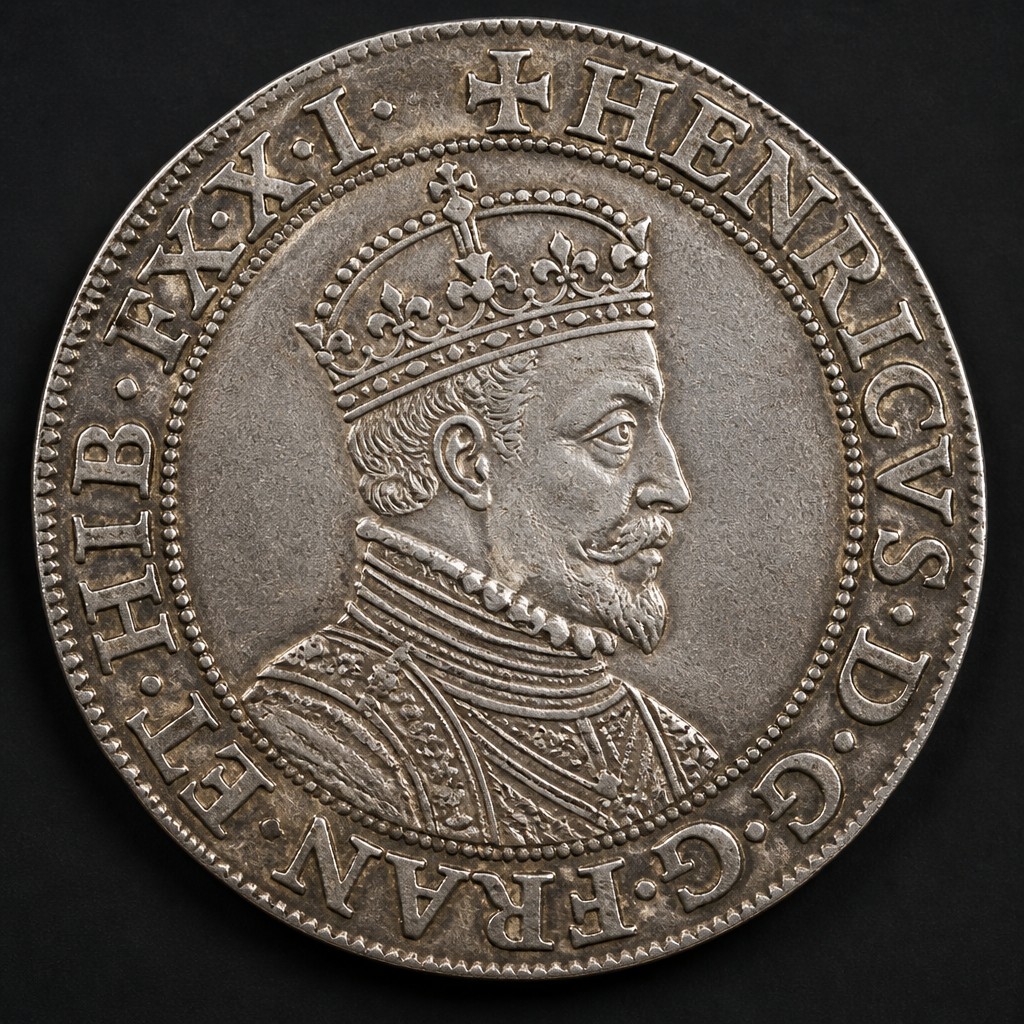
Testoon
The earliest English coin to carry a realistic royal portrait, introduced under Henry VII around 1487 as the forerunner of the shilling, later continued and debased under Henry VIII.
British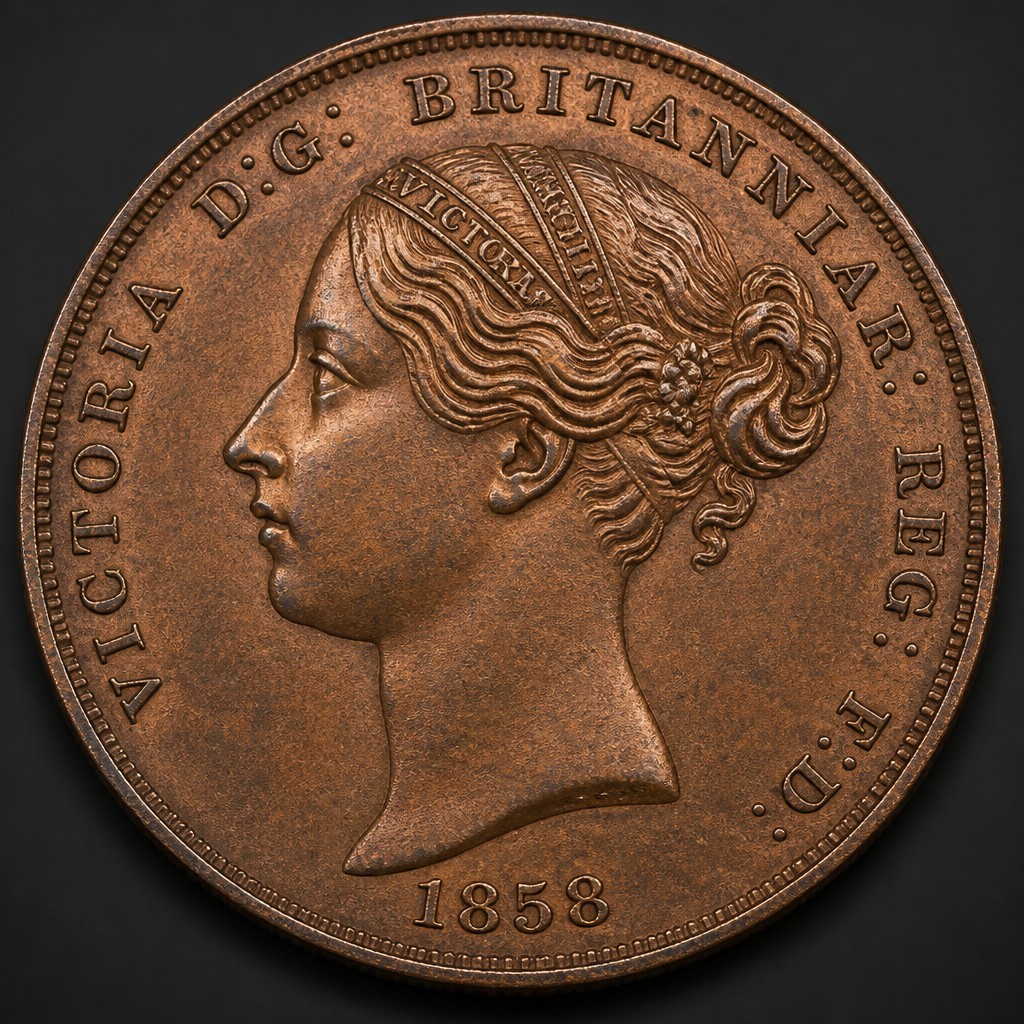
Quarter Farthing
The smallest fractional denomination in British coinage, worth one-sixteenth of a penny, struck primarily for use in colonial Ceylon during Victoria's reign.
British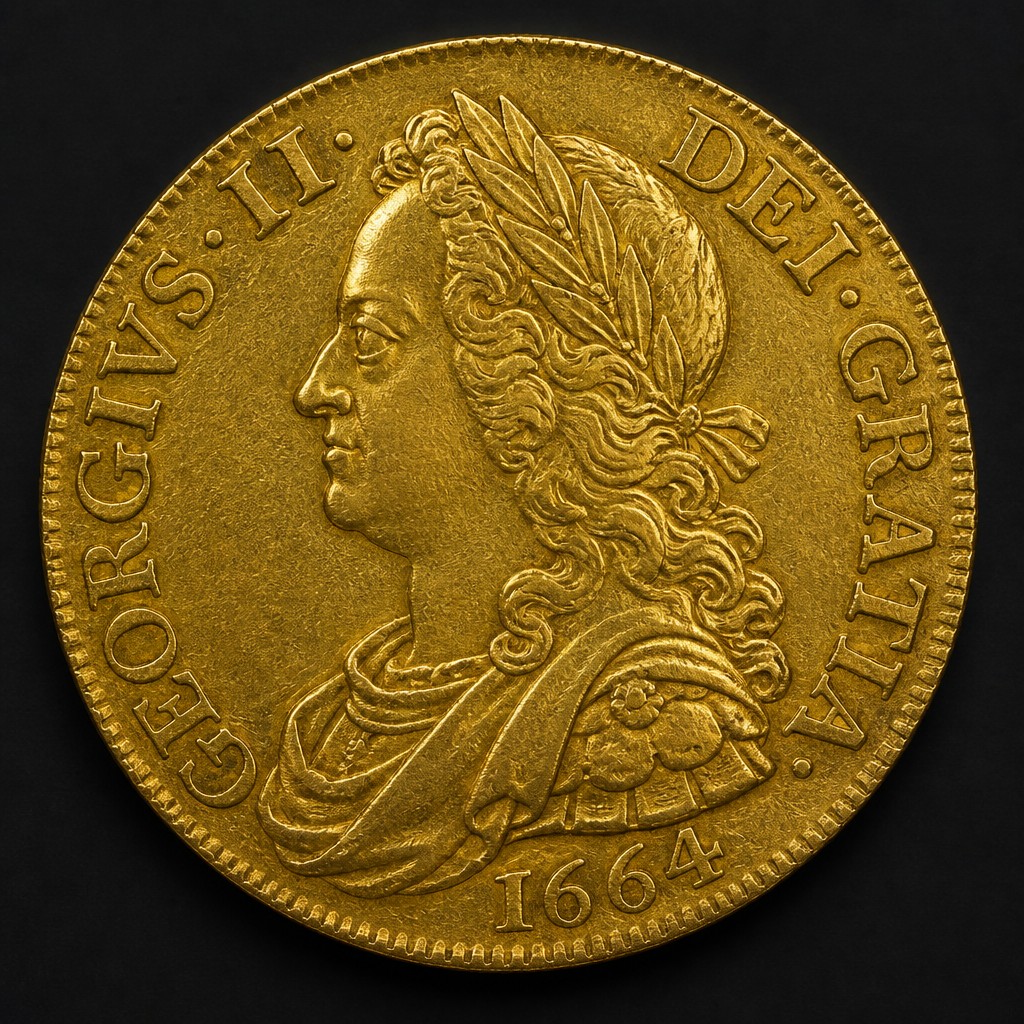
Two Guinea (Double Guinea)
A substantial gold coin worth two guineas, struck intermittently from the reign of Charles II through George II as part of England and Great Britain's early guinea coinage system.
British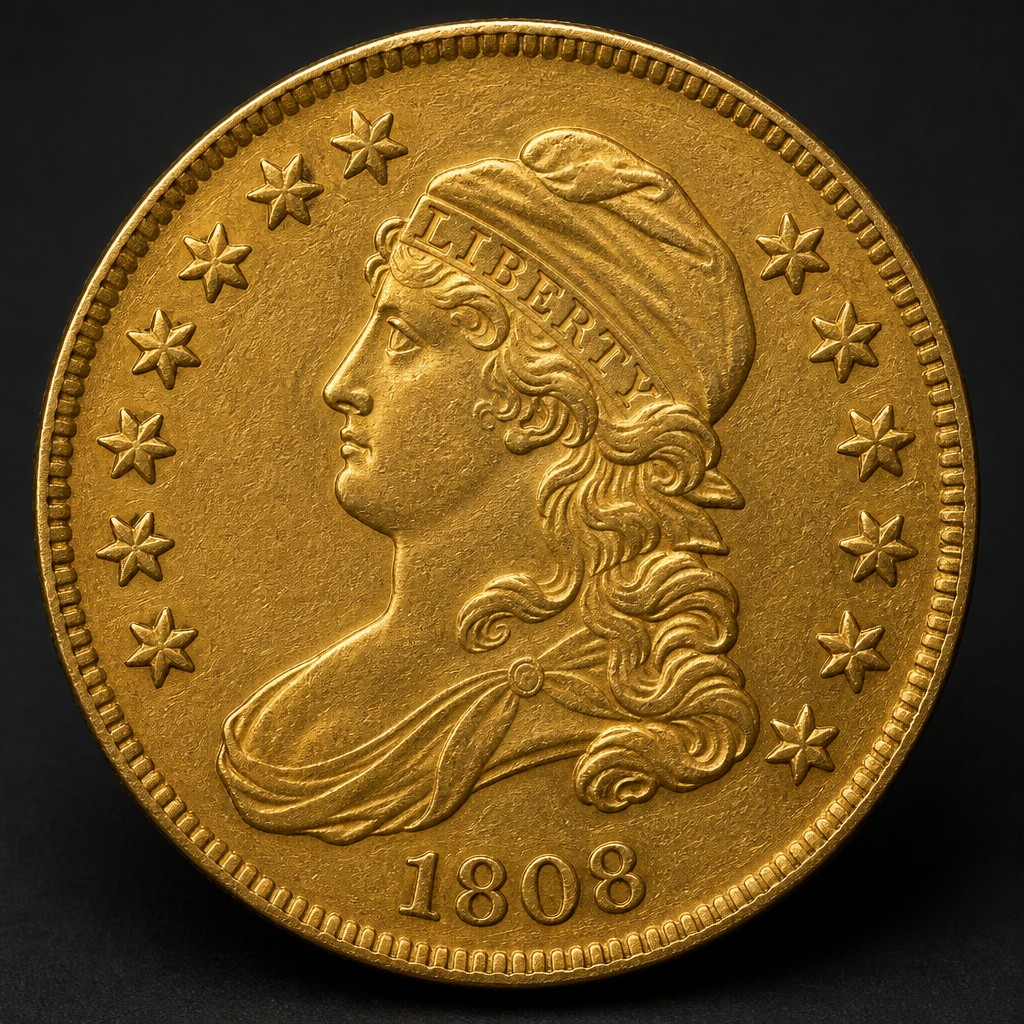
Capped Bust Quarter Eagle
An umbrella term for the earliest U.S. $2.50 gold coins (1796-1834), whose Liberty-in-a-cap portrait evolved through several sub-types, including the famous single-year 1808 issue.
United States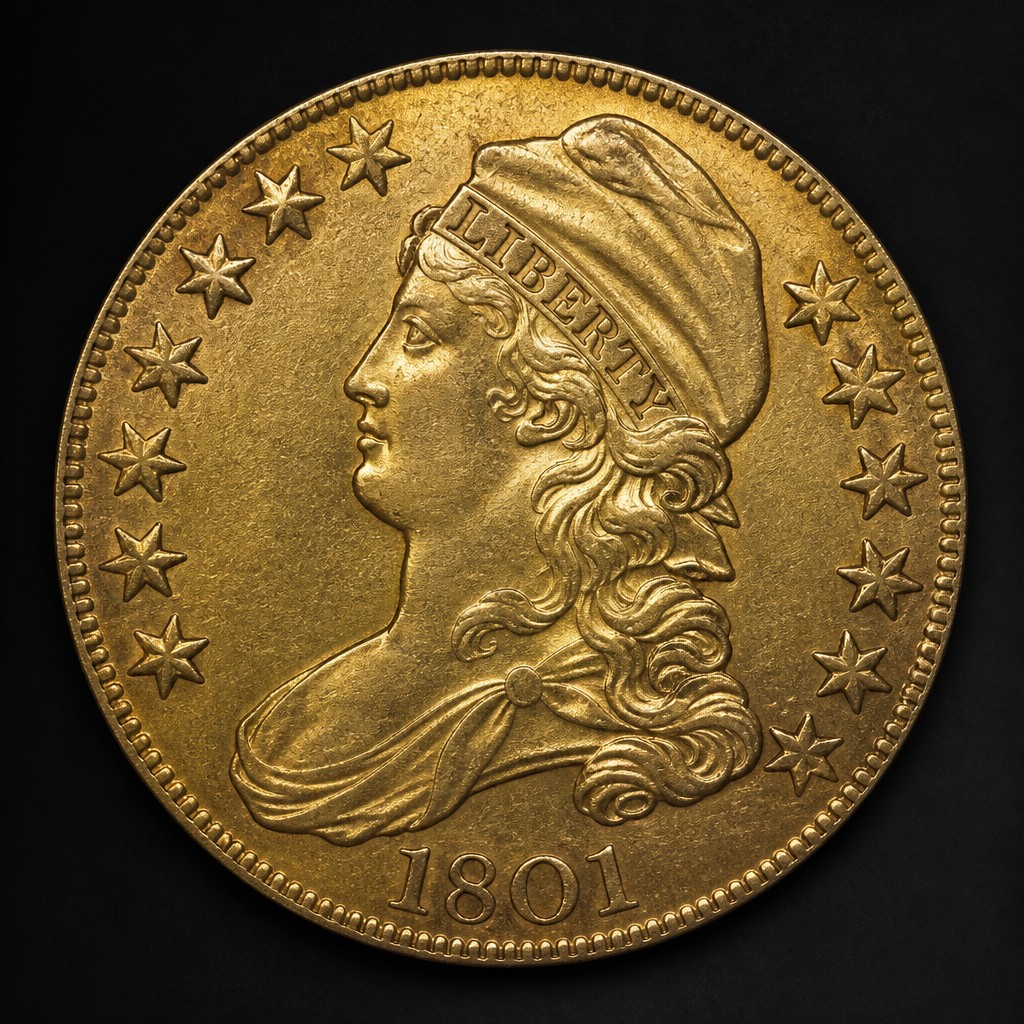
Turban Head Eagle
The first U.S. $10 gold coin, struck 1795-1804 and nicknamed 'Turban Head' for Liberty's cap-like headdress; the earliest examples pair her portrait with a small, spread-winged eagle.
United States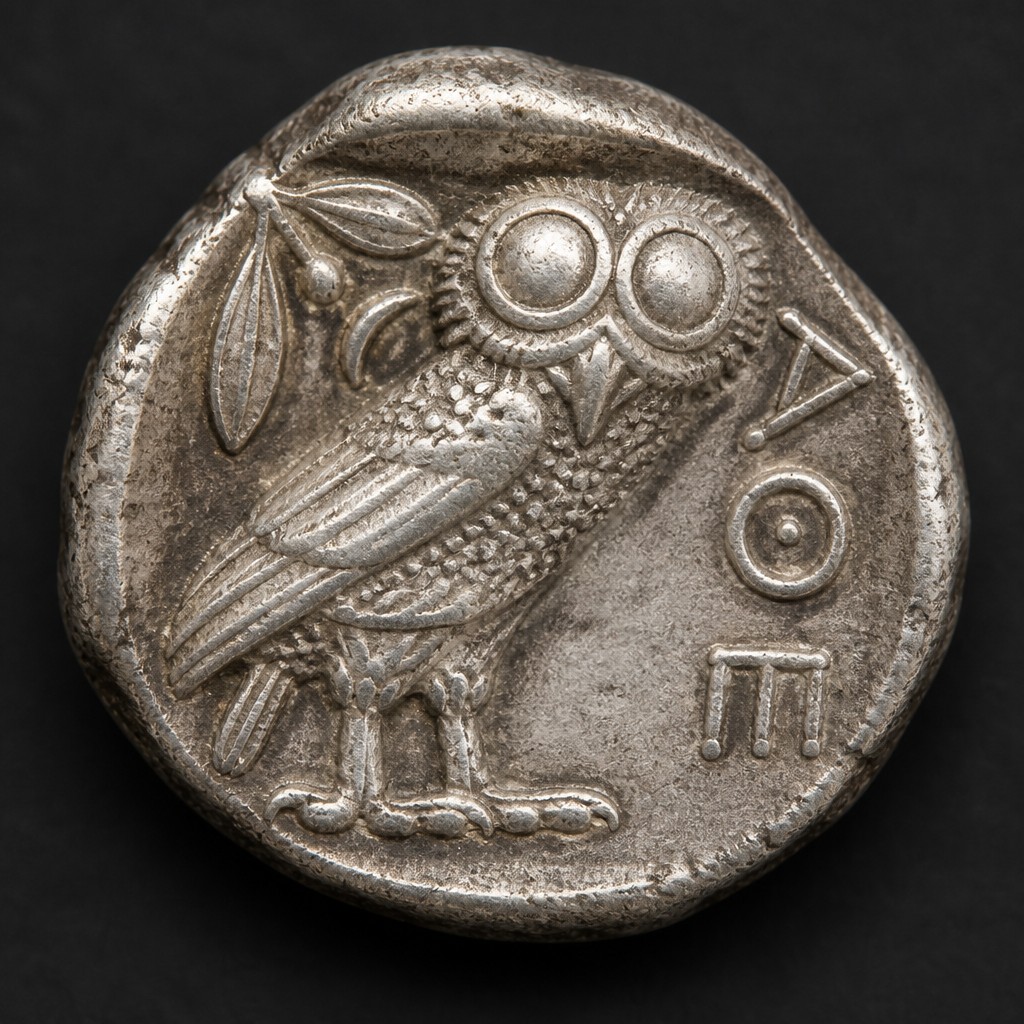
Athenian Owl Dekadrachm
An extremely rare large-format silver coin of classical Athens, struck in only a handful of surviving examples and prized as one of the great rarities of ancient Greek numismatics.
Ancient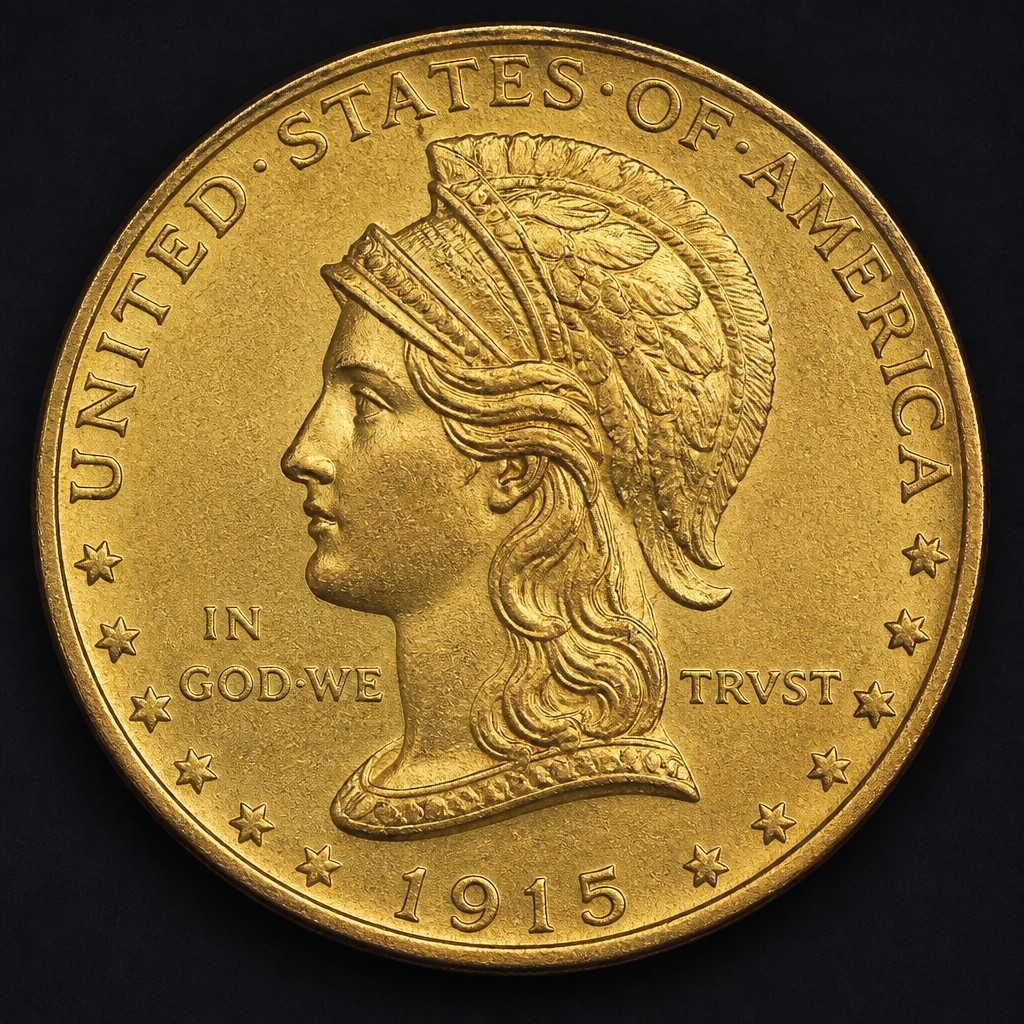
Panama-Pacific Quarter Eagle Commemorative
A 1915 commemorative gold coin honoring the Panama-Pacific Exposition, showing Liberty riding a hippocampus (sea horse), symbolizing the Panama Canal's linking of the Atlantic and Pacific Oceans.
Commemorative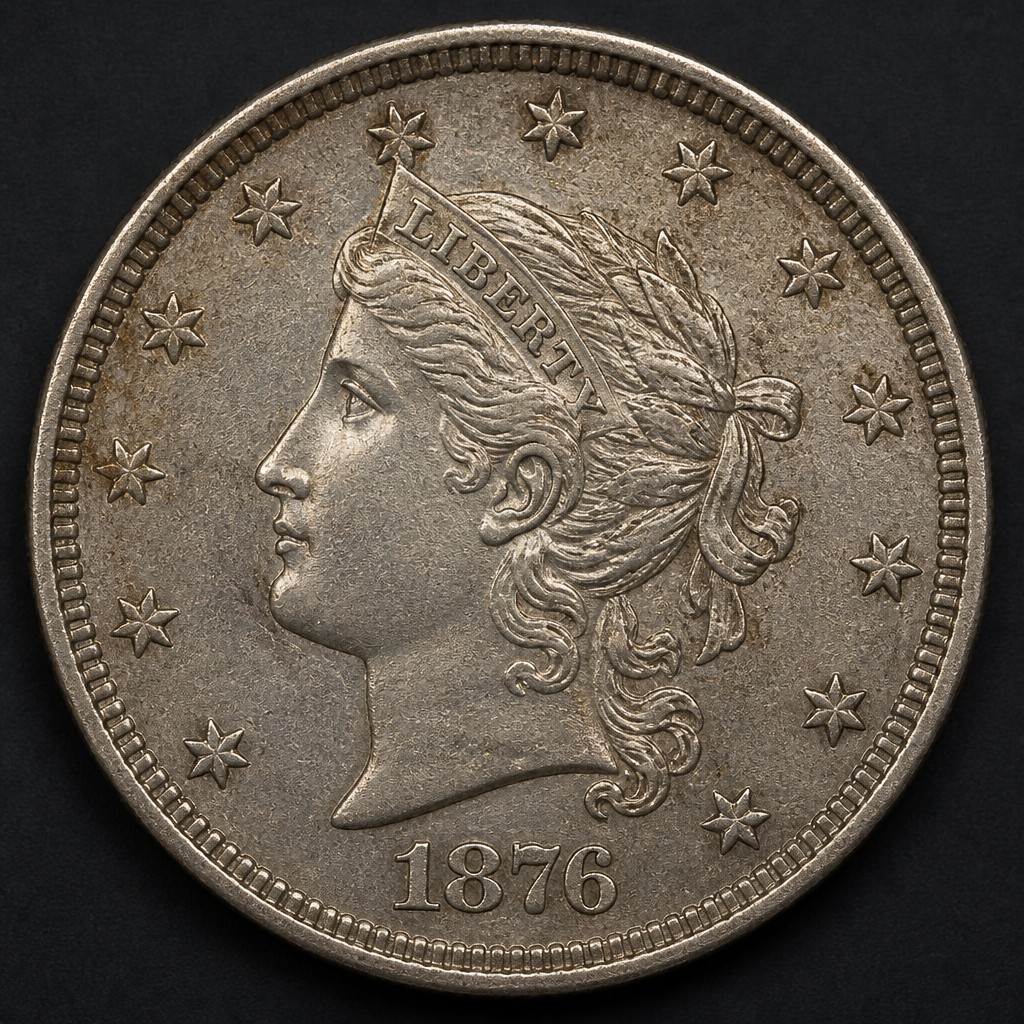
1876-CC Twenty-Cent Piece
One of the great rarities of United States coinage: a Carson City twenty-cent piece of which nearly the entire mintage was melted, leaving only a small number of survivors known.
United States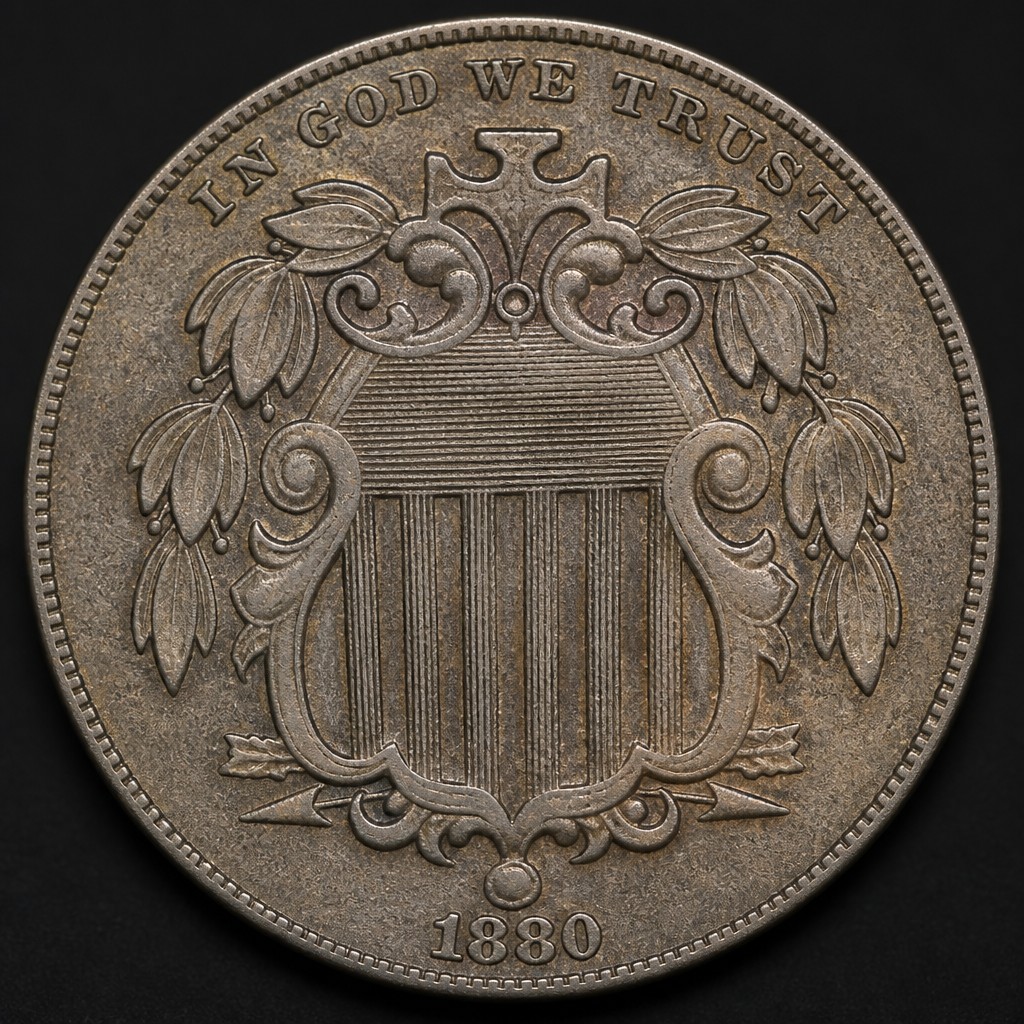
1880 Shield Nickel
A major key date of the Shield Nickel series with an extremely low business-strike mintage, making genuine circulated examples much scarcer than the coin's proofs.
United States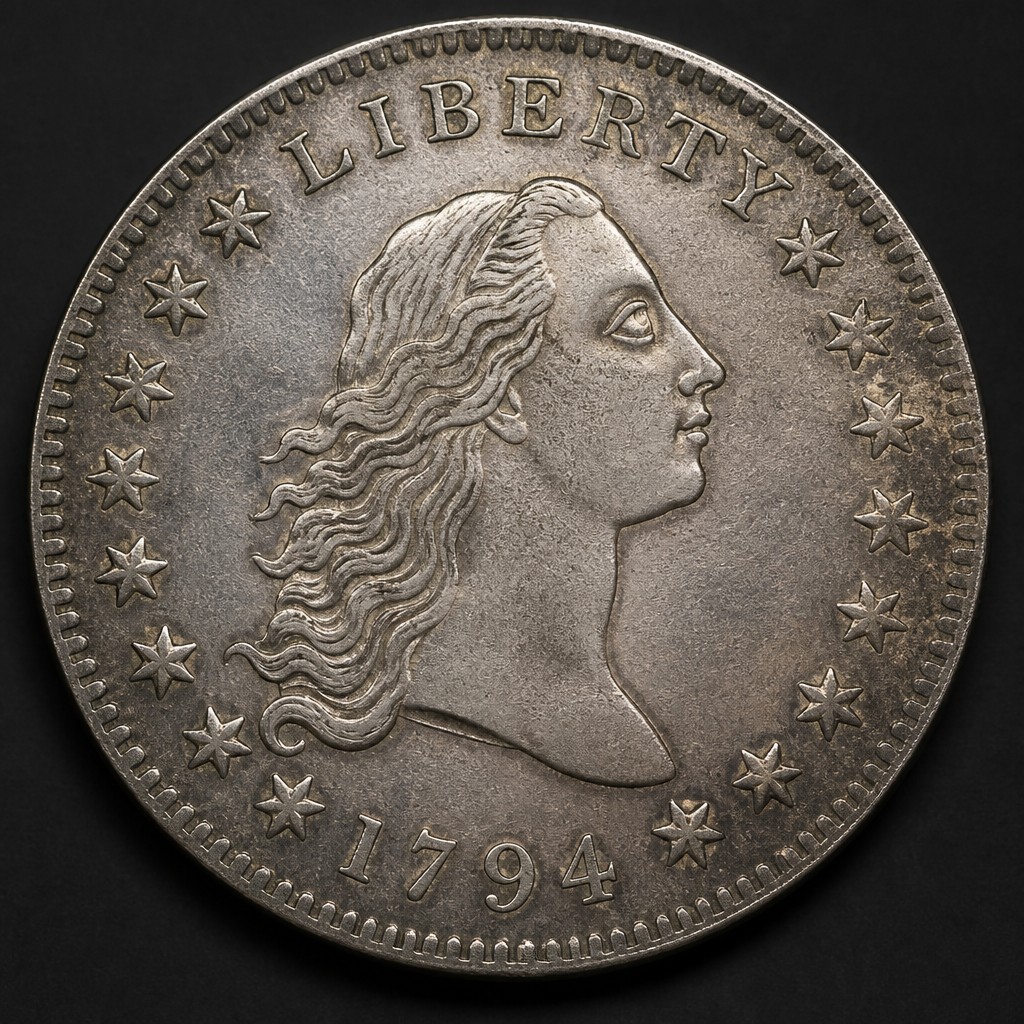
Flowing Hair Dollar
The first silver dollar struck by the United States Mint, issued in 1794-1795 with a flowing-haired Liberty and small eagle reverse; the 1794 date is among the rarest and most valuable U.S. coins.
United States
British Gold Sovereign
Historic British gold coin featuring Saint George slaying the dragon, minted since 1817 and still struck today as both a circulation-era relic and modern bullion/collector coin.
British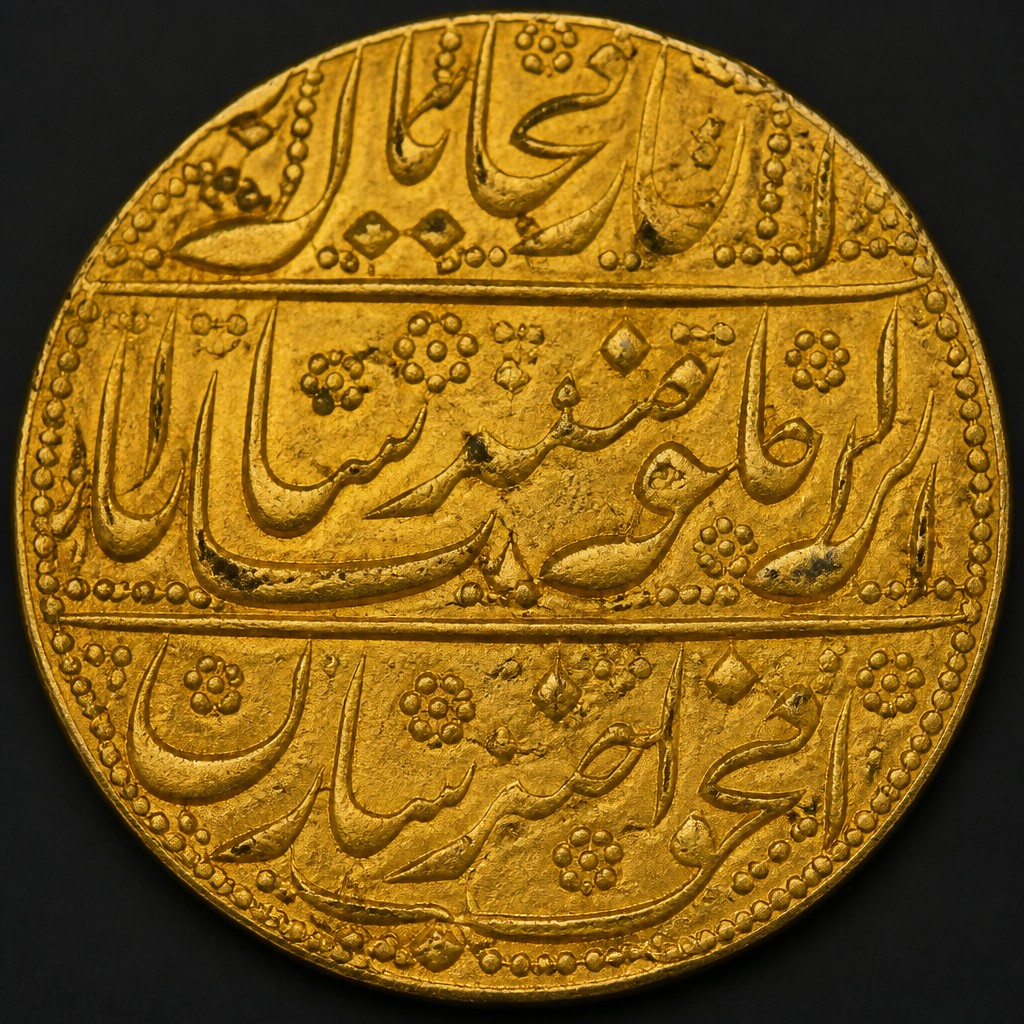
Indian Gold Mohur
The traditional high-value gold coin of the Indian subcontinent, struck for centuries by Mughal emperors, later by the British East India Company, British India, and various princely states.
Asian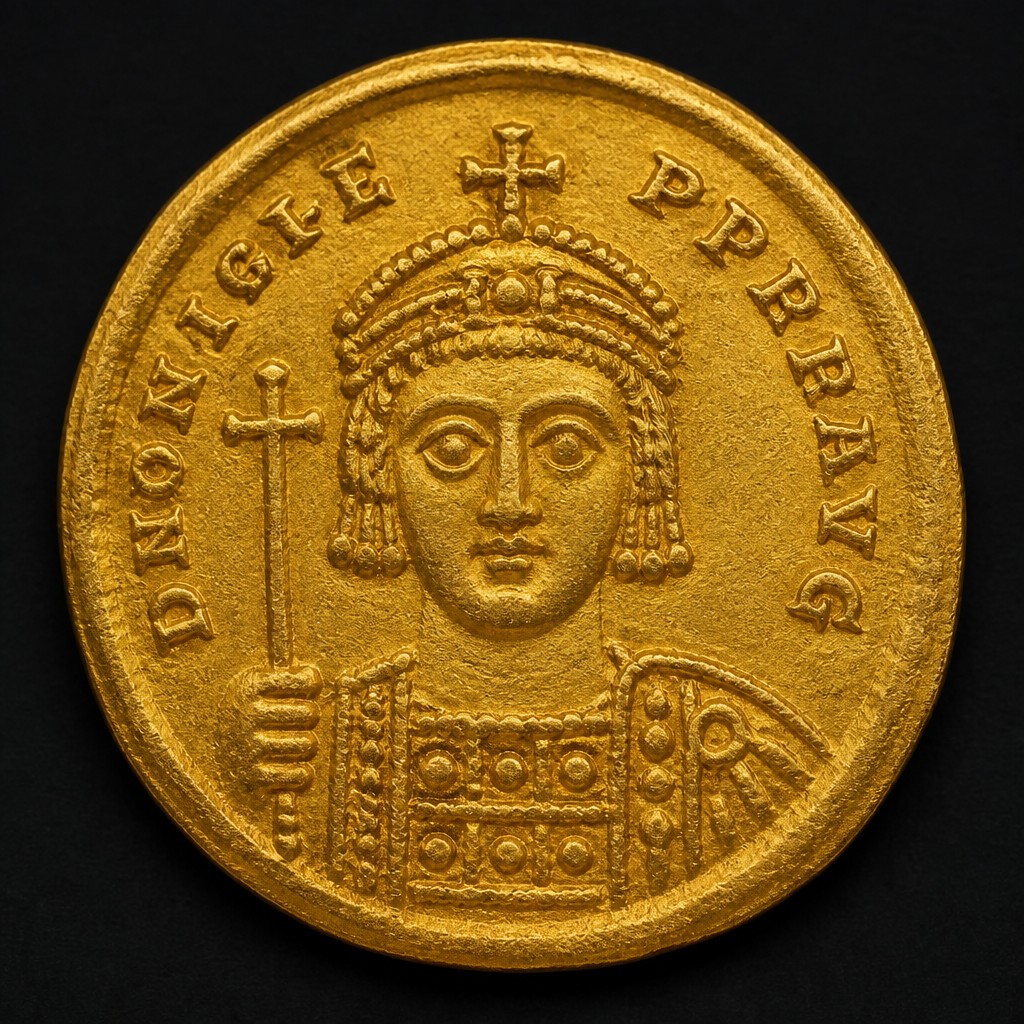
Byzantine Solidus
The gold standard coin of the Byzantine Empire for over 700 years, the solidus funded an empire, financed trade across three continents, and remained one of history's most stable currencies.
Ancient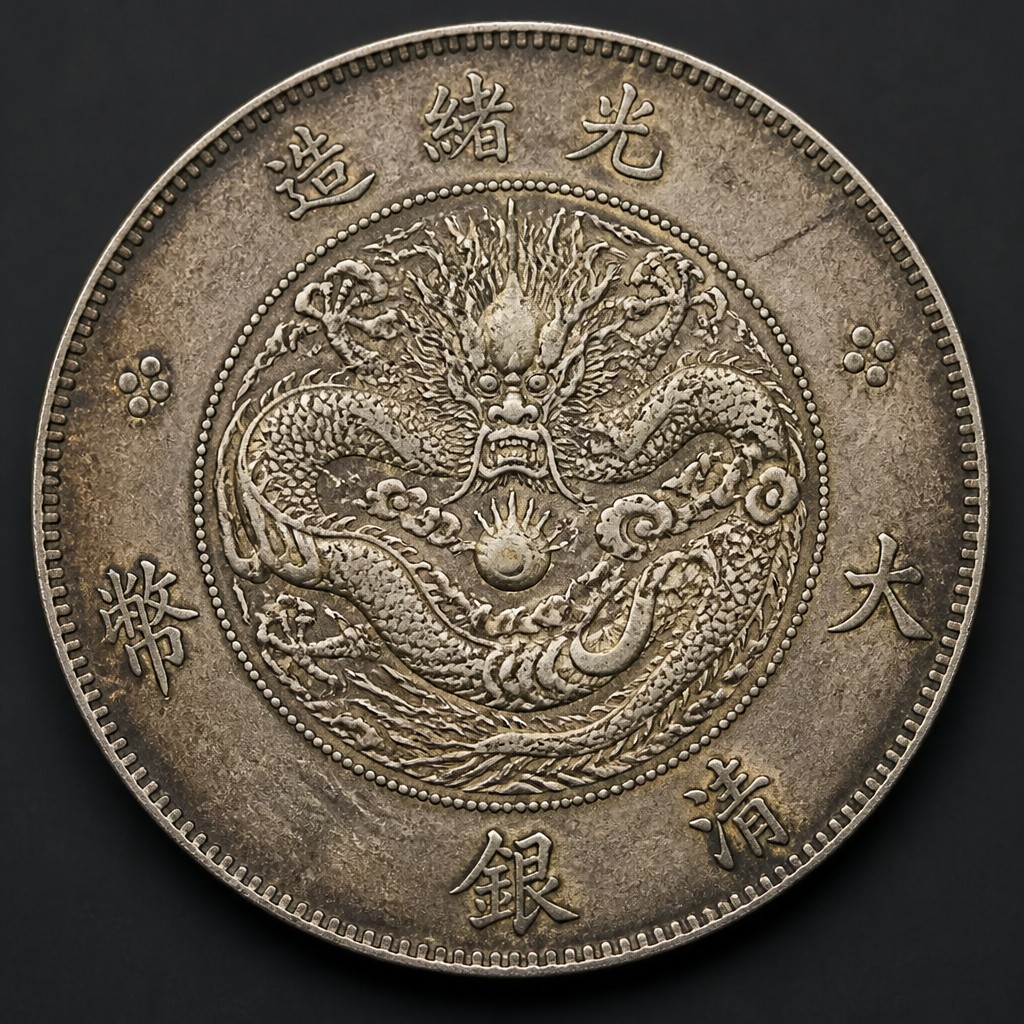
Chinese Dragon Dollar
A coiled dragon dominates the reverse of these late Qing Dynasty silver dollars, struck by numerous Chinese provincial mints as China modernized its coinage using Western minting technology.
Asian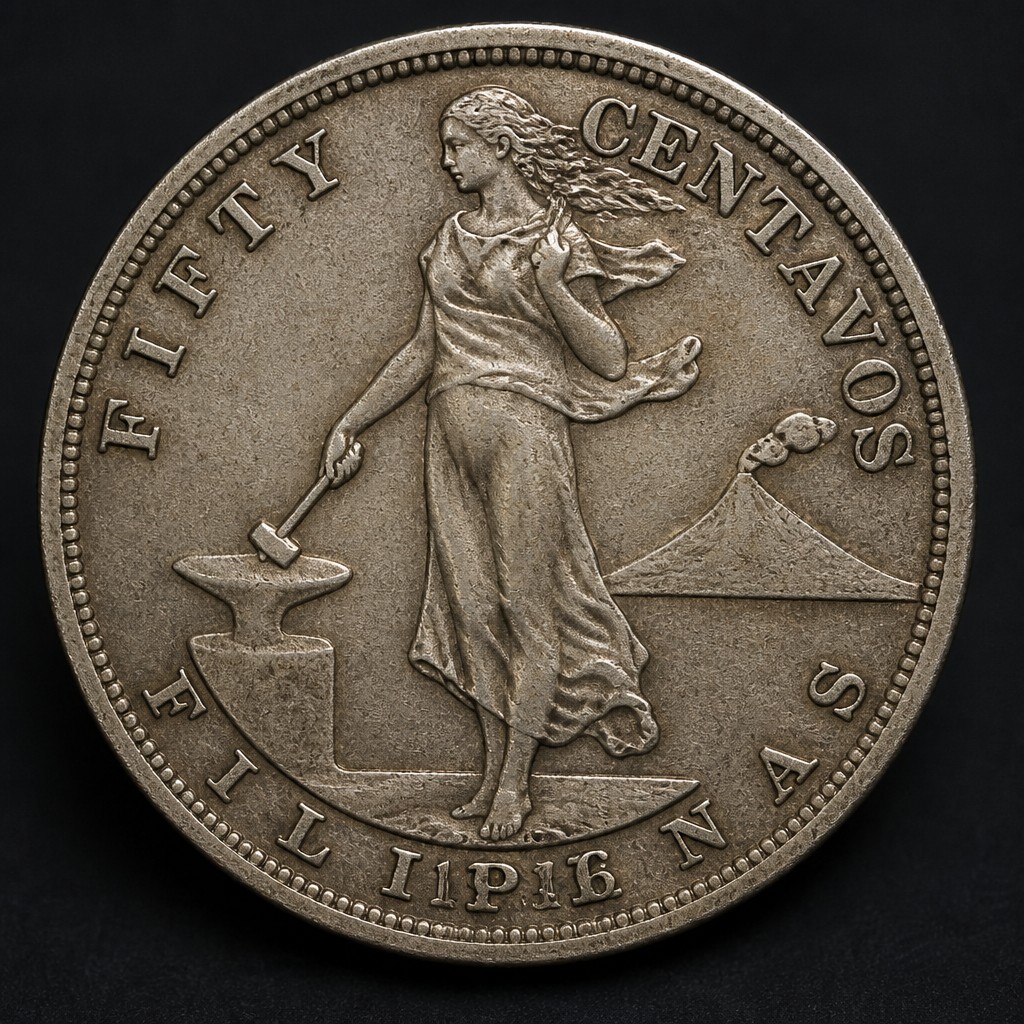
Philippine 50 Centavos (Commonwealth, 1936)
A special 1936 silver 50-centavo coin marking the establishment of the Commonwealth of the Philippines, issued in two paired-portrait varieties honoring Quezon alongside Murphy or Roosevelt.
Asian