
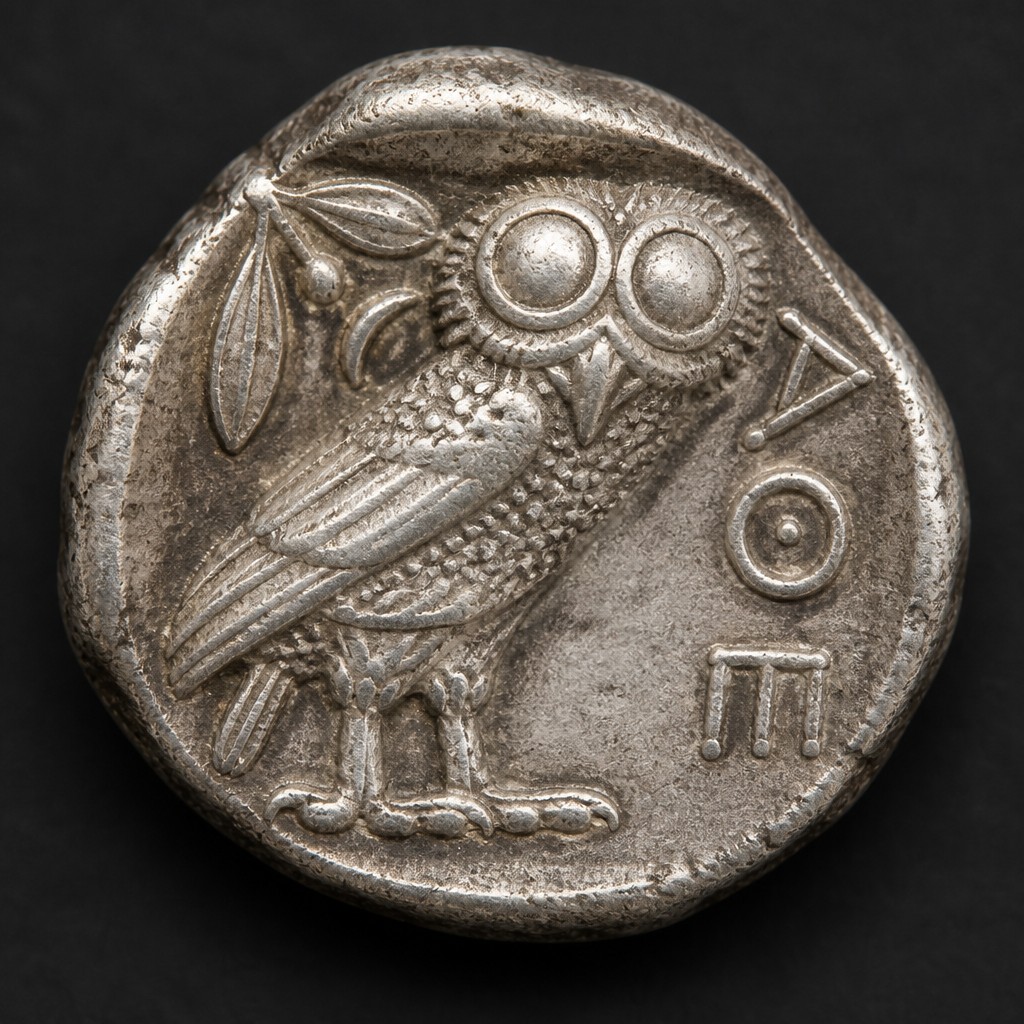
Athenian Owl Dekadrachm
An extremely rare large-format silver coin of classical Athens, struck in only a handful of surviving examples and prized as one of the great rarities of ancient Greek numismatics.
- Country
- Ancient Greece (Athens)
- Denomination
- Dekadrachm (10 Drachms)
- Metal
- Silver
Got a coin like this?
Identify any coin from a photo, free.
Overview
The Athenian owl dekadrachm is among the most celebrated rarities in ancient Greek coinage, a monumental ten-drachm piece struck by the city-state of Athens during the early classical period. Unlike the ubiquitous "owl" tetradrachms that circulated across the Mediterranean as trade currency, the dekadrachm was minted in tiny numbers and was likely intended as a special or presentation piece rather than for everyday commerce.
Collectors and museums alike regard the denomination as a numismatic "holy grail" — so few genuine examples survive that most collectors will only ever see one in a museum case. Its rarity, large flan, and historical association with Athens at the height of its power make it one of the most sought-after ancient coins in existence.
History & Background
Athens began striking its famous silver "owl" coinage in the late 6th century BC, using silver mined from the state-owned deposits at Laurion. The standard denomination was the tetradrachm, but for a brief period around the 480s–460s BC the mint also produced dekadrachms, a denomination roughly two and a half times the weight of the tetradrachm. Numismatists have long debated the reason for the issue, with many linking it to a specific historical event — possibly the aftermath of the Persian Wars, the exploitation of a particularly rich vein at Laurion, or a special civic occasion.
Because the dekadrachm was impractical as ordinary trade currency, it is generally interpreted as a special or commemorative issue struck to display Athenian wealth and power in the years following the Persian invasions, rather than a coin meant for daily circulation.
How to Identify
The obverse shows the helmeted head of Athena in profile, wearing a crested Attic helmet decorated with olive leaves, rendered in a bolder, more severe style than later owl tetradrachms. The reverse depicts Athens's sacred owl standing with wings folded, an olive sprig and crescent moon beside it, and the abbreviated legend ΑΘΕ (for Athenaion, "of the Athenians") to the right, all within an incuse square.
The coin is notably larger and heavier than the familiar owl tetradrachm, requiring a broader flan to accommodate the higher denomination. Because it is so rarely encountered, comparison against published examples and expert authentication are essential before assuming any find is genuine.
Value & Collectibility
Given that only a small number of genuine Athenian dekadrachms are known to exist, any authenticated example represents a major rarity that would be expected to command a very substantial price when one occasionally appears at auction, generally discussed in the high six to seven figure range. Because of the coin's fame and value, modern forgeries and casts are common in the marketplace, so authentication by a recognized expert or grading service is essential before any purchase or high valuation is assumed.
Frequently asked questions
How rare is the Athenian owl dekadrachm?
Only a small number of authenticated examples are known worldwide, making it far rarer than the common owl tetradrachm and one of the most coveted ancient Greek coins.
What does the reverse show?
An owl standing with wings closed, beside an olive sprig and crescent moon, with the abbreviated Greek legend for "of the Athenians."
Why was it minted?
Scholars debate the exact reason, but it is generally linked to Athens's wealth from the Laurion silver mines and its rising power in the early-to-mid 5th century BC.
How can I tell it from a tetradrachm?
The dekadrachm is noticeably larger and heavier, roughly two and a half times the weight of a standard owl tetradrachm.
Should I worry about fakes?
Yes — because of its extreme rarity and value, the dekadrachm is a frequent target of forgers, so professional authentication is essential.
Other coins you may enjoy
Theodosius I Solidus
379–395 AD
Republican Victoriatus
c. 211–170 BC
Islamic Gold Dinar (Umayyad)
c. 696–750 AD
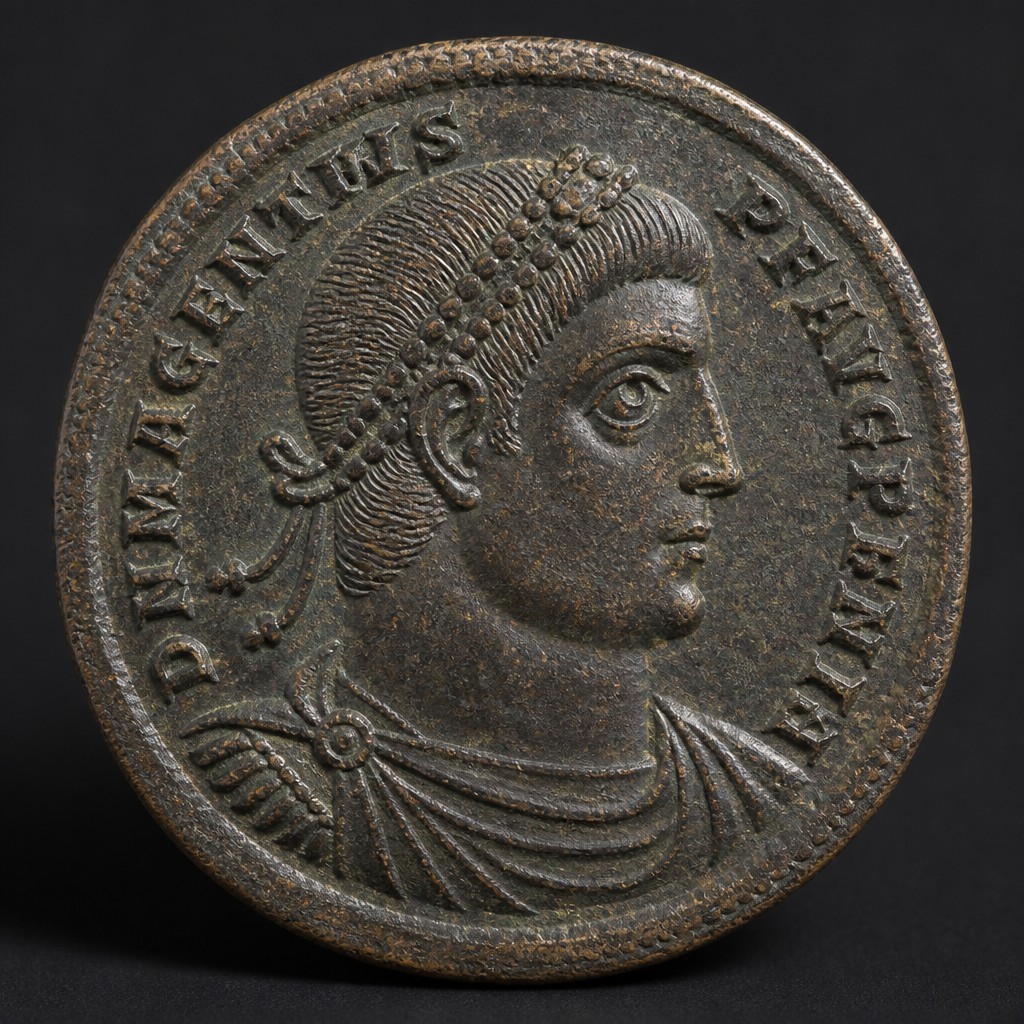
Magnentius Double Centenionalis
350–353 AD
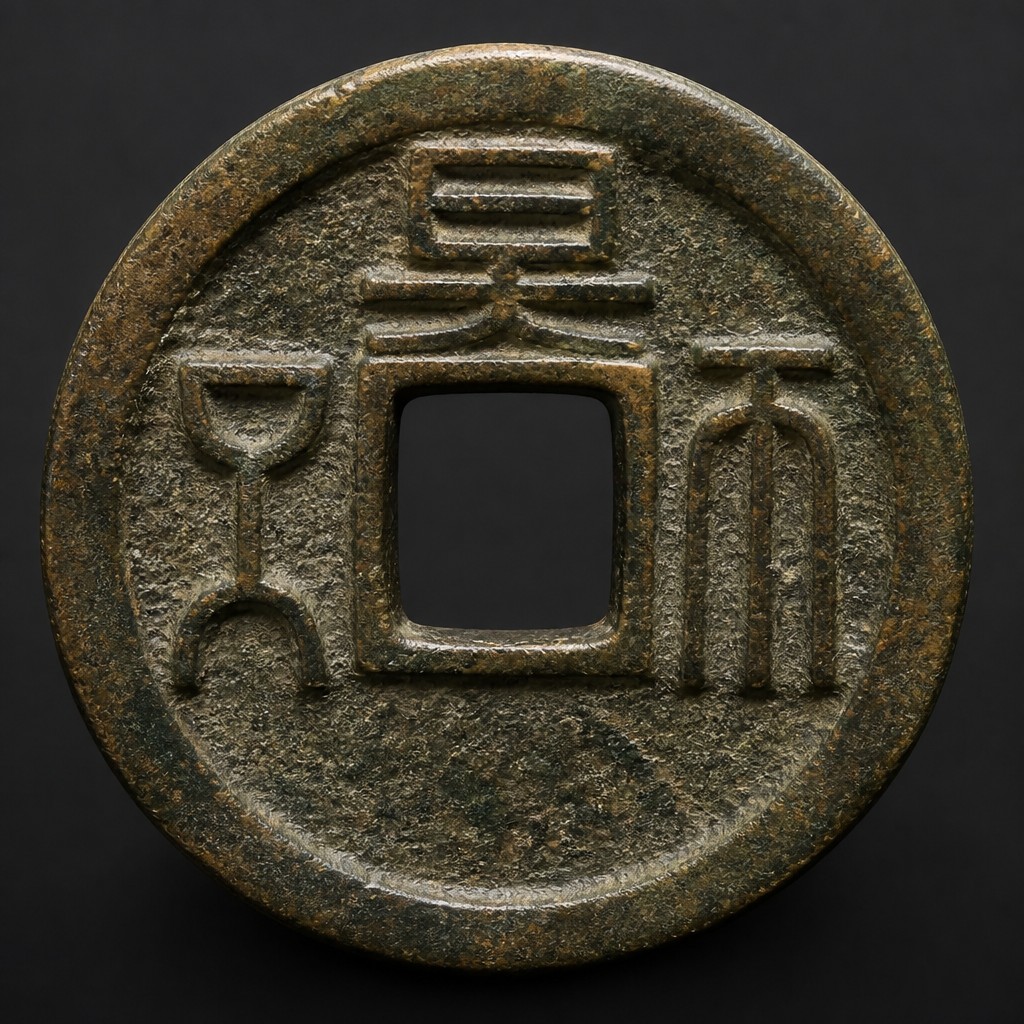
Chinese Wu Zhu Cash
118 BC – 618 AD
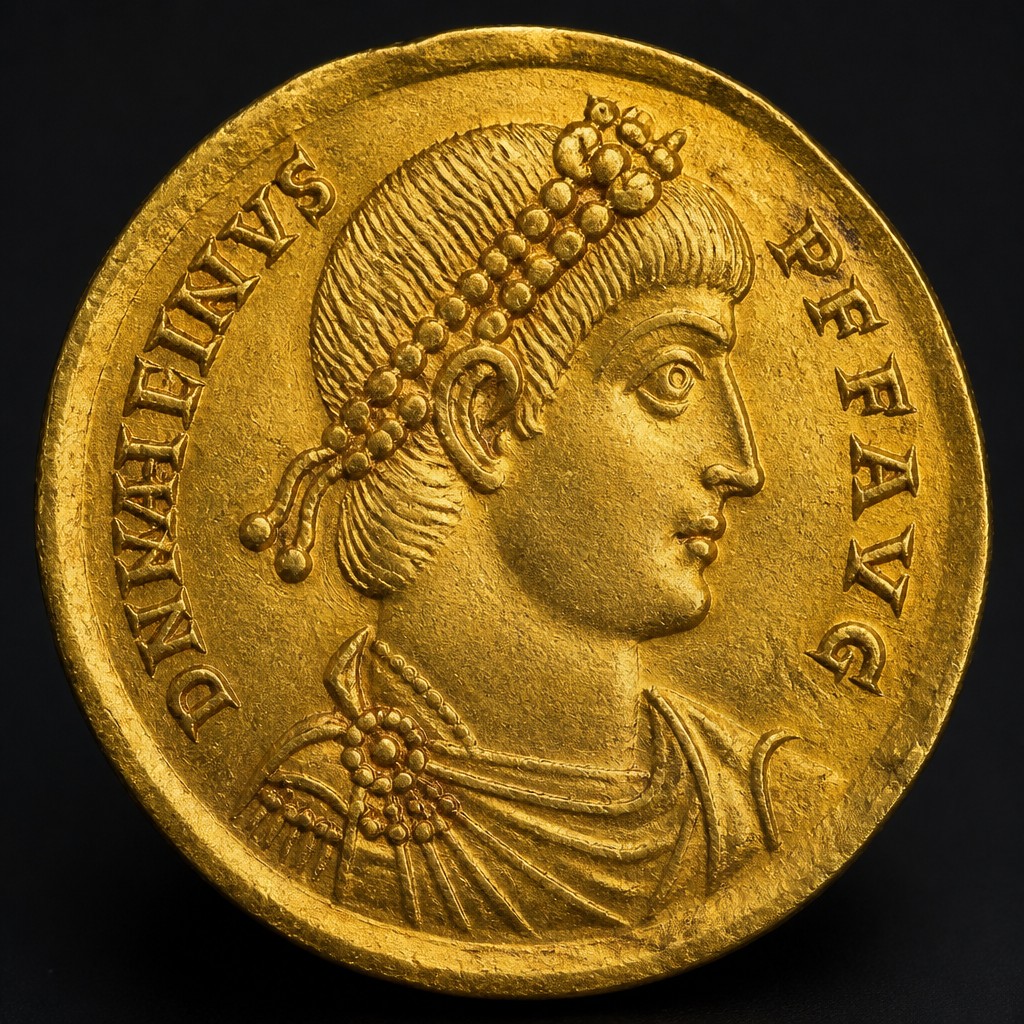
Valentinian I Solidus
364–375 AD
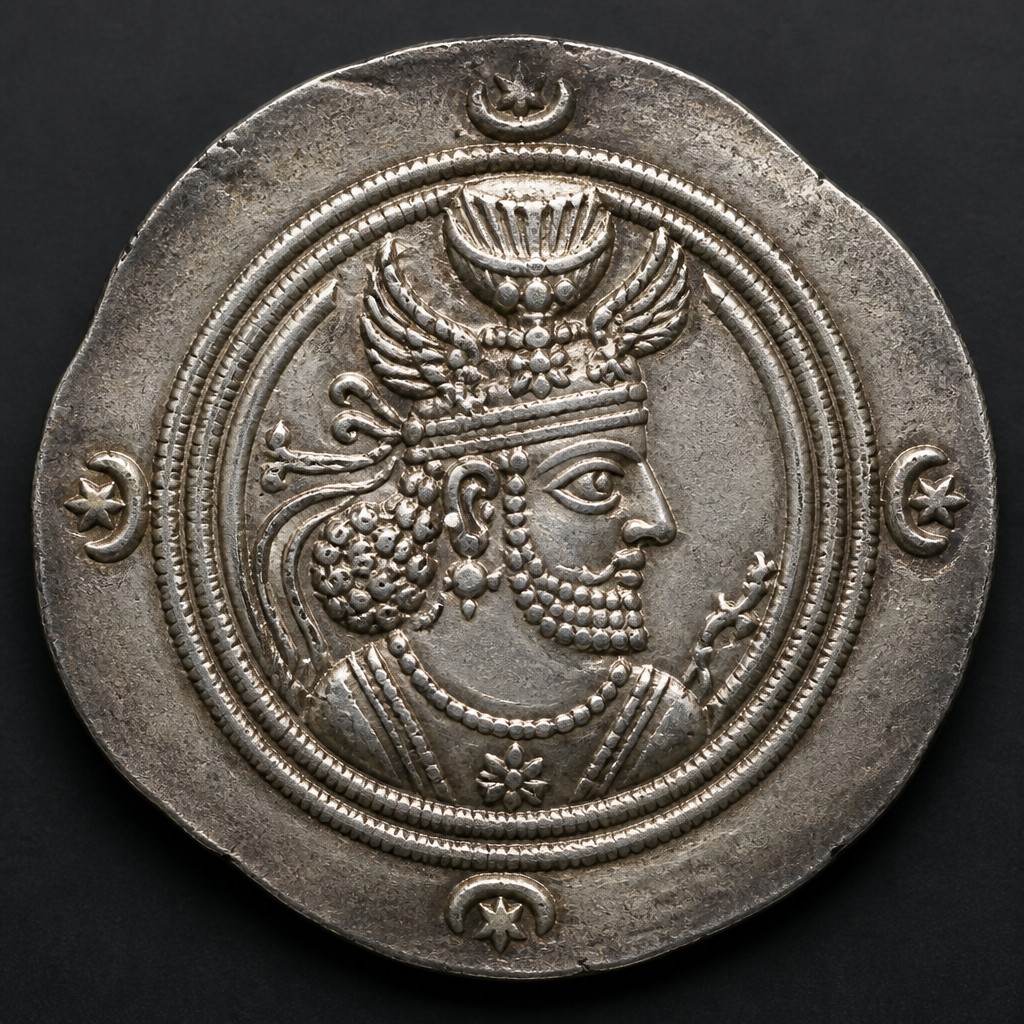
Sassanian Silver Drachm
c. 224–651 AD
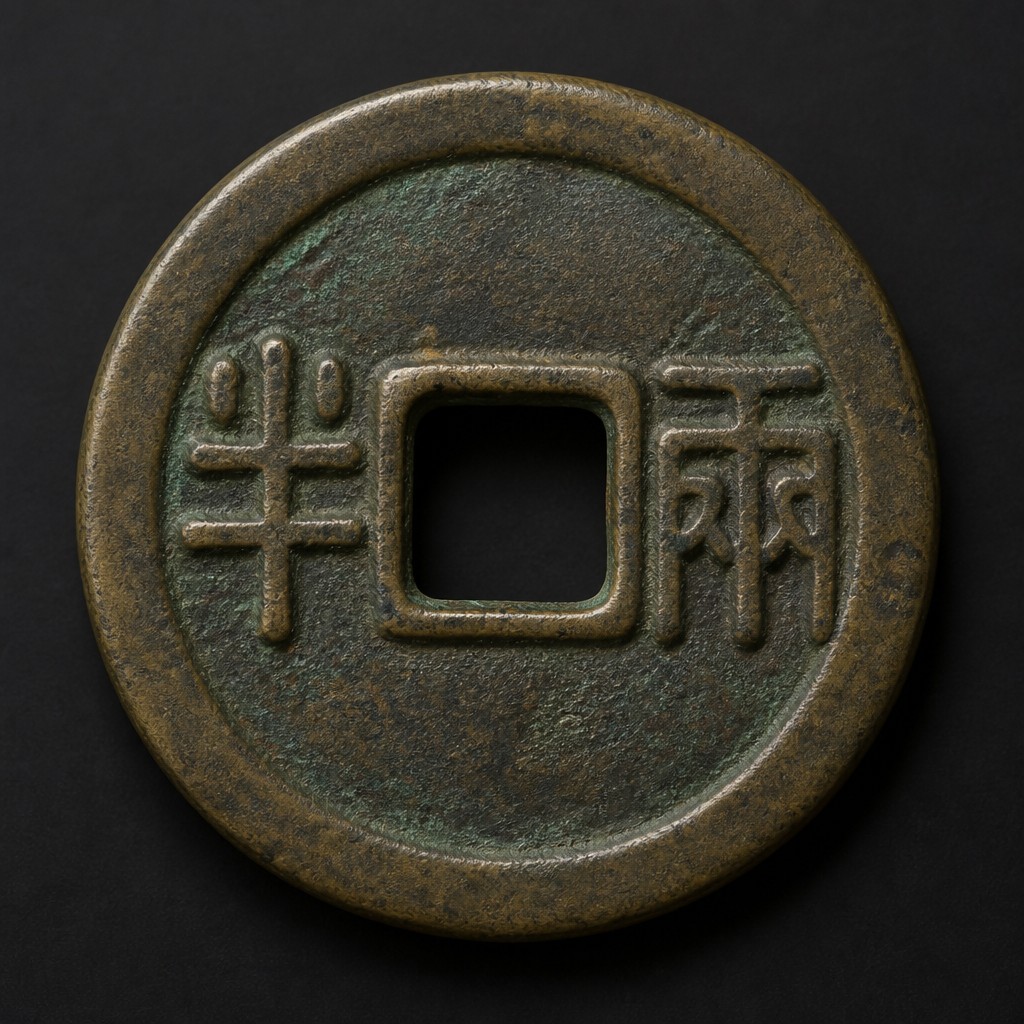
Chinese Ban Liang Cash
c. 221–118 BC
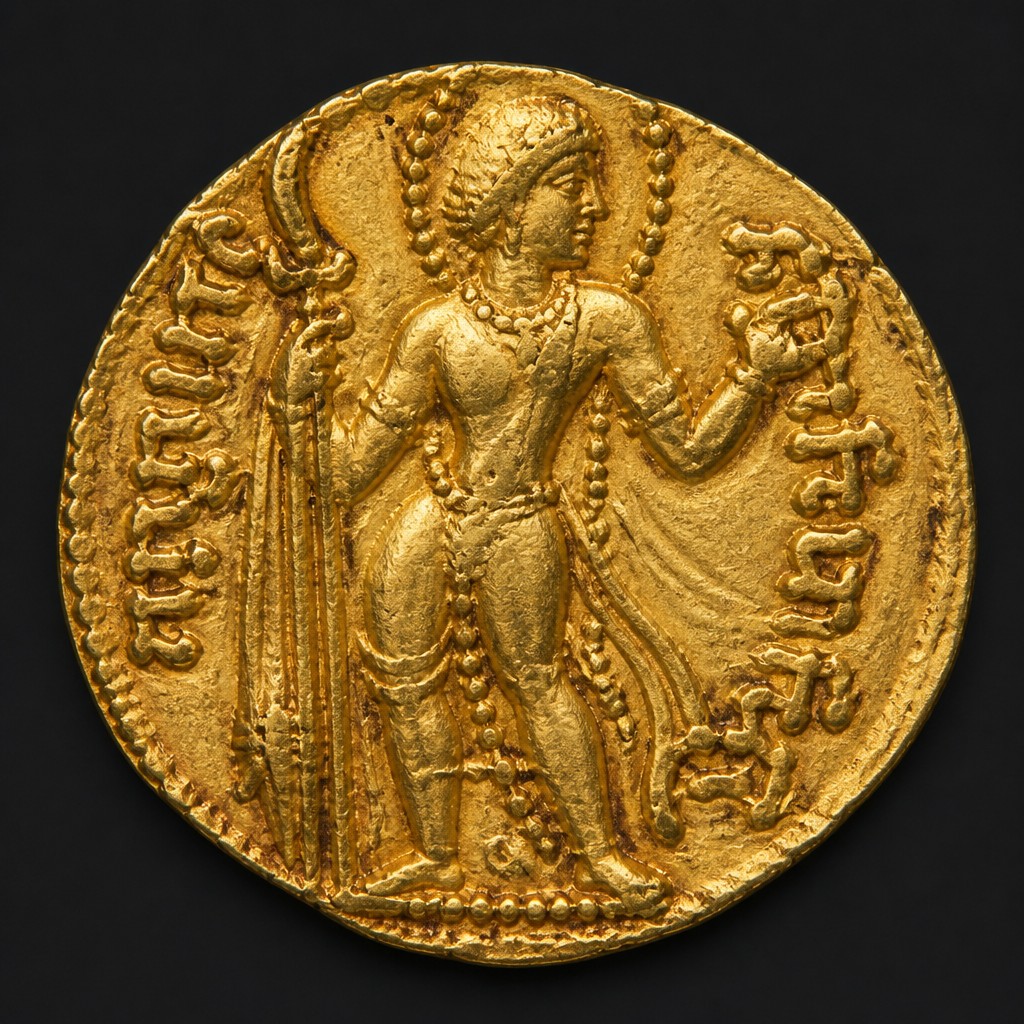
Gupta Empire Gold Dinar
c. 320–550 AD
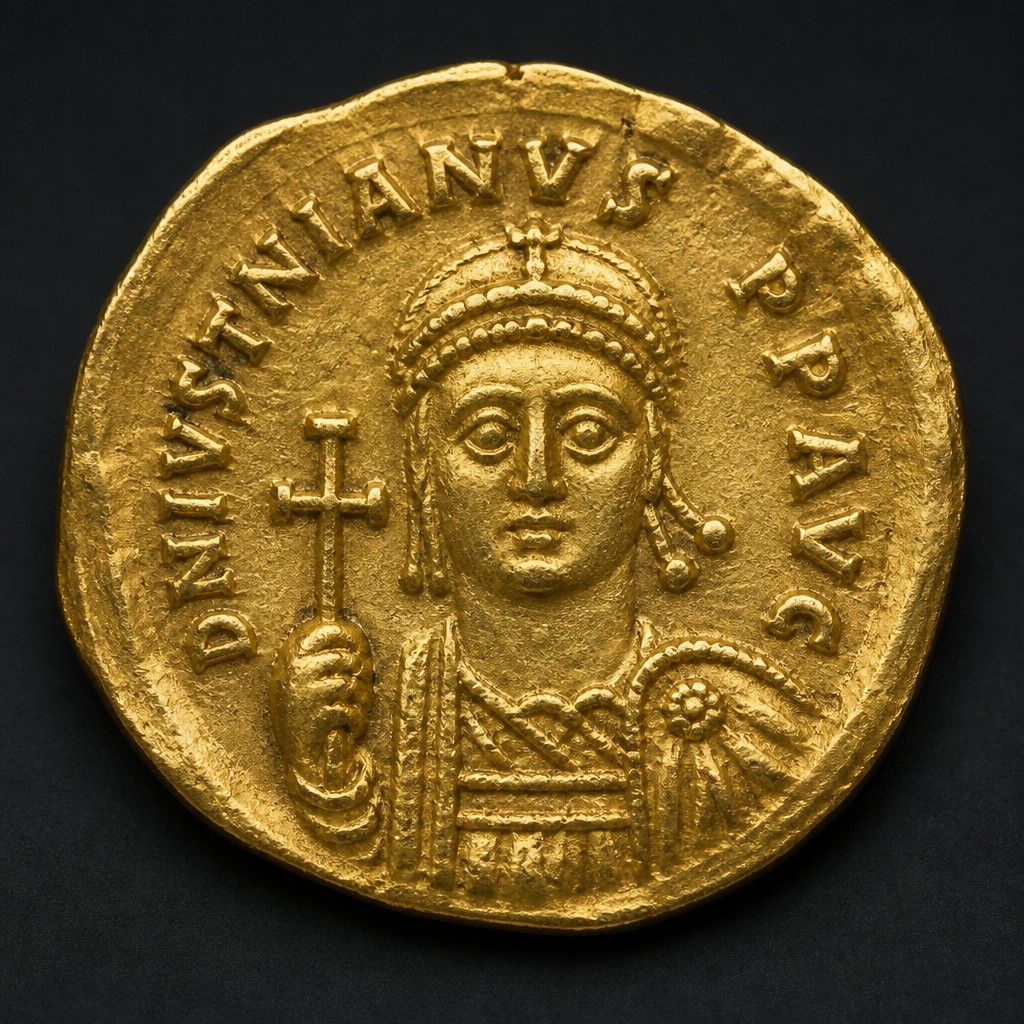
Byzantine Gold Tremissis
c. 4th–7th century AD
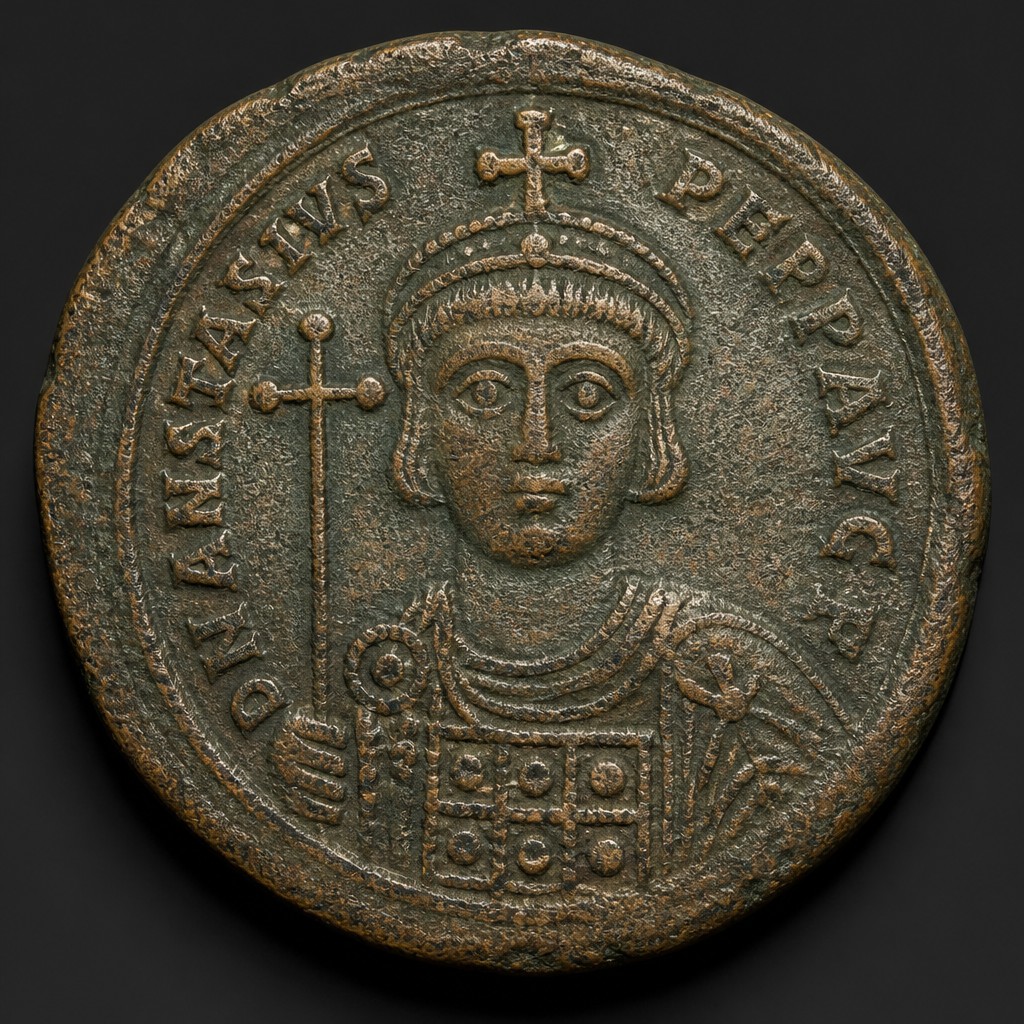
Byzantine Follis
498–c. 11th century AD
Celtic Gold Stater
c. 3rd century BC – 1st century AD