
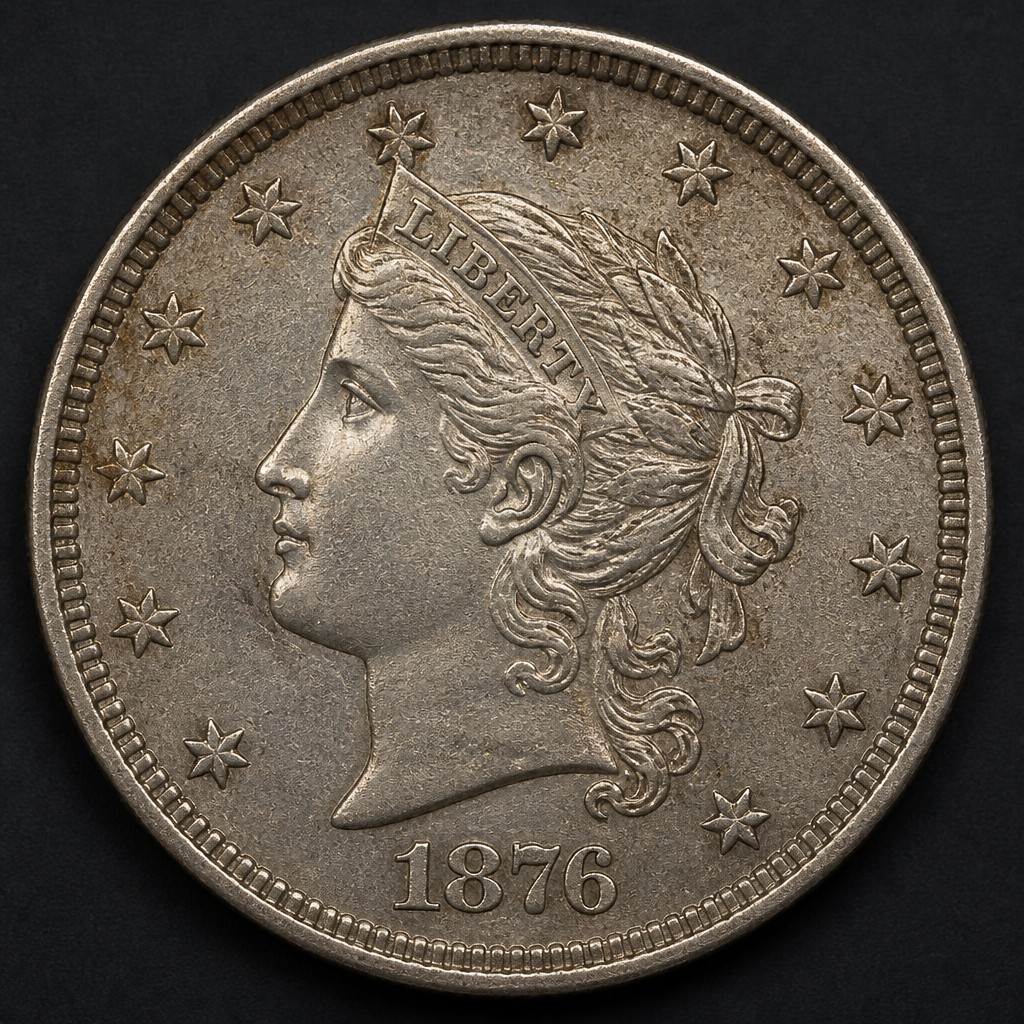
1876-CC Twenty-Cent Piece
One of the great rarities of United States coinage: a Carson City twenty-cent piece of which nearly the entire mintage was melted, leaving only a small number of survivors known.
- Country
- United States
- Denomination
- Twenty Cents
- Metal
- 90% Silver, 10% Copper
Got a coin like this?
Identify any coin from a photo, free.
Overview
The 1876-CC twenty-cent piece is one of the most celebrated rarities in all of American numismatics. Although a modest quantity was originally struck, the overwhelming majority was melted by the Mint rather than released, leaving only a very small number of examples known to survive today.
Its combination of extreme rarity, Carson City mint origin, and dramatic backstory of near-total destruction has made it a legendary coin that collectors of both twenty-cent pieces and Carson City coinage regard as a pinnacle rarity, often out of reach for all but the most well-resourced collections.
History & Background
The twenty-cent piece had already begun to fail commercially by 1876 due to confusion with the quarter dollar, and demand for the denomination collapsed sharply. The Carson City Mint struck a modest quantity of twenty-cent pieces that year, but because so few were needed or wanted, the vast majority of the mintage was ultimately returned to the Mint and melted down rather than being released into circulation.
Only a small number of coins are believed to have escaped the melting, likely preserved by mint employees, officials, or collectors at the time, or held back before the bulk of the mintage was destroyed. This near-total destruction is what elevated the 1876-CC from a merely low-mintage issue to one of the great condition and survivorship rarities of the entire US coinage series.
How to Identify
The coin shares the same design as all twenty-cent pieces: Liberty seated on a rock holding a shield and a liberty-cap pole on the obverse, and an eagle with arrows and an olive branch on the reverse, with TWENTY CENTS beneath the eagle. The 'CC' mintmark appears on the reverse below the eagle.
Given the coin's extraordinary rarity and value, any example purporting to be a genuine 1876-CC must be verified by a top-tier grading service with expertise in this series; the smooth, plain edge (as opposed to the reeded edge of a quarter) remains a basic identifying feature shared with all twenty-cent pieces, but authentication of the date and mintmark combination is essential given the coin's significance.
Value & Collectibility
As one of the key rarities of American coinage, the 1876-CC twenty-cent piece brings prices that regularly reach into the hundreds of thousands of dollars, even in relatively modest circulated grades, reflecting the extremely small number of known surviving examples. Prices realized at public auction for this date have consistently ranked among the highest for any 19th-century United States coin of its type.
Due to its fame, value, and the very small population of genuine examples, any coin offered as an 1876-CC twenty-cent piece warrants extreme caution and should only be acquired with certification from a leading grading service and, ideally, documented auction provenance.
Frequently asked questions
Why is the 1876-CC twenty-cent piece so rare?
Although a modest number were struck, nearly the entire mintage was melted by the Mint rather than released, leaving only a small number of survivors known today.
How many are believed to exist?
Only a very small number of genuine examples are known to numismatists, making it one of the great rarities of US coinage.
Where is the mintmark located?
On the reverse, below the eagle, reading 'CC' for Carson City.
Should I expect to find one in ordinary circumstances?
No; given its extreme rarity and high value, it is encountered almost exclusively through major auctions and specialist dealers, and any claimed example should be independently certified.
Other coins you may enjoy
Virginia Halfpenny
1773
Brasher Doubloon
1787
Higley Copper
1737–1739
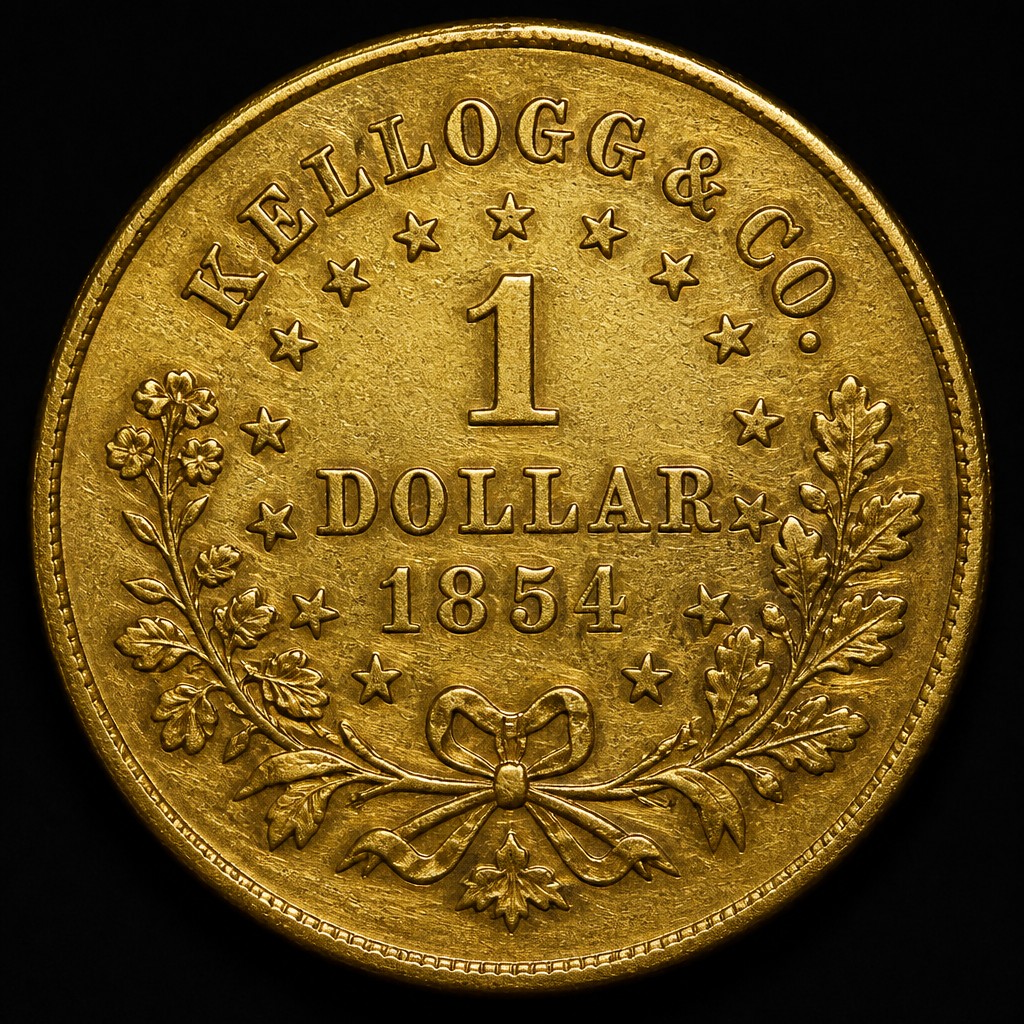
Kellogg & Co. Gold Piece
1854–1855
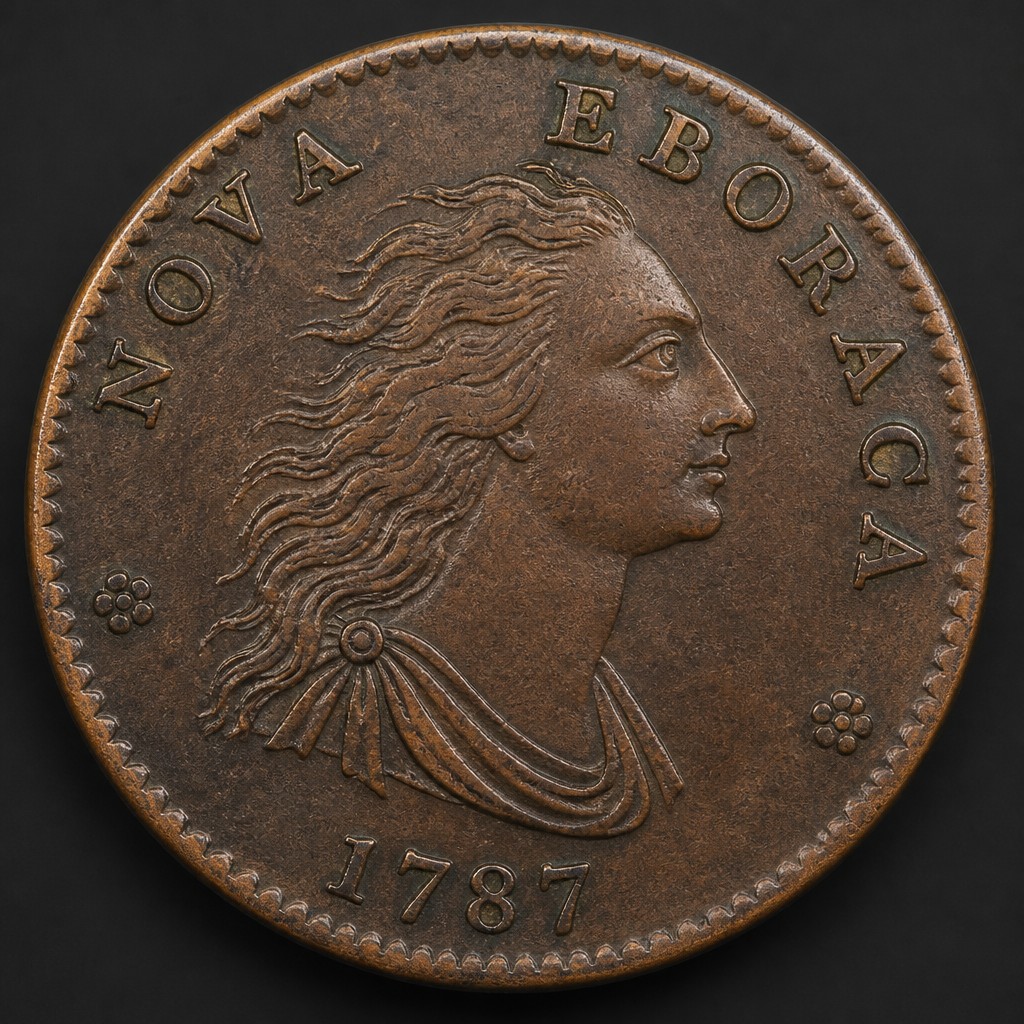
Nova Eborac Copper
1787
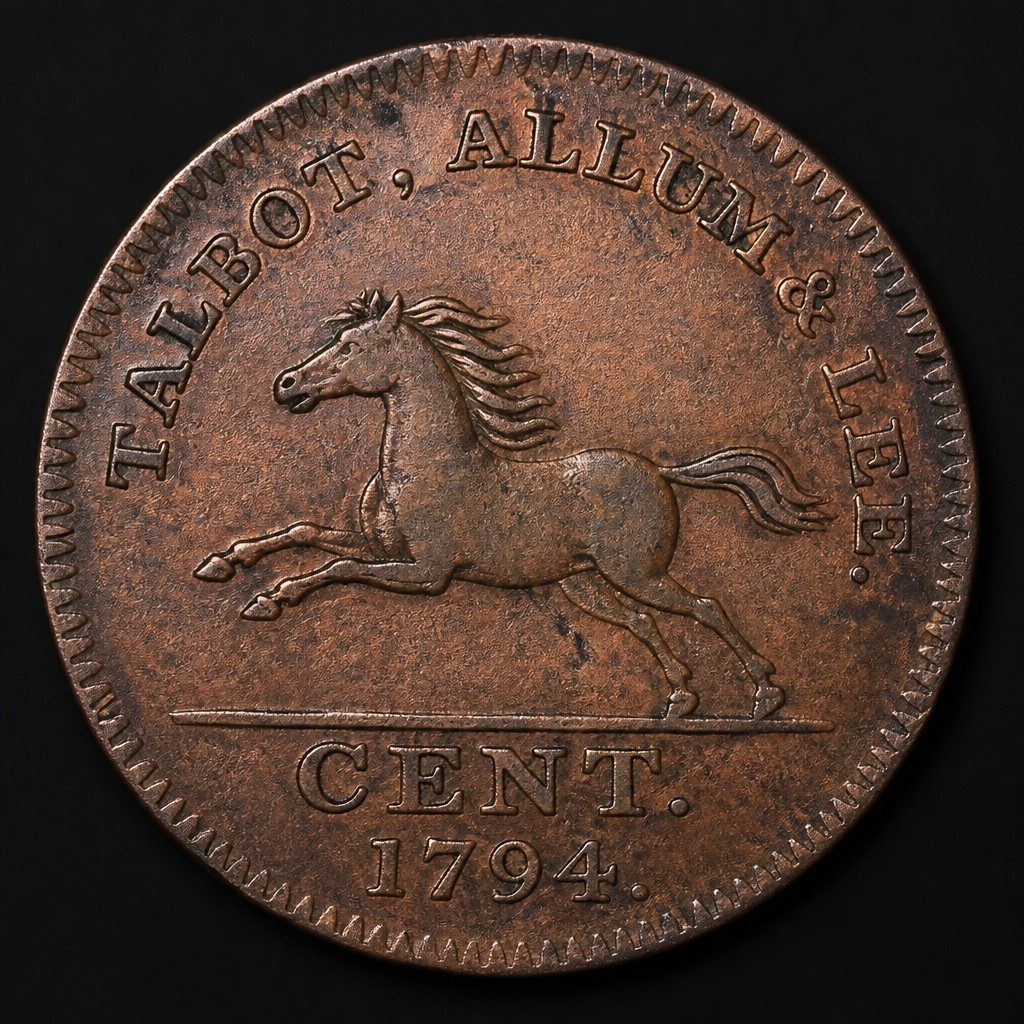
Talbot, Allum & Lee Cent
1794–1795
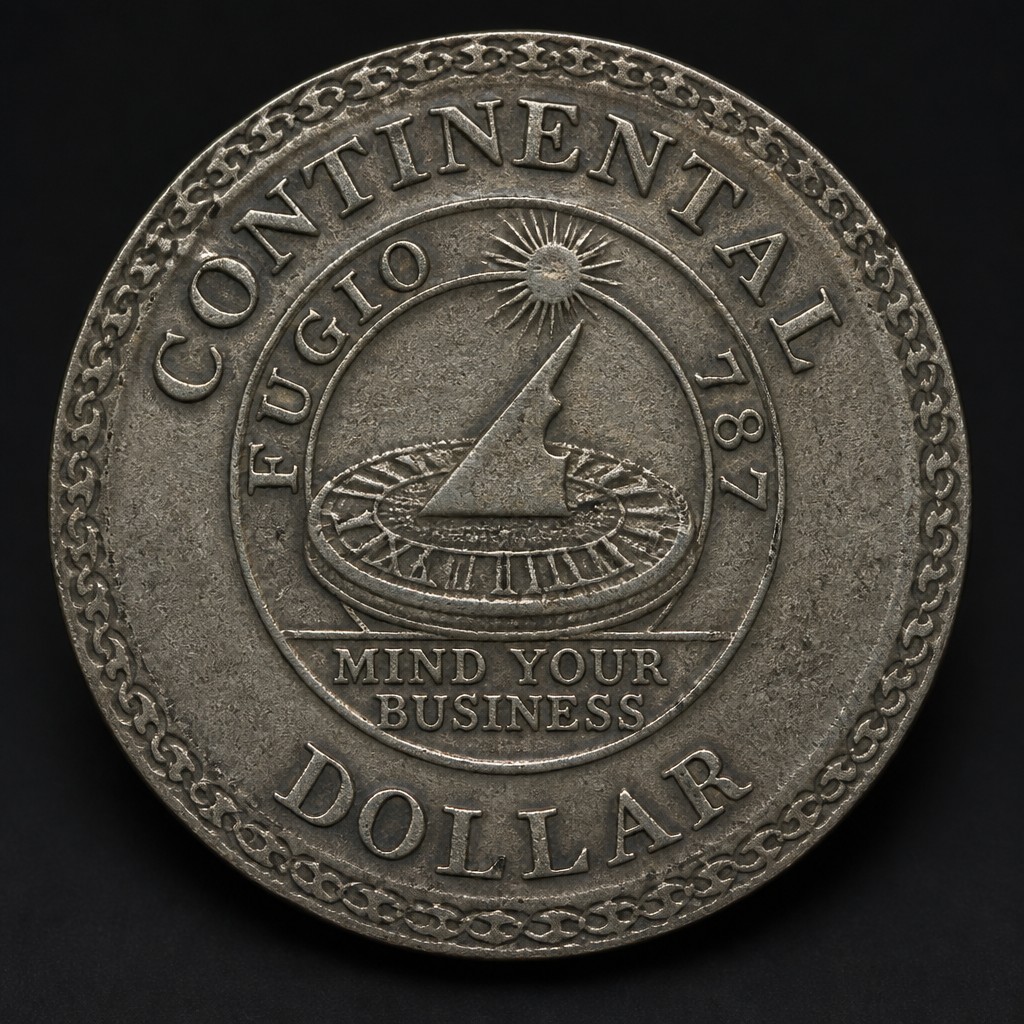
Continental Dollar
1776
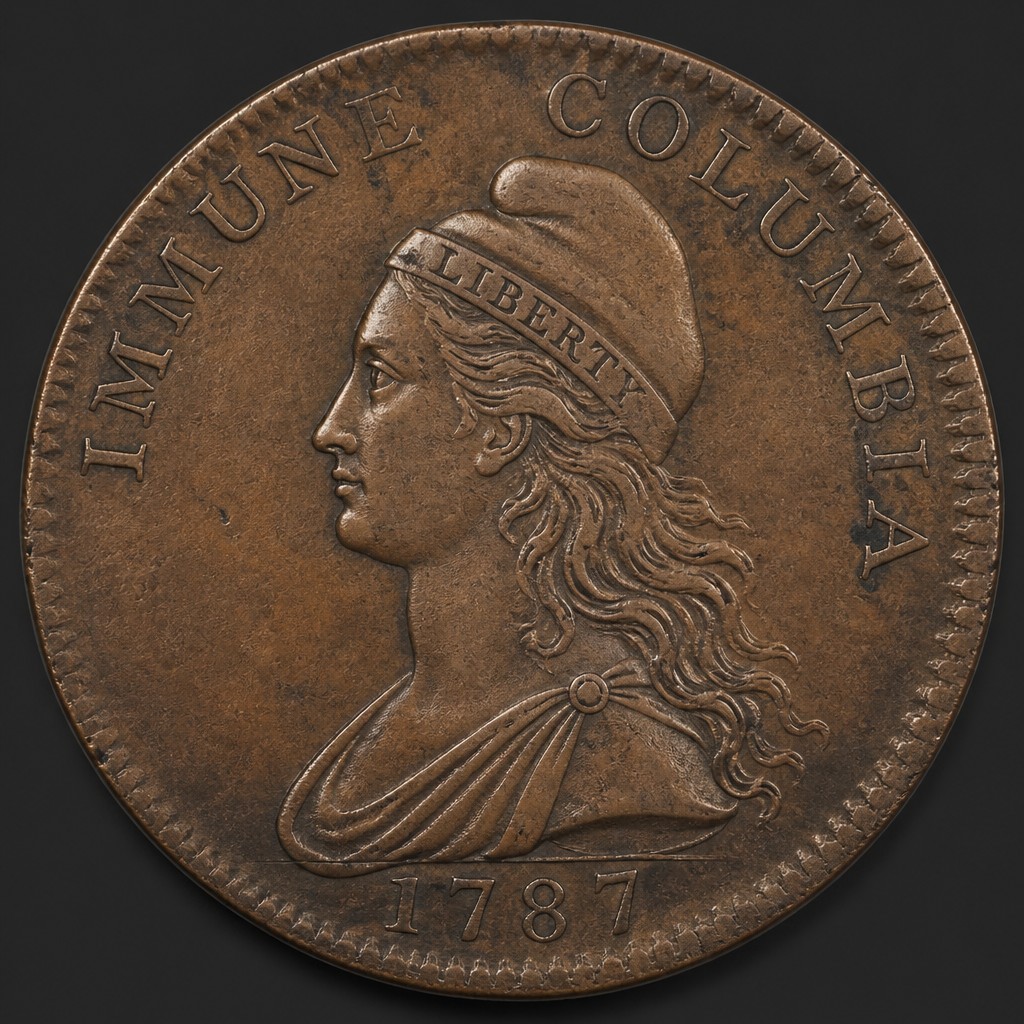
Immune Columbia Copper
circa 1785–1787
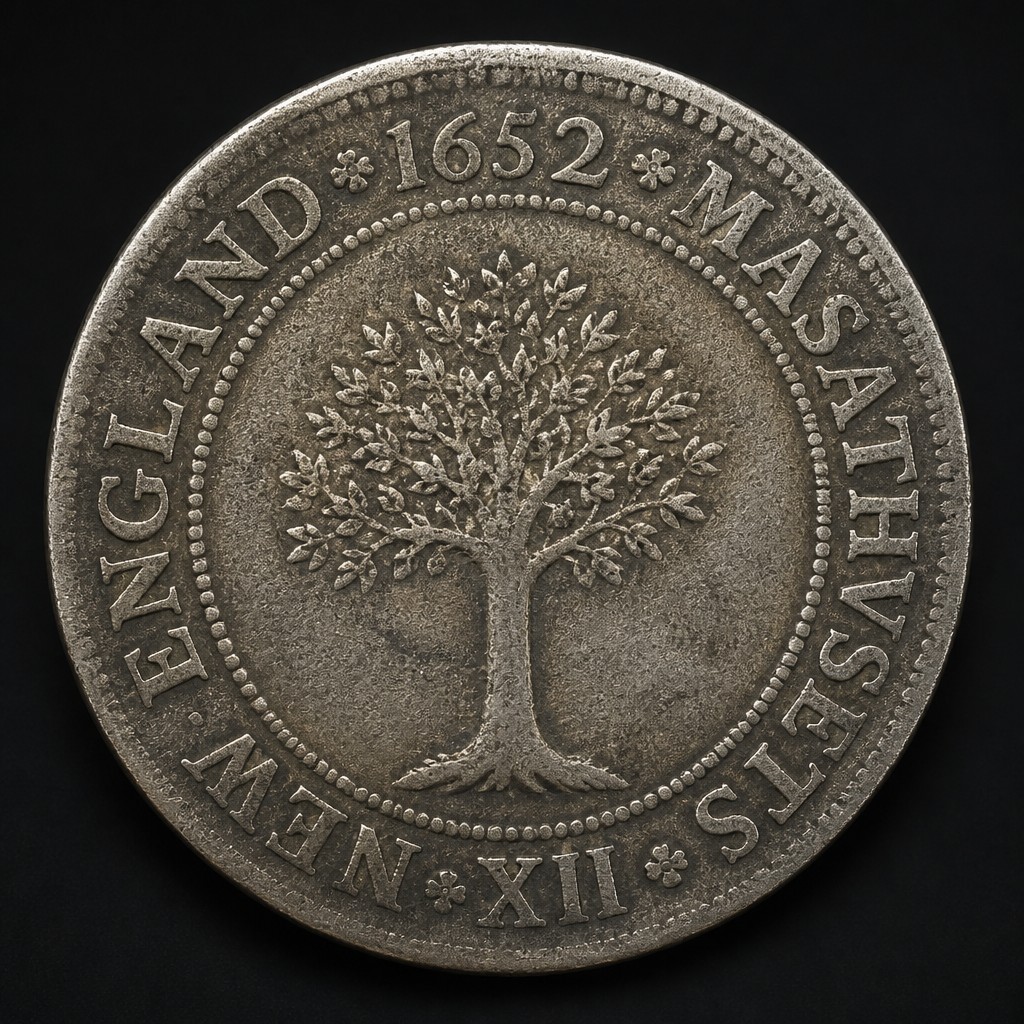
Massachusetts Oak Tree Shilling
Dated 1652, struck circa 1660–1667
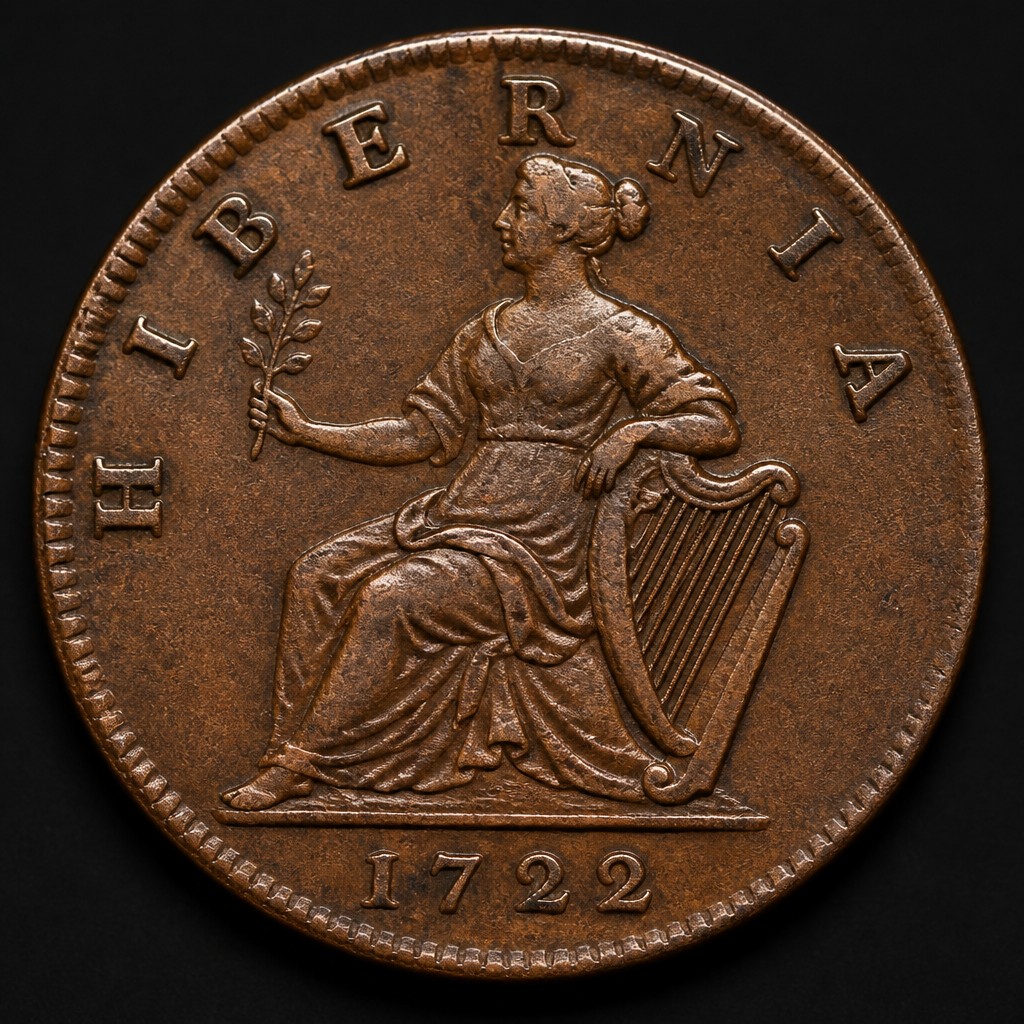
Wood's Hibernia Halfpenny
1722–1724
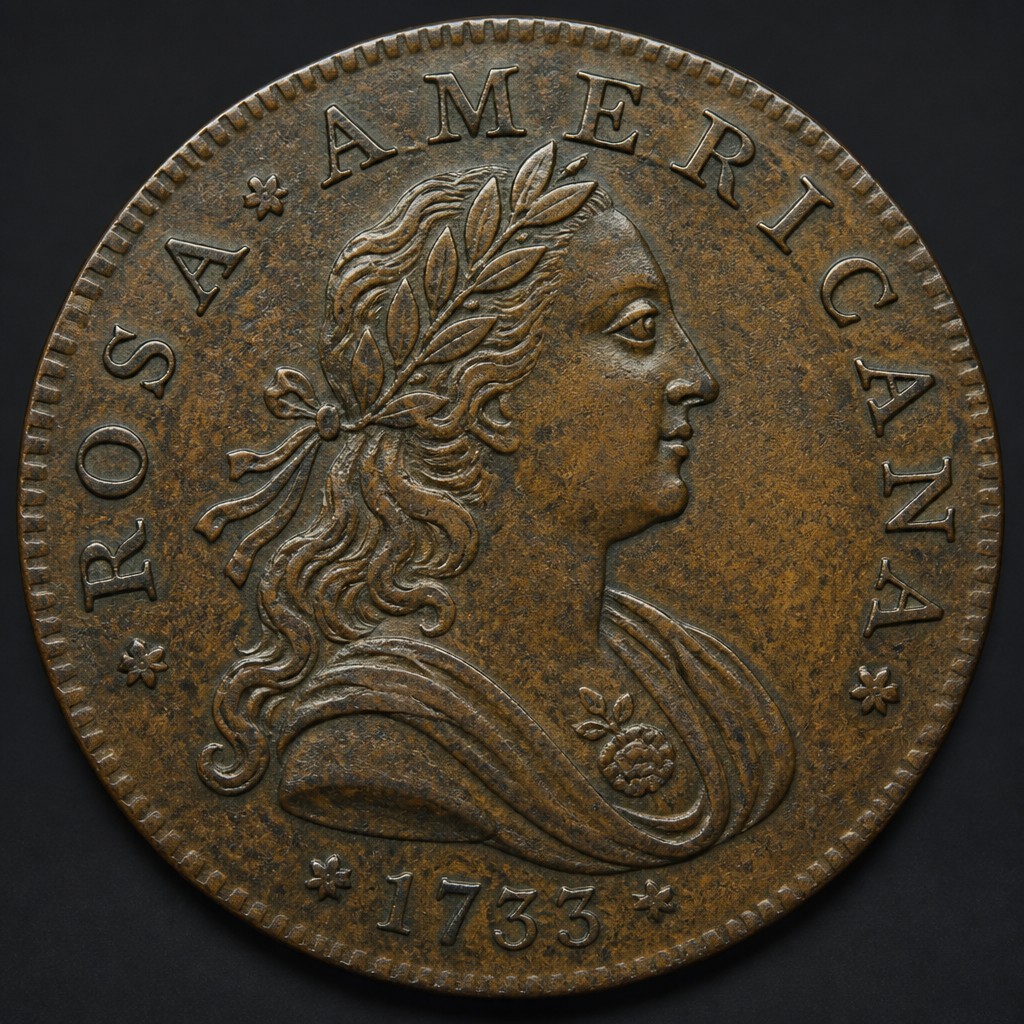
Rosa Americana Coinage
1722–1724 (with pattern issues dated 1733)
Massachusetts Willow Tree Shilling
Dated 1652, struck circa 1653–1660